Garden Blog - Top Tropicals

Date: 22 Nov 2025

Stop buying macadamias - plant this tree to enjoy your own nuts

Macadamia tree (Macadamia integrifolia)

🌰 Stop buying macadamias - plant this tree to enjoy your own nuts!
  • 🐿 How to grow a Macadamia tree and enjoy your own nuts - the priciest nuts in the world? Macadamia trees (Macadamia integrifolia) are surprisingly easy to grow once you know what they need. They handle a wide range of soils, prefer regular watering, and adapt well to warm, humid climates. Young trees appreciate consistent moisture, but once established, they can tolerate short dry spells and even brief flooding.
  • 🐿 The most important step is nutrition. Macadamias are heavy feeders and rely on balanced microelements for strong roots, steady growth, and reliable nut production. Use a liquid fertilizer Sunshine C-Cibus and add microelements on a regular schedule. Sunshine SuperFood plant supplement is especially helpful for preventing the leaf yellowing and slow growth that happen when microelements run low.
  • 🐿 Choose a sunny spot, give the tree room to grow, and mulch around the base to keep moisture steady. As the tree matures, it will bloom and form clusters of green husks that dry and split to reveal the sweet nuts inside.
  • 🐿 With the right care, a single tree can reward you with a generous harvest of rich, expensive macadamias right from your garden.


💖 Macadamia nut health benefits

  • 📍 Macadamia nuts are packed with healthy monounsaturated fats, antioxidants, vitamins, and minerals.
  • 📍 They support heart health by lowering total and LDL cholesterol, help steady blood sugar thanks to low carbs and good fiber, and aid digestion and weight management by keeping you full longer.
  • 📍 Their antioxidants, including tocotrienols, protect cells from damage and may reduce risks of diabetes, Alzheimer’s, and certain cancers.
  • 📍 Macadamia oil is great for skin and hair, offering moisturizing, healing, and strengthening benefits.
  • 📍 Even though they are calorie-rich, small daily portions can actually support healthy weight goals.
  • 📍 Enjoy them raw, roasted, ground, as nut butter, or added to both sweet and savory dishes.


🛒 Grow your own Macadamia Nuts

📚 Learn more:


📱 Video about growing Macadamia trees

#Food_Forest #Remedies #How_to #Discover

🟢 Join 👉 TopTropicals

Date: 7 Dec 2025

Whats for breakfast? Guava versus Banana

Smokey: Guava for fiber, banana for power. Pick wisely.
Sunshine: I pick whatever requires zero effort.
Smokey: So... guava in a hammock. Perfect.

Smokey: Guava for fiber, banana for power. Pick wisely. Sunshine: I pick whatever requires zero effort. Smokey: So... guava in a hammock. Perfect.

🍉🍌 What's for breakfast? Guava versus Banana


Some mornings you want something light. Some mornings you want something that hits like a tiny energy bomb. That’s why people always compare guava and banana. Both are everywhere, easy to eat, and trusted since forever - from Ayurveda scrolls to modern nutrition charts.

But they’re not the same kind of morning fruit. Let’s walk through them like we’re in the kitchen deciding what to slice first.
  • 🍉 Guava - the fiber champion


    Guava looks innocent, but it’s one of the most nutrient-dense fruits.
    Per 100 g: 68 calories, 5.4 g fiber, over 200 mg vitamin C, a little protein, and solid potassium.

    Fiber does most of the work. It smooths digestion, keeps you full, and steadies blood sugar. Vitamin C boosts immunity, and antioxidants reduce inflammation. Studies suggest guava lowers LDL and triglycerides. Not bad for a tennis-ball-size fruit.


🍌 Banana - the quick energy classic


Bananas are the opposite personality: soft, sweet, ready in seconds.
Per 100 g: 89 calories, 22 g carbs, good potassium, and a little vitamin B6.

Bananas give fast energy without upsetting the stomach. Athletes eat them before workouts because carbs, sugars, and potassium wake up your muscles. Vitamin B6 helps mood and brain function, which is why a banana on a groggy morning works wonders.

They also pack antioxidants, polyphenols, and heart-protective compounds. Even the peel has nutrients (though not exactly breakfast-friendly).

📊 What studies say - quick notes

  • · Guava: anti-inflammatory, anti-hypertensive, anti-obesity, antioxidant, antidiabetic, antidiarrheal, boosts hemoglobin, supports dental health.
  • · Banana: antioxidants, fiber, vitamins C and E, carotenoids, flavonoids, and heart-protective compounds.


🔮 What Ayurveda says

  • · Guava calms Pitta and Kapha - great for acidity or sluggish digestion.
  • · Bananas balance Vata - grounding and nourishing - but can raise Kapha at night. Morning banana = good. Night banana = maybe skip.


🏆 Guava or banana - which one wins?


Both win, just in different ways:
  • 🍉 Pick guava for:


· light, high-fiber start
  • · better digestion
  • · steady energy
  • · low calories
  • · weight control


🍌 Pick banana for:

  • · instant energy
  • · easy digestion
  • · pre-workout boost
  • · quick carbs
  • · soft, comforting fruit

  • 🍉 Slow mornings love guava.

🍌 Busy mornings belong to banana.

For home growers


If you live in a warm climate, both fruits are incredibly rewarding to grow.

🍉 Why grow guava?

  • · Fruits in 1-2 years.
  • · Compact for small yards or containers.
  • · Super productive when mature.
  • · Needs only sun, warmth, and pruning.
  • · Homegrown flavor is sweeter and more aromatic.


🍌 Why grow banana?

  • · Grows fast and looks lush.
  • · One mat can feed a whole household.
  • · Dwarf varieties fit small gardens.
  • · Homegrown bananas taste richer and creamier.
  • · When a bunch ripens, breakfast is handled for a week.

Growing your own fruit means you’re never out of a healthy breakfast. Something is always ripening, always ready to pick, and always sweeter than anything you buy.

✍️ Scientific reference


🛒 Grow your perfect breakfast for any day - Guava and Banana

📚 Learn more:


📱 Watch YouTube short videos:


#Food_Forest #Bananas #Guava #Remedies #Discover

🟢 Join 👉 TopTropicals

Date: 29 Oct 2025

Grow your own brain food: Avocado and Cocoa

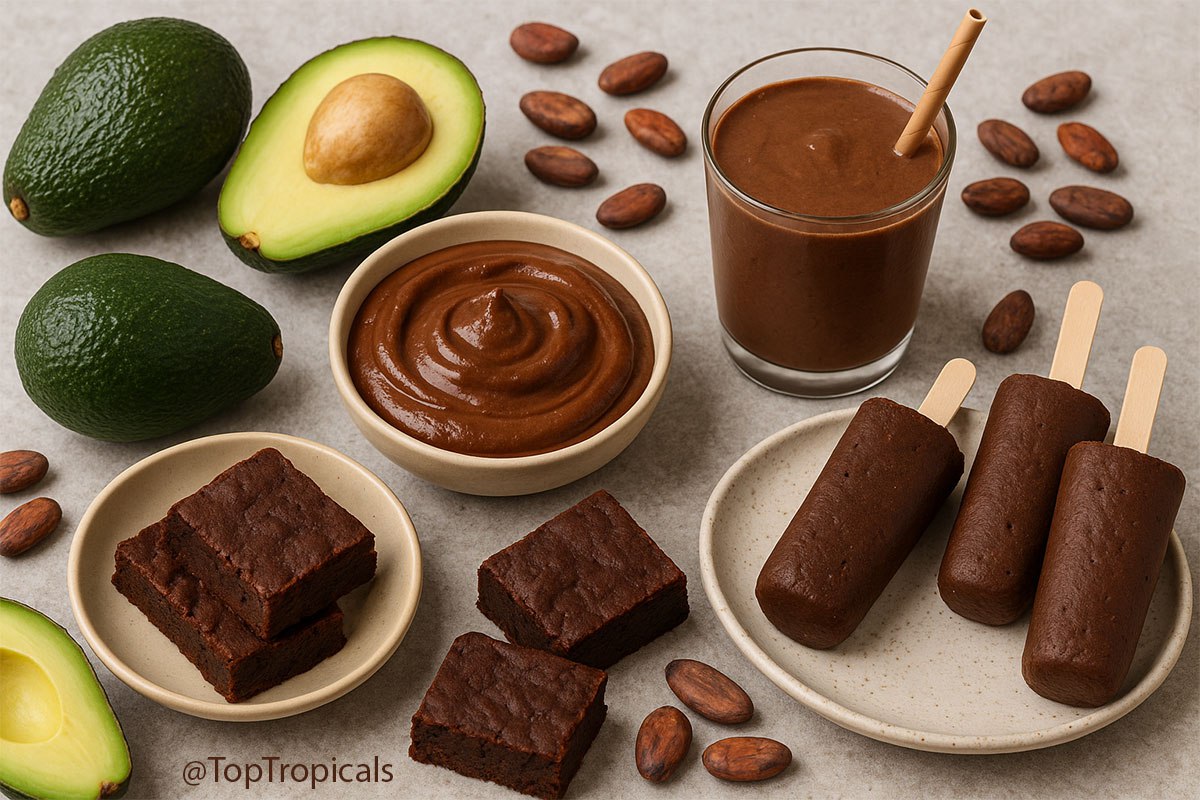
Avocado and Cocoa recipes

Avocado and Cocoa recipes

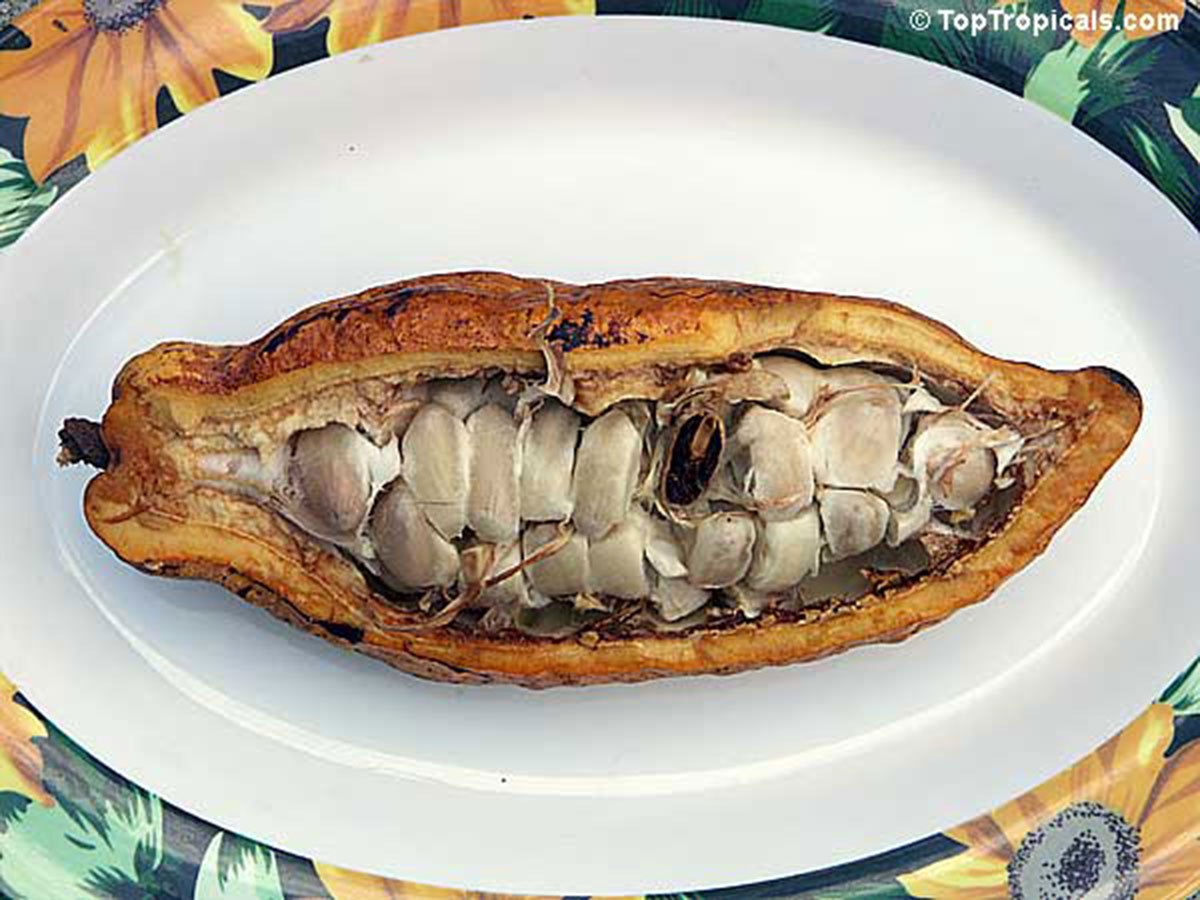
Chocolate tree fruit (Cocoa, Cacao beans) - Theobroma cacao

Chocolate tree fruit (Cocoa, Cacao beans) - Theobroma cacao

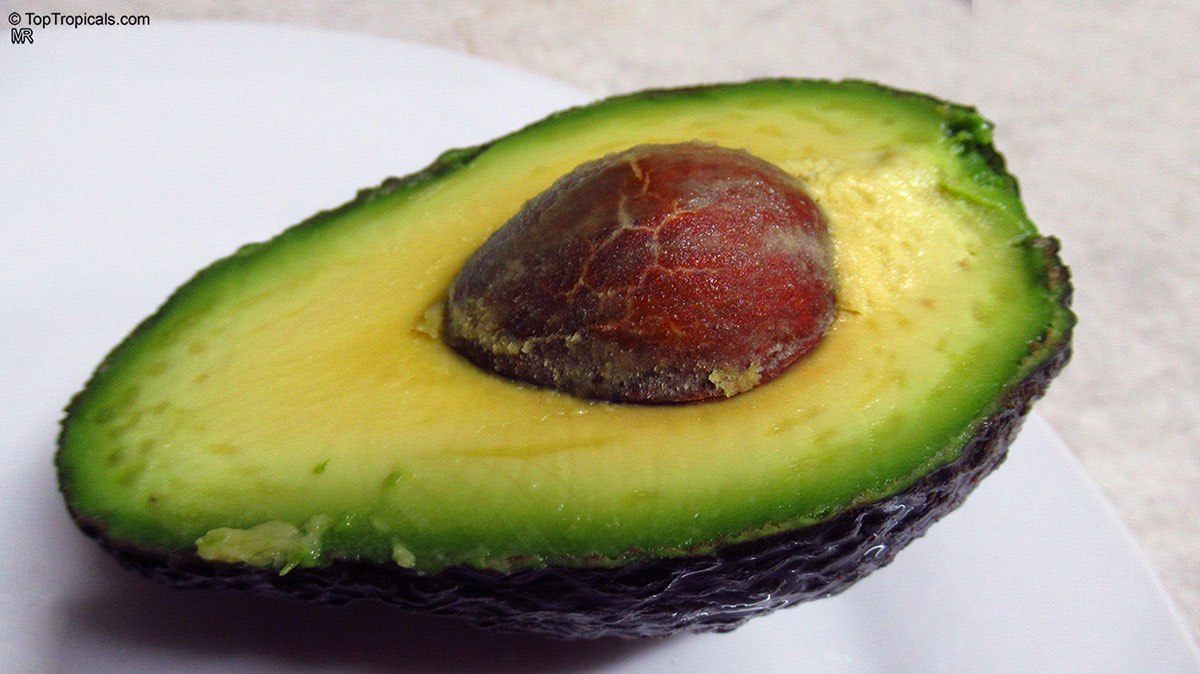
Avocado fruit

Avocado fruit

☕️ Grow your own brain food: Avocado and Cocoa

  • Avocado and cocoa aren't just a delicious combo - they’re also great for your brain. Studies show that Avocado's healthy fats improve blood flow and memory, while Cocoa’s flavonoids boost attention, mood, and overall cognitive performance. Together, they help protect brain cells from inflammation and aging.
  • Avocados are rich in monounsaturated fats and lutein, nutrients that support sharp thinking and long-term brain health. Cocoa, meanwhile, enhances circulation in the brain and has been linked to lower risk of stroke and dementia. So, growing your own avocado and cacao trees means growing your own natural brain boosters right in your garden.
  • Try blending the two in simple treats like avocado chocolate mousse or a smoothie with banana and almond milk - creamy, rich, and packed with brain-loving nutrients.


🍽 Delicious Avocado-Chocolate recipes:

  • 🍵 Avocado Chocolate Mousse


    To make this, simply blend ripe avocado, unsweetened cocoa powder, honey (or maple syrup), and a splash of vanilla for a rich, creamy mousse that feels indulgent yet guilt-free.
  • 🍵 Avocado Chocolate Smoothie


    This is perfect for breakfast and to make it, combine avocado, cocoa powder, banana, almond milk, and a touch of nut butter for a thick, chocolatey breakfast smoothie.
  • 🍵 Avocado Brownies


    This one is for the sweet tooth lovers, use mashed avocado in regular brownie batter, add cocoa powder, and bake for fudgy, nutrient-dense brownies.
  • 🍵 Chocolate Avocado Pudding Pops


    To make this bite-size snack, blend avocado, cocoa powder, dates (or honey), and coconut milk, then freeze in molds for refreshing delights.


🛒 Plant your own Chocolate tree (Cocoa, Cacao), and Avocado tree for long lasting brain power

📚 Learn more:
#Food_Forest #Remedies #Discover #Recipes

🟢 Join 👉 TopTropicals

Date: 19 Feb 2026

10 ways to enjoy Wild Medlar - Spanish Tamarind

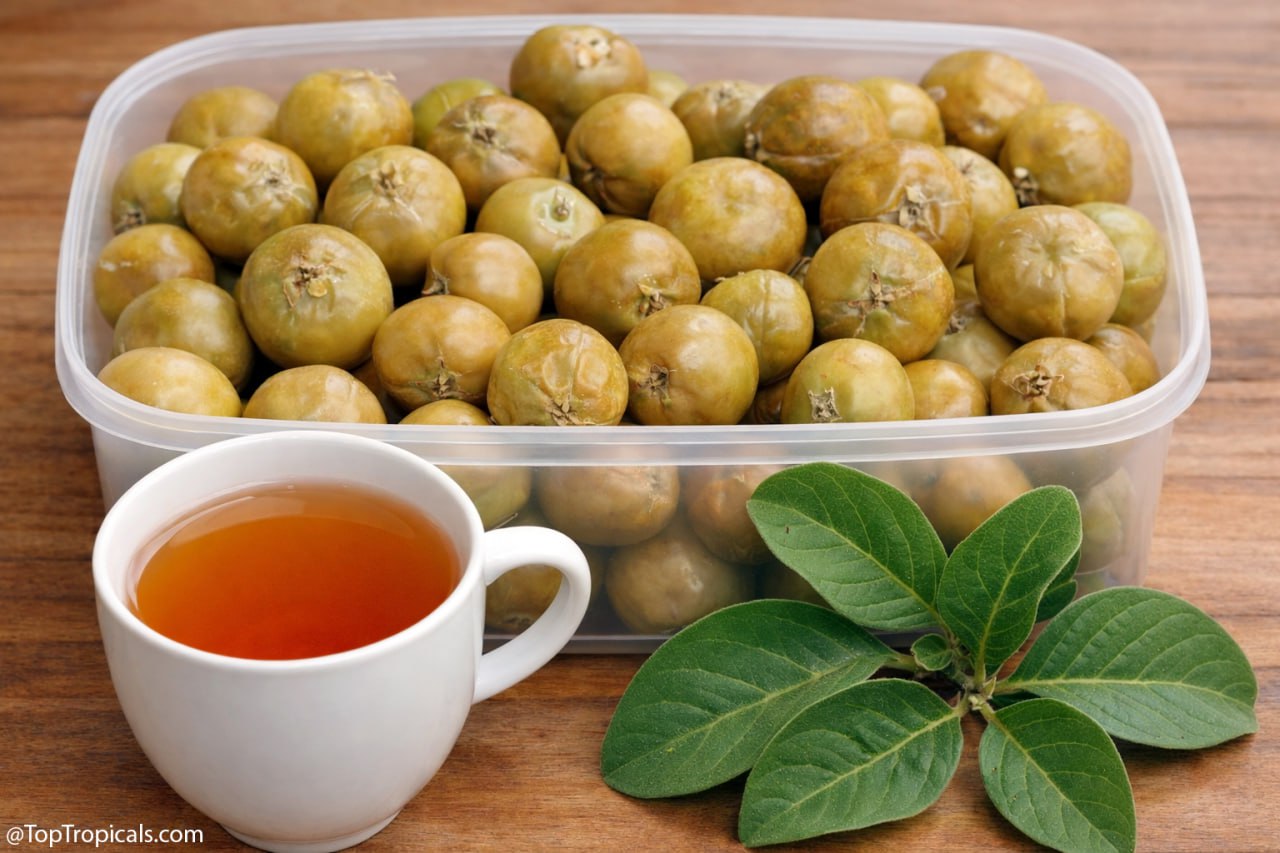
Vangueria infausta (Spanish Tamarind, Wild Medlar)

Vangueria infausta (Spanish Tamarind, Wild Medlar)

🍊 10 ways to enjoy Wild Medlar - Spanish Tamarind


Vangueria infausta (Spanish Tamarind, Wild Medlar) from Africa to your backyard: the fruit, the medicine, the tradition.

Spanish Tamarind may look like a small, unassuming fruit - but don’t let it fool you. In its native Africa, this tree is a food staple, a home remedy, and a cultural favorite, all wrapped into one. And now, it’s ready to bring that same magic into your garden and kitchen. People have used this fruit for generations - and how you can too.

🍊 1. Eat it fresh, off the tree


When ripe, the fruit turns golden brown and softens slightly. Its flavor is sweet-tart, almost like a tangy apple or tamarind with a hint of citrus. Just peel and eat!

🍬 2. Dry it for snacks


In many African regions, the fruit is sun-dried and enjoyed like natural fruit leather. It keeps well, travels well, and makes a great healthy snack.

🍵 3. Brew it into a fruit tea


Dried fruit can be steeped into a tart, refreshing tea that’s packed with vitamin C and antioxidants. Add honey or ginger for a soothing drink.

🍷 4. Ferment it into traditional beer or wine


In some local cultures, the fruit is fermented into a mild alcoholic drink, similar to fruit wine or beer. This is one of the tree’s oldest known traditional uses.

🍧 5. Make jams and preserves


Boil the pulp with sugar and lemon juice to make tangy medlar jam. Spread it on toast, stir into yogurt, or use it in baking.

6. Add to porridge or smoothies


Crushed or juiced medlar fruit is added to traditional maize porridge for a nutrient boost. You can do the same with oatmeal or smoothies.

7. Try traditional fruit pudding


A simple medlar mash with a little sweetener makes a rich, apple-like pudding with hints of spice. Great as a chilled dessert.

🌿 8. Use the leaves and bark medicinally


In folk medicine, leaves are brewed into a tea for treating fever, colds, and stomach aches. Bark is used for chest congestion and coughs. Roots are sometimes used for even stronger remedies like malaria treatment.

9. Clean your teeth the traditional way


Believe it or not, people use medlar leaves to clean their teeth! The leaves are antimicrobial and have a slight astringent taste that leaves your mouth feeling fresh.

🎨 10. Dye fabric naturally
Crush the bark or boil the leaves to create natural dyes in yellow, green, and even purple tones. This use is still practiced in rural areas of southern Africa.

✍️ Why this tree belongs in your life


Wild Medlar is more than just a fruit. It’s a versatile, resilient, and deeply cultural plant that connects generations. It’s food, it’s healing, it’s art—and now it can be part of your garden story.
Grow it for the fruit, the medicine, the tradition… or just for the joy of growing something wild and wonderful.

🛒 Plant Spanish Tamarind and enjoy exotic fruit benefits

📚 Learn more:

Plant Facts

Vangueria infausta
Wild Medlar, Spanish Tamarind
USDA Zone: 9-11
Small tree 10-20 ftFull sunModerate waterEdible plantDeciduous plantEthnomedical plant.
Plants marked as ethnomedical and/or described as medicinal, are not offered as medicine but rather as ornamentals or plant collectibles.
Ethnomedical statements / products have not been evaluated by the FDA and are not intended to diagnose, treat, cure, or prevent any disease. We urge all customers to consult a physician before using any supplements, herbals or medicines advertised here or elsewhere.Subtropical plant. Mature plant cold hardy at least to 30s F for a short time

#Food_Forest #Remedies #Recipes #Discover

🟢 Join 👉 TopTropicals

Date: 2 Mar 2026

Beyond fruit: how this African tree supports wildlife and garden health

Vangueria infausta - Spanish Tamarind

Vangueria infausta - Spanish Tamarind

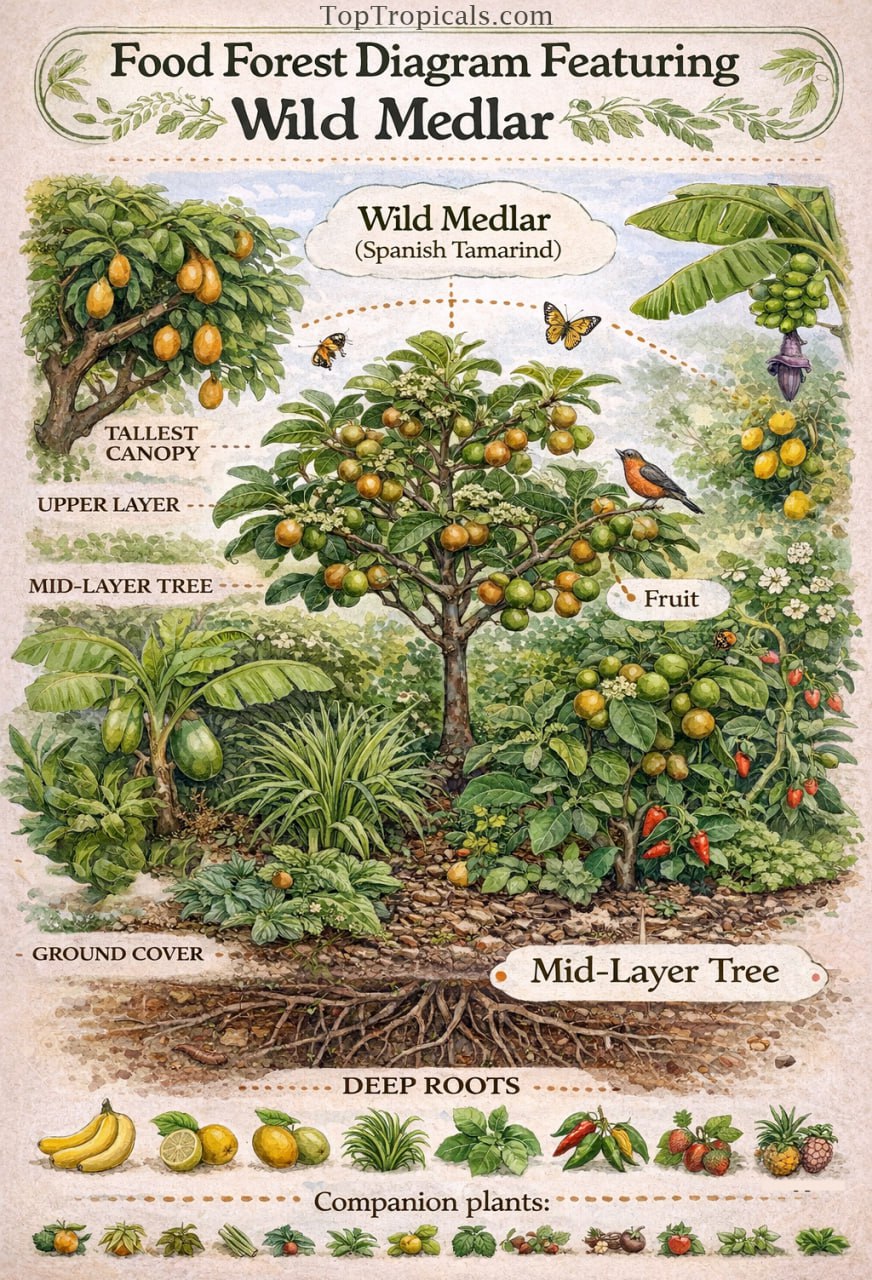
Beyond fruit: how this African tree supports wildlife and garden health: Wild Medlar in the ecological food forest 🍊

Vangueria infausta (Spanish Tamarind, Wild Medlar) might win your heart for its sweet-tart fruit and folk medicine magic - but did you know it’s also a quiet hero in the ecosystem? Whether you’re planting a full-blown food forest or just a mixed backyard garden, Vangueria infausta brings more than fruit to the table. It brings balance, beauty, and biodiversity.

🐝 Pollinator power


When in bloom, this tree produces nectar-rich flowers that attract bees, butterflies, and other pollinators. These beneficial insects don’t just help the Wild Medlar fruit - they boost productivity in your entire garden.
If you grow mangos, citrus, guava, or veggies nearby, Spanish Tamarind helps keep the pollinator traffic moving.

🐦 Bird magnet


Birds are big fans of this tree. They nest in its dense branching, snack on overripe fruit, and help spread seeds. In return, they’ll help keep down pests like caterpillars and beetles.
Even in a small garden, one Wild Medlar can be a micro-habitat for birds, insects, and other helpful wildlife.

🌱 Soil stabilizer


With its deep roots and drought-hardy nature, Wild Medlar helps hold soil in place, especially on slopes or rocky patches. It improves drainage and reduces erosion, which makes it a great addition to food forests in challenging spots.

🍂 Natural mulch & green cleanup


The tree drops a modest amount of leaf litter, which breaks down into soft, rich mulch. In a diverse planting, that means fewer weeds, better soil structure, and less watering needed.

🌿 Companion planting & food forest stacking
  • · Works great as a mid-layer tree in multi-tiered systems
  • · Provides light shade for herbs or smaller fruiting plants
  • · Plays well with bananas, papaya, guava, lemongrass, and ground covers
In zones 9-11, it can live happily in a mixed border or permaculture guild. In colder zones, just keep it potted and move it around as needed - it still offers many of the same benefits.

🛡 Pest and disease resistant


One more bonus: Spanish Tamarind is incredibly low-maintenance. It resists most common pests and doesn’t suffer from fungal issues like many tropical fruit trees do. That means fewer chemicals and more harmony in your garden ecosystem.

✍️ Ready to plant something that gives back?


Think you need more than just another fruit tree? More life. More movement. More meaning in your garden?
Grow Wild Medlar for the fruit - but keep it for everything else it brings. The pollinators. The shade. The quiet medicine. The steady presence that makes your space feel alive.
If you’re building a food forest - or simply want a tree that earns its place every single season - this one doesn’t just sit there. It contributes.

🛒 Plant Spanish Tamarind in your Food Forest for a happy wildlife

📚 Learn more:

Plant Facts

Vangueria infausta
Wild Medlar, Spanish Tamarind
USDA Zone: 9-11
Small tree 10-20 ftFull sunModerate waterEdible plantDeciduous plantEthnomedical plant.
Plants marked as ethnomedical and/or described as medicinal, are not offered as medicine but rather as ornamentals or plant collectibles.
Ethnomedical statements / products have not been evaluated by the FDA and are not intended to diagnose, treat, cure, or prevent any disease. We urge all customers to consult a physician before using any supplements, herbals or medicines advertised here or elsewhere.Subtropical plant. Mature plant cold hardy at least to 30s F for a short time

#Food_Forest #Discover

🟢 Join 👉 TopTropicals