Garden Blog - Top Tropicals

Date: 5 Mar 2026

Passion fruit butter glaze: quick-n-fun exotic recipes

Passion fruit butter glaze

Passion fruit butter glaze

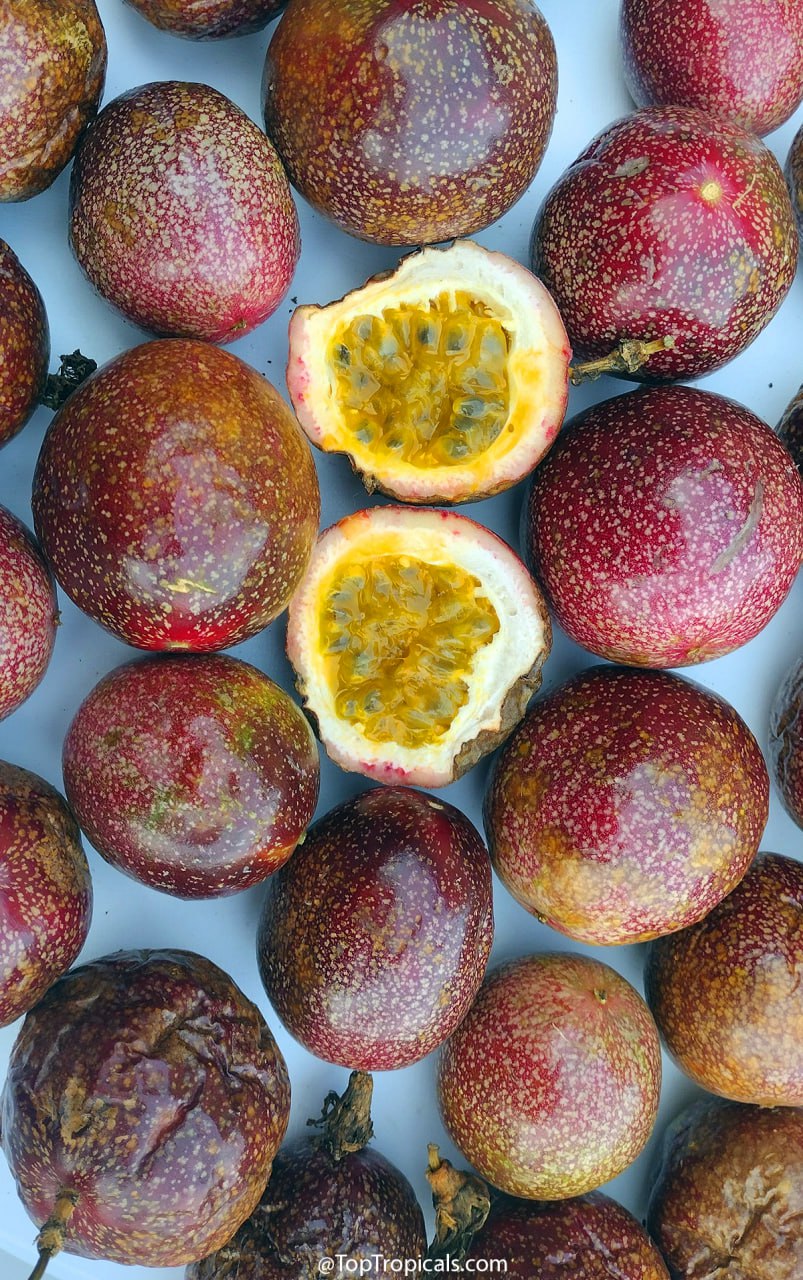
Passion fruit - Passiflora edulis

Passion fruit - Passiflora edulis

🍴 Passion fruit butter glaze: quick-n-fun exotic recipes

Passion Fruit Butter Glaze

Ingredients

  • 2 passion fruits
  • 1 tablespoon butter
  • 1 teaspoon sugar

Instructions

  1. Scoop the pulp from the passion fruits into a small saucepan.
  2. Add butter and a small amount of sugar.
  3. Simmer gently while stirring until the mixture thickens.
  4. Spoon the warm glaze over pancakes, toast, or grilled pineapple.


🌿 About the plant:


A fast-growing vine with exotic flowers and intensely aromatic fruit filled with juicy seeds.

🏡 In the garden:


Needs strong support, full sun, and warmth. Very fast growth in zones 9-11. Prune to keep productive.

🛒 Plant Passionfruit Vine - fast growing and rewarding

📚 Learn more:

Plant Facts

Passiflora edulis
Passion Fruit, Parcha, Maracuya, Granadilla
USDA Zone: 9-11
Vine or creeper plantFull sunModerate waterBlue, lavender, purple flowersWhite, off-white flowersEdible plantSubtropical plant. Mature plant cold hardy at least to 30s F for a short time

#Food_Forest #Recipes

🟢 Join 👉 TopTropicals

Date: 22 Apr 2026

Secrets of Real Mango Flavor

Top-down  view  of  a  white  tray  filled  with  assorted  mango  varieties  in 
 different  shapes  and  colors,  including  green,  yellow,  red,  and  orange, 
 arranged  outdoors  on  a  textured  surface.

A colorful mix of mango varieties - different shapes, colors, and flavors all in one harvest.

Mango Practical Growing Tips (Keep It Simple)

  • Sun: Full sun is key. 6–8+ hours daily for best growth and fruiting.
  • Soil: Excellent drainage is critical. In pots, use well-draining mix with added perlite or sand. Mango does not like wet roots.
  • Watering: Water deeply, then let soil dry slightly before watering again. Avoid constantly wet soil.
  • Containers: Excellent for pots. Condo mango varieties stay compact and are easy to manage on patios.
  • Feeding: Light but consistent feeding during active growth makes a big difference. Use controlled-release Green Magic for steady nutrition, and supplement with liquid Sunshine Boosters Mango Tango during warm months to push growth and fruiting.
  • USDA Zones: Best suited for Zones 9b–11. In Zone 9b, choose a warm, protected microclimate (south-facing wall, patio, or near structures) and be prepared to protect during cold snaps. In Zones 10–11, mango grows reliably in-ground. If you live in colder zones, grow in a pot so you can move the tree indoors or protect it during cold weather.
  • Cold Protection: Protect young trees during cold nights. Use cover or place near a wall or warm microclimate. Mature trees are more tolerant.
  • Airflow: Good airflow helps prevent disease and keeps growth clean.
  • Spacing: Give the tree room for light and airflow. Even compact trees benefit from space.
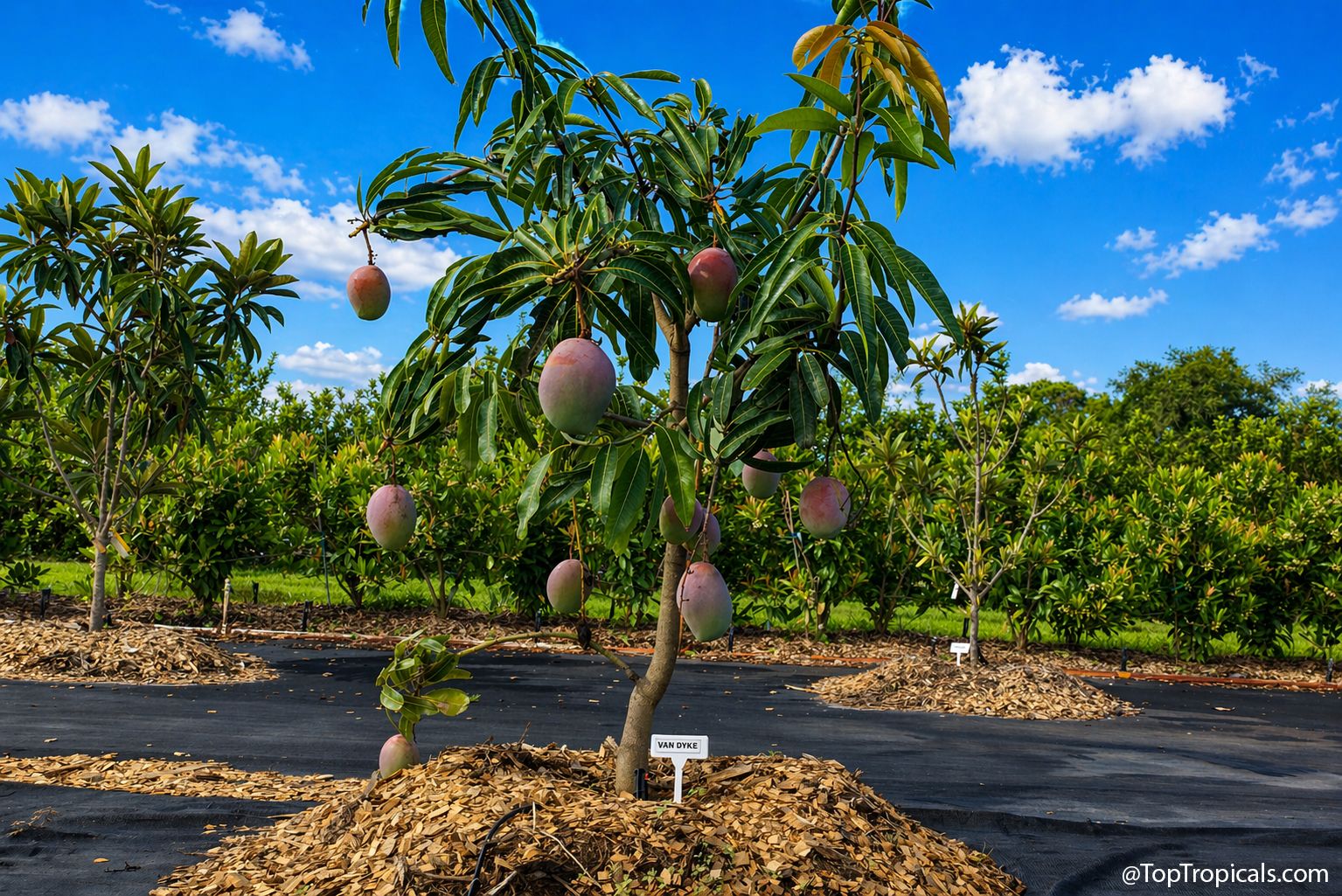
Mango  tree  Van  Dyke  growing  in  an  orchard,  loaded  with  ripening  mango 
 fruits,  surrounded  by  mulch  and  irrigation,  under  a  bright  blue  sky  with 
 scattered  clouds.

A fruiting mango tree Van Dyke in the grove, heavy with developing mangoes and enjoying full sun.

Mango Winter Care (Very Important)

Mango is not a truly cold-hardy plant. It performs best in USDA Zone 9b and warmer, where freezes are rare and short. In borderline areas, winter protection becomes part of the routine. Mango trees should be covered during cold nights, and planting near a south-facing wall helps protect from cold winds. That small microclimate can make a real difference. If your winters are less predictable, growing mango in a container becomes the simplest solution. It gives you full control — you can move the tree to a protected space when temperatures drop, and bring it back into the sun when conditions improve.

That is where condo mango varieties make the most sense. They are naturally compact, easier to manage in pots, and still produce full-size, high-quality fruit. You get all the benefits of a mango tree without needing a large yard or perfect climate — just sun, a container, and a bit of seasonal movement when needed.

📚 Mango tips from our Blog

Growing Mango in a Pot (Condo Mango Made Easy)
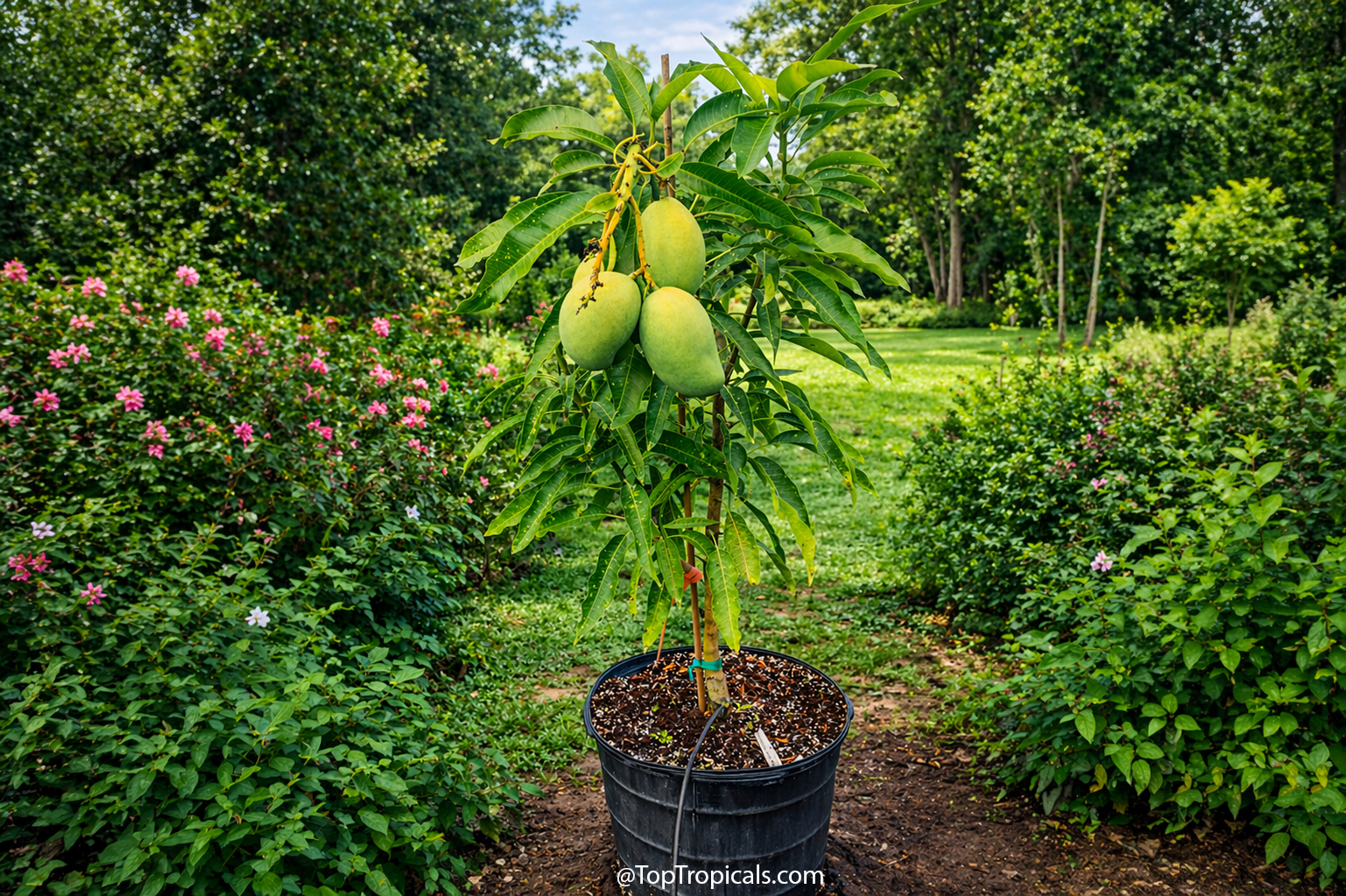
Young  mango  tree  growing  in  a  large  black  nursery  pot,  supported  with 
 stakes  and  drip  irrigation,  bearing  several  green  mango  fruits,  set  in  a 
 lush  garden  with  flowering  shrubs  and  a  sunny  lawn  in  the  background.

Young mango tree in a container, already holding fruit and thriving in a sunny garden setting.

Growing mango in a container is one of the easiest ways to control size, soil, and winter protection. Condo mango varieties stay naturally compact and adapt well to pots, making them ideal for patios, small spaces, or colder climates. You get full flexibility — move the tree when needed, manage its growth, and still enjoy real tree-ripened fruit.

  • Pot size: Start with 3–7 gallon, move up to 15–25 gallon as the tree grows.
  • Soil: Use fast-draining mix such as Abundance soilles mix.
  • Sun: Place in full sun. More light = better growth and fruiting.
  • Watering: Water deeply, then let soil dry slightly before next watering.
  • Feeding: Use controlled-release Green Magic for steady nutrition, plus liquid Sunshine Boosters Mango Tango during active growth.
  • Climate Flexibility: Can be grown in any USDA zone when kept in a container. Simply move indoors or to a protected area during cold weather to keep the tree safe.
  • Pruning: Light pruning keeps the tree compact and productive.

Once you taste a real mango from your own tree, everything changes. It is no longer something you buy — it is something you grow, wait for, and look forward to every season. What felt like hype suddenly makes sense. The passion people have for mango is not exaggerated — it just comes from a completely different experience.

And for people who have never tasted a fresh, juicy mango warmed by the sun, that moment comes as a surprise — the first time they realize what mango is actually supposed to taste like.

As Smokey quietly puts it: Now you know.

📚 More about Condo Mango

🛒 Shop Condo Mango

Landscape  infographic  showing  how  to  cut  a  mango  in  five  steps.  Step  1 
 -  slicing  along  each  side  of  the  pit.  Step  2  -  separating  the  two  cheeks  and
    the  pit.  Step  3  -  scoring  the  mango  flesh  in  a  grid  pattern.  Step  4  - 
 turning  the  cheek  inside  out  to  create  cubes.  Step  5  -  scooping  or  slicing 
 the  cubes  to  eat.  Bright  yellow  background  with  whole  and  cut  mangoes  and 
 green  leaves  decorating  the  layout.

Simple step-by-step guide to cutting a mango into clean, easy cubes - from slicing off the cheeks to popping and scooping the fruit.

🎥 Watch Mango videos

🛒 Shop Mango Trees
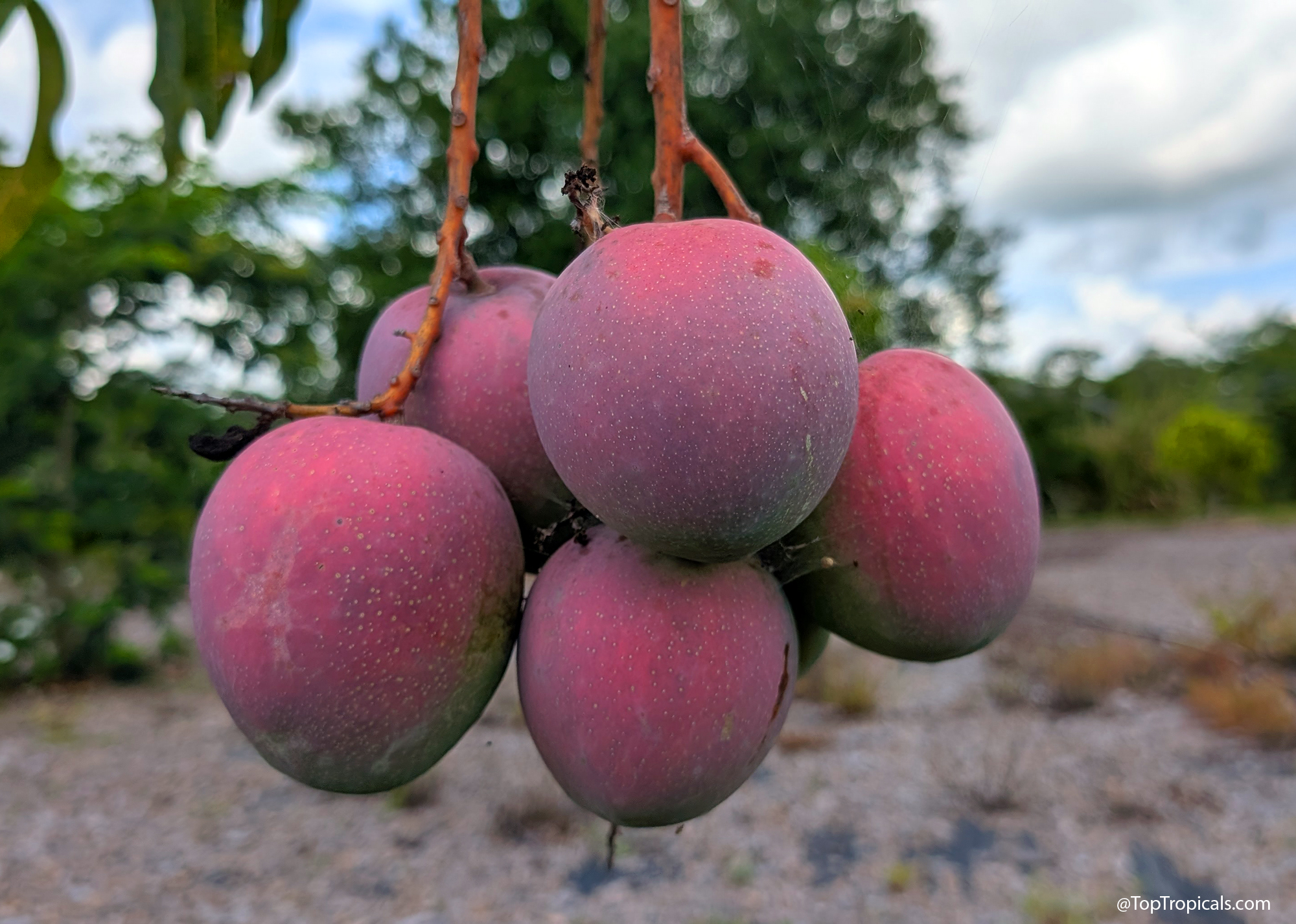
Close-up  of  a  cluster  of  ripening  mangoes  hanging  from  a  branch, 
 showing  red  and  purple  blush  tones  against  a  blurred  outdoor  background.

Cluster of ripening mangoes developing rich color on the tree just before harvest.

Taste the Mango Difference - Save 10%

Once you taste a real mango from your own tree, everything changes. Now you know. Get 10% off with coupon code MANGO2026 on 3 gal mango trees.
Offer valid through 04/28/2026.
Discount applies to 3 gal plants only. Not valid on previous purchases and cannot be combined with other promotions or discounts. Offer subject to change without notice.

Date: 3 Aug 2025

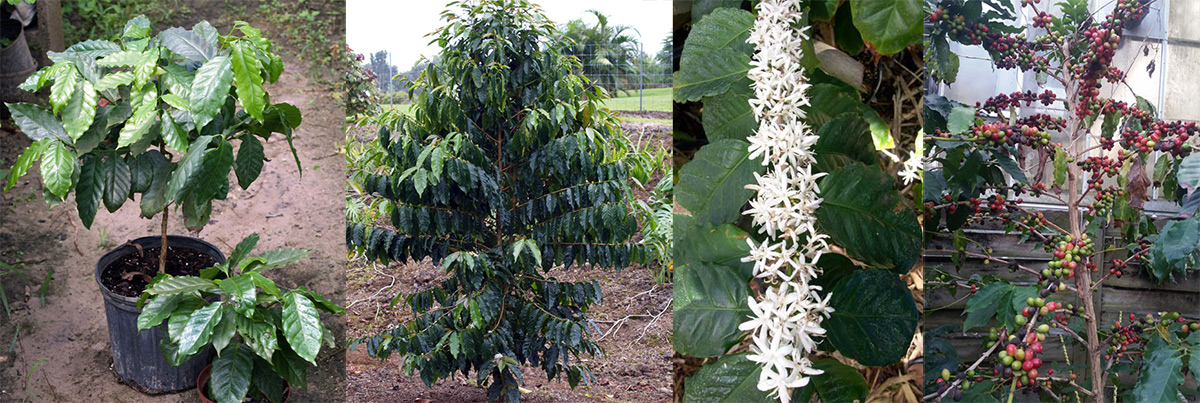
Four  stages  of  Coffee  Tree  growth:  a  young  potted  plant,  a  mature  tree  in  the  ground,  white  star-shaped  blooms,  and  a  branch  full  of  ripening  red  and  green  coffee  cherries.

What is the most popular and easiest tropical fruit tree to grow indoors?

No doubt about it - it's the Coffee Tree.

  • Coffee is shade-loving and easy to grow with regular water
  • It grows into a dark green shrub or small tree (about 3 to 5 feet tall in a pot)
  • Its fragrant, star-shaped flowers resemble gardenias
  • The whole fruit is edible and turns green to yellow to red
  • The seeds are real "coffee beans" that can be dried, roasted, and ground at home.

Five Reasons to Grow a Coffee Plant

  • Perfect Indoor Fruit Tree: Thrives in filtered light and stays compact
  • Low Maintenance: Forgiving, adaptable, and ideal for new gardeners
  • Aesthetic Appeal: Glossy green leaves and clusters of white blooms
  • Homegrown Coffee: Yes, you can roast your own beans.
  • Year-Round Beauty: Evergreen with seasonal fragrance

Coffee Plant Care Tips

  • Light: Bright, indirect light is best. Avoid harsh afternoon sun.
  • Water: Keep soil lightly moist but not soggy. Let the top inch dry out before watering again.
  • Humidity: Loves higher humidity. Mist regularly or place on a pebble tray.
  • Fertilizer: Use a balanced, gentle fertilizer like Sunshine Boosters C-Cibus every few weeks during growing season.
  • Soil: Loose, rich, and well-drained. High in organic matter and slightly acidic. For potted plants, use a quality indoor tropical mix, such as Top Tropicals Abundance mix
  • Repotting: Refresh soil and size up the pot every 1–2 years to keep roots healthy.
  • Can I grow it outdoors?: Yes - bring it outside in warm months and back indoors before frost. It's best suited for USDA zones 10-11, but container growing gives you flexibility in cooler climates.
  • How long until I get beans?: Expect flowers and fruit within 3 to 4 years from seedling stage - often sooner if you start with a young tree.
  • What does the fruit taste like?: Mild and sweet-tart, like a mix between a cherry and a cranberry. You can eat it fresh.

How to Make Coffee from Your Own Tree

  • Harvest: Pick the ripe red cherries
  • Pop and Soak: Squeeze out the beans and ferment 1-2 days to remove pulp
  • Dry: Spread out to dry for 1-2 weeks until hard and papery
  • Husk: Remove the thin shell to reveal green beans
  • Roast: Use a dry skillet or oven until fragrant
  • Grind and Brew: Cool, grind, and enjoy the freshest coffee you've ever had.
    Learn more: How to make your own coffee from homegrown beans

Coffee Health Benefits

  • Rich in antioxidants - supports heart and brain health
  • Boosts focus and mental alertness
  • Supports metabolism and fat-burning

Why Coffee Makes the Perfect Gift Plant

  • Long-living and beautiful
  • Symbolic, useful, and personal
  • Great for coffee lovers, gardeners, and the "person who has everything"

Read Garden Blog about Coffee

Shop Coffee Plants

Date: 2 Oct 2022

A Miracle for every special garden:
Synsepalum - Miracle Fruit

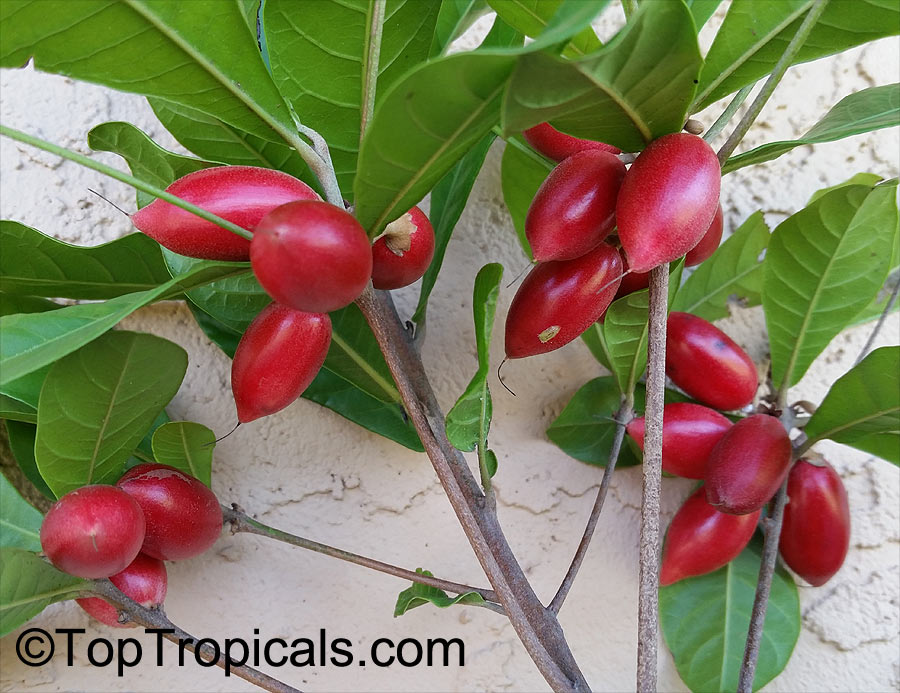
Miracle  Fruit,  Large  Leaf  variety,  Synsepalum  subcordatum

...Every tropical plant lover wants to have this plant in their collection. And there are at least three good reasons for it:
1) it is a true miracle fruit
2) It enjoys growing in a pot, stays compact and brings you miracle berries nearly year around
3) it can be grown indoors as it has very low water and light needs.

Miracle fruit is one of the strangest tropical fruits. The most unusual thing about it is the effect it has on one's taste after this miraculous berry has been consumed. The "miracle" is that if lemon or other sour food is eaten after the miracle fruit, the sour tastes sweet, as if sugar has been added. That kind of magical experience is unforgettable! The interest in this plant is so high that anyone who has a plant always finds eager volunteers to test its sweetening properties. A natural chemical in the fruit masks the tongue's sour taste buds so that lemons taste like lemonade or lemon pie, or lemon candy; beer tastes like Malta drink, sour strawberries taste super sweet, and a grapfruit tastes delicions and not bitter! What causes the miracle? The fruit has a unique taste changing glycoprotein that inhibits tastebuds' perception of sour taste. The sweet sensation lasts for half an hour to a few hours...

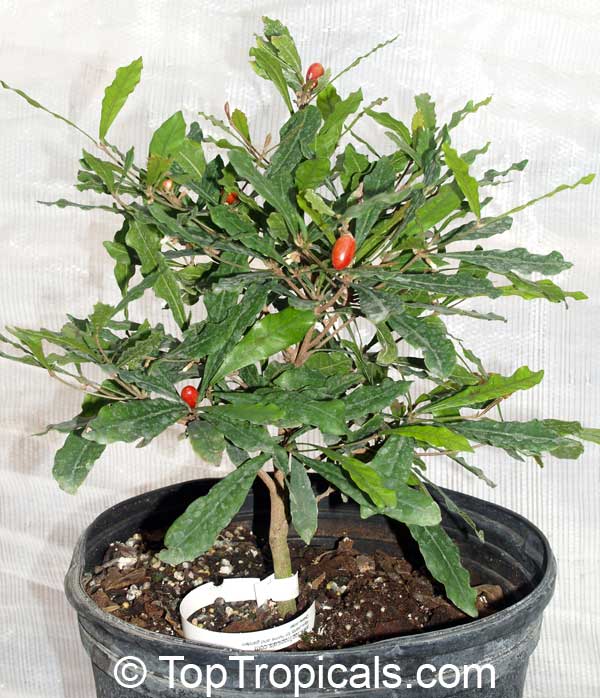
Miracle  Fruit  in  a  pot

Miracle  Fruit  -  synsepalum  fruit  in  a  plate

Miracle  Fruit  -  Cat  with  monitor

Date: 16 Jan 2025

How to grow a Lychee tree and have a reliable crop

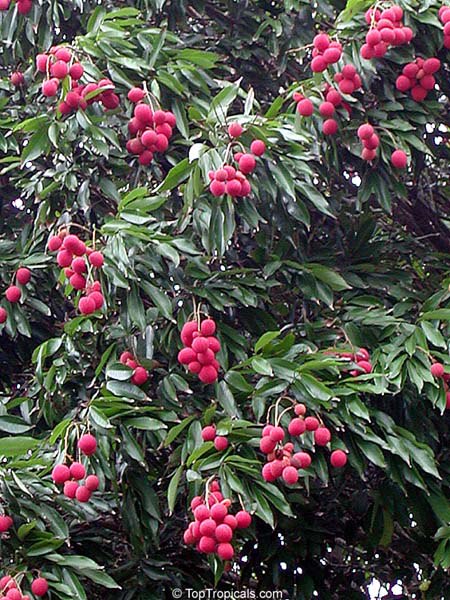
Lychee fruit on a tree, Litchi chinensis

Lychee fruit on a tree, Litchi chinensis

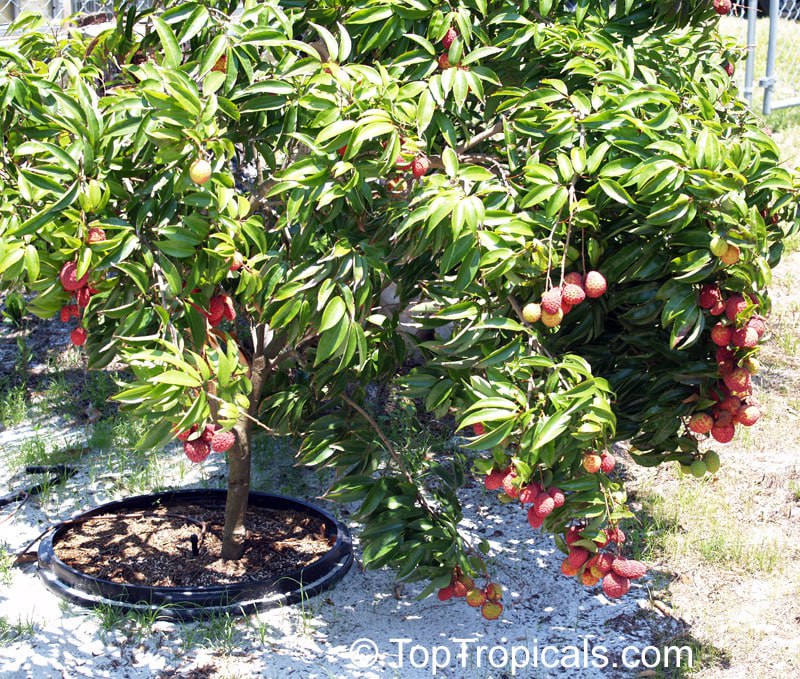
Lychee tree in a pot with fruit, Litchi chinensis

Lychee tree in a pot with fruit, Litchi chinensis

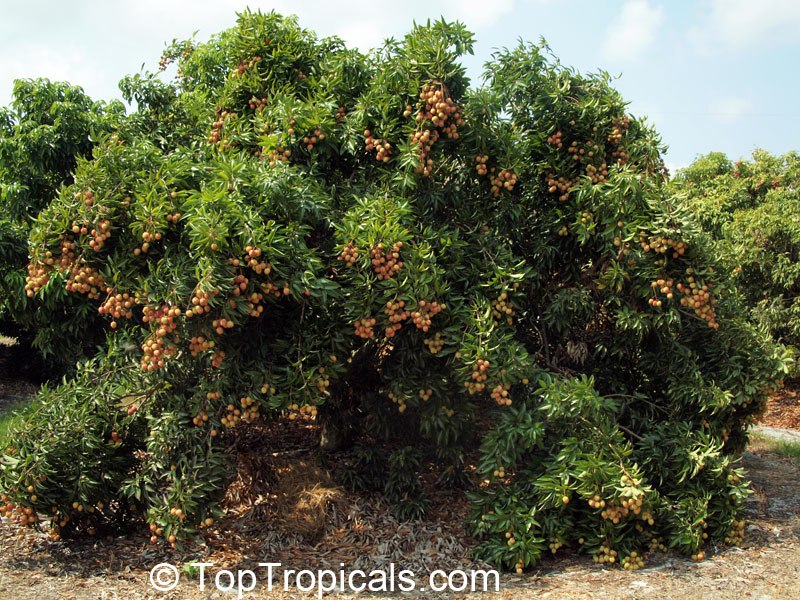
Lychee tree with fruit, Litchi chinensis

Lychee tree with fruit, Litchi chinensis

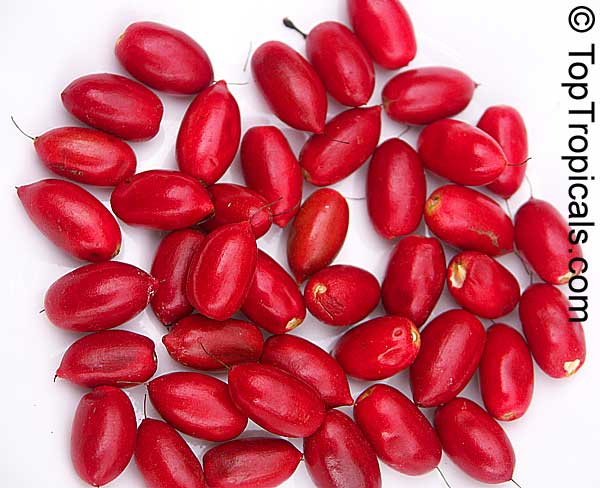
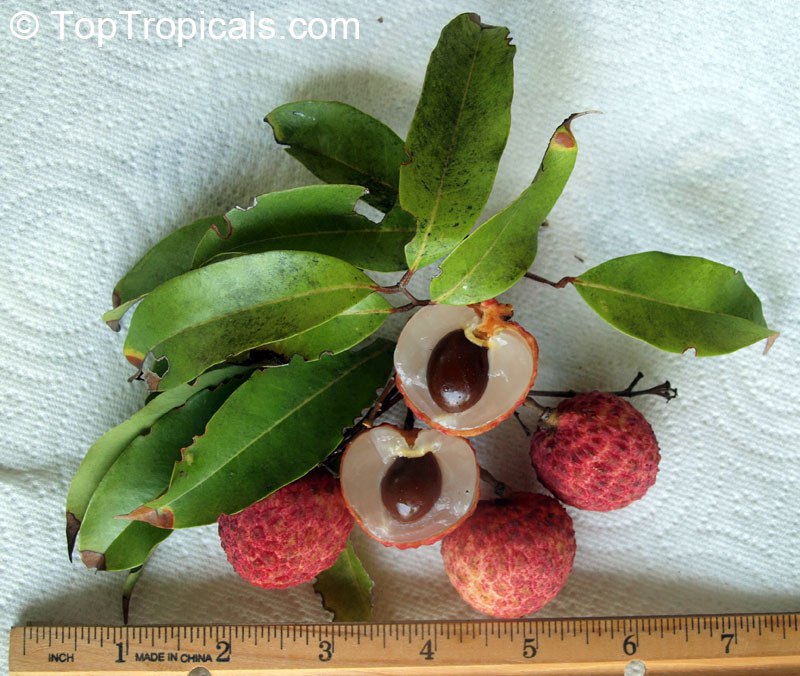
Lychee fruit, Litchi chinensis

Lychee fruit, Litchi chinensis

How to grow a Lychee tree and have a reliable crop. Practical Guide to Growing Lychee.
  • 🍑 Lychee (Litchi chinensis) is a tropical evergreen tree renowned for its delicious, aromatic fruit. Native to southern China, lychee trees can reach heights of up to 40 feet and are prized for their attractive foliage and bountiful fruit clusters.
  • 🍑 Important factors to consider when planting a Lychee tree


  • 💋Climate: Lychee trees thrive in tropical and subtropical climates with warm, humid summers and cool, dry winters. They require a period of winter chilling (100-200 hours between 32F and 45F) to induce flowering. Mature trees can tolerate temperatures as low as 25F, but young trees are susceptible to frost damage.
  • 💋Sunlight: Plant lychee trees in full sun to ensure vigorous growth and optimal fruit production. They require at least six to eight hours of direct sunlight daily.
  • 💋Soil: Well-drained, slightly acidic soils rich in organic matter are ideal. Avoid heavy clay soils or areas prone to waterlogging, as lychee trees are susceptible to root rot.
  • 💋Spacing: Ensure adequate space for the tree's mature size by planting at least 20 feet away from other trees or structures.


🍑 When and how do you harvest lychee fruit?

  • 💋Lychee trees typically begin to produce reliably after 3-5 years, with the fruit ripening in early summer.
  • 💋Timing: Wait until the fruit's skin turns bright red or pink, indicating full ripeness. Lychees do not ripen off the tree, so it's essential to harvest at the right time.
  • 💋Method: Use pruning shears to cut entire clusters, leaving a short stem attached to each fruit to prolong freshness. Handle the fruit gently to avoid bruising.
  • 💋Post-Harvest: Consume fresh lychees within a few days or store them in the refrigerator to extend shelf life. The skin may darken when refrigerated, but the fruit's quality remains unaffected.


🍑 How to grow a Lychee tree?

  • 💋Watering: Provide consistent moisture, especially during dry periods. However, avoid overwatering, as lychee trees are sensitive to waterlogged conditions. Mulching around the base helps retain moisture and regulate soil temperature.
  • 💋Fertilization: Apply a balanced fertilizer during the growing season to support healthy growth and fruit development. Avoid excessive nitrogen, which can inhibit flowering. Sunshine Boosters C-Cibus - natural liquid fertilizer - is the best choice, and is safe to use with every watering year around.
  • 💋Pruning: Minimal pruning is required. Remove dead or diseased branches and shape the tree to maintain its structure. Pruning after harvest can encourage new growth.


🍑 More practical advice on propagation and harvest in next post 👇

🛒 Shop Lychee trees

#Food_Forest #How_to

🔴 Join 👉 TopTropicals