Garden Blog - Top Tropicals

Date: 2 Feb 2026

What is the best Valentines Day gift that actually lasts?

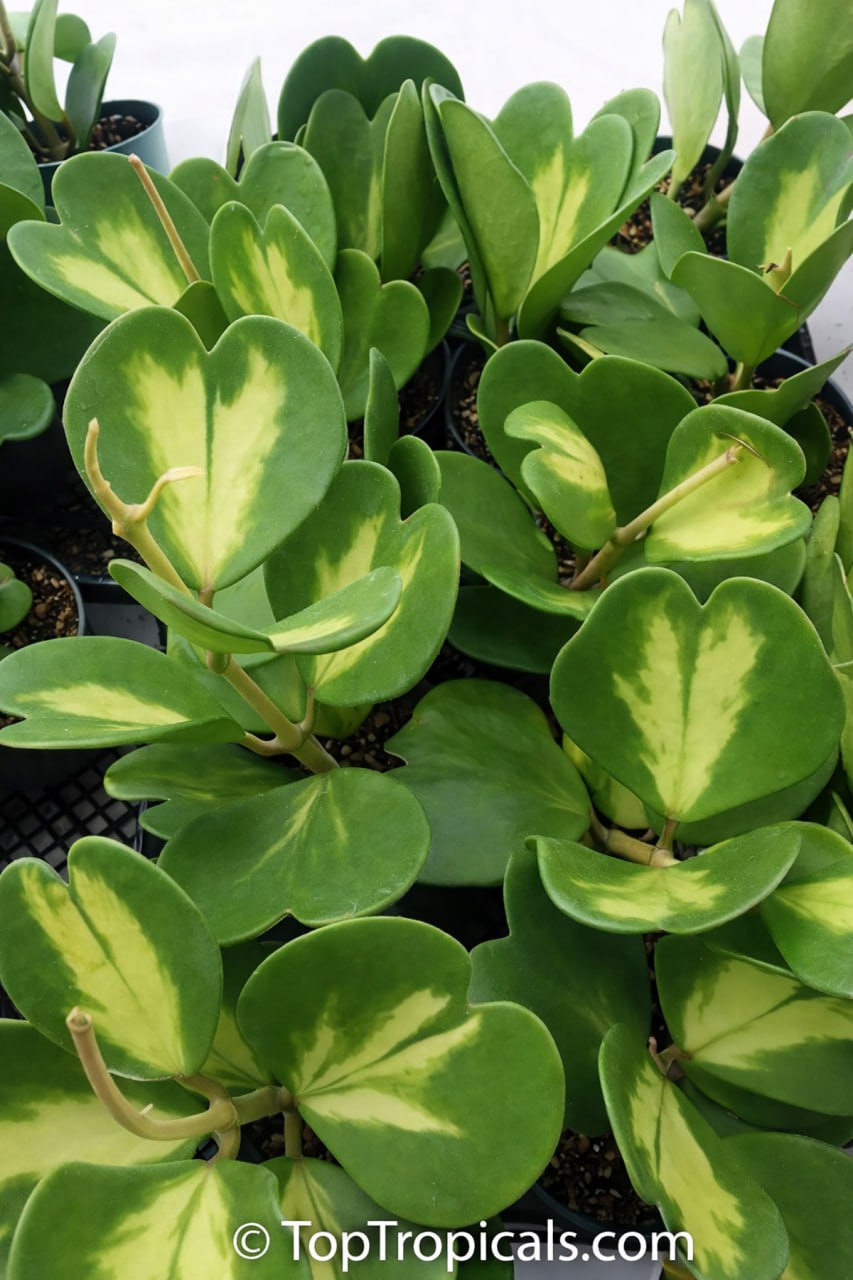
Hoya kerrii, Sweetheart Valentine Hoya

🎁 What is the best Valentine’s Day gift that actually lasts?

  • 💕 Sweetheart Hoya is a living heart, with perfectly heart-shaped leaves that feel like they were made for love.
  • 💕 It comes in several beautiful forms - soft variegated Moonlight, bright variegated Sunshine, and classic Jade Green. Each one is special on its own, but together they feel like a little love story you can grow.
  • 💕 A live plant gift does not fade or disappear. It stays, it grows, and it quietly reminds someone every day that they are loved.
  • 💕 Sweetheart Hoya is also very easy to care for - low light, low water, happy at home or at the office. A sweet, lasting reminder of love.


🛒 Collect Sweetheart Hoyas

📚 Learn more:

Plant Facts

Hoya kerrii
Wax Hearts, Sweetheart Hoya, Valentine Hoya, Heart leaf
USDA Zone: 9-11
Groundcover and low-growing 2ft plantSemi-shadeShadeFull sunModerate waterOrnamental foliageWhite, off-white flowersPlant attracts butterflies, hummingbirdsFragrant plant
  • Hoya kerrii, Sweetheart Valentine in Plant Encyclopedia
  • What is the best gift plant for Valentines Day
  • Valentines day Best Gift Plant Ideas
  • Valentine’s plants from around the world that symbolize love, connection, and appreciation
  • Eight favorite plants of romance, affection, and emotional connection

  • #Shade_Garden #Container_Garden

    🟢 Join 👉 TopTropicals

    Date: 2 Feb 2026

    Eight favorite plants of romance, affection, and emotional connection

    Sweetheart Hoya (Hoya kerrii)

    Sweetheart Hoya (Hoya kerrii)

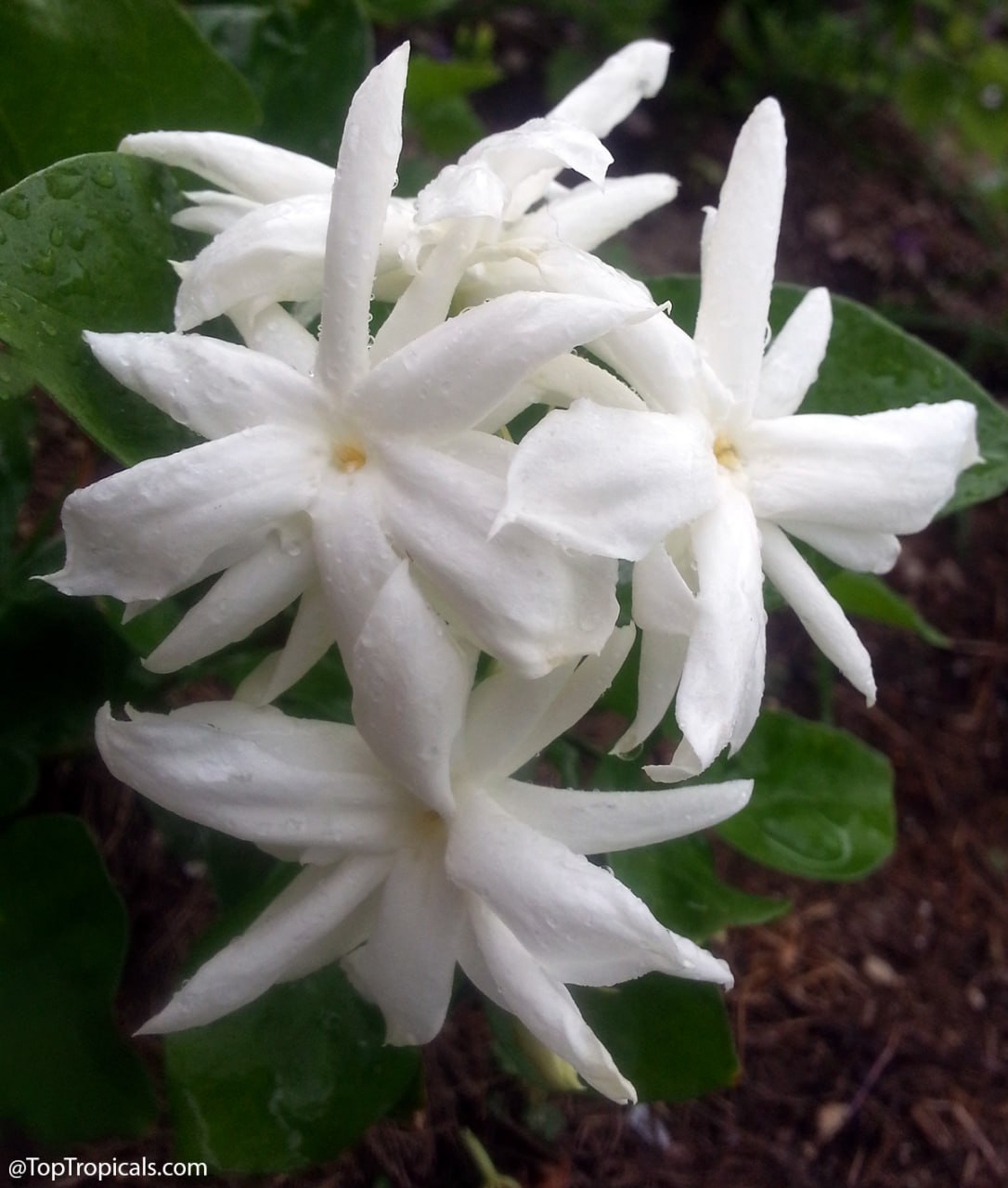
    Jasminum sambac

    Jasminum sambac

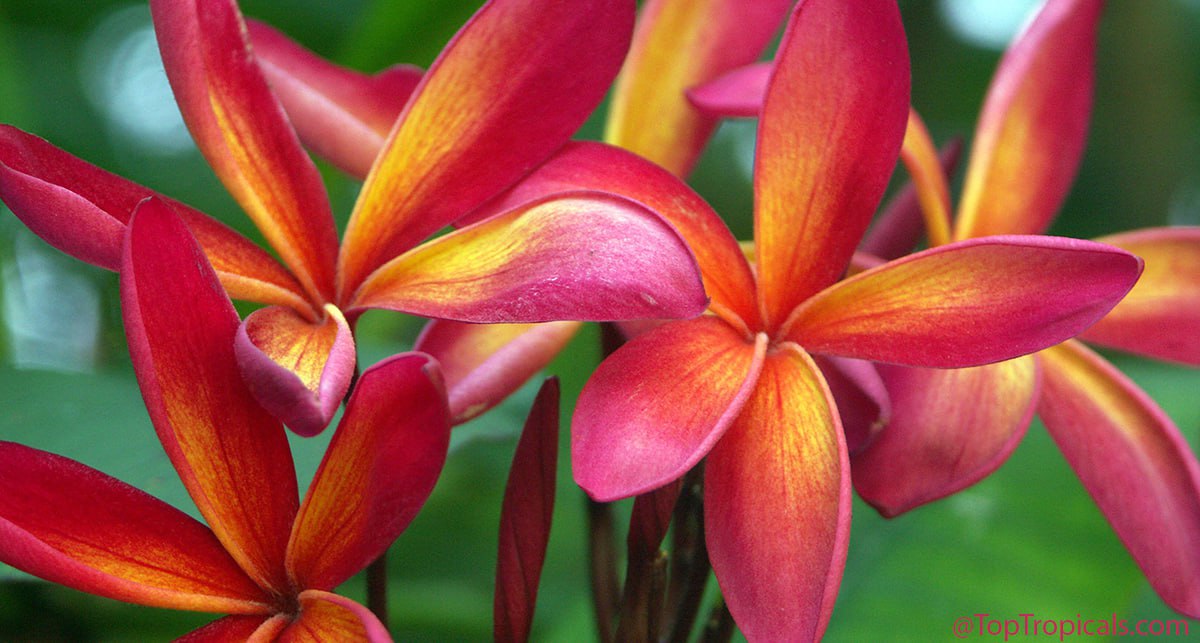
    Plumeria (Frangipani)

    Plumeria (Frangipani)

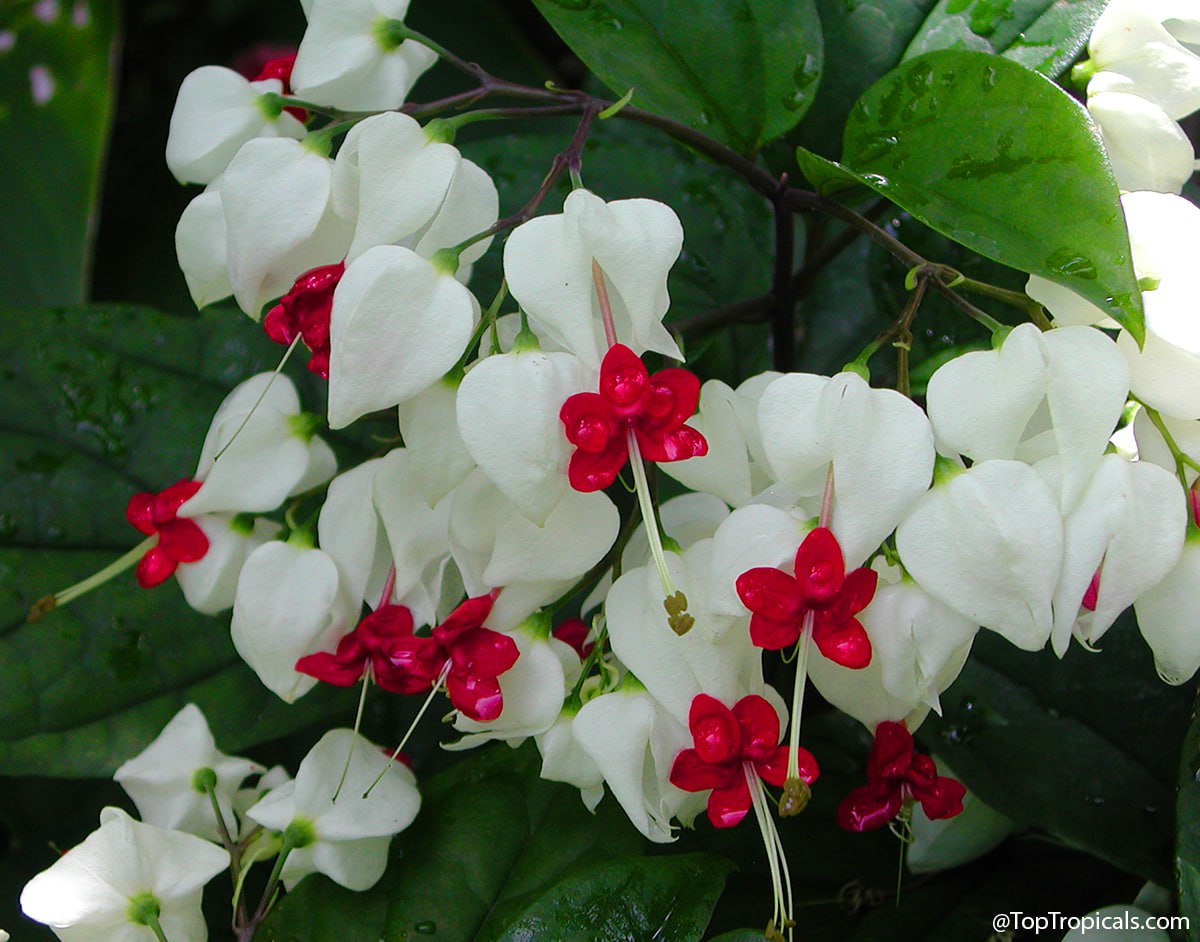
    Clerodendrum thomsoniae, Bleeding Heart Vine

    Clerodendrum thomsoniae, Bleeding Heart Vine

    💕 Eight favorite plants of romance, affection, and emotional connection


    These plants communicate love visually and emotionally. They are associated with beauty, admiration, devotion, and long-lasting relationships.
    • 💖 1. Anthurium


      With its unmistakable heart-shaped spathes, anthurium is one of the strongest visual symbols of love. In Latin America, it represents hospitality, passion, and enduring affection, making it a natural Valentine plant.

    👉 Anthurium gift
    • 💖 2. Orchids


      In many Asian cultures, orchids symbolize refined love, fertility, and deep emotional connection. They are associated with elegance, respect, and long-term devotion rather than fleeting romance or infatuation.

    👉 Orchid gift
    • 💖 3. Valentine’s Sweetheart Hoya (Hoya kerrii)


      Hoya kerrii is known for its thick, heart-shaped leaves, making it one of the clearest visual symbols of love. This long-lived vine represents loyalty and lasting commitment, and is found in several varieties with different leaf variegation patterns: regular green leaf, variegated Moonlight (gold on green) and Sunshine (white-and green).

    👉 Sweetheart Hoya gift
    • 💖 4. Plumeria (Frangipani)


      In Polynesia and Southeast Asia, plumeria represents love, beauty, and new beginnings. In Hawaii, its flowers are a classic part of leis and have become an enduring symbol of romance, affection, and island love.

    👉 Plumeria gift
    • 💖 5. Jasminum sambac


      Jasmine Sambac is strongly associated with romance, devotion, and spiritual love. In Hawaii it is used in leis, while in the Philippines, this so-called Sampaguita jasmine symbolizes purity, fidelity, and deep affection and is woven into garlands for lovers, weddings, and sacred ceremonies.

    👉 Jasmine Sambac gifts
    • 💖 6. Hibiscus


      Hibiscus symbolizes delicate beauty, attraction, and the fleeting intensity of passion. In many tropical cultures, it is associated with feminine energy and romantic expression.

    👉 Hibiscus gift
    • 💖 7. Clerodendrum Bleeding Heart


      Clerodendrum thomsoniae, called the Bleeding Heart Vine, is known for its red, heart-like flowers held inside white lantern-shaped bracts. It has long been associated with love, emotional vulnerability, and deep personal bonds, making it a natural fit for Valentine symbolism.

    👉 Bleeding Heart gift

    💖 8. Stephanotis (Madagascar jasmine)


    Traditionally associated with marital happiness and fidelity, Stephanotis has long been used in wedding garlands and bouquets in tropical regions.

    🛒 Explore gift plants
    🎁 Get a Gift Card

    📚 Learn more:


    #Shade_Garden #Container_Garden

    🟢 Join 👉 TopTropicals

    Date: 1 Feb 2026

    Valentines plants from around the world that symbolize love, connection, and appreciation

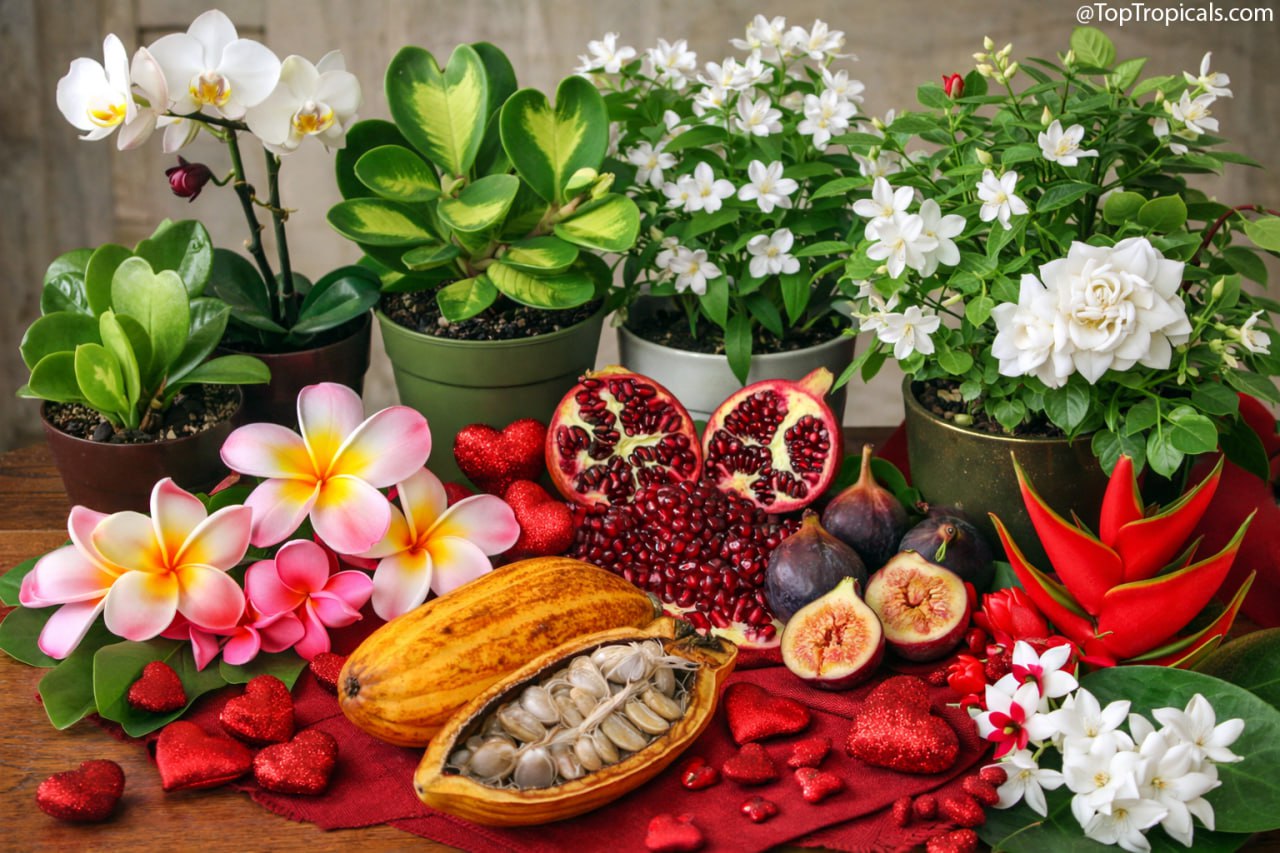
    Valentines plants that symbolize love: Plumeria, Orchids, Gardenias, Heliconia, Stephanotis, Sweetheart Hoya, Cacao, Figs, Pomegranate

    Valentines plants that symbolize love: Plumeria, Orchids, Gardenias, Heliconia, Stephanotis, Sweetheart Hoya, Cacao, Figs, Pomegranate

    💕 Valentine’s plants from around the world that symbolize love, connection, and appreciation

    • 💘 When we think of Valentine’s plants, roses usually steal the spotlight. But in many parts of the world, love has long been expressed through tropical plants - not only through flowers, but also through scent, ritual, shared food, and sensory experience.
    • 💘 Across cultures, tropical plants have symbolized romance, friendship, devotion, fertility, desire, and emotional connection. Some speak through heart-shaped leaves and fragrant blooms. Others through taste, warmth, and the way they bring people together.
    • 💘 Love beyond flowers? Together, these tropical plants show that love is expressed in many ways - through beauty, scent, taste, ritual, warmth, and shared moments. Valentine’s traditions around the world remind us that love is not only something we see, but something we experience with all our senses.
    • 💘 In our upcoming collection we will explore Valentine’s plants from the tropics, grouped by how they express love:


    • 👉 Stay tuned, coming up next:
    Plants of romance, affection, and emotional connection

    🛒 Explore gift plants
    🎁 Get a Gift Card

    📚 Learn more:


    #Shade_Garden #Container_Garden

    🟢 Join 👉 TopTropicals

    Date: 28 Jan 2026

    Moonlight Cactus, the Night Blooming Wonder with a mystical twist: Epiphyllum oxypetalum FAQ

    Epiphyllum oxypetalum, Queen of the Night

    Epiphyllum oxypetalum, Queen of the Night

    Epiphyllum oxypetalum, Queen of the Night, Night-Blooming Cereus, flower close up

    Epiphyllum oxypetalum, Queen of the Night, Night-Blooming Cereus, flower close up

    Epiphyllum oxypetalum, Queen of the Night, Night-Blooming Cereus, flower

    Epiphyllum oxypetalum, Queen of the Night, Night-Blooming Cereus, flower

    Epiphyllum oxypetalum, Queen of the Night flower center

    Epiphyllum oxypetalum, Queen of the Night flower center

    Epiphyllum oxypetalum, Queen of the Night flower with highlight

    Epiphyllum oxypetalum, Queen of the Night flower with highlight

    Epiphyllum oxypetalum, Queen of the Night flower with highlight

    Epiphyllum oxypetalum, Queen of the Night flower with highlight

    🔮 Moonlight Cactus, the Night Blooming Wonder with a mystical twist: Epiphyllum oxypetalum FAQ


    🌙 Epiphyllum oxypetalum, also known as Queen of the Night or Night-Blooming Cereus, is a tropical epiphytic cactus famous for its huge, fragrant white flowers that open only at night. The blooms usually last just one night, often opening after sunset and closing by morning, which is why it has such a mystical reputation. The plant itself has long, flat, leaf-like stems and is often grown in hanging baskets or trained to climb. It is easy to grow, prefers bright filtered light, and rewards patience with one of the most dramatic blooms in the plant world.
    • 🎆 Why is it called Queen of the Night?


      Because it produces large, fragrant white flowers that open only at night. The blooms usually open after sunset and close by morning.
    • 🎆 How often does it bloom?


      Usually once or a few times a year, often in late spring or summer. Blooms are short-lived but unforgettable.
    • 🎆 Is it really a cactus?


      Yes, but it is a tropical epiphytic cactus. It grows more like an orchid or jungle plant than a desert cactus.
    • 🎆 Does it need full sun?


      No. It prefers bright, filtered light or partial shade. Direct hot sun can scorch the stems.
    • 🎆 Can it be grown indoors?


      Yes. It does very well indoors near a bright window or outdoors in warm, shaded areas.
    • 🎆 Does it need a lot of water?


      More than desert cacti, but not soggy soil. Water when the top layer of soil dries out.
    • 🎆 Can it grow in a pot or hanging basket?


      Yes. It is commonly grown in containers, hanging baskets, or trained to climb on a support.
    • 🎆 Is it rare?


      Mature blooming plants are highly valued because flowering takes patience and good care.


    🛒 Add Moonlight Queen of the Night to your exotic plant collection

    Collect epiphytic jungle cacti:

    📚 Learn more:

    Plant Facts

    Epiphyllum oxypetalum
    Belle de Nuit, Lady of the Night, Queen of the Night, Night blooming Cereus, Dutchman's Pipe
    USDA Zone: 9-11
    Large shrub 5-10 ft tallSemi-shadeShadeModerate waterRegular waterEpiphyte plantWhite, off-white flowersPink flowersPlant attracts butterflies, hummingbirdsFragrant plantSubtropical plant. Mature plant cold hardy at least to 30s F for a short time
  • Epiphyllum oxypetalum - Queen of the Night Cactus in Plant Encyclopedia
  • Does Queen of the Night bloom only one night out of the year?
  • Weird cactus looks like pasta with Dragon Fruit
  • This giant red stared right back at me
  • Red Orchid Cactus puts out the biggest bloom show
  • Pseudorhipsalis (Wittia) amazonica - Blue Flamу Jungle Cactus
  • Epiphyllum guatemalense Monstrosa - Orchid Cactus, Curly Locks

  • #Container_Garden #Shade_Garden #Nature_Wonders

    🟢 Join 👉 TopTropicals

    Date: 26 Jan 2026

    Why Turmeric was named the 2026 Herb of the Year

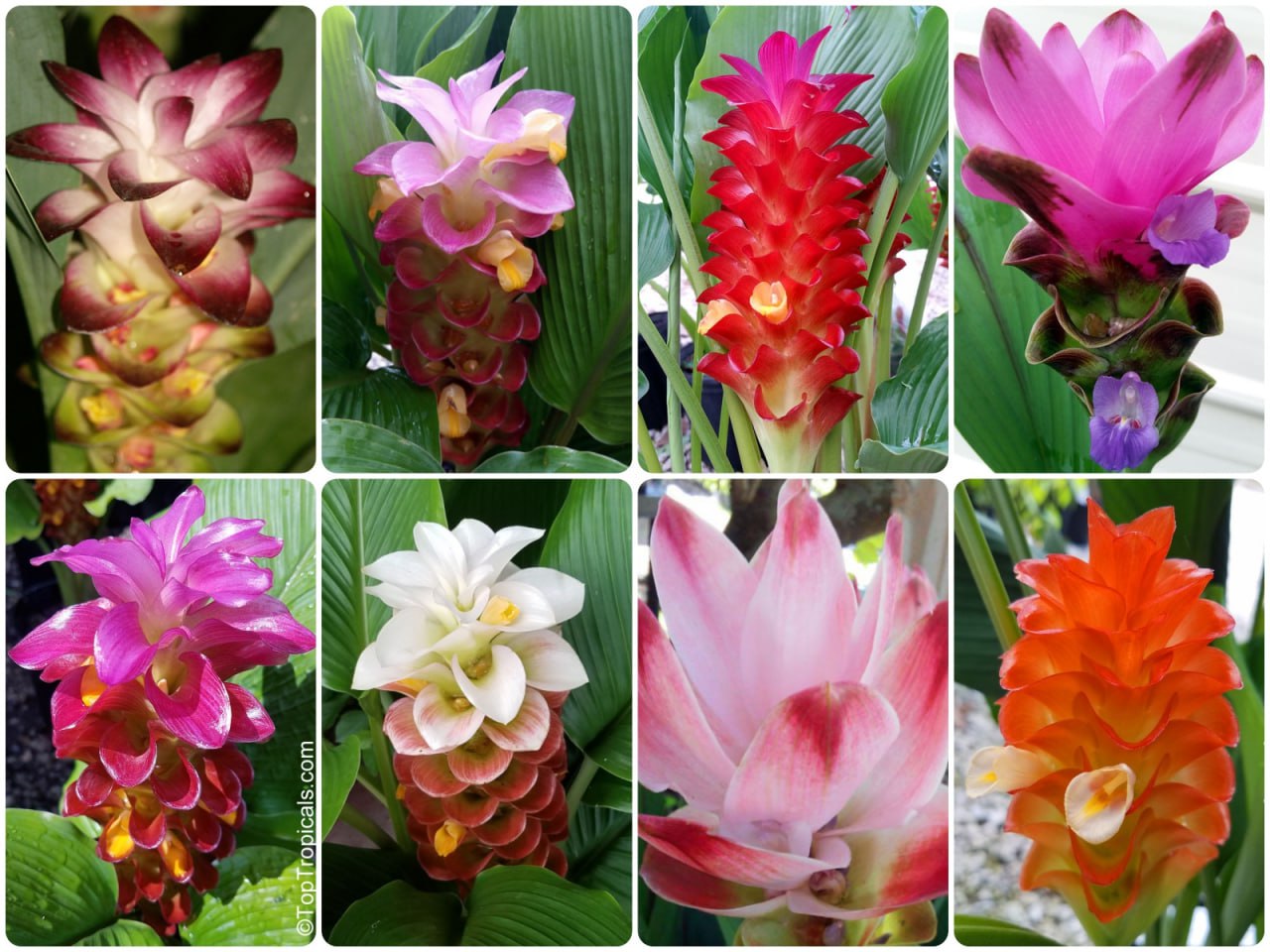
    Turmeric - Curcuma

    Turmeric - Curcuma

    🌷 Why Turmeric was named the 2026 Herb of the Year

    • 🌷 Turmeric was named the 2026 Herb of the Year by the International Herb Association, and it is easy to see why gardeners are paying attention. This tropical plant from the ginger family is best known for its bright orange underground rhizomes, used for centuries as a spice, natural dye, and traditional remedy.
    • 🌷Native to India, Turmeric (Curcuma longa) is closely related to Ginger and Cardamom. Its rhizomes are a staple in curry and widely used in Asian, African, and Caribbean cuisines. In recent years, turmeric has also gained attention for potential anti-inflammatory properties.
    • 🌷 Herb, spice or flower?


    • • Botanically, turmeric is a spice, since it comes from the plant’s rhizomes rather than its leaves. In the kitchen, however, it often functions like an herb. Fresh turmeric can replace powdered turmeric in most recipes and delivers brighter flavor and color.
    • • Beyond edible Turmeric, there are many Curcuma hybrids grown purely for ornament. These selections produce striking, long-lasting flower spikes in shades of pink, white, orange, red, and purple, rising above lush tropical foliage. Ornamental curcumas are popular as patio plants and indoor accents, adding dramatic color and texture even where they are grown strictly in containers.


    🌷 Growing turmeric anywhere - even in cool climates


    Although Turmeric is a tropical perennial, it grows very well in containers, making it suitable for gardeners everywhere. When grown in pots, turmeric is treated as a warm-season plant that can be moved indoors as temperatures cool.
    • 🌷 How to grow Turmeric


      Turmeric is a compact, but bold plant, reaching 3-4 feet tall and wide, so it needs a roomy container. It prefers:

    • • Rich, well-drained soil
    • • Slightly acidic conditions (around pH 6–6.5)
    • • Consistent moisture
    • • Warm temperatures and bright, indirect light

    The plant produces flowers that do not set seed, so turmeric is grown entirely from rhizomes.

    🌷 Harvesting and using Turmeric


    As the season ends, turmeric naturally goes dormant and the leaves yellow and dry. This signals harvest time. Dig the rhizomes, clean them, and dry them in a cool, shaded place.

    Rhizomes can be:
    • • Boiled, dried, and ground into powder
    • • Frozen whole and grated as needed
    • • Pickled for long-term storage

    Some healthy rhizomes can also be saved and replanted the following season, making turmeric both productive and renewable.

    Compact, bold, and useful, turmeric proves that tropical plants can thrive well beyond the tropics - especially when grown in pots.

    🛒 Plant Curcuma for both flowers, spice and herb

    📚 Learn more :

    Plant Facts

    Boesenbergia rotunda, Curcuma rotunda
    Chinese Keys, Fingerroot, Lesser Galangal, Chinese Ginger
    USDA Zone: 9-11
    Small plant 2-5 ftSemi-shadeModerate waterRegular waterWhite, off-white flowersPink flowersEdible plantSpice or herb plantEthnomedical plant.
Plants marked as ethnomedical and/or described as medicinal, are not offered as medicine but rather as ornamentals or plant collectibles.
Ethnomedical statements / products have not been evaluated by the FDA and are not intended to diagnose, treat, cure, or prevent any disease. We urge all customers to consult a physician before using any supplements, herbals or medicines advertised here or elsewhere.
  • Turmeric (Curcuma) in Plant Encyclopedia
  • Curcuma - the tropical tulip with a secret spice twist
  • Curcuma: one plant, two powers - color and spice!
  • How Curcuma Turmeric keeps blood pressure in balance.
  • Turmeric Curcuma: Grow Your Own Brain Boosters
  • The most interesting edible gingers?

  • #Food_Forest #Container_Garden #Remedies #Discover

    🟢 Join 👉 TopTropicals