Date: 11 May 2023
Five reasons to give your mother a live plant
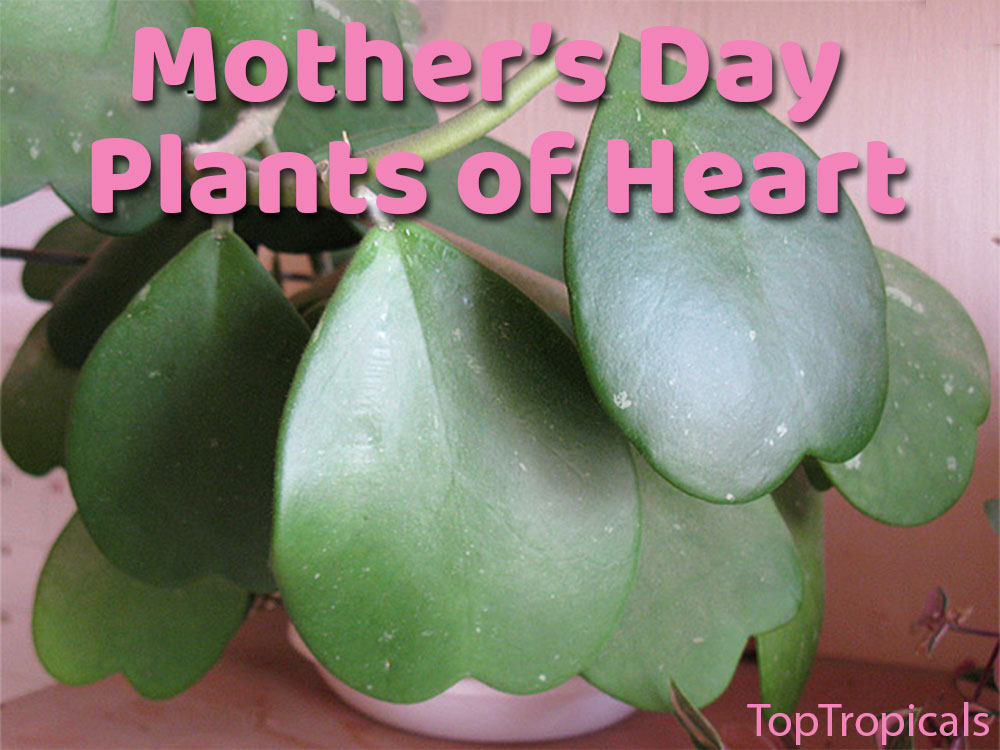
In the photo: Hoya kerrii - Wax Hearts, Sweetheart Hoya, Heart leaf - makes an ideal houseplant. It has become increasingly popular in recent years because of its unusual "heart" shape leaves...
Q: What is the best Mother' Days present?
A: Buying a live plant for your mother is a thoughtful and meaningful Mother's Day gift for several reasons:
1. Growth and Nurturing: Just like a mother's love, a live plant symbolizes growth, nurturing, and the bond between a caregiver and their offspring. By gifting a live plant, you acknowledge and honor your mother's role in nurturing and supporting you throughout your life.
2. Long-lasting Beauty: While cut flowers may fade within days, a live plant has the potential to flourish and bloom for months or even years. It serves as a constant reminder of your love and appreciation, bringing beauty and vitality to your mother's living space.
3. Therapeutic and Relaxing: Gardening has been proven to have therapeutic benefits, reducing stress and promoting relaxation. By giving your mother a live plant, you provide her with an opportunity to engage in a fulfilling and calming hobby that can enhance her overall well-being.
4. Personalized and Thoughtful: Choosing a live plant allows you to select a specific type or variety that holds significance for your mother. You can consider her preferences, favorite colors, or even a plant that carries a special meaning. This personalized touch shows that you've put thought and effort into selecting a gift that resonates with her.
5. Symbol of Renewal and Hope: Plants have a natural cycle of growth, renewal, and resilience. By giving your mother a live plant, you convey a message of hope, renewal, and the endless possibilities that lie ahead.
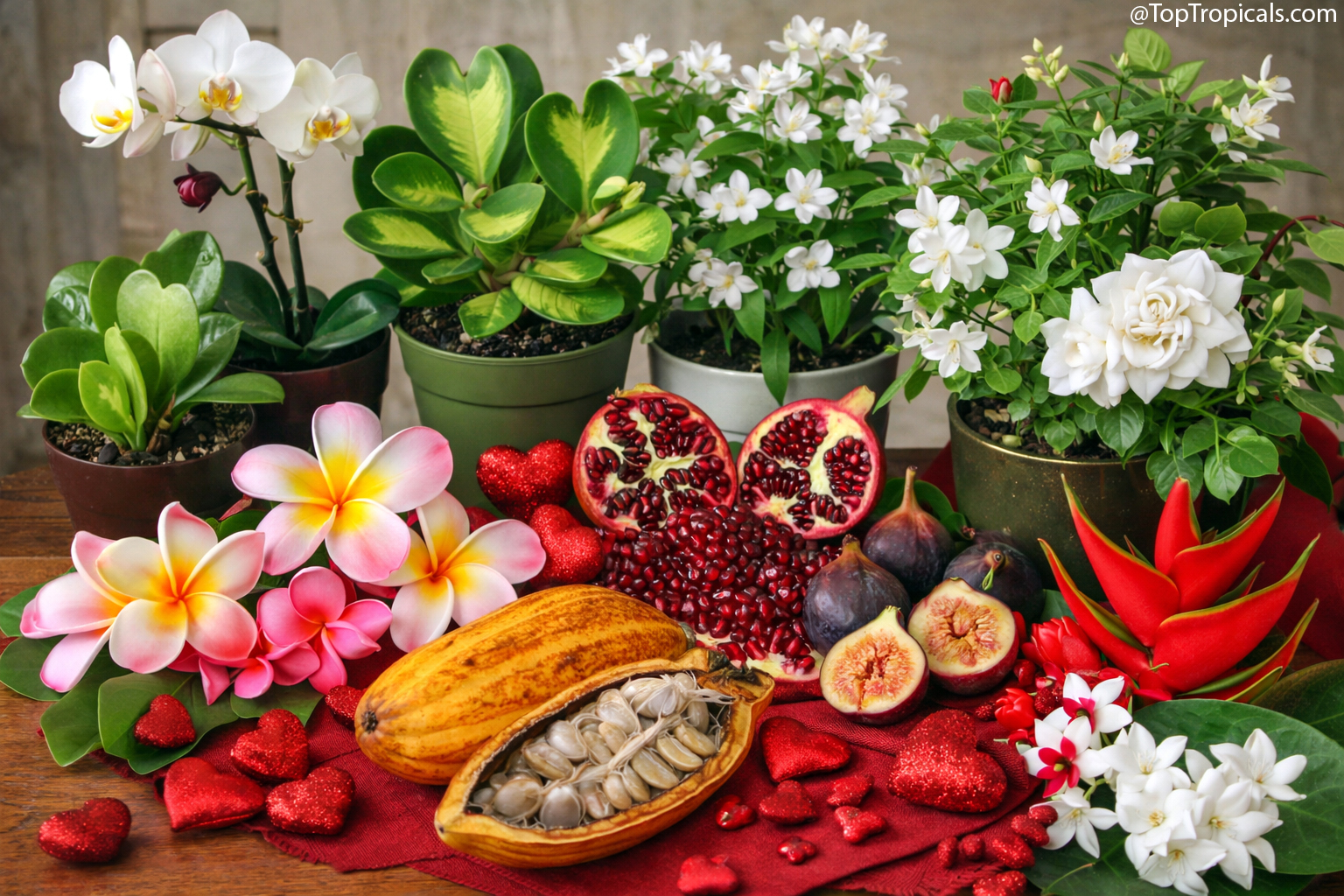
Some suggestions of live plant gifts
Spice trees and
plants - you don't need to wait until it fruits or blooms, the spice is
with you right away!
Mango or Avocado tree - a
classic present of a valuable tropical tree and a sign of respect
Fragrant
plants - 100% success! Ladies love fragrances. Especially Jasmines.
Flowering
butterfly attracting plants are so romantic!
Gingers and
heliconias - are very tropical looking, exotic beauties.
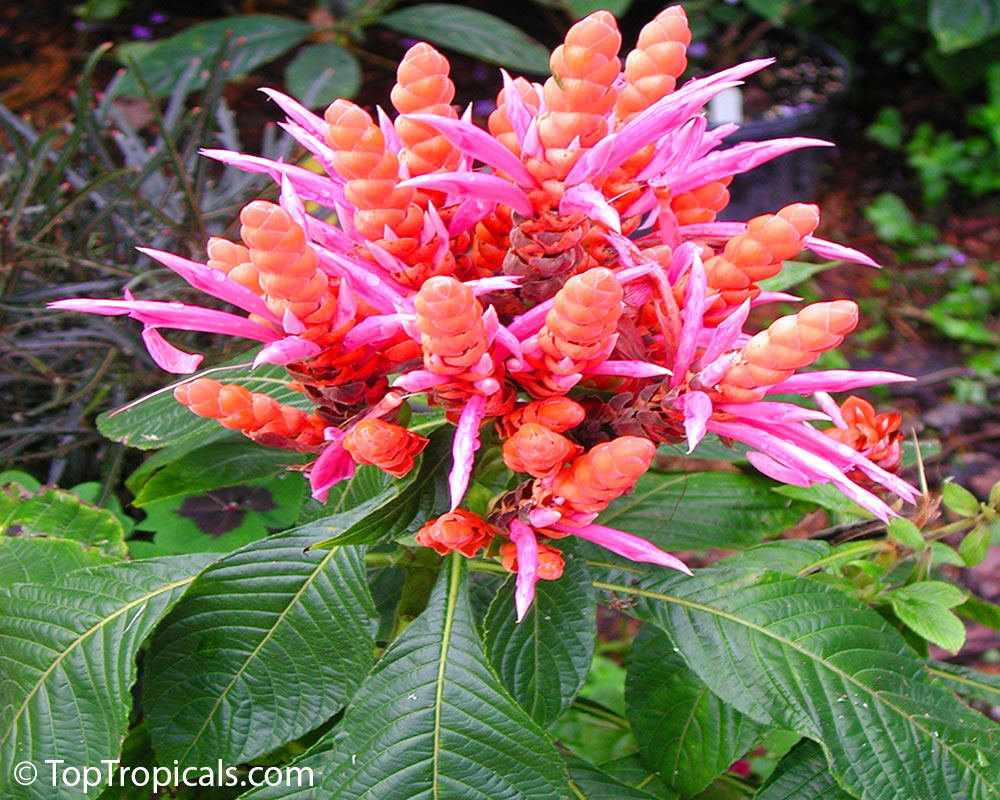
In the photo: Panama Queen
Date: 6 Feb 2026
💕How would you like to give a Valentine plant gift?
Choose the plant
If you already know what feels right, choose the plant now. Sweetheart Hoya is a favorite for a reason, and there are other Valentine plants to explore if you want options.
A good choice when you feel confident, love plants, or are gifting something meant to live indoors.
Let your Valentine choose
If timing, weather, or choice feels uncertain, a Gift Card keeps the moment simple. Your Valentine can choose the perfect plant when the time is right.
Especially helpful for gardeners up north, or when you want the gift to unfold later.
About shipping and timing
We ship live plants with care and pay close attention to weather along the way. If conditions are not right, we may hold a shipment briefly to keep plants safe.
If timing or weather makes you hesitate, a Gift Card is an easy way to give a Valentine gift now and choose the plant later, when conditions are perfect.
More Valentines Gift Plants
- Valentines plants from around the world that symbolize love, connection, and appreciation. 👉Learn
- Top nine plants of love, desire, and the senses: aphrodisiacs and sensory connections. 👉Learn
- Four popular plants of friendship, appreciation, and shared connection. 👉Learn
- Eight favorite plants of romance, affection, and emotional connection. 👉Learn
Date: 30 May 2019
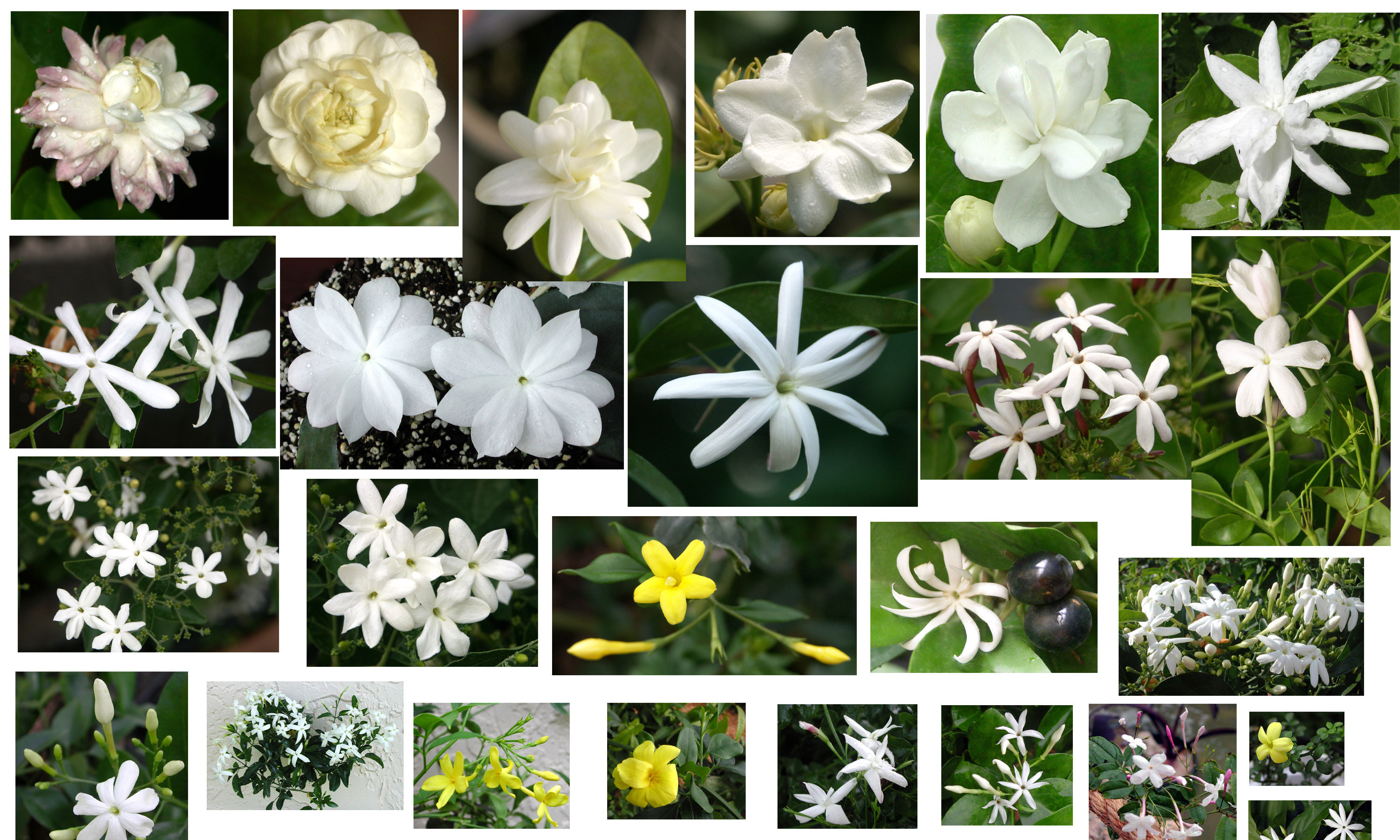
Selecting the right jasmine
Q: Would you please help me select the right jasmine? I want to find a jasmine that smells like lily of the valley or honeysuckle or roses, not the one that smells like gardenia. I'm in Missouri, zone 6, so I want a jasmine for my deck for the summer, so I want it to bloom this season.
A: There are 3 major types of tropical flower fragrances - Sweet, Fresh, and Fruity (including Lemony). Below are the most interesting fragrant tropical flowers, excluding Gardenias (which are sweet type). These are all same-year bloomers, so you can enjoy the fragrance this year assuming proper care and bloom booster feeding.
* - The fastest growers that can be treated as annuals. Others can be grown in a pot and brought inside for winter, and be enjoyed every year.
Sweet
*
Aloysia virgata - Almond Bush
*
Cestrum diurnum - White Chocolate Jasmine, Day Blooming Jasmine
*
Cestrum nocturnum - Night blooming jasmine
*
Heliotropium peruviana - Turnsole, Cherry Pie
Portlandia Cubanola domingensis - Cubanola (Warm white Chocolate)
Portlandia grandiflora - Glorious Flower of Cuba (Warm white Chocolate)
Fresh
Beaumontia grandiflora - Easter Lily Vine
*
Brugmansia Jean Pasco - Yellow Angels Trumpet
*
Brugmansia Variegated Orange Angel Trumpet
*
Brunfelsia americana - Lady of the night
*
Brunfelsia lactea - Lady of the night
*
Brunfelsia nitida - Lady of the night
Crinum Queen Emma - Spider lily
*
Eucharis grandiflora - Amazon Lily
*
Hedychium coronarium - Butterfly Ginger
Hiptage benghalensis - Helicopter Flower
Hoya odorata - Fragrant Hoya
Ixora hybrid Sea Green
Ixora odorata - Fragrant Ixora
*
Jasminum azoricum - River Jasmine
*
Jasminum Molle - Indian Jui
Jasminum nitidum - Star Jasmine
*
Jasminum officinale Flore Pleno - French Perfume Jasmine
*
Jasminum polyanthum - Pink Winter Jasmine
*
Jasminum sambac Belle of India
*
Jasminum sambac Grand Duke
*
Jasminum sambac Maid of Orleans
*
Polianthes tuberosa - Tuberose
*Sclerochiton harveyanus - Blue Lips, Mazabuka (Lavender-violet-like)
Fruity
Aglaia odorata - Chinese Perfume Plant (Lemony)
Artabotrys siamensis - Climbing Ylang-Ylang (Lemony)
Cananga fruticosa - Dwarf Ylang-Ylang
Carissa grandiflora - Natal Plum
Cerbera x manghas hybrid - Enchanted Incense
*
Jasminum dichotomum - Rose Bud Jasmine
*
Lonicera japonica - Japanese Honeysuckle
Magnolia figo - Banana Magnolia (Banana-like)
Magnolia x Alba grafted (Bubble-gum-like)
*
Mirabilis jalapa - Four oclock plant
Oxyceros horridus, Randia siamensis
*
Quisqualis - Rangoon Creeper
*
Radermachera Kunming - Dwarf Tree Jasmine
*
Stephanotis floribunda - Bridal Bouquet
Strophanthus gratus - Climbing Oleander
Telosoma cordata - Pakalana vine (Lemony)
Fertilizers for profuse flowering:
Pink N Good Daily Plant Food - Flower Booster
Tropical Allure - Smart-Release Booster
SUNSHINE-Superfood micro-elements
Date: 14 Nov 2018
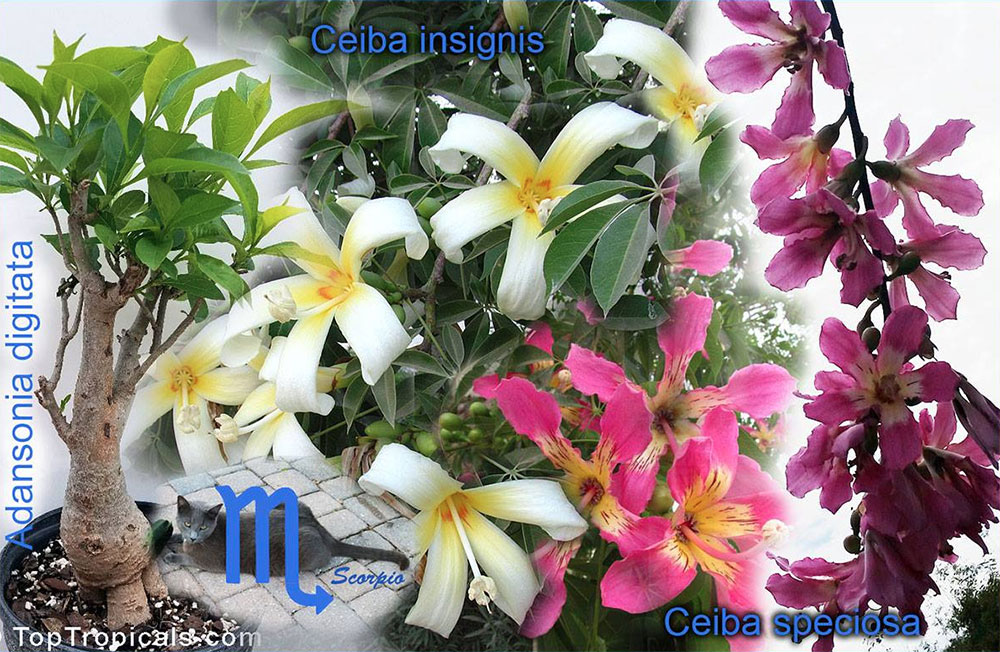
Plant Horoscope. Scorpio Zodiac lucky plants: Plants with thorns, red in color, and grow under adversity
Scorpio - 10/23-11/21.
A WATER sign ruled by both Mars and Pluto.
Scorpio's plants are often found in remote places or on poor ground.
They will likely have thorns, can be red in color, and grow under adversity.
The good news is, most of these plants are nearly indestructible! This makes
them desirable for every gardener.
The reproductive organs are ruled by Scorpio, so these are plants that
balance the hormones, regulate the menstrual cycle, help with childbirth and
pregnancy. Until this century, Scorpio was ruled by Mars, and the herbs
associated with it had to do with the urogenital system and the colon. Many of the
herbs related to Scorpio are cleansing and revitalizing. Now, astrologers
assign Scorpio to Pluto, discovered in 1930 (Pluto is said by astrologers to be a higher octave of Mars). Physiologically, Scorpio involves the processes of catabolism and anabolism, the death and regeneration
of body cells. Diseases of Scorpio are often involved with the slow buildup of
toxic substances in the body (carcinogens, etc) or in the mind (anger,
jealousy). Scorpio loves a spice with depth and complexity. Camphor Basil adds
rich flavor to every dish it seasons, and its own aphrodisiac tendencies appeal to
Scorpio's lusty nature.
Scorpio Zodiac lucky plants:
Ceiba, Baobab, Pistachio, Nutmeg, Thunbergia, Combretums, Dragon fruit, Medinilla, Camphor Basil, Oregano, Vanilla orchid, Hibiscus, Various cacti and succulents,
Adenium, Honeysuckle, Peppers, Cordyline, Spider plant, Jasmine,
Gooseberries, Wild
indigo,
Bougainvillea,
Aloe vera, Raspberry
,
Palmetto, Horseradish tree, Camphor, Allspice and Bay Rum,Jujube, Sweet Mimosa, Agave,
Milkweed, Hong Kong
Orchid Tree, Pony Tail, Dwarf Poinciana, Bottlebrushes, Clusias, Crocosmia, Zig-Zag Cactus, Dracaena, Fire Bush, Hoyas, Jatropha
, Kalanchoe, Sausage tree, Devils Backbone, Pereskia, Red Plumeria, Firecracker, Rattlebox,
Rhoeo,
Calendula, Geranium, Thistles, Mint
, Sage,
Catnip,
Coriander, Sandalwood, Ginseng,
Euphorbias, Acacias
Date: 14 Feb 2026
🍧Vanilla does not come from a bottle
Smokey: Growing vanilla for your creamer. It needs support to climb.
Sunshine: I can provide moral support and donuts. Count on me, my friend.
🍨 The orchid behind the worlds favorite flavor
Vanilla does not come from a bottle. It comes from a climbing orchid. Vanilla planifolia is the plant that produces real vanilla beans - and yes, you can grow it at home. It starts simply. A potted orchid with glossy leaves. Then it begins to reach. Vanilla is a climber. It wants something solid to attach to. This is where most people go wrong. They keep it in a pot and wait. Vanilla needs support - a log, a trellis, a wooden board. Once its aerial roots attach firmly and the plant matures, flowering becomes possible.
It is not instant. You need patience. The pods form green and only develop their aroma after curing. That slow process is part of what makes vanilla so valuable. For gardeners who enjoy growing something meaningful - something edible and beautiful - vanilla is worth it. Vanilla is not a novelty plant. It is a long conversation with your garden.