Insulin Ginger traditional remedies: Quick-n-fun exotic recipes
Insulin Ginger (Chamaecostus cuspidatus) traditional remedies recipes
❣️ Insulin Ginger traditional remedies: Quick-n-fun exotic recipes
6 very simple, real-world ways people actually use Insulin Ginger (Chamaecostus cuspidatus)
✦ 1. 🍵 Simple leaf tea
Steep 1–2 fresh leaves (or dried) in hot water for 10–15 minutes. Drink warm, plain or lightly sweetened.
✦ 2. ❄️ Refreshing iced herbal drink
Blend a couple of leaves with water, strain, add ice. Some people add a squeeze of lemon.
✦ 3. Coconut water blend
Blend 1–2 leaves with fresh coconut water. Drink chilled as a mild daily tonic.
✦ 4. 🌿 Fresh leaf chew
The simplest method - chew a fresh leaf in the morning, then discard. Very common traditional use.
✦ 5. Salad add-in
Finely slice young leaves and mix with other greens. Use lightly, like a functional herb.
✦ 6. 🍲 Leaf Chutney
Leaves can be blended with spices and other herbs into a savory condiment. Meals like this make the leaves easy to include in everyday diet (though you’d want to adapt it for flavor and personal preferences).
👆This plant has a long history of traditional use. Everyone’s body is different, so if you have diabetes or take medication, it’s wise to check with your healthcare provider first.
❣️ A leaf you grow, not a pill you buy: Insulin ginger - the plant people actually use
❣️ Costus igneus (Chamaecostus cuspidatus) - Insulin Ginger, Fiery Costus or Spiral Flag - I love this plant! And that’s not something I say lightly.
Insulin Plant Facts
Botanical name: Costus igneus, Chamaecostus cuspidatus Also known as: Insulin Plant, Fiery Costus, Spiral Flag
USDA Zone: 9 - 11
Highligths
❣️ Customers often ask me about medicinal plants that may help with diabetes, and Insulin Ginger always comes up - for a good reason. This is one of those plants people grow on purpose, not just because it looks nice. Imagine stepping into your garden and picking a leaf instead of opening a pill bottle. That idea alone makes people pause.
❣️ In everyday use, Insulin Ginger is valued for supporting healthy blood sugar and helping the body respond better to insulin. It’s also packed with antioxidants, which gardeners like to think of as quiet helpers for organs that get stressed when sugar balance is off. No lab talk, no big claims - just a plant people have trusted and used for a long time.
❣️ From a gardener’s point of view, it’s hard not to love. You can harvest leaves year-round, and the more you pick, the better it grows. One plant quickly turns into many, which means you’ll have enough for yourself and extras to share with friends and family.
❣️ It’s one of those plants people don’t regret planting. Easy to grow. Easy to share. Easy to use.
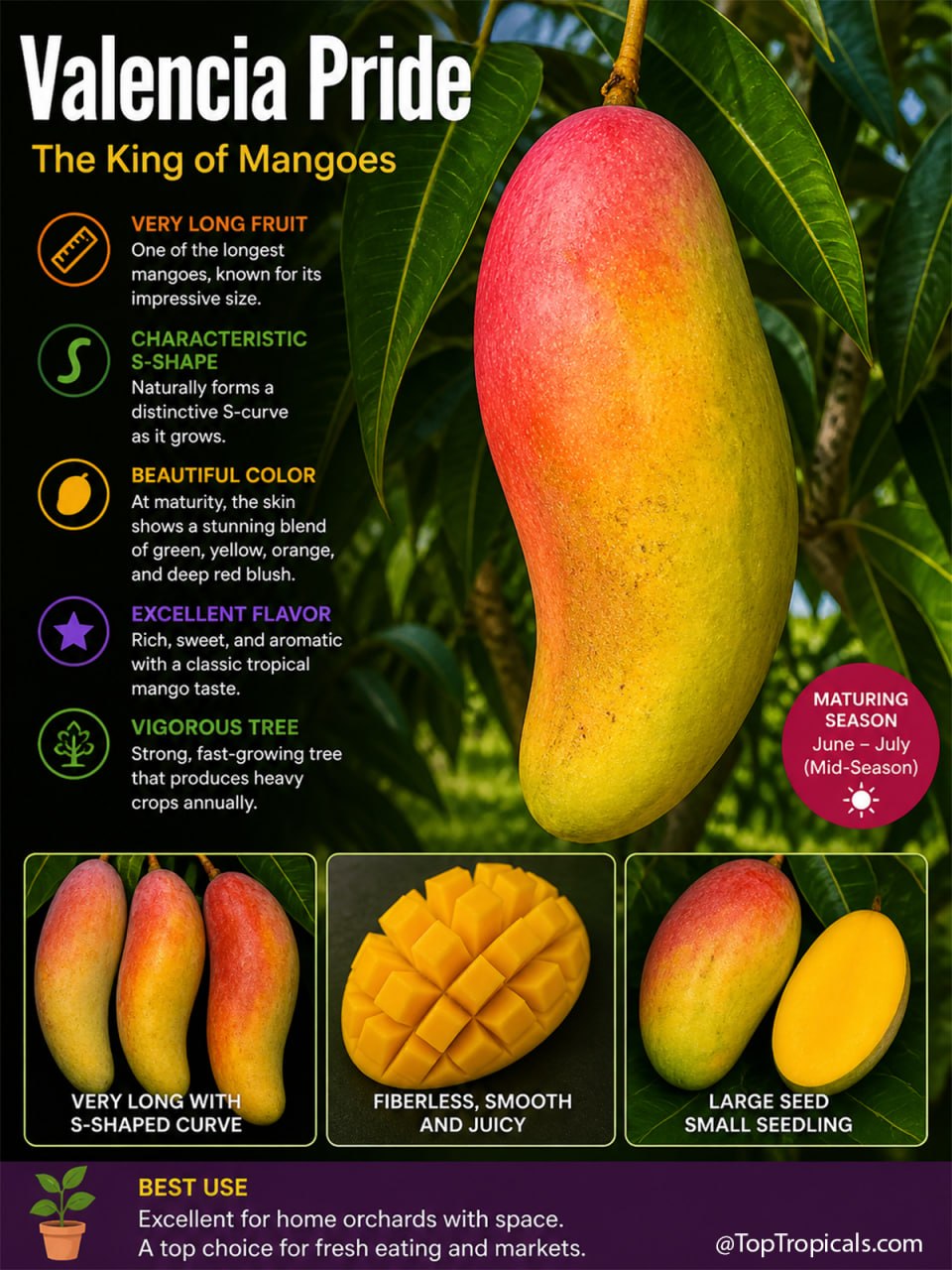
🥭 Valencia Pride is big, bold, and impossible to miss.
🔸Classic sweet tropical mango flavor 🔸Juicy, smooth, nearly fiberless flesh 🔸Large, colorful fruit with that signature S-shape
One of Florida’s classic mangoes, known for size and reliable production.
The tree grows fast and big - perfect for shade, but give it space.
If you want a mango that looks impressive and delivers every year, Valencia Pride is a strong pick. More 👉
Tired of shrubs that burn out in summer? A lot of shrubs look great in spring - then collapse when real heat hits. Leaves scorch, blooms stop, and watering becomes a full-time job. That’s where the right plant choice changes everything.
These shrubs are built for extremes. They handle blazing sun, reflected heat, and dry soil without constant attention. Some even perform better when conditions get tough.
🔥 7 best shrubs for hot, dry spots
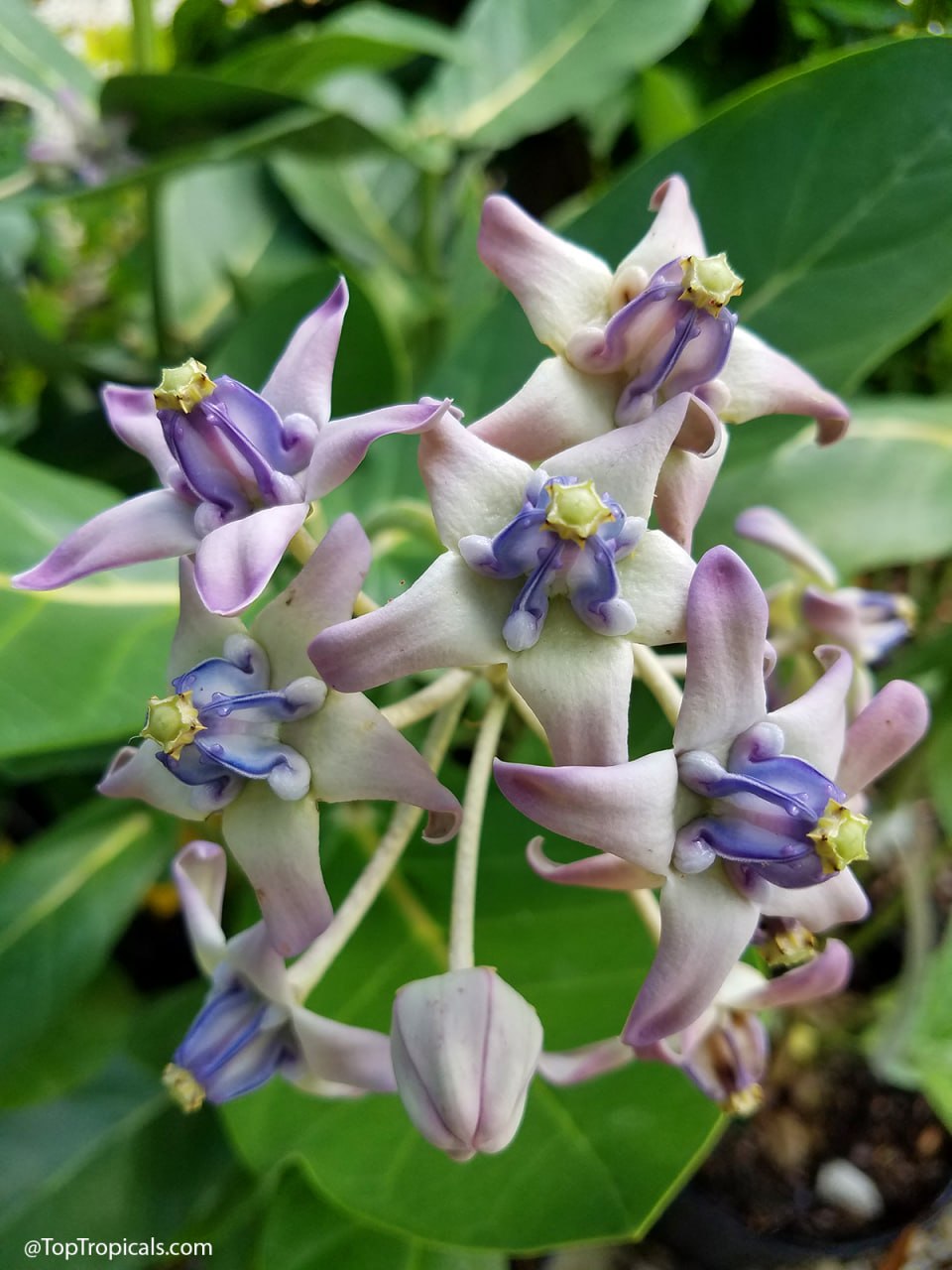
☀️ 1. Giant Milkweed (Arka) - Calotropis gigantea 📸
Silvery leaves reflect heat, and it thrives in dry, poor soils where most plants fail. One of the most powerful butterfly plants! More details
Giant Milkweed Plant Facts
Botanical name: Calotropis gigantea Also known as: Giant Milkweed, Crown Flower, Giant Calotrope, Arka, Jilledu, Erukkam Madar, White Madaar
USDA Zone: 9 - 11
Highligths
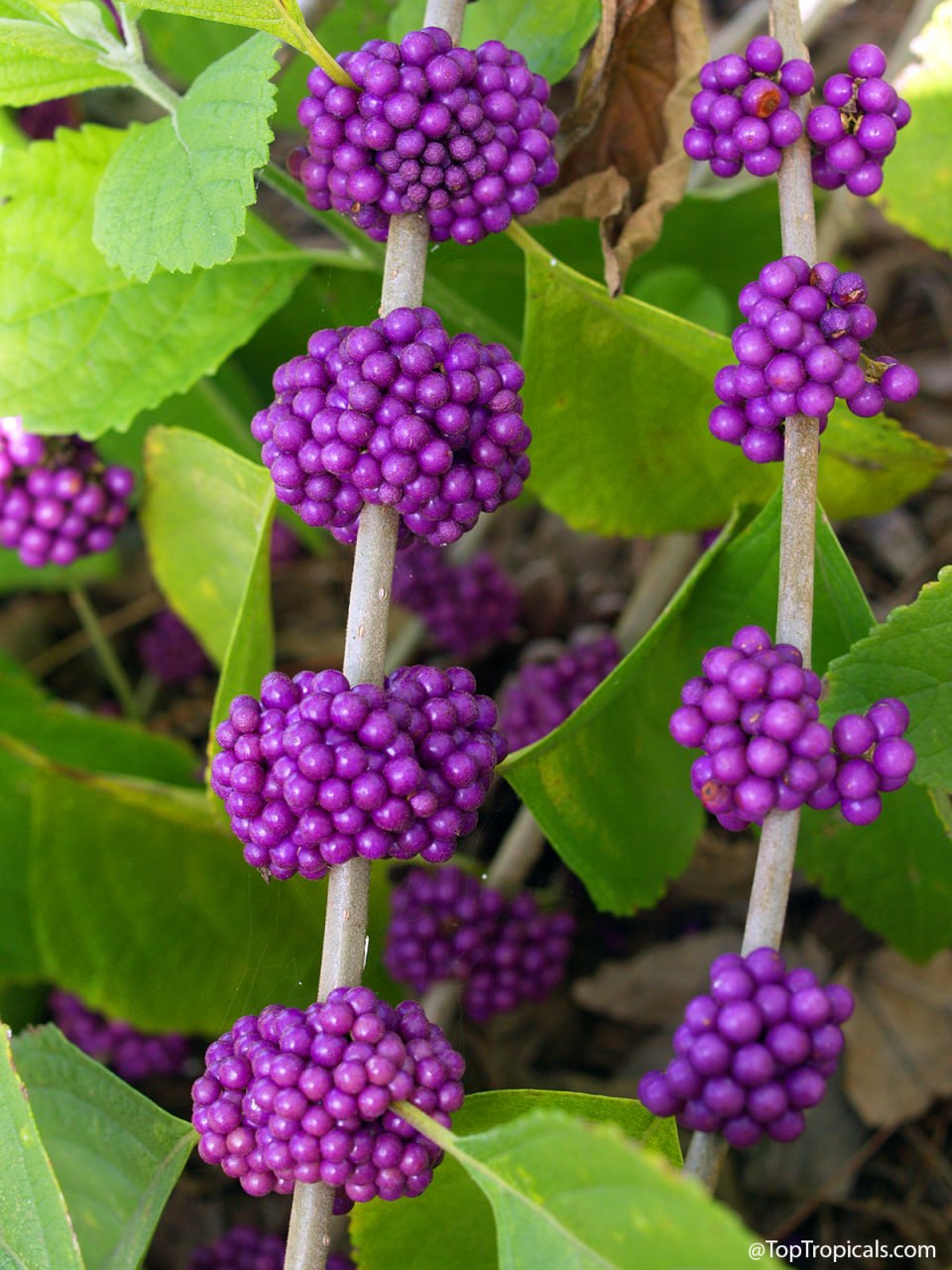
☀️ 2. American Beautyberry - Callicarpa americana 📸
A Florida native that handles heat well - drought tolerant once established and known for its bright purple berries. More details
American Beautyberry Plant Facts
Botanical name: Callicarpa americana Also known as: American Beautyberry
USDA Zone: 6 - 11
Highligths
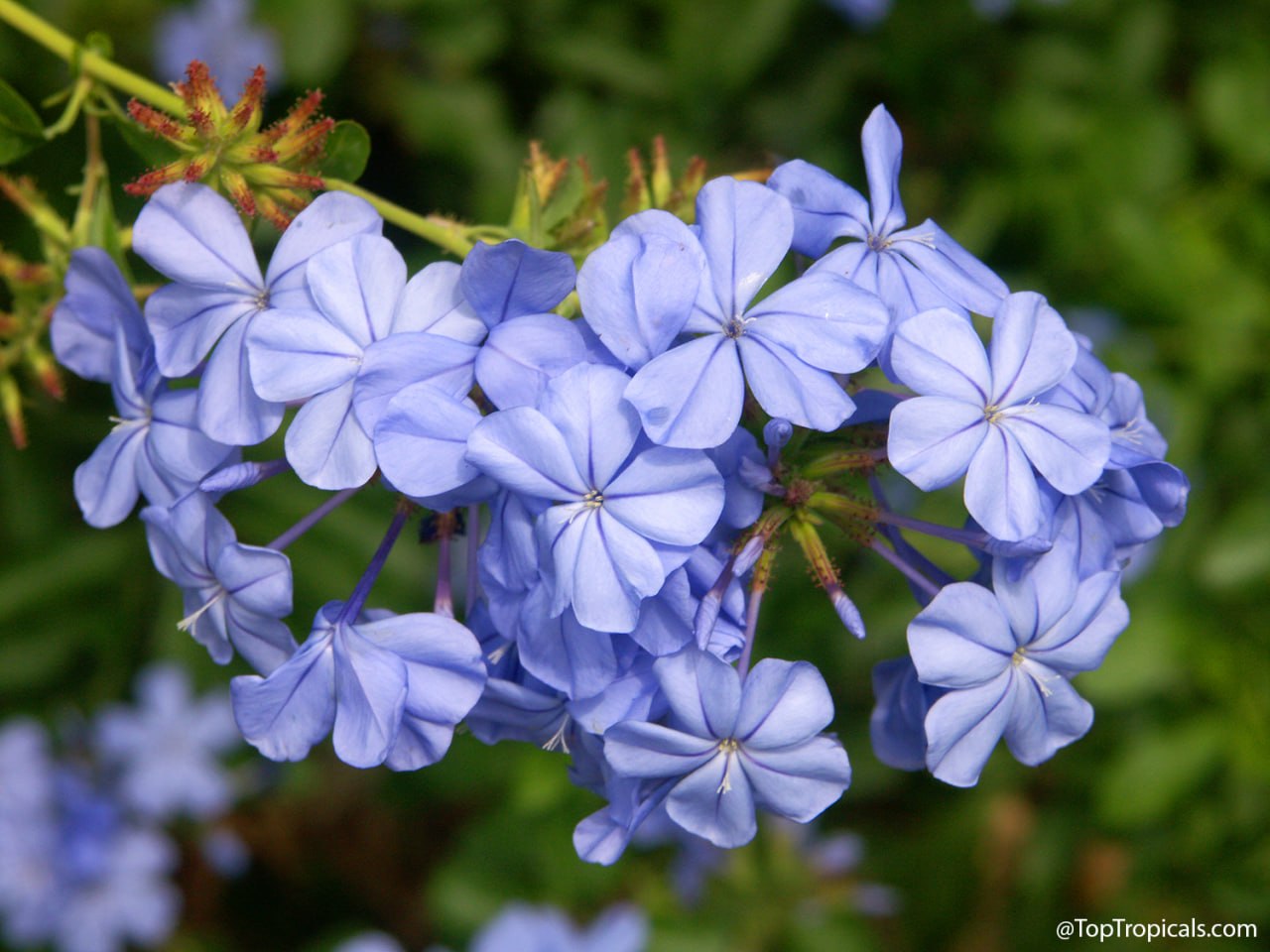
☀️ 3. Plumbago 📸
One of the easiest flowering shrubs - thrives in full sun and keeps blooming with pretty sky-blue flowers through heat with minimal water. More details
☀️ 4. Cocoplum - Chrysobalanus icaco
Excellent for coastal and dry conditions - tough, evergreen, and great as a hedge. Plus tasty fruit bonus! More details
Cocoplum Plant Facts
Botanical name: Chrysobalanus icaco Also known as: Cocoplum, Paradise Plum
USDA Zone: 9 - 10
Highligths
☀️ 5. Dwarf Bottlebrush - Callistemon Little John
A compact, dense version of the classic bottlebrush that stays small but performs big in heat. It handles full sun, poor soil, and dry conditions once established, while still producing those bright red brush-like flowers that pollinators love. Perfect for tight spaces where you need something tough, tidy, and reliable. More details
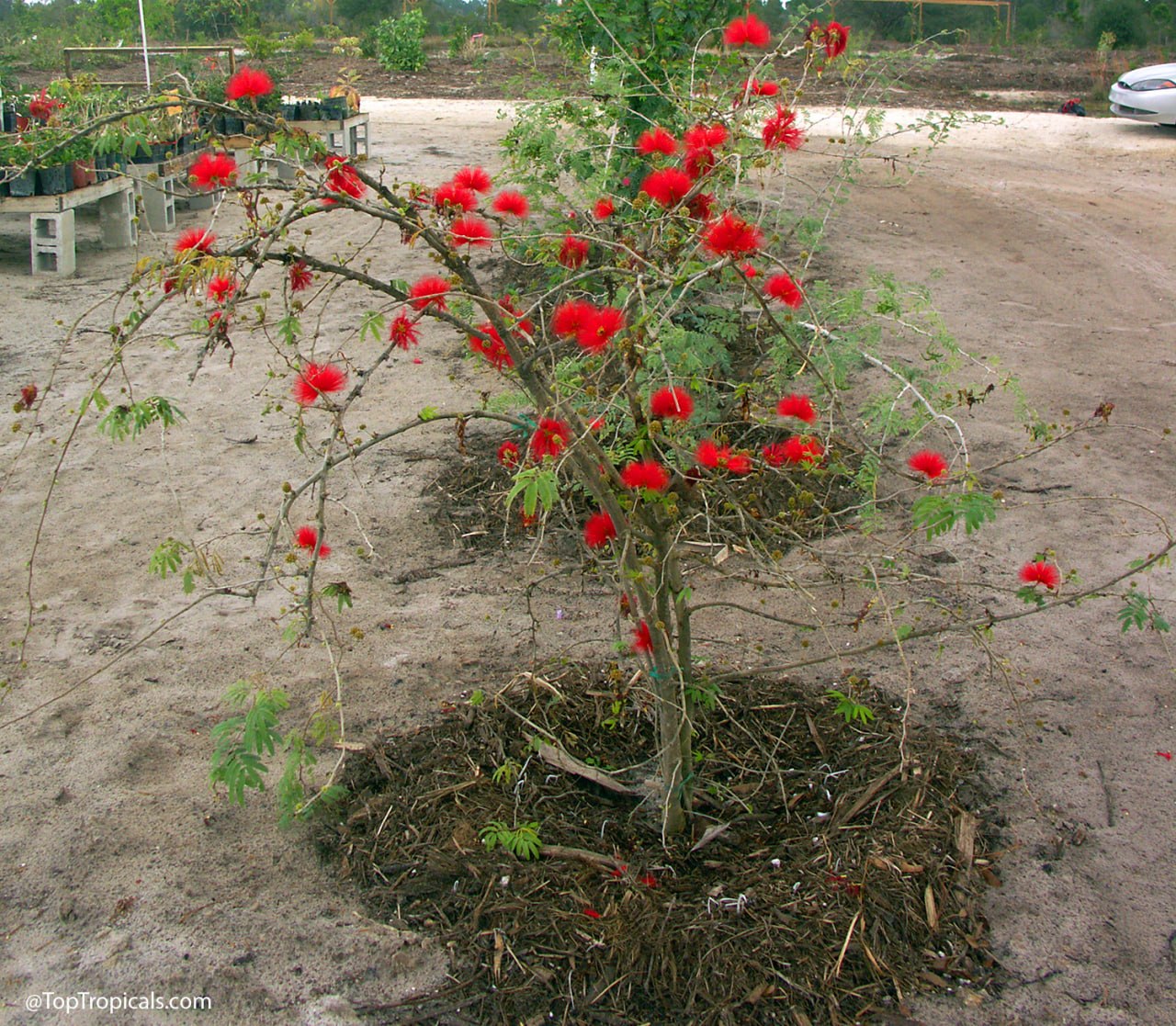
☀️ 6. Calliandra tweedii With Love - Red Tassel Flower 📸
Fast-growing, very cold-tolerant, and handles dry spells surprisingly well once established. Beautiful scarlet red flowers throughout the year. More details
☀️ 7. Dwarf Powderpuff - Calliandra emarginata
Compact, resilient, and a great choice for smaller spaces that still need something tough. More details
👉 Think trees and vigorous shrubs are your only option? Stay with us - next up are smaller plants and vines that thrive where everything else dries out.
The secret Brain Food growing in my backyard (and it tastes like green peas!)
Tropical Asparagus (Sauropus androgynus)
🏆 The secret Brain Food growing in my backyard (and it tastes like green peas!)
🌿 Katuk, or Tropical Asparagus (Sauropus androgynus), is one of the most underrated edible plants you can grow. This leafy tropical shrub is a superfood in disguise. It grows fast, looks lush, and its tender young shoots taste just like green peas.
🌿 Native to Southeast Asia, Katuk is a kitchen staple in places like Vietnam, Malaysia, and Thailand. The leaves and shoots are used in soups, stews, and stir-fries with egg or seafood. It’s not only delicious but also incredibly nutritious - rich in nutrients linked to improved memory and reduced cognitive aging: folate, lutein, and especially vitamin K, which is rare in plants.
🌿 Katuk thrives in sun or partial shade, needs little care, and grows into a dense, bushy plant that gives you edible greens all year round. If you want something that feeds both your garden and your health, this one’s a winner!