Garden Blog - Top Tropicals

Date: 25 Apr 2026

Ackee baked rice: quick-n-fun exotic recipes
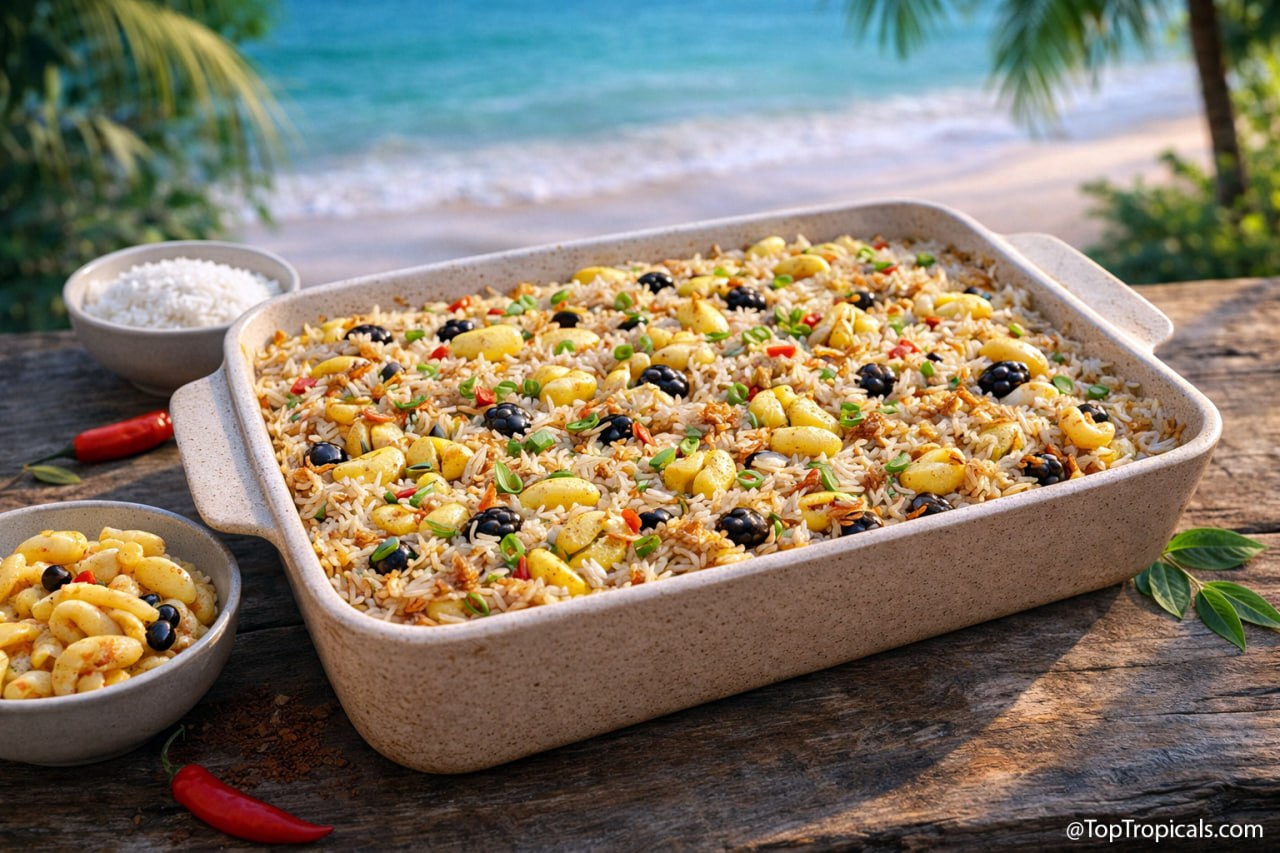
Ackee baked rice
Ackee baked rice

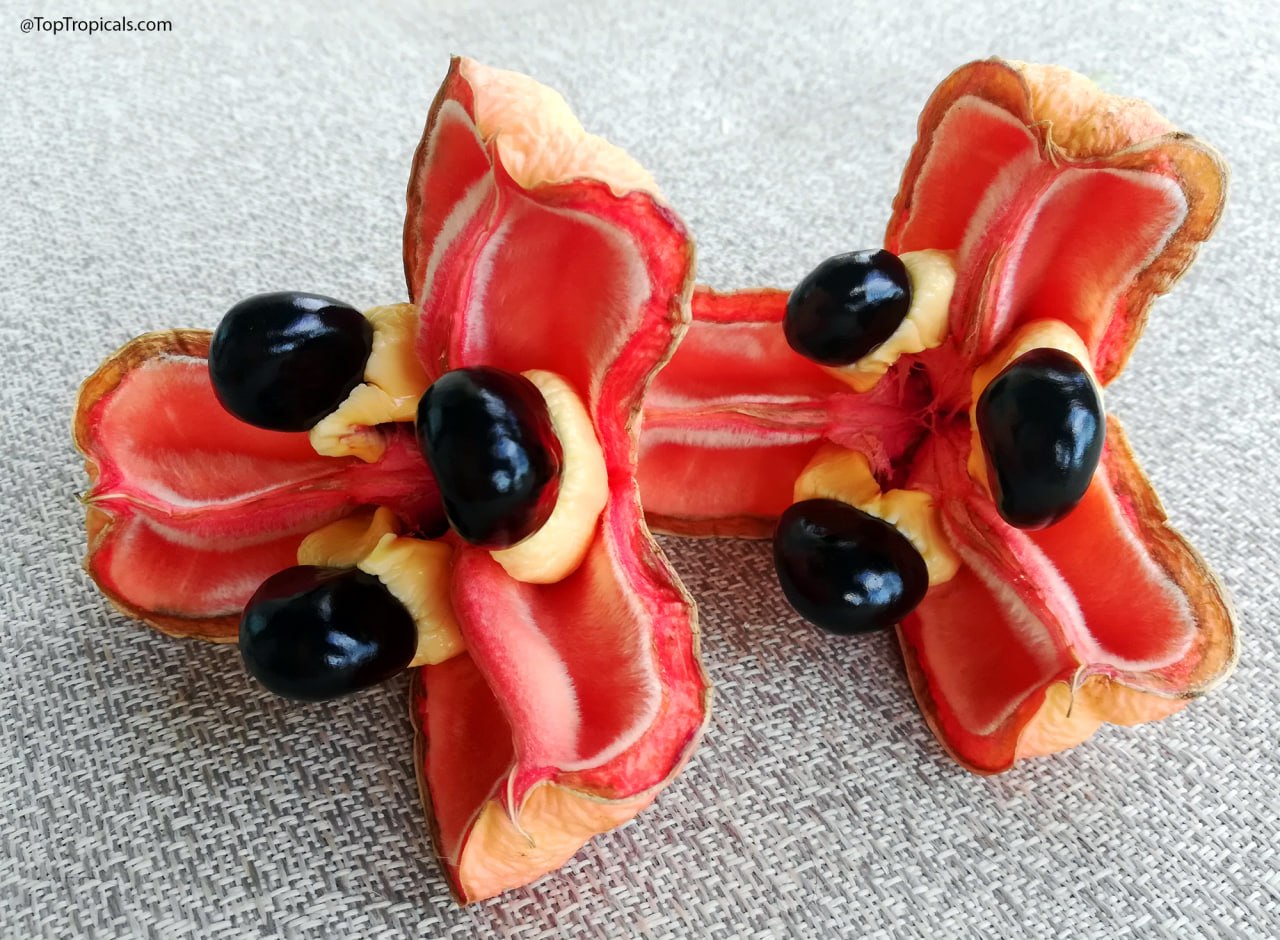
Ackee (Akee) - Blighia sapida - fruit

Ackee (Akee) - Blighia sapida - fruit

🍴 Ackee baked rice: quick-n-fun exotic recipes

  • 🔴Fold cooked ackee gently into warm, seasoned rice with a pinch of salt and a little oil or butter.
  • 🔴Spread into a baking dish and bake until the top turns lightly crisp and golden.
  • 🔴Scoop while warm - soft inside, slightly crisp on top, simple and satisfying.


🌿 About the plant:


When properly harvested and prepared, ackee has a mild, buttery texture often compared to scrambled eggs. It contains healthy fats and is a staple ingredient in Caribbean cooking.

🏡 In the garden:


Trees require consistent warmth and do not tolerate frost. Mature trees can produce generously in suitable climates with minimal intervention.

🛒 Plant Ackee tree and harvest fruit you can't get from the store!

📚 Learn more:

Akee Plant Facts

Blighia sapida, Cupania sapida
Akee, Ackee, Seso Vegetal, Arbre a Fricasser (Haiti)
USDA Zone: 9-11
Large tree taller than 20 ftFull sunModerate waterEdible plantPlant attracts butterflies, hummingbirdsSubtropical plant. Mature plant cold hardy at least to 30s F for a short time

📱 What is Akee - Jamaica's National Fruit - and how to grow it
📱 How to cook perfect Akee?

#Food_Forest #Recipes

🟢 Join 👉 TopTropicals
Date: 8 May 2026

How to feed the right formula at the right time

How to feed the right formula at the right time

How to feed the right formula at the right time


Most plants don’t need more fertilizer - they need the right one at the right stage. Growth, flowering, and fruiting all require different support. Once you match feeding to what the plant is actually doing, everything starts to improve.

  • ☘️ One system for every plant and stage


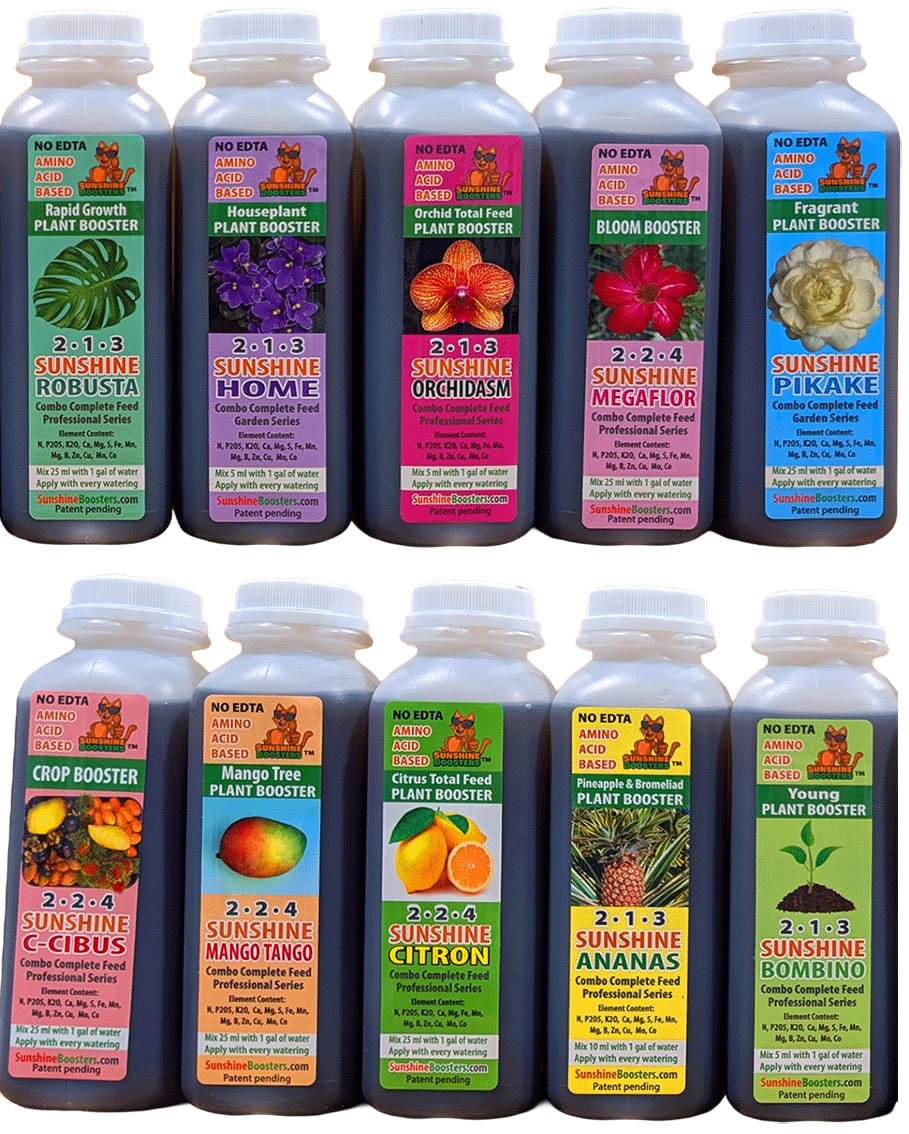
The Sunshine Boosters system includes different formulas for different stages of growth or plant types. Some are designed for young plants, some for vegetative growth, and others for flowering and fruiting. This allows you to match feeding to what your plant is doing without changing the overall system. All formulas, including additional supplements, remain compatible and can be used together when needed.

  • ☘️ Build structure and foliage


Sunshine Robusta supports vegetative growth. It is useful for building strong structure, adding foliage, and helping plants recover after stress or damage.
Sunshine Bombino is a gentle formula for young plants, seedlings, and cuttings. It supports early root development without stressing tender growth.
Sunshine Home is made for indoor houseplants. It is mild and balanced for regular feeding of sensitive plants grown indoors.

  • ☘️ Feeding for flowers

Sunshine Megaflor is a bloom booster. It helps plants produce more flowers, improves flower size, and supports strong pollen development.
Sunshine Pikake is designed for fragrant flowering plants. It increases the number of blooms and improves flower fragrance.
Sunshine Orchidasm is a complete feed for orchids. It supports steady growth and encourages longer and more frequent blooming cycles.

☘️ Feeding for fruit and yield


Sunshine C-Cibus is a crop and fruit booster. It is used during flowering and fruit development to improve yield and plant vigor.
Sunshine Mango Tango is designed for mango trees. It helps improve flowering, fruit set, and reduces flower and fruit drop.
Sunshine Citron is a complete formula for citrus trees. It supports healthy leaves, strong growth, flowering, and fruit production.
Sunshine Ananas is made for bromeliads and pineapple. It supports healthy growth and improves fruit quality in these plants.

  • 👉 To be continued - next we’ll cover the additional boosters that take your plants from good to exceptional. 👉 More...


🛒
Get your plants real food

📚
Learn more:
📱 What are Sunshine Boosters

#Discover #Fertilizers #How_to
🟢 Join 👉 TopTropicals

Date: 10 May 2026

🍑 Tree-Ripened Peaches Change Everything

Smokey  and  Sunshine  relax  under  a  peach  tree  in  the  S&S  Garden, 
 discussing  low-chill  peaches  for  Florida  while  enjoying  peach  cobbler  with 
 ice 
 cream.
Sunshine: I love peach cobbler. Smokey, why are peaches on the tree so early?
Smokey: Low-chill peach varieties for Florida. They ripen much sooner.
Sunshine: I thought peaches were for Georgia.
Smokey: Not if you plant low-chill peaches. And speaking of peaches, do you know about donut peaches?
Sunshine: Donut peaches? Finally, horticulture I can understand.

Some fruits carry memories before you've even tasted them.

There's something about a peach still warm from the tree - the way it gives a little when you pick it, the smell that hits you before you even take a bite. It makes you slow down. It makes summer feel like it actually meant to show up.

For Florida gardeners, that moment used to feel borrowed. Peaches were a Georgia thing, a Carolina thing. You'd admire someone else's harvest and quietly file it under not for us.

Low-chill peaches rewrote that story.

Here's the thing about regular peaches - they need cold. Not just a cool night or two, but a real winter. We're talking 600 to 1,000 hours below 45F. That's how they know to wake up in spring and actually fruit. South Florida just doesn't deliver that. The trees will grow fine, look healthy even, and then give you almost nothing come harvest time. Frustrating doesn't cover it.

Low-chill varieties are different. They were bred specifically for places like ours - warm winters, mild springs. Some only need 100 hours of chill. A hundred. That's a few cold fronts, not a season. And because they're working with our climate instead of against it, they fruit reliably. Every year.

They're not just a Florida trick either. Gardeners in coastal Texas, southern Louisiana, southern California - anywhere in that Zone 8b to 10 range - have been growing these successfully. If you've got warm winters and thought peaches weren't for you, they probably just weren't the right peaches.

🛒 Shop Low-Chill Peach trees

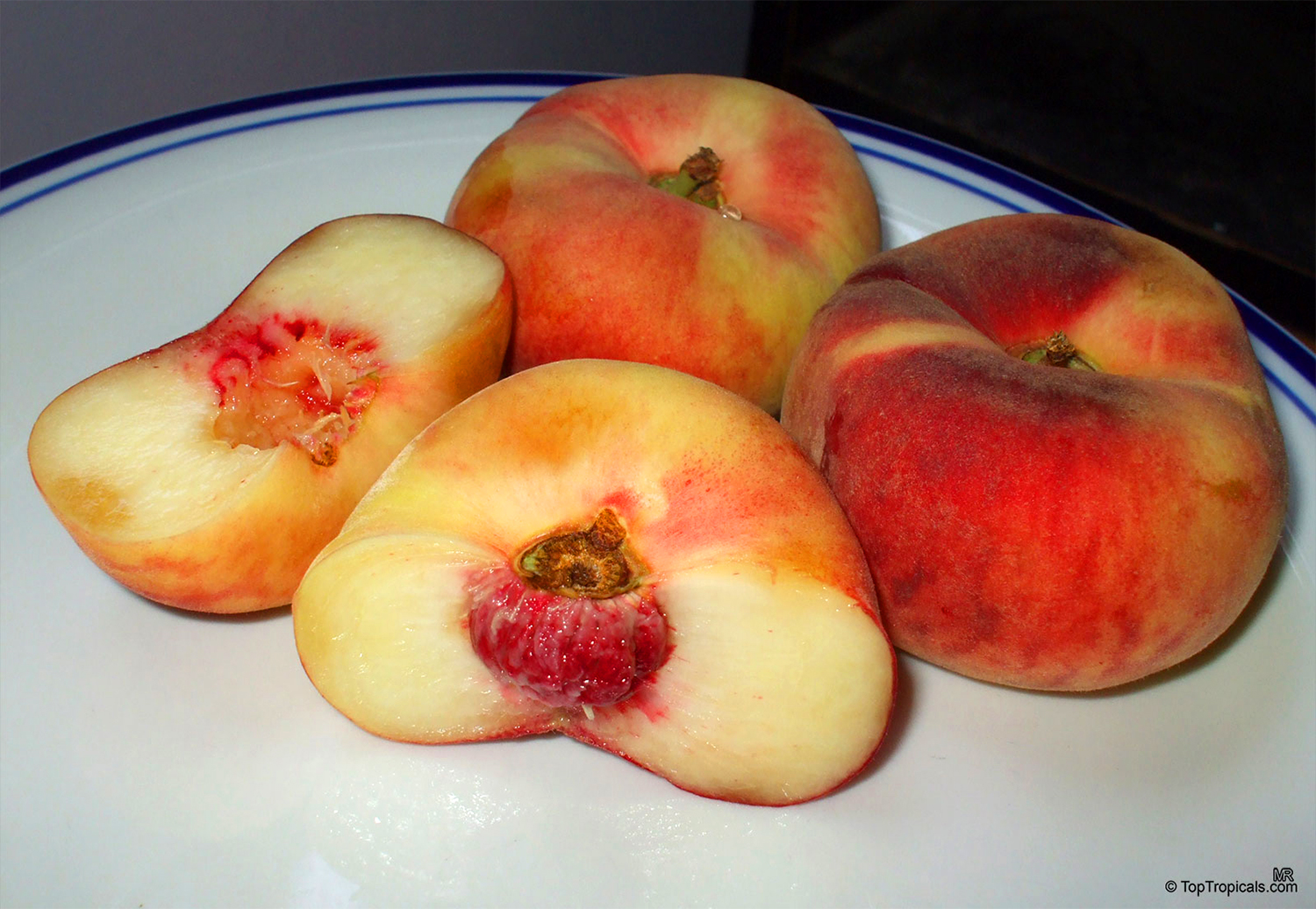
Several  ripe  flat  peaches,  also  known  as  donut  peaches  or  Saturn 
 peaches,  displayed  on  a  white  plate.  Two  peaches  are  cut  open,  showing  the 
 pale  white  flesh  and  small  central  pit  with  pink-red  coloring  around  the 
 seed 
 area.

Flat peaches - sometimes called DONUT peaches - are known for their sweet white flesh, low acidity, and fun squashed shape.

Date: 11 May 2026

7 tough shrubs that handle heat and dry soil

7 tough shrubs that handle heat and dry soil 7 tough shrubs that handle heat and dry soil 7 tough shrubs that handle heat and dry soil 7 tough shrubs that handle heat and dry soil

☀️ 7 tough shrubs that handle heat and dry soil


Tired of shrubs that burn out in summer? A lot of shrubs look great in spring - then collapse when real heat hits. Leaves scorch, blooms stop, and watering becomes a full-time job. That’s where the right plant choice changes everything.
These shrubs are built for extremes. They handle blazing sun, reflected heat, and dry soil without constant attention. Some even perform better when conditions get tough.


🔥 7 best shrubs for hot, dry spots


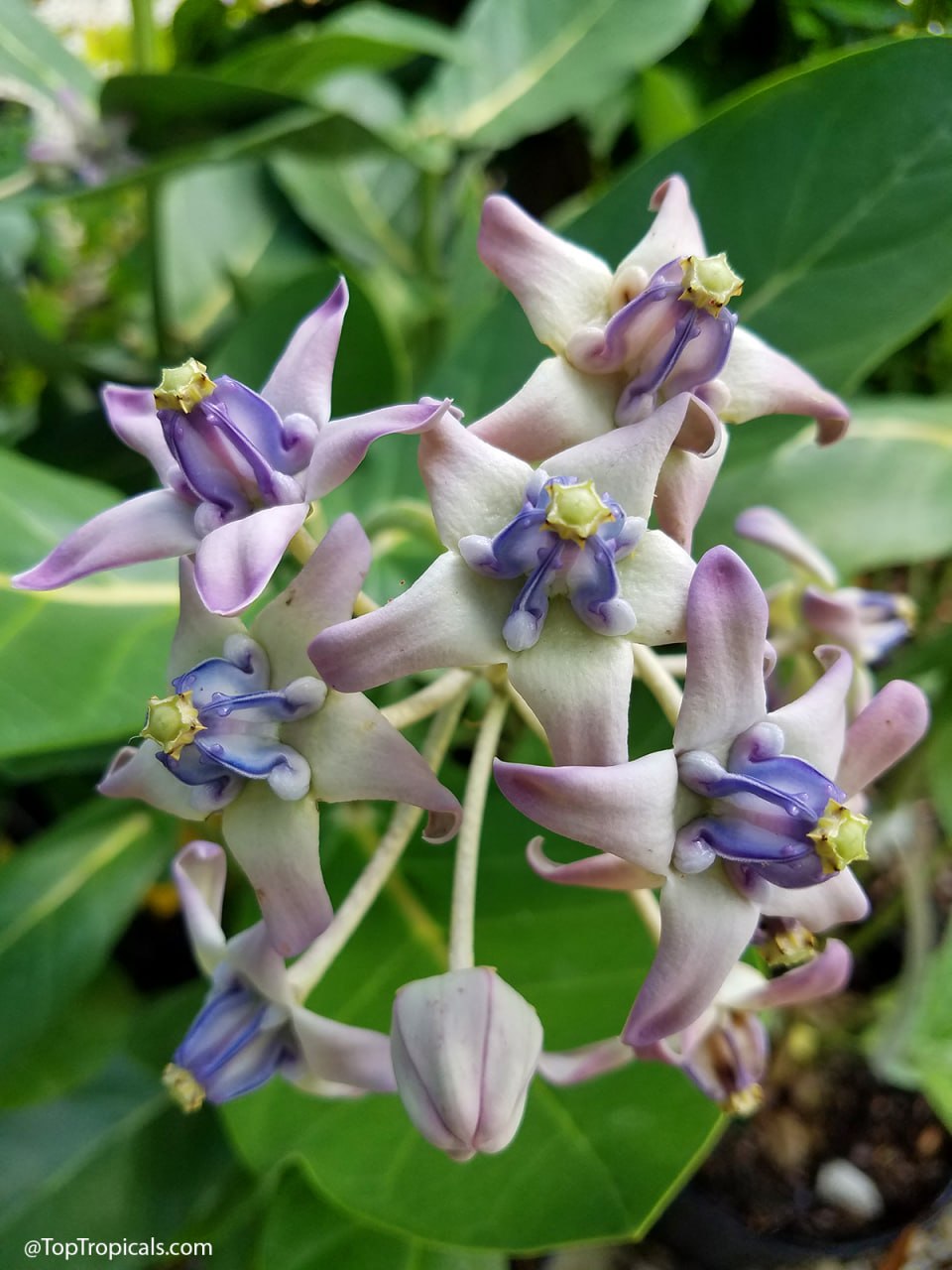
  • ☀️ 1. Giant Milkweed (Arka) - Calotropis gigantea 📸
  • Silvery leaves reflect heat, and it thrives in dry, poor soils where most plants fail. One of the most powerful butterfly plants! 👉 More

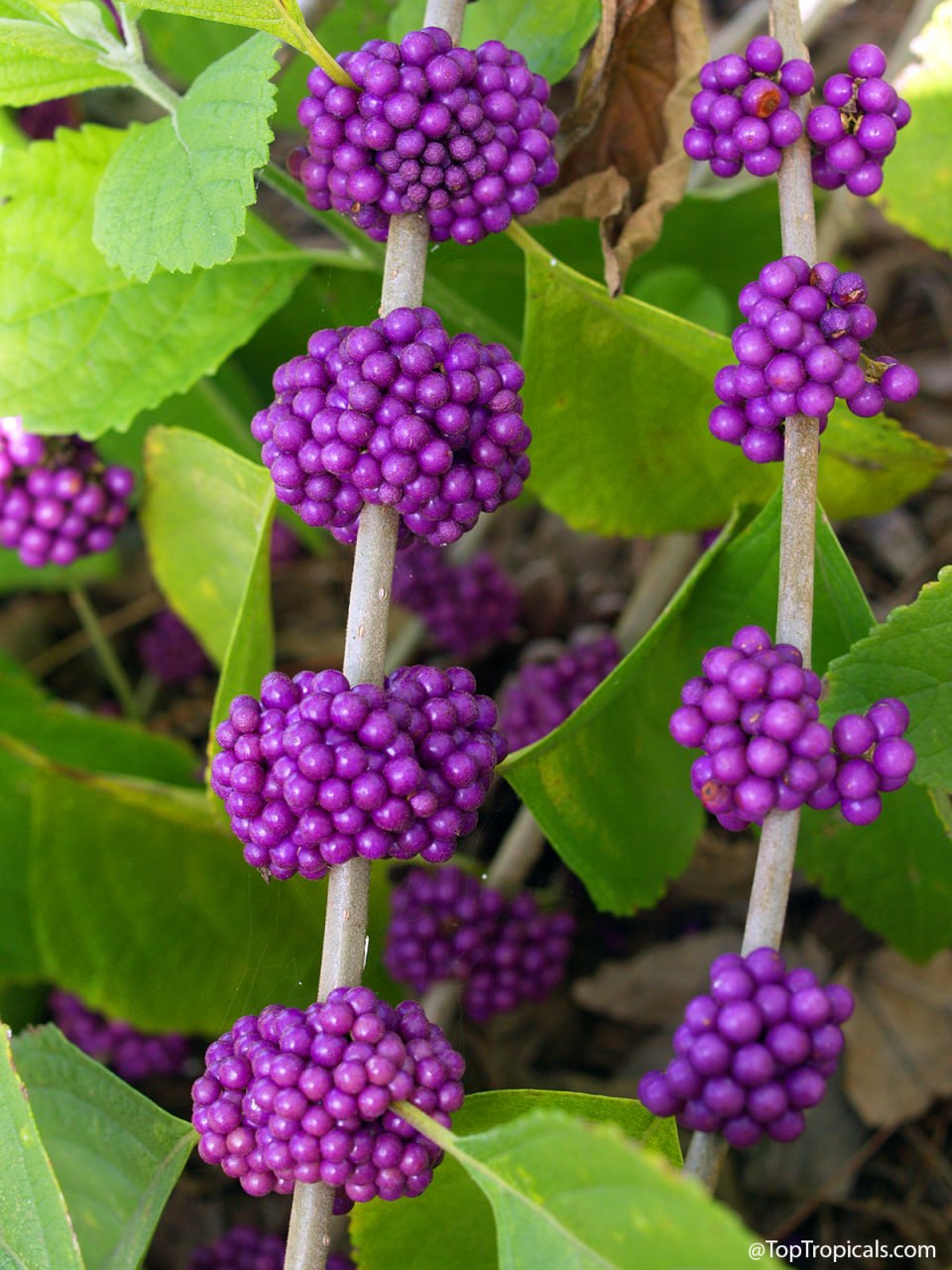
  • ☀️ 2. American Beautyberry - Callicarpa americana 📸
  • A Florida native that handles heat well - drought tolerant once established and known for its bright purple berries. 👉 More

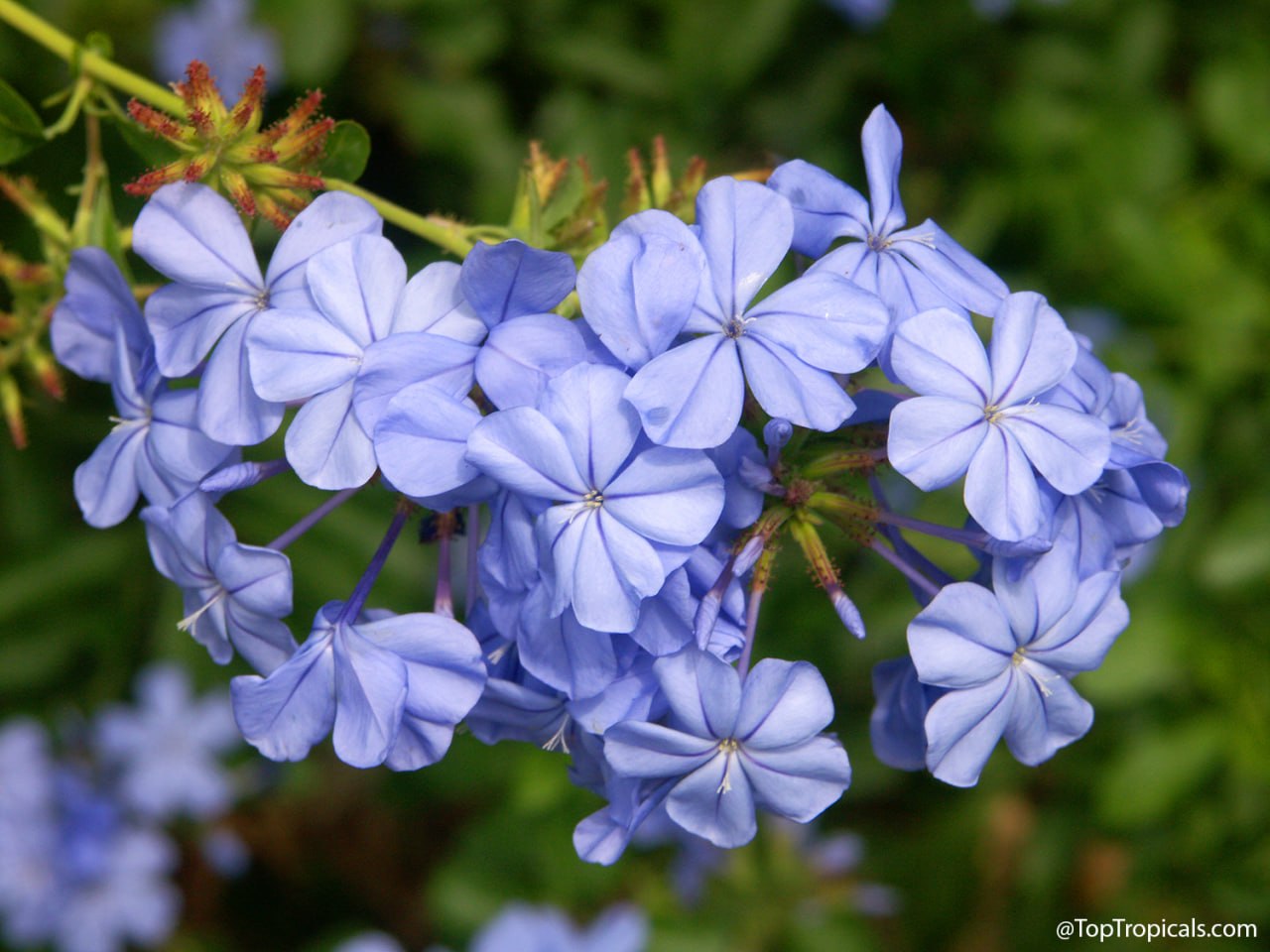
  • ☀️ 3. Plumbago 📸
One of the easiest flowering shrubs - thrives in full sun and keeps blooming with pretty sky-blue flowers through heat with minimal water. 👉 More

  • ☀️ 4. Cocoplum - Chrysobalanus icaco

Excellent for coastal and dry conditions - tough, evergreen, and great as a hedge. Plus tasty fruit bonus! 👉 More

  • ☀️ 5. Dwarf Bottlebrush - Callistemon Little John

  • A compact, dense version of the classic bottlebrush that stays small but performs big in heat. It handles full sun, poor soil, and dry conditions once established, while still producing those bright red brush-like flowers that pollinators love. Perfect for tight spaces where you need something tough, tidy, and reliable. 👉 More

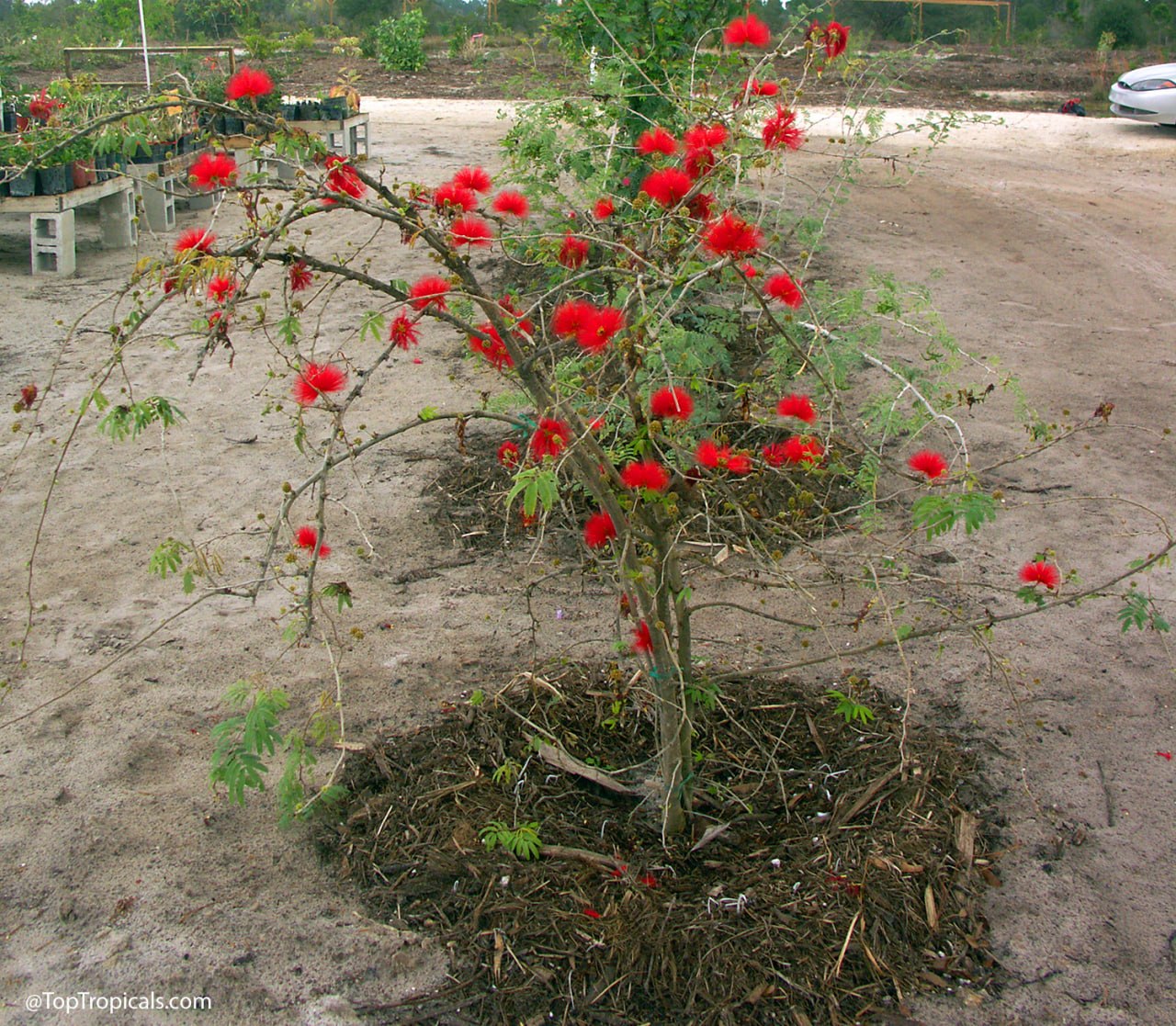
  • ☀️ 6. Calliandra tweedii With Love - Red Tassel Flower 📸
Fast-growing, very cold-tolerant, and handles dry spells surprisingly well once established. Beautiful scarlet red flowers throughout the year. 👉 More

☀️ 7. Dwarf Powderpuff - Calliandra emarginata


Compact, resilient, and a great choice for smaller spaces that still need something tough. 👉 More

  • 👉 Think trees and vigorous shrubs are your only option? Stay with us - next up are smaller plants and vines that thrive where everything else dries out.


🛒 Shop drought tolerant plants - for hot and dry spots

📚
Learn more:
#Discover #Hedges_with_benefits #How_to

Giant Milkweed Plant Facts

Calotropis gigantea
Giant Milkweed, Crown Flower, Giant Calotrope, Arka, Jilledu, Erukkam Madar, White Madaar
USDA Zone: 9-11
Large shrub 5-10 ft tallFull sunModerate waterBlue, lavender, purple flowersWhite, off-white flowersPink flowersPlant attracts butterflies, hummingbirdsEthnomedical plant.
Plants marked as ethnomedical and/or described as medicinal, are not offered as medicine but rather as ornamentals or plant collectibles.
Ethnomedical statements / products have not been evaluated by the FDA and are not intended to diagnose, treat, cure, or prevent any disease. We urge all customers to consult a physician before using any supplements, herbals or medicines advertised here or elsewhere.Seaside, salt tolerant plant
🟢 Join 👉 TopTropicals

Date: 22 Sep 2025

When do I get the fruit from my Dragon Fruit?

Dragon fruit varieties

🍉 When do I get the fruit from my Dragon Fruit?

  • 🌵Dragon Fruit (Pitaya) is one of the most rewarding exotic fruits to grow. Sweet pulp, striking looks, and plenty of health benefits make it a favorite. You'll see it in three main types: white-fleshed (Hylocereus undatus), red-fleshed (Hylocereus costaricensis), and yellow-skinned (Hylocereus, or Selenicereus megalanthus).
  • 🌵Don't want to wait years for fruit? Here’s the good news: unlike many tropical trees that test your patience, dragon fruit is a fast-fruiting, easy-going cactus. With the right care, you can harvest in just 1-2 years from a cutting - or even the same season if you plant a well-established specimen.
  • 🌵 How to get Dragon Fruit faster


  • Give it strong support - trellis, fence, or post. This cactus loves to climb.
  • Full sun and good drainage - sandy or well-draining soil works best.
  • Smart watering - water deeply in hot weather, then let the soil dry. Dragon fruit loves water during active summer growth, but remember it's still a cactus - don’t keep soil soggy.
  • Pollination matters - flowers open at night. Some varieties are self-fertile, but planting a few different types boosts fruit set. This is why it helps to keep several varieties close together.
  • Feed well - use organic liquid fertilizers like Sunshine Boosters C-Cibus with every watering, or Green Magic controlled-release fertilizer every 6 months.

With these steps, dragon fruit quickly rewards you with flowers, followed by colorful, delicious fruit. Few exotics are this easy - or this fast!

🛒 Start your fast-growing Dragon Fruit production


📚 Learn more:


#Food_Forest #How_to #Dragon_Fruit

🟢 Join 👉 TopTropicals