Garden Blog - Top Tropicals

Date: 8 Jan 2026

Is winter killing your mango flowers? 33 winter-proof mid-season mango varieties in 90-sec tour

33 winter-proof mid-season mango varieties

❄️ Is winter killing your mango flowers? 33 winter-proof mid-season mango varieties in 90-sec tour

  • 🥭 Mid-season mango varieties make up the heart of the mango harvest. They are not as early as the first winter bloomers and not as late as the extended-season types, but they fill out most of the season.
  • 🥭 Mango trees are winter bloomers, but freezing temperatures can damage them, especially when the trees are still young.
  • 🥭 Right now it is January, and many mid-season mango trees are in bloom or just starting to bloom. While a winter cold snap can damage flowers, mango trees are resilient and often re-bloom once warmer weather returns.
  • 🥭 A list of winter-proof mid-season mango varieties in Top Tropicals garden - Winter 2026


    Blooming time: late December - January, may re-bloom February-March

  • · All Summer
  • · Alphonso
  • · Angie
  • · Baptiste
  • · Carrie
  • · Cogshall
  • · Creme Brulee
  • · Cushman
  • · East Indian
  • · Edward
  • · Florigon
  • · Fralan
  • · Fruit Cocktail
  • · Fruit Punch
  • · Gary
  • · Glenn
  • · Gold Nugget
  • · Harvest Moon
  • · Julie
  • · Juliette
  • · Lemon Zest
  • · Madame Fransis
  • · Maha Chinook
  • · O-15 (OMG)
  • · Pim Seng Mun
  • · Pineapple Pleasure
  • · Rapoza (Dwarf Hawaiian)
  • · Super Julie
  • · Suvarnarekha (Sundari)
  • · Triplesec (Seacrest, 40-36)
  • · Ugly Betty
  • · Venus
  • · Venus
  • · Wise


🛒 Explore Mango varieties

📚 Learn more:


#Food_Forest #Mango #How_to

🟢 Join 👉 TopTropicals

Date: 20 Feb 2026

What tropical plants survived Floridas historic freeze without protection

Florida historic freeze

What tropical plants survived Florida's historic freeze without protection

In the first week of February 2026, arctic air pushed deep into Florida. For many areas, this was the coldest event in over a century.
We received one question over and over: How did your gardens do?
Top Tropicals Farm in Sebring, Florida is up and running - and this freeze became a real-world hardiness test for tropical and subtropical plants. Below is our initial field report after inspecting established plantings.

📊 Weather data - February 1-6, 2026


Sebring, Florida - 132 years of recorded observations
This was not a light frost. It was prolonged, windy, penetrating hard freeze.


🌡 Minimum temperature: 25F
❄️ Wind chill: 14F
⏳ Duration: 3 nights of 8-10 hour hard freeze
☀️ Daytime temperatures: around 50F for 7 days
🌀 Wind: sustained 20 mph, gusts 40-50 mph
  • Cold protection


    In-ground trees: selected plants covered with frost cloth, especially mango and young avocado trees.
    Tender container plants: moved into greenhouses with propane heat above 34F.
    Hardy container plants: frost cloth and wind protection only - no plastic
    Nutrition support: plants fertilized regularly during the growing season with Green Magic and Sunshine Boosters to maintain vigor and hardiness.

    However, the plants listed below had no protection at all.
    All were established trees 2-3 years in the ground.
  • The plants below had NO PROTECTION, established trees 2-3 years old


✅ Survived with no damage
:
  • 🍑 Tropical Fruit Trees and Edibles:


    Citrus
    Loquats
    Mulberries
    Macadamia Nut
    Jaboticabas
    Pomegranates
    Avocado - cold hardy varieties
    Feijoa - Pineapple Guava
    Psidium littorale - Cattley Guavas
    Eugenias (Grumichama, Rio Grande, Surinam and more)
    Olive trees
    Bay Leaf (Laurus nobilis)
    Fig trees (Ficus carica)
    Prunus sp - Peaches, Plums, Nectarines
    Persimmons
    Rubus (Blackberries) including Tropical Mysore Raspberry
    Elderberry (Sambucus)
    Yerba Mate - Ilex paraguariensis
    Opuntia - Nopal Cactus, Prickly Pear


🌸 Flowering Trees and Shrubs:


Beaucarnea recurvata - Pony Tail
Callistemon - Bottlebrush
Yucca
Tabebuias
Magnolia figo and Little Gem
Calliandra tweedii - Red Powderpuff
Sophora tomentosa
Galphimia gracillis - Thriallis
Acacia trees
Osmanthus fragrans
Abutilon trees
Erythrina - several species
Monkey Ear tree - Enterolobium cyclocarpum
Bauhinia Orchid Trees - several species
Pseudobombax ellipticum - Shaving Brush Tree
Bulnesia arborea- Vera Wood
Caesalpinia mexicana, Mexican Bird of Paradise
Sansevieria - Snake Plant
Foxtail fern - Asparagus densiflorus
Lonicera - several varieties
Jacaranda tree
Eucalyptus
Plumbago Imperial Blue
Philodendron bipinnatum
Gardenias
Gingers (dormant rhizomes)

✳️ Minimal leaf damage only:
(These plants showed light cosmetic damage but no structural injury)

🍑 Tropical Fruit Trees and Edibles:


Glycosmis pentaphylla - Gin Berry
Black sapote tree
Tamarind tree
Syzygiums: Rose Apple and Java Plum

🌸 Flowering Trees and Shrubs:


Pandora vine
Jasminum - several species
Stenocarpus sinuatus - Firewheel Tree
Xanthostemon
Quisqualis indica
Schotia tree
Eranthemum pulchellum - Blue Sage
Hiptage benghalensis - Helicopter Flower

🏡 What this means for Florida gardeners


This freeze was a stress test few gardens are prepared for. Yet many species handled 25F, wind, and multi-night freeze conditions without protection.
Choosing proven survivors, planting in smart microclimates, and maintaining strong plant health during the growing season makes a measurable difference.
More updates will follow as full recovery continues - but these early results already help define a stronger plant palette for future winters.

🛒 Explore cold tolerant tropical plants and cold hardy Avocados

📚 Learn more:


🎥 These Avocados survived 3 nights of 25F hard freeze, Florida Record Freeze

#Discover #How_to

🟢 Join 👉 TopTropicals

Date: 23 Jul 2016

Leo Zodiac lucky plants

Leo - 7/23-8/22. Naturally, Leo is a FIRE sign ruled by the brilliant Sun. Leo's plants are usually large and gold or orange in color, have heart-shaped leaves or a radiating shape, or have association with victory (like the Bay Leaf). Leo loves this colorful and special spice, which is known for amplifying prosperity and abundance.

The part of the body ruled by Leo the Lion is the heart. Plants related to Leo are primarily associated with the cardiac system, but also with the spine, the thymus gland, and the eyes. They strengthen and tone the heart, regulate blood pressure, raise the spirits and have an uplifting effect. Keep in mind that all cardio-active medicinal herbs should be used only in consultation with a qualified professional.

Leo Zodiac lucky plants: Sunflower tree, Delonix, Hibiscus, Abutilon, Mahoe, Hawaiin Sunset Vine (Stictocardia), Campsis, Passion flower, Calendula, Mexican Flame Vine, Bay Leaf, Safflower, Mint, Rosemary, Ruda - Ruta graveolens, Marigolds, Sunflowers, Palm trees, Lemon and orange trees, Grapefruit, Dieffenbachia , Croton, Lemon Balm, Chamomile, Tarragon, Kaligottu (Stereospermum chelonoides), Bel Fruit, White Madaar, Peppers, Pineapple, Coconut, Anise, Heliotrope, Gingers, Lavender, Ashoka Tree, Dombeya, Jacquemontia, Lychee, Mulberry, Philodendrons, Macaranga, Anthuriums, Aphelandra, Orchid trees, Leonotis.

For other signs information, see full Plant Horoscope

Date: 29 Mar 2026

We picked 6 adeniums - youll probably want all 6: Adenium rainbow

We picked 6 adeniums - youll probably want all 6: Adenium rainbow We picked 6 adeniums - youll probably want all 6: Adenium rainbow We picked 6 adeniums - youll probably want all 6: Adenium rainbow We picked 6 adeniums - youll probably want all 6: Adenium rainbow We picked 6 adeniums - youll probably want all 6: Adenium rainbow We picked 6 adeniums - youll probably want all 6: Adenium rainbow
We picked 6 adeniums - you’ll probably want all 6: Adenium rainbow 🌈

Some adeniums go bright. Some go deep.
And some land right in that rich, warm middle.
This set leans into those “dessert” colors - creamy, golden, purple, and everything in between.
And yes, some varieties even come with fruity or “tasty” names
!

💡 Soil and watering tip


Adeniums are succulents, so they need excellent drainage and prefer to stay on the dry side.
Water deeply, then let the soil dry out before watering again.
No constant moisture.
The potting mix is just as important. It should be very рыхлый and fast-draining, with plenty of conditioners like perlite, bark, or vermiculite.
We recommend using a Adenium Soilless Mix for best results.

🌸 Today's featured adeniums


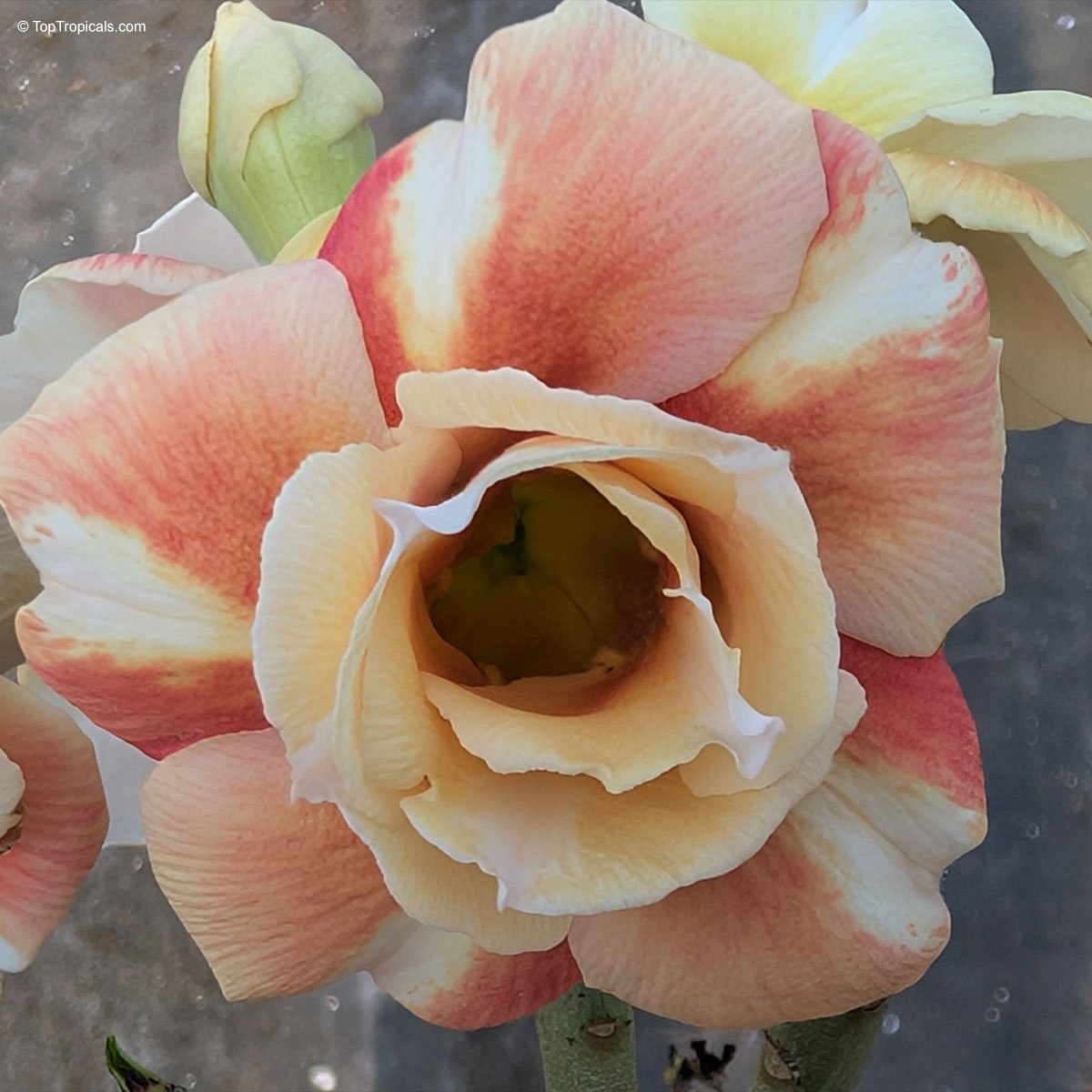
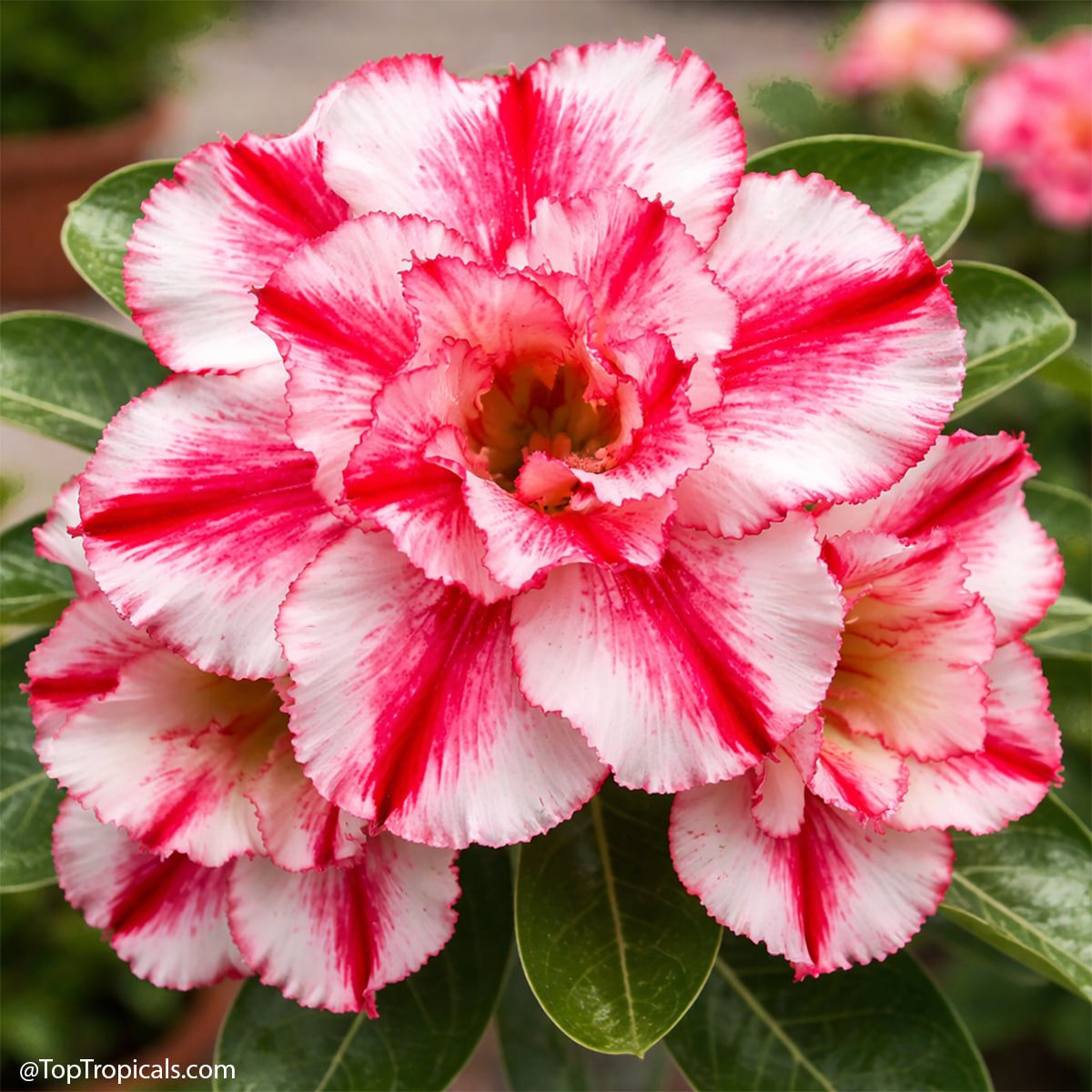
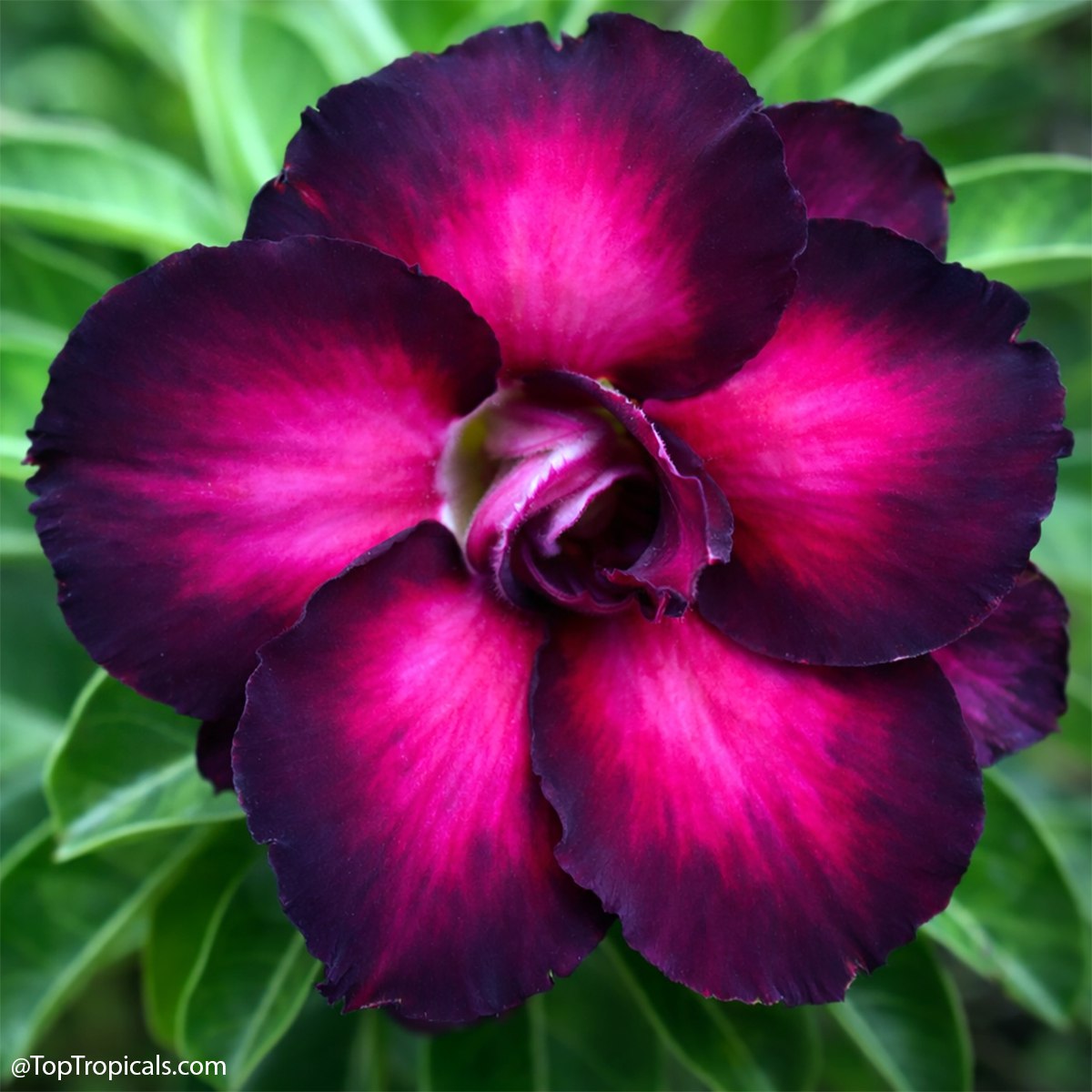
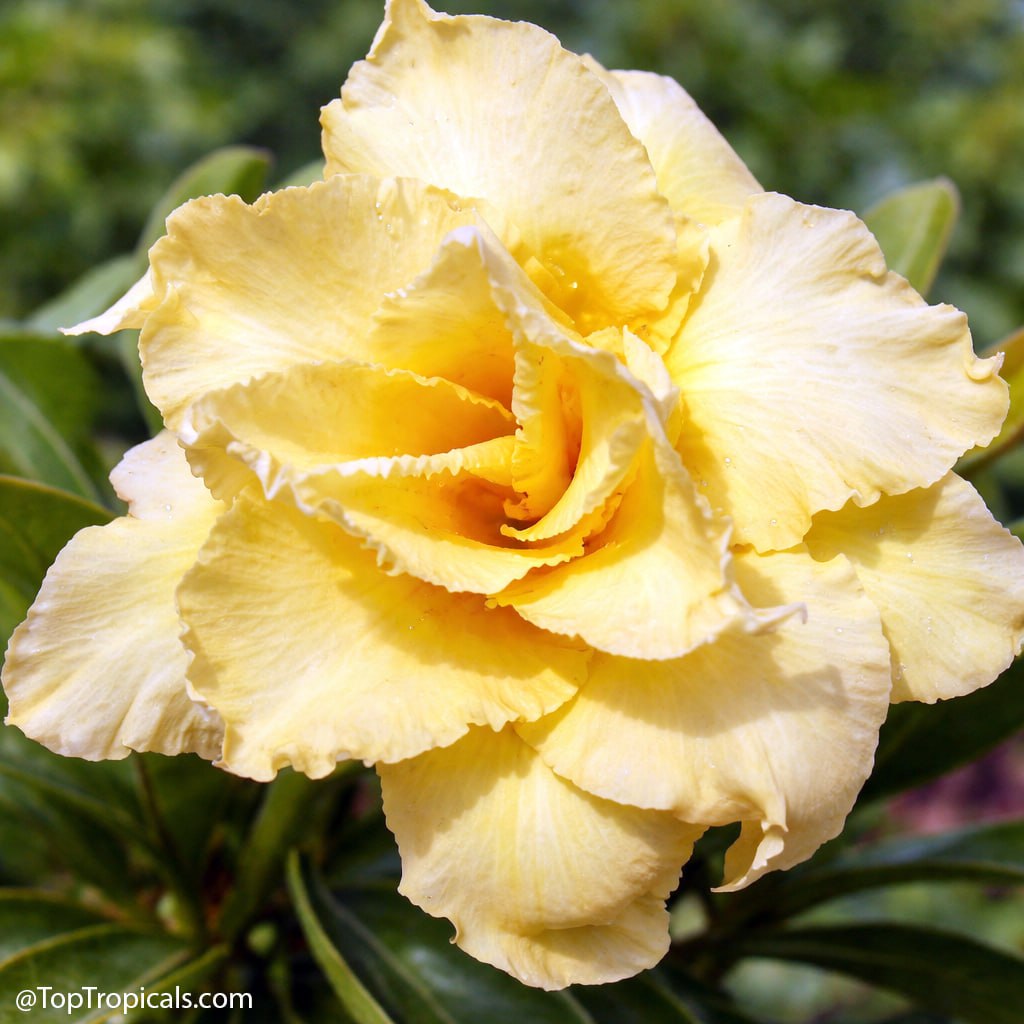
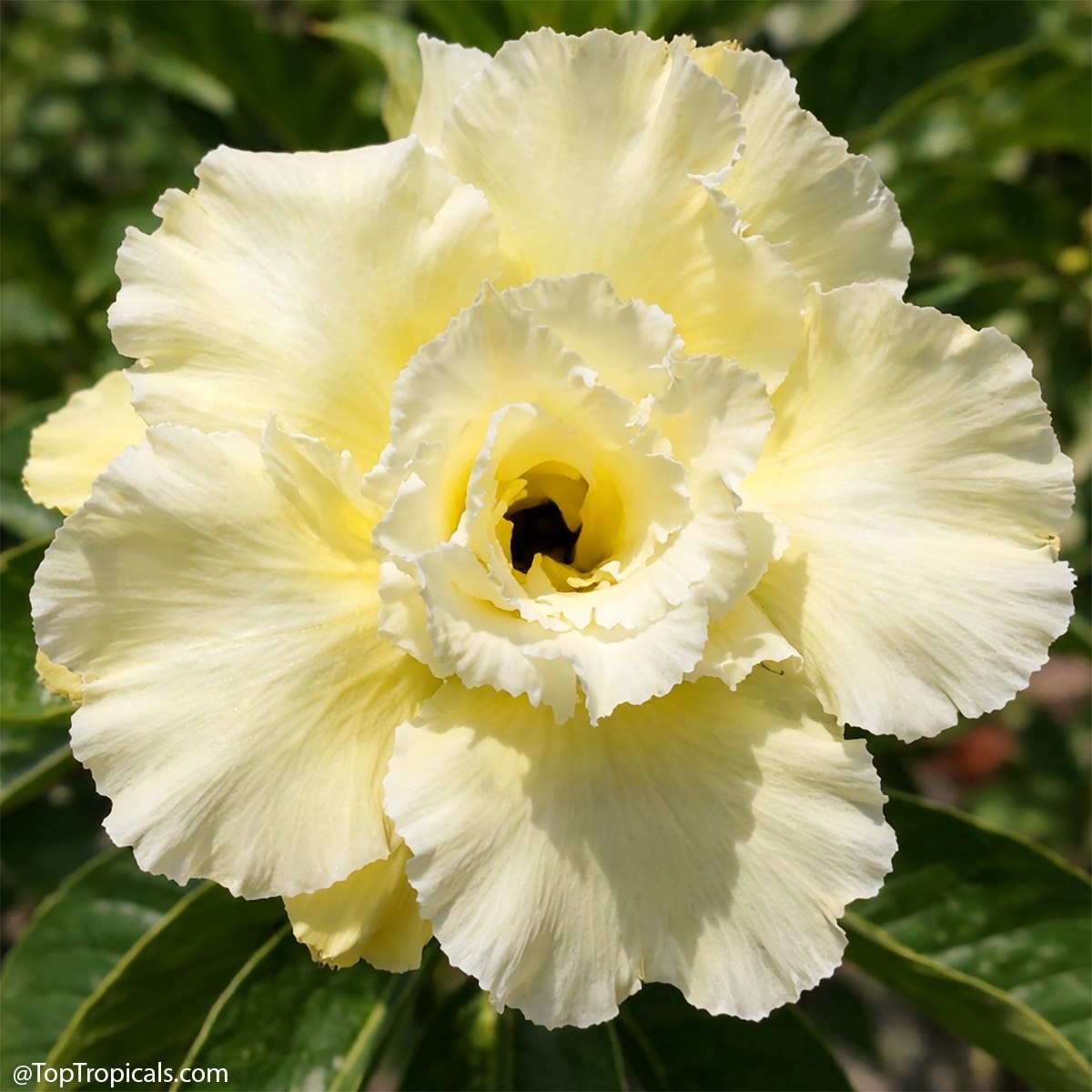
  •  ✦ Caramel: Warm, rich tones with a smooth, creamy look.
  •  ✦ Bumblebee: Bold contrast with bright yellow and dark patterning - very eye-catching.
  •  ✦ Purple Plum: Deep purple shades with a deep, velvety feel.
  •  ✦ Pineapple: Fresh yellow tones that feel light and tropical.
  •  ✦ Vanilla Gold: Soft golden color with a clean, balanced form.
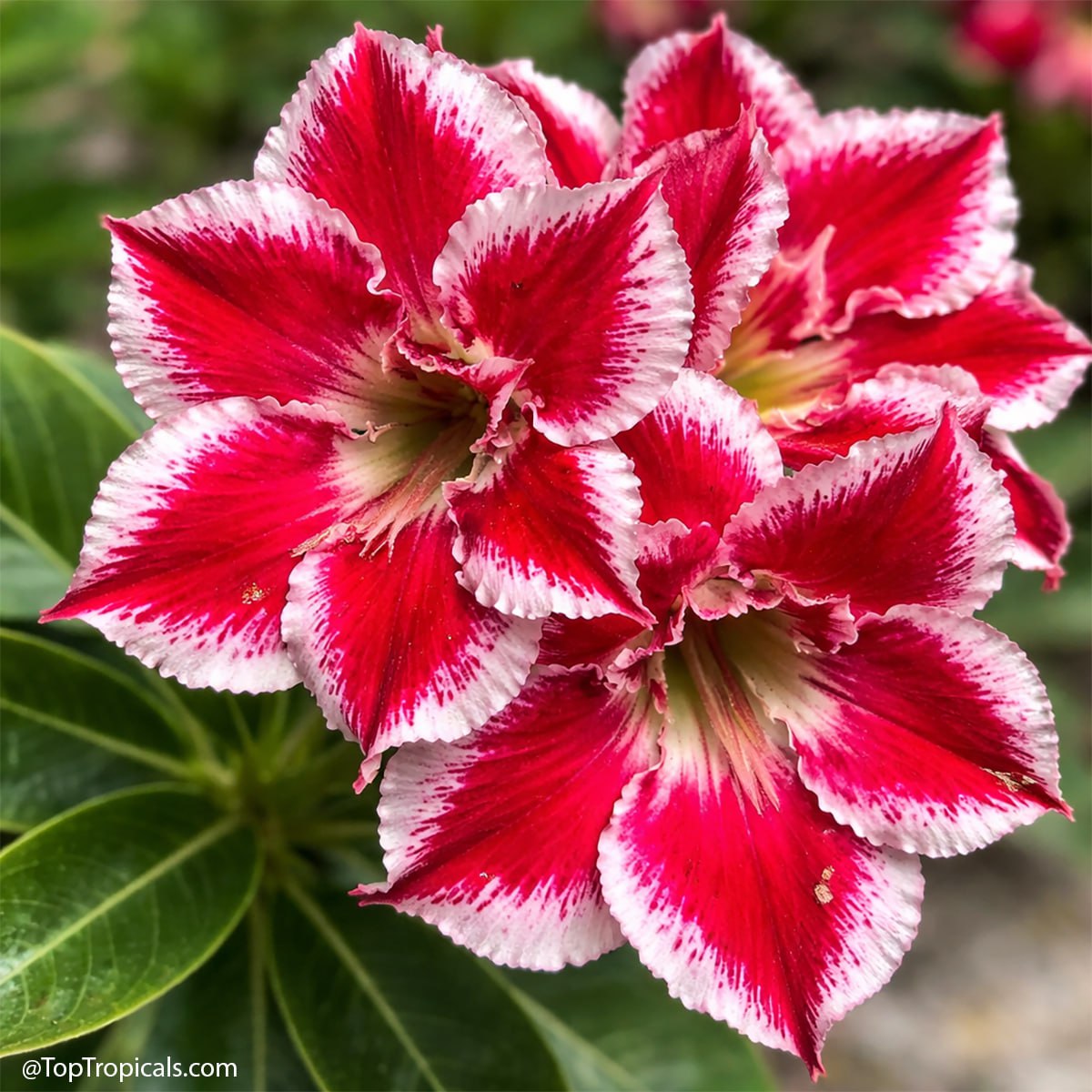
  •  ✦ Multi Berry: Blend of pinks and reds that gives it a layered, mixed-fruit look.

This kind of mix makes a collection feel warm and inviting - not just colorful, but full of depth.
And once you dial in soil and watering - everything else gets a lot easier.

🛒 Explore Exotic Thai Adeniums

📚 Learn more:

Plant Facts

Adenium sp.
Adenium, Desert Rose, Impala Lily
USDA Zone: 9-11
Plant with caudexLarge shrub 5-10 ft tallSmall tree 10-20 ftFull sunDry conditionsModerate waterYellow, orange flowersRed, crimson, vinous flowersUnusual colorBlue, lavender, purple flowersWhite, off-white flowersPink flowersToxic or Poisonous
  • · Adenium varieties in Plant Encyclopedia
  • · About #Adenium Rainbow - fantastic varieties
  • · A few adeniums you don’t want to miss. Trimming tip.
  • · The adenium colors everyone is talking about right now. Light tips for hot climates.
  • · Adenium rainbow: these 6 will pull you in. Fertilizing tips.
  • · How to start your dream collection: before you start
  • · How to grow a happy Adenium

  • #Container_Garden #Adeniums #How_to #Discover

    🟢 Join 👉 TopTropicals

    Date: 2 Apr 2026

    Stop Fixing Your Soil: 15 Bulletproof Fruit Trees for Tough Ground

    Stop Fixing Your Soil: 15 Bulletproof Fruit Trees for Tough Ground
    Stop Fixing Your Soil: 15 "Bulletproof" Fruit Trees for Tough Ground 💩

    Not everyone starts with a lush, loamy paradise. In many parts of Florida and the South, "soil" is just a polite word for sand, limestone rock, or depleted clay.
    The biggest mistake new gardeners make? Spending hundreds of dollars on soil amendments before they ever put a tree in the ground.
    The secret the pros know: You don't need to change your land to fit your plants; you need to choose plants that love your land. Some of the most delicious fruits actually thrive on neglect - and a few even produce better fruit when the soil is "poor."

    • 🌳 The "Big 5" Toughest Fruit Trees


    If your yard is a dry, sandy lot or a rocky outcrop, start with these. They are the ultimate "survivors."

    Jujube, Chinese Date (Ziziphus jujuba): Arguably the toughest fruit tree on earth. It laughs at drought, poor soil, and neglect. The fruit is crisp like an apple when fresh and sweet like a date when dried.

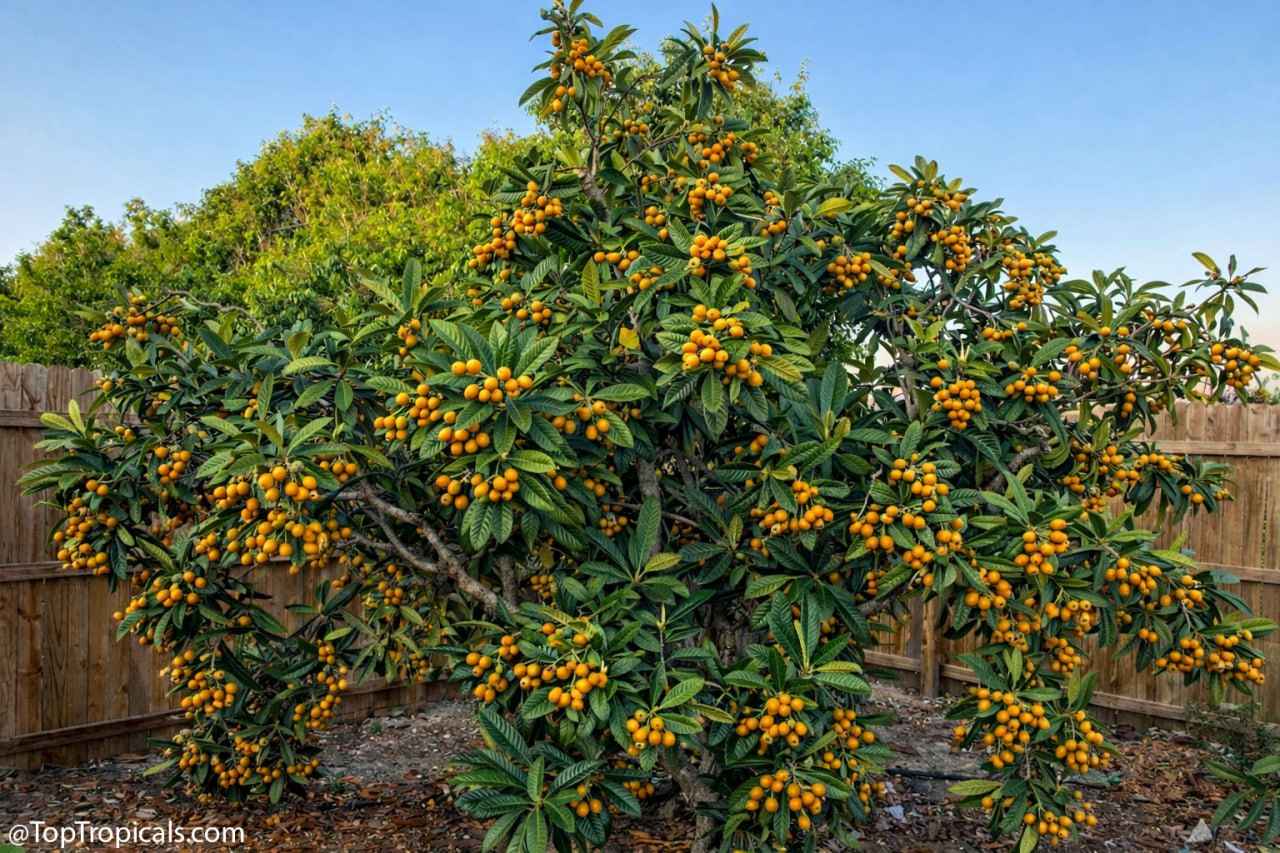
    Loquat (Eriobotrya japonica): A Southern staple. It’s evergreen, beautiful, and produces honey-sweet fruit in early spring when nothing else is ripe.

    Mulberry (Morus alba): If you can’t grow a Mulberry, you might be gardening on the moon. It grows in sand, clay, or sidewalk cracks with equal enthusiasm.

    Fig (Ficus carica): Figs actually prefer not to be pampered. In overly rich soil, they grow lots of leaves but little fruit. Give them well-drained, mediocre soil and they’ll thrive.

    Pomegranate (Punica granatum): These trees are "stress-lovers." Rocky, alkaline soil is no problem, and a bit of soil stress often results in a higher sugar content in the fruit.

    • 🌳 Tropical Flavors That Don't Need "Perfect" Dirt


    You don’t need a rainforest to grow tropical treats. These species are surprisingly resilient once they get their roots established.

    • 🌟 The Sand-Lovers:

    Mango (Mangifera indica): While young trees need a little babying, a mature Mango is incredibly drought-tolerant and handles Florida’s sandy "sugar sand" like a champ.

    Sapodilla (Manilkara sapota): A rugged, wind-resistant tree that produces fruit tasting like brown sugar and pear. It is a top-tier choice for coastal or sandy areas.

    Tamarind (Tamarindus indica): It’s slow-growing but patient. Once it’s in, it’s there for a century, regardless of soil quality.

    • 🌟 The Low-Maintenance Stars


    Longan (Euphoria longana): If you’ve struggled with finicky Lychee trees, try Longan. It’s more cold-hardy and much less picky about its soil.

    Citrus: While they need regular feeding (fertilizer), Citrus trees are naturally adapted to the sandy ridges of the South.

    🌟 The "Quick-Win" Berry & Shrub Layer


    If you want fruit this year, don’t wait for a tree to mature. Add these hardy producers to your edges. And here is why it works:

    Dragon Fruit (Hylocereus undatus). It’s a cactus! It literally prefers poor, fast-draining soil over rich potting mixes.

    Barbados Cherry (Malpighia glabra). A vitamin C powerhouse that handles low-nutrient soil with ease.

    Grumichama (Eugenia brasiliensis). Slower grower, but steady and tolerant once established.

    Surinam Cherry (Eugenia uniflora). Virtually indestructible. Often used as a hedge because it grows so vigorously in poor soil.

    Pineapple Guava (Feijoa sellowiana). A beautiful silver-leafed shrub that is salt-tolerant and drought-resistant.


    🌳 The Strategy: "Plant First, Improve Later"


    In the South, the "dig a $100 hole for a $10 tree" rule doesn't always apply. Trying to completely re-engineer your soil often leads to drainage issues (the "bathtub effect").

    Try this instead:
    1. Select a species naturally adapted to your pH and texture.
    2. Plant it at the correct height (never too deep!).
    3. Mulch heavily with wood chips. This improves the soil from the top down over time, mimicking a natural forest floor.

    🛒 Shop Fruit Trees and Mango

    📚 Learn more:


    #Food_Forest #How_to #Discover

    🟢 Join 👉 TopTropicals