Garden Blog - Top Tropicals

Date: 6 Sep 2025

What is Neem and why do millions use it daily? The tree that makes toothpaste and bug spray
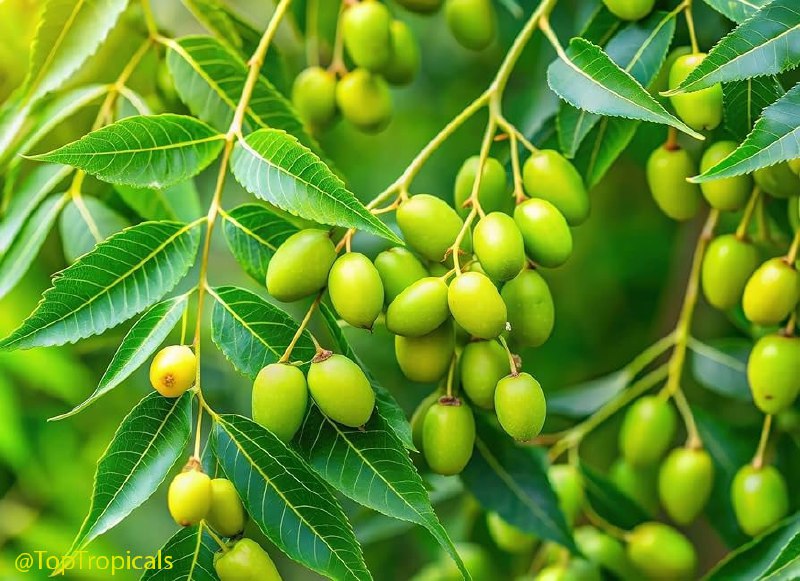
Neem Tree - Azadirachta indica

Neem Tree - Azadirachta indica

🌿 What is Neem and why do millions use it daily? The tree that makes toothpaste and bug spray.


💚 Ever notice Neem listed in toothpaste or skin cream? Or even in natural insecticides and garden treatments? What is this tree and why is it everywhere? Neem products come from the Neem Tree - Azadirachta indica, native to India. It's been used for thousands of years in medicine, farming, and daily life.

💚 How can you use Neem?


Almost every part of the tree has a purpose.
The leaves are brewed as tea, applied to skin for soothing, and used in villages to ward off mosquitoes or protect stored clothes from insects. They are bitter but medicinal, valued for treating malaria and even for lowering blood sugar in diabetics.
Dental cure. Neem twigs, thin and pencil-sized, are chewed and used as toothbrushes to strengthen gums and fight bacteria. Today, toothpicks and dental sticks are still made from them.
Neem oil for your Garden. The seeds produce neem oil, a natural insect repellent and fungicide for the garden that doesn’t harm bees or butterflies.
Bark extracts are used in medicine
Ripe fruits are eaten fresh and considered beneficial too.

💚 Why do people plant Neem?


It’s more than a medicine chest. In India, Neem is planted along streets and in villages as a source of shade, air purifier, and natural pest control. One tree supports health, provides garden protection, and even supplies food.

💚 Is it easy to grow?


Yes. Neem tree thrives in hot, dry conditions and needs little care. Once established, it only needs low to medium water and grows well even without irrigation. It can be grown as a street tree, in the yard for shade, or in poor soils where other trees struggle. Hardy, fast-growing, and evergreen, Neem is one of the most practical trees you can add to a tropical or subtropical garden.

🛒 Plant a Neem Tree and Explore Neem benefits

#Food_Forest #Remedies #Discover

🟢 Join 👉 TopTropicals
Date: 8 Sep 2025

Four best low-growing perennials that bloom all summer

Crossandra, Heliconia Lady Di, Plumbago, and Spathoglottis ground orchids.

🌷 Four best low-growing perennials that bloom all summer


🌼 1. Crossandra


Crossandra is one of those plants that never really takes a break. Its ruffled orange blooms pop almost nonstop in warm weather, making it a reliable color source for borders, pots, or even as a filler around taller shrubs. Unlike many flowering plants that fade in midsummer, Crossandra keeps going through heat and humidity, thriving where others give up. It's compact, easy to trim, and works beautifully in small gardens or patios.

🌼 2. Heliconia psittacorum Lady Di


Heliconia Lady Di adds a tropical accent with its upright, torch-like blooms in fiery orange and yellow. What makes this variety practical is its manageable size compared to giant heliconias - it fits well in small gardens and large pots. Its flowers last long, both on the plant and as cut flowers, making it popular for summer arrangements. Once established, it keeps sending up flower stalks all season, giving a steady display of color and drama.

🌼 3. Plumbago


Plumbago is a gardener's friend in hot climates because it covers a lot of ground and throws out flower clusters all summer (sky-blue, white or red). It's versatile - train it as a shrub, hedge, or let it spill over walls and trellises. The flowers attract butterflies, and the plant is low-maintenance, tolerating pruning, sandy soil, and neglect. If you need a reliable plant to soften fences or add a cool color contrast to reds and oranges in the garden, plumbago is a winner.

🌼 4. Spathoglottis ground orchids


Ground orchids like Spathoglottis are practical because they give you the exotic look of orchids without the fuss. These hardy, clumping perennials send up spikes of purple, pink, or yellow blooms that last for weeks, repeating through summer in warm climates. They’re perfect for edging walkways or filling beds where you want constant color with minimal care. Unlike potted orchids that bloom once and rest, Spathoglottis keeps producing flowers right in the ground, almost year-round in frost-free areas.

🛒 Discover more flowering perennials

#Hedges_with_benefits #Container_Garden #Discover

🟢 Join 👉 TopTropicals

Date: 10 Sep 2025

Pitaya vs Dragon fruit - what is the difference and how to grow it?

Pitaya vs Dragon fruit - what is the difference and how to grow it?

🌵 Pitaya vs Dragon fruit - what is the difference and how to grow it?


🍉 Pitaya and Dragon Fruit are the same plant!
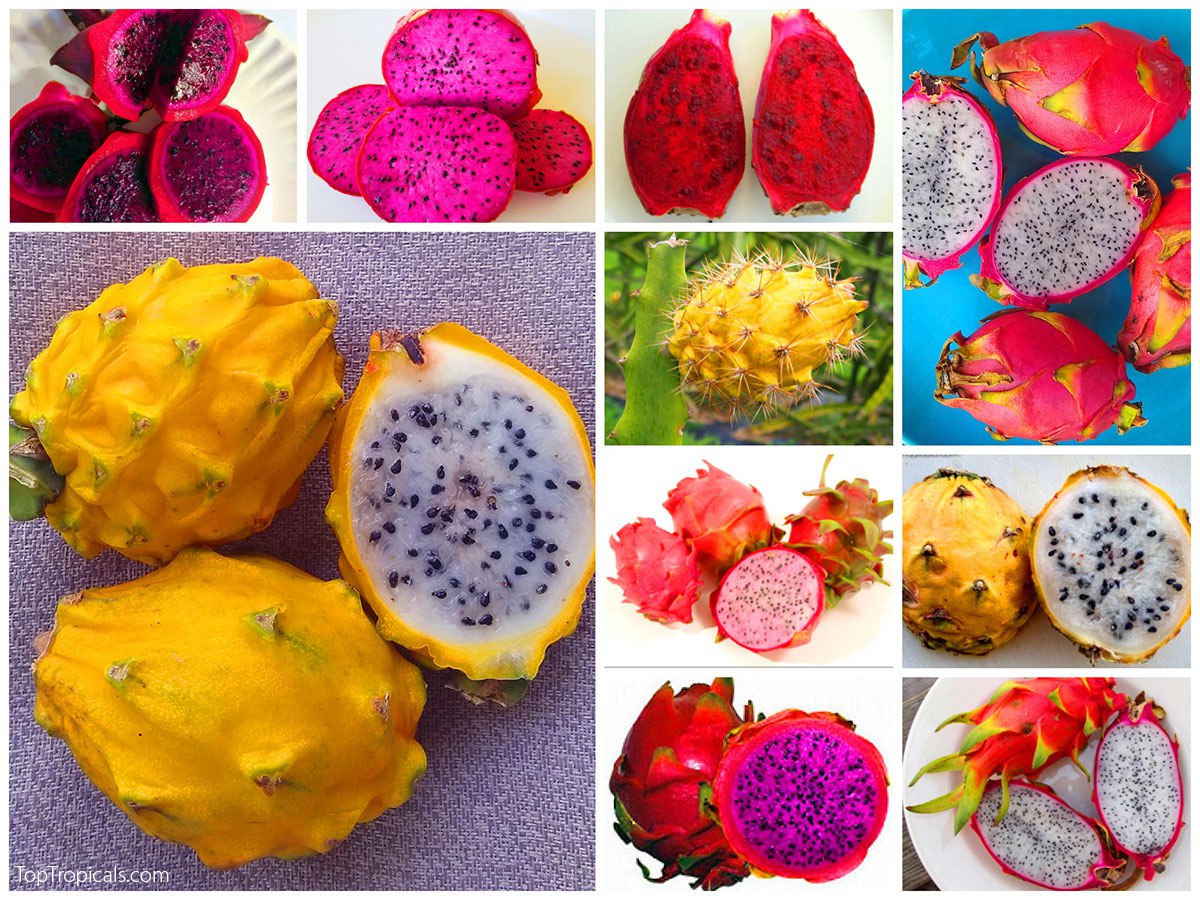
Both names refer to climbing cacti in the genus Hylocereus. The word pitaya is more common in Latin America, while dragon fruit is the name used in Asia and English-speaking countries. They come in different types: white-fleshed (Hylocereus undatus), red-fleshed (Hylocereus costaricensis), and yellow-skinned (Hylocereus, or Selenicereus megalanthus). All share the same growth habit and care needs. Pitaya or dragon fruit - whichever name you use, it's one of the easiest exotic fruits to grow at home.

🍉 How to grow Dragon Fruit


Get a desired variety or start from a cutting - let the cut end dry for a few days before planting to prevent rot.
Plant in well-draining soil with lots of sun.
Give it a strong support to climb on - it's a vining cactus.
Water deeply but let the soil dry between waterings.
Flowers open at night and need pollination - some types are self-fertile, others need cross-pollination.
With care, you can enjoy fruit in 1-2 years. Remember to ferilize!

🍉 Dragon fruit varieties


🔴 ⚪️ Red skin, white flesh (Hylocereus undatus) - The most popular type, and the biggest fruit. Mildly sweet, refreshing, and often compared to a kiwi crossed with a pear.
Varieties: David Bowie, Delight, Hana, Lake Atitlan, Seoul Kitchen, Vietnamese Jaina, Hana

🔴🔴 Red skin, red flesh (Hylocereus costaricensis) - Sweeter, juicier, and more intense in flavor. The deep red juice can stain, but it’s loaded with antioxidants.
Varieties: American Beauty, Bloody Mary, Eureka Red, Costa Rican Sunset, Mac Edwin, Halleys Comet, Mac Edwin, Makisupa, Mega Red, Physical Graffiti, Sweet Red

🔴🟣 Red flesh, purple/magenta flesh (Hylocereus x costaricensis) - Hybrids, usually between red and white varieties.
Varieties: Cosmic Charlie, Edgar's Baby, Halleys Comet, Natural Mystic, Physical Graffiti, Purple Haze, Tricia, Voodoo Child, Zamorano

🟡⚪️ Yellow skin, white flesh (Hylocereus, or Selenicereus megalanthus) - Smaller fruit, but the sweetest of all. Crisp, juicy, and tropical with notes of pineapple or honey.
Varieties: Amarilla (Kirin), Colimbiana, Godlen Dragon, Palora, Thai Gold (Hawaiian)

Each type looks stunning and tastes slightly different, but all are easy to grow once you give them sun, support, and patience.

🛒 Explore and collect Dragon Fruit varieties

📚 Learn more:


· How to grow Dragon Fruit from a cutting - Quick Guide
· How to grow Dragon Fruit 📱
· Planting your own Dragon Fruit plantation
· Do-It-Yourself Support Structure for Dragon Fruit
· Grow Your Own Exotic Dragon Fruit Garden
· Top 10 fruit you'll ever need for your health benefits: Dragon fruit
· What does Dragon Fruit Flower look like?
· Why you need to grow your own dragon fruit
· Do red, white and yellow Dragon fruit taste differently?
· What to do with a lot of Dragon Fruit

#Food_Forest #How_to #Dragon_Fruit

🟢 Join 👉 TopTropicals

Date: 12 Sep 2025

What flowers do NOT attract bees?

Butterfly on a flower that doesn't attract bees

❌ What flowers do NOT attract bees?


Most tropical flowers bring in pollinators, and bees are usually first in line. But what if you’d rather avoid them? Maybe you’re allergic, or just don’t want bees buzzing around. Good news: some flowers attract butterflies, hummingbirds, moths, or even flies - but not bees.

👉 Quick rules:


✔️ Night-blooming + strong fragrance = moths or bats, not bees.
✔️ Red tubular flowers with little scent = hummingbirds or butterflies, not bees.
✔️ Rotten or fermented smell = flies, not bees.
✔️ Carnivorous plants = trap insects, no bee nectar.

1.

Night-blooming, fragrant - moth and bat flowers


Bees forage by day, so many night-fragrant flowers skip them.

Brugmansia - Angel’s Trumpet - big, hanging blooms, moth and bat pollinated.
Cestrum nocturnum - Night-blooming Jasmine - powerful night scent, moths only.
Hylocereus Dragon Fruit - huge cactus flowers, bats and moths.
Brunfelsia - Lady of the Night - sweet fragrance at dusk, no bee interest.

2.

Hummingbird and butterfly flowers


Bees don’t see red well. Tubular reds, oranges, and yellows usually go to birds and butterflies.

Hibiscus - hummingbirds and butterflies visit, bees less so.
Heliconis and Gingers - designed for hummingbird beaks, bold tubes are for birds, not bees.
More good picks: Ruellia, Sanchezia, Aeschynanthus, Aphelandra, Anisacanthus, Cuphea, Fuchsia, Iochroma, Justicia, Lonicera, Hamelia, Russelia, Odontonema, Tecomaria, Bougainvillea.

3.

🐱 Fly-pollinated oddballs


Some flowers smell bad to us but irresistible to flies.

Amorphophallus (Voodoo Lily) - rotting meat scent.
Tacca (Bat Head Lily) - spooky black flowers, fly-pollinated.
Stapelia (Carrion Flower) - also fly-pollinated.
Aristolochia (Pelican Flower) - giant, bizarre fly-traps.

4.

🌸 Specialized orchids


Not all orchids rely on bees. Many use moths, butterflies, or beetles instead.

Vanilla orchid - its natural bee pollinator is absent in most regions, so no bee appeal elsewhere.
Brassavola nodosa and others - open at night for moths, not bees.

5.

🕷 Bonus: carnivorous curiosities


Carnivorous plants don’t offer nectar. They trap insects instead, so bees stay away.

Nepenthes (Pitcher Plant) - uses pitchers of liquid to lure and digest insects.

These flowers keep the beauty, fragrance, and wildlife appeal - but without making your garden a bee hotspot.

🛒 Explore butterfly attractors

#Butterfly_Plants #How_to #Discover


🟢 Join 👉 TopTropicals

Date: 18 Sep 2025

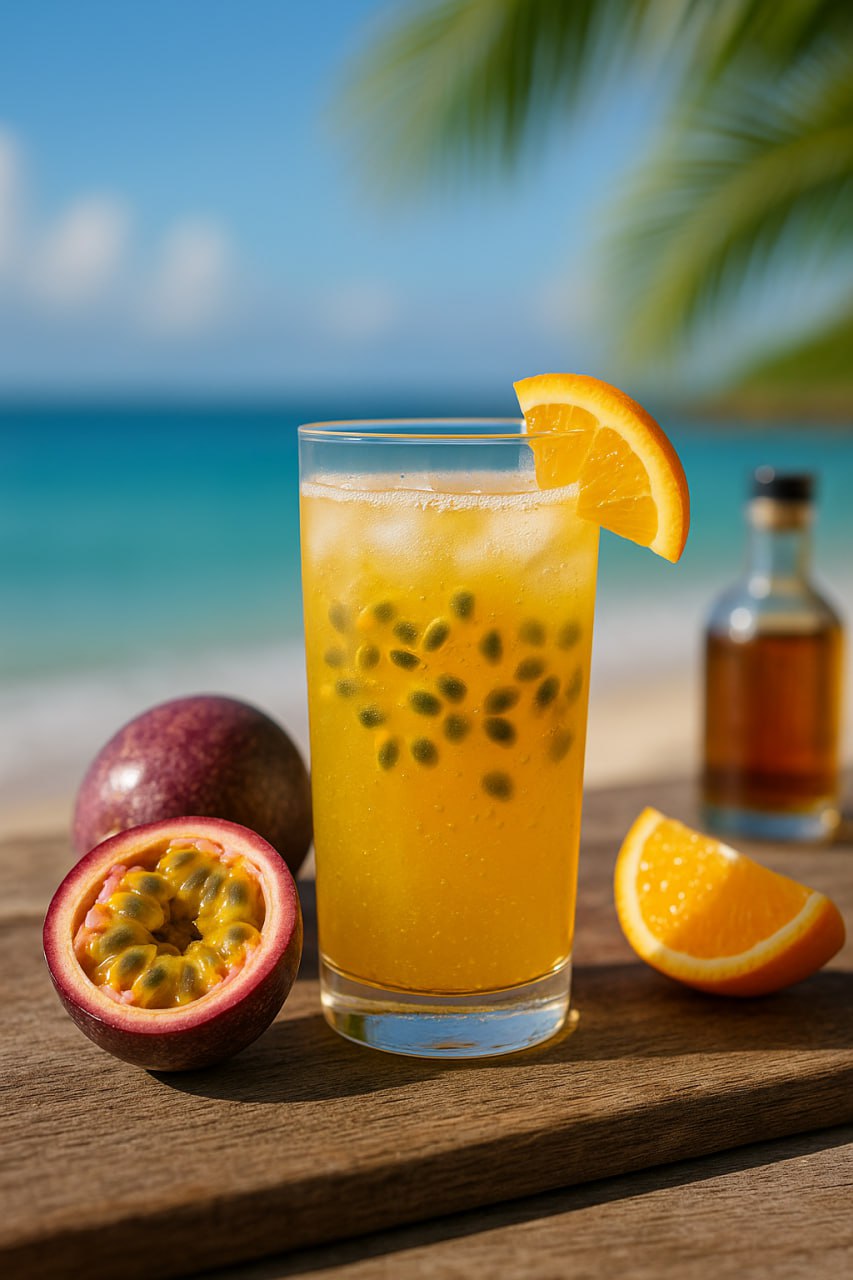
Passion fruit fizz: Quick-n-Fun exotic recipes

Passion fruit fizz: Quick-n-Fun exotic recipes

🍴 Passion fruit fizz: Quick-n-Fun exotic recipes 🍹


🔴Scoop passion fruit pulp into sparkling water with a squeeze of orange juice.
🔴A bubbly, tangy tropical soda!
🔴You may add a plash of Rum (optional)

🛒

Passion fruit fizz recipes

Ingredients

  • 2 passion fruits (pulp scooped)
  • 1 cup sparkling water
  • 1 tbsp orange juice
  • (Optional) 1 shot rum

Instructions

  1. Scoop passion fruit pulp into a glass.
  2. Add sparkling water and orange juice, stir gently.
  3. Optionally add a splash of rum.
  4. Serve chilled with an orange slice garnish.
Shop Passion fruit plants

#Food_Forest #Recipes

🟢 Join 👉 TopTropicals