Garden Blog - Top Tropicals

Date: 3 Mar 2026

Jaboticaba reduction sauce: quick-n-fun exotic recipes
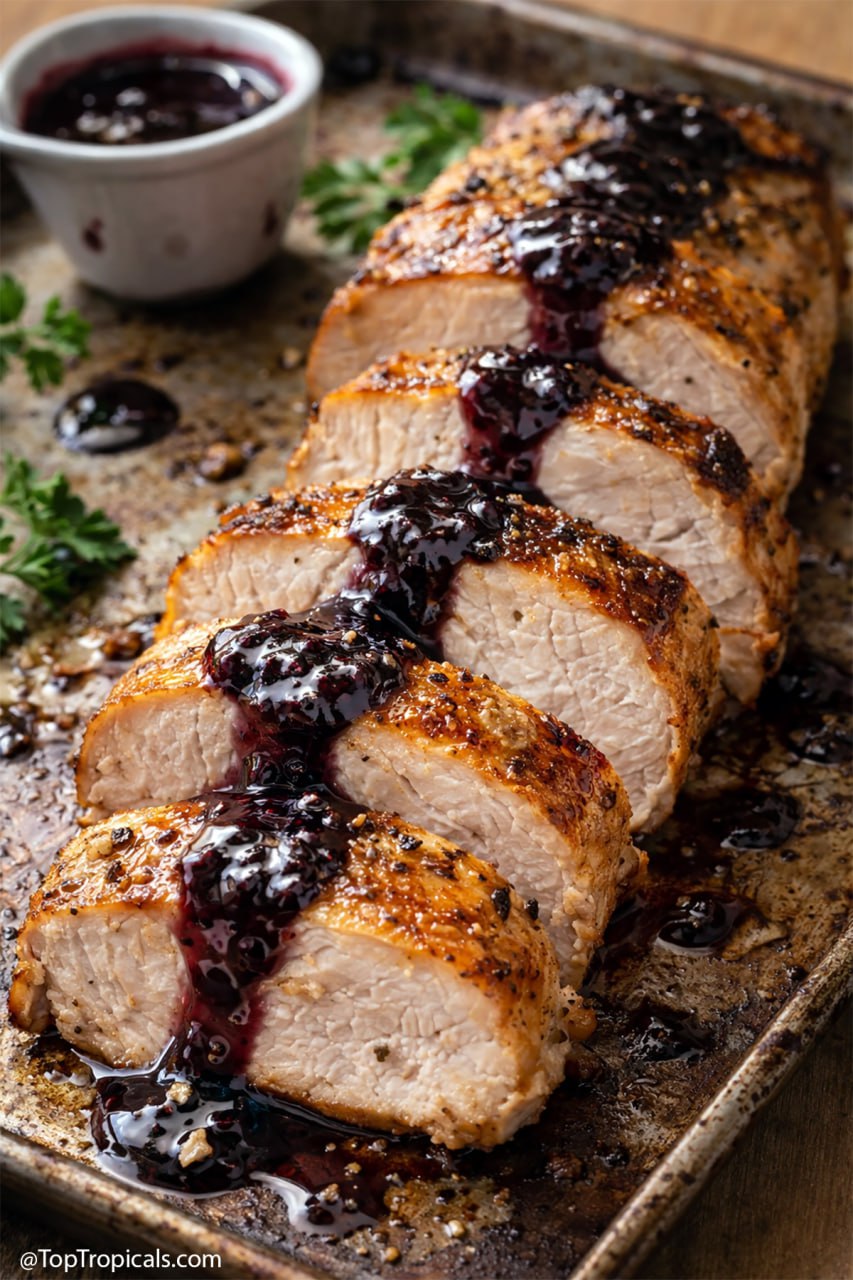
Jaboticaba reduction sauce
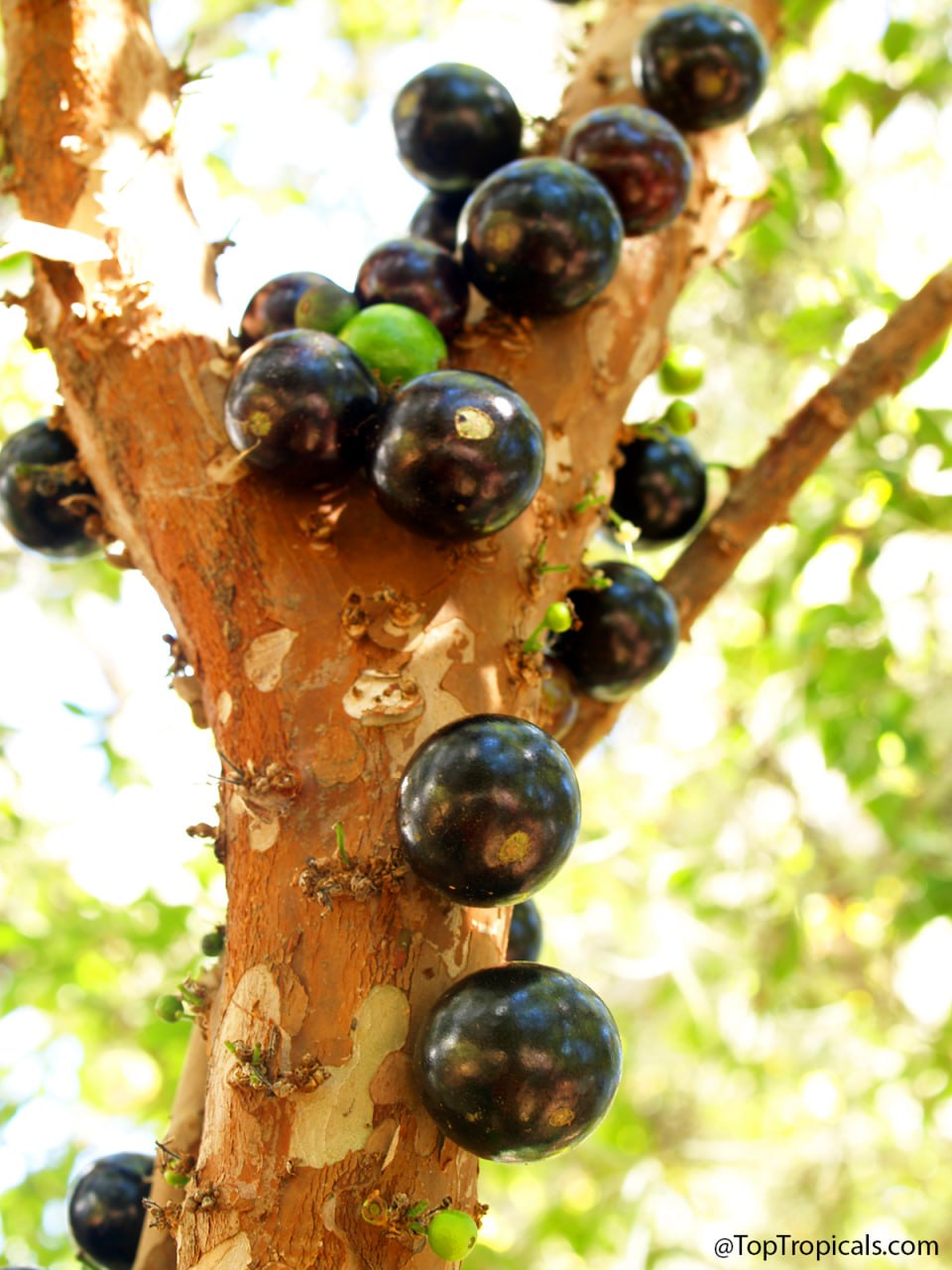
Jaboticaba reduction sauce

Myrciaria cauliflora - Jaboticaba fruit

Myrciaria cauliflora - Jaboticaba fruit

🍴 Jaboticaba reduction sauce: quick-n-fun exotic recipes

Jaboticaba Reduction Sauce

Ingredients

  • 1 cup ripe jaboticaba fruit
  • 1 tablespoon sugar
  • 1 tablespoon water

Instructions

  1. Crush the jaboticaba fruit in a small saucepan.
  2. Add sugar and a little water.
  3. Simmer gently until the mixture thickens and becomes glossy.
  4. Strain the sauce to remove skins.
  5. Drizzle over roasted pork, chicken, or grilled vegetables.


🌿 About the plant:


A Brazilian tree that fruits directly on the trunk. The grape-like fruit has a thick skin and juicy pulp inside.

🏡 In the garden:


Grows well in warm, humid climates. Slow growing but very ornamental. Can be grown in large pots when young.

🛒 Plant Jaboticaba tree now, don't wait - it's slow growing!

📚 Learn more:


#Food_Forest #Recipes

🟢 Join 👉 TopTropicals
Date: 23 Feb 2026

Macadamia nut oven crisp

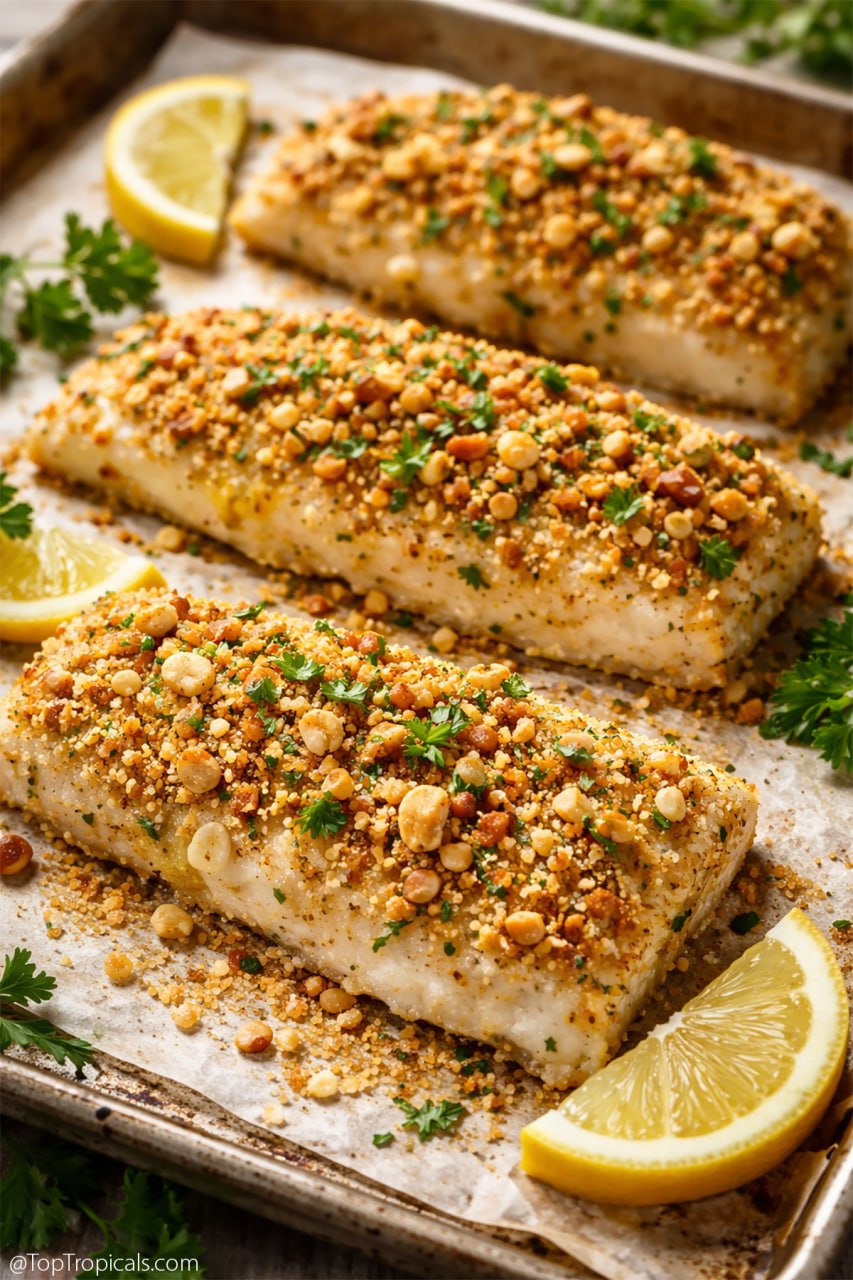
Golden macadamia-crusted fish fillet

Golden macadamia-crusted fish fillet

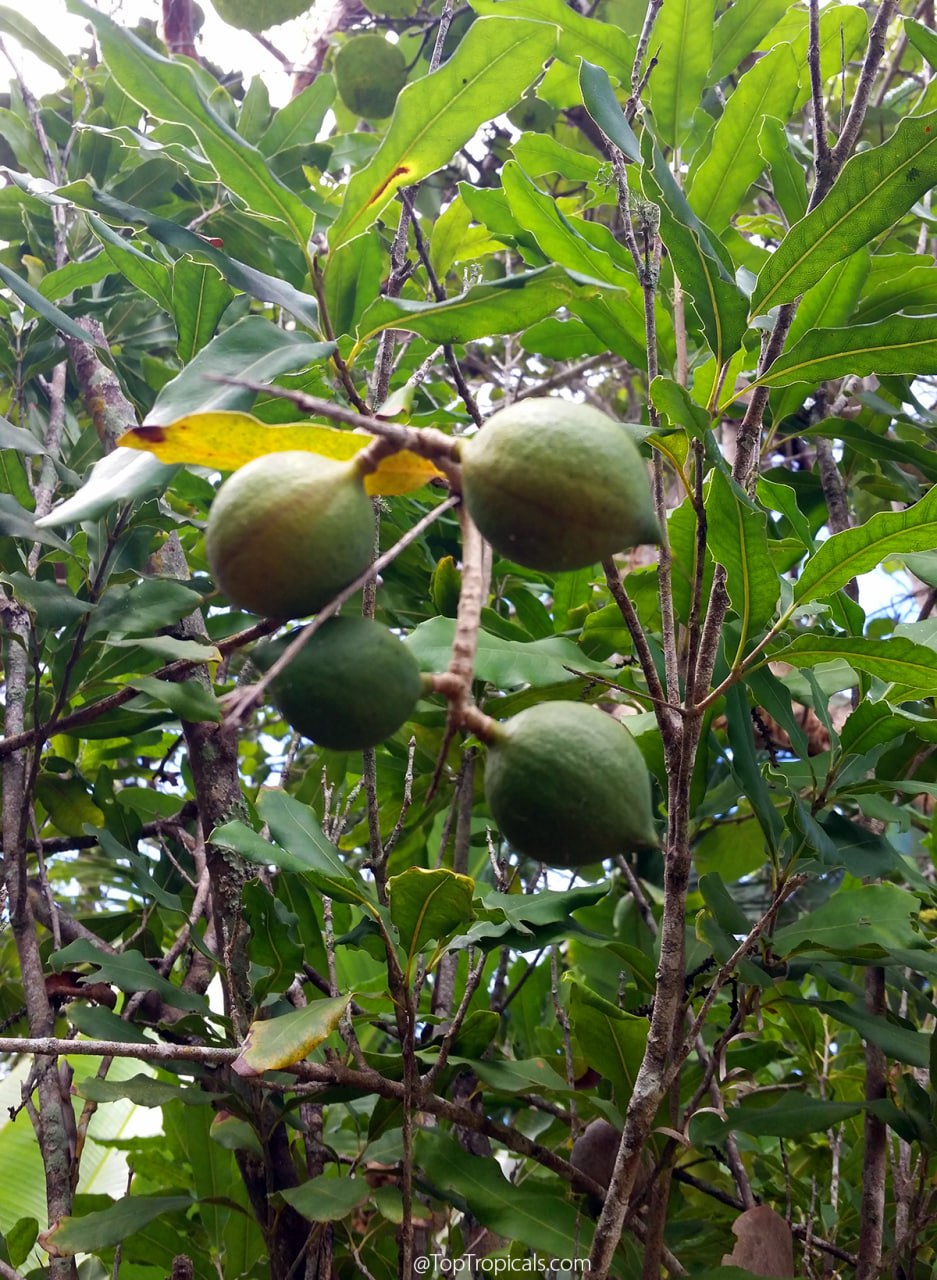
Macadamia integrifolia - Macadamia nuts and leaves on a tree

Macadamia integrifolia - Macadamia nuts and leaves on a tree

🍴 Macadamia nut oven crisp: quick-n-fun exotic recipes

Macadamia Nut Oven Crisp

Ingredients

  • 1 fish fillet (cod, tilapia, or snapper)
  • 1/3 cup crushed macadamia nuts
  • 1 teaspoon Dijon mustard
  • 1 teaspoon olive oil
  • Salt and pepper to taste

Instructions

  1. Preheat oven to 375°F.
  2. Spread a thin layer of mustard over the fish fillet.
  3. Press crushed macadamia nuts onto the top of the fillet.
  4. Drizzle lightly with olive oil.
  5. Bake until golden and crisp, about 12–15 minutes.


🌿About the plant:
Macadamia is an Australian rainforest tree that gives us one of the richest, creamiest nuts on earth. The shell is famously hard - you really earn that buttery crunch.

🏡 In the garden:


Best in warm climates, zones 9-11, cold hardy to light freeze. Needs full sun, good drainage, and patience - seedlings can take several years to start producing (grafted or air-layered trees start flowering right away). Once established, they are long-lived and productive.

🛒 Plant a hardy Macadamia tree to always have your nuts

📚 Learn more:


🎥 Growing Macadamia trees

#Food_Forest #Recipes

🟢 Join 👉 TopTropicals
Date: 15 Feb 2026

Tamarind date dipping sauce, quick-n-fun exotic recipes

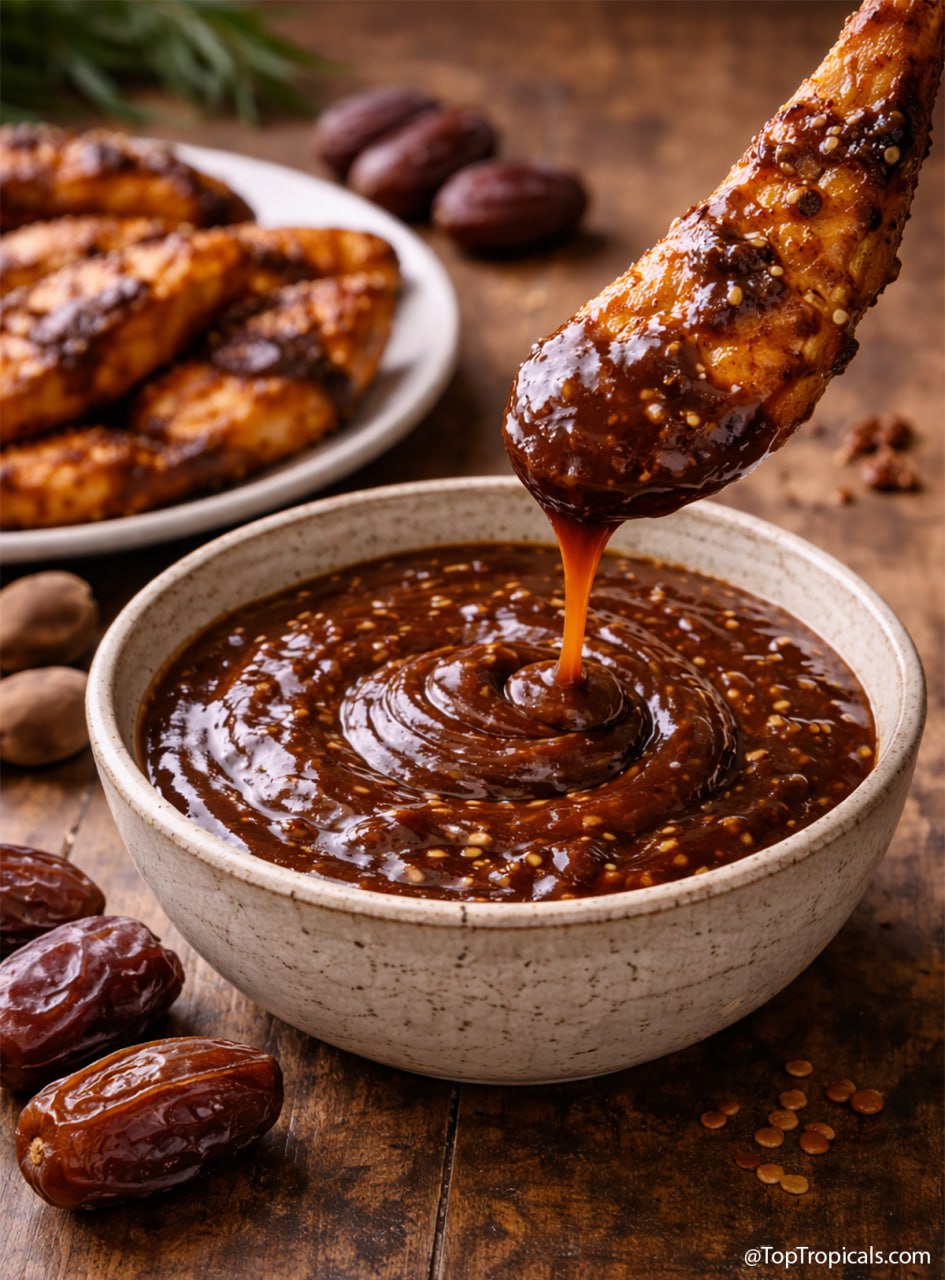
Tamarind date dipping sauce

Tamarind date dipping sauce

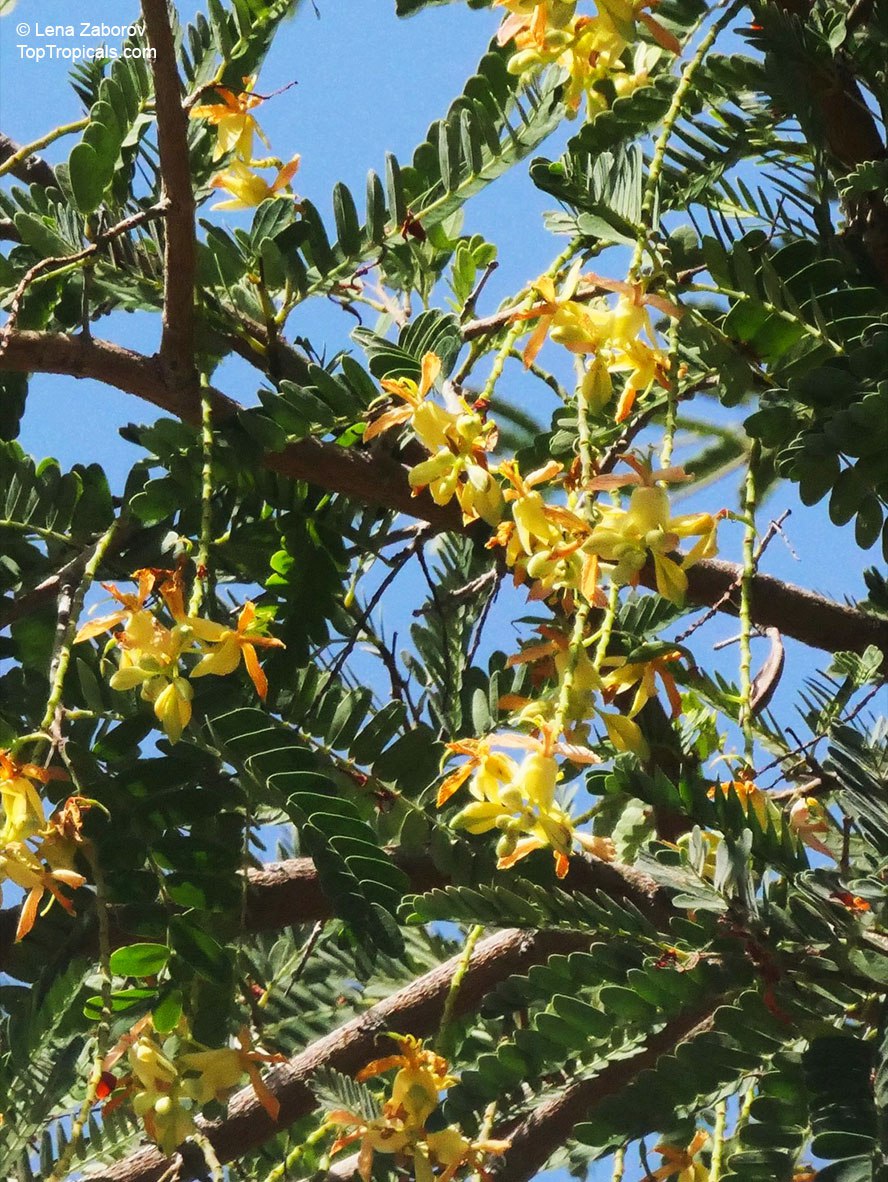
Tamarind - Tamarindus indica - flowers

Tamarind - Tamarindus indica - flowers

🍴 Tamarind date dipping sauce: quick-n-fun exotic recipes


Tamarind Date Dipping Sauce

Ingredients

  • 3 soft dates
  • 1 tablespoon tamarind pulp
  • 1 pinch salt
  • 2–3 tablespoons warm water

Instructions

  1. Soak the dates briefly in warm water if they are firm.
  2. Add the dates, tamarind pulp, and salt to a blender.
  3. Blend until smooth.
  4. Add warm water gradually until the sauce reaches dipping consistency.
  5. Serve with snacks, roasted vegetables, or grilled foods.


🌿 About the plant:


When combined with dates, tamarind transforms into a sweet-sour chutney common in Indian street food.

🏡 In the garden:


Tamarind (Tamarindus indica) flowering occurs in warm months with small yellowish blooms. Pollination leads to the familiar curved pods.

🛒 Add Tamarind tree to your garden

📚 Learn more:


Tamarindus indica in Plant Encyclopedia

#Food_Forest #Recipes

🟢 Join 👉 TopTropicals
Date: 14 Mar 2026

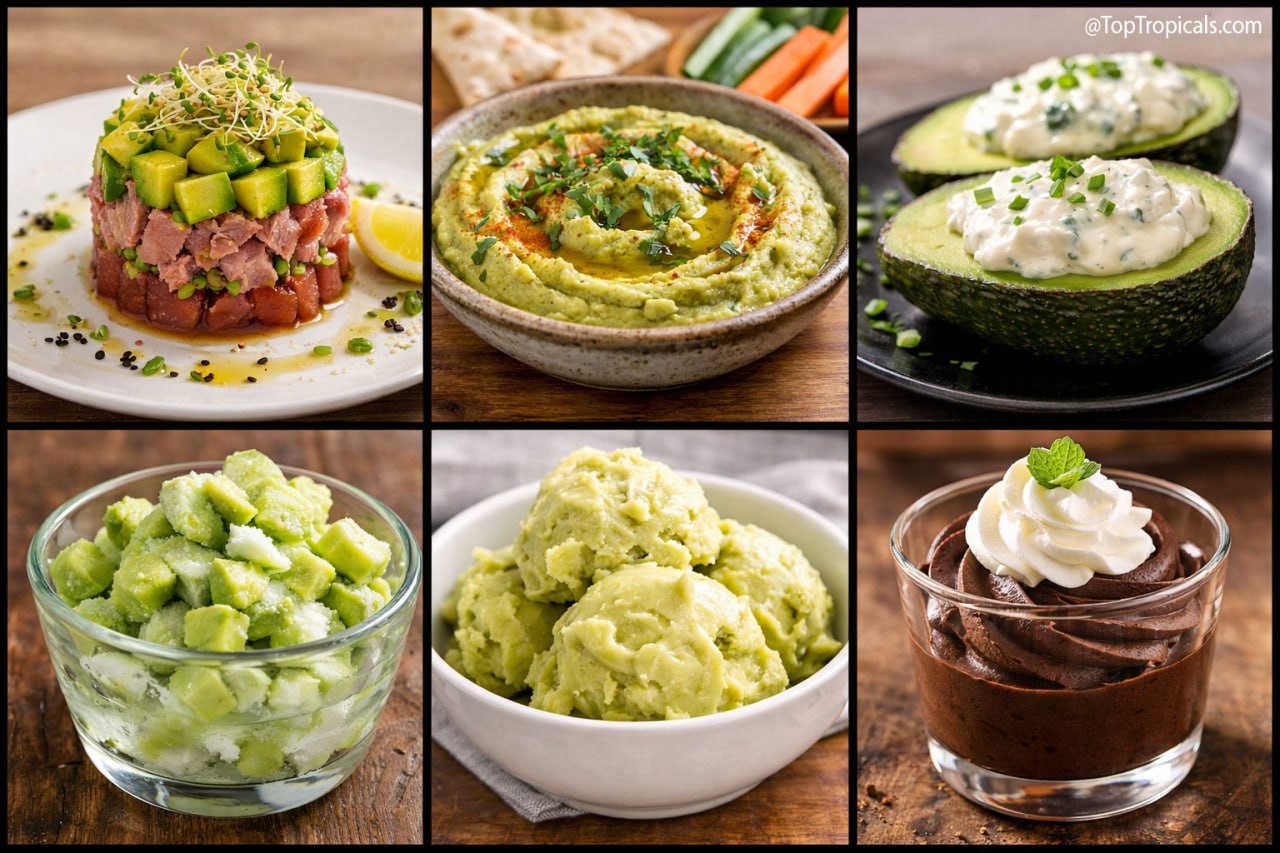
Not just guacamole - 6 unusual avocado recipes from top chefs

Not just guacamole - 6 unusual avocado recipes from top chefs

Not just guacamole - 6 unusual avocado recipes from top chefs


Avocado is rich, creamy, and loaded with healthy fats and fiber. It is also packed with vitamins C, K, B6, E, riboflavin, folate, niacin, and pantothenic acid, plus minerals that support digestion, bone health, heart health, and immune function.

Most people stop at guacamole, smoothies, or avocado toast. But in professional kitchens, avocado is treated as far more than a spread. It becomes a sauce base, a frozen dessert, even a chocolate mousse ingredient.

  • 👉 Here are six unexpected avocado ideas inspired by well-known chefs:


1. Tuna avocado timbale


This plated appetizer looks restaurant-level but is surprisingly simple.
Small-diced fresh tuna is mixed with minced shallots or red onion, fresh coriander, pickled ginger, lemon juice, olive oil, salt, and pepper. The mixture is pressed into a small ring mold, then topped with diced avocado and garnished with sprouts.
The avocado adds cool creaminess against the bright citrus and savory tuna.

  • 2. Avocado hummus


Blend two creamy favorites - chickpeas and avocado - into one smooth dip.
Combine drained chickpeas, ripe avocados, tahini or peanut butter, garlic, cumin, olive oil, lemon zest and juice, and salt. Process until silky. Finish with a drizzle of olive oil and a sprinkle of herbs and paprika.
It is lighter than traditional hummus and naturally vibrant green.

  • 3. Stuffed avocado with blue cheese sauce


Avocado can also be the bowl.
Mix Dijon mustard, blue cheese, sour cream, a splash of wine vinegar, salt, and pepper into a thick dressing. Slice the avocado in half, remove the seed, and spoon the sauce into the center.
Eat it straight from the skin for a bold, savory appetizer.

  • 4. Creamy avocado ice bowl


For a quick chilled dessert, cube ripe avocado and mix with cream and a light sweetener. Serve over ice.
It is not quite a smoothie and not quite ice cream - just cold, creamy avocado with clean sweetness.

  • 5. Frozen avocado with condensed milk


Mash ripe avocado with condensed milk and freeze.
After a few hours, it becomes a scoopable, creamy treat with no special equipment required.

6. Green chocolate mousse


Perhaps the most surprising idea: avocado in chocolate mousse.
Puree ripe avocado and blend with melted dark chocolate, cocoa powder, coconut cream, and syrup. Chill until set, then top with whipped cream.
Despite the name, the dessert stays chocolate-brown. The avocado provides structure and silkiness, replacing part of the heavy cream.

💚 Why avocado works in sweet and savory dishes


Avocado is naturally buttery. It thickens sauces without flour, blends smoothly into dips, and creates creamy desserts without dairy overload. It freezes well and holds flavor beautifully.

So next time avocados are in season, think beyond guacamole. Stuff them, blend them, freeze them, or turn them into mousse. Feel like a chef!

This versatile fruit can do far more than sit on toast.

🛒 Select Avocado tree for contant fruit supply

📚 Learn more about #Avocado

#Food_Forest #Recipes

🟢 Join 👉 TopTropicals
Date: 14 Jul 2019

A Cup of Tea Plant

By Onika Amell, tropical plant specialist

A: I live in Ave Maria, Florida. I want to try my hand at growing my own tea. Which plant do I need?

A: Most people do not realize they are actually enjoying camellias when they sip their cup of tea. True tea comes from the Camellia sinensis plant, an evergreen shrub or small tree.
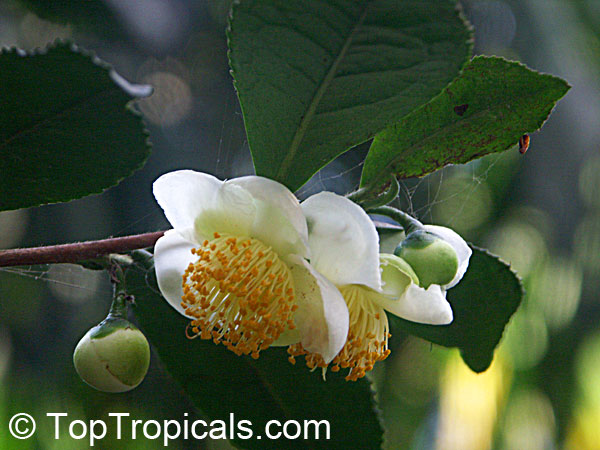
In the fall and winter, the plant will produce small white flowers with a lovely fragrance. The foliage is shiny and dark green with a very nice informal and open look. Camellia sinensis (or tea plant, as it is commonly known) prefers a temperature between 65 and 86 degrees, which makes Florida an ideal area to grow them. However, if you live in colder zones, you can certainly succeed growing your own tea plants using a greenhouse. Alternatively, you can use containers which can be brought inside when temperatures start falling. Tea plants will usually survive a very slight freeze, though the leaves may be damaged or killed. It will not tolerate a hard freeze. They prefer full sun or light shade in the garden.
Tea plants will become small trees or large bushes if not pruned. Hardcore tea growers trim back the shoots repeatedly to a height of around 4 feet to encourage new growth and to contain the size.
Make sure to pick an area of your landscape where it does not flood or remain wet during our rainy season. Camellia sinensis does not like wet feet at all. They prefer well-drained, sandy and slightly acidic soil. If grown in a container, add some sphagnum moss to the potting mix. They will benefit from frequent applications of small amounts of fertilizer.
You will need some patience, too. Your plant should be around 3 years old before you start harvesting leaves.

Recommended fertilizers:

Tropical Greenhouse Plus - Plant Booster
Tropical Allure - Smart-Release Booster

Harvesting recipes

Now that you know how to grow the Tea, you need to check this out: the Harvesting recipes how to harvest and make different kinds of real tea: Green Tea, Japanese Style Green Tea, Oolong Tea, Black Tea, Orthodox Indian Tea... Continue reading...