Garden Blog - Top Tropicals

Date: 21 Jul 2025

Health benefits of a simple plant: Coral bean

Health benefits of a simple plant: Coral bean

🍒 Health benefits of a simple plant: Coral bean


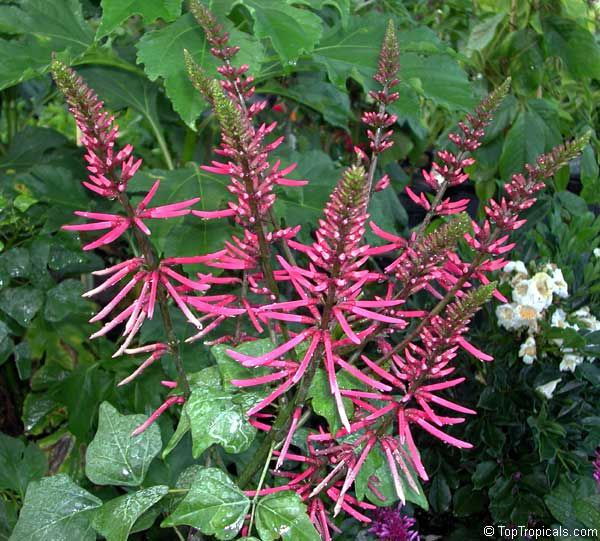
  • Don't let the tough, thorny branches fool you - this native plant has a long history of traditional use. While the seeds are poisonous, the young leaves and flowers have been safely cooked and eaten in small amounts by various cultures.

  • Traditionally, Erythrina herbacea - Coral Bean has been used in folk remedies for calming the nerves, easing muscle pain, and even promoting better sleep.

  • Modern science hasn’t fully explored these uses yet, but the plant contains alkaloids that may have sedative and muscle-relaxing properties. It's a reminder that even rugged native plants can carry powerful natural potential.

  • As a bonus, Erythrina herbacea is also beautiful and beneficial in the garden, drawing in hummingbirds and butterflies with its vibrant pink flowers - hummingbirds can't resist this wild bloomer! It grows well in poor soil and dry conditions - low effort, high reward!


🛒 Plant once, enjoy for years

#Food_Forest #Remedies #Butterfly_plants #Discover

🟢 Join 👉 TopTropicals

Date: 11 Nov 2025

Fruits with the most vitamin E, according to dietitians

Fruits with the most vitamin E

Fruits with the most vitamin E

🥭 Fruits with the most vitamin E, according to dietitians

  • 🔛 Vitamin E works as an antioxidant that helps fight inflammation throughout the body. While nuts and seeds top the charts, some fruits quietly add their share to your daily needs - especially when eaten with a bit of healthy fat. According to New York City Nutrition, vitamin E anti-inflammatory action supports heart, brain, and skin health.
  • 🔛 Vitamin E is a fat-soluble vitamin that acts as an antioxidant, meaning it fights inflammation in the body. Because of this anti-inflammatory role, vitamin E is beneficial for immune health, heart health, eye health, brain health, and skin health.
  • 🔛 Adults need about 15 milligrams a day, according to the National Institutes of Health. Deficiency is rare, but it’s smart to get vitamin E from a variety of foods. Fruits alone don’t provide large amounts, but they can complement vitamin-E-rich foods like almonds or sunflower seeds.
  • 🔛 Since vitamin E needs fat for absorption, pair fruit with something creamy or crunchy - like yogurt, olive oil, nuts, or seeds - for best results.
  • 🔛 Here are some fruits that naturally offer vitamin E:

  • 🍊 Sapote 1 cup = 3.7 mg vitamin E. A tropical favorite with rich orange flesh and a flavor somewhere between pumpkin pie and sweet potato, with hints of honey and almond, Sapote is great fresh, blended in shakes, or scooped over ice cream. It also packs calcium, iron, potassium, and vitamins A and C.
  • Blackberries 1 cup = 1.7 mg vitamin E. Deep color, bold flavor, and plenty of antioxidants, Blackberries are high in fiber and low in calories. Dietitian Keri Glassman calls them her top fruit for fighting inflammation.
  • 🥭 Mango 1 cup = 1.5 mg vitamin E. The “king of fruits” brings more than tropical sweetness, Mango supports digestion, helps you feel full longer, and delivers both vitamin A and E in one juicy package.
  • 🍉 Guava 1 cup = 1.2 mg vitamin E. This fragrant fruit has a flavor that lands between strawberry and pear, Guava is also one of the highest-fiber fruits and surprisingly rich in protein for a fruit.
  • 🍑 Persimmon 1 fruit = 1.2 mg vitamin E. An autumn favorite that looks like an orange tomato but tastes sweet and mellow, Persimmons are rich in vitamins A and C and make a colorful, fiber-filled snack or dessert.
  • Avocado 1 fruit = 0.9 mg vitamin E. Creamy, mild, and versatile, Avocado’s healthy fats help your body absorb vitamin E while protecting heart health. Try it on toast, in salads, or as a smooth butter substitute in baking.

🛒 Plant more remedies in your food forest

📚
Learn more:
#Food_Forest #Remedies #Discover

🟢 Join 👉 TopTropicals

Date: 19 Feb 2026

10 ways to enjoy Wild Medlar - Spanish Tamarind

Vangueria infausta (Spanish Tamarind, Wild Medlar)

Vangueria infausta (Spanish Tamarind, Wild Medlar)

🍊 10 ways to enjoy Wild Medlar - Spanish Tamarind


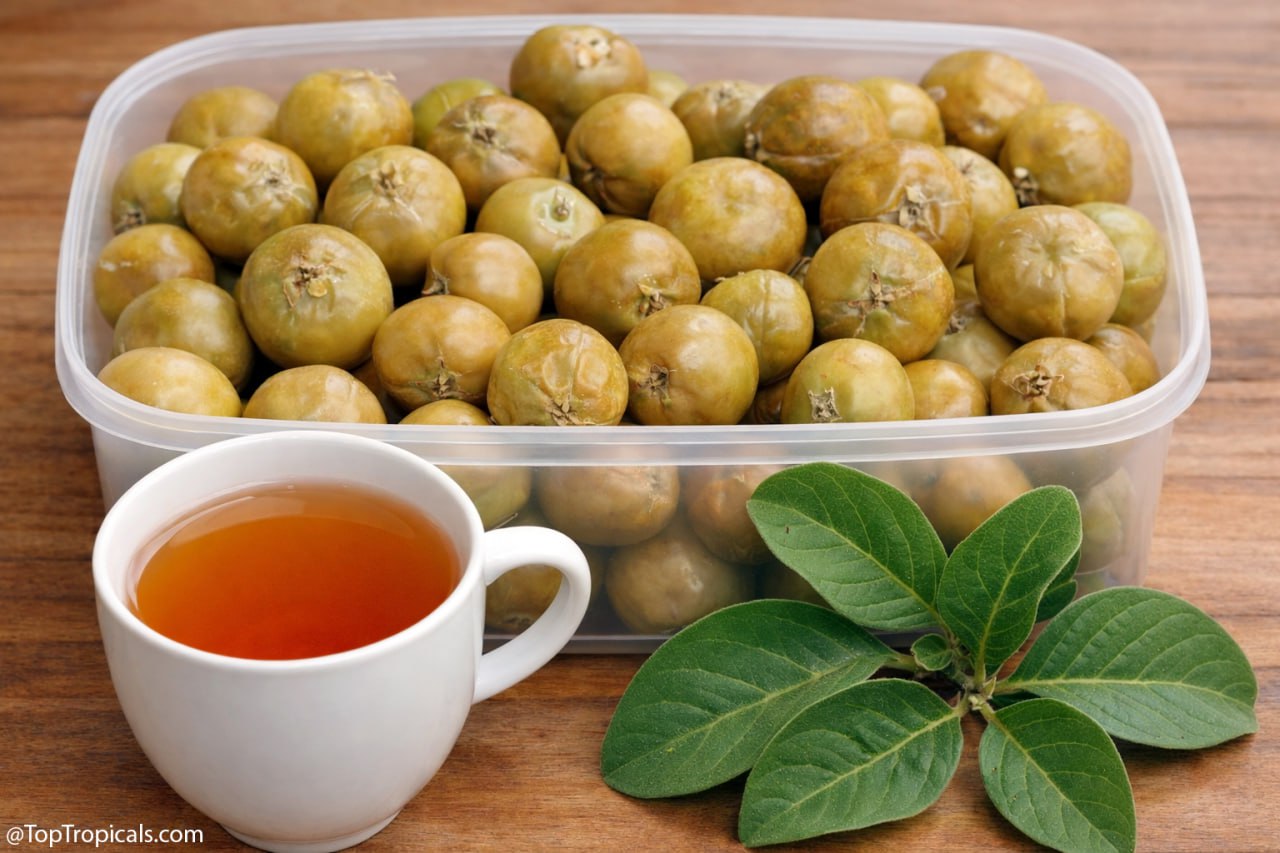
Vangueria infausta (Spanish Tamarind, Wild Medlar) from Africa to your backyard: the fruit, the medicine, the tradition.

Spanish Tamarind may look like a small, unassuming fruit - but don’t let it fool you. In its native Africa, this tree is a food staple, a home remedy, and a cultural favorite, all wrapped into one. And now, it’s ready to bring that same magic into your garden and kitchen. People have used this fruit for generations - and how you can too.

🍊 1. Eat it fresh, off the tree


When ripe, the fruit turns golden brown and softens slightly. Its flavor is sweet-tart, almost like a tangy apple or tamarind with a hint of citrus. Just peel and eat!

🍬 2. Dry it for snacks


In many African regions, the fruit is sun-dried and enjoyed like natural fruit leather. It keeps well, travels well, and makes a great healthy snack.

🍵 3. Brew it into a fruit tea


Dried fruit can be steeped into a tart, refreshing tea that’s packed with vitamin C and antioxidants. Add honey or ginger for a soothing drink.

🍷 4. Ferment it into traditional beer or wine


In some local cultures, the fruit is fermented into a mild alcoholic drink, similar to fruit wine or beer. This is one of the tree’s oldest known traditional uses.

🍧 5. Make jams and preserves


Boil the pulp with sugar and lemon juice to make tangy medlar jam. Spread it on toast, stir into yogurt, or use it in baking.

6. Add to porridge or smoothies


Crushed or juiced medlar fruit is added to traditional maize porridge for a nutrient boost. You can do the same with oatmeal or smoothies.

7. Try traditional fruit pudding


A simple medlar mash with a little sweetener makes a rich, apple-like pudding with hints of spice. Great as a chilled dessert.

🌿 8. Use the leaves and bark medicinally


In folk medicine, leaves are brewed into a tea for treating fever, colds, and stomach aches. Bark is used for chest congestion and coughs. Roots are sometimes used for even stronger remedies like malaria treatment.

9. Clean your teeth the traditional way


Believe it or not, people use medlar leaves to clean their teeth! The leaves are antimicrobial and have a slight astringent taste that leaves your mouth feeling fresh.

🎨 10. Dye fabric naturally
Crush the bark or boil the leaves to create natural dyes in yellow, green, and even purple tones. This use is still practiced in rural areas of southern Africa.

✍️ Why this tree belongs in your life


Wild Medlar is more than just a fruit. It’s a versatile, resilient, and deeply cultural plant that connects generations. It’s food, it’s healing, it’s art—and now it can be part of your garden story.
Grow it for the fruit, the medicine, the tradition… or just for the joy of growing something wild and wonderful.

🛒 Plant Spanish Tamarind and enjoy exotic fruit benefits

📚 Learn more:


#Food_Forest #Remedies #Recipes #Discover

🟢 Join 👉 TopTropicals
Date: 9 Aug 2021

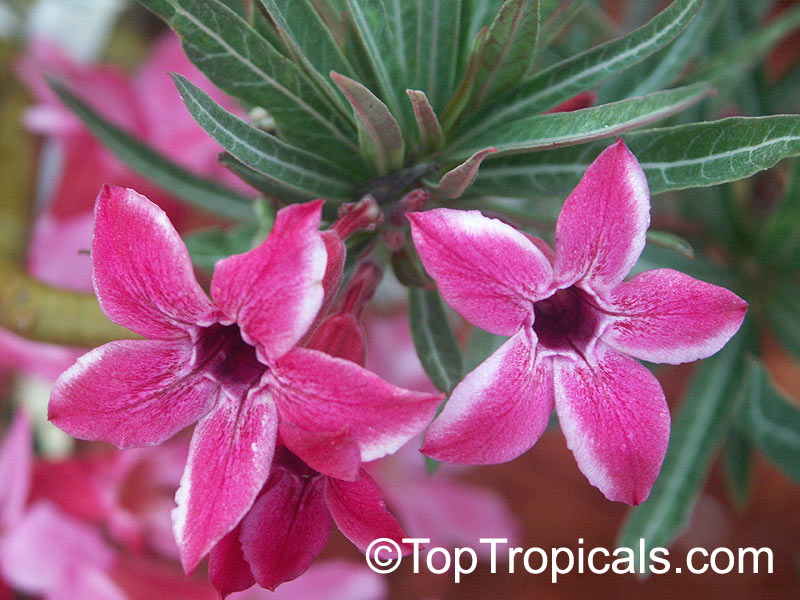
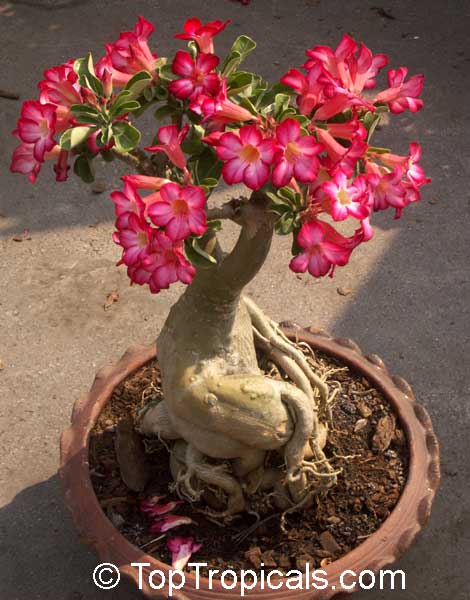
Care of Desert Roses

Q: I am looking forward to my three desert roses I just ordered from you and I am wondering how to take care of them, especially during winter time. Should I put the pots in full sun or shade? What kind of soil do they like? How often should I water them? When it gets cooler, should I bring them inside? We do have occasional frost here during winter.

A: Here are a few tips for your desert roses:

1. When received Adenium from mail-order, unpack carefully; branches are fragile. Plant in well-drained potting mix. Cactus mix will do, but we recommend special Adenium mix. If using regular acidic peat-based potting mix, you may add sea-shells on top of soil to neutralize acidity: adeniums prefer alkaline soils. Using clay pots is beneficial. Water once and do not water again until soil gets dry. Place in bright shade until new leaves sprout, then the plant can be moved to full sun.

2. Adenium is a succulent, but not a cactus. It needs watering, however let soil dry before waterings. Reduce watering during cool season and discontinue when plant gets dormant (drops all leaves in winter).

3. Bright light is the best for profuse flowering. However, adeniums look much healthier in slightly filtered light rather than in all-day full sun.

4. Fertilize and spray leaves with liquid fertilizer SUNSHINE Megaflor - Nutrition Bloom Booster. Phosphorous is responsible both for flowering and caudex development. Avoid caudex, spray over foliage only. Dry fertilizer can be used only during hot months.

5. Watch for spider mites during hot and dry season.

6. Give plants a break during winter dormant season. Keep in bright shade and reduce watering to 1-2 per month or stop watering if temperature is below 65F.

More info on growing Desert Roses:
What you need for successful growing Adeniums
Overwintering Adeniums outside of tropics
Growing Exotic Adeniums - Growing Exotic Adeniums

Date: 4 Jun 2021

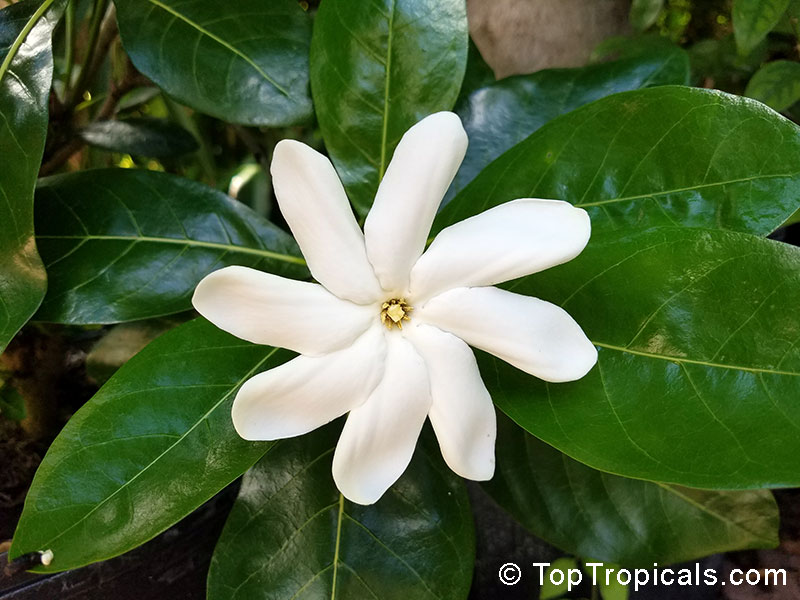
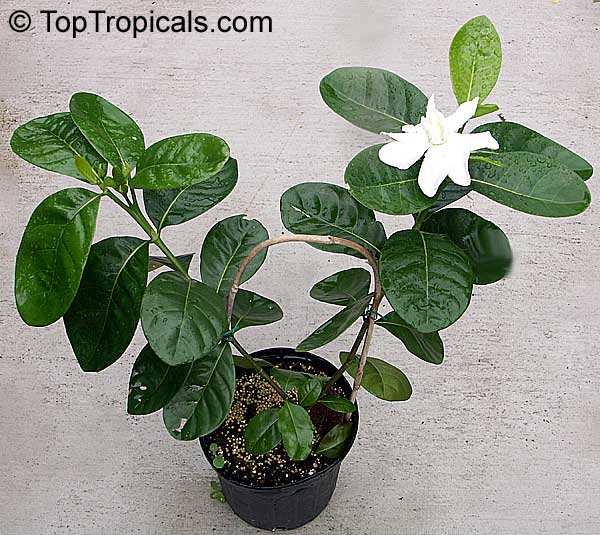
Tahitian Gardenia

Q: I am interested in your Tahitian Gardenia and I would love to try and grow this plant in a large container/fabric pot. The soil here where I live is terrible as it's hard rock, clay, and sand! So I'm not sure if amending the soil would help to plant in the ground? Can you tell me if this will do okay in a container or best in ground? I live here in Las Vegas, NV (zone 9a). Any information would be great to help me make a this decision, I love the selection of cool tropical plants you offer! Also my daughter does Tahitian/Polynesian dance and this would be a cool "topping on the cake" if she could have a live Tiare flower in her performances.

A: Tahitian Gardenia will be doing best if grown in container in your area. In its natural habitat, it grows full sun but also it enjoys mild weather conditions and high air humidity. All gardenias prefer acidic soils. In your area, if planted in the ground, it may be exposed to some harsh conditions: too high temperatures, too hot sun, dry air, and as you mentioned - heavy clay and sandy soil. You can enjoy this plant grown in container, which can be moved as needed away from too much sun during summer months. Use well-drained potting mix. Use plastic pot, do not use fabric or clay pots - soil will dry out too quickly.
Also remember to fertilize this plant on regular basis with a liquid fertilizer SUNSHINE Pikake - Fragrant Flower Booster.
Grow gardenia in full sun or semi-shade during the hottest months. You may spray it with pure water if the air too dry and hot. Enjoy your Tropical Beauty and good luck!