Garden Blog - Top Tropicals

Date: 26 Oct 2018

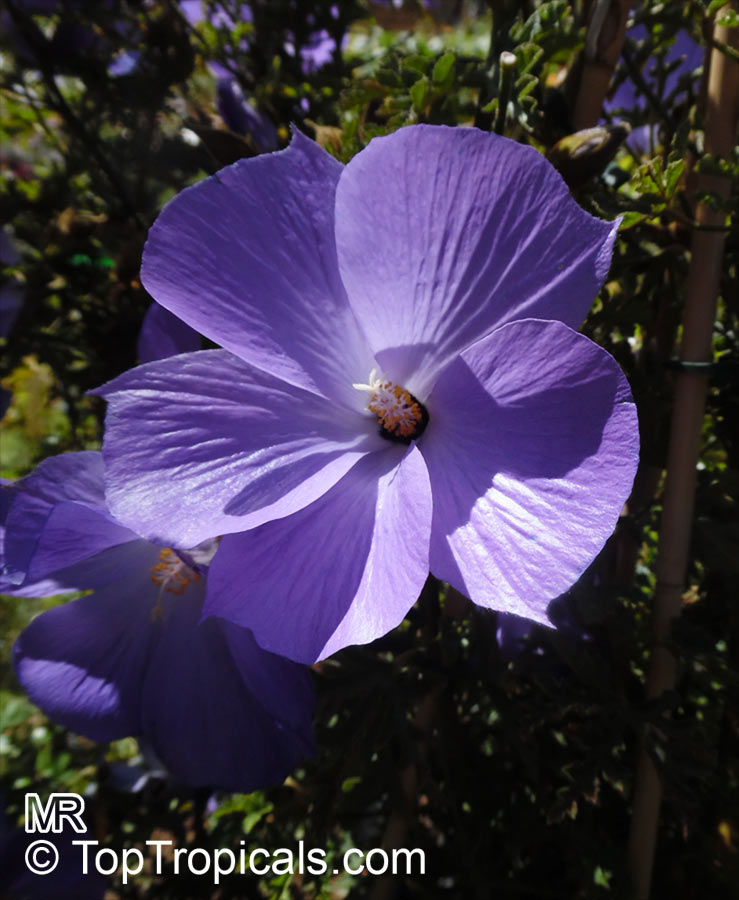
Alyogyne: Blue Hibiscus with prismatic effect of peacock feathers...

TopTropicals.com

By Mark Hooten, the Garden Whiz.

Certain plant families contain many members which I consider outstanding and requiring much admiration. One of these families is the Malvaceae, known as the"Hibiscus (or Mallow) Family". This group contains many members whose ease of growth and visual impact is undeniable. Among those which really stand out is a group of species from far-off Western Australia called Alyogyne. They are especially special! Continue reading...

Check out this plant...

Date: 12 Oct 2018

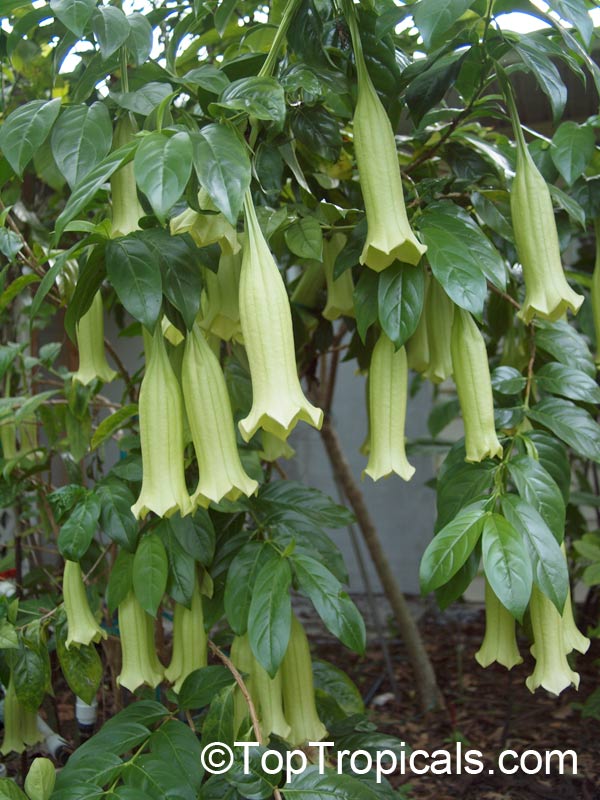
Portlandia - rich hot chocolate with vanilla

TopTropicals.com

From Mark, the Garden Whiz. Since working in the horticultural field for nearly 50 years, at either nurseries or botanical gardens both in Florida and southern California, I have come into contact with a LOT of very cool plants. So many of them in-fact, that it's becoming increasingly difficult to run across new ones that really make me take special notice. Since being at Top Tropicals for a while now, there are a few species I had not met before which really stand out. Among them are a couple of kinds of Portlandia. Continue reading...

See our selection of Portlandias...

Date: 1 Oct 2018

Information on new exotic fruit variety:
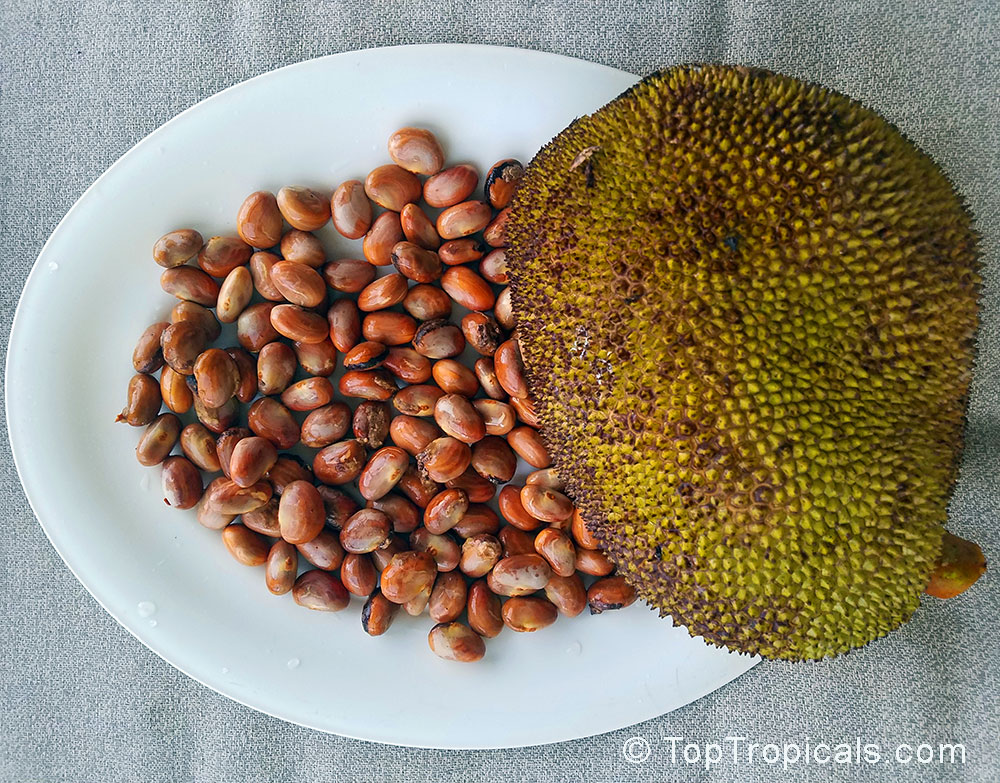
Artocarpus x integer (Jackfruit x Chempedak), Cheena cv. TopTropicals

TopTropicals.com

FRESH SEEDS! Grow exotic Chempedak from seeds and you will have the trees for only $1 each!

Check out a short video of the opened fruit.

Cheena is a natural hybrid between jackfruit and chempedak. Comes true from seed. This highly recommended variety has grown in TopTropicals garden from a seedling of Cheena (Jackfruit x Chempedak) that fruited within 3 years from planting. The fruit (20-25"size) is probably the best we ever tasted! It is super sweet, crunchy and has a rich, pleasant, excellent flavor. It has very little latex which makes it easy to handle when cutting up. The tree produces at the very base of the trunk, so you can prune it as short as you want. Our tree survived light frosts as well as 48 hours of 3ft flooding, with no damage!
The tree has an open, low and spreading growth habit and can be maintained at a height and spread of 8 ft with annual pruning. It is very easy to grow and is not as cold hardy as we thought for a Jackfruit x Chempedak types of plants. The only two recommendations are - good fertilу soil with a high content of compost and regular watering.
Cheena is a consistent producer. The fruit is up to 5 lbs, long, narrow and uniform in size and shape. The skin is green, with blunt spines that yellow and open slightly upon maturity.

Check out Chempedak Cheena seeds - FRESH - FRESH - FRESH
Check out Chempedak Cheena plants - special offer $30 OFF!

Date: 7 Sep 2018

6 reasons to buy tropical plants in Fall

TopTropicals

1) Easy planting. No sweat. Enjoy your gardening fun during cooler weather!

2) Easy shipping. With cooler weather, there are less chances for the mail order plants to get overheated in transit or at your doorstep in case you miss the delivery. But don't wait too long, another few weeks and too much cold will put another restriction for deliveries up North.

3) Easy establishing. Stress-free roots = stress-free plants = happy gardeners. Cooler weather is always better for planting and quick establishing.

4) Easy maintenance. Plant growth rate slows down during cool period, so your garden maintenance will be minimal.

5) Winter bloomers will brighten your days! Look at these winter-flowering plants that create a spectacular show during Fall-Winter in subtropical climates. If you grow them as houseplants, this is your chance to have flowers in Winter!

6) House plants Many tropical species suitable for indoor cultivation are available year round, but when you buy them in Fall - they are in their fullest and best shape after Summer vigorous growth.

One the photo: Barleria cristata Striped Lavender Lace.

Date: 15 Aug 2018

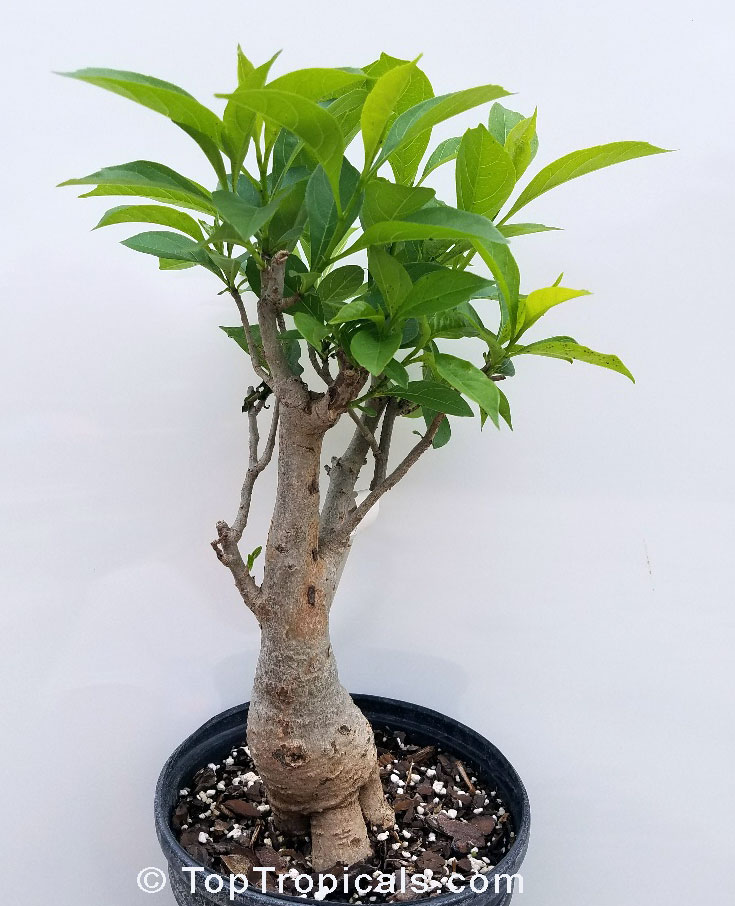
Care for a Baobab Bonsai

TopTropicals

Q: How to grow Baobab bonsai properly? How long does it take to shape a nice little bonsai tree?

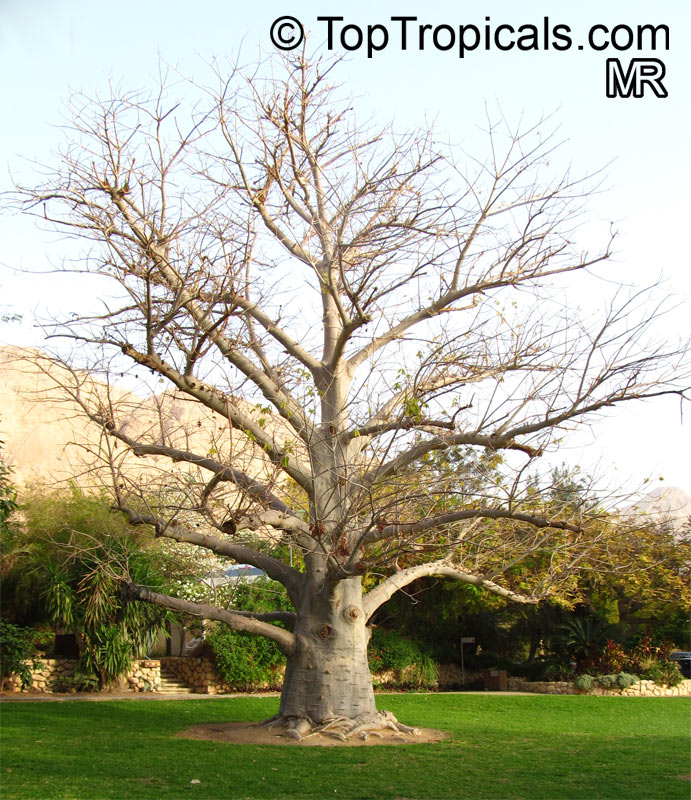
A: Baobab, or Adansonia digitata, is a unique addition to a bonsai collection. Native to Africa, it has an unusual structure and appearance. Some legends say that the tree was cast down from the heavens and landed upside down, where it began to grow. This story is no doubt a result of its appearance in the winter, when the upper branches of the tree look more like roots than treetops. The Baobab has some specific needs, but if you pay careful attention to its requirements, this tree is not difficult to grow and makes an excellent bonsai specimen.
1. Keep Baobab warm, it is sensitive to freeze.
2. Place Baobab in a bright, sunny window. Baobabs need at least six hours of full sunlight per day, so a window with a western or southern exposure is best. If your house doesn't get enough light, supplement natural light with artificial grow lights. See article Indoor lighting for tropical plants.
3. Water Baobab regularly during the growing season whenever the soil is dry. Never water the tree when it is dormant (dropped leaves).
4. Feed Baobab a good-quality fertilizer about once a month. Apply micro-element solution SUPERFOOD once a month, as well as SUNSHINE-BC plant booster for Bonsai and Caudex plants.
5. Prune the branches of your Baobab bonsai as often as they need it to give the tree the shape you desire, pruning or pinching off branches that are growing at odd angles or are too long. Trim early in the spring before new growth appears.
6. Repot the baobab bonsai every year in Spring. Remove it from pot and trim the roots back by one-third of their length, completely removing any that are damaged or dead. Place it in a container that is twice the size of the root ball and fill the pot with a well-drained soil like Adenium Mix.

It is believed that it takes forever to form a nice shaped tree, up to a few years. However if you provide warmth and bright light, branches grow very quickly, and an experienced bonsai hobbyist can make a unique specimen within 2-3 years. And then, the tree will stay with you for 5000 years - it can be passed from generation to generation!

Check out this plant... with FREE shipping to all states!
Se also Baobab Bonsai Kit and save more!