Q: We purchased some tropical edible and
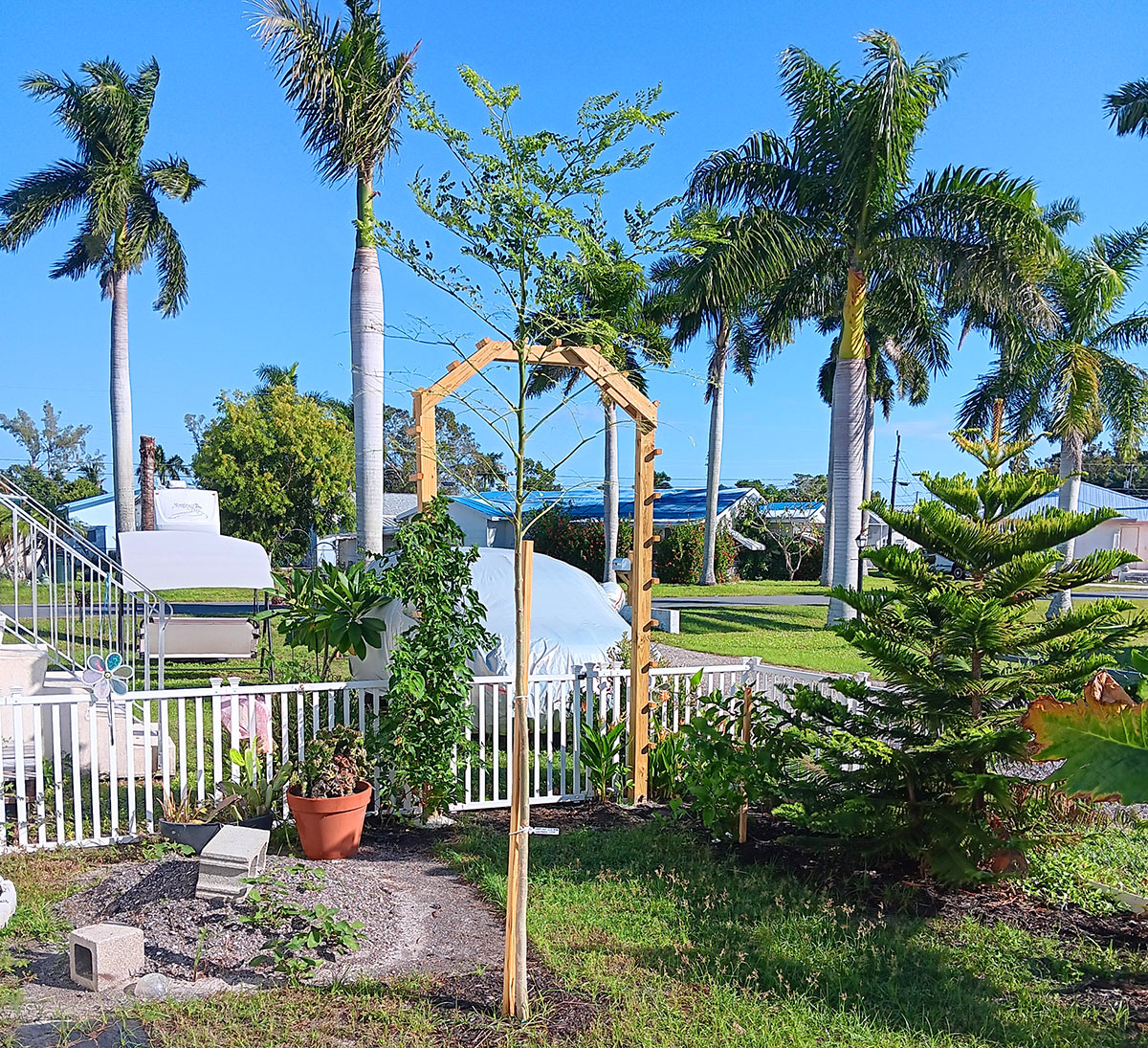
medicinal plants from you in August this year. I have a question pertaining to our Moringa tree. When
we purchased it, it was about two foot tall. It has put on tremendous growth
and is now a little under ten foot tall. My question is, should a Moringa be
losing lower leaves at this point? The bare limbs are still green and the top
looks to have healthy green leaves.
A: Thank you for choosing our Moringa tree, and
sharing the picture. It's great to see that your tree appears healthy and
happy - it's a resilient plant. Given the relatively dry Fall we've experienced
this year, a little extra water can make a significant difference.
Here are some suggestions to ensure your Moringa thrives:
Watering: While Moringa is generally drought-tolerant, during dry
periods, in addition to relying on your lawn sprinkler system, add some
extra water with a hose. Adequate moisture is crucial for maintaining healthy
foliage.
Pest Control: Moringa is not only a nutritious plant for humans
but also attracts pests that appreciate its medicinal properties :) If you
notice insect damage on the leaves, consider spraying with Neem oil or using an
over-the-counter systemic insecticide containing imidacloprid or a similar
ingredient.
Seasonal Behavior: Moringa trees are semi-deciduous to deciduous,
and their leaf-shedding behavior can vary depending on the climate. In
Florida, for instance, it's common for Moringa trees to shed leaves in the Fall.
However, this is a natural process, and you can expect new growth in the
Spring.
Fertilizing for Vigorous Growth: To promote the most vigorous
growth of your Moringa tree and other plants in your garden, consider
implementing a fertilizing program. If using dry, slow-release fertilizers, apply them
only during the active growth season: from March through November. If you're
looking for a year-round solution, liquid amino acid-based formulas like
Sunshine Boosters can be a great option. You can easily add them to your watering
routine or use injectors like The Robuster for convenient and consistent feeding. If you're planning
to expand your garden with other medicinal plants or an edible forest, The
Robuster smart fertilizing system is an excellent choice, offering the most
efficient, care-free way to nourish your plants with natural nutrients
throughout the year.
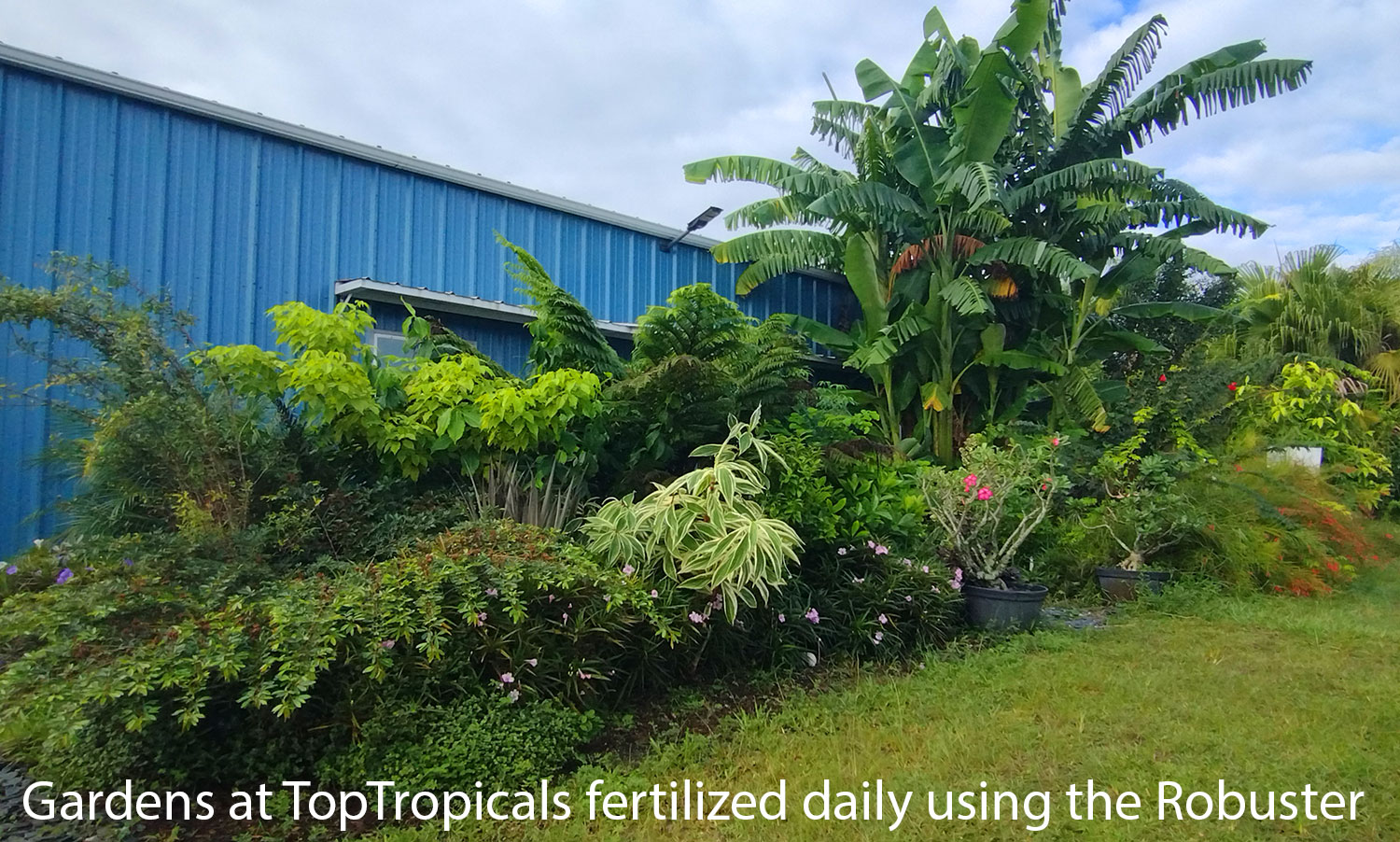
This garden doubled the size during just one season
under the Robuster
care.
Date: 19 Nov 2020
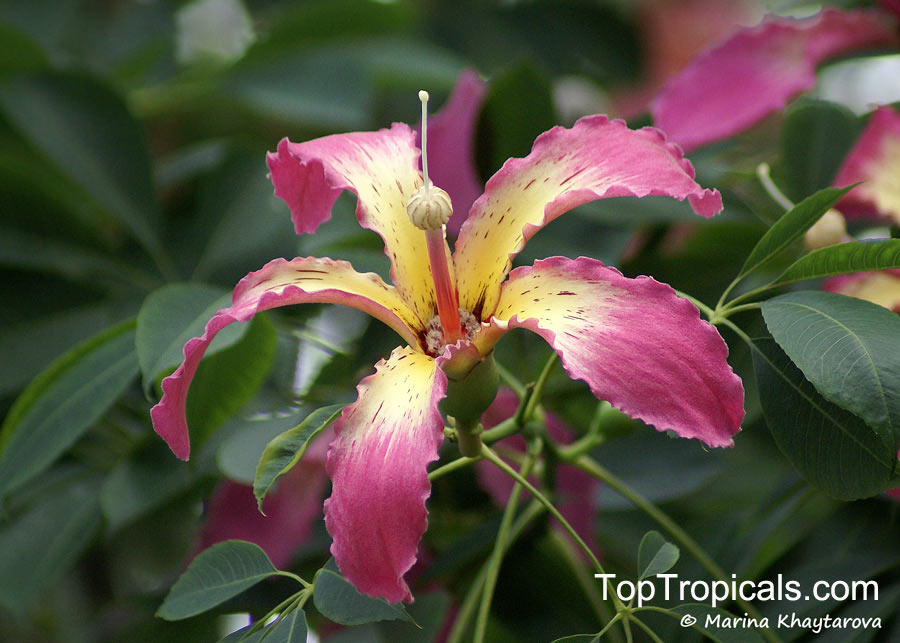
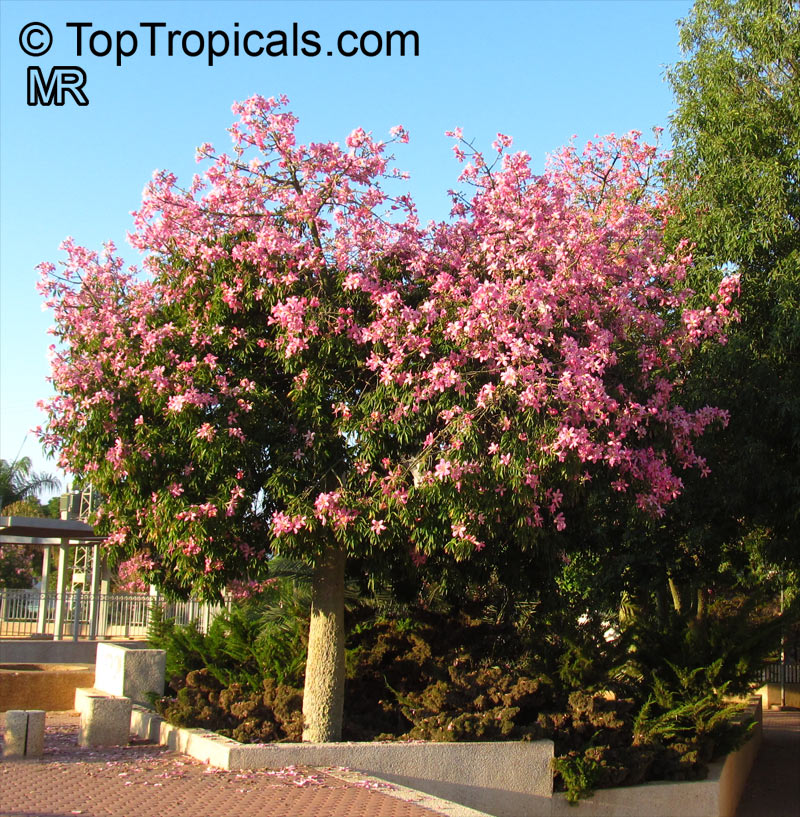
Chorisia speciosa - Exotic Pink Silk Floss Tree
by Onika Amell, tropical plant expert
When I stumbled upon my first Pink Silk Floss tree at the Naples Botanical Garden in Florida, it
stopped me in my tracks. It was in full bloom and one of the most beautiful
flowering trees I had ever laid my eyes upon. This tree has so much wow factor.
Not only are the flowers of this native from the Amazon Rain Forest in South
America spectacular, but the trunk, seeds and attractive, umbrella-like crown
makes it exceptionally unique and interesting. This tree will stand out in any
garden....
Code red: Study reveals
human degradation of tropical forests
is greater than previously estimated
This summer has been scorching hot across the globe, with every summer
month breaking temperature records in recorded history.
Have you ever wondered what kind of natural world your children or
grandchildren will inherit? Will they grow up surrounded by lush forests and
greenery, or will they only know cities made of metal and concrete?
Tropical forests are super important for biodiversity and fighting
climate change, but humans are messing them up more than we thought. Using fancy
tech from the International Space Station, scientists found that human activities like logging and road-building
are degrading these forests a lot. Even edges of forests are suffering,
reducing canopy height and biomass significantly. This degradation is often
overlooked, even though it has a huge impact on carbon emissions and biodiversity
loss.
Planting trees in your yard, or even better, several trees, helps combat
this problem by restoring some of the lost biodiversity and absorbing carbon
dioxide. Plus, it's a fun way to make your space greener and contribute to a
healthier planet!
Together, we've planted over 15,000 trees this year!
This year at TopTropicals, we have planted quite a few trees. Let's
see...
- 44 mango trees planted at our BFarm...
- 49 tropical fruit trees
- 127 flowering trees and shrubs... (special thanks to Mick and Aurelio)
- 15,282 plants were ordered and, hopefully, planted by our customers this
year so far...
Join us. Plant a tree today to make the difference!
"Someone is sitting in the shade today because someone planted a tree
a long time ago." - Warren Buffett
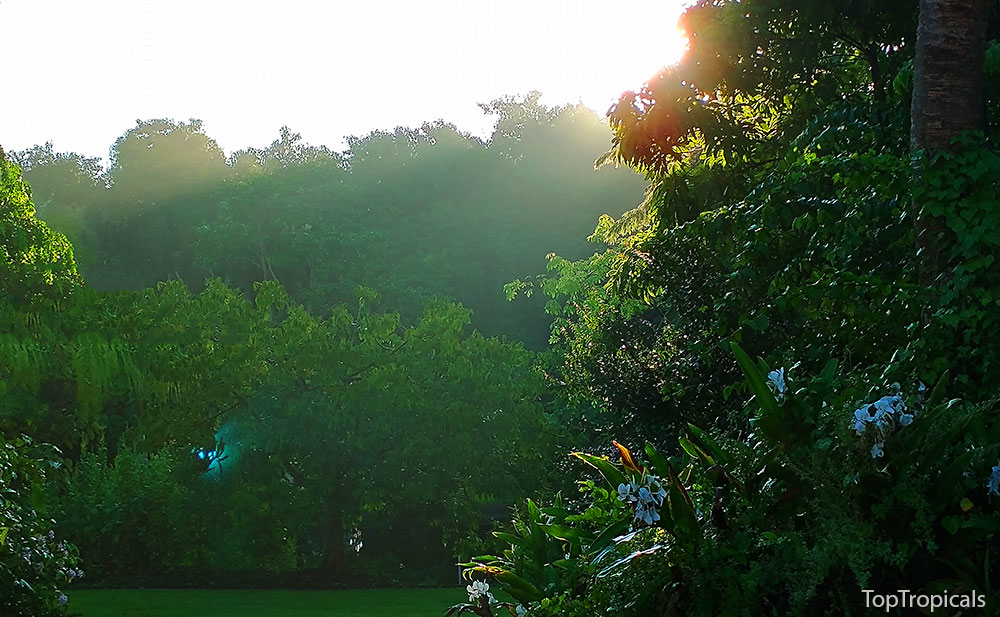
⭐️ Straight from the Amazon: the most beautiful ginger everyone asks about at our farm
🌀 Variegated Spiral Ginger - Costus arabicus (amazonicus) is not your average ginger. Unlike the common gingers with plain green leaves and short flower spikes, this one is a real standout. Its tall spiral stems are striped with bold white variegation, creating a dramatic swirl of green and cream even before it blooms.
🌀 And when it does bloom - the flowers are pure white with soft yellow centers, like porcelain sculptures nestled among the leaves. It's a tropical showpiece that turns heads wherever it grows.
🌀 Originally from South America and now loved in Hawaii and Florida, this ginger thrives in moist, rich soil and loves plenty of water. It handles both sun and shade, but really shines in a bright, filtered light spot.
🌀 We have one growing right by our farm office, and everyone who walks by stops, stares, and says the same thing: "I want that plant!"
Now you can have it too - straight from the Amazon forest to your garden!
Stop Fixing Your Soil: 15 Bulletproof Fruit Trees for Tough Ground
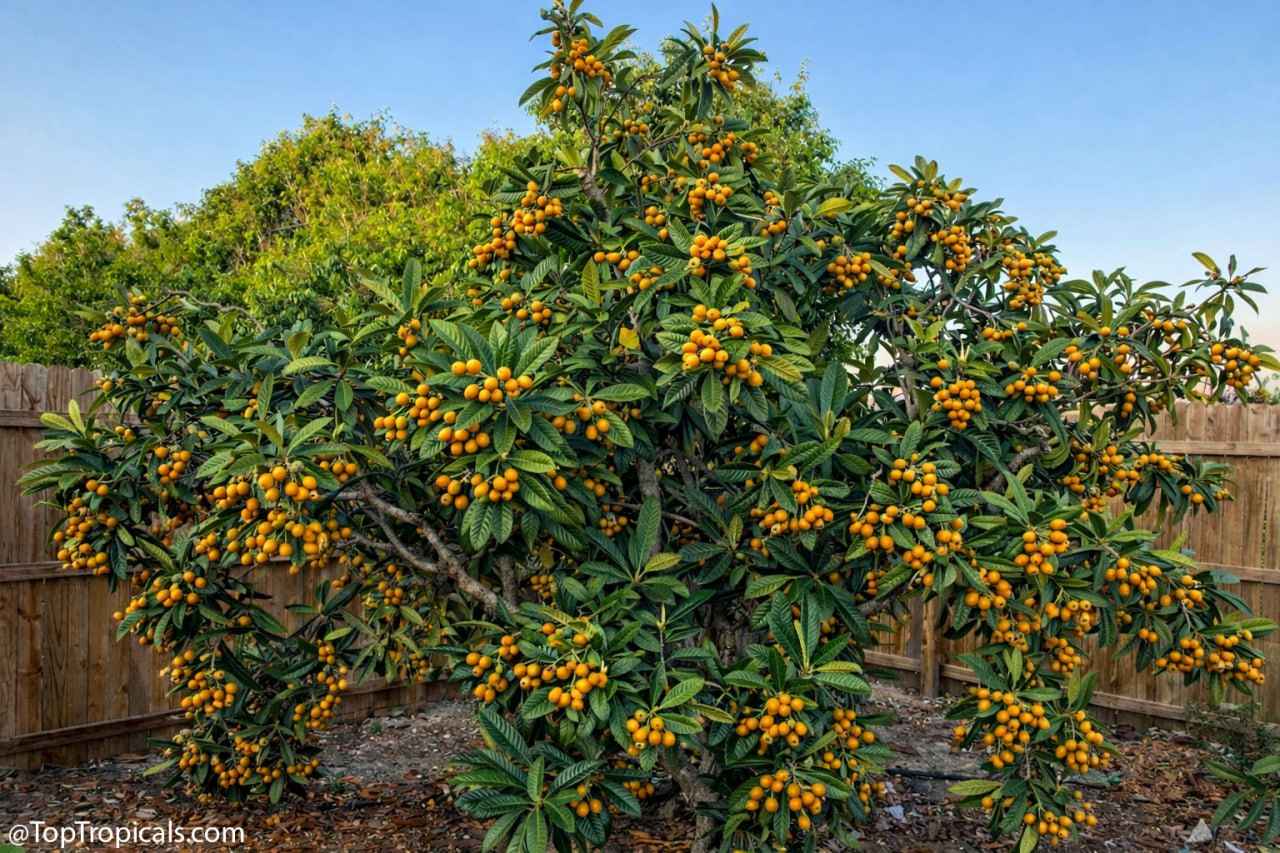
Loquat (Eriobotrya japonica) fruiting
Stop Fixing Your Soil: 15 "Bulletproof" Fruit Trees for Tough Ground 💩
Not everyone starts with a lush, loamy paradise. In many parts of Florida and the South, "soil" is just a polite word for sand, limestone rock, or depleted clay.
The biggest mistake new gardeners make? Spending hundreds of dollars on soil amendments before they ever put a tree in the ground.
The secret the pros know: You don't need to change your land to fit your plants; you need to choose plants that love your land. Some of the most delicious fruits actually thrive on neglect - and a few even produce better fruit when the soil is "poor."
🌳 The "Big 5" Toughest Fruit Trees
If your yard is a dry, sandy lot or a rocky outcrop, start with these. They are the ultimate "survivors."
Jujube, Chinese Date (Ziziphus jujuba): Arguably the toughest fruit tree on earth. It laughs at drought, poor soil, and neglect. The fruit is crisp like an apple when fresh and sweet like a date when dried.
Loquat (Eriobotrya japonica): A Southern staple. It’s evergreen, beautiful, and produces honey-sweet fruit in early spring when nothing else is ripe.
Mulberry (Morus alba): If you can’t grow a Mulberry, you might be gardening on the moon. It grows in sand, clay, or sidewalk cracks with equal enthusiasm.
Fig (Ficus carica): Figs actually prefer not to be pampered. In overly rich soil, they grow lots of leaves but little fruit. Give them well-drained, mediocre soil and they’ll thrive.
Pomegranate (Punica granatum): These trees are "stress-lovers." Rocky, alkaline soil is no problem, and a bit of soil stress often results in a higher sugar content in the fruit.
Pomegranate Plant Facts
Botanical name: Punica granatum Also known as: Pomegranate, Granada, Grenade, Pomegranate, Granada, Anar, Granaatappel, Pomo Granato, Romeira, Melo Grano
USDA Zone: 8 - 11
Highligths
🌳 Tropical Flavors That Don't Need "Perfect" Dirt
You don’t need a rainforest to grow tropical treats. These species are surprisingly resilient once they get their roots established.
🌟 The Sand-Lovers:
Mango (Mangifera indica): While young trees need a little babying, a mature Mango is incredibly drought-tolerant and handles Florida’s sandy "sugar sand" like a champ.
Mango Plant Facts
Botanical name: Mangifera indica Also known as: Mango
USDA Zone: 9 - 11
Highligths
Sapodilla (Manilkara sapota): A rugged, wind-resistant tree that produces fruit tasting like brown sugar and pear. It is a top-tier choice for coastal or sandy areas.
Tamarind (Tamarindus indica): It’s slow-growing but patient. Once it’s in, it’s there for a century, regardless of soil quality.
🌟 The Low-Maintenance Stars
Longan (Euphoria longana): If you’ve struggled with finicky Lychee trees, try Longan. It’s more cold-hardy and much less picky about its soil.
Citrus: While they need regular feeding (fertilizer), Citrus trees are naturally adapted to the sandy ridges of the South.
🌟 The "Quick-Win" Berry & Shrub Layer
If you want fruit this year, don’t wait for a tree to mature. Add these hardy producers to your edges. And here is why it works:
Dragon Fruit (Hylocereus undatus). It’s a cactus! It literally prefers poor, fast-draining soil over rich potting mixes.
Barbados Cherry (Malpighia glabra). A vitamin C powerhouse that handles low-nutrient soil with ease.
Grumichama (Eugenia brasiliensis). Slower grower, but steady and tolerant once established.
Surinam Cherry (Eugenia uniflora). Virtually indestructible. Often used as a hedge because it grows so vigorously in poor soil.
Pineapple Guava (Feijoa sellowiana). A beautiful silver-leafed shrub that is salt-tolerant and drought-resistant.
🌳 The Strategy: "Plant First, Improve Later"
In the South, the "dig a $100 hole for a $10 tree" rule doesn't always apply. Trying to completely re-engineer your soil often leads to drainage issues (the "bathtub effect").
Try this instead:
1. Select a species naturally adapted to your pH and texture.
2. Plant it at the correct height (never too deep!).
3. Mulch heavily with wood chips. This improves the soil from the top down over time, mimicking a natural forest floor.