Garden Blog - Top Tropicals

Date: 10 Nov 2024

New variety of Sapodilla? Thai Brownie!

Sapodilla Thai Browny, Achras (manilkara) zapota

Sapodilla Thai Browny, Achras (manilkara) zapota

Sapodilla Thai Browny, Achras (manilkara) zapota

Sapodilla Thai Browny, Achras (manilkara) zapota

Sapodilla Thai Browny, Achras (manilkara) zapota

Sapodilla Thai Browny, Achras (manilkara) zapota

Sapodilla Thai Browny, Achras (manilkara) zapota

Sapodilla Thai Browny, Achras (manilkara) zapota

✏️ New variety of Sapodilla? Thai Brownie!

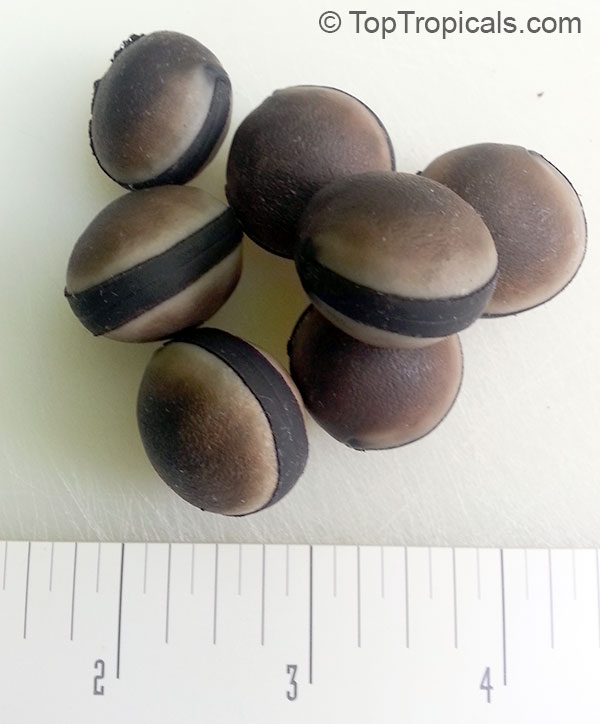
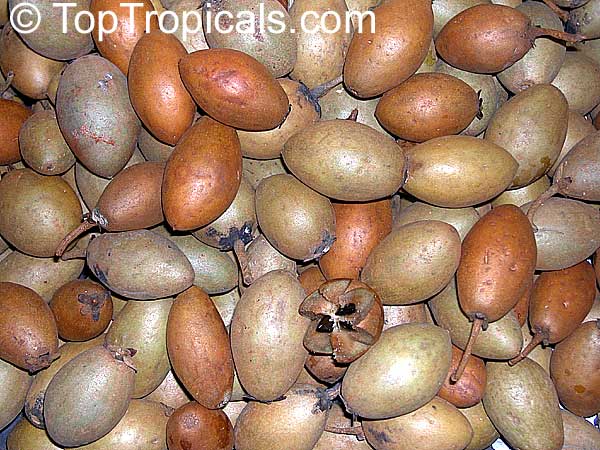
  • 🍪 Back in 2005, TopTropicals crew traveled to Thailand and discovered very interesting variety of Sapodilla at the fruit market (first pic). No one could tell us the name of this variety so we named it Brownie. We brought the seeds with us...
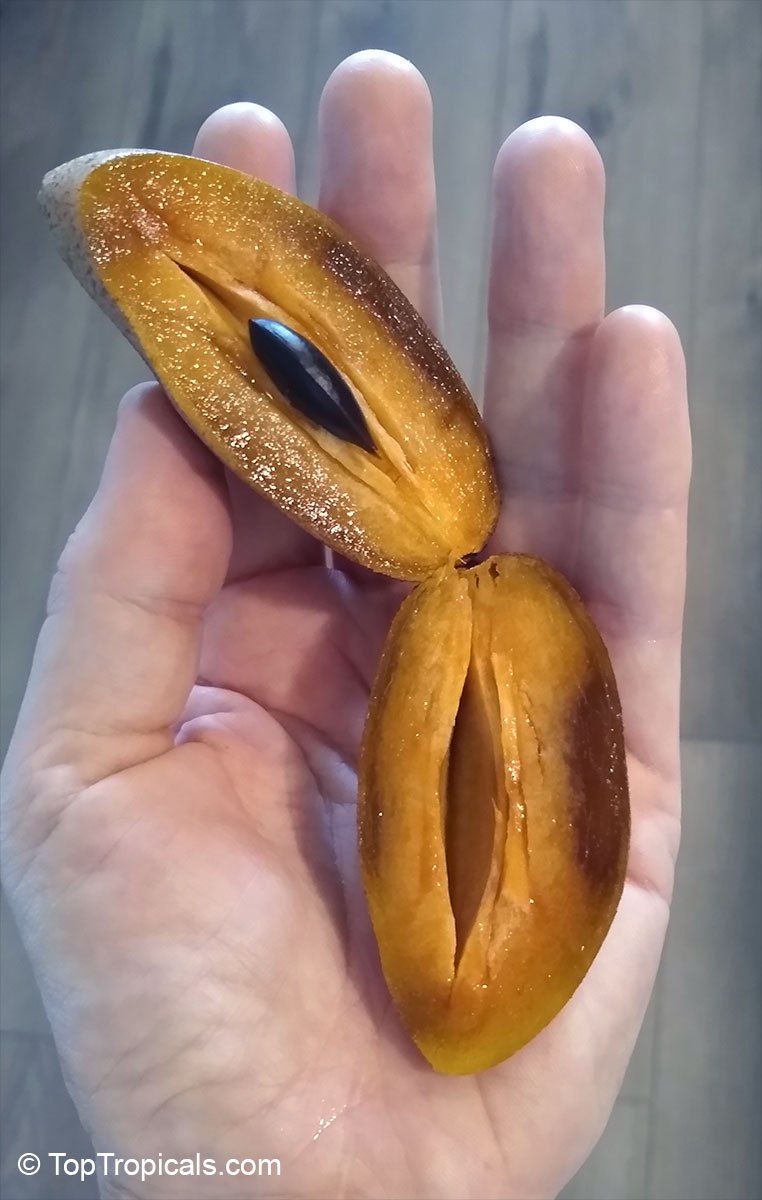
  • 🍪 Seven years later, we've had fruiting trees from those seeds! The fruit was even more elongated that the parent.
  • 🍪 The trees we have right now for sale are the second generation, seedlings from that original Thai Brownie. Try these for your fruit forest!
  • 🍪 The elongated fruit is small, 3-4"long, smooth pulp is very sweet.


👍 What is your favorite tropical fruit? Share in comments⬇️

🛒 Online order: Sapodilla Thai Browny, Achras (manilkara) zapota

#Food_Forest

🔴 Join 👉 TopTropicals

Date: 14 Nov 2024

Indoor Garden hooligans looking for trouble

👣 Indoor Garden hooligans looking for trouble


"The clearest way into the Universe is through a forest wilderness." - John Muir

Share your cats in comments!
📸 🐈🐈🐈👇

🔠 More #PeopleCats in our Garden:
PeopleCats.Garden 

#Quotes

🔴 Join 👉 TopTropicals

Date: 15 Aug 2025

Climbing 10 feet for Vanilla Beans!

Vanilla Bean Orchid - Vanilla planifolia

⭐️ Climbing 10 feet… for Vanilla Beans!

  • ⚡️ One of our Vanilla Bean Orchids at TopTropicals has big ambitions - it's already climbed 10 feet up a pine tree! We’re waiting (impatiently!) for those elegant yellow-green flowers, which will hopefully turn into vanilla beans.
  • ⚡️ Vanilla Bean Orchid (Vanilla planifolia) is the plant behind that sweet, comforting vanilla flavor we all love. It starts off like any potted orchid, but soon sends out aerial roots and becomes a climber, wrapping itself around trees or trellises. In its natural habitat, it grows high into forest canopies, but in the garden it will happily scale any sturdy support you give it.
  • ⚡️ Once established, it flowers and sets the long green pods we call vanilla beans. Growing your own is a lesson in patience - from flower to dried bean can take month - but nothing beats harvesting your own vanilla for the kitchen.


📚 Learn more:


📱How to produce your own vanilla: secrets of hand-pollination.

🛒 Climb toward your own beans

#Shade_Garden #Container_garden #Food_Forest

🟢 Join 👉 TopTropicals

Date: 12 Aug 2025

Six guava varieties that will keep you picking year-round

Tropical Guava - Psidium guajava

🍉 Six guava varieties that will keep you picking year-round

  • 🍉 Everyone loves guava! Sweet, fragrant, and packed with flavor. At TopTropicals, we have a whole guava forest, with varieties for every space and taste: Tropical Guava - Psidium guajava.
  • 🍉 Why we love Guava?


💋Fast-growing and sun-loving
  • 💋Thrives with plenty of water but handle short droughts
  • 💋Starts producing right away - no years of waiting
  • 💋Abundant fruit harvests
  • 💋Perfect for containers or small gardens


🍉 What are the best Guava varieties? Our favorites are:

  • 💋Dwarf Guava - stays under 6 feet but produces full-sized fruit.
  • 💋Honeymoon Variegated - leaves and fruit have variegated patterns, turning golden when ripe.
  • 💋Barbie Pink - pear-shaped yellow fruit with thick pink flesh, low in pectin, perfect for fresh eating or juice. Larger than Ruby Supreme and cold-hardy for a tropical fruit.
  • 💋Hong Kong (Hawaiian) - large, round fruit with smooth pink skin, sweet flavor, and few seeds. Very productive, with a spreading growth habit.
  • 💋Kilo White - huge fruit (up to 1 kilo = 2 lbs) with soft white flesh and few seeds. Great container plant, fruits even when small.
  • 💋Tikal - compact tree with yellow-skinned, pink-fleshed fruit. Fruits year-round and starts young. Great for beginners.


🍉 Health boost in every bite:


Guava is one of the richest sources of vitamin C – even more than oranges. It’s loaded with antioxidants, fiber, potassium, and lycopene, which support immunity, heart health, and digestion.

🍉 Whether you’ve got space for a tree in the yard or just a container on the patio, a guava will reward you with beauty, fragrance, and sweet fruit in no time.

🛒 Pick your guava variety

📚 Learn more:


#Food_Forest #Guava #Discover

🟢 Join 👉 TopTropicals

Date: 6 Nov 2023

How to grow a happy Moringa Tree

Moringa  tree  in  the  garden

Q: We purchased some tropical edible and medicinal plants from you in August this year. I have a question pertaining to our Moringa tree. When we purchased it, it was about two foot tall. It has put on tremendous growth and is now a little under ten foot tall. My question is, should a Moringa be losing lower leaves at this point? The bare limbs are still green and the top looks to have healthy green leaves.

A: Thank you for choosing our Moringa tree, and sharing the picture. It's great to see that your tree appears healthy and happy - it's a resilient plant. Given the relatively dry Fall we've experienced this year, a little extra water can make a significant difference.

Here are some suggestions to ensure your Moringa thrives:

Moringa  branch  with  flowers

Watering: While Moringa is generally drought-tolerant, during dry periods, in addition to relying on your lawn sprinkler system, add some extra water with a hose. Adequate moisture is crucial for maintaining healthy foliage.

Pest Control: Moringa is not only a nutritious plant for humans but also attracts pests that appreciate its medicinal properties :) If you notice insect damage on the leaves, consider spraying with Neem oil or using an over-the-counter systemic insecticide containing imidacloprid or a similar ingredient.

Seasonal Behavior: Moringa trees are semi-deciduous to deciduous, and their leaf-shedding behavior can vary depending on the climate. In Florida, for instance, it's common for Moringa trees to shed leaves in the Fall. However, this is a natural process, and you can expect new growth in the Spring.

Fertilizing for Vigorous Growth: To promote the most vigorous growth of your Moringa tree and other plants in your garden, consider implementing a fertilizing program. If using dry, slow-release fertilizers, apply them only during the active growth season: from March through November. If you're looking for a year-round solution, liquid amino acid-based formulas like Sunshine Boosters can be a great option. You can easily add them to your watering routine or use injectors like The Robuster for convenient and consistent feeding. If you're planning to expand your garden with other medicinal plants or an edible forest, The Robuster smart fertilizing system is an excellent choice, offering the most efficient, care-free way to nourish your plants with natural nutrients throughout the year.

The  Robuster

This garden doubled the size during just one season under the Robuster