Garden Blog - Top Tropicals

Date: 29 Jan 2026

How to make Sapodilla fruit profusely?

Sapodilla - Manilkara or Achras zapota, the Brown Sugar Fruit

🍊 How to make Sapodilla fruit profusely?


Sapodilla - Manilkara or Achras zapota), the Brown Sugar Fruit is a warm-climate evergreen fruit tree that can produce a lot of fruit once conditions are right. So why do so many sapodilla trees grow beautifully, flower heavily, and still refuse to set fruit?

Sapodilla Fruit Production - What Really Matters

1. 🌳 Choose the Right Tree
Grafted or air-layered trees fruit much sooner - typically in 1-2 years - and more reliably than seedlings, which may take 6–8+ years.
Some varieties are more profuse producers than others. For example, Silas Woods is virtually everbearing, Hasya is commercial prolific producer, Oxkutzcab (or Ox) -is also heavily productive (learn more about varieties).

2. ☀️ Environment: Heat, Sun & Water Balance

Temperature and Humidity
Excessive heat above 90F and low humidity can cause flowers to dry up and fall before setting fruit.
Solution: Provide filtered light or shade during the hottest part of the day to reduce heat stress on blossoms.

Water
Sapodillas are drought tolerant, but consistent moisture during flowering and fruit set improves fruit retention.
Avoid waterlogged conditions - soggy soil can stress roots and reduce yield.

Sun Exposure
Full sun is best for growth and flowering - but for hot climates, protection during peak afternoon heat helps reduce flower drop.
Young trees can also suffer sunburn.

3. Fertilization: Feed for Fruit, Not Just Foliage
Good nutrition is critical for flowers to turn into fruit. Apply a routine feed through the growing/flowering season - contolled-release (Green Magic) or liquid (Sunshine C-Cibus) both work.
Balanced fertilizer with trace elements like Boron (B), Molybdenum (Mo), Iron (Fe), and Copper (Cu) is essential for fruit set and development. Boron & Molybdenum deficiency as a frequent cause of flower/fruit drop in container-grown trees (nutrients get depleted quickly in pots).
Micro-nutrient sprays 2-3 times per year help improve fruit retention and quality. Some growers use sugar boosters (Sunshine Honey) or micronutrient blends that include Mo & B to help fruit set (Sunshine Superfood).

4. 🐝 Pollination - Often Overlooked
Sapodilla flowers are small and often require pollinators for best fruit set.
In some regions, small insects like thrips are key pollinators.
In places with low insect activity, hand pollination dramatically increases fruit set - brushing pollen from one flower to another with a small paintbrush during peak bloom times can help.
Placing fruit scraps (apple peels/banana peels) under the tree to attract beetles is an inexpensive way to boost insect activity.

5. ✂️ Pruning and Tree Structure
Moderate pruning can help open the canopy for better light penetration and air circulation, which supports flowering and reduces stress. Training young trees promotes a strong branch structure that can carry more fruit later. Sapodilla flowers on young growth (tips of the branches).

6. Pot vs Ground: Size Matters
If your sapodilla is in a container, root bound trees struggle with fruit set because roots run out of space and nutrients - stepping up to a larger container or planting in the ground can help.
Root-bound trees often bloom but fail to develop fruit.

7.

📅 Patience & Timing


Even healthy trees can take years to start fruiting well.
Trees often flower repeatedly but only set fruit when environmental conditions and pollination align - especially important for young or newly planted trees.

📌 Summary Checklist for Better Sapodilla Fruiting

  • ✔️ Choose a grafted variety (faster, more reliable fruit).
  • ✔️ Manage heat & humidity - shade during hot hours.
  • ✔️ Water consistently but avoid waterlogging.
  • ✔️ Fertilize balanced NPK + micronutrients (include B & Mo).
  • ✔️ Encourage pollination


🛒 Grow your own Sugar Fruit

📚 Learn more:


#Food_Forest

🟢 Join 👉 TopTropicals

Date: 28 Mar 2019

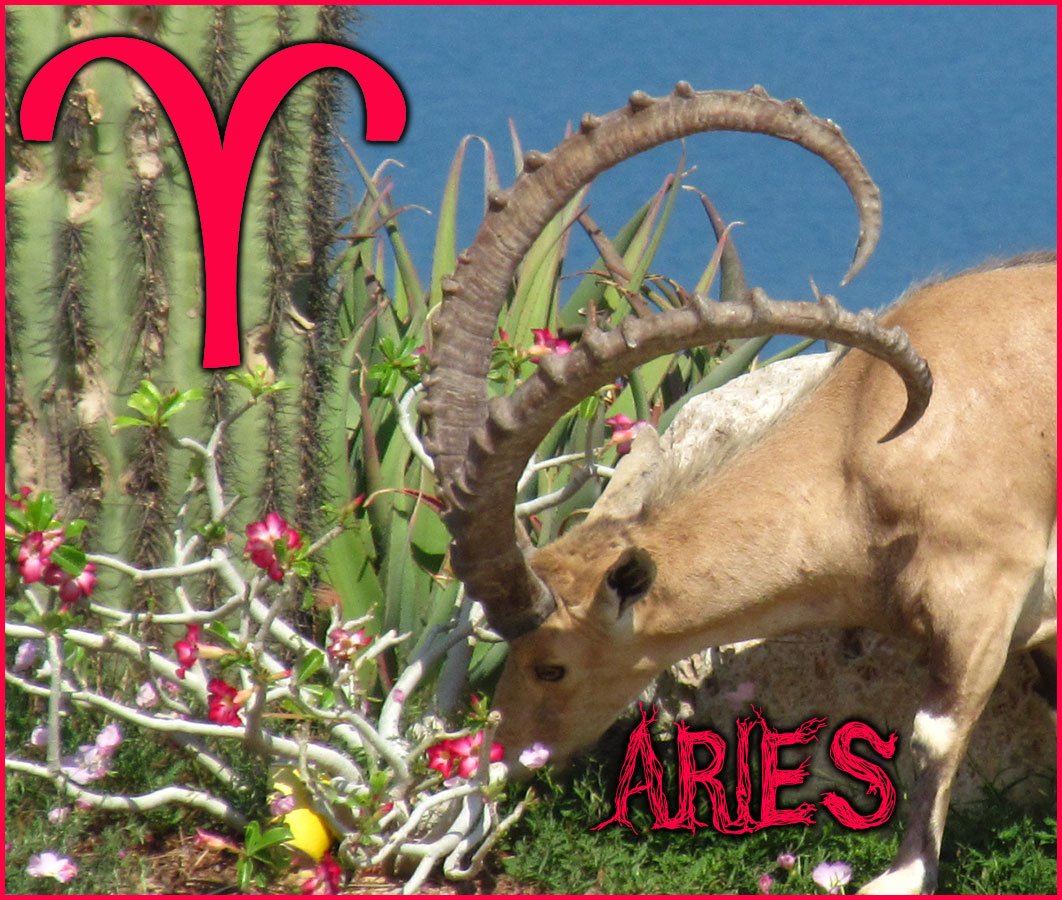
Plant Horoscope. Aries Zodiac lucky plants: Red Oleander and Maple

TopTropicals.com

Aries - 3/21-4/19

Aries is a FIRE sign ruled by the planet Mars. Plants associated with this element and planet very often have thorns or prickles. They can be also spicy or bitter in flavor, or red in color. Because Aries rules the head, eyes, and face, the plants for Aries purify the blood, stimulate the adrenal glands, and/or are high in iron (Mars rules the mineral iron). Mars-ruled Aries is assertive, energetic and fearless. Mars rules the red blood cells, the muscles, and metabolic processes, as well as the motor nerves and the head. These plants help you when you want more get-up-and-go and the courage to take on the world.

Aries Zodiac lucky plants:

Governors plum, Hibiscus Karkade, Tapioca, Mamey Sapote, Ruda, Baobab, Euphorbia, Acanthus, Aloe, Caesalpinia, Erythrina, Opuntia, Dragon Fruit, Pachypodium, Pomegranate,Chilli peppers, Syngonium, Begonia, Geranium, Red Sandalwood, Jamiaca pepper (Pimenta, Allspice), Camphor, Jujube, Anise, Red Roses, Tiger Lily, Impatiens, Calendula, Tarragon, Ginger, Coriander, Basil,Ruda, Amaryllis, Wild Indigo, Gooseberries, Sesbania, Campsis, Red Oleander, Maple, Schotia brachypetala, Momordica, Coffee, Amla , Ephedra, Red Kapok.

For links to these plants and other signs information, see full Plant Horoscope.

Date: 12 Sep 2025

What flowers do NOT attract bees?

Butterfly on a flower that doesn't attract bees

❌ What flowers do NOT attract bees?


Most tropical flowers bring in pollinators, and bees are usually first in line. But what if you’d rather avoid them? Maybe you’re allergic, or just don’t want bees buzzing around. Good news: some flowers attract butterflies, hummingbirds, moths, or even flies - but not bees.
  • 👉 Quick rules:


  • ✔️ Night-blooming + strong fragrance = moths or bats, not bees.
  • ✔️ Red tubular flowers with little scent = hummingbirds or butterflies, not bees.
  • ✔️ Rotten or fermented smell = flies, not bees.
  • ✔️ Carnivorous plants = trap insects, no bee nectar.

1.

Night-blooming, fragrant - moth and bat flowers


Bees forage by day, so many night-fragrant flowers skip them.
  • Brugmansia - Angel’s Trumpet - big, hanging blooms, moth and bat pollinated.
  • Cestrum nocturnum - Night-blooming Jasmine - powerful night scent, moths only.
  • Hylocereus Dragon Fruit - huge cactus flowers, bats and moths.
  • Brunfelsia - Lady of the Night - sweet fragrance at dusk, no bee interest.

2.

Hummingbird and butterfly flowers


Bees don’t see red well. Tubular reds, oranges, and yellows usually go to birds and butterflies.
3.

🐱 Fly-pollinated oddballs


Some flowers smell bad to us but irresistible to flies.
  • Amorphophallus (Voodoo Lily) - rotting meat scent.
  • Tacca (Bat Head Lily) - spooky black flowers, fly-pollinated.
  • Stapelia (Carrion Flower) - also fly-pollinated.
  • Aristolochia (Pelican Flower) - giant, bizarre fly-traps.

4.

🌸 Specialized orchids


Not all orchids rely on bees. Many use moths, butterflies, or beetles instead.
  • Vanilla orchid - its natural bee pollinator is absent in most regions, so no bee appeal elsewhere.
  • Brassavola nodosa and others - open at night for moths, not bees.

5.

🕷 Bonus: carnivorous curiosities


Carnivorous plants don’t offer nectar. They trap insects instead, so bees stay away.

Nepenthes (Pitcher Plant) - uses pitchers of liquid to lure and digest insects.

These flowers keep the beauty, fragrance, and wildlife appeal - but without making your garden a bee hotspot.

🛒 Explore butterfly attractors

#Butterfly_Plants #How_to #Discover

🟢 Join 👉 TopTropicals

Date: 25 Mar 2017

Plant Horoscope. Aries Zodiac lucky plants: Pomegranate and Chilli peppers

Radio Top Tropicals Live Webcast upcoming event: Saturday March 25, at 11 am EST.
Topic: You need a brown thumb TO BE A GREAT GROWER!Manure, Sheeeeeee........it , Fertilizer, What ever you call it. Proper understanding of nutrient plant needs will give YOU great returns. At Top Tropicals, we know our Sheee..... uh, fertilizer. Our Host Robert Riefer - Internationally Certified Crop Adviser and Weed Scientist - answering all your gardening questions.

Listen to Radio Top Tropicals, every Saturday, at 11 am EST! You may use our website radio player DURING AIR TIME. To ask questions using live chat, you need to log in at Mixlr.com or simply call our office 239-887-3323 during air time!
If you missed a live webcast, you may listen to recording by following Showreel item link.

Check out our upcoming radio shows and get your gardening questions ready!

Aries Zodiac lucky plants

Aries - 3/21-4/19. Aries is a FIRE sign ruled by the planet Mars. Plants associated with this element and planet very often have thorns or prickles. They can be also spicy or bitter in flavor, or red in color. Because Aries rules the head, eyes and face, the plants for Aries purify the blood, stimulate the adrenal glands, and/or are high in iron (Mars rules the mineral iron). Mars-ruled Aries is assertive, energetic and fearless. Mars rules the red blood cells, the muscles, and metabolic processes, as well as the motor nerves and the head. These plants help you when you want more get-up-and-go and the courage to take on the world.

Aries Zodiac lucky plants: Governors plum, Hibiscus Karkade, Tapioca, Mamey Sapote, Ruda, Baobab, Euphorbia, Acanthus, Aloe, Caesalpinia, Erythrina, Opuntia, Dragon Fruit, Pachypodium, Pomegranate,Chilli peppers, Syngonium, Begonia, Geranium, Red Sandalwood, Jamiaca pepper (Pimenta, Allspice), Camphor, Jujube, Anise, Red Roses, Tiger Lily, Impatiens, Calendula, Tarragon, Ginger, Coriander, Basil,Ruda, Amaryllis, Wild Indigo, Gooseberries, Sesbania, Campsis, Red Oleander, Maple, Schotia brachypetala, Momordica, Coffee, Amla , Ephedra, Red Kapok.

For links to these plants and other signs information, see full Plant Horoscope.

Date: 22 Oct 2016

Plant Horoscope. Scorpio Zodiac lucky plants: Nearly indestructible plants

Scorpio - 10/23-11/21. A WATER sign ruled by both Mars and Pluto.
Scorpio's plants are often found in remote places or on poor ground. They will likely have thorns, can be red in color, and grow under adversity. The good news is, most of these plants are nearly indestructible! This makes them desirable for every gardener.
The reproductive organs are ruled by Scorpio, so these are plants that balance the hormones, regulate the menstrual cycle, help with childbirth and pregnancy. Until this century, Scorpio was ruled by Mars, and the herbs associated with it had to do with the urogenital system and the colon. Many of the herbs related to Scorpio are cleansing and revitalizing. Now, astrologers assign Scorpio to Pluto, discovered in 1930 (Pluto is said by astrologers to be a higher octave of Mars). Physiologically, Scorpio involves the processes of catabolism and anabolism, the death and regeneration of body cells. Diseases of Scorpio are often involved with the slow buildup of toxic substances in the body (carcinogens, etc) or in the mind (anger, jealousy). Scorpio loves a spice with depth and complexity. Camphor Basil adds rich flavor to every dish it seasons, and its own aphrodisiac tendencies appeal to Scorpio's lusty nature.

Scorpio Zodiac lucky plants: Ceiba,  Baobab,  Pistachio,  Nutmeg, Black-eyed Susan Thunbergia, Combretums,  Dragon fruit,  Medinilla,  Camphor Basil,  Cuban Oregano, Vanilla orchid,  Hibiscus, Various  cacti and succulents,  Adenium, Honeysuckle,  Peppers,  Cordyline,  Spider plant,  Jasmine,  Gooseberries, Wild indigo,  Bougainvillea,  Aloe vera,  Raspberry,  Palmetto,  Horseradish tree,  Camphor,  Allspice and Bay Rum, Jujube,  Sweet Mimosa,  Agave, Milkweed,  Hong Kong Orchid Tree,  Pony Tail,  Dwarf Poinciana, Bottlebrushes,  Clusias,  Crocosmia,  Zig-Zag Cactus,  Dracaena,  Fire Bush,  Hoyas,  Jatropha,  Kalanchoe,  Sausage tree,  Devils Backbone, Pereskia, Red Plumeria,  Firecracker,  Rattlebox,  Rhoeo, Calendula, Geranium, Thistles, Mint, Sage, Catnip, Coriander, Sandalwood, Ginseng, Euphorbias, Acacias.

For other signs information, see full Plant Horoscope.