Garden Blog - Top Tropicals

Date: 18 Jun 2023

Pomegranate:
healing drops of blood
Pomegranate  fruit

The pomegranate, a treasured fruit with ornamental and medicinal value, has a rich history. Native to regions from Iran to the Himalayas, it spread across the Mediterranean in ancient times. Theophrastus described it over 300 years before Christ. Legends abound, including its association with the Garden of Eden's "tree of life," symbolizing hope and eternal life in Christian art. The fruit's many seeds became a symbol of fertility. Its erect calyx-lobes inspired Solomon's crown. Egyptians cultivated it, and dried fruits were found in Bronze Age tombs. Moses reassured the Israelites of finding pomegranates in the Promised Land. Its allure and medicinal properties inspired myths, epics, and artworks, transcending time and cultures. Some scholars even suggest it was the fruit in the Garden of Eden, not an apple...

The gemstone garnet, named after the fruit due to its resemblance to pomegranate "pits," carries significance in Slavic languages as "Granat." Believed to bring luck in love and friendship, this precious stone holds an association with the pomegranate's symbolic value.

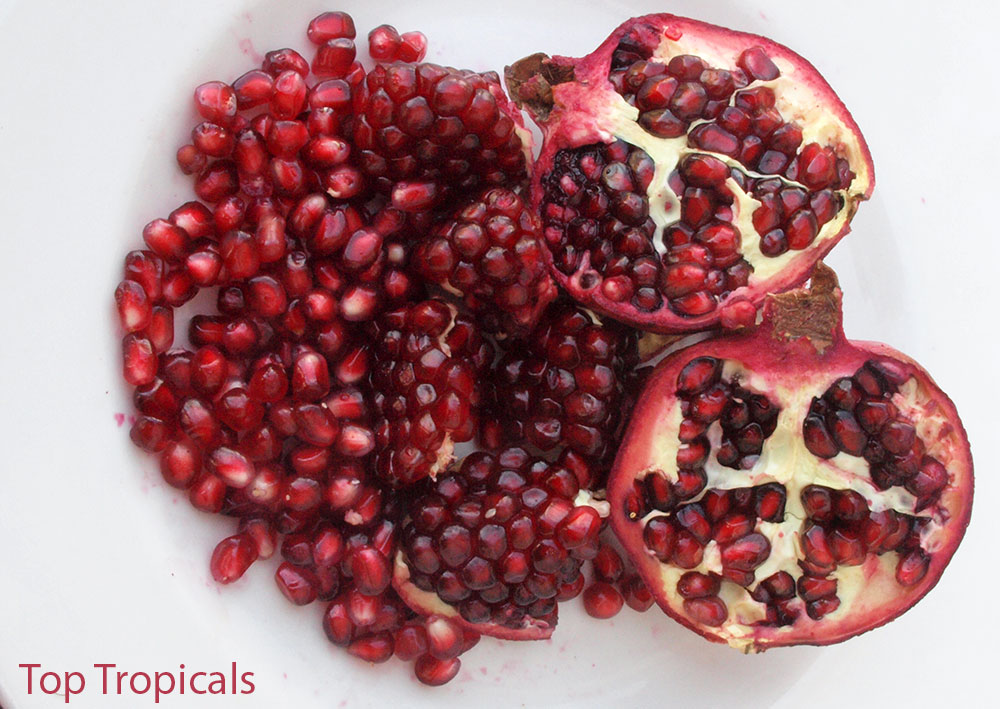
Pomegranates have been consumed by man since before recorded history. From ancient times, the fruit was valued for its medicinal properties. Consuming the fruit will help to improve blood quality. The tiny beads of fruit, full of precious oil and juice, are brilliant as drops of blood or rubies. These "drops of blood" from the pomegranate when consumed will help to build healthy red blood cells, according to the ancients who wrote the "Law of Similars". According to Ayurveda obese persons should consume the pomegranate fruit as it will improve metabolism and assist in the weight loosening. There is a saying in Hindi - "Ek anaar sau bemaar" - meaning one pomegranate can serve one hundred sick people.

Pomegranate tree is easy to grow in your garden. Many varieties exist, and every one has its special features...
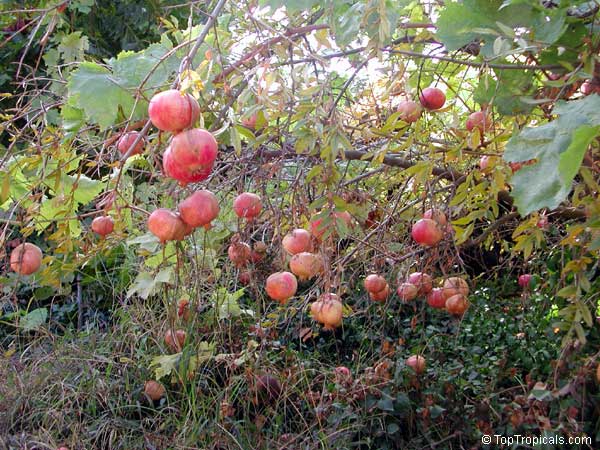
Pumegranate  tree  with  fruit

Date: 13 May 2023

NEW VIDEO:
ABC7 Fort Myers News:
Butterfly plants at Top Tropicals

Butterfly plants... what can be more romantic and sweet in your garden!
Watch the news segment by Rachel Anderson for ABC-7: Butterfly plants at Top Tropicals.

"...Spring has sprung, and if you're looking to spruce up your garden, Top Tropicals in Fort Myers has you covered! They have hundreds of exotic plants, fruit trees, fragrant flowers and plants that will attract butterflies to your garden!
If you're looking for a Mother's Day gift, plants are gifts that keep on giving!.."

Top

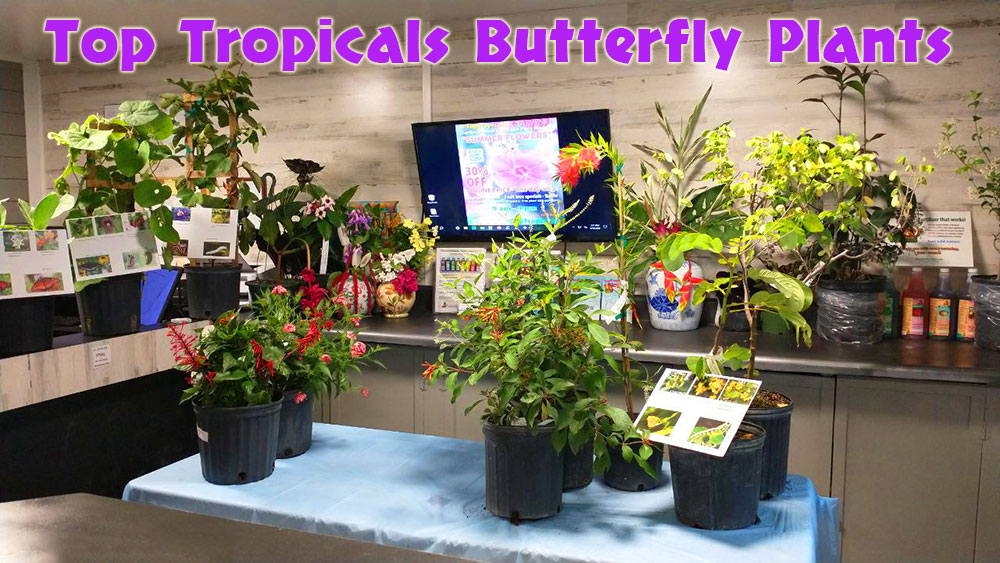
In the photo: Butterfly plants display in Top Tropicals office. Come and see our large selection of butterfly attractors in the nursery!

Subscribe to our Channel:

Stay updated with TopTropicals Videos by subscribing to our channel at YouTube.com/TopTropicals and get our latest video news of what is fruiting and blooming!

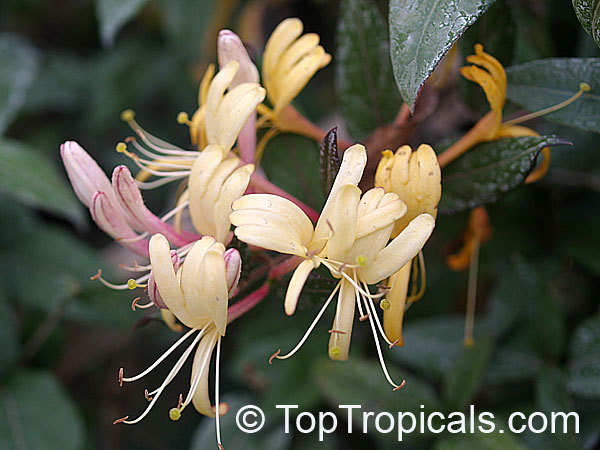
Lonicera  japonica  Purpurea  -  Japanese  Honeysuckle  flowers

In the photo: Lonicera japonica - Japanese Honeysuckle - a garden favorite, hardy, fast growing vine. Jasmine-sweet scented flowers attract butterflies, and hummingbirds, and berries attract birds!

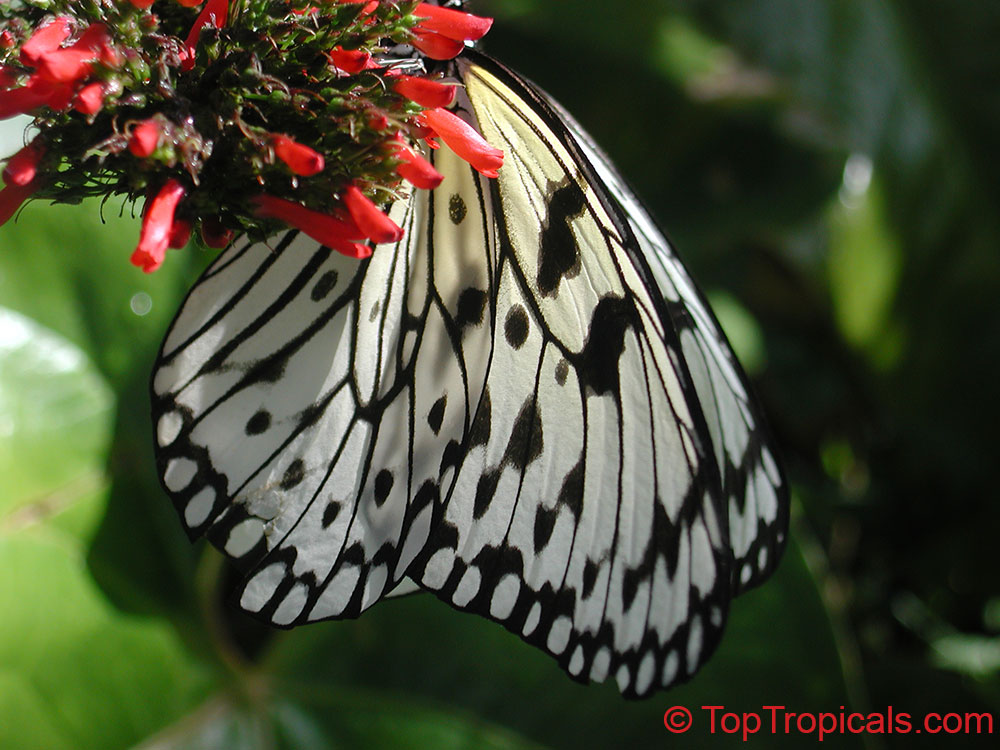
White  butterfly  on  Russelia  flower

Date: 11 May 2023

Five reasons to give your mother a live plant

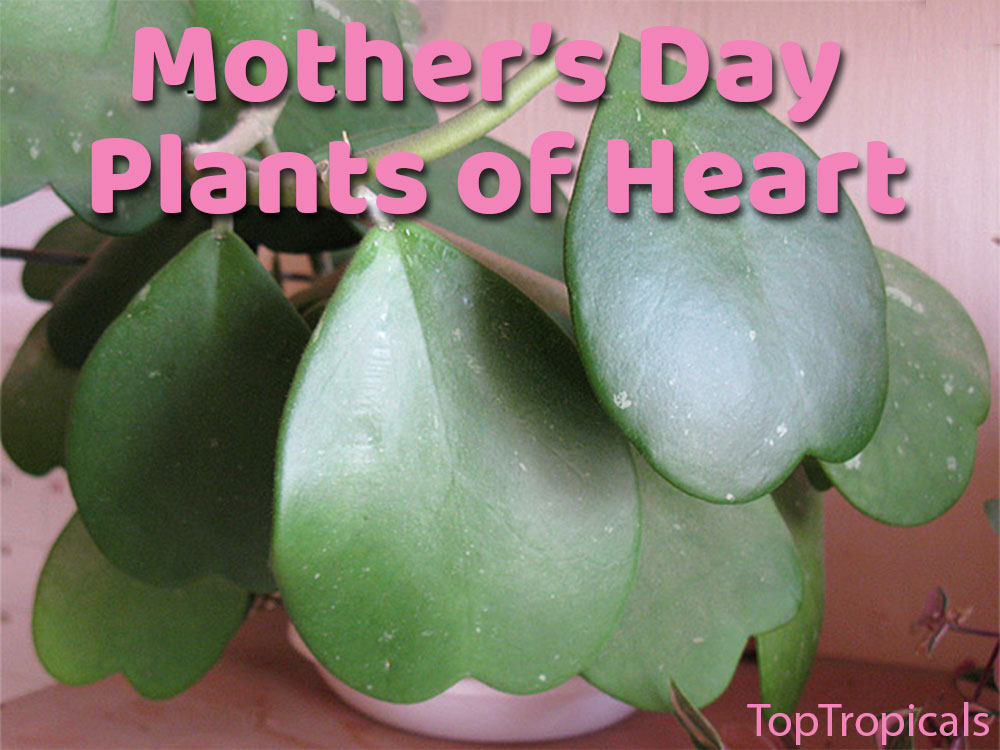
Hoya  kerrii  -  Sweetheart

In the photo: Hoya kerrii - Wax Hearts, Sweetheart Hoya, Heart leaf - makes an ideal houseplant. It has become increasingly popular in recent years because of its unusual "heart" shape leaves...

Q: What is the best Mother' Days present?

A: Buying a live plant for your mother is a thoughtful and meaningful Mother's Day gift for several reasons:

1. Growth and Nurturing: Just like a mother's love, a live plant symbolizes growth, nurturing, and the bond between a caregiver and their offspring. By gifting a live plant, you acknowledge and honor your mother's role in nurturing and supporting you throughout your life.

2. Long-lasting Beauty: While cut flowers may fade within days, a live plant has the potential to flourish and bloom for months or even years. It serves as a constant reminder of your love and appreciation, bringing beauty and vitality to your mother's living space.

3. Therapeutic and Relaxing: Gardening has been proven to have therapeutic benefits, reducing stress and promoting relaxation. By giving your mother a live plant, you provide her with an opportunity to engage in a fulfilling and calming hobby that can enhance her overall well-being.

4. Personalized and Thoughtful: Choosing a live plant allows you to select a specific type or variety that holds significance for your mother. You can consider her preferences, favorite colors, or even a plant that carries a special meaning. This personalized touch shows that you've put thought and effort into selecting a gift that resonates with her.

5. Symbol of Renewal and Hope: Plants have a natural cycle of growth, renewal, and resilience. By giving your mother a live plant, you convey a message of hope, renewal, and the endless possibilities that lie ahead.

Some suggestions of live plant gifts

Spice trees and plants - you don't need to wait until it fruits or blooms, the spice is with you right away!
Mango or Avocado tree - a classic present of a valuable tropical tree and a sign of respect
Fragrant plants - 100% success! Ladies love fragrances. Especially Jasmines.
Flowering butterfly attracting plants are so romantic!
Gingers and heliconias - are very tropical looking, exotic beauties.

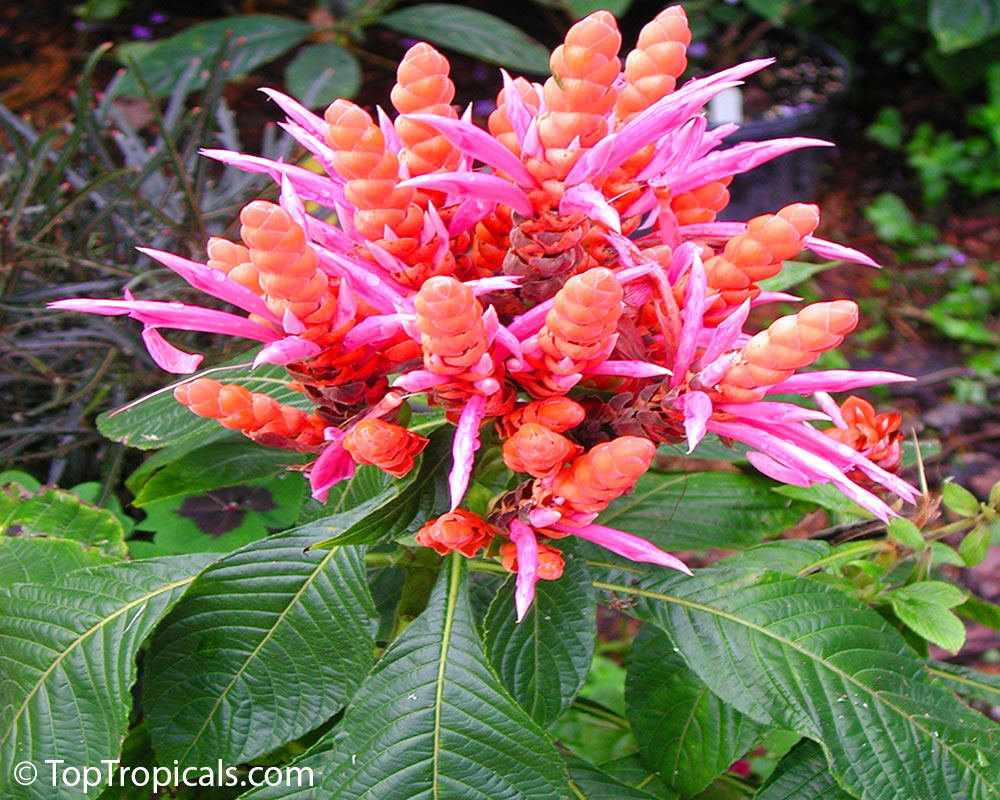
Aphelandra  sinclairiana  -  Panama  Queen

In the photo: Panama Queen - a very rare, much wanted tropical plant with extremely tropical look, fragrant flowers of unusual color combination: orange and pink

Date: 26 Apr 2023

The Benefits of Companion Planting

Landscaped  garden  with  companion  planting

Q: What is companion planting?

A: Companion planting is a gardening technique that involves planting different crops or types of plants together in a way that benefits all plants. This practice has been used for centuries, and it can be especially useful in tropical gardens where there is a diversity of plant life: trees, shrubs, vines and climbers, ground covers, fruit and edibles, and different flowering ornamentals. It is a great way to improve the health and yield of fruit tree crops while reducing the need for fertilizers and pesticides. By choosing the right companion plants and planning your garden layout carefully, you can create a vibrant and diverse ecosystem that will benefit both your plants and the environment.

Companion planting involves:

Planting different crops together to repel insects: adding such plants as Lemon grass, Patchouli leaf, or Moujean Tea near your vegetables can deter aphids and other pests.

Attracting pollinators - Butterfly plants. Many tropical crops, such as passion fruit, papaya, mango, and avocado, rely on pollinators to produce fruit. Companion planting can help to attract pollinators such as bees, butterflies, and hummingbirds to your garden.

Providing nutrients to the soil, adding mulch and low growing plants (ground covers) to preserve moisture.

Planting a variety of different types of plants together in order to create a more resilient ecosystem that is less susceptible to pests and diseases.

To get started, plan your garden layout and choose companion plants with similar water and light requirements.
For example, plant in the same group lush foliage plants, gingers, and flowering brunfelsias in shady areas; plant jasmines and gardenias in full sun and very well-drained spots.
Rotate annual crops regularly and experiment with combinations to find what works best. By doing this, you can create a thriving ecosystem that benefits both your plants and the environment, reducing the need for harmful chemicals.

Landscaped  front  yard  with  companion  planting

Buddah  and  flowers

Date: 31 Mar 2023

Elderberry Kir Royale

Grow your own... drink and medicine

Sambucus  canadensis  (nigra)  -  Elderberry,  American  Elder

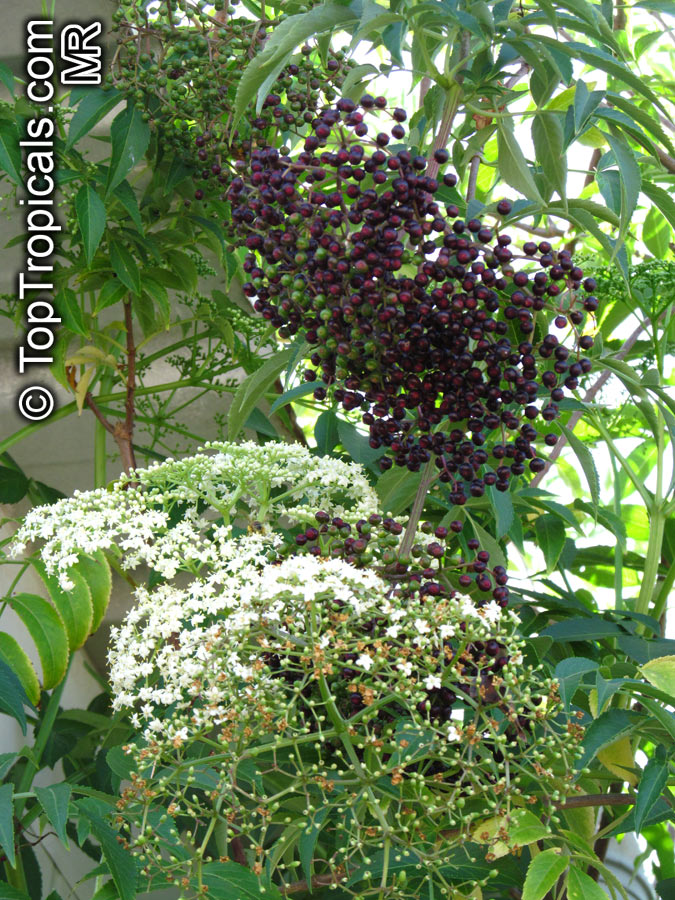
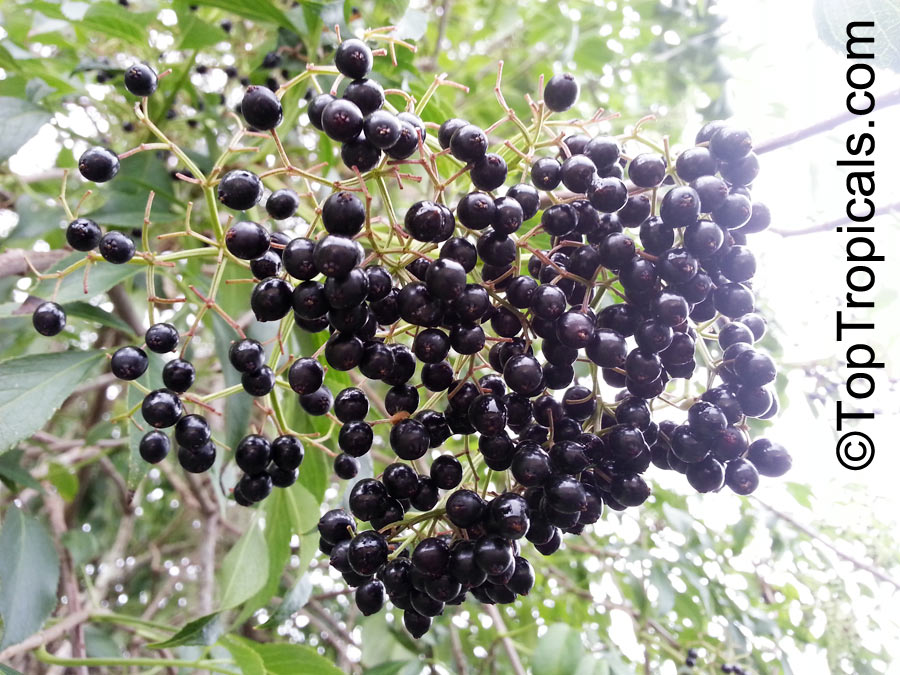
In the summertime, Elderberry bushes transform into small, bushy trees adorned with sizable umbels of white flowers. As late summer approaches, the tree produces an abundance of dark purple berry clusters. Elderberry is known for its ability to withstand cold weather and can thrive in a variety of soils in either full or partial sun. While it typically grows to a height of 10 feet, its spreading can be managed through pruning.

This dense shrub is beloved by nesting birds, who are not the only creatures that appreciate its fruit. People also prize Elderberry for its delicious uses in winemaking, cocktails, and jellies. Elderberry syrup or cordial can be used to create flavorful fruity drinks and cocktails, like the Elderberry Kir Royale. Alternatively, the berries can be left to infuse their flavor into spirits, with Elderberry gin being a particularly delightful option.

Sambucus  canadensis  Elderberry,  American  Elder  berries

Elderberry Cordial

When it comes to combating various strains of the flu virus, Elderberry Cordial ranks among the top natural remedies. Whether sipped in small servings or drizzled over a delectable dessert, Elderberry Cordial is a guilt-free way to fortify your immune system against colds and flus.

2 cups of fresh elderberries
16 oz water

  1. 1/2 cups sugar

1/2 lemon (rind + juice)
2 tablespoons minced fresh ginger
  1. stick cinnamon, crushed
    1 ¼ cups dried elderberries

1/4 cup dried rosehips
About 3 cups brandy
Honey, to taste

Add all ingredients in a jar and cover with a lid. Set aside in a cool, dark place for 3-4 weeks. When ready to decant, strain and squeeze through cheesecloth. For every 1 cup of liquid retained, add 1/2 cup honey. Mix thoroughly. Pour the cordial into a decorative bottle for storage, or gift giving.

Elderberry Kir Royale Cocktail

5 oz white wine, sparkling wine or champagne
2 oz Elderberry cordial
Rocks
Mint leaves (optional)
Pour the Champagne in a flute glass. Add the Elderberry Cordial slowly.
Party time!

Elderberry  Kir  Royale  Cocktail