Garden Blog - Top Tropicals

Date: 18 Apr 2026

The Secret to a Sharper Mind Might Be Growing in Your Backyard
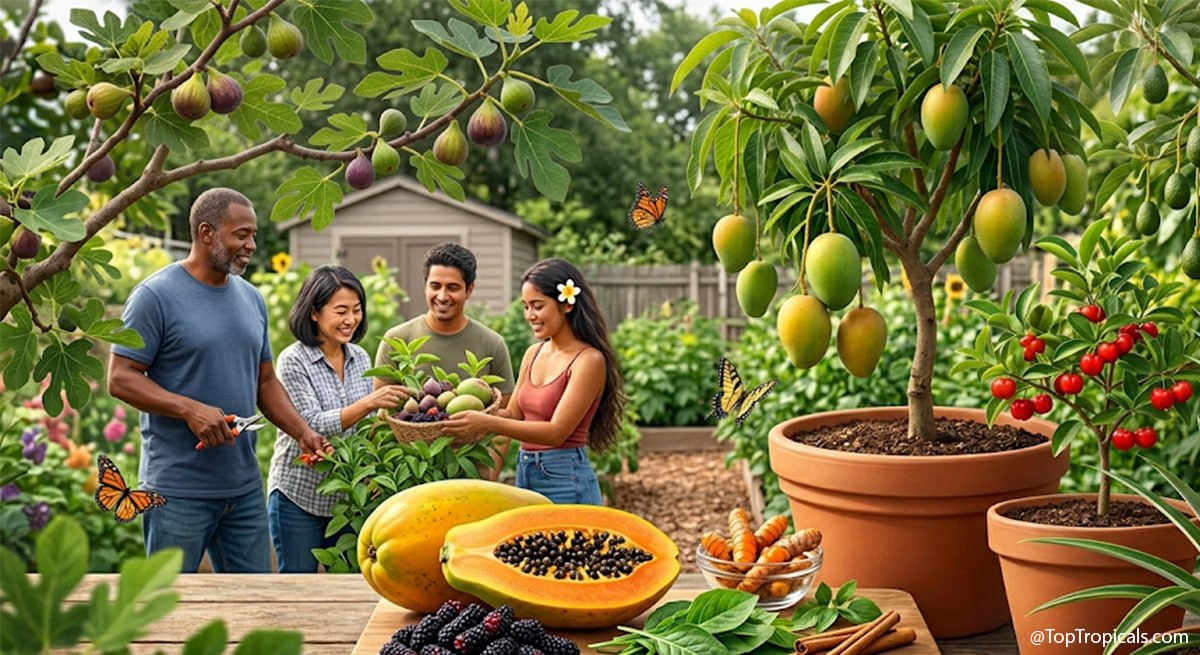
Harvesting tropical fruits

Harvesting tropical fruits

The Secret to a Sharper Mind Might Be Growing in Your Backyard


Your garden shed might hold a more powerful tool for brain health than your medicine cabinet. What if the best defense against cognitive decline isn’t found in a pill bottle - but right outside your door? While we often think of gardening as just a hobby, new research suggests that the combination of physical "zone-pushing" and harvesting your own nutrient-dense tropical fruit could be a literal life-saver for your brain.

🍒 What the Research Actually Says


A massive study recently published in the journal Neurology followed more than 92,000 people to see how diet impacts the mind. The findings were clear: the quality of the plant-based foods you eat plays a massive role in your risk of dementia. It isn't just about "eating your veggies" - it's about which ones you choose.
(The full study: Plant-Based Dietary Patterns and Risk of Alzheimer Disease and Related Dementias in the Multiethnic Cohort Study)

🍒 Why Growing Your Own Fruit Changes the Game


If you grow your own fruit, you quietly solve two problems at once. It turns a "diet plan" into a natural part of your day.

1. Effortless Nutrition
When a ripe mango, a handful of mulberries, or a fresh guava is hanging within arm's reach, you eat it. It replaces processed, sugary snacks without any "willpower" required. You are naturally moving toward the high-quality, whole-food diet the research supports.

2. Functional Fitness
Gardening doesn't feel like a workout, but it is. Bending, pruning, carrying pots, and digging are all forms of functional movement. It’s steady, useful physical activity that supports your heart and brain while you’re focused on your plants.

3. The "Outdoor" Effect
Sunlight and fresh air are natural mood boosters. The mental focus required to manage tropical plants - especially when you’re protecting them from a surprise freeze - provides a level of mental engagement and stress relief that you just can't get from a treadmill.

🍒 What to plant if you are just starting


You don’t need a massive orchard to start investing in your brain health. One or two plants can shift your habits immediately.

For Fast Results: Papaya and Mulberries produce fruit quickly and are incredibly easy to manage. Turmeric (curcuma), leafy greens (Longevity spinach, Katuk) and Cinnamon proved instant harvest.
For Small Spaces: Dwarf Mango varieties and Cherries (Eugenias or Acerola), Pineapples thrive in containers and provide massive doses of antioxidants.
For the "Zone Pusher": Figs and cold-hardy Avocados offer healthy fats and fiber that are essential for long-term health.

🍒 Start Small, Start Now


The research makes one thing clear: improving your food quality matters, and you can see results no matter your age. Planting a fruit tree changes what you eat, how you move, and how often you step outside.
That’s more than just gardening - that’s a lifestyle shift your brain will thank you for.

🍒 FAQ


Does fruit really support brain health?
Yes. Diets rich in whole, high-quality plant foods are linked to a lower risk of dementia, especially when they replace processed snacks and added sugars.

Is gardening enough to count as exercise?
Absolutely. Regular gardening provides steady, functional movement that improves circulation and supports overall physical health.

Is it too late for me to start?
No. The study showed that even participants who improved their diet quality in their 60s and 70s saw a measurable reduction in dementia risk.

🛒 Start your tropical fruit journey

Guava · Mango · Mulberry · Papaya · Pineapple · Avocado · Cherries · Figs

📚 Learn more:


Plant Smarter: Grow Your Own Brain Boosters - Part 1 - Part 2
Read more about plants for brain power from our Blog

#Food_Forest #Remedies #Discover

🟢 Join 👉 TopTropicals
Date: 19 May 2026

The Tree That Looks Photoshopped (But Isnt)

The Tree That Looks Photoshopped (But Isnt) The Tree That Looks Photoshopped (But Isnt)
The Tree That Looks Photoshopped (But Isn't) 🌈

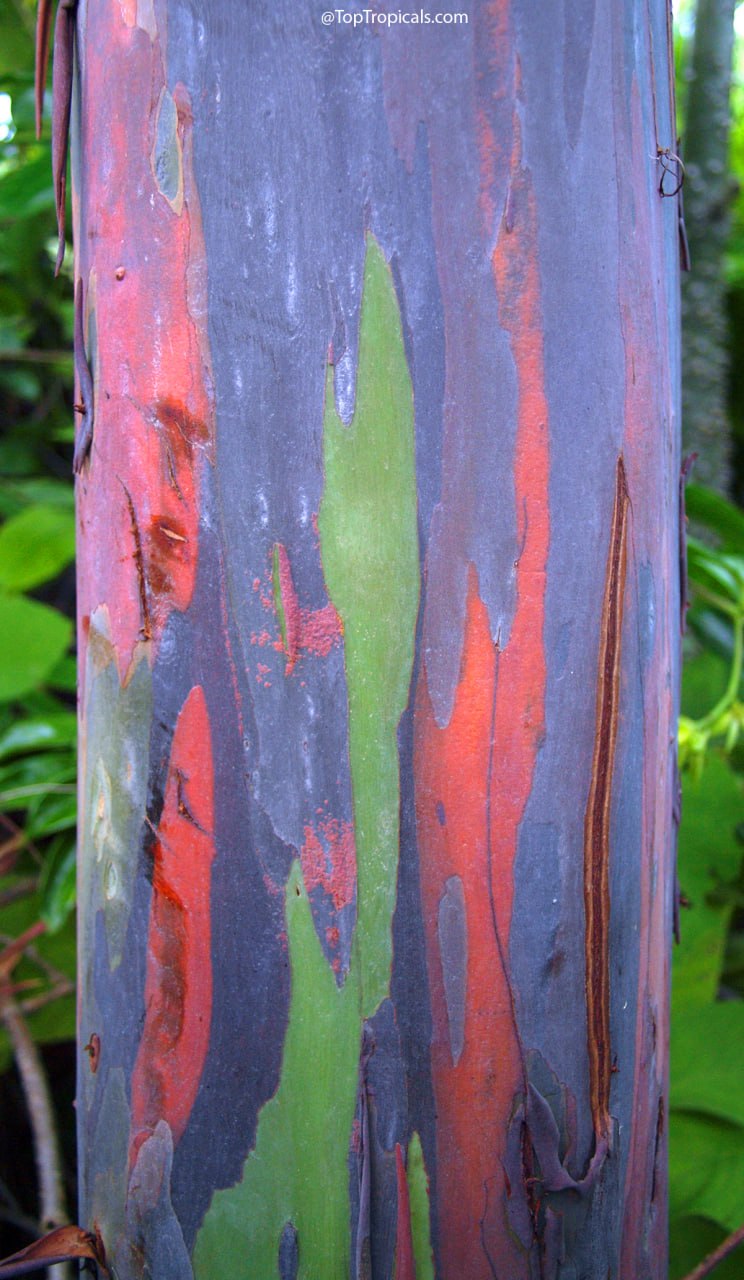
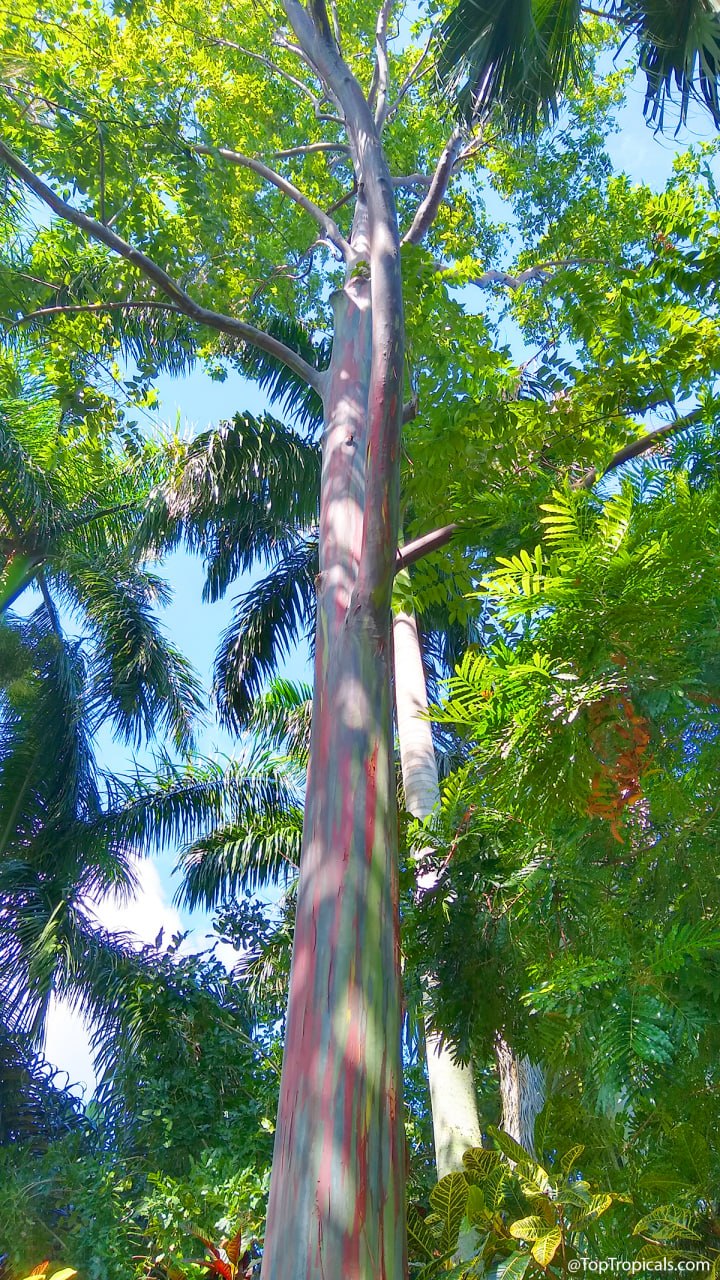
Most people see a photo of the Rainbow Eucalyptus and assume someone went heavy on the saturation filters. The trunk looks like an abstract artist got loose with neon greens, deep blues, purples, and burnt oranges - all on the same tree, all at once. It doesn't look real. But it is. And if you live in the right climate, you can actually grow one.

🎨 The Chemistry Behind the Watercolor Trunk


Eucalyptus deglupta does something no other tree quite pulls off at this scale: it sheds its bark in patches and strips throughout the year. While it seems entirely alien, this multi-colored, peeling bark is actually a family trait shared by many other members of the Myrtaceae (Myrtle) family - including common guava trees.

Rainbow Eucalyptus Plant Facts

Botanical name: Eucalyptus deglupta
Also known as: Rainbow Eucalyptus, Mindanao Gum, Rainbow Gum
USDA Zone: 10 - 11
Highligths Large tree taller than 20 ftFull sunWatering: Moderate. Water when top soil feels dryKeep soil moistRed, crimson, vinous flowersWhite, off-white flowersSpice or herb plantFlood tolerant plant
Get personalized tips for your region


However, the Rainbow Eucalyptus takes this family tradition to an absolute extreme. This constant shedding reveals a living, shifting canvas underneath:
The Fresh Layer: New bark starts out a shocking, vivid green because of the chlorophyll sitting just beneath the surface.
The Shift: As the bark is exposed to air, it oxidizes. Time and oxygen push the colors through a spectrum of blues, purples, and eventually into warm oranges and deep, reddish-browns.
The Living Canvas: Because different sections of the trunk shed at different times, the tree is never just one color. It looks like a living watercolor painting that's still drying.

🎨 A Rainforest Giant That Grows at Breakneck Speed


Native to the humid tropical rainforests of the Philippines, Indonesia, and Papua New Guinea, this isn't your average backyard sapling. In the wild, it can tower at nearly 200 feet tall.
While it stays a bit more manageable in residential landscapes, it remains fast-growing. If you give it full sun, rich soil, and plenty of humidity, a young tree can put on several feet of height per year.
Unlike its drought-tolerant Australian cousins, the Rainbow Eucalyptus loves water and can even handle occasional flooding. As a bonus, its leaves release a pleasant, spicy aroma when crushed, adding a sensory layer to its visual drama.

🎨 The Catch: It Hates the Cold


Before you run out to buy one, there is a major catch. While many eucalyptus species are surprisingly tough against the hard freeze, the Rainbow Eucalyptus is the tropical outlier of the family.

The Safe Zones: It thrives best in USDA Zones 10-11 (like South Florida and Southern California), where winters stay mild.
❄️ The Cold Threat: Hard freezes, frost, and biting cold winds will badly damage or kill it.

Can you grow it in colder climates? Yes, but you'll need a big container and a tall space to move it in. Many gardeners outside the tropics grow them in large pots so they can drag them indoors or into a greenhouse for the winter. It limits their ultimate size, but it keeps the theatrical effect alive.

🎨 Why It's Worth the Hype


If you are lucky enough to live in a climate where it can thrive, the Rainbow Eucalyptus makes the ultimate landscape centerpiece. Because its canopy is tall and airy rather than dense, it won't completely black out the sun for the rest of your garden. Instead, it just stands there looking impossible.

Photos actually undersell it. Standing next to the trunk in person, you find yourself looking for the trick. But there isn't one - just nature showing off.

🛒 Plant the Impossible Rainbow Eucalyptus

📚 Learn more: 


Eucalyptus deglupta - Rainbow Eucalyptus in Plant Encyclopedia

#Trees #Discover #Nature_Wonders #Fun_Facts

🟢 Join 👉 TopTropicals

Date: 4 May 2026

🍲 Where the Garden Becomes the Kitchen

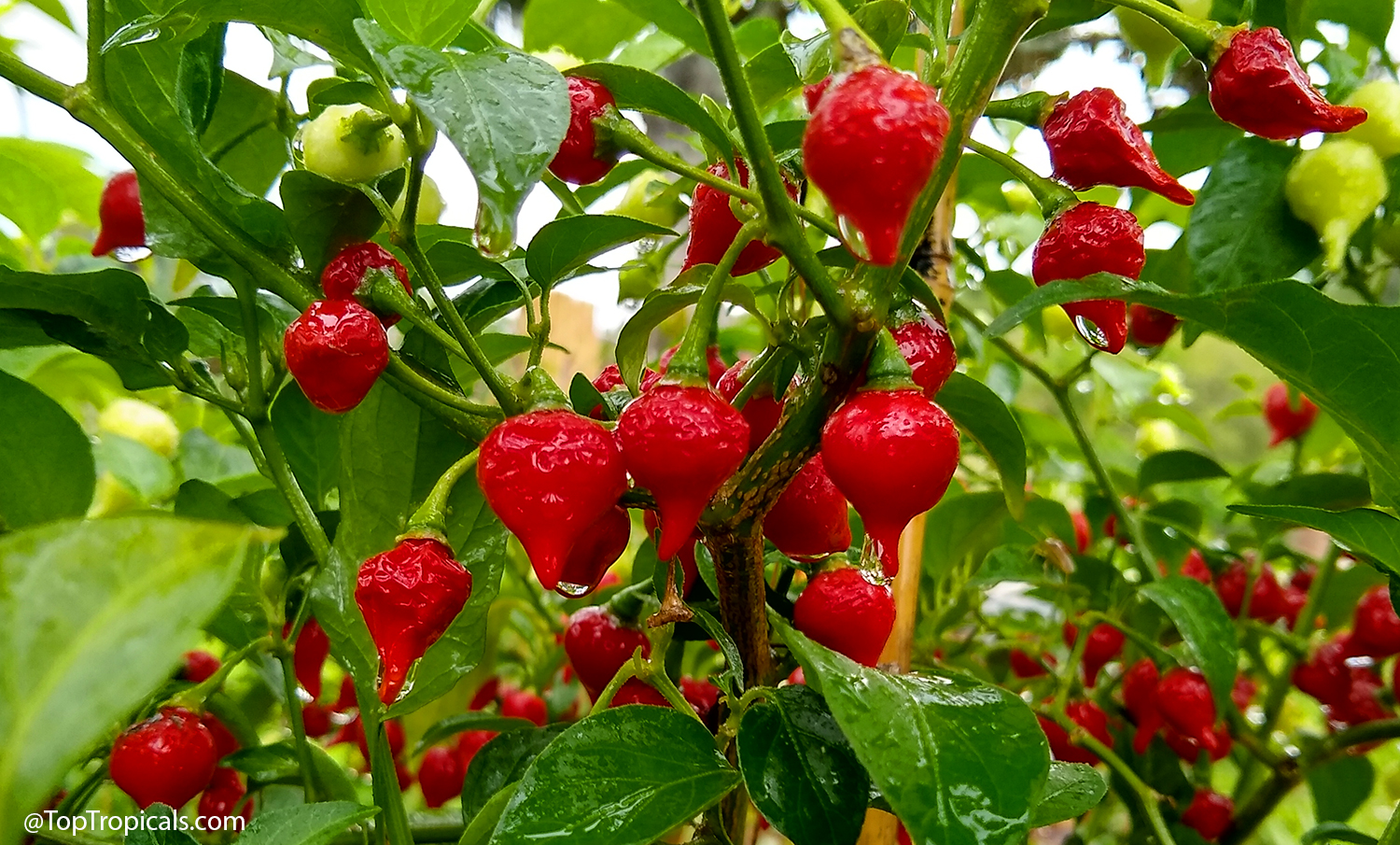
Close-up  of  Capsicum  annuum  x  chinense  Biquinho  pepper  plant  with 
 clusters  of  small,  bright  red,  teardrop-shaped  fruits  hanging  among  glossy 
 green  leaves,  some  still  green,  with  water  droplets  visible  after  rain.

Biquinho pepper loaded with fruit - small, beak-shaped peppers ripen from green to bright red, offering intense fruity habanero flavor with little to no heat on a compact, heavy-producing plant.

Sweet Pepper Plant Facts

Botanical name: Capsicum annuum
Also known as: Sweet Pepper, Chilli Pepper, Cayenne Pepper, Paprika, Ornamental pepper
USDA Zone: 4 - 10
Highligths Small plant 2-5 ftFull sunWatering: Regular. Let topsoil dry slightlyBlue, lavender, purple flowersWhite, off-white flowersEdible plantEthnomedical plant.
Plants marked as ethnomedical and/or described as medicinal, are not offered as medicine but rather as ornamentals or plant collectibles.
Ethnomedical statements / products have not been evaluated by the FDA and are not intended to diagnose, treat, cure, or prevent any disease. We urge all customers to consult a physician before using any supplements, herbals or medicines advertised here or elsewhere.Irritating plantSubtropical plant. Mature plant cold hardy at least to 30s F for a short time
Get personalized tips for your region

A lot of plants that thrive in Florida heat have deep roots in Mexico, and not just as ornamentals. Think coral vine or flame vine climbing a fence in summer, or bird of paradise sitting at the edge of a patio like it owns the place. These are not plants that need coaxing. They grow fast, full, and unapologetically. Then there are the plants you actually eat: peppers, prickly pear , sweetleaf, and fruit trees like avocado, guava, and sapodilla. They do not just decorate the yard. They change how the yard works, and how the kitchen feels all year.

Avocado Plant Facts

Botanical name: Persea americana, Persea gratissima
Also known as: Avocado, Alligator Pear, Aguacate, Abacate
USDA Zone: 9 - 11
Highligths Large tree taller than 20 ftSmall tree 10-20 ftFull sunWatering: Regular. Let topsoil dry slightlyEdible plantSubtropical plant. Mature plant cold hardy at least to 30s F for a short time
Get personalized tips for your region

That is the part that sneaks up on you. Gardening stops being about having a pretty yard and starts becoming a way of living. Mango tacos taste different when you picked the mango yourself. Everything does.

Mango Plant Facts

Botanical name: Mangifera indica
Also known as: Mango
USDA Zone: 9 - 11
Highligths Large tree taller than 20 ftSmall tree 10-20 ftFull sunWatering: Moderate. Water when top soil feels dryYellow, orange flowersPink flowersEdible plantSeaside, salt tolerant plant
Get personalized tips for your region

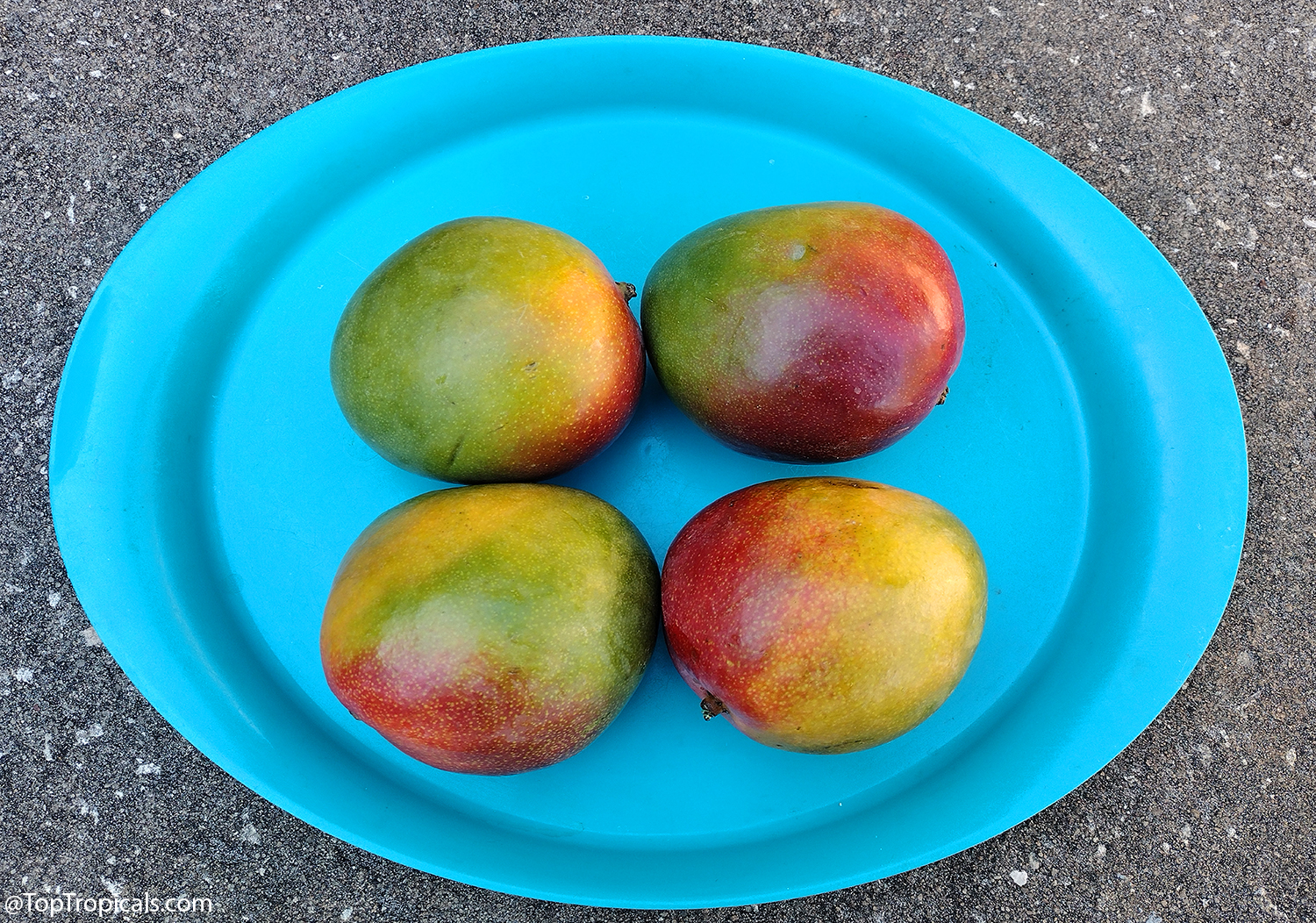
Four  Kent  mangoes  with  red,  green,  and  yellow  blush  arranged  on  a 
 plate.

Kent mango - classic late-season variety with smooth, fiberless flesh and rich, sweet flavor.

🍀Mexican Plants That Thrive With Minimal Effort

by Tatiana Anderson, Top Tropicals Garden Expert

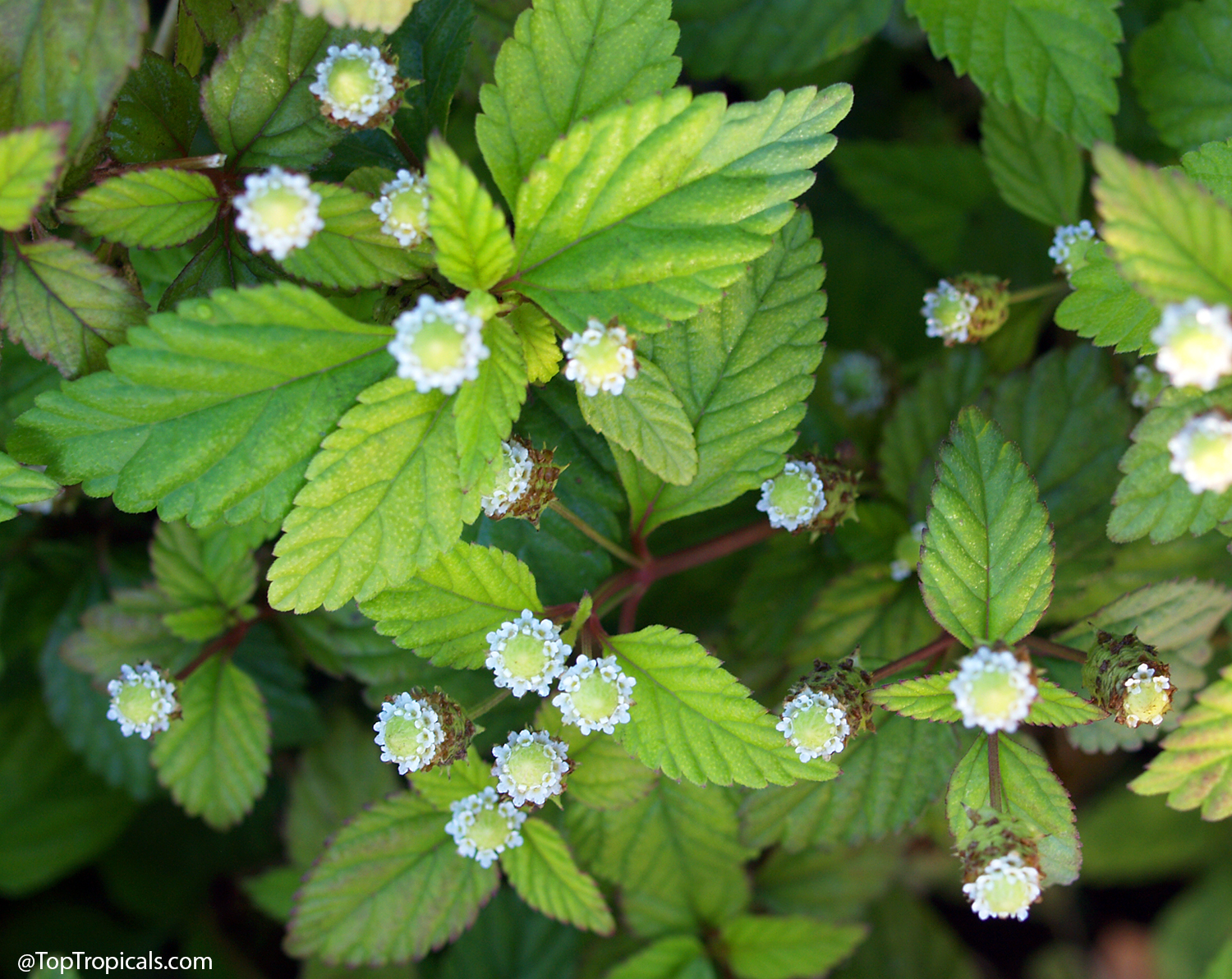
Close-up  of  Lippia  dulcis  (Aztec  Sweet  Herb)  showing  small  white 
 button-like  flowers  with  pale  green  centers  surrounded  by  serrated  bright 
 green  leaves  on  a  low-growing  plant.

Lippia dulcis - Aztec Sweet Herb in bloom - a low-growing Mexican herb with tiny white flowers and remarkably sweet leaves that can be eaten fresh or added to fruit dishes, traditionally used since Aztec times for coughs and colds.

Aztec Sweet Herb Plant Facts

Botanical name: Phyla dulcis, Lippia dulcis, Phyla scaberrima, Lippia mexicana
Also known as: Aztec Sweet Herb, Sweetleaf
USDA Zone: 9 - 11
Highligths Groundcover and low-growing 2ft plantSmall plant 2-5 ftSemi-shadeFull sunWatering: Regular. Let topsoil dry slightlyOrnamental foliageWhite, off-white flowersEdible plantSpice or herb plantEthnomedical plant.
Plants marked as ethnomedical and/or described as medicinal, are not offered as medicine but rather as ornamentals or plant collectibles.
Ethnomedical statements / products have not been evaluated by the FDA and are not intended to diagnose, treat, cure, or prevent any disease. We urge all customers to consult a physician before using any supplements, herbals or medicines advertised here or elsewhere.Fragrant plantSubtropical plant. Mature plant cold hardy at least to 30s F for a short time
Get personalized tips for your region

These Mexican plants are surprisingly easy to grow if you give them what they expect: sun, heat, and good drainage. Most of them are built for tough conditions and will grow fast with minimal care once established.

The one rule that matters: fill the planting hole with water. If it does not drain in 5-10 seconds, plant on a mound or use a container.

Flowering vines will take off quickly, edibles like peppers and sweetleaf lippia are very forgiving, and cactus types prefer to be left alone rather than overwatered.

For full, step-by-step growing tips and plant-specific advice, read our blog - we break everything down in practical, real-world terms.

📚 Top Tropicals Garden Blog

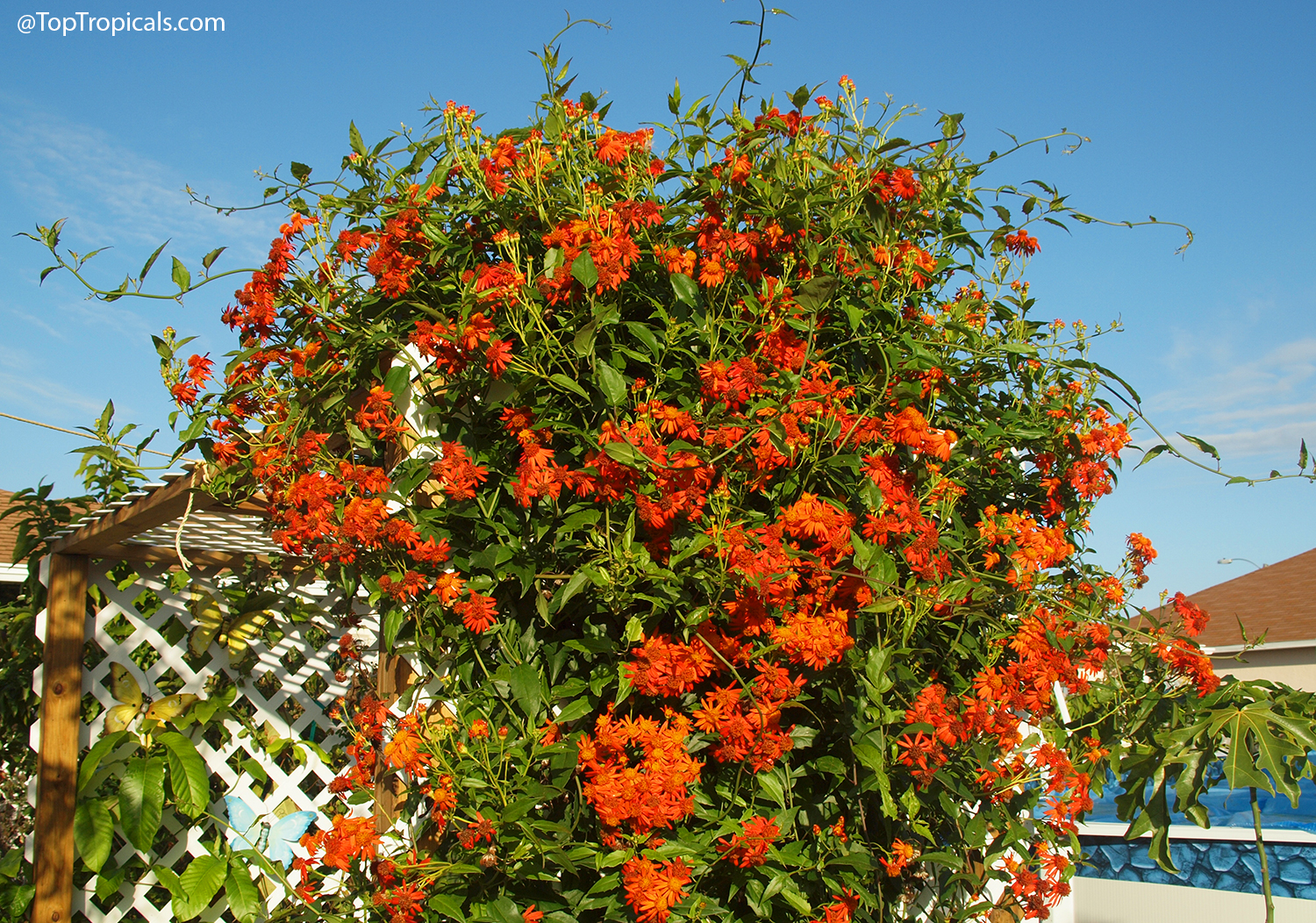
Large,  dense  Senecio  confusus  (Mexican  Flame  Vine)  covered  in  clusters 
 of  bright  red-orange  daisy-like  flowers  climbing  over  a  trellis  against  a 
 blue  sky.

Mexican Flame Vine in full bloom - a fast-growing, drought-tolerant climber that quickly covers fences with vivid red flowers, attracting pollinators and adding bold color with minimal care.

Mexican Flame Vine Plant Facts

Botanical name: Pseudogynoxys chenopodioides, Senecio confusus
Also known as: Mexican Flame Vine, Orangeglow Vine
USDA Zone: 9 - 11
Highligths Groundcover and low-growing 2ft plantVine or creeper plantFull sunWater Requirement: Low. Allow soil to dry out between wateringsWatering: Moderate. Water when top soil feels dryYellow, orange flowersRed, crimson, vinous flowersInvasive plantPlant attracts butterflies, hummingbirdsSubtropical plant. Mature plant cold hardy at least to 30s F for a short timeFlood tolerant plantSeaside, salt tolerant plant
Get personalized tips for your region

🛒 Shop heat tolerant plants

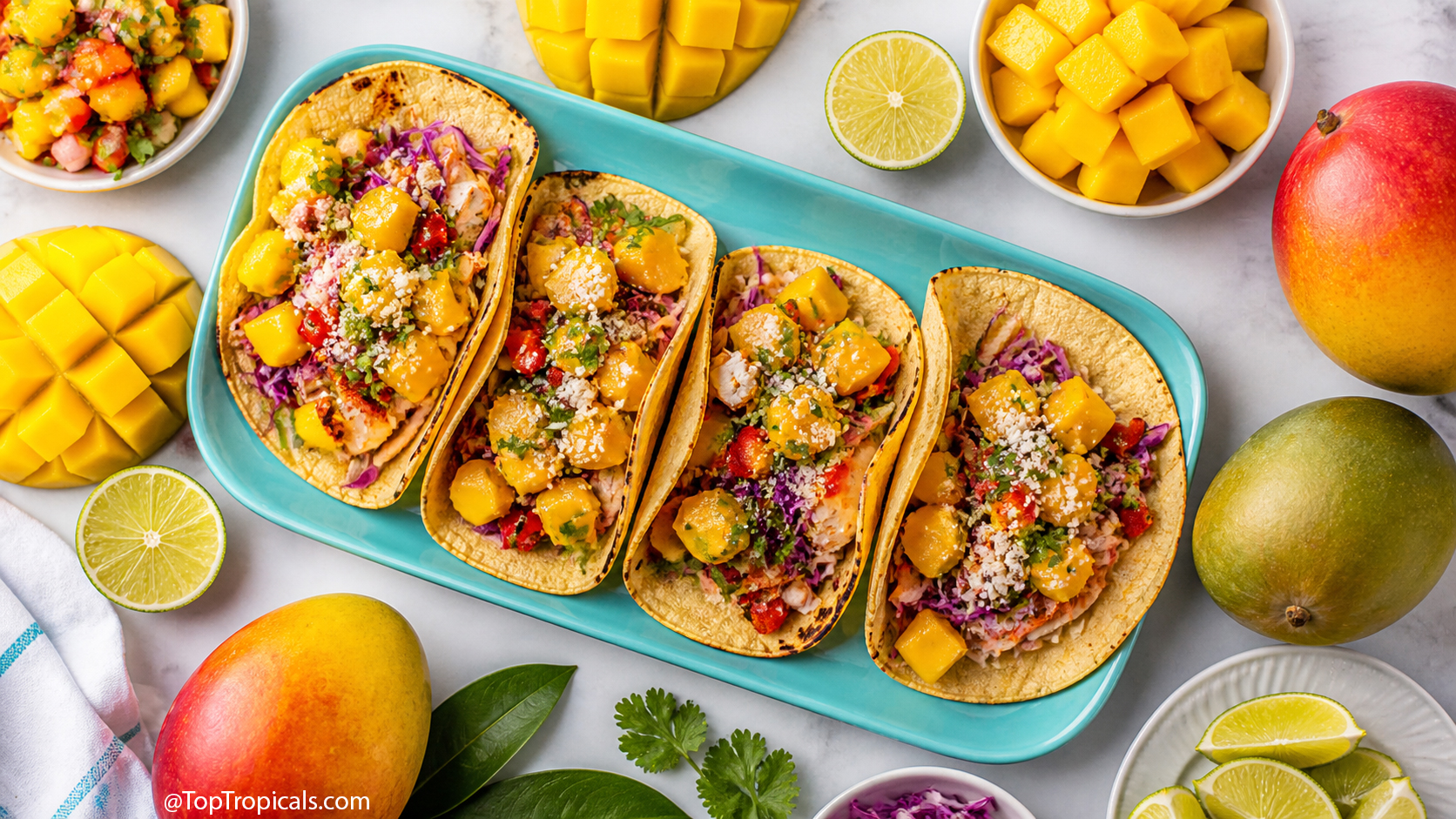
🌮 Sunshine’s Mango Taco 😺

Fresh  mango  tacos  loaded  with  juicy  chunks  and  bright  toppings, 
 surrounded  by  whole  and  sliced  mangoes  for  that  tropical  feel.

Mango Tacos

This is not cooking. This is assembly.

What you need

  • Tortillas
  • 1 ripe mango (diced)
  • Something warm (sweet potato, chicken, or leftovers)
  • A little onion (optional)
  • Lime (or bottled lime juice)
  • Sour cream or yogurt
  • Salt and pepper

How Sunshine does it

  1. Heat whatever you have in a pan
  2. Put mango in a bowl, add lime and a pinch of salt
  3. Mix sour cream with lime (this is your sauce)
  4. Put everything into a tortilla
  5. Enjoy with a margarita

Sunshine's rules

  • No measuring
  • No recipes
  • If it tastes good, it is correct

Want this to be normal?
Start with a mango tree. That is usually how it begins.

🛒 Plant your own mango tree

💌 Mother's Day is one week away

Still deciding? A gift card is the easiest option. With our bonus, it is also the best value.

Mother’s  Day  themed  Top  Tropicals  gift  certificate  with  a  pink 
 decorative  frame  filled  with  jasmine,  plumeria,  magnolia,  and  champaka 
 flowers,  tropical  fruits  across  the  center,  and  a  Happy  Mothers  Day  banner 
 at  the  top,  with  space  for  certificate  details  and  message.

Mother’s Day Top Tropicals gift certificate

🎁 Get a Gift Card

Date: 3 Jun 2024

What is your favorite Mango variety? - the most Frequently Asked Question about fruit trees

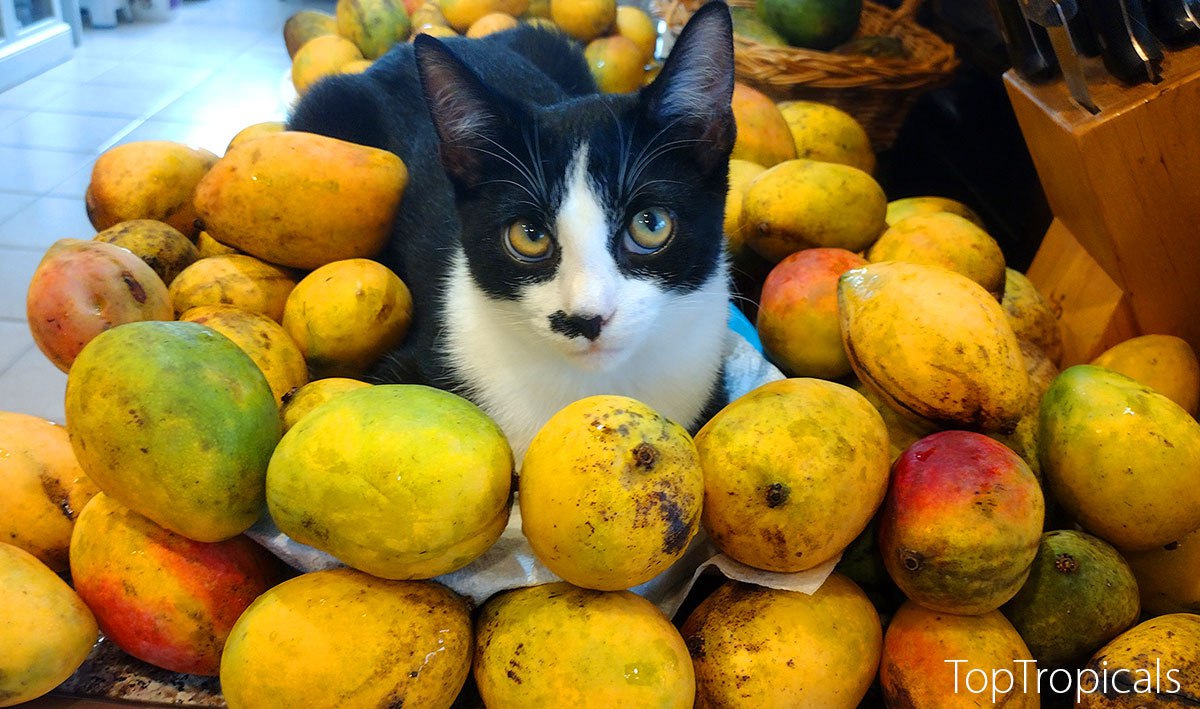
Mango and cat

Mango and cat

Mango Alphonso

Mango Alphonso

Mango Maha Chinook

Mango Maha Chinook

Mango Fralan

Mango Fralan

Mango Fruit Cocktail

Mango Fruit Cocktail

Mango Nam Doc Mai

Mango Nam Doc Mai

🥭 What is your favorite Mango variety? - the most Frequently Asked Question about fruit trees.


❤️ Top 5 Favorite Mango we just love:


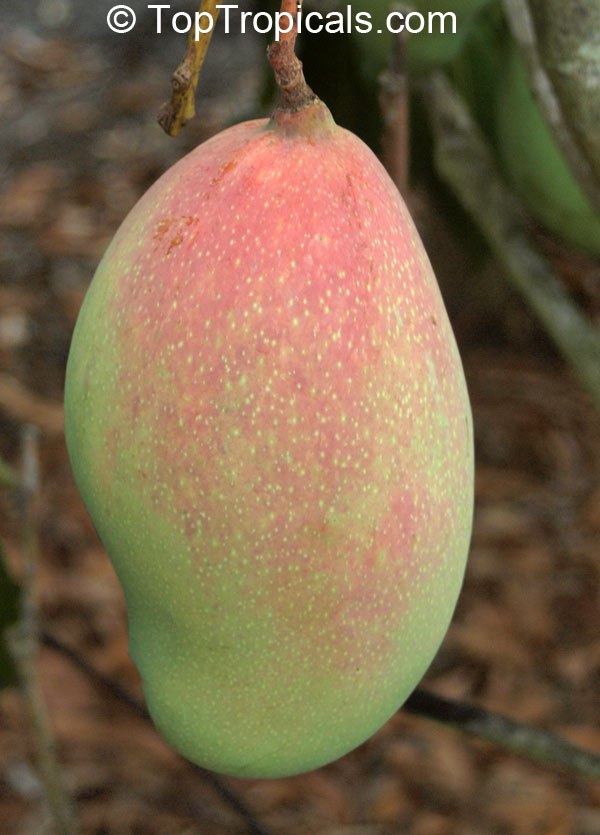
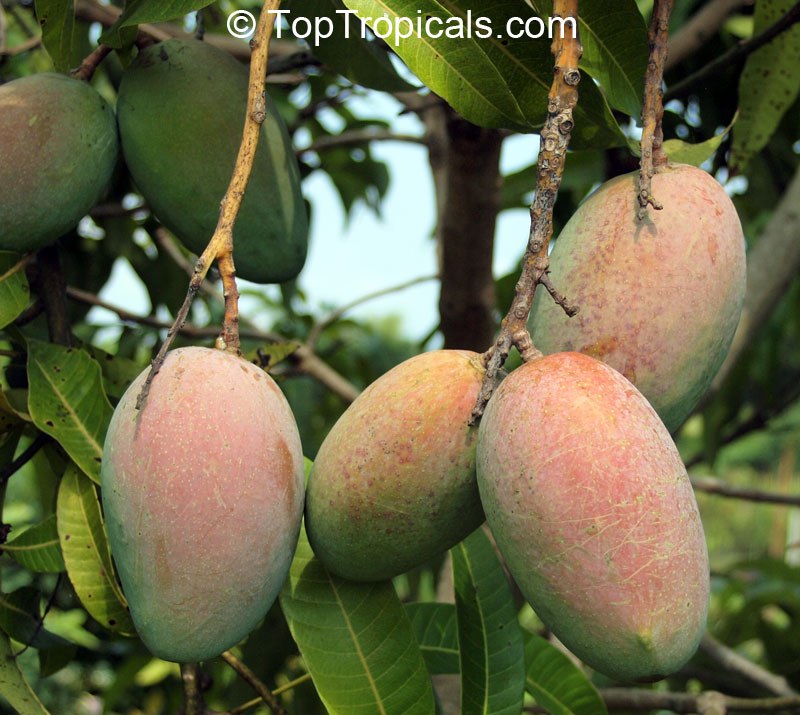
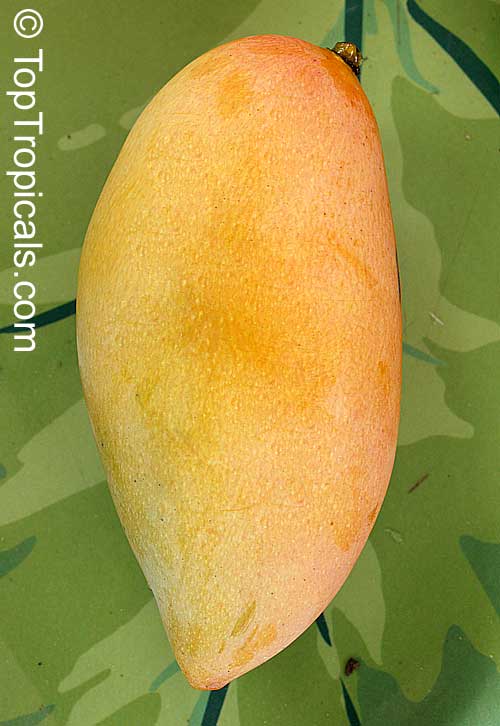
🥭 1. Alphonso - the best Indian cultivar in terms of sweetness and flavor. One of the rarest varieties and sought after - sweet large juice fruit. Coconut-like flavor. Shop➡️

🥭 2. Maha Chinook - Many consider it the best mango had ever tasted. Very rare mango variety from Singapore. This variety is semi-dwarf and great for pot culture. Nam Doc Mai close relative.

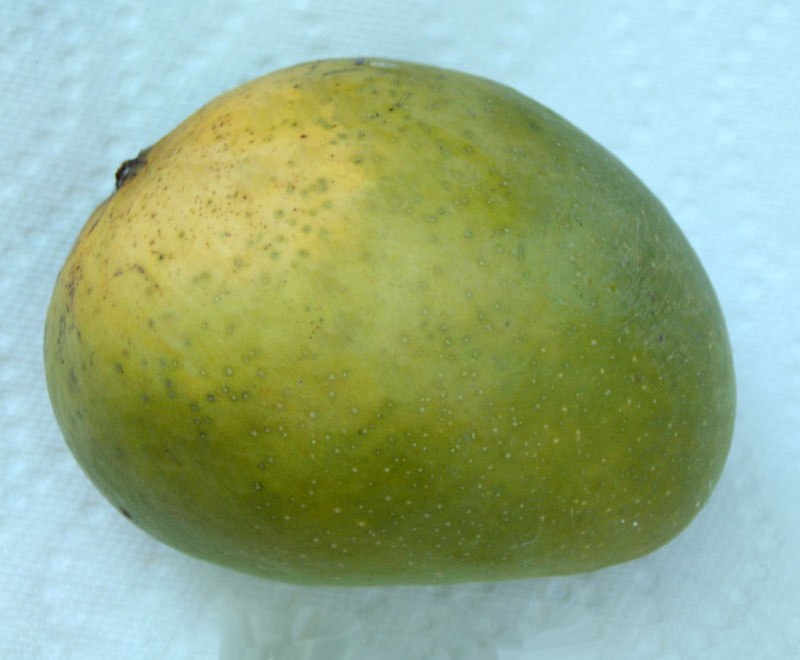
🥭 3. Fralan - Super reliable producer and hardy tree. Green fruit, sweet and juicy. Fralan means "Thunder" - as the fruit cracks when peeled.

🥭 4. Fruit Cocktail - Flavor is an amazing palette of different fruit, with citrus, pineapple, and guava notes.

🥭 5. Nam Doc Mai - It's not just us, everyone loves this Mango! The most popular variety: semi-dwarf and great for pot culture. Eaten green or ripe, a Thailand favorite. It is hands down the most sought after of the Asian mangoes and for good reason.

❓ What is your favorite Mango variety?
Share yours in comments! 👇

🛒 Shop Mango Trees

#Food_Forest

🏵 TopTropicals

Date: 29 May 2024

What can be better than a Cherry? Cherry juice!

Barbados Cherry (Malpighia glabra)

Barbados Cherry juice

Barbados Cherry juice

🍒 What can be better than a Cherry? Cherry juice!

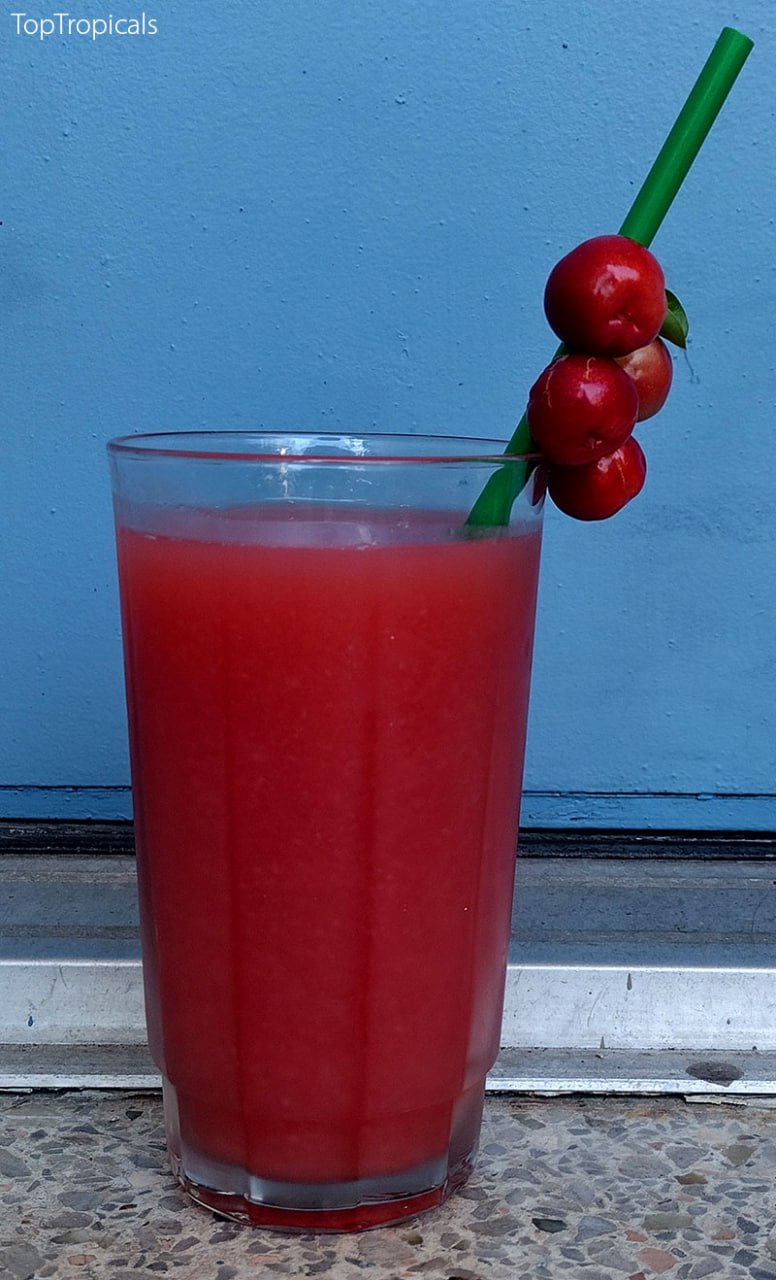
🍷 We discovered that Barbados Cherry (Malpighia glabra) we introduced earlier makes an excellent fresh-squeezed juice!

🍷 Barbados Cherry is a vigorous grower that starts producing right away, and by the second year you have so much fruit that you don't know what to do with it - you can eat only so much fruit out of hand!

🍷 Here is our Top Tropicals Signature Recipe -

🍒Barbados Cherry Juice:
1. Collect berries and rinse them with cold water
2. In a bowl, press the fruit with a potato musher, spoon or cup, and drain the fresh juice into a cup - put the juice aside.
3. Add a few spoons of sugar to the mush (optional), push-mush some more to extract more juice.
4. Add to the remaining mushed pulp some hot boiled water, stir, and let sit for a couple of hours.
5. Drain the liquid through a colander (you may add a little extra water in the process of extracting more tasty pulp out) and add to the fresh juice you made earlier. 6. Refrigerate for an hour, then serve in a clear glass to enjoy the color.

🎀 The Barbados Cherry juice made this way tastes very similar to Guava juice. It is very aromatic and tasty, and has a beautiful Baby-pink color!

❤️ Enjoy and stay healthy!

🍊 Remember Barbados Cherry fruit contains 65 times more of vitamin C than an orange
!

📚 Learn more about Barbados Cherry

🛒 Order Barbados Cherry Tree

#Food_Forest #Recipes

🏵 TopTropicals