Garden Blog - Top Tropicals

Date: 12 Jun 2025

Father's Day Sale!

Happy  Father's  Day  Cat

This Father's Day, celebrate with a food forest - don't just mow, grow! Plant something meaningful that will not only bring joy today but also provide delicious fruit, edibles, and fragrant blooms for years to come. Whether you're a father or celebrating one, this is the perfect day to plant and nurture a garden that will thrive, just like the love you share with your family. Plant today to enjoy the fruits of your labor tomorrow!

Use the code below to save 15% on your entire order:

FATHERS25

Min order $150. Excluding S/H. Exp. 6-15-25

Reminder: use our FREE and DISCOUNTED SHIPPING for qualified orders
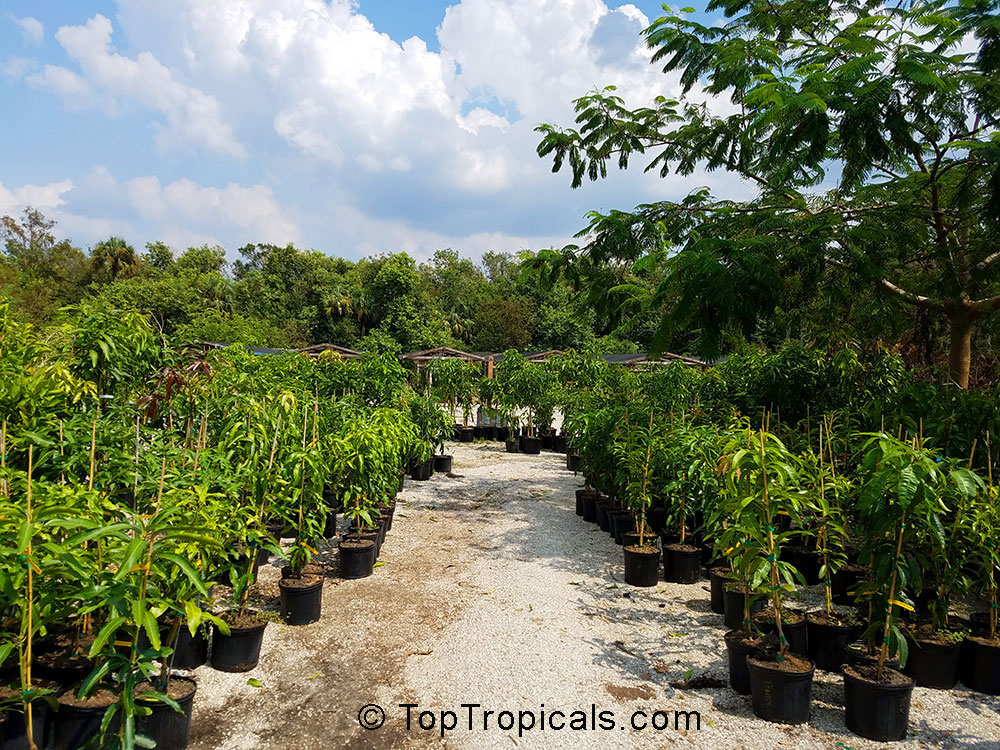
Mango  trees  in  pots


Join our local event:
June 14, 2025 - Father's Day Plant Market, 9 am - 4 pm

Join us on Saturday June 14 for Father's Day Plant Market
- Kids, bring your dads and surprise them with the gift of a tree! Let them pick any tree they like and plant it together.
- Fathers, bring your kids and teach them how to connect with nature - show them how to plant a tree and grow something lasting!
Stroll through our lush gardens, meet the friendly PeopleCats, and enjoy a fun day for the whole family. Our team will help you choose the perfect plants for your space and guide you every step of the way.

Event Highlights:

30% OFF online prices
FREE plant with any purchase (including Guava)
Gift bags for first 25 customers with $50+ order
$5-10 specials
$10-20 Large Banana Trees - many varieties!
Exciting raffle prizes
Green Magic fertilizer FREE samples
Live music by the Famous Hand Pan Lady!

Event discounts valid at both locations:

Ft Myers Garden Center: 13890 Orange River, Ft Myers, FL
Sebring B-Farm: 9100 McRoy Rd, Sebring, FL


Top  Tropicals  Plant  Market

Date: 25 Oct 2025

Straight from the Amazon: the most beautiful ginger everyone asks about at our farm

Variegated Spiral Ginger - Costus arabicus (amazonicus)

⭐️ Straight from the Amazon: the most beautiful ginger everyone asks about at our farm


🌀 Variegated Spiral Ginger - Costus arabicus (amazonicus) is not your average ginger. Unlike the common gingers with plain green leaves and short flower spikes, this one is a real standout. Its tall spiral stems are striped with bold white variegation, creating a dramatic swirl of green and cream even before it blooms.

🌀 And when it does bloom - the flowers are pure white with soft yellow centers, like porcelain sculptures nestled among the leaves. It's a tropical showpiece that turns heads wherever it grows.

🌀 Originally from South America and now loved in Hawaii and Florida, this ginger thrives in moist, rich soil and loves plenty of water. It handles both sun and shade, but really shines in a bright, filtered light spot.

🌀 We have one growing right by our farm office, and everyone who walks by stops, stares, and says the same thing: "I want that plant!"
Now you can have it too - straight from the Amazon forest to your garden!

🛒 Get your own Amazon Ginger

📚 Learn more:
💋The most spectacular variegated ginger
💋Ginger makes a natural shampoo
💋How Raspberry ginger became spiral
💋5 most spectacular Gingers
💋Spice Up Your Garden with Variegated Ginger

#Container_Garden #Shade_Garden

🔴 Join 👉 TopTropicals

Date: 3 Nov 2025

Cashews: more magnesium than almonds!

Cashew Nuts - Anacardium occidentale

Cashew Nuts - Anacardium occidentale

Cashews: more magnesium than almonds!


🌰 Cashews might be the real nutty winner when it comes to magnesium. One ounce provides about 83 mg, or roughly 20% of your daily need, slightly topping almonds at 76 mg, according to Verywell Health.

🌰 Magnesium plays a key role in your body’s daily operations - it helps your heart, muscles, and bones function properly, keeps blood pressure steady, and supports your energy and metabolism. Yet many people still fall short of getting enough.

🌰 Along with magnesium, cashews are packed with protein, healthy fats, copper, zinc, and iron - all nutrients your body depends on.

🏆 More magnesium-rich fruit:


Avocado


Avocados are famous for their healthy fats, but they’re also surprisingly high in magnesium - about 58 mg per medium fruit. That’s one of the highest amounts among fruits. Their creamy texture and fiber content make them especially gentle on the stomach, helping digestion and easing constipation. Regularly adding avocado to meals can support gut health, muscle function, and overall mineral balance in a naturally delicious way.

🍍 Pineapple


Best known for its enzyme bromelain, pineapple also provides a helpful 20 mg of magnesium per cup. While not the top source, it offers a rare combination of fiber, enzymes, and minerals that benefit the digestive system. Bromelain helps reduce inflammation in the gut, and magnesium keeps digestive muscles relaxed. Together, they make pineapple a light, refreshing choice for better digestion and a balanced system.

✅ How to get more magnesium:


• Eat a mix of magnesium-rich foods every day - your body only absorbs about half of what you consume.
• Try pairing magnesium-rich sources. Add Cashews, Avocados, Bananas, Pineapple, or Spinach to your meals and snacks.
• Remember, caffeine, age, and certain medications can reduce absorption, so balance your diet and check with your doctor if needed.
• A handful of cashews can go a long way - for your heart, your energy, and your bones.

🛒 Explore your future food forest: fruit and edibles

📚
Learn more:
Grow your own brain food: avocado and cacao
Plant a fruit tree - and breathe easier: fruit might be the surprising key to healthier lungs
Tropical fruit health benefits guide - what fruit and edibles can help with health issues and vitamin deficiencies, Part 1 and Part 2.
Five best fruit trees to plant in Summer
10 best fruit trees to grow in Florida and Southern landscapes
Top 10 fruiting plants you'll ever need for your health benefits

#Food_Forest #Remedies #Discover

🟢 Join 👉 TopTropicals

Date: 11 Nov 2025

Fruits with the most vitamin E, according to dietitians

Fruits with the most vitamin E

Fruits with the most vitamin E

🥭 Fruits with the most vitamin E, according to dietitians


🔛 Vitamin E works as an antioxidant that helps fight inflammation throughout the body. While nuts and seeds top the charts, some fruits quietly add their share to your daily needs - especially when eaten with a bit of healthy fat. According to New York City Nutrition, vitamin E anti-inflammatory action supports heart, brain, and skin health.
🔛 Vitamin E is a fat-soluble vitamin that acts as an antioxidant, meaning it fights inflammation in the body. Because of this anti-inflammatory role, vitamin E is beneficial for immune health, heart health, eye health, brain health, and skin health.

🔛 Adults need about 15 milligrams a day, according to the National Institutes of Health. Deficiency is rare, but it’s smart to get vitamin E from a variety of foods. Fruits alone don’t provide large amounts, but they can complement vitamin-E-rich foods like almonds or sunflower seeds.

🔛 Since vitamin E needs fat for absorption, pair fruit with something creamy or crunchy - like yogurt, olive oil, nuts, or seeds - for best results.

🔛 Here are some fruits that naturally offer vitamin E:
  • 🍊 Sapote 1 cup = 3.7 mg vitamin E. A tropical favorite with rich orange flesh and a flavor somewhere between pumpkin pie and sweet potato, with hints of honey and almond, Sapote is great fresh, blended in shakes, or scooped over ice cream. It also packs calcium, iron, potassium, and vitamins A and C.
  • Blackberries 1 cup = 1.7 mg vitamin E. Deep color, bold flavor, and plenty of antioxidants, Blackberries are high in fiber and low in calories. Dietitian Keri Glassman calls them her top fruit for fighting inflammation.
  • 🥭 Mango 1 cup = 1.5 mg vitamin E. The “king of fruits” brings more than tropical sweetness, Mango supports digestion, helps you feel full longer, and delivers both vitamin A and E in one juicy package.
  • 🍉 Guava 1 cup = 1.2 mg vitamin E. This fragrant fruit has a flavor that lands between strawberry and pear, Guava is also one of the highest-fiber fruits and surprisingly rich in protein for a fruit.
  • 🍑 Persimmon 1 fruit = 1.2 mg vitamin E. An autumn favorite that looks like an orange tomato but tastes sweet and mellow, Persimmons are rich in vitamins A and C and make a colorful, fiber-filled snack or dessert.
  • Avocado 1 fruit = 0.9 mg vitamin E. Creamy, mild, and versatile, Avocado’s healthy fats help your body absorb vitamin E while protecting heart health. Try it on toast, in salads, or as a smooth butter substitute in baking.

🛒 Plant more remedies in your food forest

📚
Learn more:
Plant a fruit tree - and breathe easier: fruit might be the surprising key to healthier lungs
11 tropical fruits to eat instead of taking a fiber supplement
Tropical fruit health benefits guide - what fruit and edibles can help with health issues and vitamin deficiencies, Part 1 and Part 2.
Five best fruit trees to plant in Summer
10 best fruit trees to grow in Florida and Southern landscapes
Top 10 fruiting plants you'll ever need for your health benefits

#Food_Forest #Remedies #Discover

🟢 Join 👉 TopTropicals

Date: 1 Dec 2025

What happens when you eat it every day: a bowl of Papaya for breakfast

bowl of Papaya for breakfast

bowl of Papaya for breakfast

🍲 What happens when you eat it every day: a bowl of Papaya for breakfast


🍊 If you grow your own papayas or just enjoy picking one from your food forest in the morning, a small bowl (about 140-150 g) can quietly transform your day - and your long-term health. This tropical fruit is naturally low in calories, high in fiber, and loaded with vitamins A and C, making it a perfect morning starter for metabolism, digestion, and immunity.

🍊 Why papaya works so well in the morning


Papaya is famous for its natural enzyme, papain. It kick-starts digestion, eases bloating, helps break down proteins, and supports regular bowel movements. Ayurveda has praised ripe papaya for centuries as a cooling, Pitta- and Kapha-balancing fruit that clears toxins and improves gut function. Modern nutrition agrees: a fiber-rich, enzyme-rich fruit first thing in the day steadies appetite and helps prevent mid-morning cravings.

🍊 Daily benefits at a glance


Weight support: Low calorie, high fiber, and keeps you full longer.
Heart and blood pressure: Rich in potassium, vitamins, and antioxidants that support healthy cholesterol, smooth blood flow, and normal blood pressure.
Liver support: Antioxidants, choline, and beta-carotene help reduce inflammation, regulate fats, and protect liver cells from oxidative stress.
Skin health: Papain and vitamin C help remove damaged cells, improve collagen formation, and support a clearer, smoother complexion.
Immunity: One medium papaya gives more than double the daily vitamin C requirement and helps stimulate white blood cells while protecting them from oxidative stress.
Constipation relief: Papaya’s fiber and enzymes gently improve regularity and support a clean, efficient gut.

🍊 What research shows


According to the National Library of Medicine, papaya pulp and seeds contain vitamins A, C, and E; B vitamins; potassium; magnesium; carotenoids; glucosinolates; and unique phenolic compounds. Together, these show antioxidant, anti-inflammatory, hypoglycemic, and hypolipidemic actions. Studies link papaya extracts to reduced cholesterol and triglycerides, improved blood pressure regulation (ACE-inhibitory effects), and protection against oxidative stress.

Papaya seeds also demonstrate promising anti-cancer potential, including activity against colon, prostate, and liver cancer cells. Lycopene and other carotenoids further reduce oxidative damage linked to chronic diseases.

🍊 For home growers


A ripe papaya from your own garden isn’t just a sweet breakfast bowl. It’s a daily boost for digestion, immunity, skin, heart, and metabolic health. Growing papaya means you have a year-round supply of one of nature’s most complete morning foods - fresh, clean, and packed with bioactive compounds your body immediately puts to use.

✍️ Scientific reference


National Library of Medicine:
· Nutritional and bioactive profile of Carica papaya and its potential benefits for metabolic and inflammatory disorders.
· Anticancer potential of Carica papaya Linn black seed extract against human colon cancer cell line: in vitro study.

🛒 Grow your own medicine - Papaya

📚 Learn more:

Papaya Plant Facts

Botanical name: Carica papaya
Also known as: Papaya
USDA Zone: 9 - 11
Highligths Small tree 10-20 ftFull sunWater Requirement: Low. Allow soil to dry out between wateringsWatering: Moderate. Water when top soil feels dryYellow, orange flowersWhite, off-white flowersEdible plantEthnomedical plant.
Plants marked as ethnomedical and/or described as medicinal, are not offered as medicine but rather as ornamentals or plant collectibles.
Ethnomedical statements / products have not been evaluated by the FDA and are not intended to diagnose, treat, cure, or prevent any disease. We urge all customers to consult a physician before using any supplements, herbals or medicines advertised here or elsewhere.Subtropical plant. Mature plant cold hardy at least to 30s F for a short time
Get personalized tips for your region

🟡more posts about #Papaya
🟡Papaya tree - Carica papaya - in Plant Encyclopedia
🟡Which fruit helps you lose weight faster: Mango or Papaya?
🟡Ten best fruit trees to grow in Florida and Southern landscapes. Papaya Tree.
🟡Carefree Garden: How Easy Is It to Grow a Papaya Tree?
🟡The truth about Papaya
🟡Top 10 fruit you'll ever need for your health benefits. Papaya.

📱 Watch YouTube short videos:


Papaya as a meet tenderizer?
Why your gut is begging for papaya

#Food_Forest #Papaya #Remedies #Discover

🟢 Join 👉 TopTropicals