Garden Blog - Top Tropicals

Date: 25 Dec 2025

Do not throw out your poinsettia - 4 simple tips how to keep it alive for next Christmas
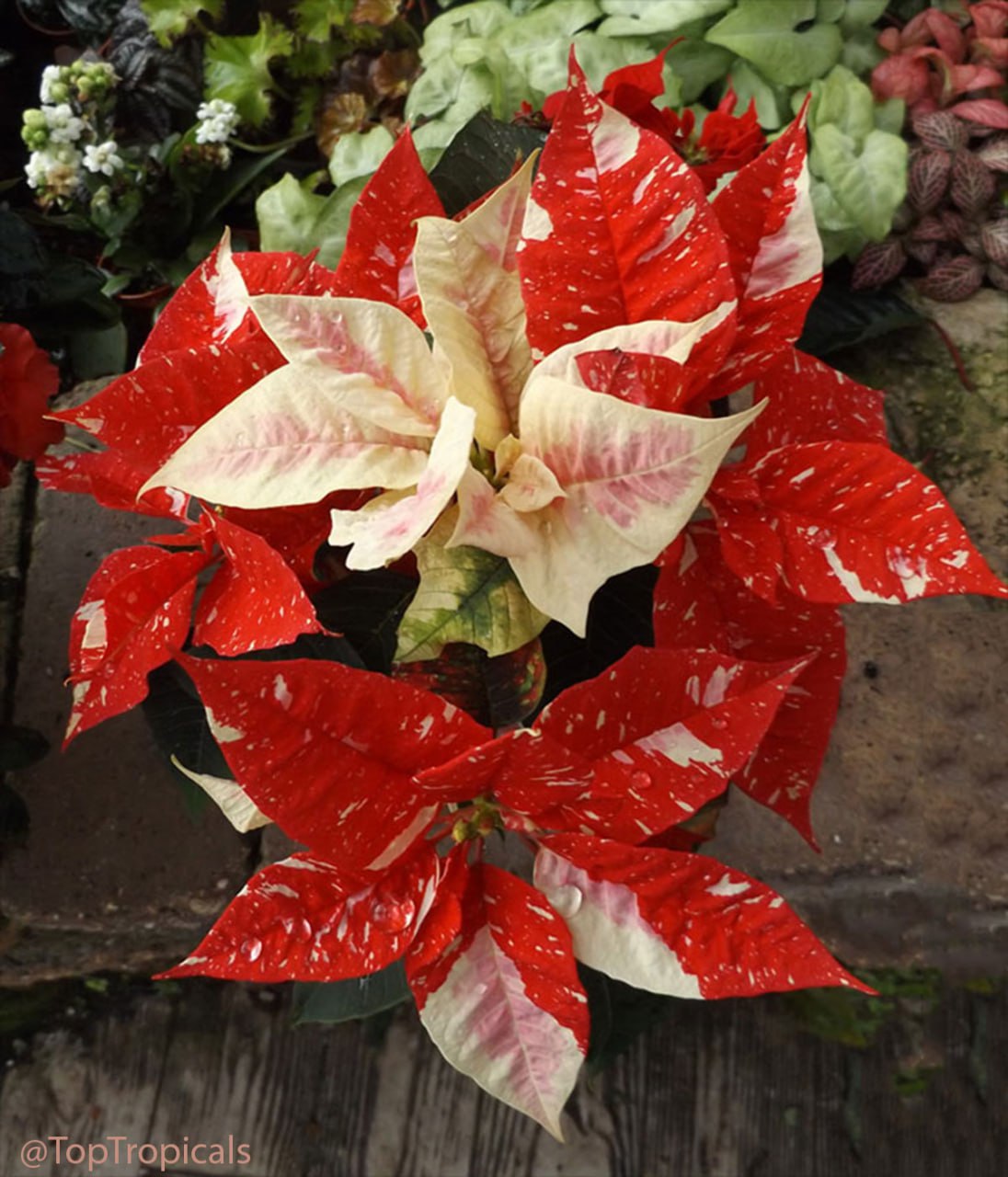
Poinsettia - Euphorbia pulcherrima veriegated leaves
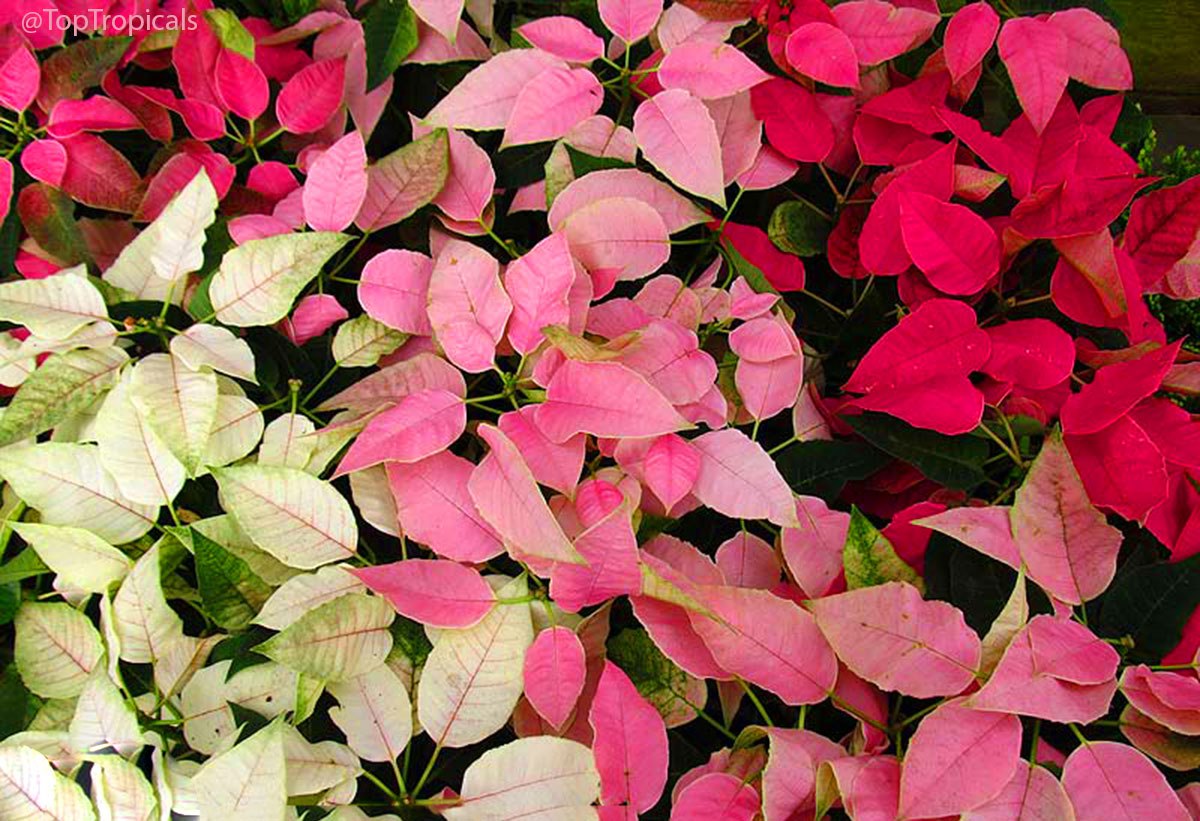
Poinsettia - Euphorbia pulcherrima veriegated leaves

Poinsettia - Euphorbia pulcherrima - white, pink and red
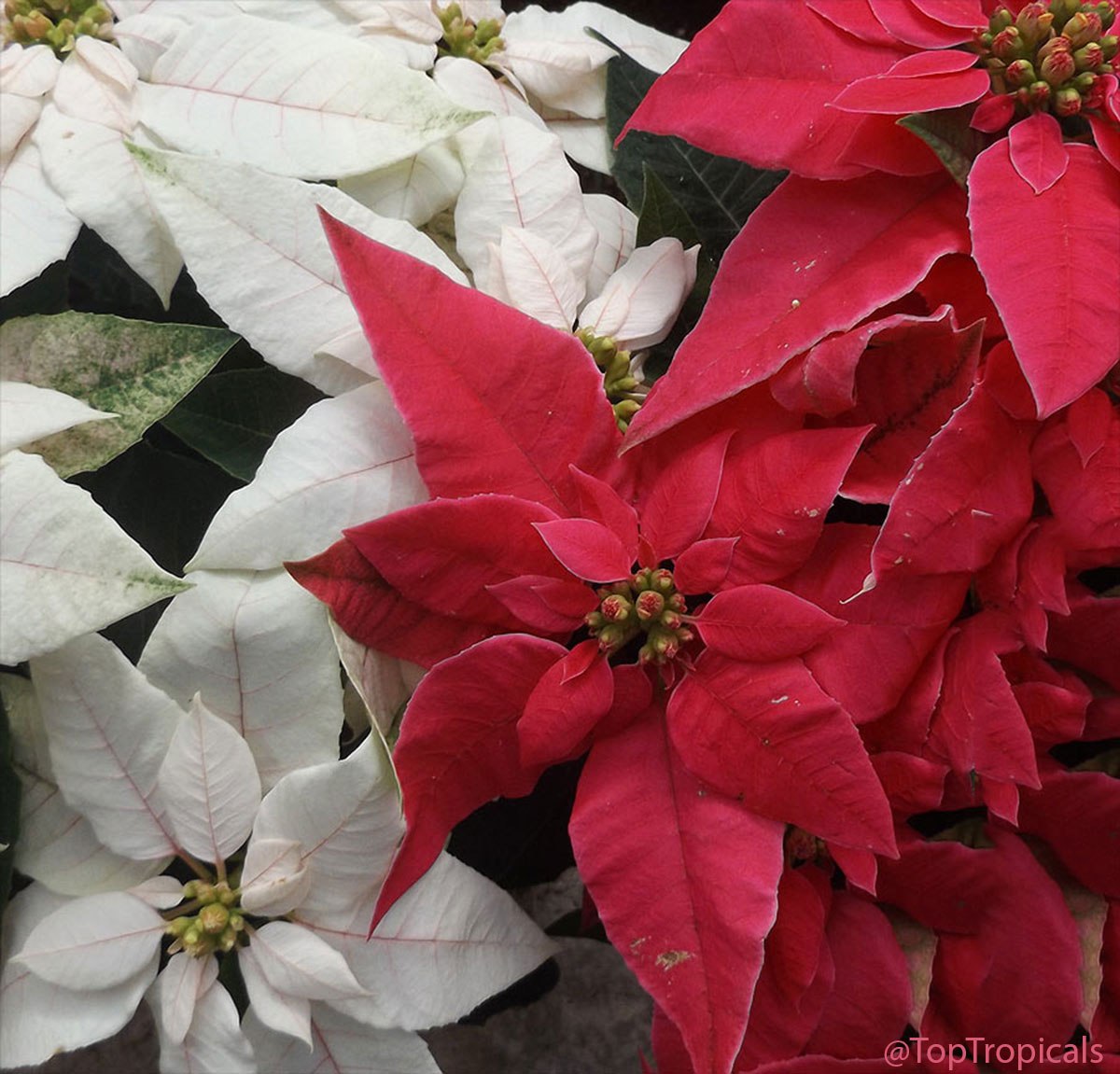
Poinsettia - Euphorbia pulcherrima - white, pink and red

Poinsettia - Euphorbia pulcherrima - white and red
Poinsettia - Euphorbia pulcherrima - white and red

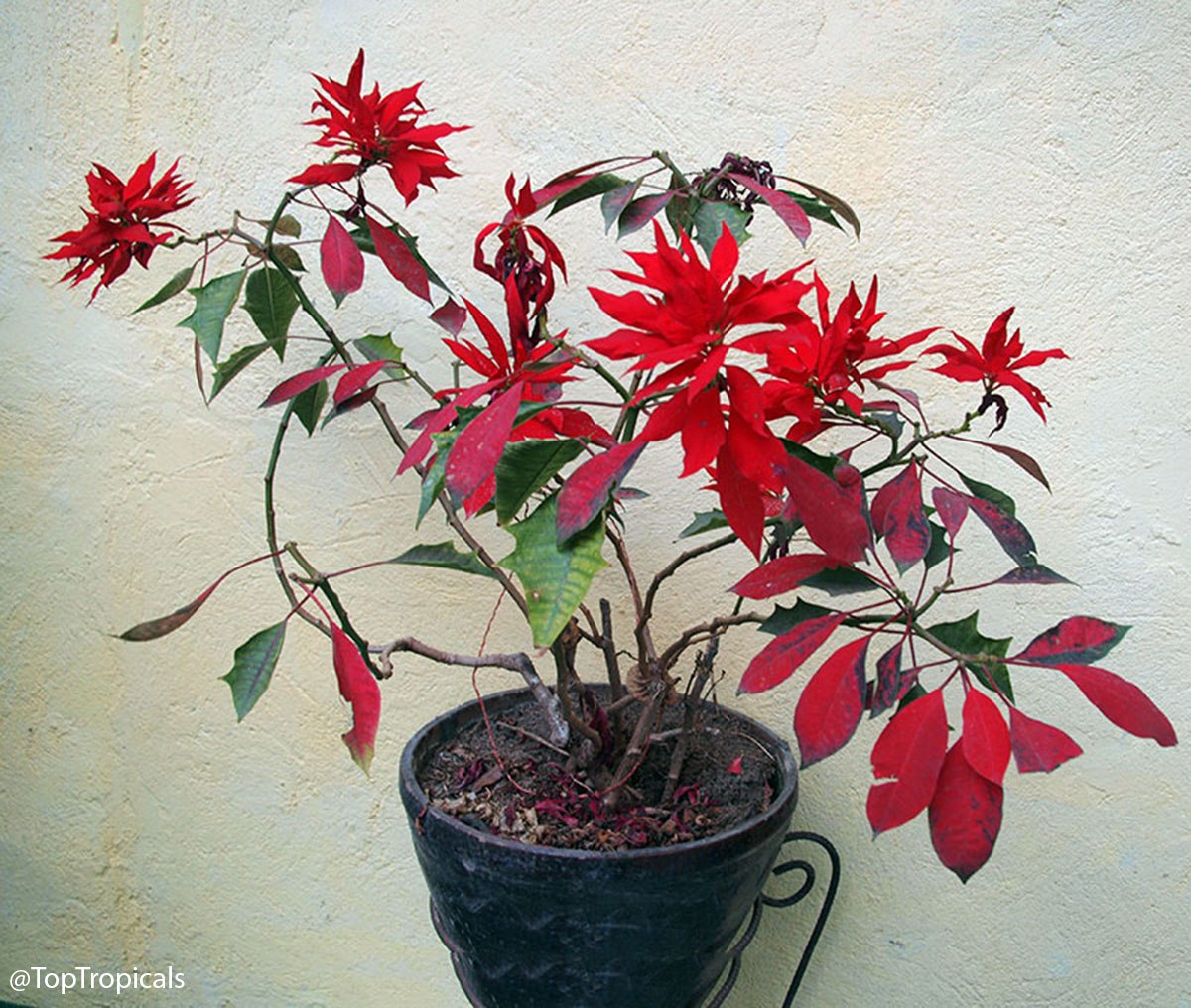
Poinsettia - Euphorbia pulcherrima - in a pot

Poinsettia - Euphorbia pulcherrima - in a pot

🎄 Do not throw out your poinsettia - 4 simple tips how to keep it alive for next Christmas


Poinsettias - Euphorbia_pulcherrima - are tender perennials, not one-season plants. After the holidays they naturally fade, rest, and regroup. With a few simple care tweaks, a healthy plant can live all year and rebloom next winter.

🎄 1. Let it rest after the holidays


✦ Flowering ends naturally - faded bracts and some leaf drop are normal.
✦ Prune when bracts fall: cut stems back by 1/3 to 1/2, leaving 4-5 inches.
✦ Wear gloves - the sap can irritate skin.
✦ Move to a cooler, bright spot for 4-6 weeks.
✦ Ideal temp: 55-60°F
✦ Reduce watering.
✦ Water only when the top 2 inches of soil are dry.
✦ Avoid soggy soil.

🎄 2. Repot in late spring


✦ New growth usually starts in late spring.
✦ Repot at this stage to refresh nutrients and give roots space.
✦ Use a well-draining, slightly acidic potting mix.
✦ Choose a pot only slightly larger, with drainage holes.
✦ Loosen roots gently and remove old compacted soil.
✦ Water lightly, then place in a bright, warm spot.
✦ Resume regular watering and light feeding through spring and summer.

🎄 3. Adjust care during the growing season


✦ Increase temperature gradually to 64-68°F.
✦ Water more often once growth resumes.
✦ Wilted or curling leaves signal thirst.
✦ Water thoroughly and evenly.
✦ Bright light is key, but avoid harsh direct sun.
✦ Use sheer curtains or a grow light if needed.
✦ Fertilize periodically with a balanced houseplant fertilizer.
✦ Pinch back new shoots in late spring for a fuller, bushier plant.

🎄 4. Preparing for winter color


✦ In fall, poinsettias need long nights to bloom.
✦ Provide 12-14 hours of complete darkness nightly for 6-8 weeks.
✦ This triggers colorful bracts in time for the holidays.

❓ Quick FAQ


Can it go outside?
Yes, in warm months only. Bring it indoors before temps drop below 50°F.

Winter outdoors?
No - poinsettias are cold-sensitive and must stay inside.

🎄 Poinsettias don't die after Christmas - they just take a nap. Give them rest, light, and patience, and they will reward you next year.

✍️ Expert reference: Homes and Gardens

🛒 Explore plants for containers

📚 Learn more:

Ponsettia Plant Facts

Botanical name: Euphorbia pulcherrima
Also known as: Ponsettia, Poinsettia, Christmas Plant, Poincettia
USDA Zone: 9 - 10
Highligths Large shrub 5-10 ft tallSemi-shadeShadeWatering: Moderate. Water when top soil feels dryOrnamental foliageIrritating plantSeaside, salt tolerant plant
Get personalized tips for your region

Poinsettia - Euphorbia_pulcherrima in Plant Encyclopedia
Can Poinsettia grow for years? 5 most common mistakes with new container plants

#How_to #Container_Garden

🟢 Join 👉 TopTropicals
Date: 4 Dec 2025

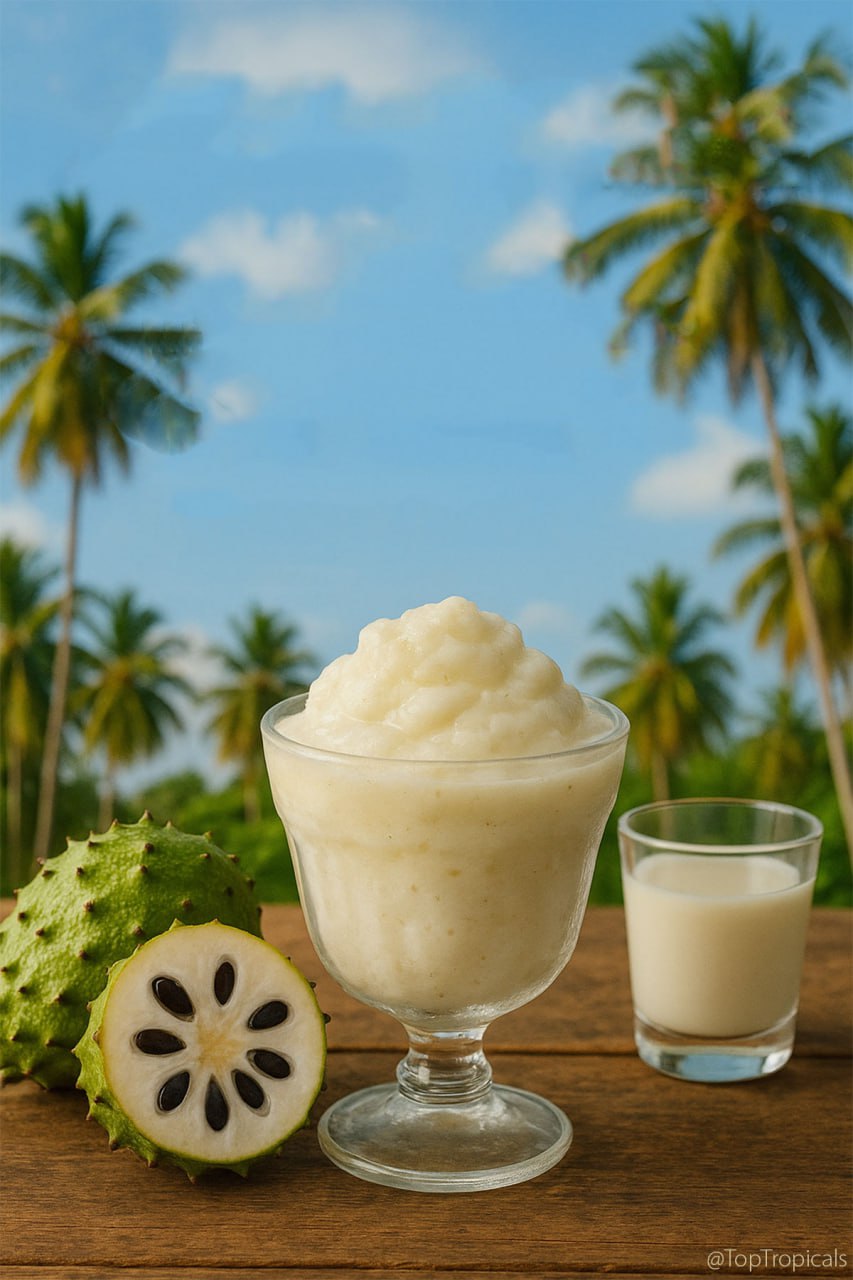
Soursop freezer whip: quick-n-fun exotic recipes

Soursop freezer whip

Soursop freezer whip

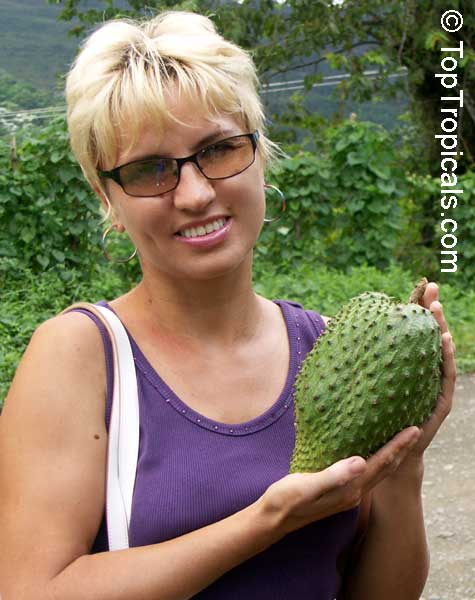
Guanabana, Soursop (Annona muricata)

Guanabana, Soursop (Annona muricata)

🍴 Soursop Freezer Whip

🔵Perfect for a hot day, this whip is instantly refreshing and cooling, like a little tropical breeze in a bowl.
🔵And on a cold winter day? It still tastes amazing - like a quick escape to the tropics!

Ingredients

  • 1 cup frozen soursop (guanabana) pulp
  • 2 to 3 tablespoons coconut milk

Instructions

  1. Place frozen soursop pulp into a blender.
  2. Add coconut milk and blend until smooth and thick.
  3. Transfer to a bowl and freeze for 15 minutes.
  4. Stir well to create a soft, slushy whip and serve immediately.

🛒 Grow your own delicious Guanabana Soursop

📚 Learn more:

Soursop Plant Facts

Botanical name: Annona muricata
Also known as: Soursop, Guanabana, Graviola, Korosol, Corosol
USDA Zone: 10 - 11
Highligths Large tree taller than 20 ftSmall tree 10-20 ftFull sunWatering: Moderate. Water when top soil feels dryWatering: Regular. Let topsoil dry slightlyEdible plant
Get personalized tips for your region

Annona muricata in Plant Encyclopedia
Guanabana - Soursop fruiting in apartment
The most delicious Annona fruit: Guanabana

#Food_Forest #Recipes

🟢 Join 👉 TopTropicals

Date: 27 Dec 2025

Stop planting shade plants until you see this one!

Megaskepasma erythrochlamys - Brazilian plume or Red Cloak

Stop planting shade plants until you see this one!


🚩Megaskepasma erythrochlamys - Brazilian plume or Red Cloak is one of my favorite winter colors in the garden. It comes from a plant most people overlook.
It keeps pushing bold red flower spikes when many plants slow down.

🚩It handles sun or shade, attracts butterflies and hummingbirds, and even surprises people with light cold tolerance. Big leaves, strong structure, and steady color make it a solid choice for beds, fences, or large containers.

🚩If your garden needs color that does not quit when the season changes, this one earns its space.

🛒 Get the winter bloomer most gardens are missing

📚 Learn more:

Brazilian Plume Plant Facts

Botanical name: Megaskepasma erythrochlamys
Also known as: Brazilian Plume, Brazilian Red Cloak
USDA Zone: 9 - 11
Highligths Large shrub 5-10 ft tallSemi-shadeFull sunWatering: Regular. Let topsoil dry slightlyPink flowersPlant attracts butterflies, hummingbirdsSubtropical plant. Mature plant cold hardy at least to 30s F for a short time
Get personalized tips for your region

Megaskepasma_erythrochlamys in Plant Encyclopedia
Turn up the color in your garden with the bold everblooming Brazilian plume

#Hedges_with_benefits #Butterfly_Plants

🟢 Join 👉 TopTropicals

Date: 4 Jan 2026

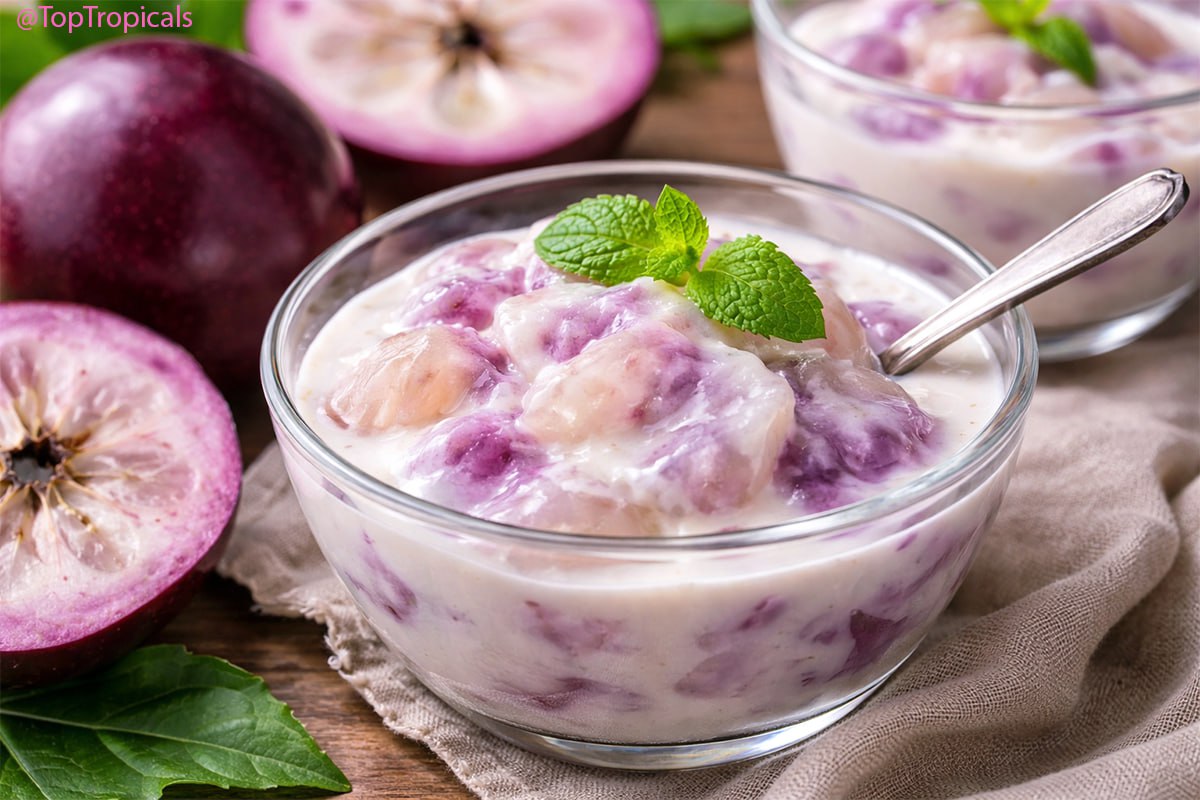
Caimito creamy scoop: quick-n-fun exotic recipes

Caimito creamy scoop

Caimito creamy scoop

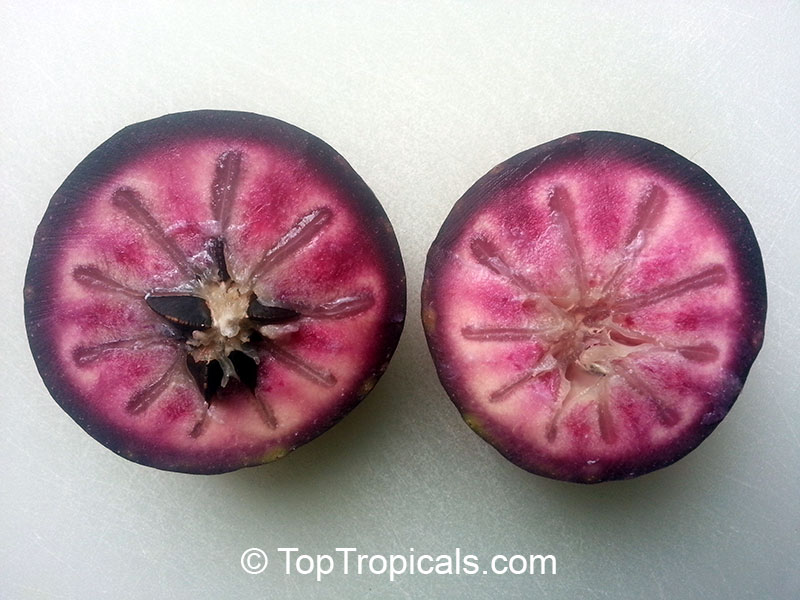
Caimito Star Apple (Chrysophyllum cainito), fruit

Caimito Star Apple (Chrysophyllum cainito), fruit

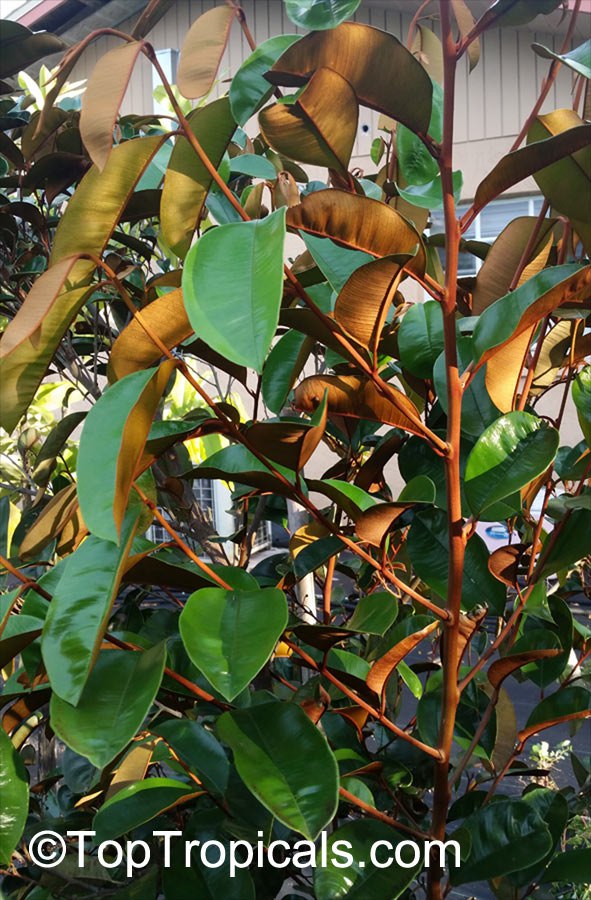
Caimito Star Apple (Chrysophyllum cainito), leaves with rusty underneath

Caimito Star Apple (Chrysophyllum cainito), leaves with rusty underneath

🍴 Caimito creamy scoop: quick-n-fun exotic recipes


🔴Chill star apple halves, then scoop out the jelly-soft pulp.
🔴Stir gently with cold sweet cream for a tropical dessert cup.

⭐️ About the fruit:


Caimito, also known as star apple, is a classic tropical fruit tree native to the West Indies and widely grown throughout the Caribbean, Central America, and other warm regions. It thrives in USDA zones 10-11 and can handle brief dips into the low 30s. The fruit has a mild, grape-like flavor and a soft, jelly texture, and is a good source of vitamin C and minerals. Traditionally eaten fresh, caimito is also used in desserts, drinks, and preserves.

🌱 In the garden:


Beyond its fruit, caimito is highly ornamental. Its large, glossy green leaves have a striking coppery-rust colored underside, giving the tree a dramatic two-tone effect when stirred by wind. It prefers full sun and regular watering and grows well in the ground or large containers. In cooler climates, container-grown trees can be moved indoors for winter protection, making caimito both a productive and visually stunning addition to the garden.

🛒 Plant exotic Caimito Star Apple fruit tree

📚 Learn more:

Caimito Plant Facts

Botanical name: Chrysophyllum cainito, Achras caimito
Also known as: Caimito, Star Apple, Satin Leaf
USDA Zone: 9 - 11
Highligths Large tree taller than 20 ftFull sunWatering: Regular. Let topsoil dry slightlyEdible plantSubtropical plant. Mature plant cold hardy at least to 30s F for a short time
Get personalized tips for your region

Caimito Star Apple (Chrysophyllum cainito) in Plant Encyclopedia
Starry fruit and rusty leaves: the tropical tree full of surprises
Why is it called Star Apple?

#Food_Forest #Recipes

🟢 Join 👉 TopTropicals

Date: 8 Jan 2026

Is winter killing your mango flowers? 33 winter-proof mid-season mango varieties in 90-sec tour

33 winter-proof mid-season mango varieties

❄️ Is winter killing your mango flowers? 33 winter-proof mid-season mango varieties in 90-sec tour


🥭 Mid-season mango varieties make up the heart of the mango harvest. They are not as early as the first winter bloomers and not as late as the extended-season types, but they fill out most of the season.

🥭 Mango trees are winter bloomers, but freezing temperatures can damage them, especially when the trees are still young.

🥭 Right now it is January, and many mid-season mango trees are in bloom or just starting to bloom. While a winter cold snap can damage flowers, mango trees are resilient and often re-bloom once warmer weather returns.

🥭 A list of winter-proof mid-season mango varieties in Top Tropicals garden - Winter 2026


Blooming time: late December - January, may re-bloom February-March

· All Summer
· Alphonso
· Angie
· Baptiste
· Carrie
· Cogshall
· Creme Brulee
· Cushman
· East Indian
· Edward
· Florigon
· Fralan
· Fruit Cocktail
· Fruit Punch
· Gary
· Glenn
· Gold Nugget
· Harvest Moon
· Julie
· Juliette
· Lemon Zest
· Madame Fransis
· Maha Chinook
· O-15 (OMG)
· Pim Seng Mun
· Pineapple Pleasure
· Rapoza (Dwarf Hawaiian)
· Super Julie
· Suvarnarekha (Sundari)
· Triplesec (Seacrest, 40-36)
· Ugly Betty
· Venus
· Venus
· Wise

🛒 Explore Mango varieties

📚 Learn more:


· #Mango_Rainbow - varieties you should try
· How to take care of a mango tree in winter
· Mango winter tips

#Food_Forest #Mango #How_to

🟢 Join 👉 TopTropicals