Date: 16 May 2026
🔮 When the World Around Becomes Too Gray: Plant a Tree. Eat a Donut. Keep going.

Smokey: Plant a tree.
Sunshine: And if that does not help?
Smokey: Plant another one.
Sunshine: And eat a donut.
Smokey: Not strictly necessary, but statistically beneficial.

If you have been feeling a little worn down lately, you are not alone.
You already know about the headlines. We do not need to list them. You have probably seen them today before breakfast.
We are not here to pretend that is not happening. It is happening. And it is a lot. But here is the thing we keep coming back to, the thing that has been true for as long as people have had hands and a patch of ground: when the world feels out of control, you can still plant something.
Gardening is not an escape. It is an answer. When you put a tree in the ground, you are making a quiet statement. You are saying that you expect there to be a future. That you intend to be in it. That shade and fruit and flowers still matter, and you are going to make sure they exist in your corner of the world.
That is not naive. That is courageous in the most ordinary and underrated way.
One tree, planted this season, might give you fruit in a few years. It might give butterflies somewhere to stop. It might give a bird a place to nest. It will almost certainly give you something to look at on a hard day that reminds you the world still contains beauty, and that you put some of it there. And if one tree does not quite do it? Plant another one.
Dostoevsky said beauty will save the world. We think a mango fruiting in your backyard counts. So does a Magnolia opening on a quiet morning.
Do not skip the donut.
A donut is a small, simple, completely unnecessary thing. That is exactly the point. It is not productive. It does not solve anything. It is just good, and sometimes that is the whole reason. In a world that constantly demands you be useful and informed and concerned, eating a donut is a quiet act of being human. You are allowed to enjoy a small thing on a hard day. You do not have to earn it.
Rest a little. Then go put something in the ground. Anything that will grow and flower and remind you that beautiful things are still happening whether the headlines mention them or not.
We have the plants. You bring the donuts.
🛒 Plant a sweeter world: grow color and flavor
Date: 22 Sep 2025
🐲 The taste you will never forget

If you only know dragon fruit from the grocery store, you probably think it looks pretty but tastes bland. That is because most commercial fruit is picked early, shipped far, and loses its sweetness. The truth? Homegrown dragon fruit is juicy, sweet, and full of flavor. The best of all is the yellow variety, Palora (Selenicereus megalanthus), a cactus fruit from Ecuador that bursts with tropical taste.
🌵 Pitaya or Dragon fruit – what is the difference?
Both names describe the same climbing cactus. In Latin America it is called Pitaya, while Asia and English speakers say Dragon fruit. There are three main kinds:
- Red skin, white flesh (Hylocereus undatus)
- Red skin, red flesh (Hylocereus costaricensis)
- Red skin, purple or pink flesh (Hylocereus x costaricensis hybrids)
- Yellow skin, white flesh (Selenicereus megalanthus)
Some hybrids give purple or magenta flesh. All are beautiful, all are easy to grow at home.
⚡️ Do red, white, and yellow taste different?
Yes. White types are mild and refreshing. Reds are sweeter and juicier. Yellows are the sweetest of all.
⚡️ Flowers from a fairy tale
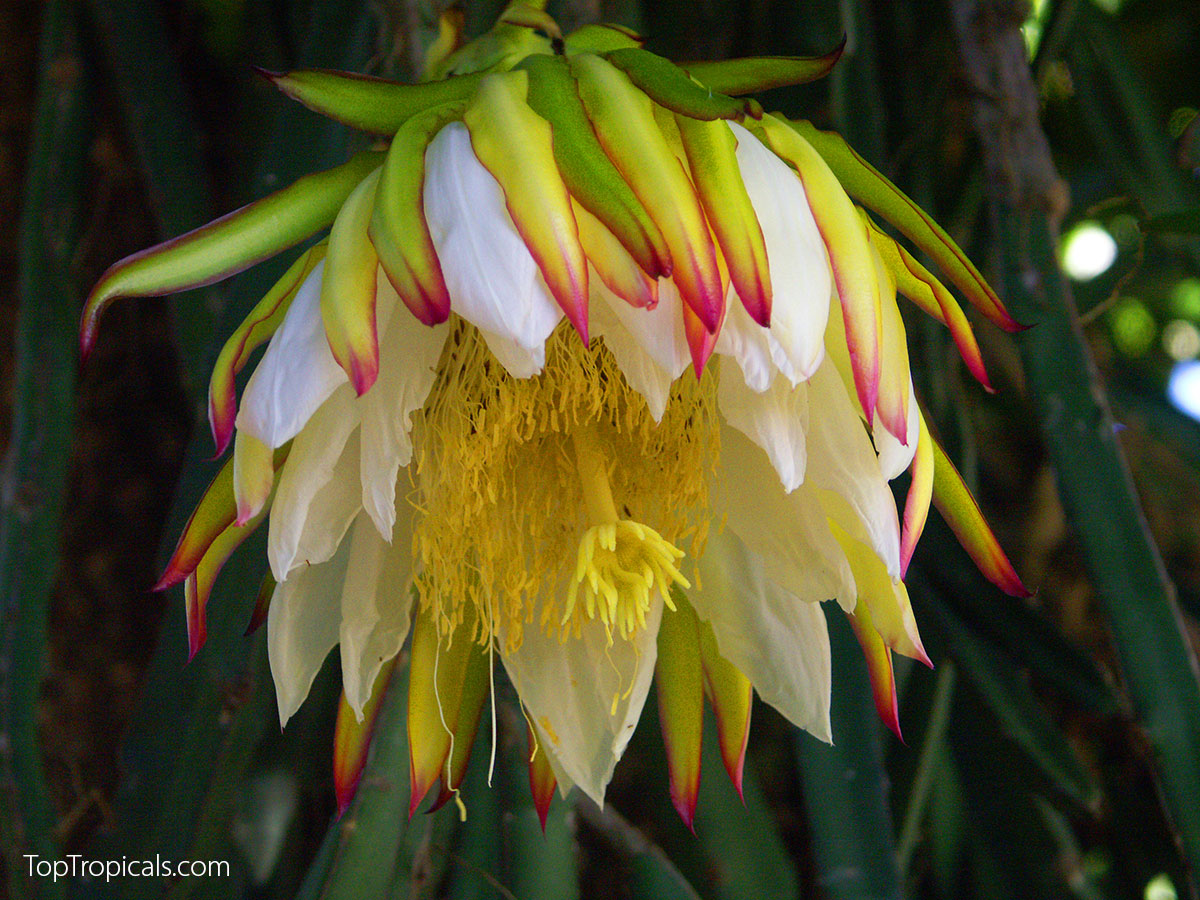
Dragon fruit flowers are among the most spectacular in the plant world. They open at night, glowing under moonlight, with pale petals and a sweet fragrance. Each flower can be a foot wide. Seeing one bloom feels like stepping into another world.
⚡️ Top Dragon Fruit Health Benefits
- High in fiber for digestion and gut health
- Low in calories but full of vitamins
- Great for weight management
- Adds color and freshness to smoothies and salads
🍹 Dragon Fruit Smoothie recipe
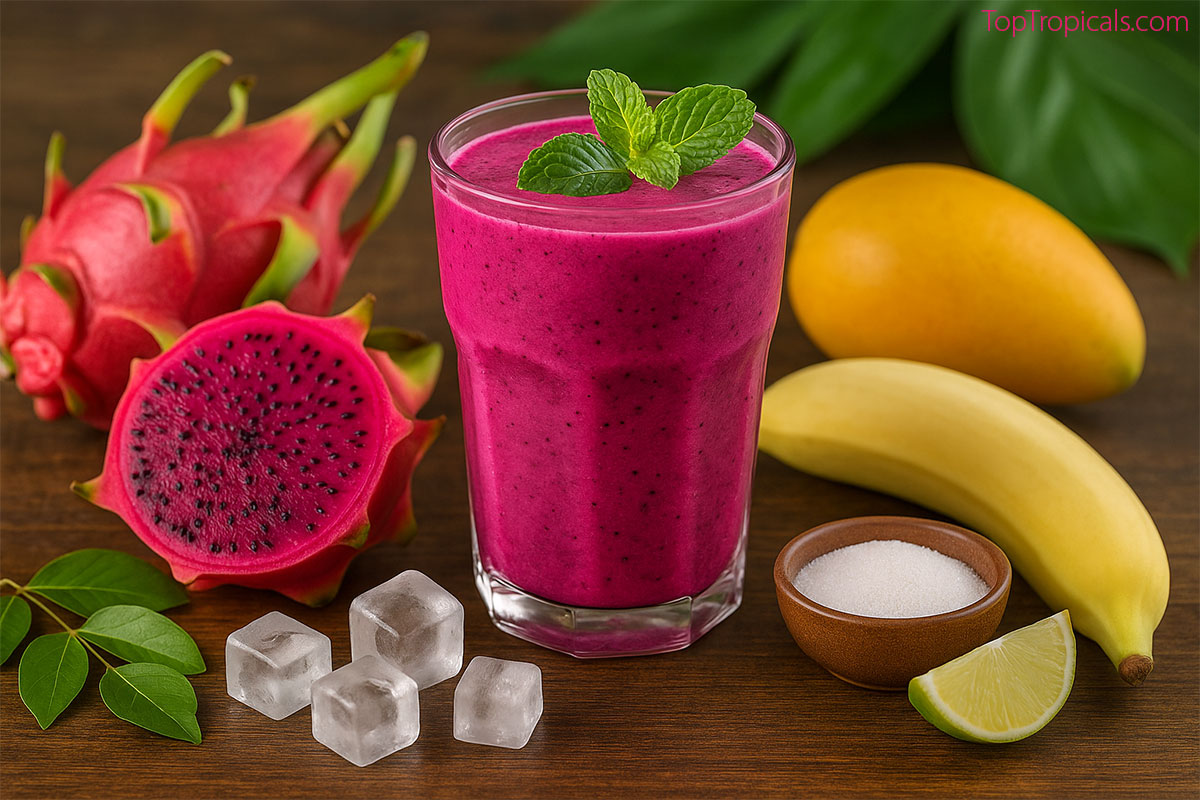
Blend together:
- 2 dragon fruits, peeled
- 1/2 cup mango pulp
- 1 banana
- 1 cup milk of your choice
- 2 tbsp sugar
- 1/2 tsp lime juice
- Ice cubes to taste
Top with mint for a refreshing tropical treat.
Watch Dragon Fruit short videos:
Date: 9 Jun 2026
This Forgotten Tropical Vine Has Huge Glossy Leaves and Smells Exactly Like Carnations: Faradaya splendida - the Glory Vine
✨ This Forgotten Tropical Vine Has Huge Glossy Leaves and Smells Exactly Like Carnations: Faradaya splendida - the Glory Vine
Some plants become famous because everyone talks about them. Others quietly grow in the background - tougher, more resilient, and often far more impressive than the trendy varieties people rush to buy.
Faradaya splendida - the Glory Vine - belongs firmly in that second category.
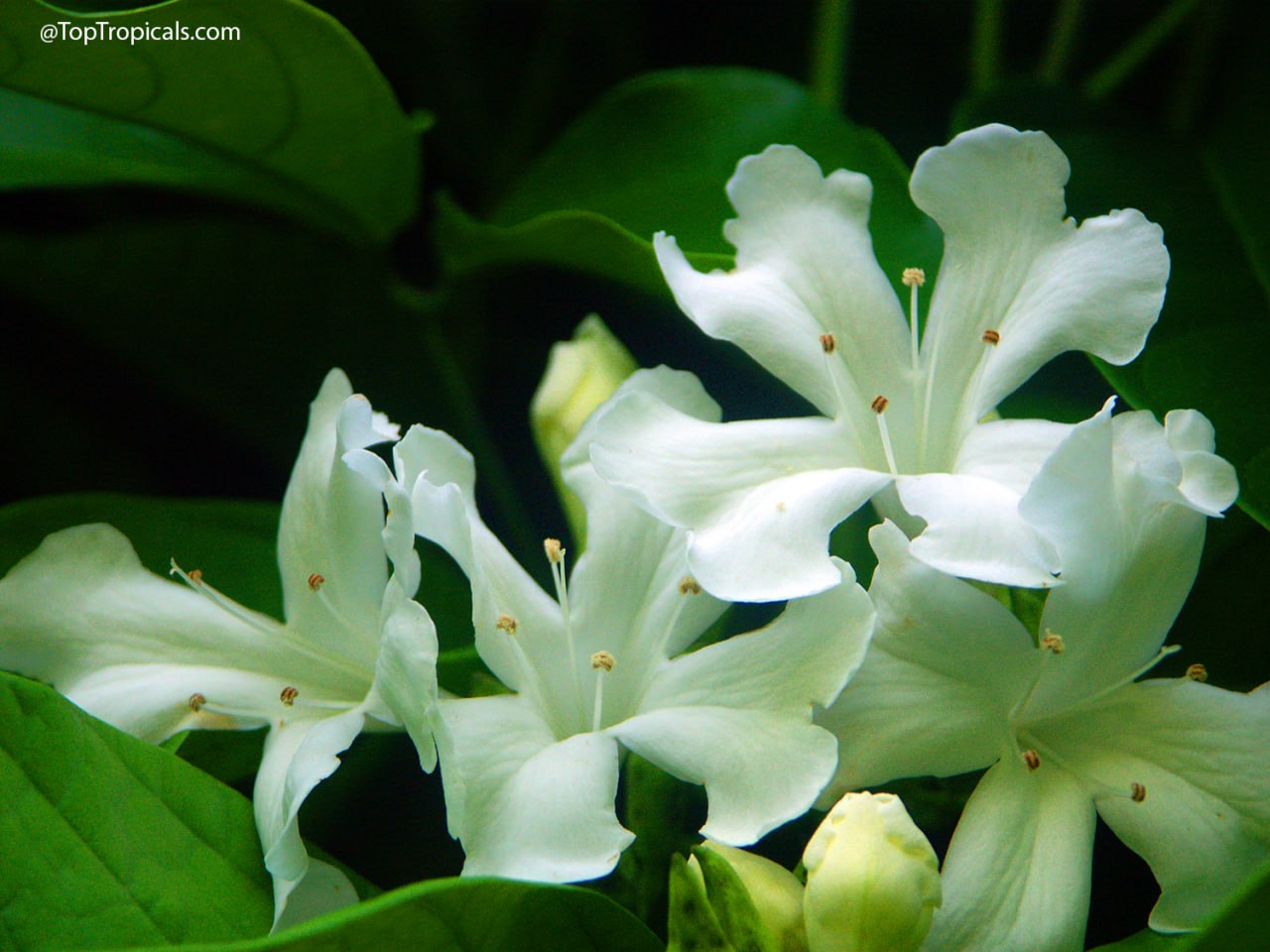
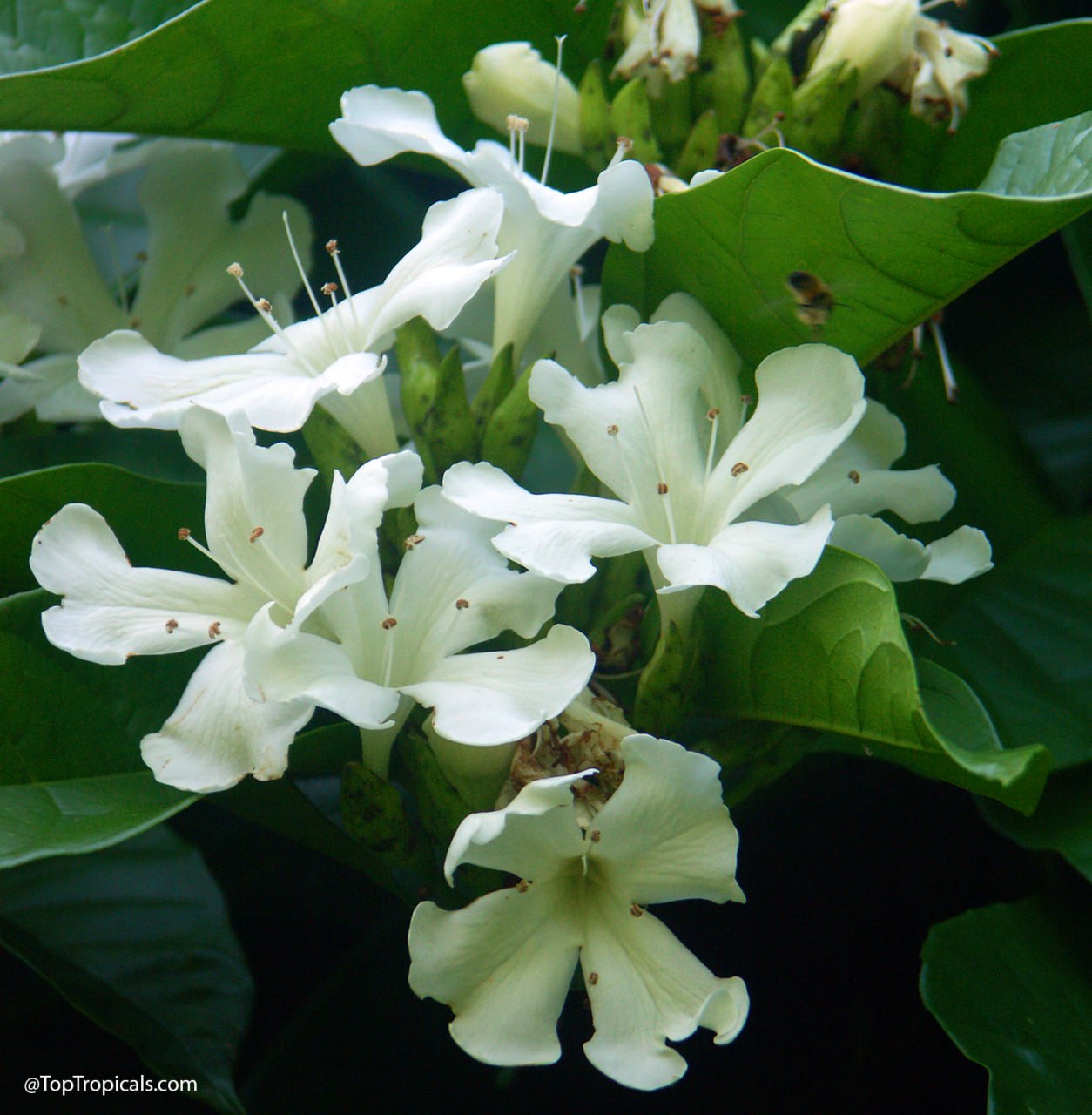
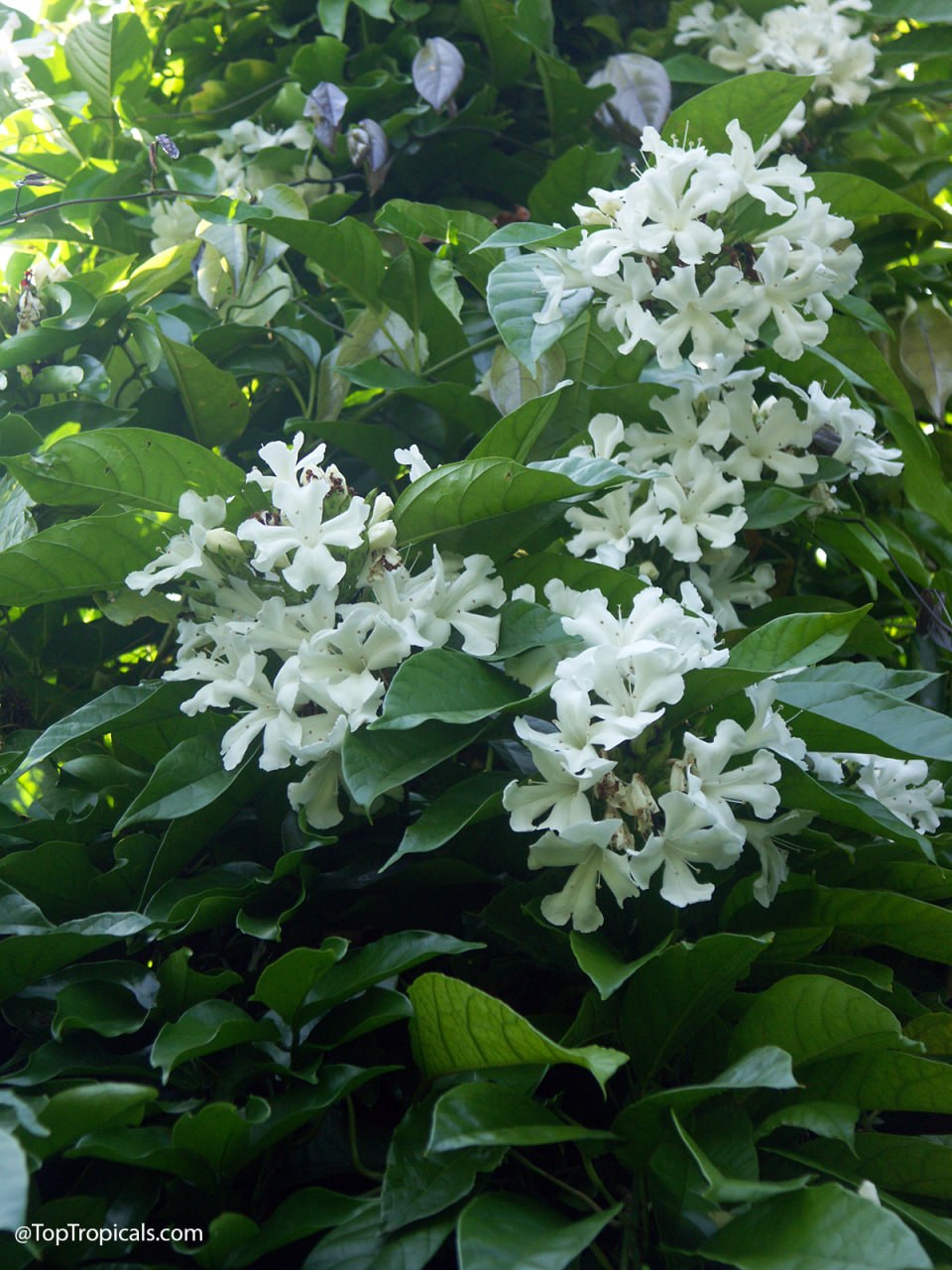
This rare tropical climber boasts massive glossy leaves, carnation-scented white flowers, and enough vigor to quickly smother fences and pergolas. Yet, most gardeners have never heard of it simply due to a lack of mainstream exposure.
A Rainforest Native with Serious Presence
Native to the rainforests of Northern Queensland, Papua New Guinea, and nearby Pacific islands, the Glory Vine evolved to compete fiercely for sunlight. That edge explains its robust personality:
Fast Jungle Growth: This is no delicate creeper. Its thick, woody stems scale heavy garden structures with ease.
Dramatic Contrast: Enormous, shiny leaves create a striking backdrop for pristine white blooms that practically glow against the dark foliage.
While Australian native plant enthusiasts love it, it remains a hidden gem to the rest of the gardening world.
Sensory Appeal: Carnation Scents and "Egg" Fruits
One of its best surprises is the fragrance. The large, snow-white, trumpet-shaped blooms carry a sweet, spicy scent identical to carnations, peaking in warm weather. While individual flowers are short-lived, the vine blooms heavily and repeatedly throughout summer.
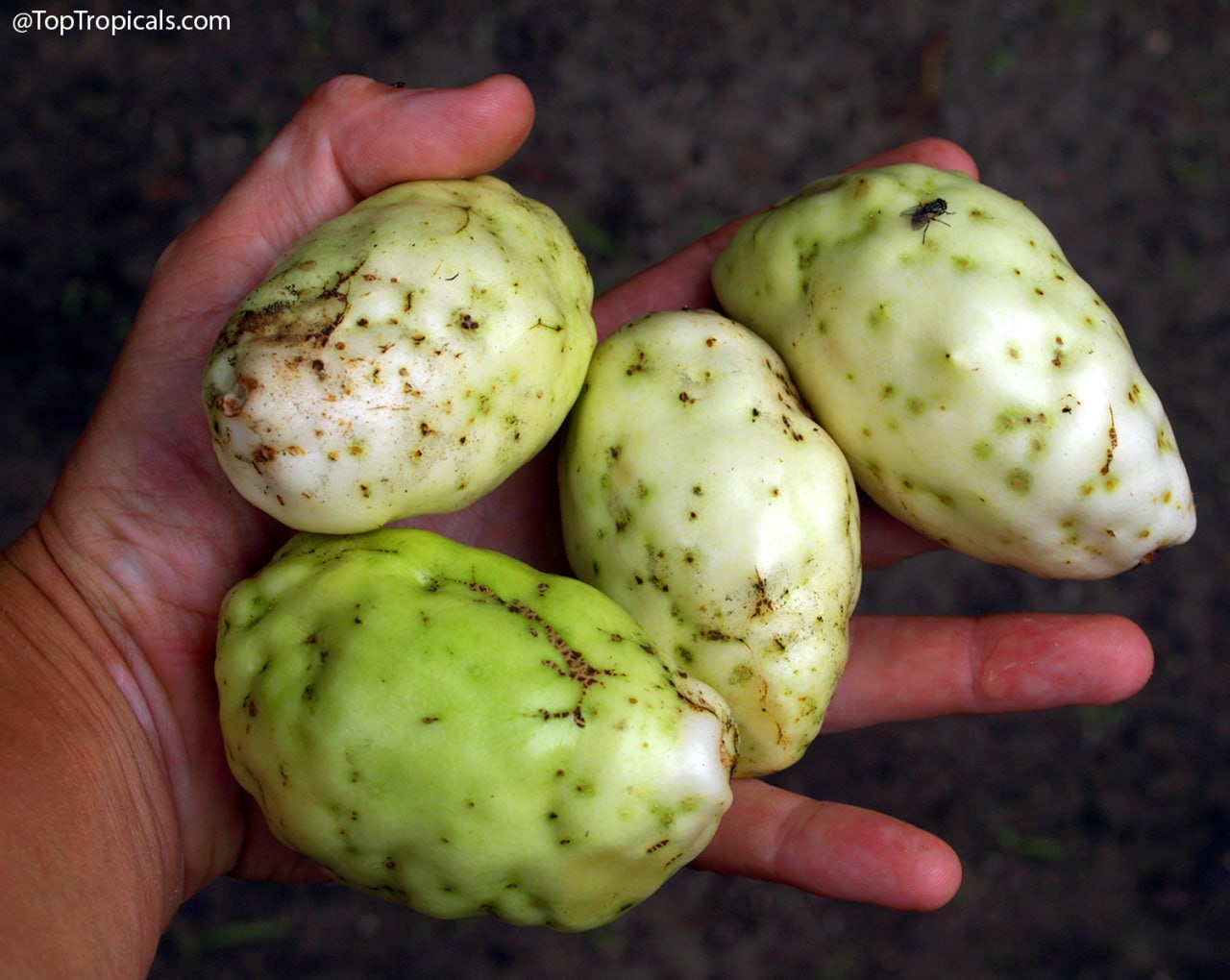
Even out of bloom, the foliage delivers high-impact aesthetics. The lush leaves can reach nearly a foot long, effortlessly creating a dense rainforest look. Then come the strange fruits. After flowering, the vine produces large, egg-shaped white fruits resembling smooth potatoes. Hanging from the stems, they look so unusual that visitors often assume they are artificial.
Indigenous History and Ecological Deep Roots
Beyond beauty, Faradaya splendida carries a rich history. Among the Girramay people of northern Australia, the vine is known as Djungeen.
A Seasonal Clock: The dropping of its white fruits in October traditionally signaled that wild bush turkey nests contained eggs.
Traditional Fishing: The bark contains natural saponins (foaming compounds). Historically, it was used to temporarily stun fish in creeks without permanently polluting the water.
This is a storied rainforest species with deep ecological roots.
How to Grow the Glory Vine
The barriers to its popularity are availability and awareness. The name doesn't roll off the tongue like jasmine, and mainstream nurseries rarely stock it. However, source one from a specialty native nursery and the rewards are unmatched. It is:
· Evergreen and highly adaptable in tropical and subtropical climates.
· A magnet for local pollinators and butterflies.
· Exceptionally low-maintenance once established.
The only caveat? Space. This vine climbs with serious intent. Give it warmth, moisture, sunlight, and a sturdy structure, and it will reward you with a breathtaking jungle canopy.
One Discovery Away from Trend Status
Some plants stay hidden simply because a trendsetter hasn't spotlighted them online yet. The Glory Vine is a botanical treasure waiting to be rediscovered by modern landscaping. Until then, it remains a secret weapon for those in the know: a show-stopping vine that invariably makes people stop and ask, "What is that?"
🛒 Claim a Forgotten Treasure - only a few plants left in stock!
#Hedges_with_benefits #Discover #Perfume_Plants
🟢 Join 👉 TopTropicals
Date: 20 Sep 2025
Banana cinnamon fritters: Quick-n-Fun exotic recipes
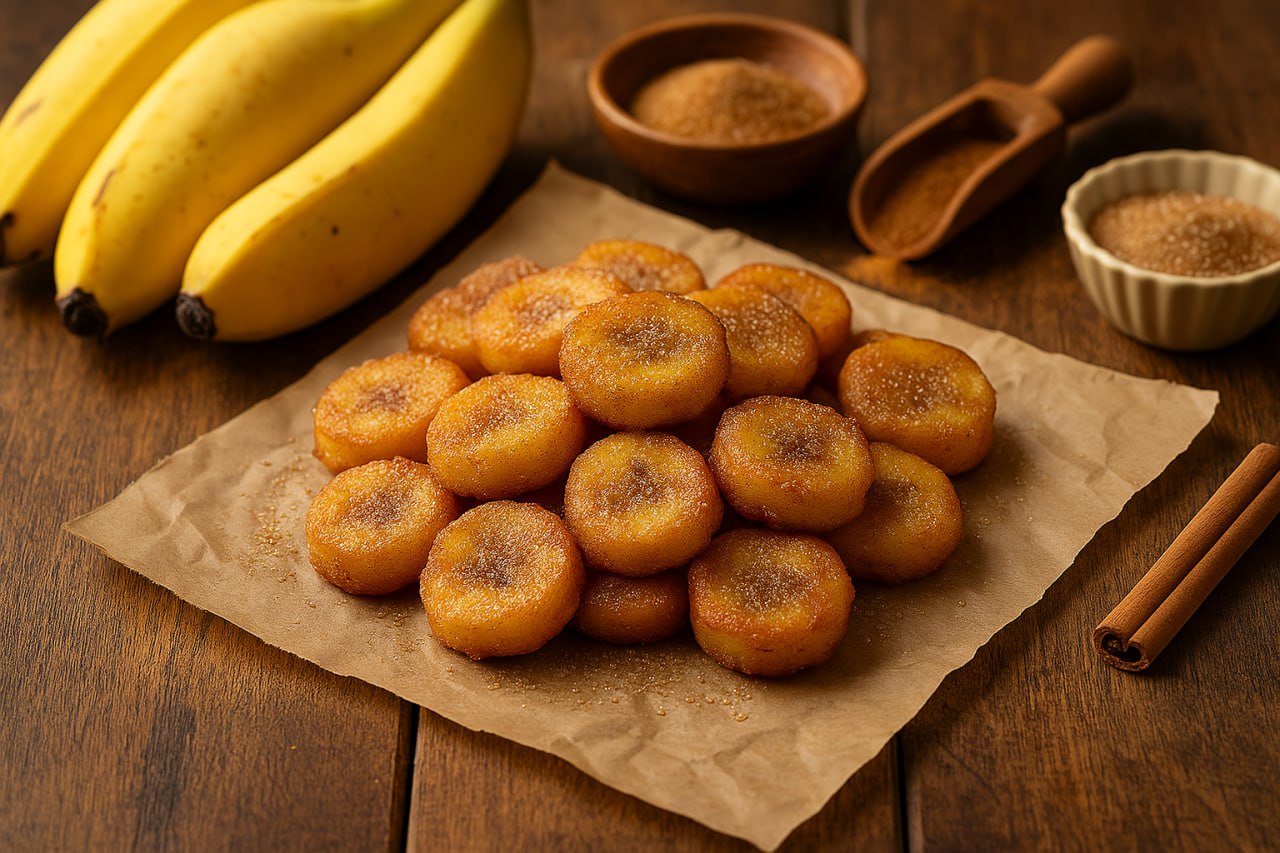
Banana cinnamon fritters
🍴 Banana cinnamon fritters: Quick-n-Fun exotic recipes 🍌
🟡Dip banana slices in a light batter, fry quickly, then dust with cinnamon sugar.
🟡Sweet street-food style snack!
Banana Cinnamon Fritters recipe
Ingredients
- 2 ripe bananas
- 1/2 cup flour
- 1/4 cup water (or milk)
- 1 tbsp sugar
- 1/2 tsp cinnamon
- 1/4 tsp baking powder
- Pinch of salt
- Oil for frying
- Extra cinnamon sugar for dusting
Instructions
- Slice bananas into thick rounds.
- Mix flour, baking powder, sugar, cinnamon, salt, and water to form a light batter.
- Dip banana slices in batter and fry in hot oil until golden brown.
- Remove and drain on paper towels.
- Dust with cinnamon sugar and serve warm.
🛒 For home grown ingredients you will need:
Banana trees
Cinnamon tree
#Food_Forest #Recipes #Bananas
🟢 Join 👉 TopTropicals
Date: 29 Oct 2024
How can you use Elephant Ears?
🐘 How can you use Elephant Ears?
🟢 Alocasias and Colocasias, or Elephant Ears, are both remarkable and popular plants that can bring a touch of tropical elegance to any garden.
- 🟢 Striking Foliage: large, lush foliage. The leaves can be enormous, resembling the shape of elephant ears, hence the common name. The foliage is usually rich green, but there are also varieties with hues of purple, black, or variegated patterns. These vibrant leaves create a dramatic focal point.
- 🟢 Tropical Aesthetic: large, architectural leaves add a sense of drama and create a stunning backdrop for other plants.
- 🟢 Versatility: work well in containers, making them suitable for patio gardens. In larger landscapes, colocasias and alocasias can be planted directly in the ground, either as standalone specimens or as part of mixed border plantings. They can also be utilized around water features or in bog gardens since they enjoy moist conditions.
- 🟢 Low Maintenance: thrive in full to partial shade. Regular watering and occasional fertilization will help them grow vigorously.
- 🟢 Impressive Size: Some varieties can grow several feet tall, creating a stunning vertical element in the garden.
📸 Colocasia esculenta Jacks Giant: This astonishing elephant ear is well-named, it really does look like something that would grow for the giant! The foliage is absolutely massive, many feet long and wide, with a glossy texture, prominent ribbing, and a rich blue-green cast that lightens to chartreuse around the edges.
📚 Learn more from previous posts:
What to plant by the pond?
Pharaoh Mask with stunning 3D effect
Mojito Elephant Ears
Colocasia vs Alocasia - what is the difference?
🛒 Shop Colocasias
#Shade_Garden
🔴 Join 👉 TopTropicals