Garden Blog - Top Tropicals

Date: 30 Mar 2026

How big does the Condo Mango grow?
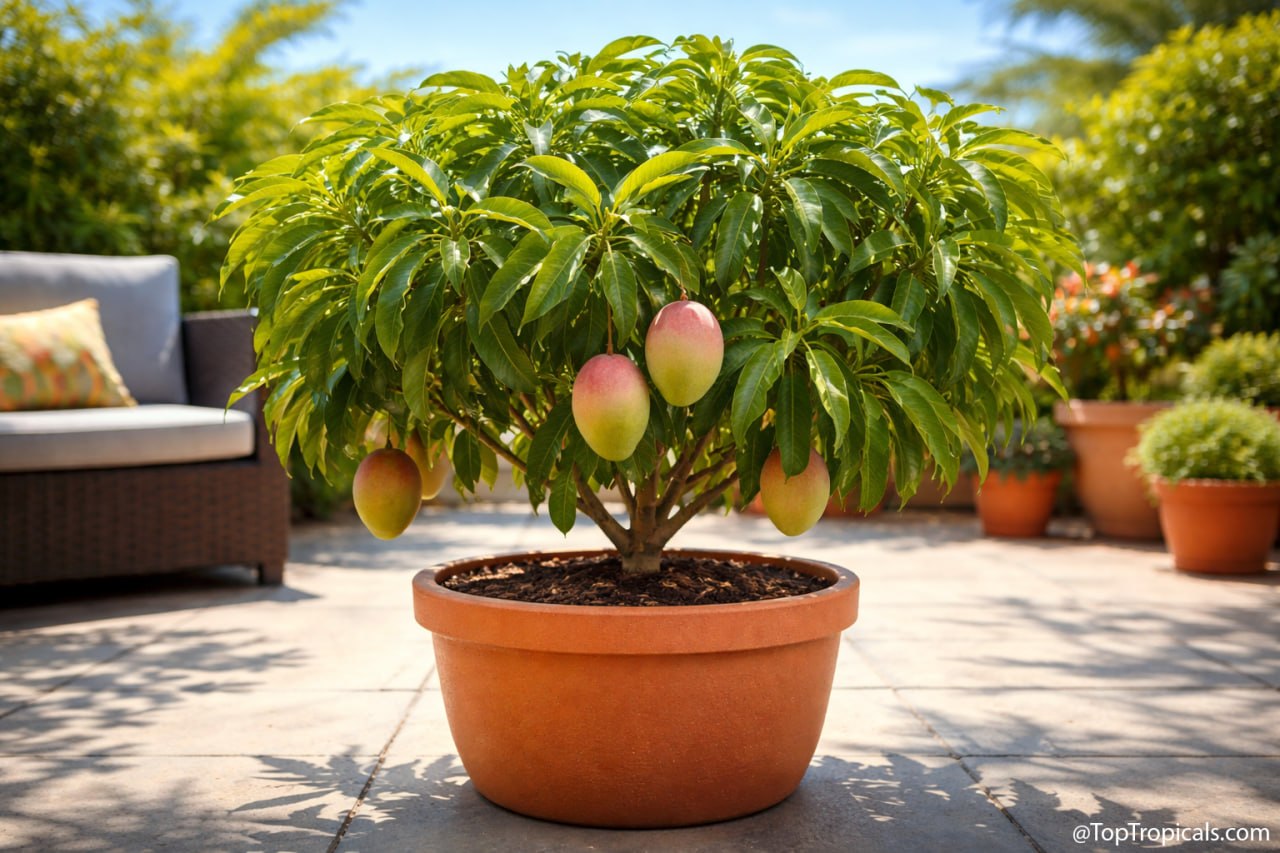
Mango tree fruiting in container

Mango tree fruiting in container

How big does the Condo Mango grow? 🥭

All mango trees are naturally vigorous and, if planted in the ground, they all can grow into full-size trees reaching 15-20 ft or more. The term "Condo Mango" refers to varieties with a more compact growth habit that can be kept small in containers with light pruning. In a pot, their size is controlled by root space and regular trimming, allowing them to stay manageable and productive for many years. Here is how:
  • 🥭 Condo mango = mango trees that stay compact in containers with light pruning.

  • ✔️ In ground: 15–20+ ft
  • ✔️ In pots: keep them 6–8 ft


🥭 Best pot sizes

  • · 3-7 gal - starter (3–6 months)
  • · 7-5 gal - young tree (1–2 years)
  • · 15-25 gal - ideal long-term
  • · 25-40 gal - faster growth, more pruning

  • 👉 Smaller pot = easier care
  • 👉 Bigger pot = more growth + more work


🥭 Best mango types for containers


True dwarf (easiest)
Minimal pruning, perfect patio trees

Baptiste
Carrie
Cogshall
Diamond
Ice Cream
Julie
Little Gem
Mallika
Manilita
Nam Doc Mai
Pickering
Rapoza (Dwarf Hawaiian)

Semi-dwarf (manageable)
More growth, bigger harvest, need more pruning

Cushman
Fairchild
Florigon
Fralan
Glenn
Graham
Irwin
Ivory
Keitt
Lancetilla
Lemon Meringue
Maha Chinook
Mun Kun Si
Neelum
Okrung
Philippine (Manila)
Val Carrie
Van Dyke
Venus

✂️ Simple rules that matter

  • · Keep tree 6–8 ft with pruning
  • · Use fast-draining soil (critical)
  • · Full sun = fruit
  • · Feed regularly - Green Magic + Mango Tango
  • · Repot or root-prune every few years


🛒 Select from Condo Mango varieties

📚 Learn more:
#Food_Forest #How_to #Discover #Mango

Plant Facts

Mangifera indica
Mango
USDA Zone: 9-11
Large tree taller than 20 ftSmall tree 10-20 ftFull sunModerate waterYellow, orange flowersPink flowersEdible plantSeaside, salt tolerant plant
🟢 Join 👉 TopTropicals

Date: 29 Mar 2026

We picked 6 adeniums - youll probably want all 6: Adenium rainbow

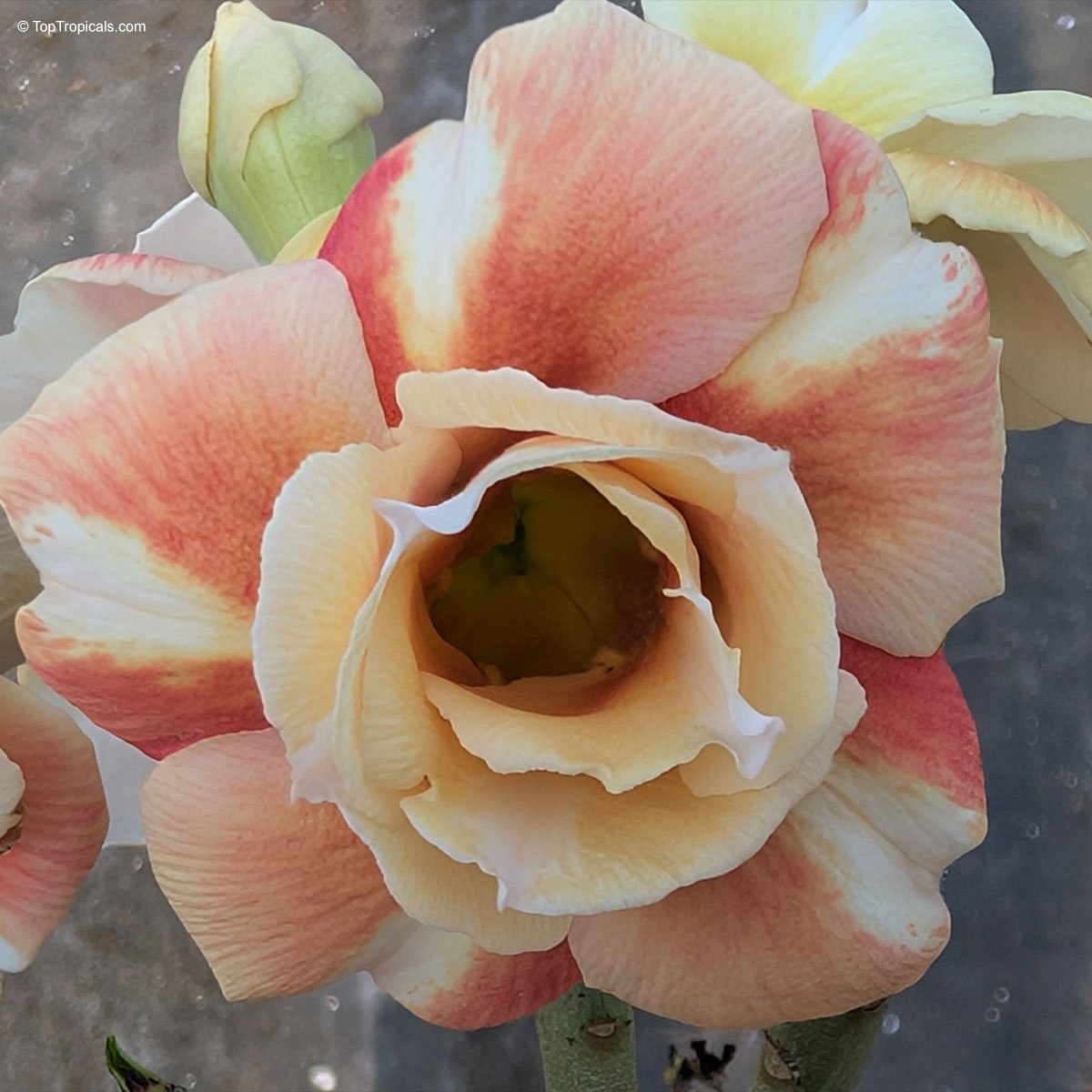
Adenium Caramel

Adenium Caramel

Adenium Bumblebee

Adenium Bumblebee

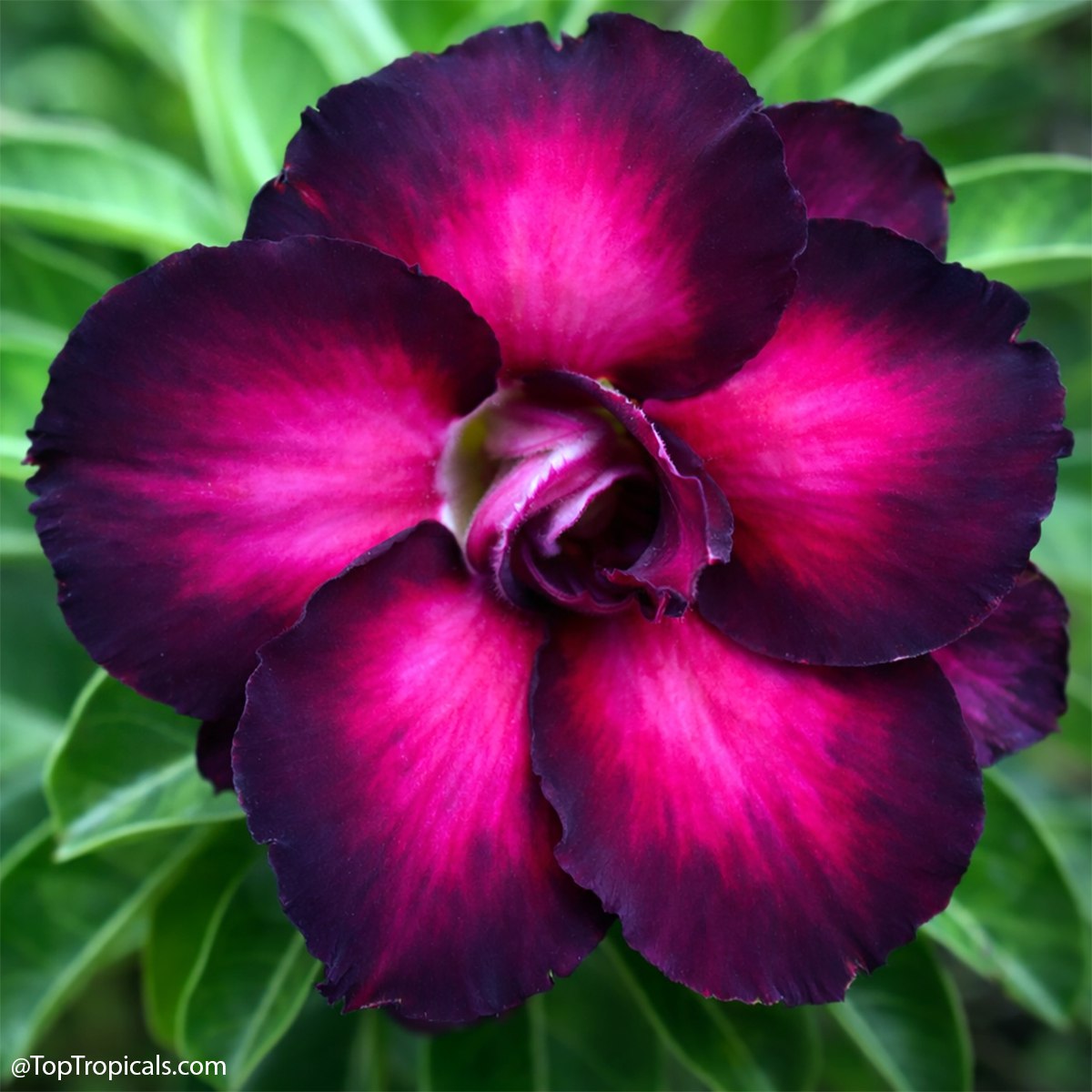
Adenium Purple Plum

Adenium Purple Plum

Adenium Pineapple

Adenium Pineapple

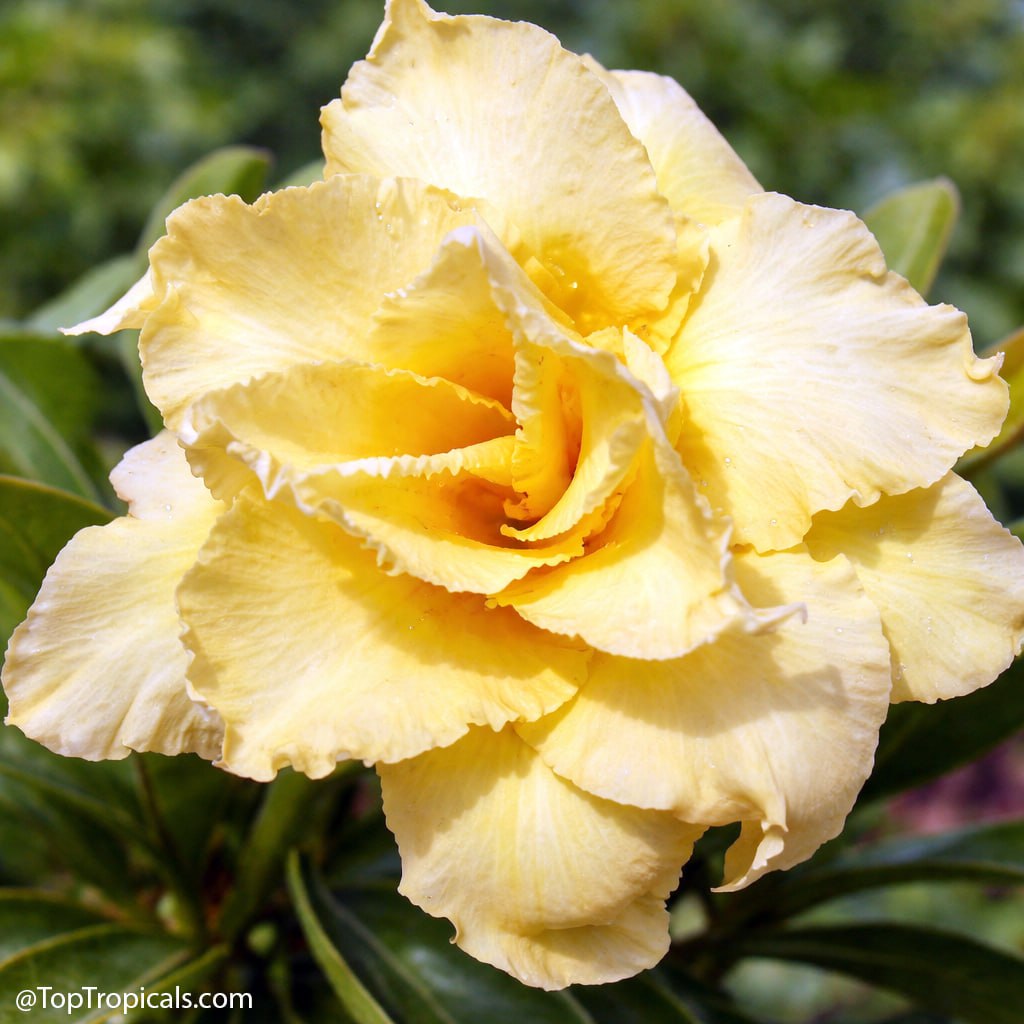
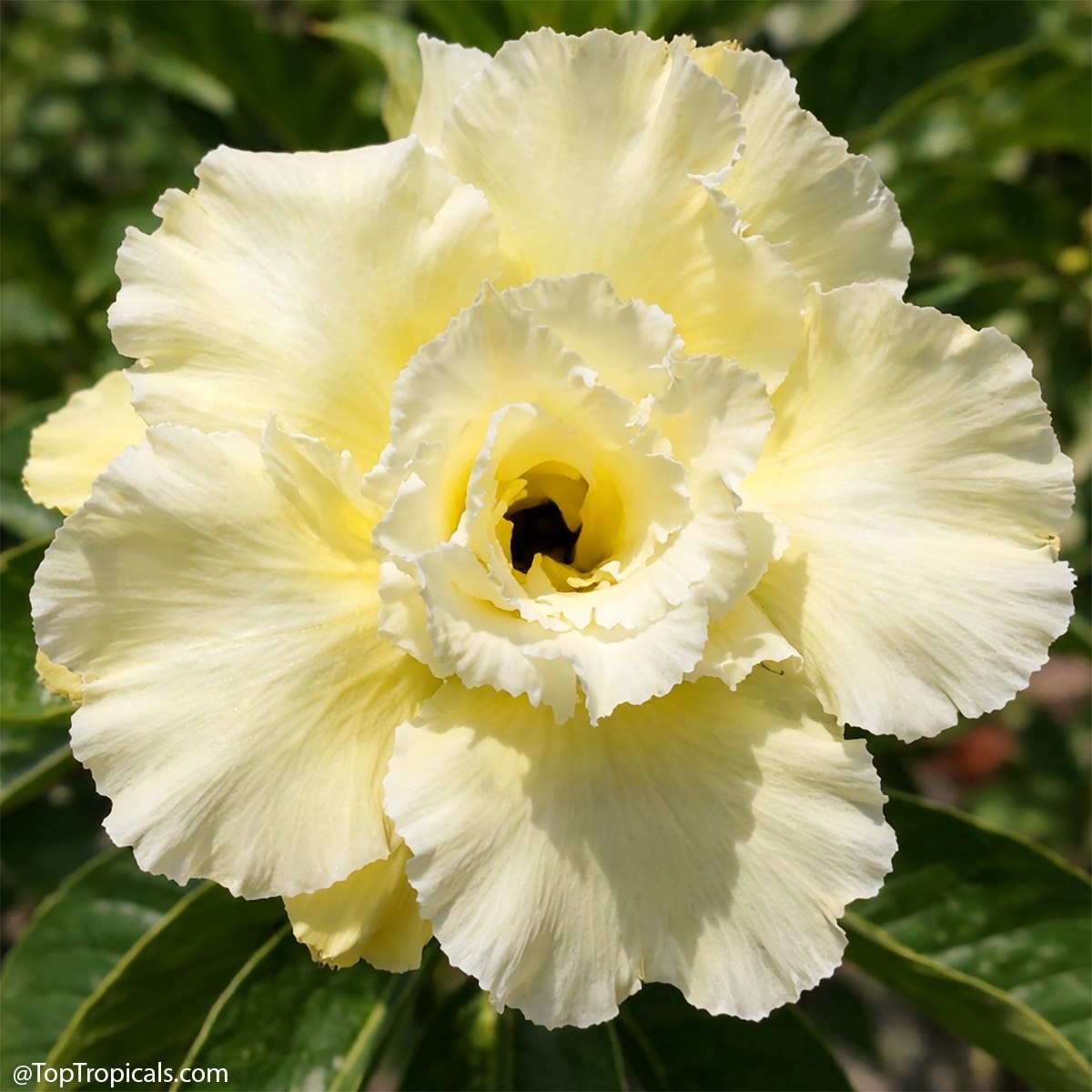
Adenium Vanilla Gold

Adenium Vanilla Gold

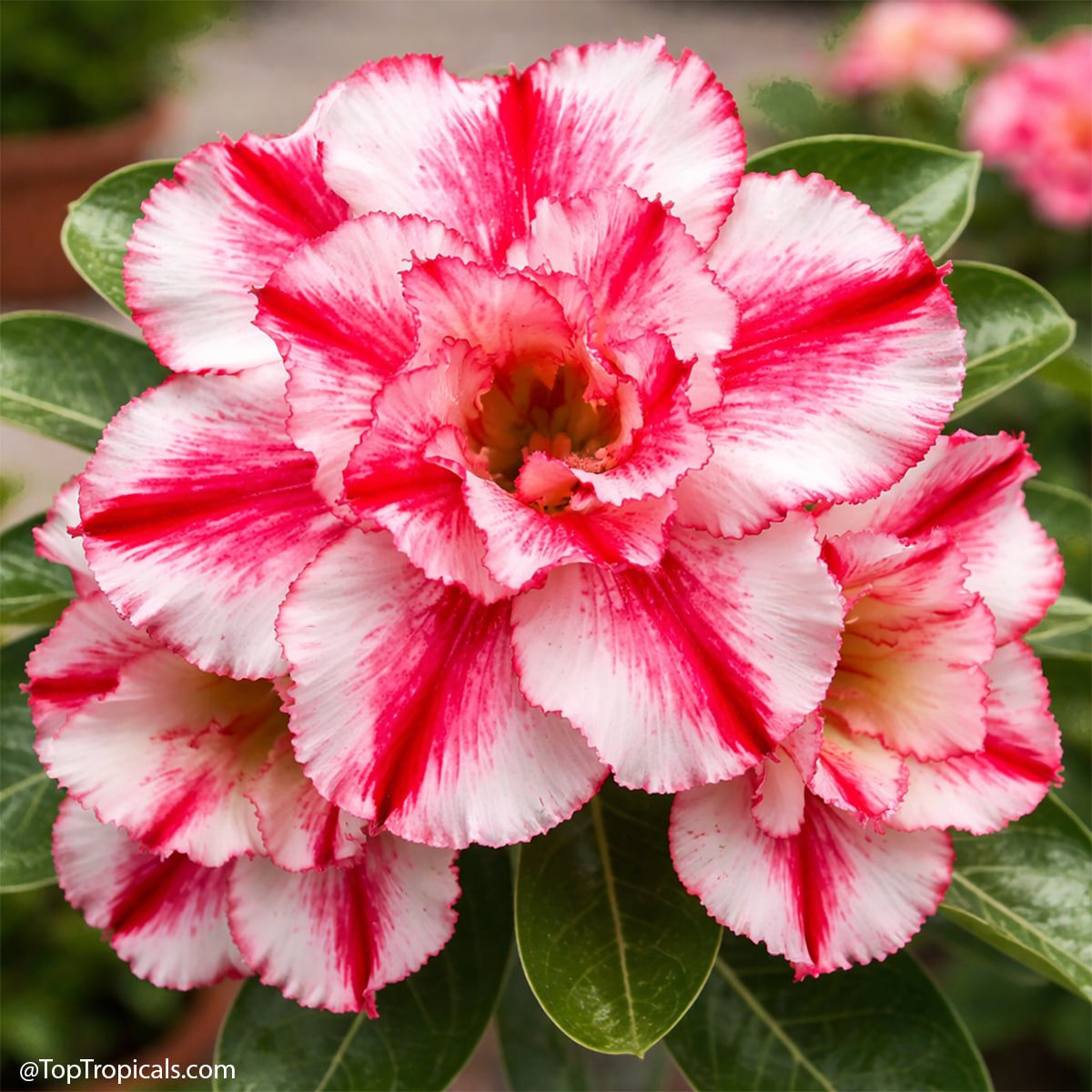
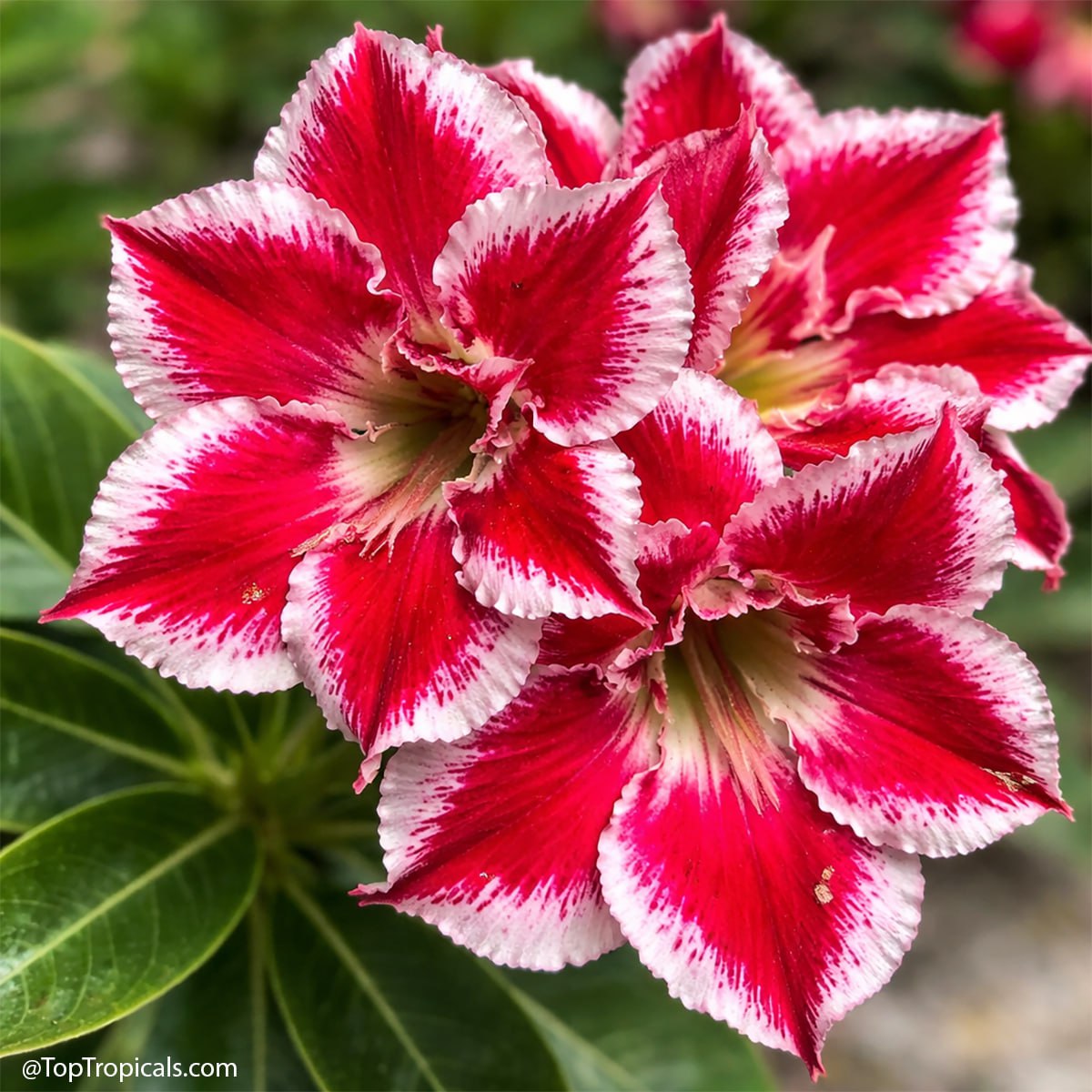
Adenium Multi Berry

Adenium Multi Berry

We picked 6 adeniums - you’ll probably want all 6: Adenium rainbow 🌈

Some adeniums go bright. Some go deep.
And some land right in that rich, warm middle.
This set leans into those “dessert” colors - creamy, golden, purple, and everything in between.
And yes, some varieties even come with fruity or “tasty” names
!

💡 Soil and watering tip


Adeniums are succulents, so they need excellent drainage and prefer to stay on the dry side.
Water deeply, then let the soil dry out before watering again.
No constant moisture.
The potting mix is just as important. It should be very рыхлый and fast-draining, with plenty of conditioners like perlite, bark, or vermiculite.
We recommend using a Adenium Soilless Mix for best results.

🌸 Today's featured adeniums

  •  ✦ Caramel: Warm, rich tones with a smooth, creamy look.
  •  ✦ Bumblebee: Bold contrast with bright yellow and dark patterning - very eye-catching.
  •  ✦ Purple Plum: Deep purple shades with a deep, velvety feel.
  •  ✦ Pineapple: Fresh yellow tones that feel light and tropical.
  •  ✦ Vanilla Gold: Soft golden color with a clean, balanced form.
  •  ✦ Multi Berry: Blend of pinks and reds that gives it a layered, mixed-fruit look.

This kind of mix makes a collection feel warm and inviting - not just colorful, but full of depth.
And once you dial in soil and watering - everything else gets a lot easier.

🛒 Explore Exotic Thai Adeniums

📚 Learn more:

Plant Facts

Adenium sp.
Adenium, Desert Rose, Impala Lily
USDA Zone: 9-11
Plant with caudexLarge shrub 5-10 ft tallSmall tree 10-20 ftFull sunDry conditionsModerate waterYellow, orange flowersRed, crimson, vinous flowersUnusual colorBlue, lavender, purple flowersWhite, off-white flowersPink flowersToxic or Poisonous

#Container_Garden #Adeniums #How_to #Discover

🟢 Join 👉 TopTropicals

Date: 28 Mar 2026

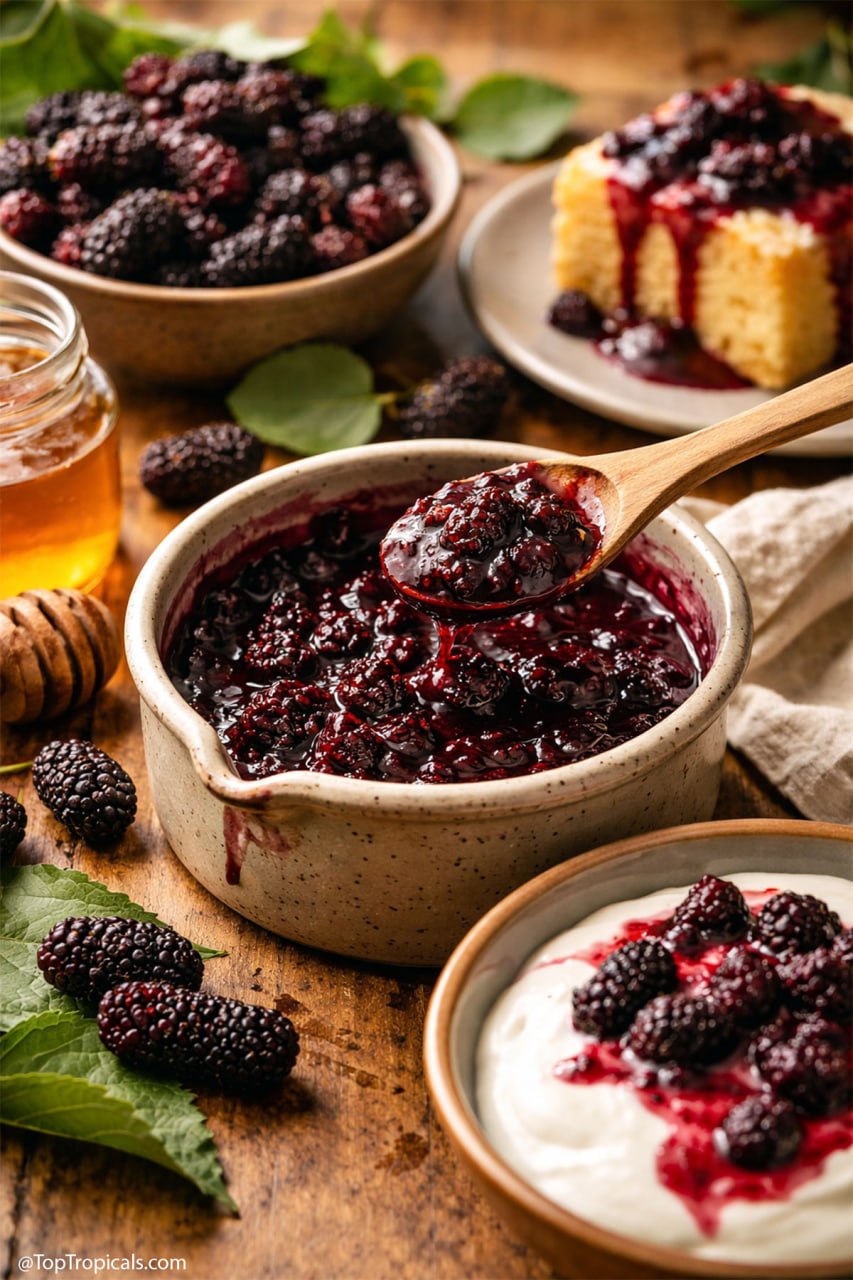
Mulberry stovetop sauce: quick-n-fun exotic recipes

Mulberry stovetop sauce

Mulberry stovetop sauce

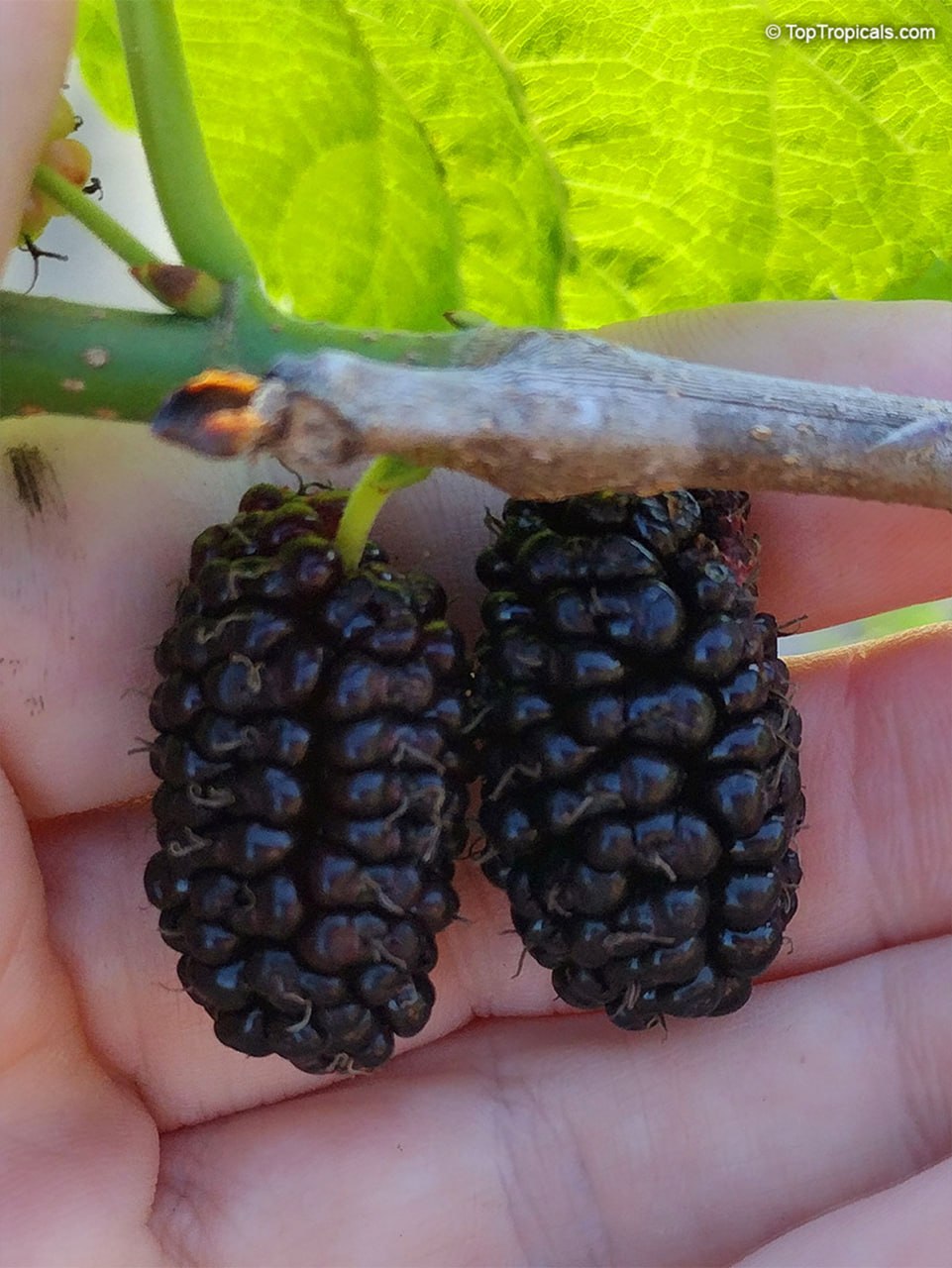
Mulberry fruit

Mulberry fruit

🍴 Mulberry stovetop sauce: quick-n-fun exotic recipes

  • 🔵Simmer fresh mulberries with a spoon of honey.
  • 🔵Cook until they break down into a thick sauce.
  • 🔵Drizzle over yogurt or warm cake.


🌿 About the plant:


Mulberries are soft, juicy berries that range from sweet to wine-like in flavor depending on variety.

🏡 In the garden:


Fast growing and highly productive. Some varieties stay compact and work well in containers.

🛒 Choose from Mulberry varieties

📚 Learn more:

Plant Facts

Broussonetia papyrifera, Morus papyrifera
Paper Mulberry
USDA Zone: 9-11
Large shrub 5-10 ft tallSemi-shadeModerate waterRed, crimson, vinous flowersOrnamental foliageSubtropical plant. Mature plant cold hardy at least to 30s F for a short time

#Food_Forest #Recipes

🟢 Join 👉 TopTropicals

Date: 22 Mar 2021

The most rewarding hardy fruit trees

Q: Recently I started working remotely and I kinda like it, no need to commute, it saves me so much time so I can have life now! My friend got me involved into growing some small houseplants but I really want to take advantage of our Florida climate and sun. I want to plant some cool fruit trees since I have a decent size yard. But I live in Florida Panhandle and we do have some occasional freeze in winter, although not for too long. But it gets very hot in summer! Are there any tropical fruit trees that will be happy here? Or should I keep everything in pots? I am excited to have my own tropical plant collection!

A: There is a perfect plant for everyone, and a perfect tree for every climate. Many tropical and especially subtropical plants can be much hardier than they are believed to be, both flowering and fruiting trees among them. You may keep the most sensitive species in pots and bring them inside for winter, while there are so many trees that will be happy in your area. Start with these that are perfect for climates with hot summers and cool winters:

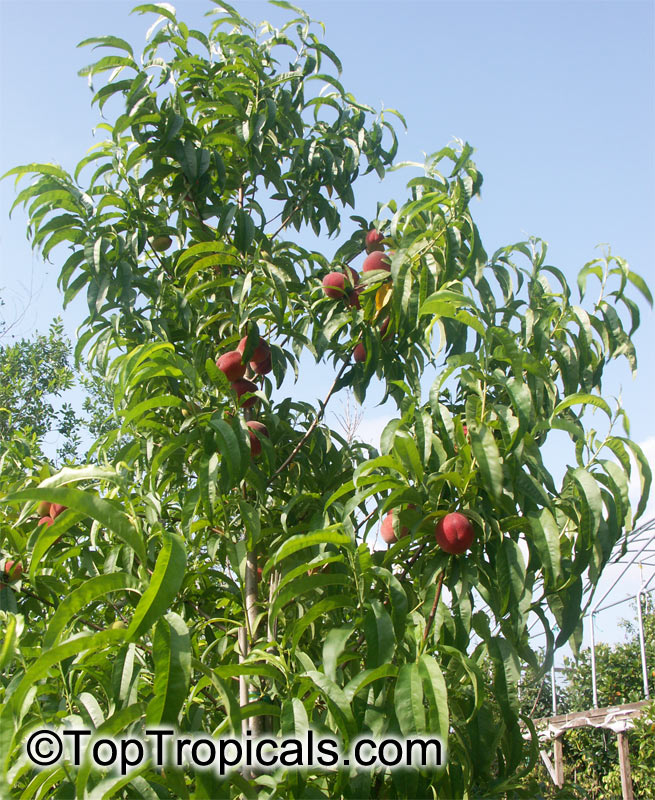
1. Peaches and Plums

Low-chill, Heat-tolerant Peaches, Nectarines, Plums are especially selected for Florida hot summers. They produce well and do not require many "chill" hours like temperate fruit trees. They only need 150 chill hours and grow well in even in Arizona, so you know they are taking the heat.

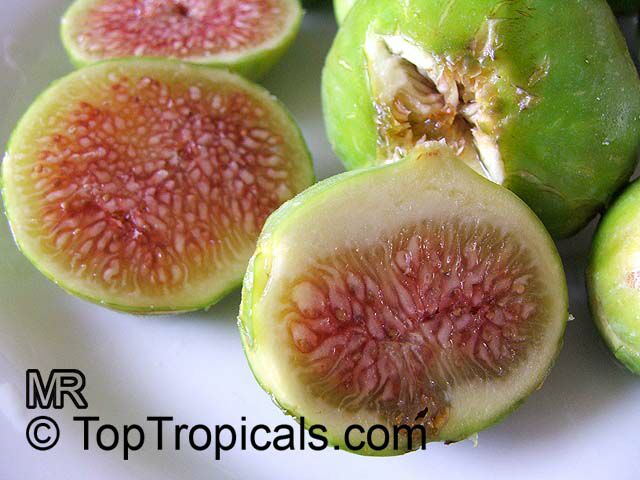
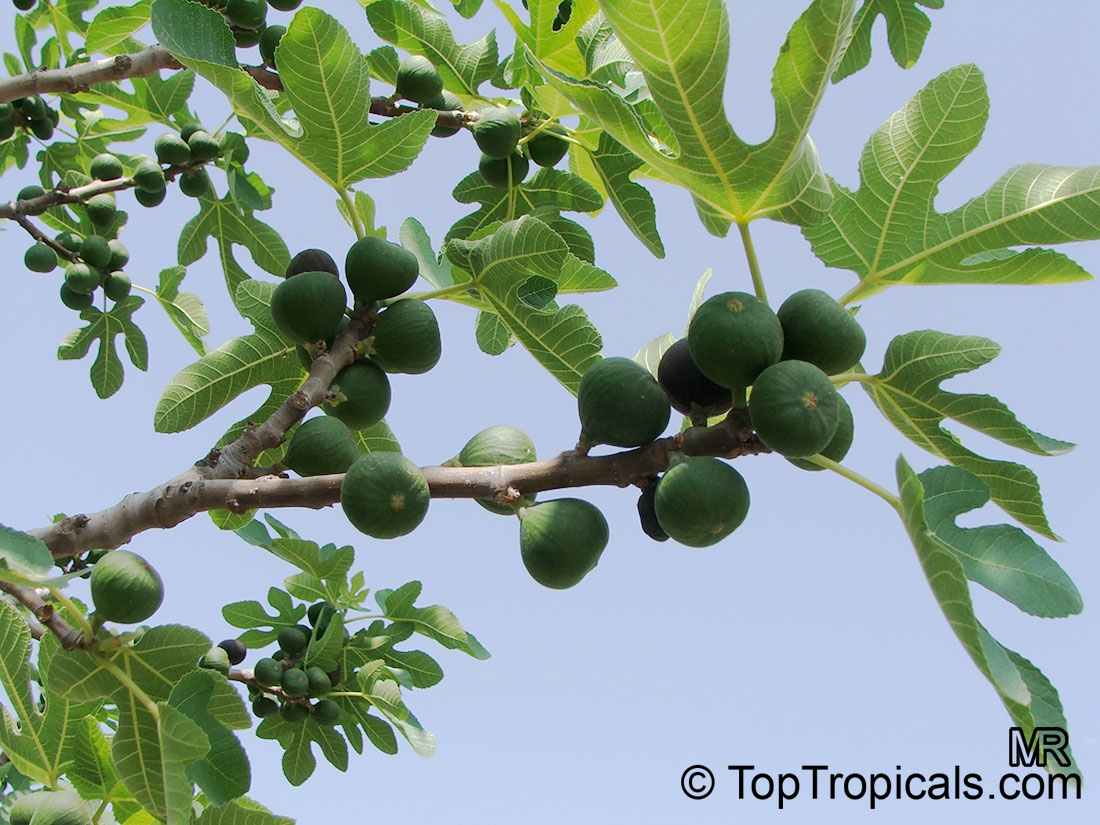
2. Figs

2) Fig trees - they are easy to grow, heat- and drought- resistant trees. They are prized for their delicious fruit, which can be one to three inches in length, violet, brown or black. There are even varieties with yellow fruit. Most fruits are borne from early summer to late fall on new growth, and the fruits generally mature very quickly. These trees are sensitive to frost only when actively growing, but can withstand 10F when dormant. Read more about Fig trees.

Date: 6 Dec 2025

🌿 Bring the Jungle Inside: Winter Survival Guide Part 2.Temperature. ❄️

Smokey  the  tuxedo  cat  checks  thermometers  by  a  cold  window  while  Sunshine  the  ginger  tabby  relaxes  near  a  heater  holding  a  room  thermometer  showing  74  F.

Smokey: Too cold. We need more heaters so the plants feel comfortable.
Sunshine: I feel comfortable.
Smokey: You are not part of my plant collection, but I am glad you are comfortable.

🌡️ TEMPERATURE: THE TROPICAL DORMANCY LINE

In Part 1 (Winter Survival Guide: Temperature) we covered the foundation: light, placement, and acclimation. That is the survival layer.

Most tropicals stop growing below 70 to 75 F. They stay green, but their engine shuts down.

Below 70F:

  • Water intake drops.
  • Roots slow down.
  • Fertilizing becomes risky.
  • Root root becomes easy.

If you WANT your plants to grow in winter, you must take care of everything: Warmth, light, humidity, water. It all works together.

  • Aim for 75 F with bright light. Water lightly. No fertilizer.
  • Watch out for drafts. Cold windows. Door blasts. Garage entryways. Even one gust can trigger leaf drop.
  • Vents are the opposite problem: hot, dry, dusty air. That gives you crispy edges and mites.
  • Root zone temperature matters just as much as room air. Your thermostat may say 72 F, but your pot on a tile floor may be sitting at 55 F. Fix this by elevating pots on boards or stands. Use Styrofoam. Never keep pots directly on cold tile o windowsill
  • Extra winter heat: Space heaters are fine if used smartly. Do not blow hot air directly on plants. Keep heaters away from cords, trays, and water. Oil filled radiators are the safest option for plant rooms.
  • Use a humidifier if you want growth or want to prevent spider mites. But do not blow mist directly onto leaves. Always place the unit lower than the plant canopy.
  • Grouping helps. Put tropical plants close together to share humidity. Do not mix succulents with humidity lovers.
  • Cats and dogs love to knock over lights and stands. Secure your fixtures. Trust us.
  • Airflow: Light airflow is healthy. Direct fan blast is not. Still, dry corners invite mites.
  • A mild night drop is OK. A big one below 55 F will stop growth completely.

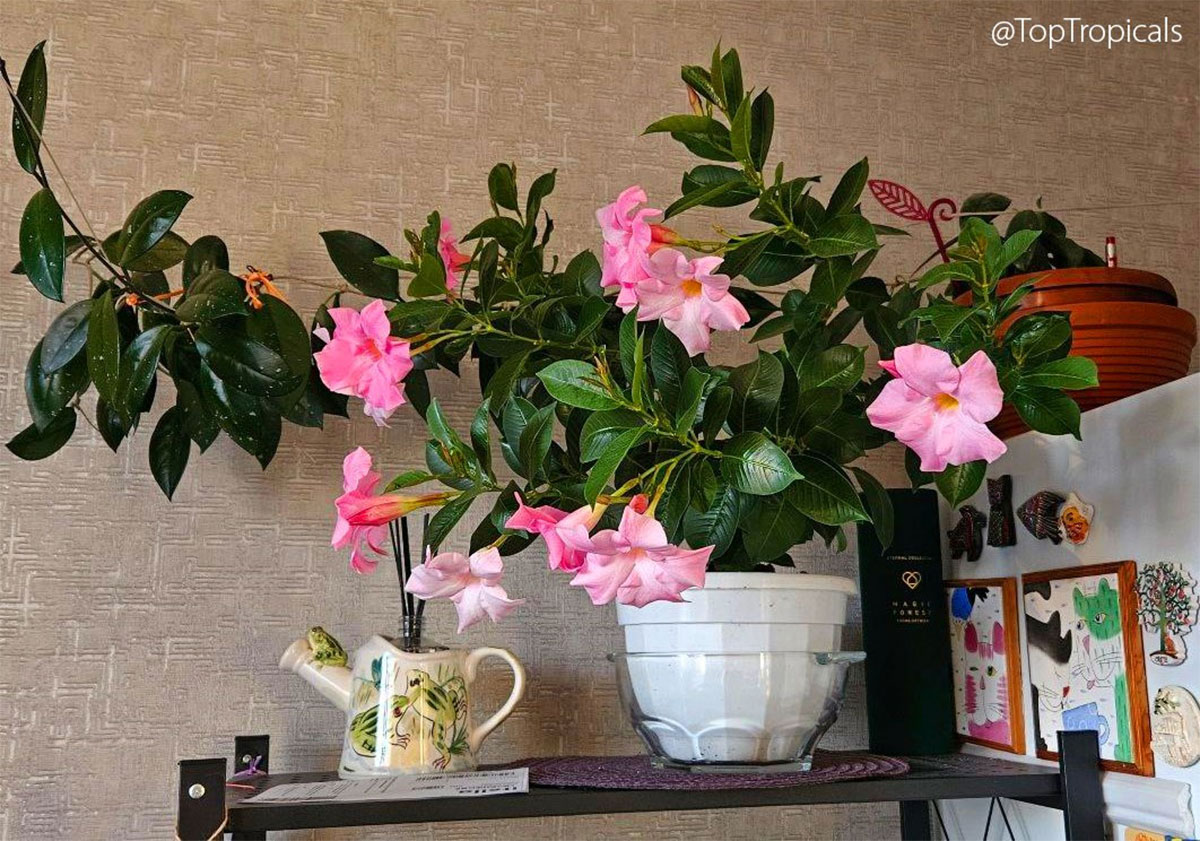
Pink  mandevilla  vine  blooming  indoors  in  a  white  pot  on  a  shelf.

A mandevilla thriving indoors with bright pink blooms and glossy green leaves.

☂️ PLACEMENT: MICROCLIMATES RULE EVERYTHING

Indoors is one big tradeoff: light but cold near windows, warm but dim away from them. The winning combo is a warm room with supplemental light.

Best zones to keep plants in winter:

  • South or east windows with additional light
  • Warm living spaces
  • Bright bathrooms for natural humidity

Worst zones to keep plants in winter:

  • Behind curtains
  • Directly on windowsills
  • Near heaters or vents
  • Against cold exterior walls
  • Dark corners without supplemental lighting

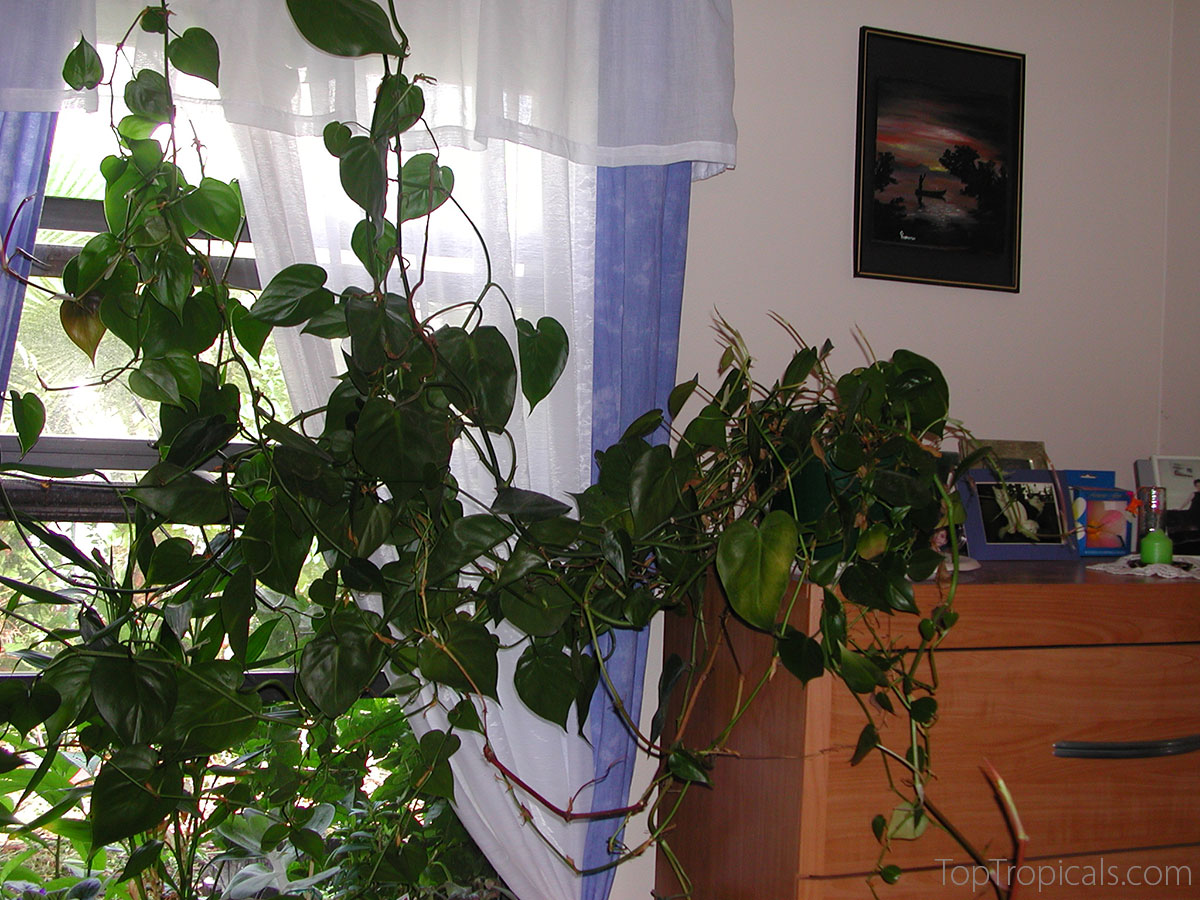
Large  philodendron  vine  growing  indoors  across  a  window  and  dresser.

A vigorous indoor philodendron stretching across the window.

💨 ACCLIMATION

Moving a plant from outdoors to indoors is a shock. Light drops. Humidity drops. Airflow stops. Soil cools. Even healthy plants may drop some leaves for a few weeks. That is normal.

Before you bring them inside:

  • Rinse foliage to remove dust and pests. We recommend Sunshine NoBug - and organic, safe solution.
  • Check for ants.
  • Trim weak branches.
  • Treat soil if fungus gnats are present.

Try to bring plants inside before the first cold front, not after. If you are reading this too late, do the prep now and expect a little leaf drop.

If you nail light and temperature, winter becomes simple. In the next mail-list we will cover watering, fertilizer timing, humidity, and other indoor tricks that keep tropicals happy till spring. Stay tuned.

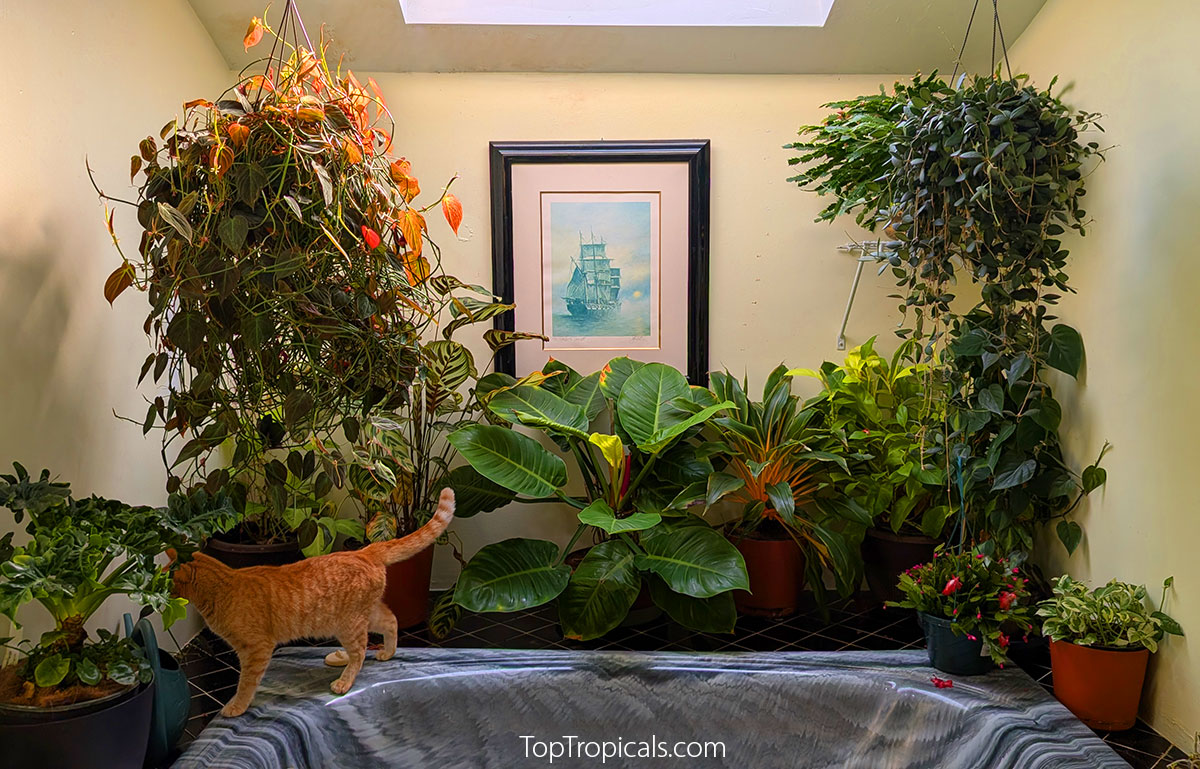
Indoor  bathroom  garden  with  tropical  plants  under  a  skylight  and  an  orange  cat  walking  in  front.

Cat Bob is inspecting his indoor garden around the tub with a bright skylight


✔️ WINTER INDOOR FAQ: TEMPERATURE AND PLACEMENT

Q: Why are leaves dropping only on the window side?
A: Cold glass. The room may be warm, but the glass surface can be much colder.

Q: Is a cold room OK for tropicals?
A: They may survive, but they will not grow below about 65F to 75F. When nights stay below 65F for a week, many plants enter dormancy.

Q: My room feels warm. Why is my plant still not growing?
A: Check the soil temperature. Pots on cold tile can be 10 to 20F colder than the air.

Q: Can plants sit directly on the floor?
A: Not on cold tile. Always elevate them on boards, stands, or trays.

Q: Is it OK to keep plants near a heater or vent?
A: No. Vents and heaters blast hot, dry air and cause crispy leaves and mites.

Q: My plant is dropping leaves after coming indoors. Why?
A: Normal acclimation to reduced light and humidity right after the move.

Q: Can I keep plants in a bright bathroom?
A: Yes. Bathrooms can have good humidity. Just keep pots off cold tile.

Q: Do I need a humidifier?
A: Not for survival. Yes if you want better growth and fewer pests like spider mites.

Q: Do I need a grow tent?
A: No. A bright LED plus a warm room is enough for winter holding.

Q: Should I fertilize in winter?
A: Not now. Winter fertilizer rules will be covered in the next mail-list.

Q: Should I water the same as in summer?
A: No. Indoor plants need much less water in winter. Watering rules also coming soon.

🛒 Shop Indoor Garden


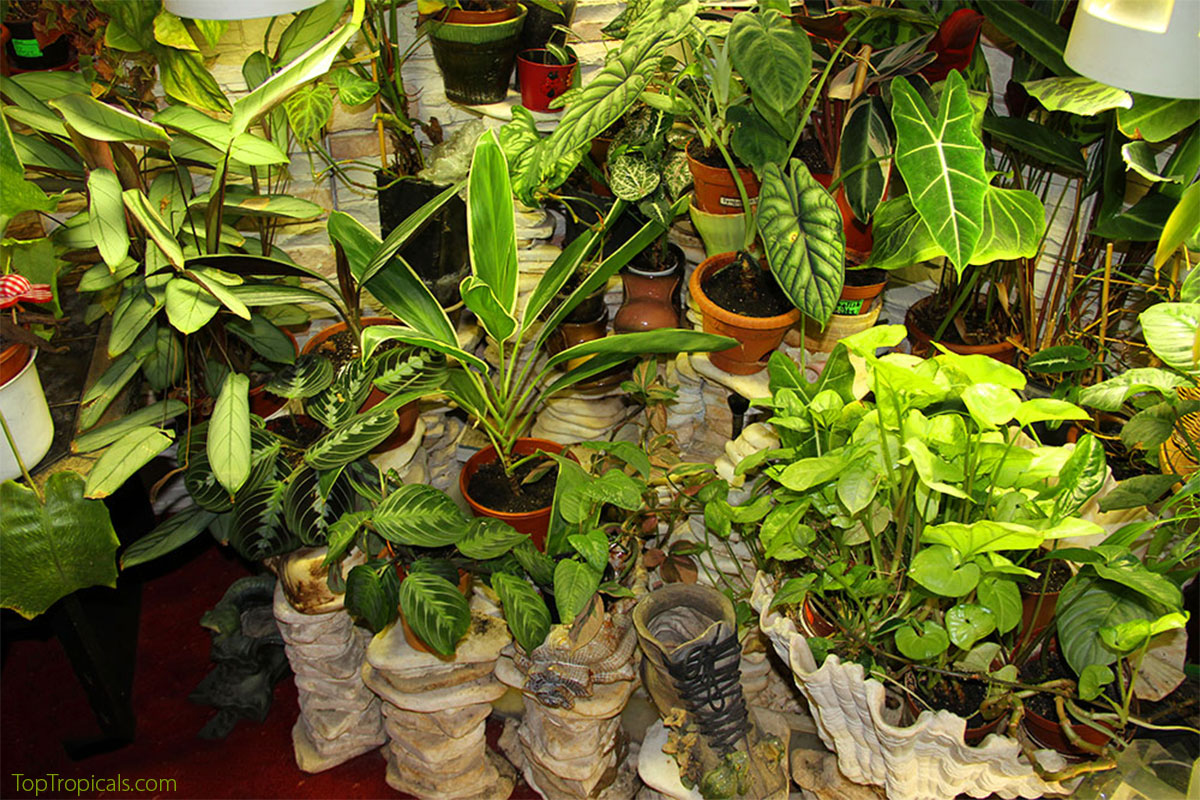
Indoor  plants


📚 Learn more: