Garden Blog - Top Tropicals

Date: 25 Jan 2026

How to grow Winter blooms without sun, indoors or out

Clerodendrum wallichiii - Bridal Veil

✨ How to grow Winter blooms without sun, indoors or out


⭐️ Clerodendrum wallichii - Bridal Veil, is one of those plants that quietly steals the show. It is a graceful shrub that drapes itself in long, hanging sprays of white, lightly fragrant flowers just when many gardens are slowing down. Around fall and into winter, it suddenly comes alive with cascading blooms that really do look like a veil.

Bridal veil Plant Facts

Botanical name: Clerodendrum laevifolium, Clerodendrum wallichii, Clerodendrum nutans
Also known as: Bridal veil, Nodding Clerodendron
USDA Zone: 9 - 11
Highligths Large shrub 5-10 ft tallSmall plant 2-5 ftSemi-shadeWatering: Moderate. Water when top soil feels dryWhite, off-white flowersPlant attracts butterflies, hummingbirdsFragrant plantSubtropical plant. Mature plant cold hardy at least to 30s F for a short time
Get personalized tips for your region


⭐️ One of the things that makes Bridal Veil really special is that it blooms beautifully in bright shade, which is rare - not many flowering shrubs are happy without direct sun. Because it tolerates lower light so well and stays elegant in a container, it also makes a surprisingly great indoor plant in a bright room or sunroom.

⭐️ What you will love most is how elegant but easygoing it is. The plant grows upright with soft, arching branches, usually topping out around 6–7 feet, with narrow, pointed leaves that stay neat and refined. The green stems set it apart from some other clerodendrums, giving it a lighter, airier look even when it’s not in flower.

⭐️ Bridal Veil does best when you treat it gently. It likes bright light but not harsh afternoon sun, and it really appreciates protection from wind. Give it a spot with morning sun or bright shade, keep the soil evenly moist but well drained, and it rewards you without much fuss. It’s a great choice for containers, patios, or sheltered garden beds where you can enjoy the flowers up close.

⭐️ Another bonus - it blooms when you want it most. While many plants rest, Bridal Veil puts on its show from fall through spring, making it a favorite for winter-interest gardens in warm climates. Pollinators notice it too, especially when little else is blooming.

⭐️ If you like plants that feel a bit romantic, bloom off-season, and don’t need constant attention, this one earns its place fast. Bridal Veil is quiet, graceful, and unforgettable once you’ve grown it.

🛒 Start your Clerodendrum collection

📚 Learn more:
💋Clerodendrum wallichiii in Plant Encyclopedia
💋Collecting clerodendrums: big color, little effort
💋Clerodendrum schmitii and Clerodendrum wallichii
💋What is the difference between Clerodendrum schmitii and Clerodendrum wallichii?

#Shade_Garden #How_to #Hedges_with_benefits #Container_Garden

🟢 Join 👉 TopTropicals
Date: 20 Feb 2026

Top Ten Fruit Tree Winners of Florida 2026 Record Freeze

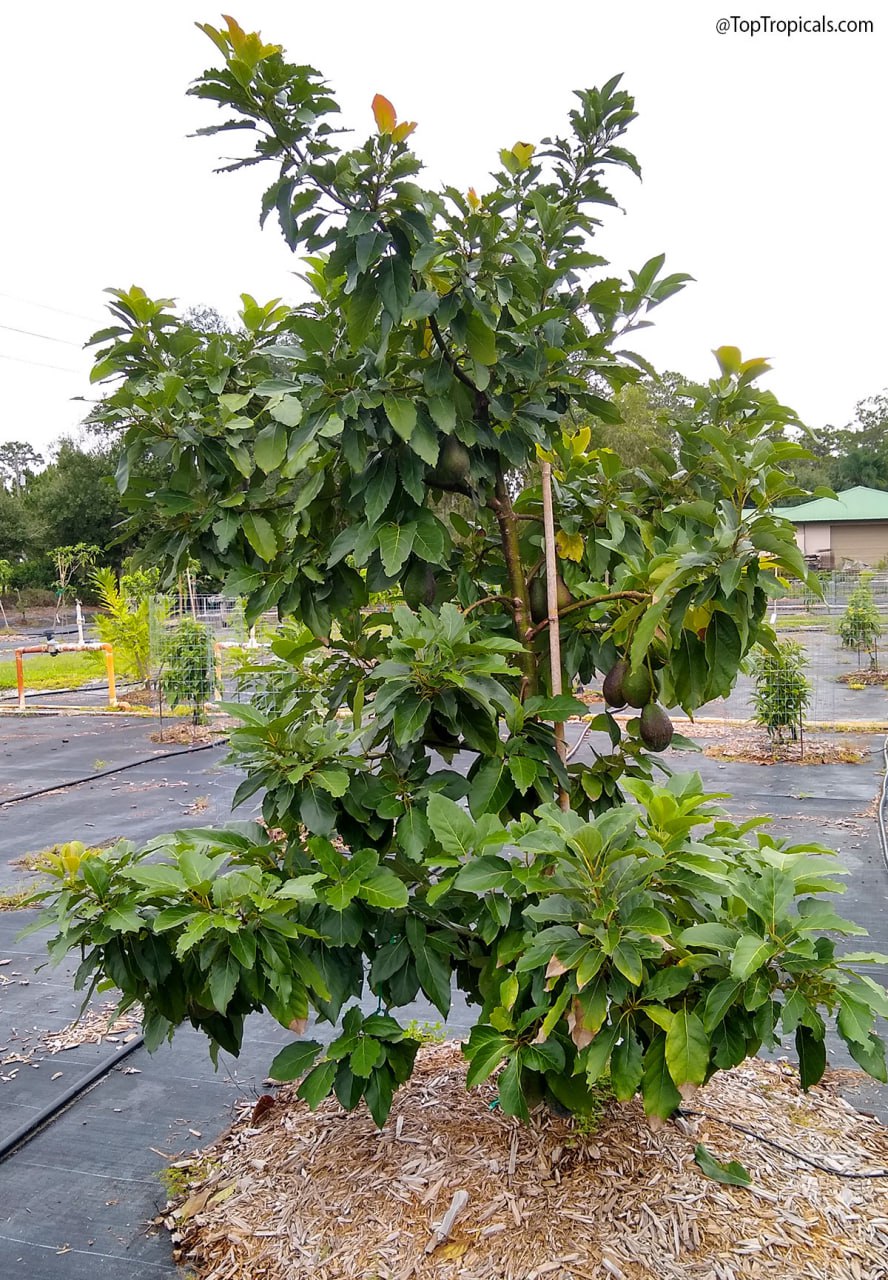
Avocado tree with fruit

Avocado tree with fruit

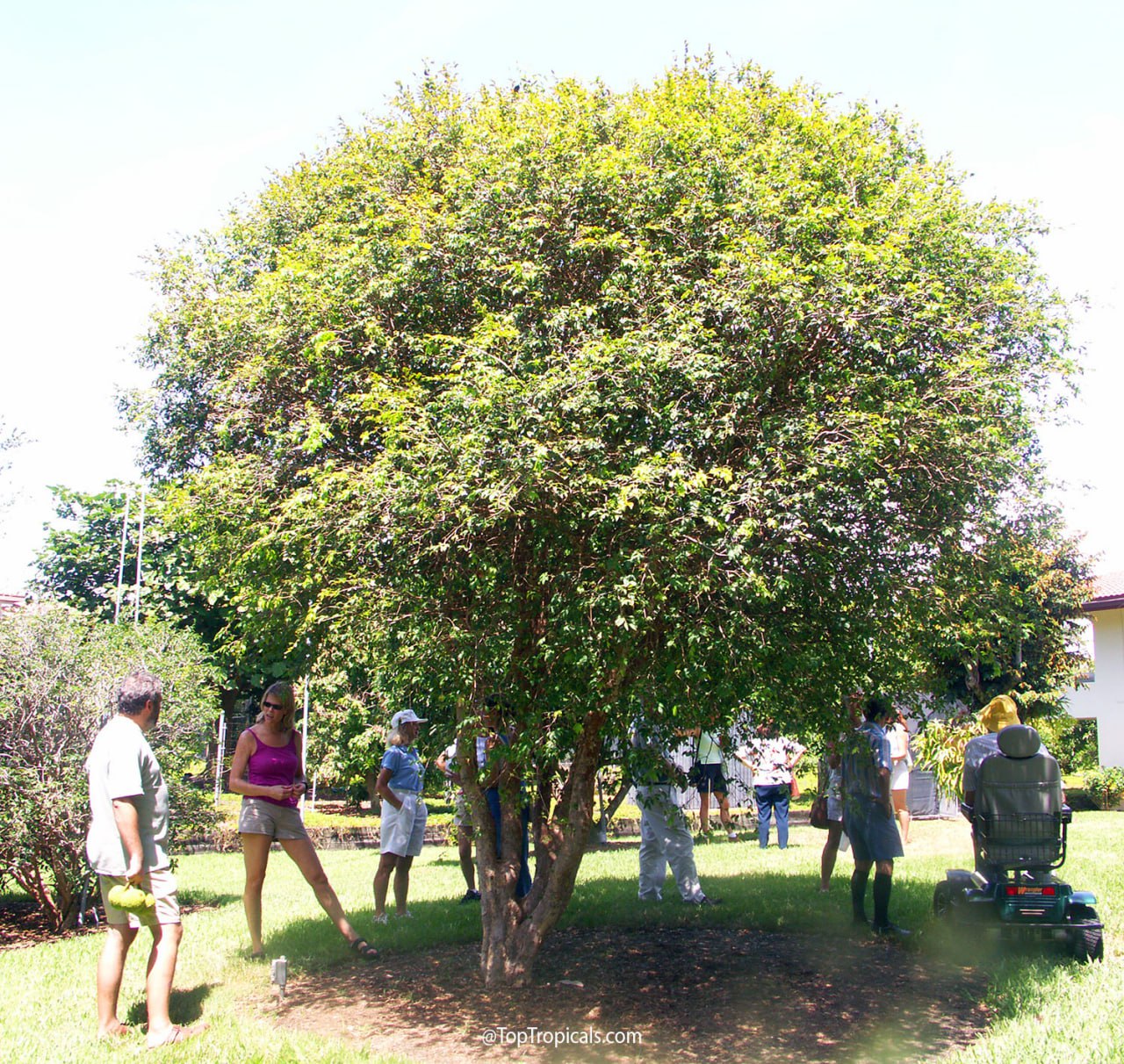
Eugenia

Eugenia

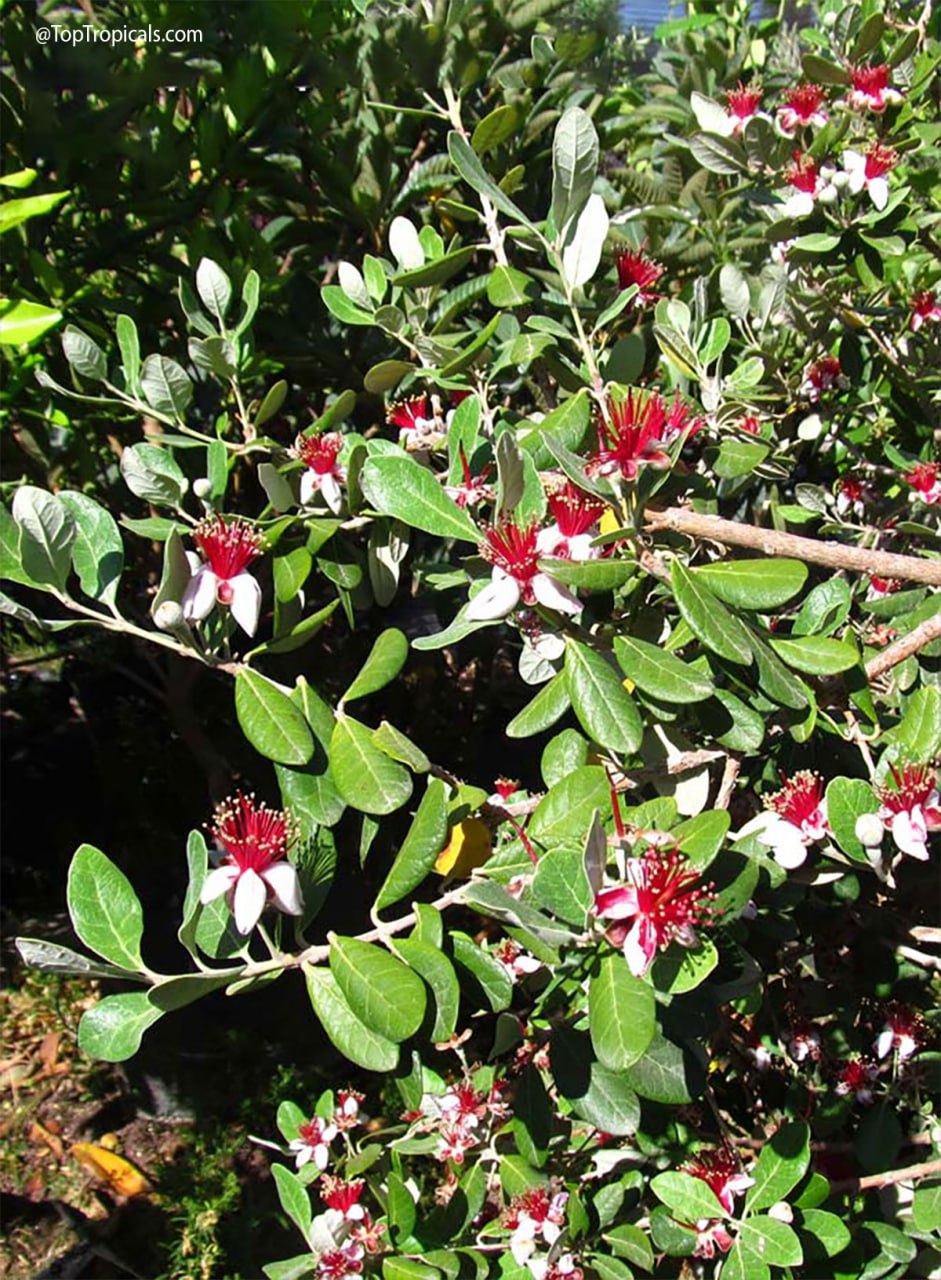
Feijoa - Pineapple Guava

Feijoa - Pineapple Guava

Jaboticaba tree

Jaboticaba tree

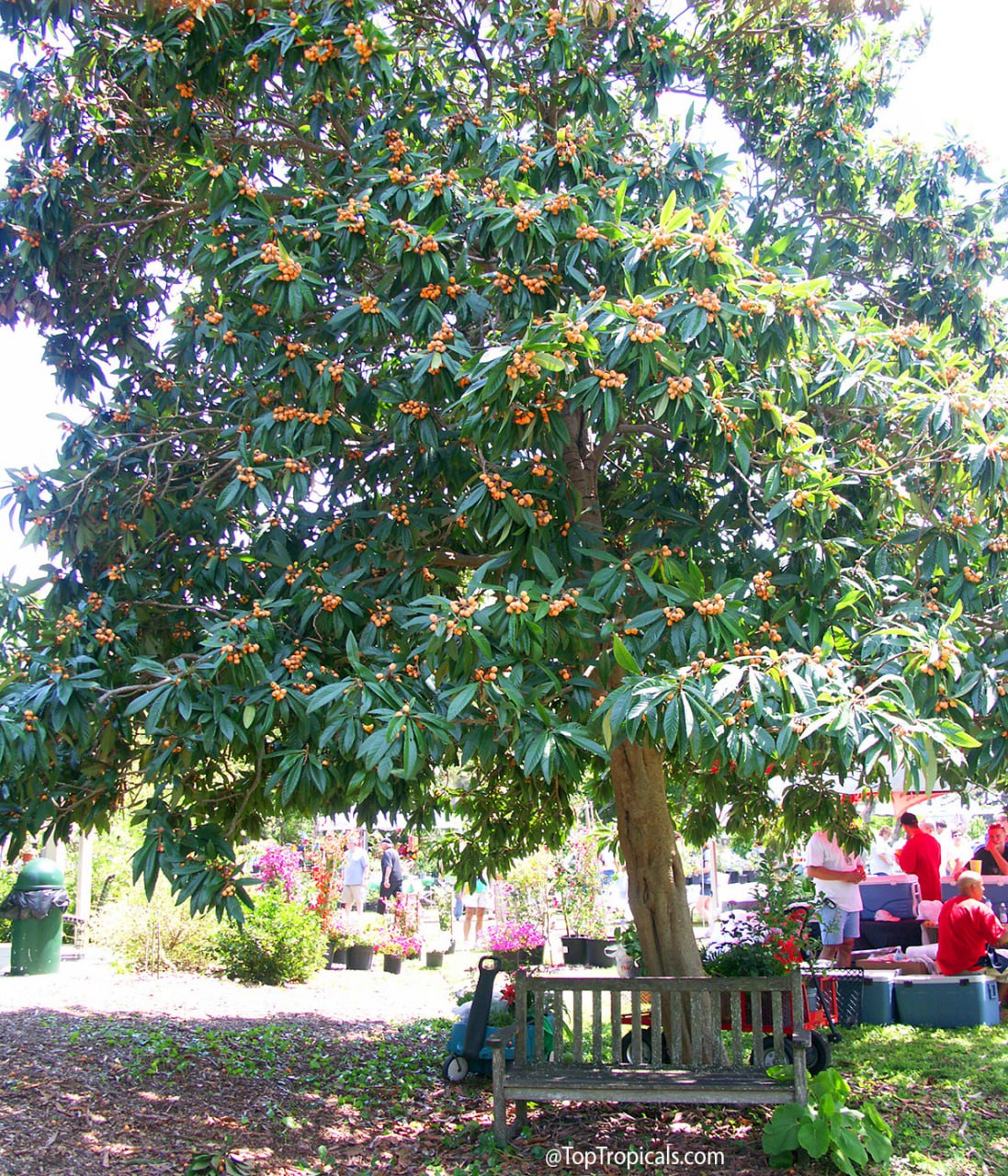
Loquat tree

Loquat tree

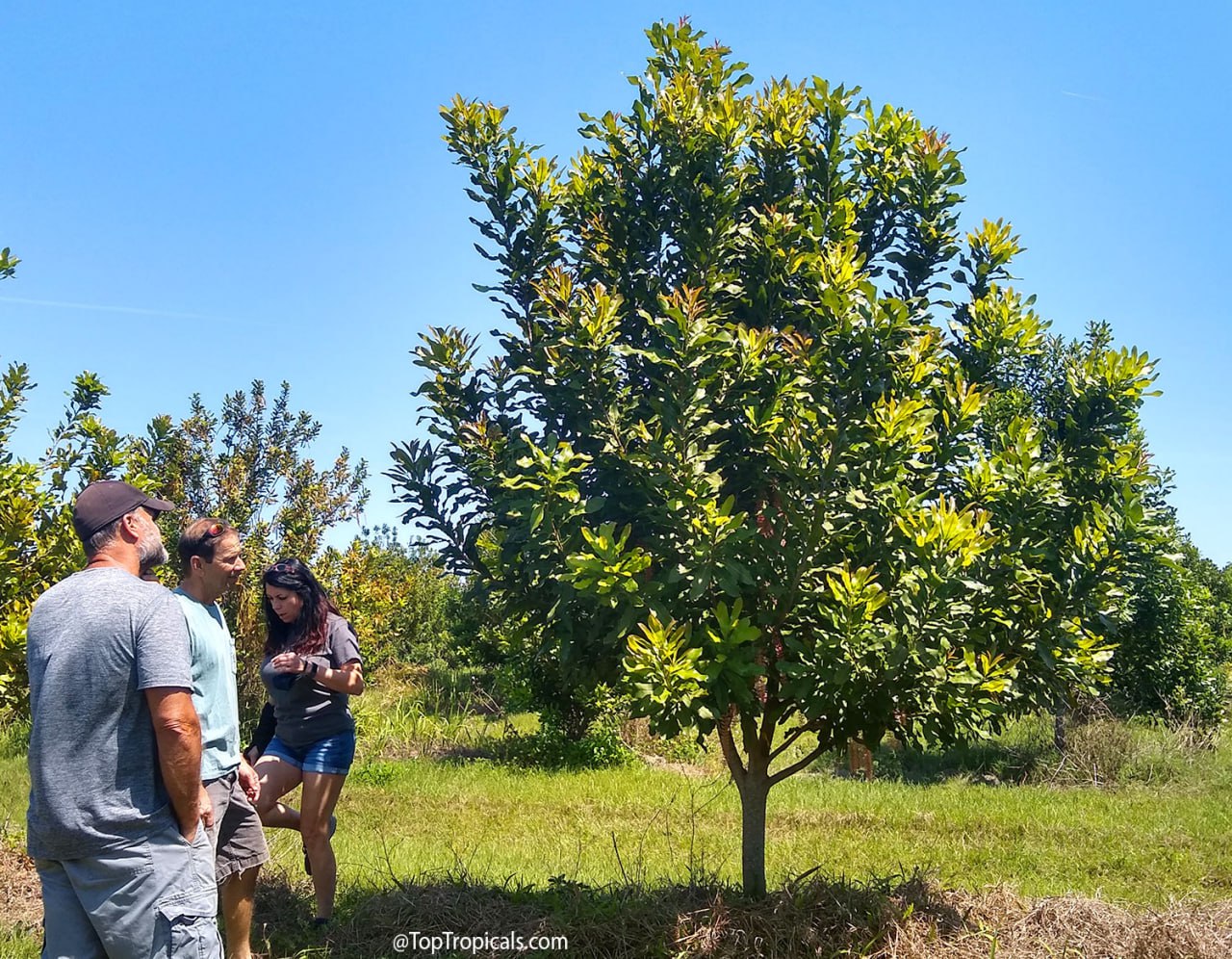
Macadamia Nut tree

Macadamia Nut tree

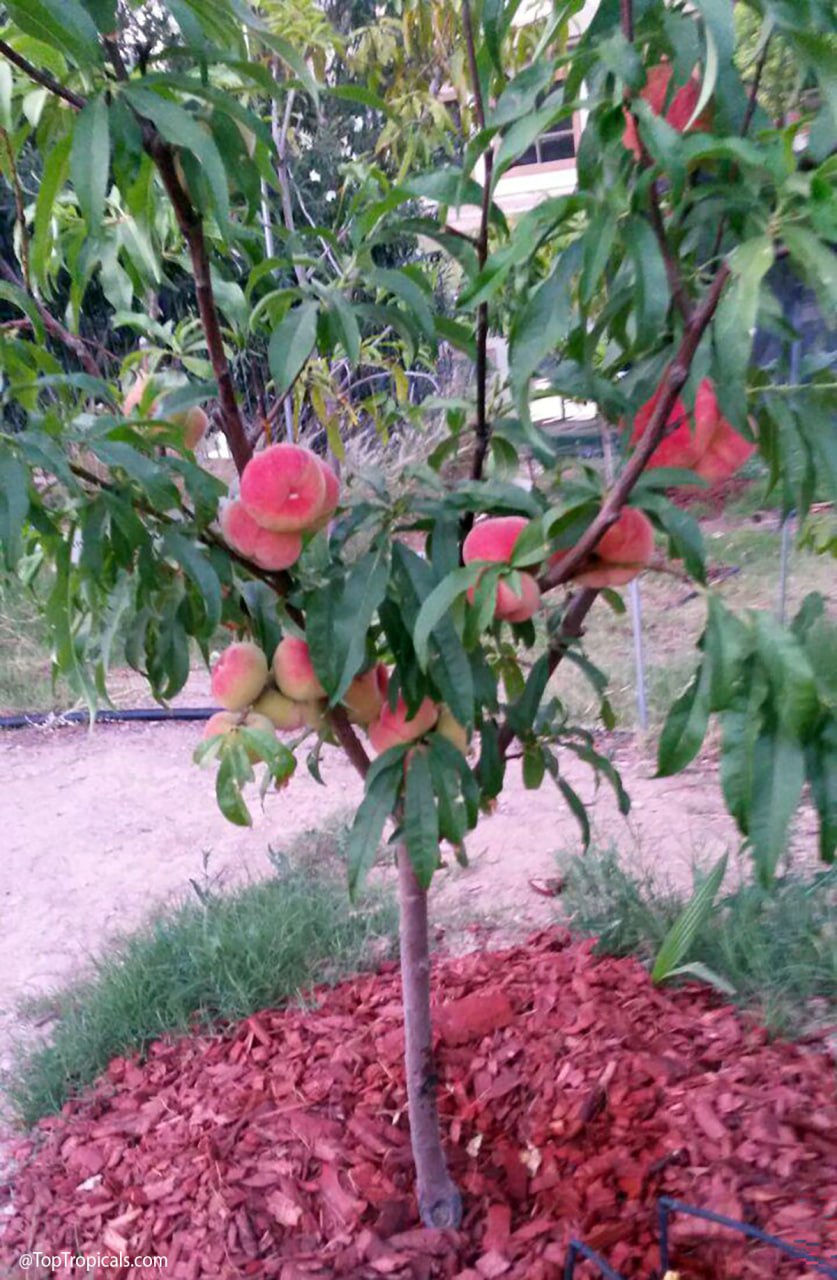
Prunus sp - Peach

Prunus sp - Peach

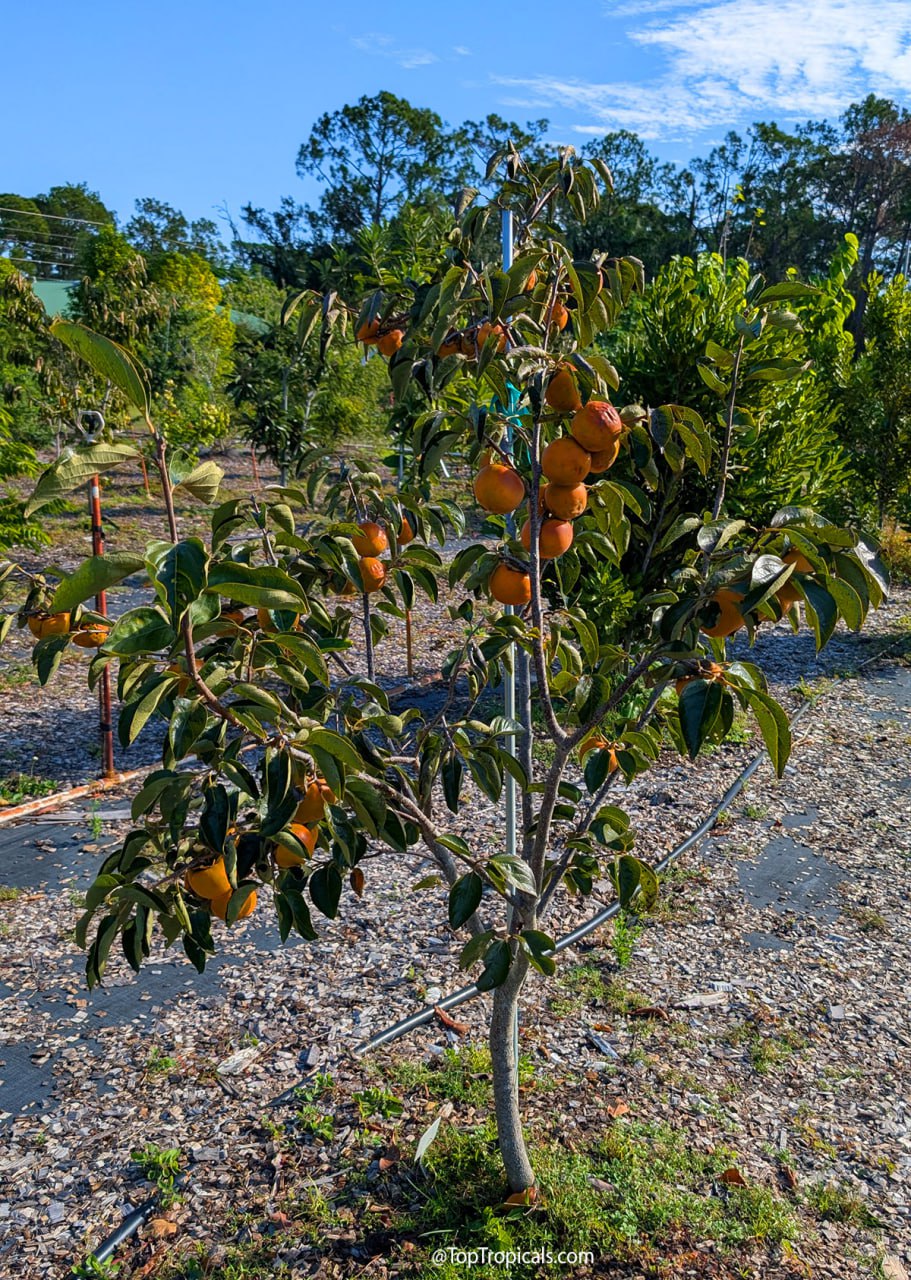
Persimmon tree

Persimmon tree

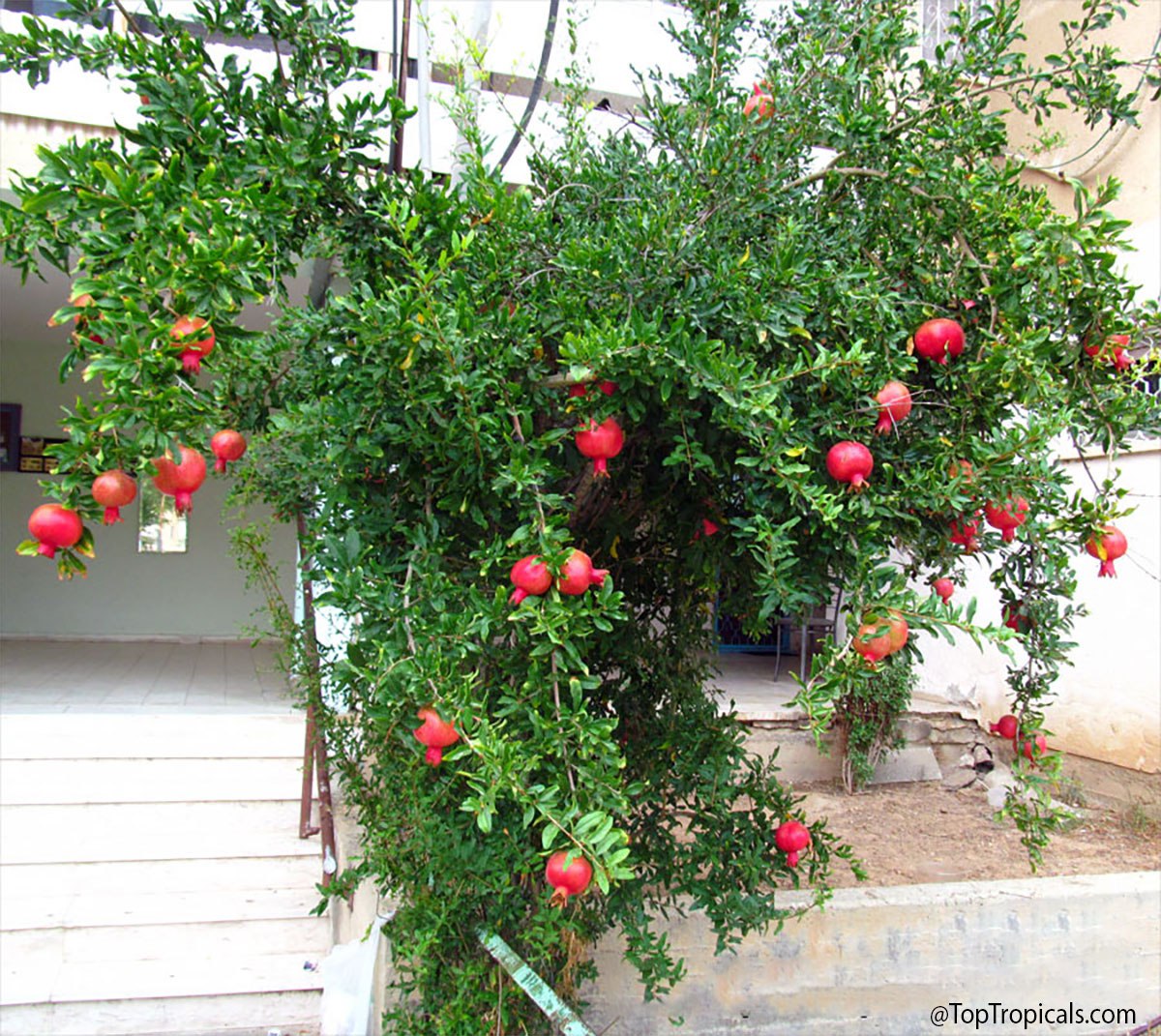
Pomegranate tree with fruit

Pomegranate tree with fruit

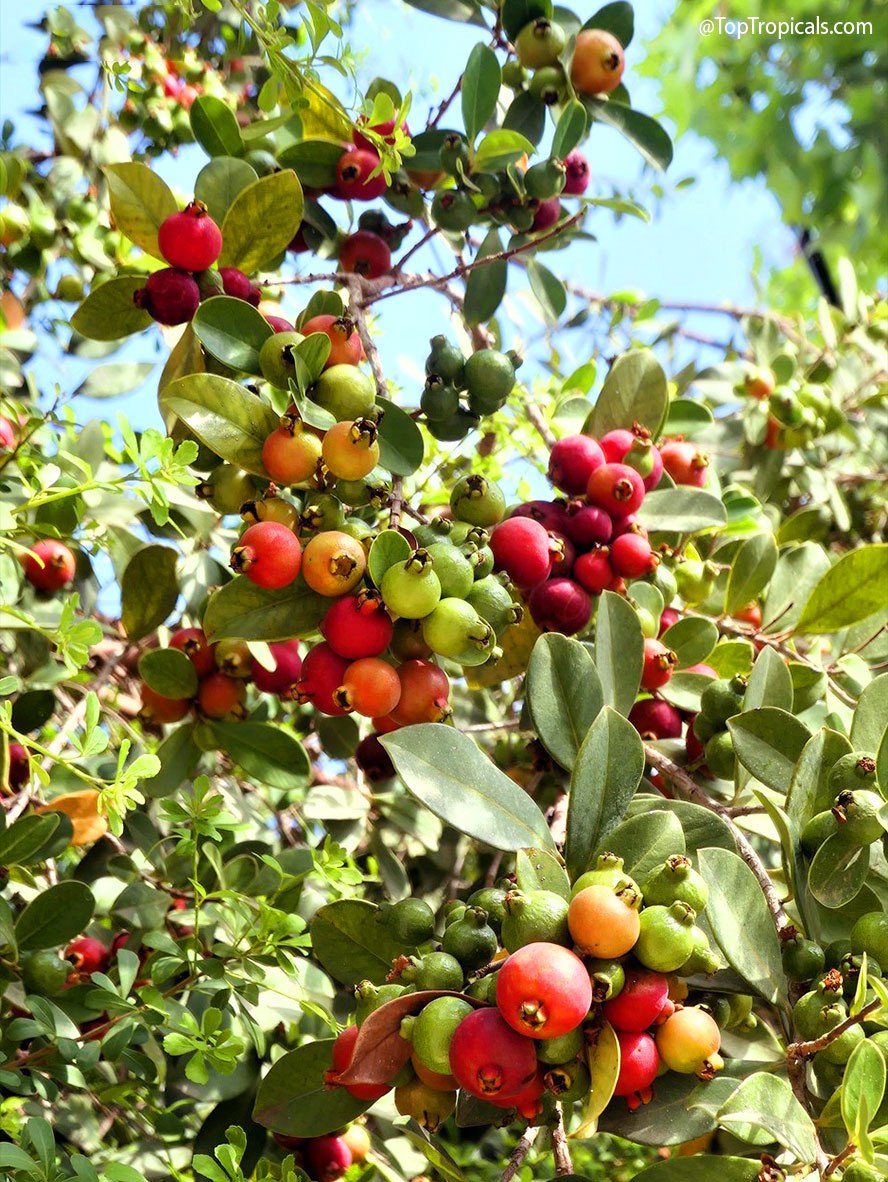
Psidium littorale - Cattley Guava tree with fruit

Psidium littorale - Cattley Guava tree with fruit

🏆 Top Ten Fruit Tree Winners of Florida 2026 Record Freeze


These fruit trees had no damage after 3 nights of hard freeze (25F) with NO PROTECTION:

Avocado Plant Facts

Botanical name: Persea americana, Persea gratissima
Also known as: Avocado, Alligator Pear, Aguacate, Abacate
USDA Zone: 9 - 11
Highligths Large tree taller than 20 ftSmall tree 10-20 ftFull sunWatering: Regular. Let topsoil dry slightlyEdible plantSubtropical plant. Mature plant cold hardy at least to 30s F for a short time
Get personalized tips for your region

Pineapple Plant Facts

Botanical name: Ananas comosus
Also known as: Pineapple, Pina
USDA Zone: 9 - 11
Highligths Small plant 2-5 ftSemi-shadeFull sunWatering: Moderate. Water when top soil feels dryOrnamental foliageThorny or spinyEdible plantSubtropical plant. Mature plant cold hardy at least to 30s F for a short time
Get personalized tips for your region

Pomegranate Plant Facts

Botanical name: Punica granatum
Also known as: Pomegranate, Granada, Grenade, Pomegranate, Granada, Anar, Granaatappel, Pomo Granato, Romeira, Melo Grano
USDA Zone: 8 - 11
Highligths Large shrub 5-10 ft tallSmall tree 10-20 ftFull sunWatering: Moderate. Water when top soil feels dryRed, crimson, vinous flowersThorny or spinyEdible plantDeciduous plantEthnomedical plant.
Plants marked as ethnomedical and/or described as medicinal, are not offered as medicine but rather as ornamentals or plant collectibles.
Ethnomedical statements / products have not been evaluated by the FDA and are not intended to diagnose, treat, cure, or prevent any disease. We urge all customers to consult a physician before using any supplements, herbals or medicines advertised here or elsewhere.Subtropical plant. Mature plant cold hardy at least to 30s F for a short timeSeaside, salt tolerant plant
Get personalized tips for your region

Cattley Guava Plant Facts

Botanical name: Psidium cattleyanum, Psidium littorale
Also known as: Cattley Guava, Sand Plum, Strawberry Guava
USDA Zone: 9 - 11
Highligths Large shrub 5-10 ft tallSmall tree 10-20 ftSemi-shadeFull sunWatering: Moderate. Water when top soil feels dryWatering: Regular. Let topsoil dry slightlyWhite, off-white flowersEdible plantFlood tolerant plantSeaside, salt tolerant plant
Get personalized tips for your region


✔️ Avocado - cold hardy varieties
✔️ Eugenias (Grumichama, Rio Grande, Surinam and more)
✔️ Feijoa - Pineapple Guava
✔️ Jaboticaba
✔️ Loquat
✔️ Macadamia Nut
✔️ Prunus sp - Peaches, Plums, Nectarines
✔️ Persimmons
✔️ Pomegranate
✔️ Psidium littorale - Cattley Guavas

🛒 Explore cold tolerant tropical plants and cold hardy Avocados

🎥 What tropical plants survived Florida's historic freeze without protection
🎥 These Avocados survived 3 nights of 25F hard freeze, Florida Record Freeze

📚 Learn more:


· To trim or not to trim? When and how to trim damaged plants after winter
· Cold-hardy avocado varieties - what freezing they really survive
· Cold-hardy avocado survival groups - what the numbers really mean

#Discover #How_to #Food_Forest

🟢 Join 👉 TopTropicals

Date: 14 Jan 2026

How to clone yourself: Diplazium baby tricks

Peacock Fern (Diplazium proliferum)

👀 How to clone yourself: Diplazium baby tricks


🌿 This fern looks normal at first glance - until you look closer. Peacock Fern (Diplazium proliferum) does something unbelievable: it grows tiny baby plants right on its own fronds! Those little clones are called bulbils, and they develop while still attached to the leaf, ready to root and become new ferns. And once those baby plantlets get big enough, you can pin them to soil and they root into brand-new ferns.

Peacock Fern Plant Facts

Botanical name: Diplazium proliferum, Asplenium proliferum
Also known as: Peacock Fern
USDA Zone: 9 - 11
Highligths Small plant 2-5 ftSemi-shadeShadeWatering: Regular. Let topsoil dry slightly
Get personalized tips for your region


🌿 In fern books, you might also hear this called a "viviparous" or "proliferous" frond - because the new plants start developing right on the leaf. Basically, the fern is cloning itself in public!

🌿 And it gets even better. When new fronds emerge, they curl up tightly and slowly unfurl like tiny baby dragons waking up. This classic fern move is called circinate vernation, and on Peacock Fern it looks especially wild.

🌿 A rare, collectible fern and a conversation piece that feels more like a science experiment than a houseplant!

🌿 Perfect for shaded, humid spaces and anyone who loves plants that do something unexpected.

🛒 Get the fern that clones itself

📚 Learn more:


Diplazium proliferum - Peacock Fern in Plant Encyclopedia
Australian Tree Fern rainforest for your yard

#Nature_Wonders #Shade_Garden #Container_Garden

🟢 Join 👉 TopTropicals
Date: 9 May 2026

9 tough trees for hot, dry spots that actually thrive

Tropical Almond - Terminalia catappa

Tropical Almond - Terminalia catappa

Sausage Tree - Kigelia pinnata

Sausage Tree - Kigelia pinnata

Plumeria pudica

Plumeria pudica

Pony Tail Palm - Beaucarnea recurvata

Pony Tail Palm - Beaucarnea recurvata

☀️ 9 tough trees for hot, dry spots that actually thrive


Why that one brutal spot in your yard never works? There’s always that one place - blazing sun, sandy or rocky soil, dries out fast, and everything you plant there struggles. In Florida, Arizona, and California, this isn’t rare - it’s the norm. The good news? Some trees don’t just tolerate it - they prefer it. Once established, these picks handle heat, drought, and neglect far better than typical landscape plants.
What makes these trees different? These are survivors. Many store water, have deep root systems, or evolved in dry climates. Translation - less watering, fewer losses, and a lot less frustration.


🔥 9 best trees for hot, dry spots


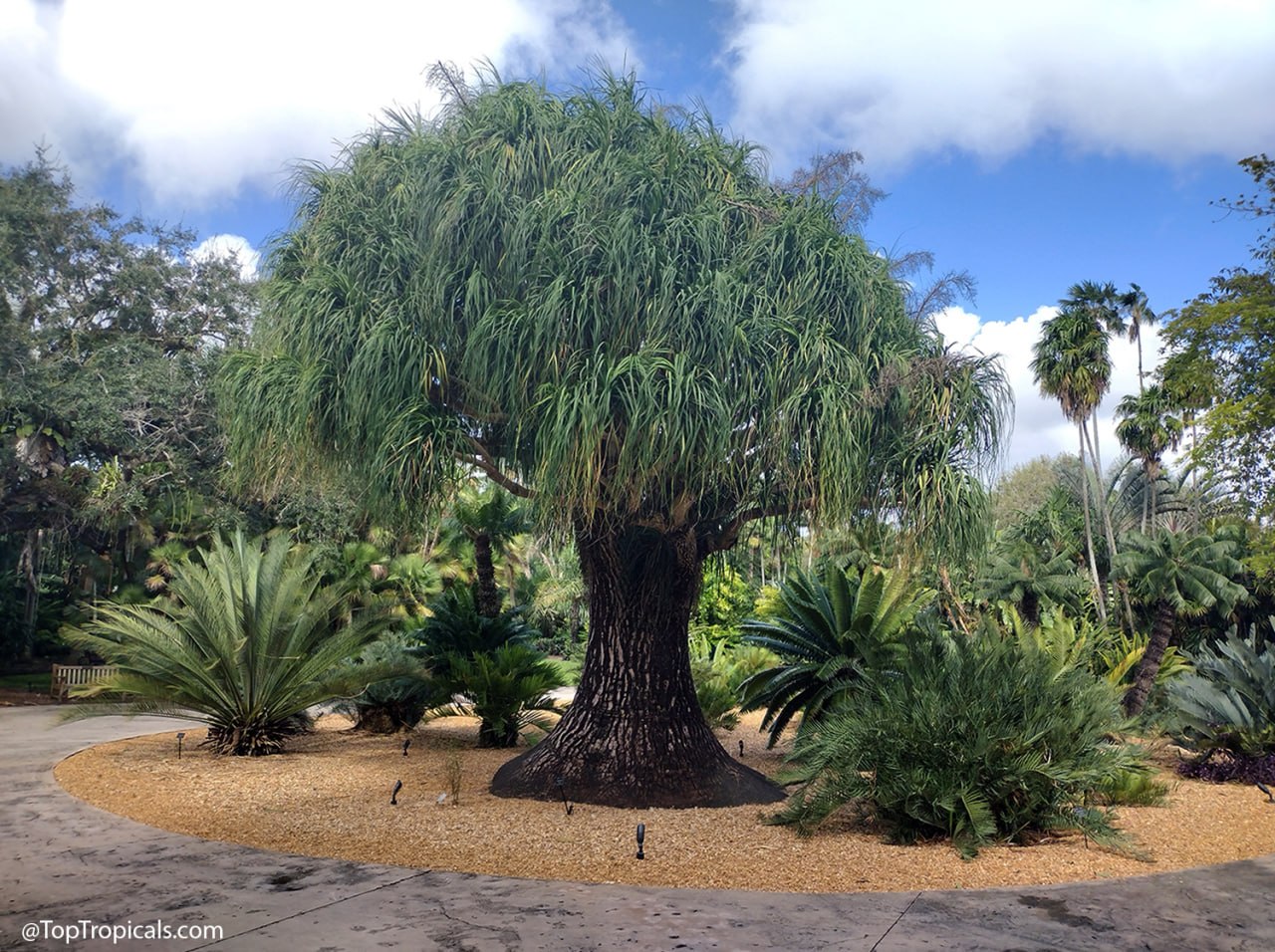
☀️ 1. Pony Tail Palm - Beaucarnea recurvata 📸
Not a true palm - it stores water in its showy, swollen trunk, making it incredibly drought tolerant and perfect for harsh, dry areas.

Ponytail Palm Plant Facts

Botanical name: Beaucarnea recurvata, Nolina recurvata
Also known as: Ponytail Palm, Pony Tail, Bottle Palm, Nolina, Elephant-foot Tree
USDA Zone: 10 - 11
Highligths Plant with caudexPlant used for bonsaiSmall tree 10-20 ftFull sunWater Requirement: Low. Allow soil to dry out between wateringsPalm or palm-like plant
Get personalized tips for your region
More details

☀️ 2. Monkey Ear Tree - Enterolobium cyclocarpum


A fast-growing shade tree with curious seed pods, surprisingly tough in heat and drought, with massive canopy benefits.

Monkey Ear Plant Facts

Botanical name: Enterolobium cyclocarpum
Also known as: Monkey Ear, Ear Pod Tree, Elephant Ear Tree, Eartree, Guanacaste Tree, Arbol de Guanacaste
USDA Zone: 9 - 11
Highligths Large tree taller than 20 ftFull sunWatering: Regular. Let topsoil dry slightlyWhite, off-white flowersDeciduous plantSubtropical plant. Mature plant cold hardy at least to 30s F for a short time
Get personalized tips for your region
More details

☀️ 3. Firebush - Hamelia patens
Technically a large shrub/small tree - thrives in heat, blooms nonstop, attracts butterflies, and handles dry conditions once rooted in.

Fire Bush Plant Facts

Botanical name: Hamelia patens
Also known as: Fire Bush, Firecracker Plant
USDA Zone: 8 - 11
Highligths Large shrub 5-10 ft tallSmall tree 10-20 ftFull sunWater Requirement: Low. Allow soil to dry out between wateringsYellow, orange flowersRed, crimson, vinous flowersPlant attracts butterflies, hummingbirdsSeaside, salt tolerant plant
Get personalized tips for your region
More details

☀️ 4. Peregrina - Jatropha integerrima compacta
Compact, colorful, and very forgiving - keeps flowering even when conditions get hot and dry.

Peregrina Plant Facts

Botanical name: Jatropha integerrima, Jatropha pandurata
Also known as: Peregrina, Spicy Jatropha, Coral Plant, Physic Nut
USDA Zone: 9 - 11
Highligths Plant used for bonsaiLarge shrub 5-10 ft tallSmall tree 10-20 ftSemi-shadeFull sunWater Requirement: Low. Allow soil to dry out between wateringsRed, crimson, vinous flowersPink flowersPlant attracts butterflies, hummingbirdsIrritating plantSubtropical plant. Mature plant cold hardy at least to 30s F for a short timeSeaside, salt tolerant plant
Get personalized tips for your region
More details

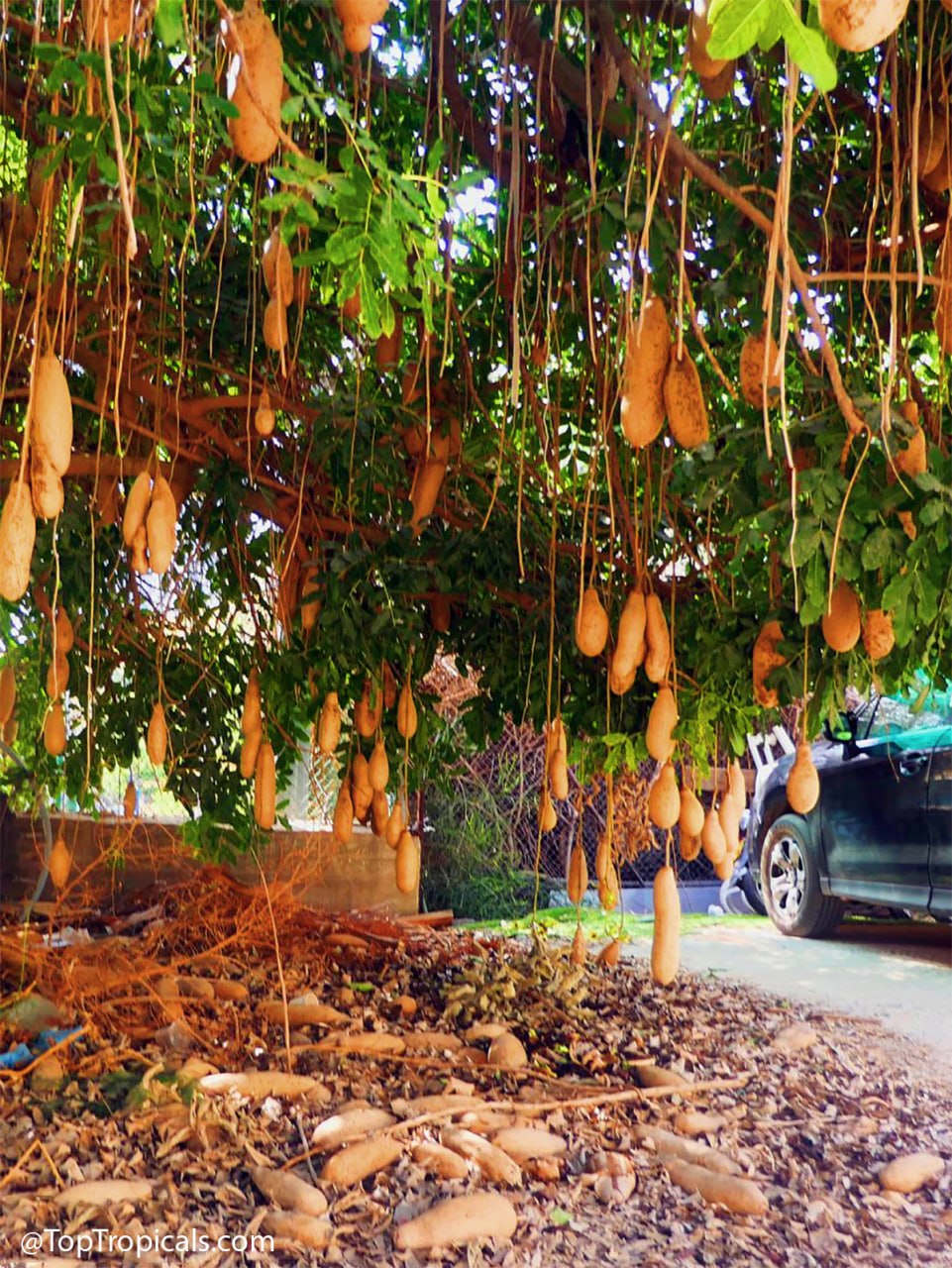
☀️ 5. Sausage Tree - Kigelia pinnata 📸
A bold tropical look with bizarre flowers and fruit, with serious heat tolerance; once established, it handles dry spells better than expected.

Sausage Tree Plant Facts

Botanical name: Kigelia pinnata, Kigelia africana
Also known as: Sausage Tree
USDA Zone: 9 - 11
Highligths Large tree taller than 20 ftSemi-shadeFull sunWatering: Moderate. Water when top soil feels dryDeciduous plantEthnomedical plant.
Plants marked as ethnomedical and/or described as medicinal, are not offered as medicine but rather as ornamentals or plant collectibles.
Ethnomedical statements / products have not been evaluated by the FDA and are not intended to diagnose, treat, cure, or prevent any disease. We urge all customers to consult a physician before using any supplements, herbals or medicines advertised here or elsewhere.Fragrant plantSubtropical plant. Mature plant cold hardy at least to 30s F for a short time
Get personalized tips for your region
More details

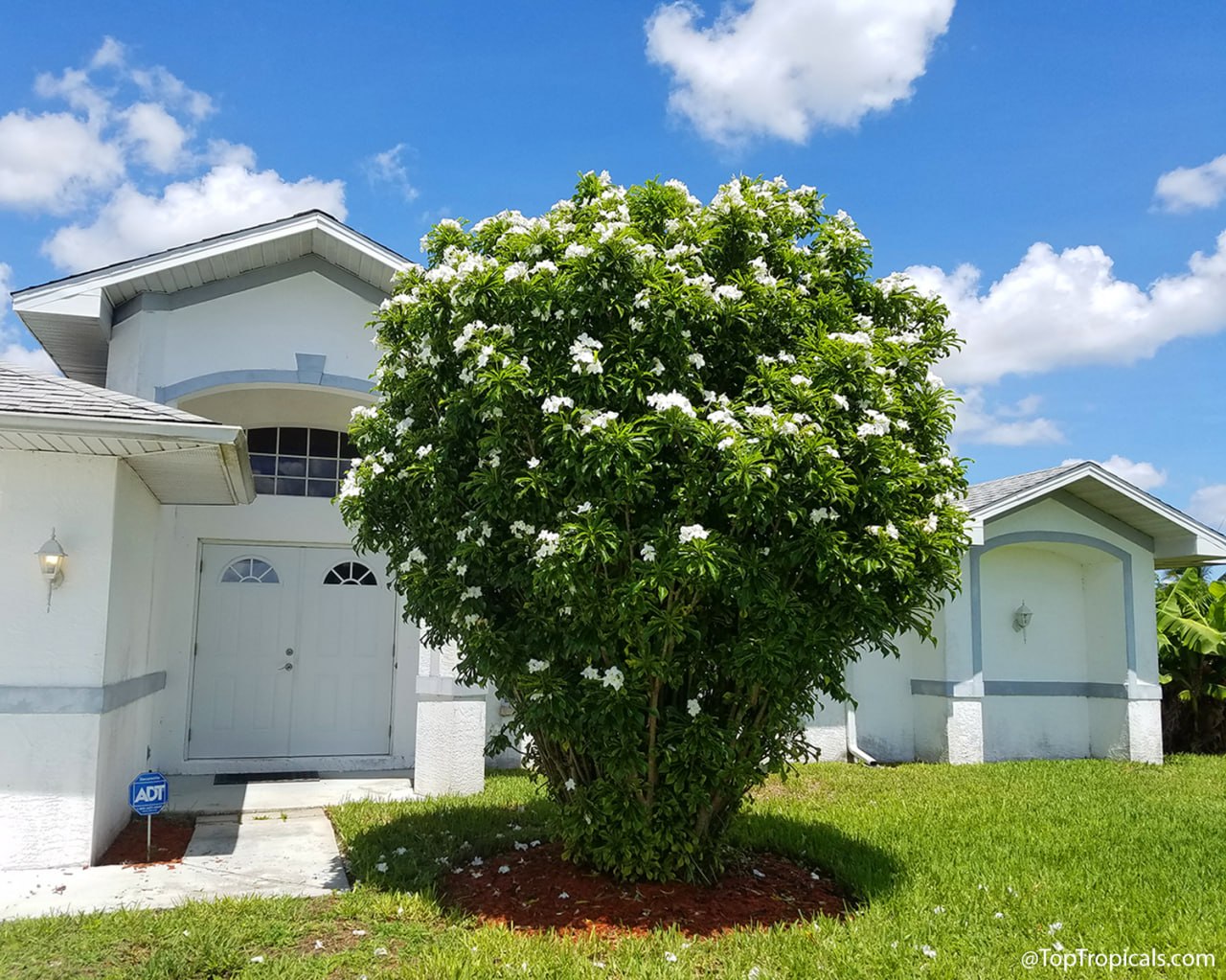
☀️ 6. Plumeria 📸
Built for sun and neglect - thrives in poor and sandy soil, needs minimal water, and rewards with fragrant blooms.

Plumeria Plant Facts

Botanical name: Plumeria sp.
Also known as: Plumeria, Frangipani
USDA Zone: 9 - 11
Highligths Large shrub 5-10 ft tallSmall tree 10-20 ftFull sunWatering: Moderate. Water when top soil feels dryYellow, orange flowersRed, crimson, vinous flowersWhite, off-white flowersPink flowersPlant attracts butterflies, hummingbirdsDeciduous plantFragrant plantSeaside, salt tolerant plant
Get personalized tips for your region
More details

☀️ 7. Pomegranate


One of the most drought-tolerant fruit trees - handles heat, poor soil, and still produces reliably.

Pomegranate Plant Facts

Botanical name: Punica granatum
Also known as: Pomegranate, Granada, Grenade, Pomegranate, Granada, Anar, Granaatappel, Pomo Granato, Romeira, Melo Grano
USDA Zone: 8 - 11
Highligths Large shrub 5-10 ft tallSmall tree 10-20 ftFull sunWatering: Moderate. Water when top soil feels dryRed, crimson, vinous flowersThorny or spinyEdible plantDeciduous plantEthnomedical plant.
Plants marked as ethnomedical and/or described as medicinal, are not offered as medicine but rather as ornamentals or plant collectibles.
Ethnomedical statements / products have not been evaluated by the FDA and are not intended to diagnose, treat, cure, or prevent any disease. We urge all customers to consult a physician before using any supplements, herbals or medicines advertised here or elsewhere.Subtropical plant. Mature plant cold hardy at least to 30s F for a short timeSeaside, salt tolerant plant
Get personalized tips for your region
More details

☀️ 8. Aster Tree / Snow Bush - Baccharis halimifolia


A tough Florida native option - thrives in sandy, dry soils and coastal conditions with no fuss.

Aster Tree Plant Facts

Botanical name: Baccharis halimifolia
Also known as: Aster Tree, White Cloud Tree, Snow Bush, Eastern Baccharis, Flannel Bush
USDA Zone: 8 - 11
Highligths Plant used for bonsaiLarge shrub 5-10 ft tallSmall tree 10-20 ftSemi-shadeFull sunWatering: Regular. Let topsoil dry slightlyWhite, off-white flowersPlant attracts butterflies, hummingbirdsSubtropical plant. Mature plant cold hardy at least to 30s F for a short timeFlood tolerant plant
Get personalized tips for your region
More details

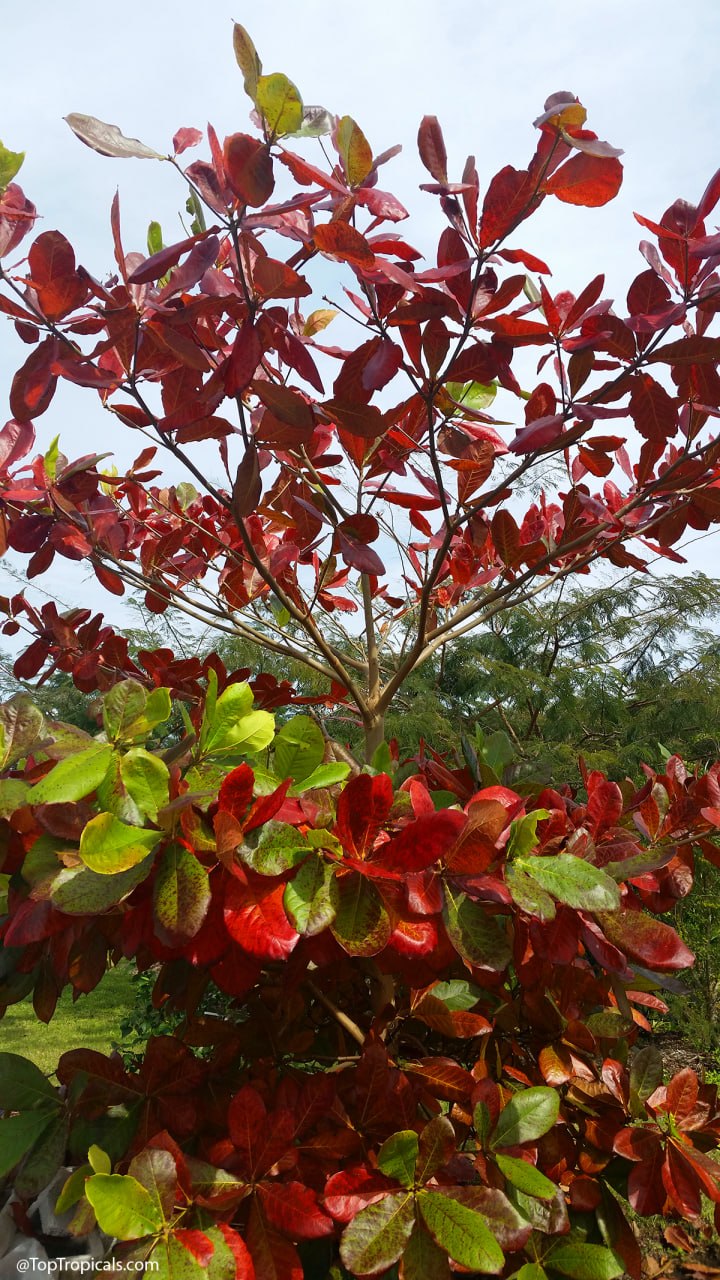
☀️ 9. Tropical Almond - Terminalia catappa 📸
A classic coastal shade tree that thrives in heat, wind, and dry sandy soil once established. Its broad, layered canopy provides excellent shade, and the large leaves turn striking shades of red and orange before dropping - a rare bonus color show for hot-climate landscapes. Plus almond nuts as extra bonus!

Tropical Almond Plant Facts

Botanical name: Terminalia catappa
Also known as: Tropical Almond, Badamier, Java Almond, Indian Almond, Malabar Almond, Singapore Almond, Ketapang, Huu Kwang, Pacific Almond
USDA Zone: 9 - 11
Highligths Large tree taller than 20 ftFull sunWatering: Moderate. Water when top soil feels dryWhite, off-white flowersEdible plantDeciduous plantEthnomedical plant.
Plants marked as ethnomedical and/or described as medicinal, are not offered as medicine but rather as ornamentals or plant collectibles.
Ethnomedical statements / products have not been evaluated by the FDA and are not intended to diagnose, treat, cure, or prevent any disease. We urge all customers to consult a physician before using any supplements, herbals or medicines advertised here or elsewhere.Subtropical plant. Mature plant cold hardy at least to 30s F for a short timeSeaside, salt tolerant plant
Get personalized tips for your region
More details

👉 These trees are just the start - stay with us as we move into shrubs and smaller plants that thrive in the same harsh conditions.

🛒 Shop drought tolerant plants - for hot and dry spots

📚
Learn more:
Pony Tail Palm - Beaucarnea recurvata in Plant Encyclopedia
15 "Bulletproof" Fruit Trees for Tough Ground
7 best exotic dwarf trees for maximum impact in small tropical landscapes
5 small tropical trees that bloom all summer or year around

#Discover #Trees #How_to

🟢 Join 👉 TopTropicals

Date: 16 May 2026

🔮 When the World Around Becomes Too Gray: Plant a Tree. Eat a Donut. Keep going.

When  the  world  feels  gray,  plant  another  tree.  Smokey  brings  the 
 jaboticaba.  Sunshine  brings  donuts  and 
 encouragement.
Sunshine: Smokey, what do we do when the world around becomes too gray?
Smokey: Plant a tree.
Sunshine: And if that does not help?
Smokey: Plant another one.
Sunshine: And eat a donut.
Smokey: Not strictly necessary, but statistically beneficial.

If you have been feeling a little worn down lately, you are not alone.

You already know about the headlines. We do not need to list them. You have probably seen them today before breakfast.

We are not here to pretend that is not happening. It is happening. And it is a lot. But here is the thing we keep coming back to, the thing that has been true for as long as people have had hands and a patch of ground: when the world feels out of control, you can still plant something.

Gardening is not an escape. It is an answer. When you put a tree in the ground, you are making a quiet statement. You are saying that you expect there to be a future. That you intend to be in it. That shade and fruit and flowers still matter, and you are going to make sure they exist in your corner of the world.

That is not naive. That is courageous in the most ordinary and underrated way.

One tree, planted this season, might give you fruit in a few years. It might give butterflies somewhere to stop. It might give a bird a place to nest. It will almost certainly give you something to look at on a hard day that reminds you the world still contains beauty, and that you put some of it there. And if one tree does not quite do it? Plant another one.

Dostoevsky said beauty will save the world. We think a mango fruiting in your backyard counts. So does a Magnolia opening on a quiet morning.

Do not skip the donut.

A donut is a small, simple, completely unnecessary thing. That is exactly the point. It is not productive. It does not solve anything. It is just good, and sometimes that is the whole reason. In a world that constantly demands you be useful and informed and concerned, eating a donut is a quiet act of being human. You are allowed to enjoy a small thing on a hard day. You do not have to earn it.

Rest a little. Then go put something in the ground. Anything that will grow and flower and remind you that beautiful things are still happening whether the headlines mention them or not.

We have the plants. You bring the donuts.

🛒 Plant a sweeter world: grow color and flavor

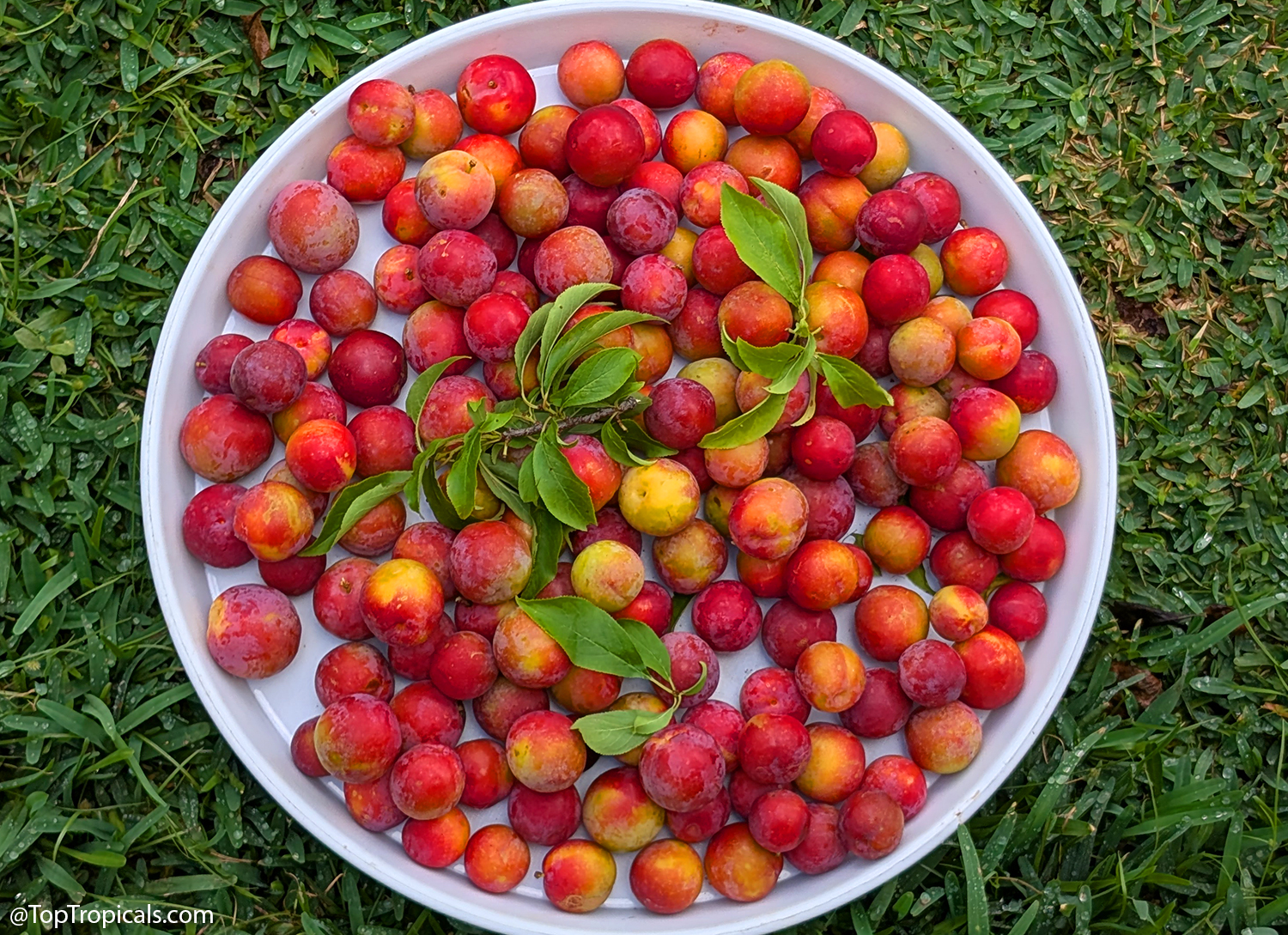
Tray  filled  with  freshly  harvested  tropical  plums  in  shades  of  red, 
 orange,  and  yellow  resting  on  green  grass,  with  a  few  leafy  branches  placed 
 on  top  of  the 
 fruit.

We just finished harvesting loquats and mulberries, and now another wave is coming in - low chill plums, peaches, and nectarines fresh from the garden. This is one of the most rewarding times of the year, when every season brings the fruit of your labor and all that work finally turns into something sweet.

📚 Learn more from our garden Blog