The Secret to a Sharper Mind Might Be Growing in Your Backyard
Harvesting tropical fruits
The Secret to a Sharper Mind Might Be Growing in Your Backyard
Your garden shed might hold a more powerful tool for brain health than your medicine cabinet. What if the best defense against cognitive decline isn’t found in a pill bottle - but right outside your door? While we often think of gardening as just a hobby, new research suggests that the combination of physical "zone-pushing" and harvesting your own nutrient-dense tropical fruit could be a literal life-saver for your brain.
🍒 What the Research Actually Says
A massive study recently published in the journal Neurology followed more than 92,000 people to see how diet impacts the mind. The findings were clear: the quality of the plant-based foods you eat plays a massive role in your risk of dementia. It isn't just about "eating your veggies" - it's about which ones you choose.
(The full study: Plant-Based Dietary Patterns and Risk of Alzheimer Disease and Related Dementias in the Multiethnic Cohort Study)
🍒 Why Growing Your Own Fruit Changes the Game
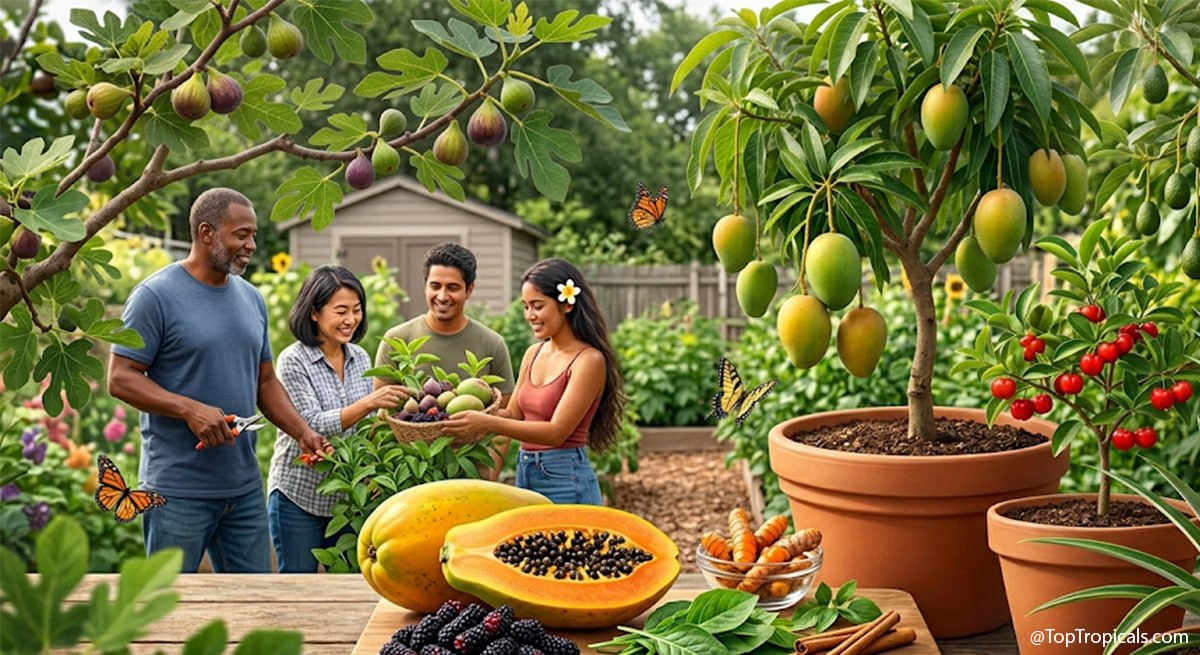
If you grow your own fruit, you quietly solve two problems at once. It turns a "diet plan" into a natural part of your day.
1. Effortless Nutrition
When a ripe mango, a handful of mulberries, or a fresh guava is hanging within arm's reach, you eat it. It replaces processed, sugary snacks without any "willpower" required. You are naturally moving toward the high-quality, whole-food diet the research supports.
Mango Plant Facts
Botanical name: Mangifera indica Also known as: Mango
USDA Zone: 9 - 11
Highligths
2. Functional Fitness
Gardening doesn't feel like a workout, but it is. Bending, pruning, carrying pots, and digging are all forms of functional movement. It’s steady, useful physical activity that supports your heart and brain while you’re focused on your plants.
3. The "Outdoor" Effect
Sunlight and fresh air are natural mood boosters. The mental focus required to manage tropical plants - especially when you’re protecting them from a surprise freeze - provides a level of mental engagement and stress relief that you just can't get from a treadmill.
🍒 What to plant if you are just starting
You don’t need a massive orchard to start investing in your brain health. One or two plants can shift your habits immediately.
Botanical name: Carica papaya Also known as: Papaya
USDA Zone: 9 - 11
Highligths
For Small Spaces:Dwarf Mango varieties and Cherries (Eugenias or Acerola), Pineapples thrive in containers and provide massive doses of antioxidants.
Pineapple Plant Facts
Botanical name: Ananas comosus Also known as: Pineapple, Pina
USDA Zone: 9 - 11
Highligths
For the "Zone Pusher":Figs and cold-hardy Avocados offer healthy fats and fiber that are essential for long-term health.
Fig Tree Plant Facts
Botanical name: Ficus carica Also known as: Fig Tree, Brevo
USDA Zone: 7 - 10
Highligths
Avocado Plant Facts
Botanical name: Persea americana, Persea gratissima Also known as: Avocado, Alligator Pear, Aguacate, Abacate
USDA Zone: 9 - 11
Highligths
🍒 Start Small, Start Now
The research makes one thing clear: improving your food quality matters, and you can see results no matter your age. Planting a fruit tree changes what you eat, how you move, and how often you step outside.
That’s more than just gardening - that’s a lifestyle shift your brain will thank you for.
🍒 FAQ
Does fruit really support brain health?
Yes. Diets rich in whole, high-quality plant foods are linked to a lower risk of dementia, especially when they replace processed snacks and added sugars.
Is gardening enough to count as exercise?
Absolutely. Regular gardening provides steady, functional movement that improves circulation and supports overall physical health.
Is it too late for me to start?
No. The study showed that even participants who improved their diet quality in their 60s and 70s saw a measurable reduction in dementia risk.
Sunshine: Look what I can do. It all started with
plumerias. Aloha, backyard edition.
Smokey: You are not just planting a tree - you are building
a tropical island lifestyle around it. Not bad for
staying home.
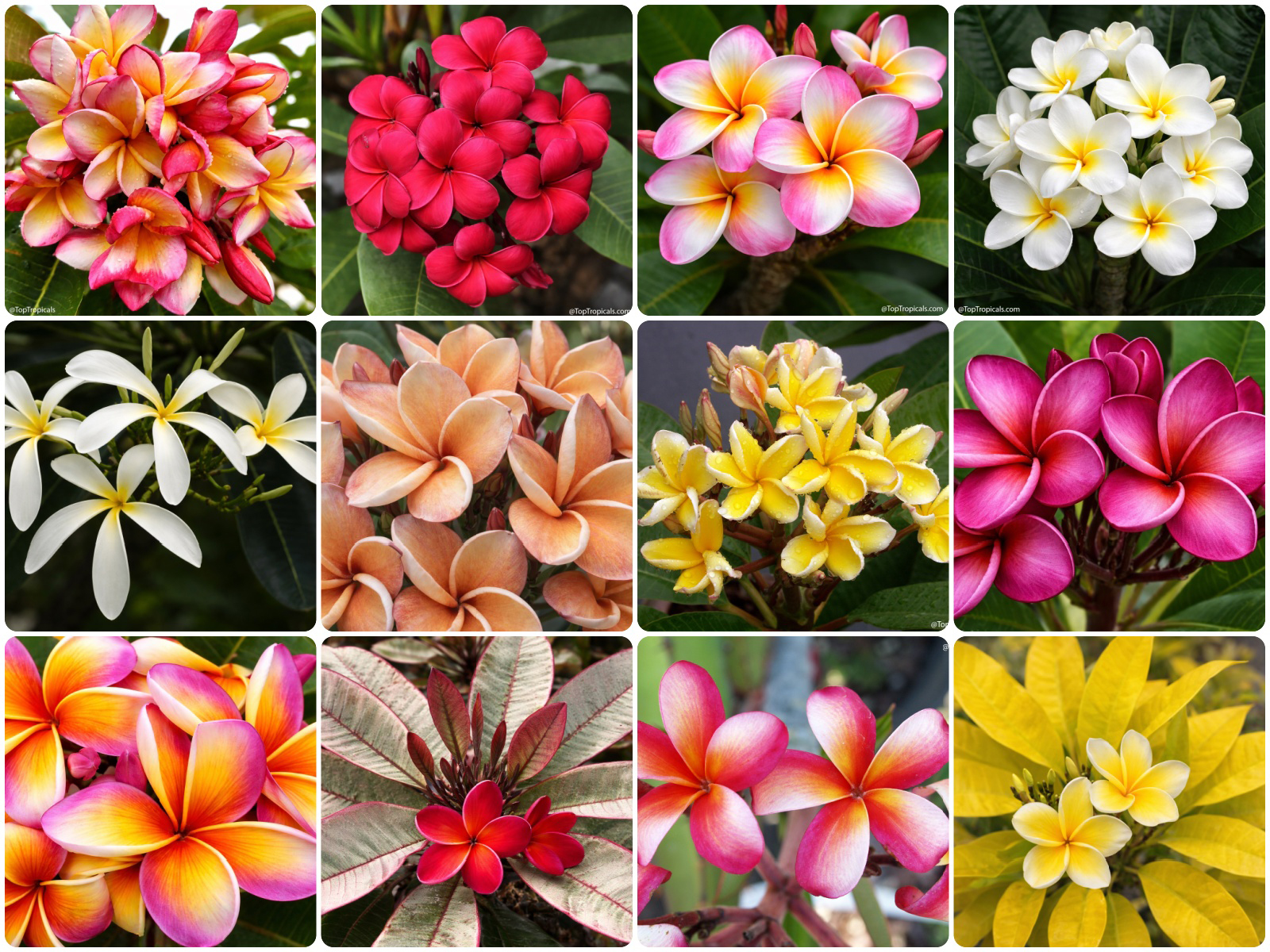
It usually starts simple. A plumeria in a pot by the patio. The flowers
catch your eye first, then the scent follows you,
soft but unmistakable. And that scent does something strange - it brings
back places you have been, or places you wish you had. Warm evenings, ocean
air,
tropical vacations that stay with you long after they are over.
Plumeria Plant Facts
Botanical name: Plumeria sp. Also known as: Plumeria, Frangipani
USDA Zone: 9 - 11
Highligths
That is the part people do not expect. One plant changes how the space
feels. But
adding a few changes everything. Different colors, slightly different
fragrances, layers that build on each other. It stops being a plant and
becomes an atmosphere that
pulls you outside without thinking.
Plumeria carries that tropical world with it. The same feeling people travel
for can live
right outside your door. Mix a few varieties, and your backyard starts
feeling like a place you never want to leave.
Plumerias are one of those plants you don't just grow
- you start collecting. One turns into two, then five, then suddenly you
want them
all!
Some adeniums go bold, and some stay soft and classic.
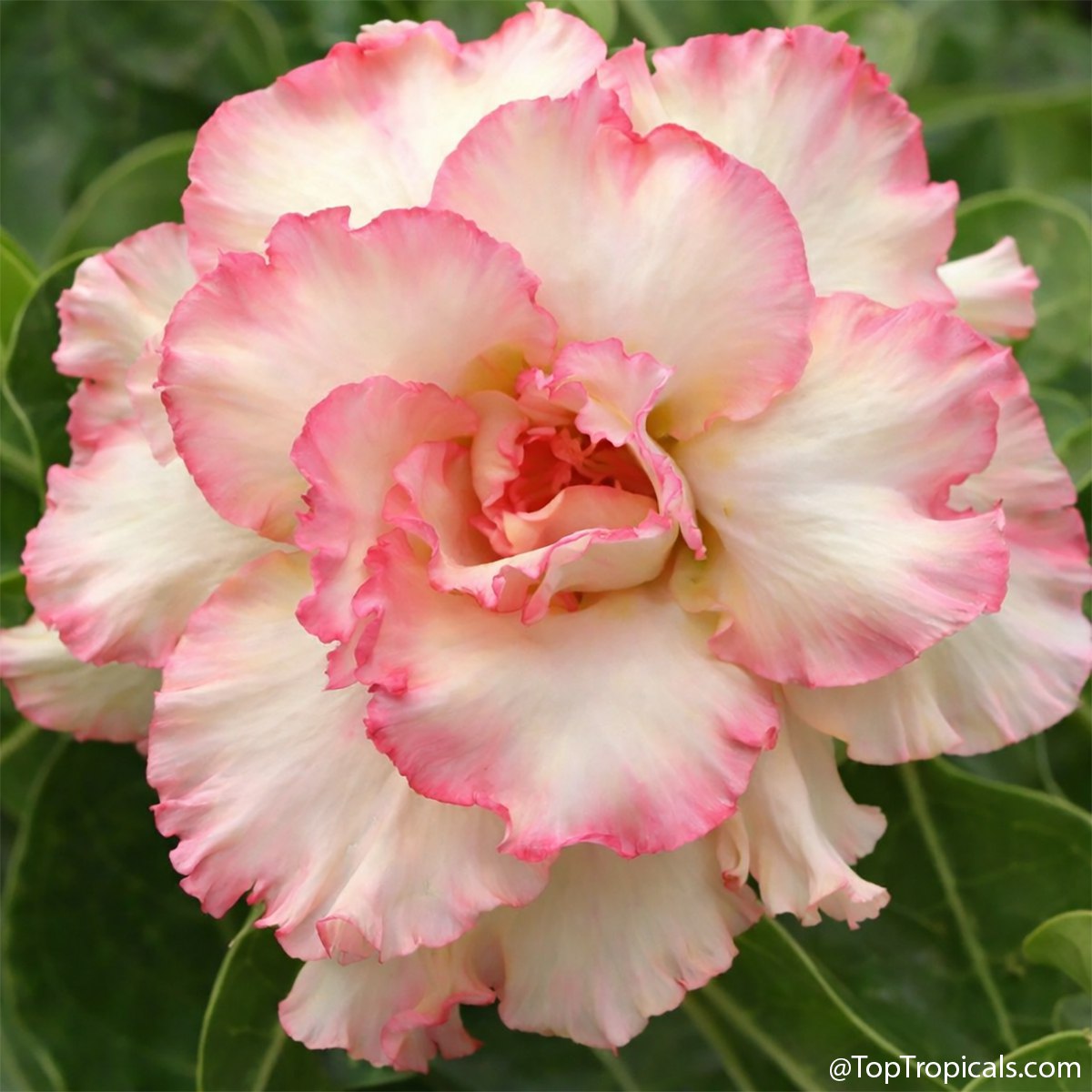
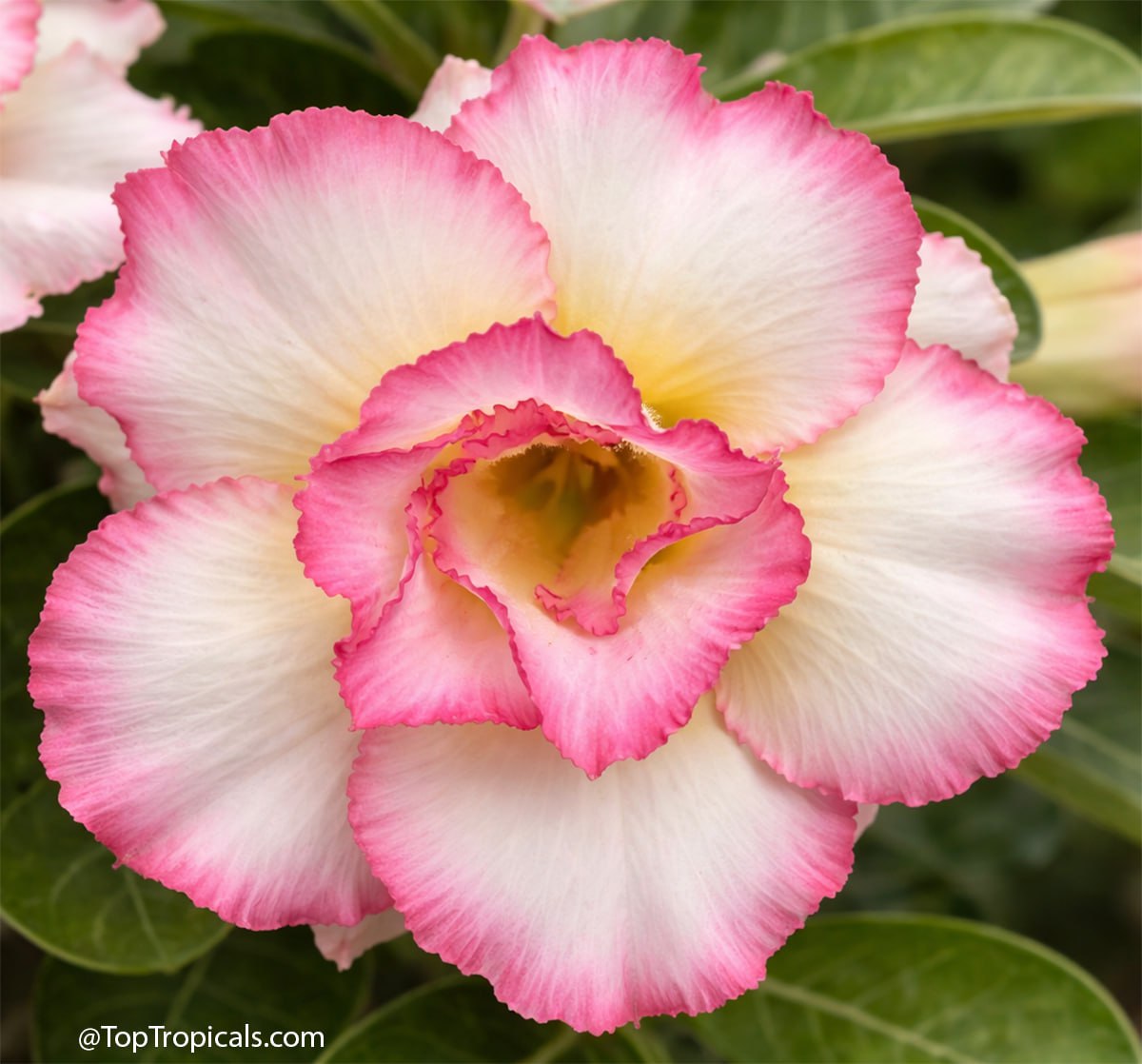
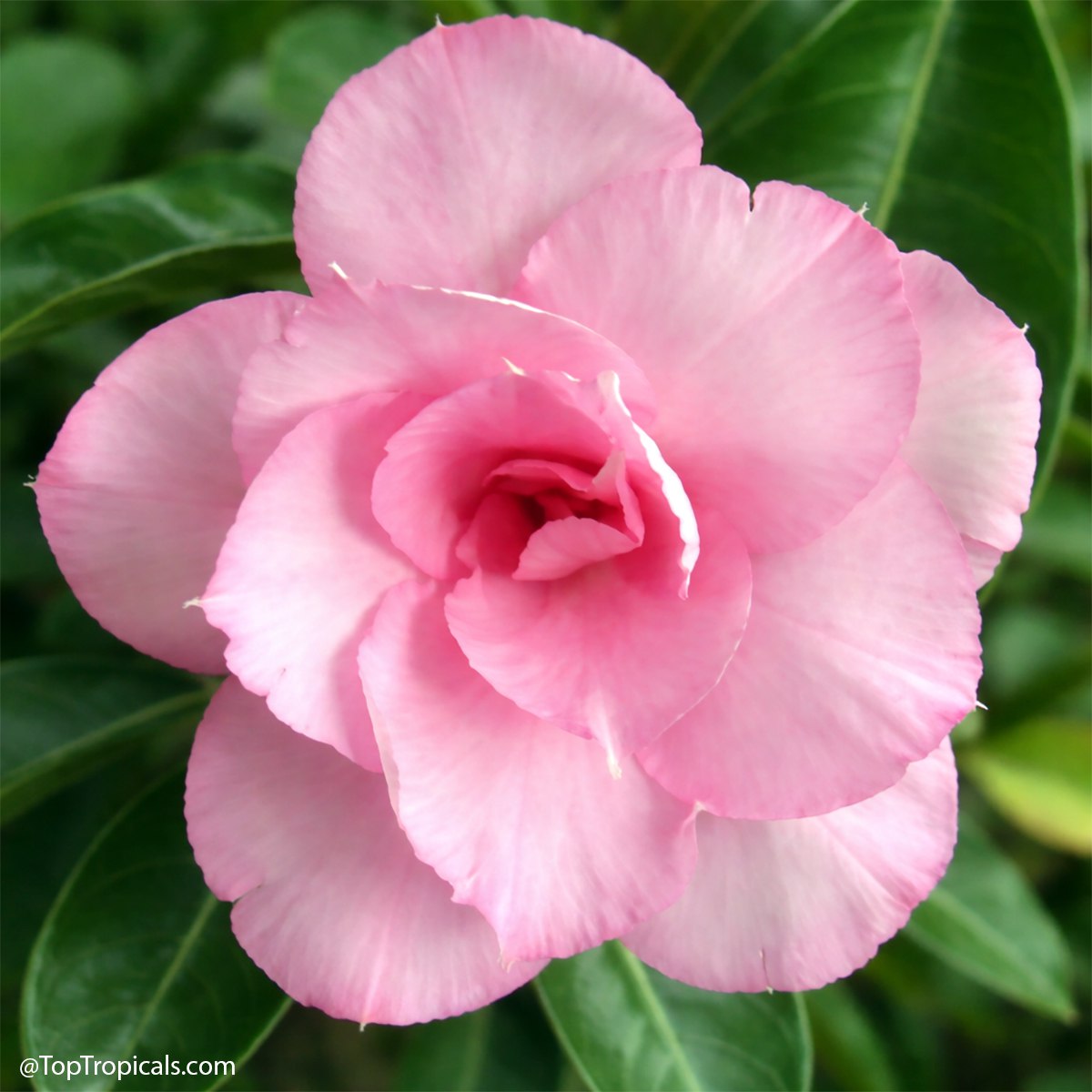
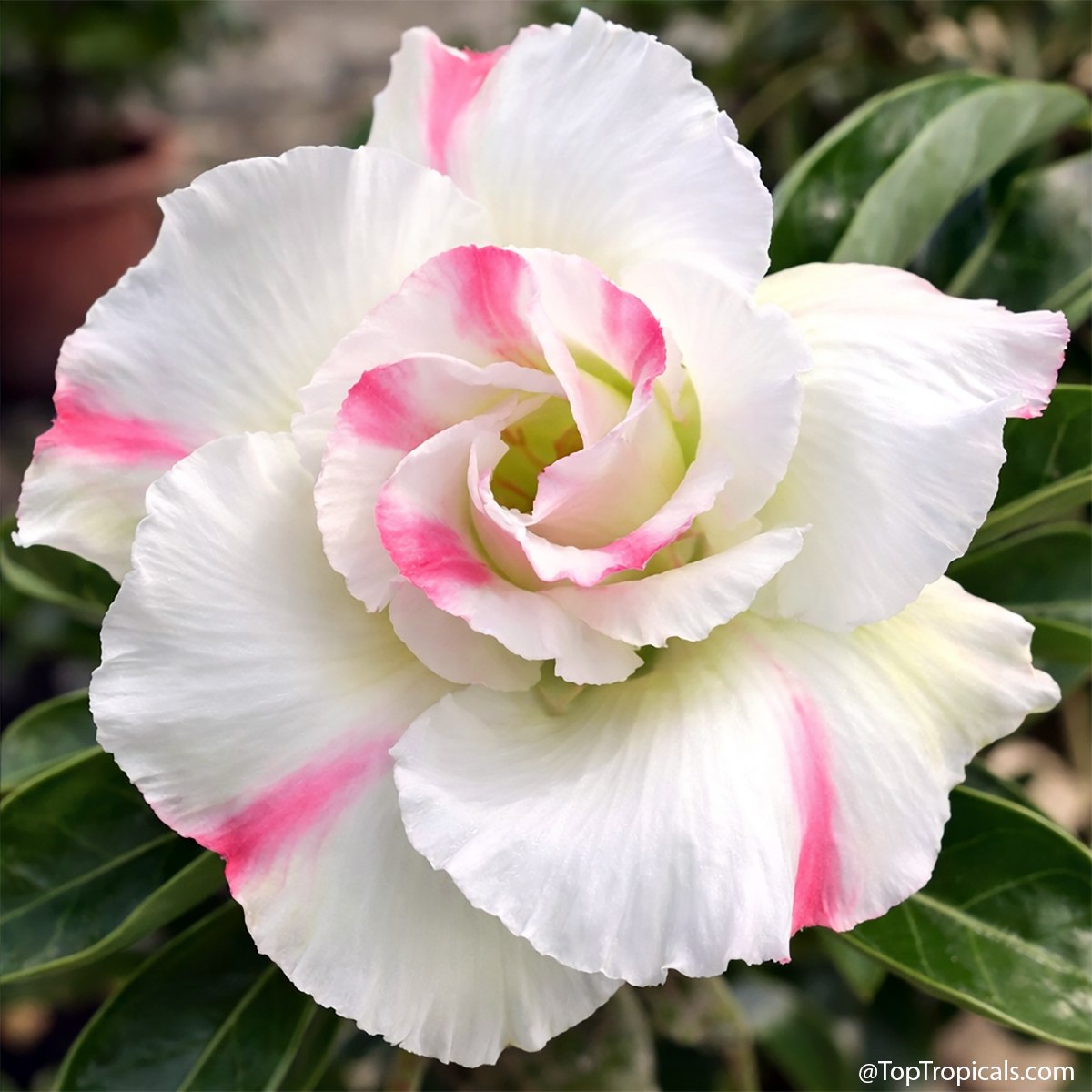
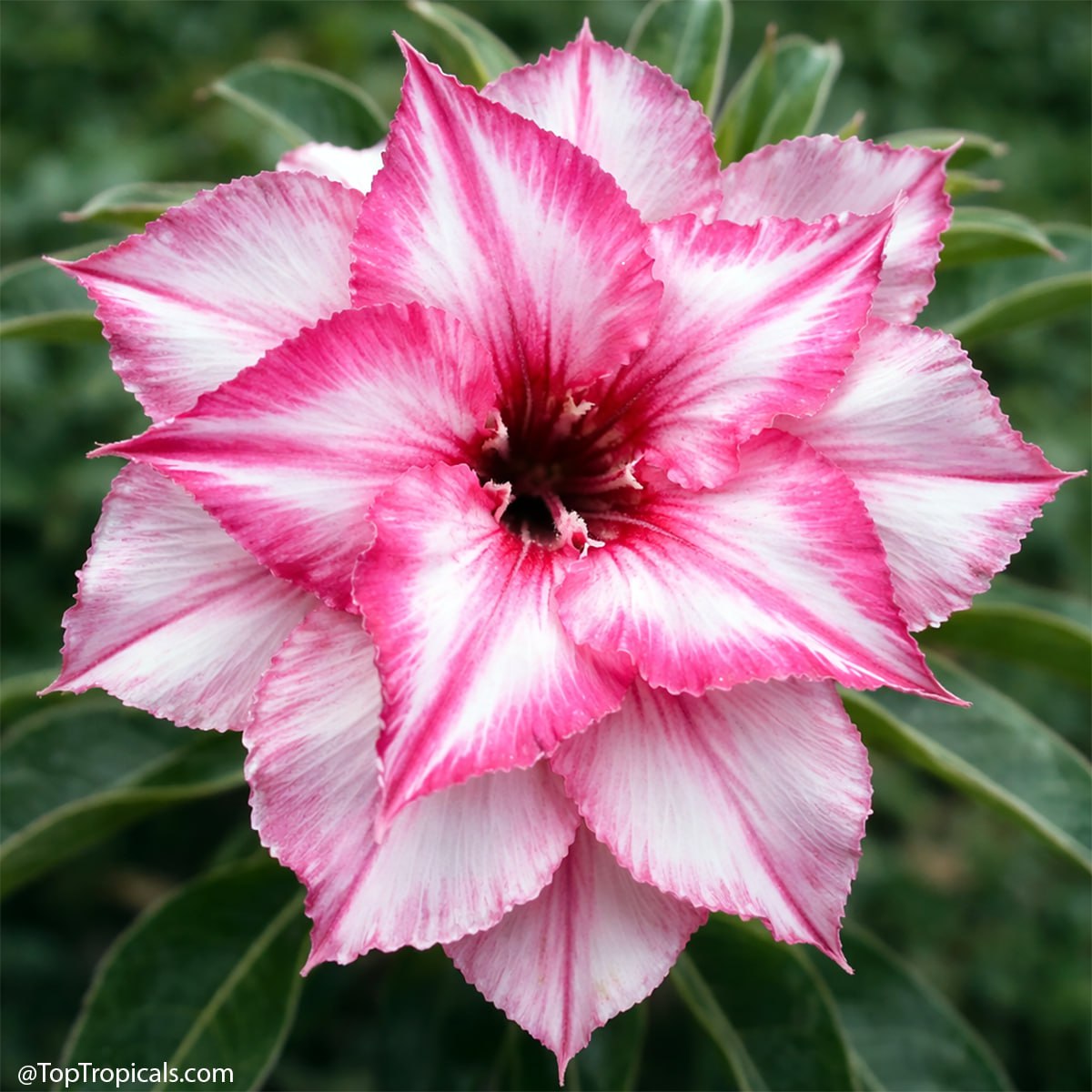
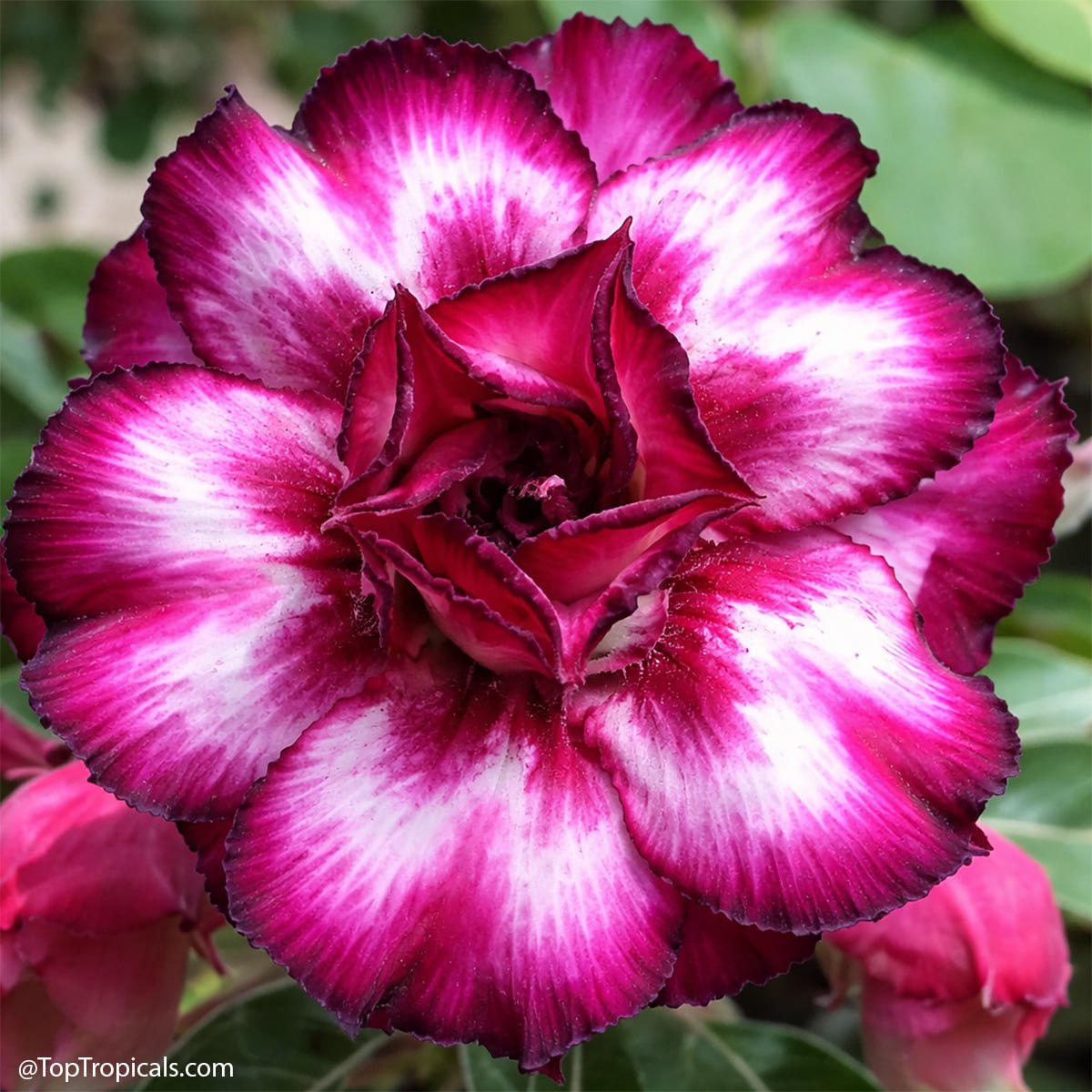
This set is all about pink - from light and delicate to rich and bright. Simple at first glance, but full of subtle differences once you look closer.
💡 Growing from seed vs grafted Adeniums
You can grow adeniums from seeds, and it’s the only way to get that naturally swollen caudex from the start.
Seedlings develop a nice base, but they take time - usually 2–3 years before blooming.
There’s also a catch: seed-grown plants don’t come true to type. Most will turn into simple pink flowers, no matter what the parent looked like.
That’s why named varieties are grafted. A selected variety is grafted onto a seed-grown plant with a developed caudex - so you get both the shape and the exact flower you want.
Adenium Plant Facts
Botanical name: Adenium sp. Also known as: Adenium, Desert Rose, Impala Lily
USDA Zone: 9 - 10
Highligths
🌸 Today's featured adeniums
✦ Uncle Tu: Soft pink tones with a clean, balanced bloom. ✦ Leela: Gentle pink shades with a refined, elegant look. ✦ Ploy Nappan: Named like a jewel - layered pink tones with depth. ✦ Pratuma: Classic pink form with a smooth, rounded shape. ✦ Snow White: Very light, almost white bloom with a soft pink touch. ✦ Talab Phet: Richer pink with a slightly deeper, more intense tone.
Pink may look simple - but once you line them up like this, you realize how different each one really is.
And somehow, there’s always room for one more pink!
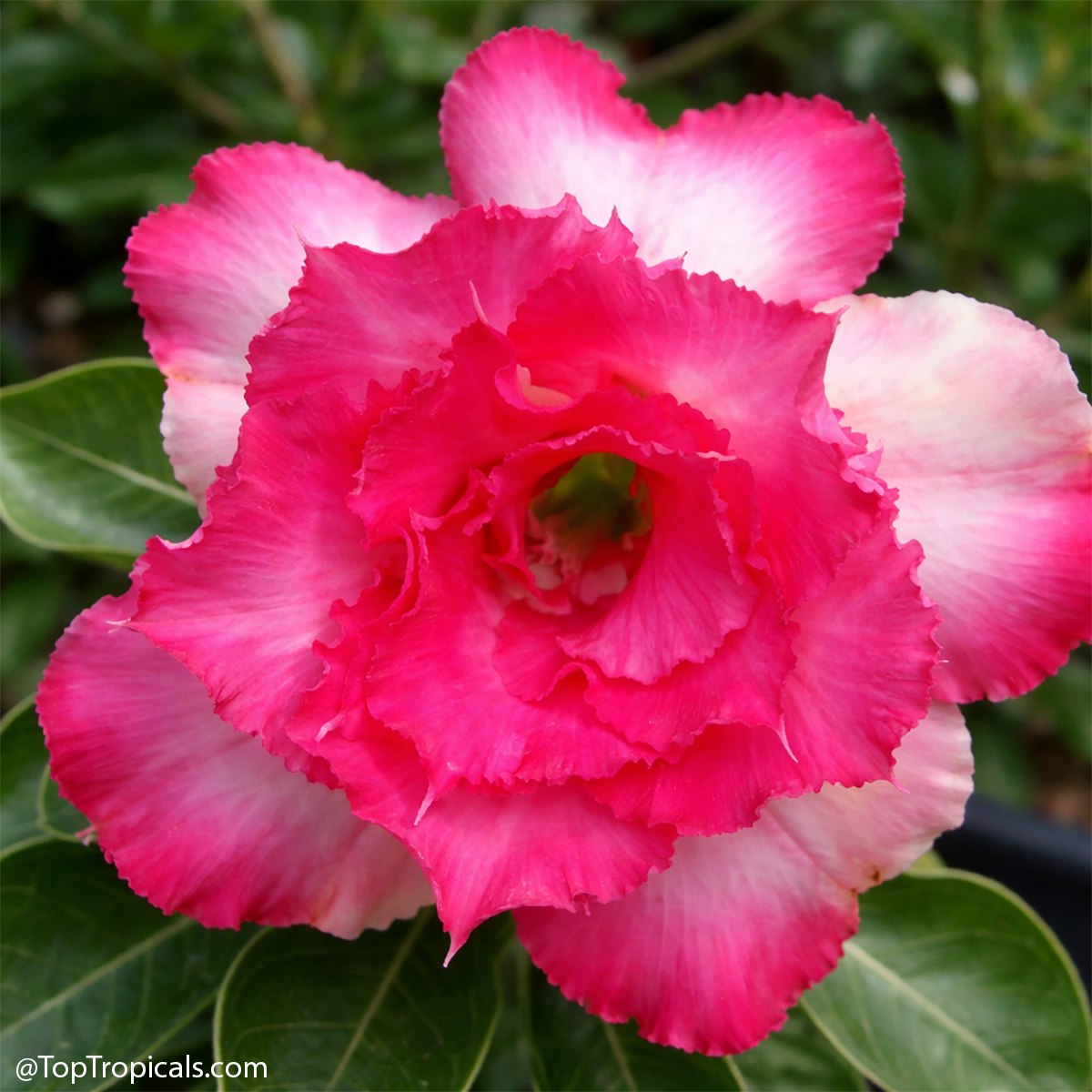
Adenium Mad Lady
Twisted, expressive petals with a wild, unpredictable look.
Adenium Moung VN
Adenium Petch Pratum
Adenium Maneenate
Adenium Ramruay
Adenium Swan and Dragon
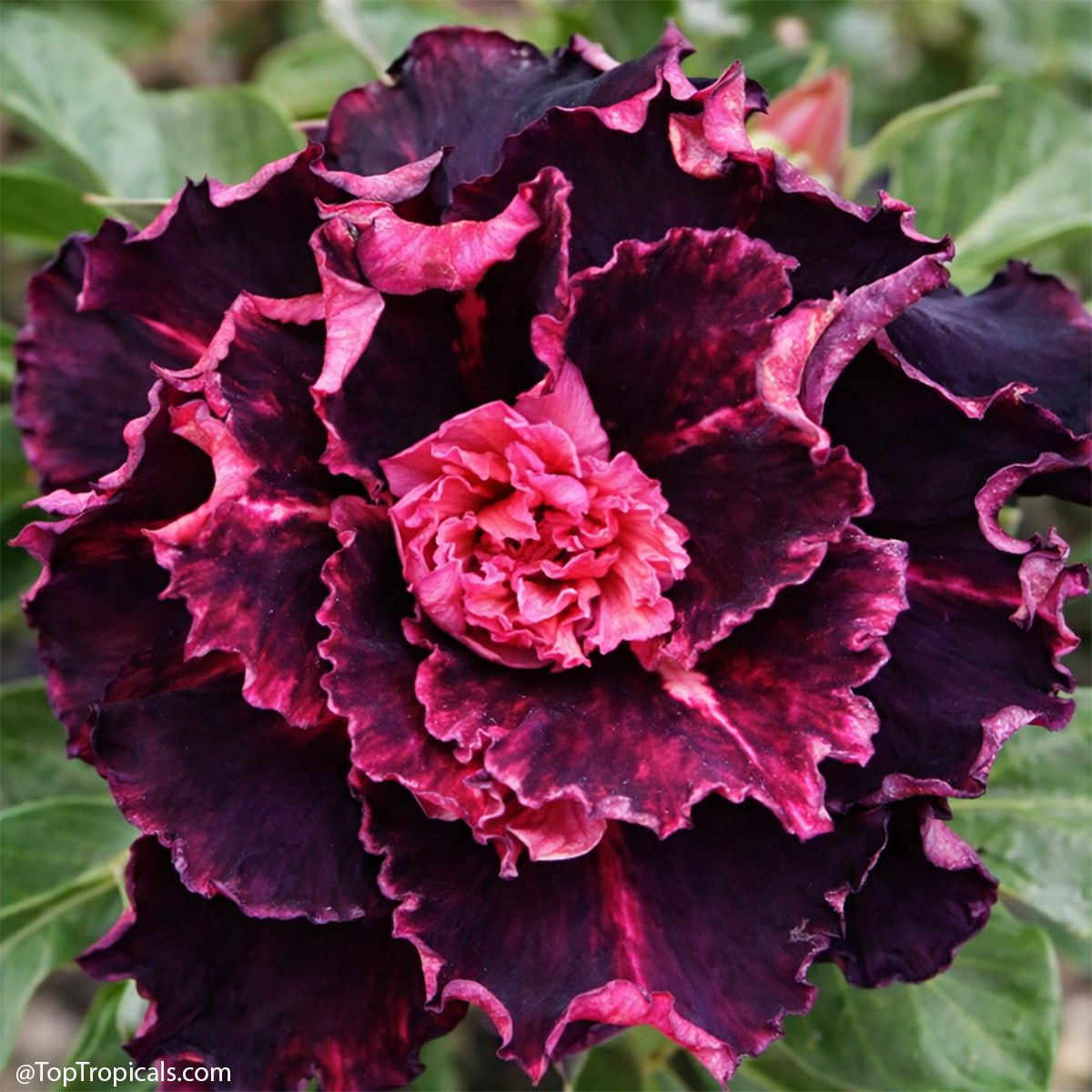
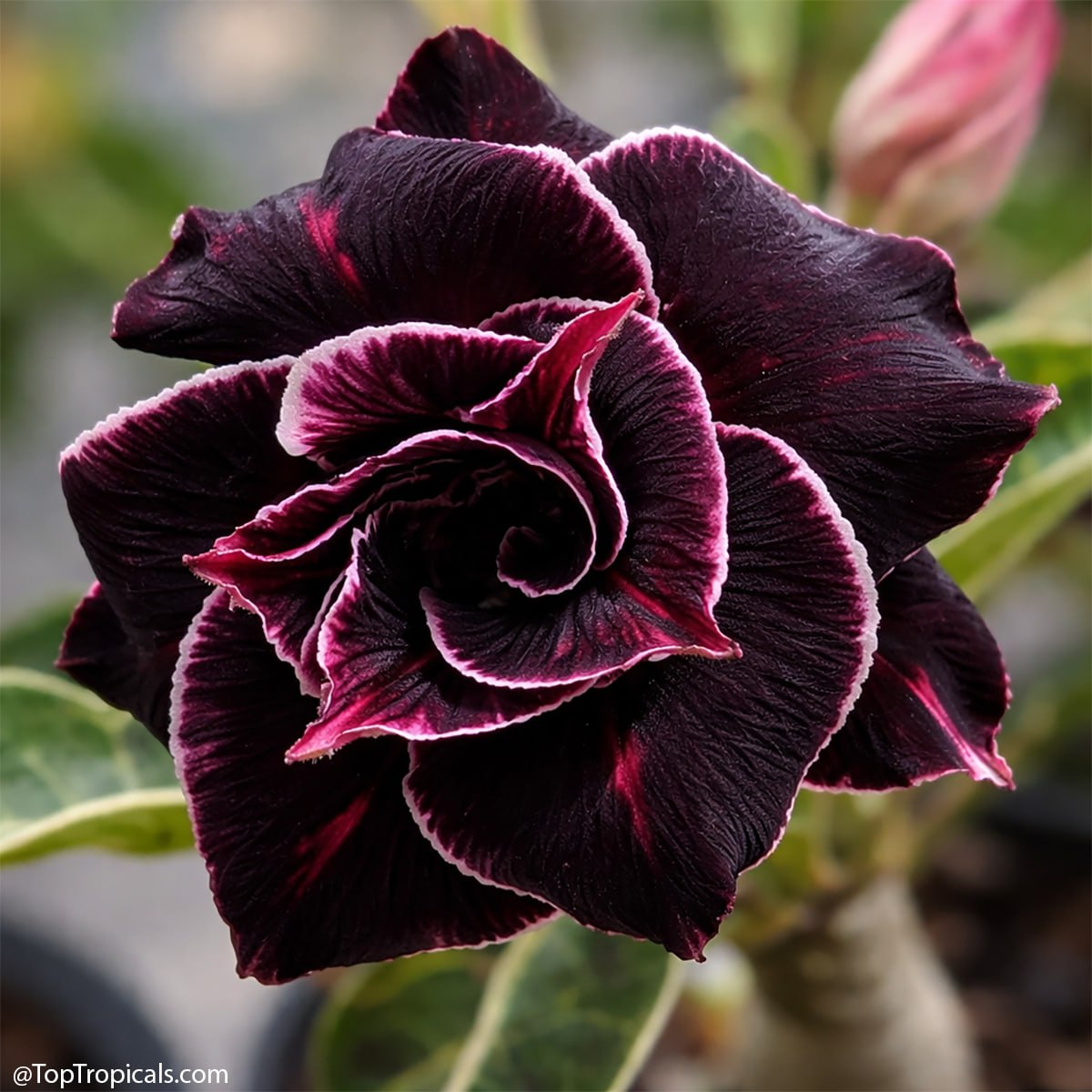
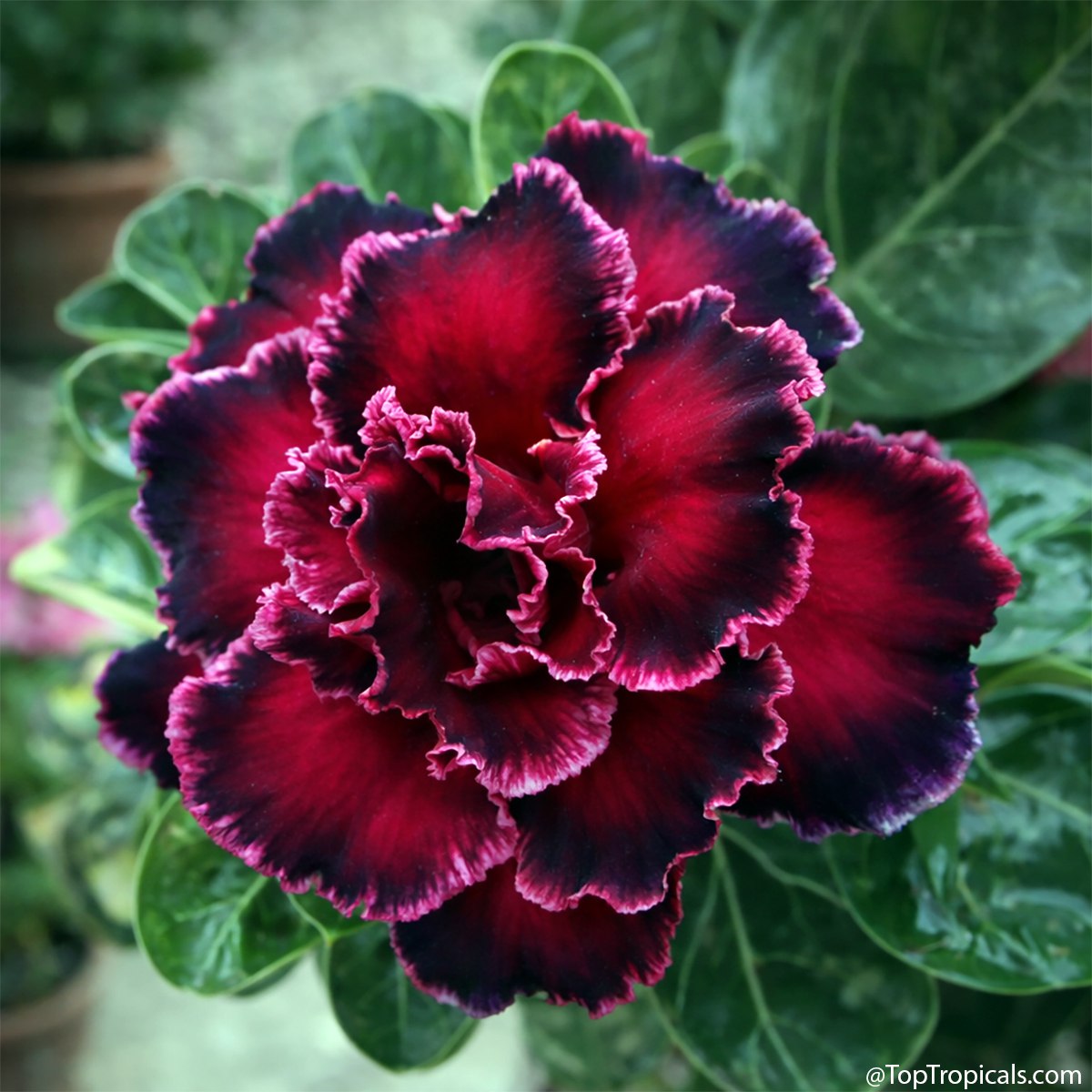
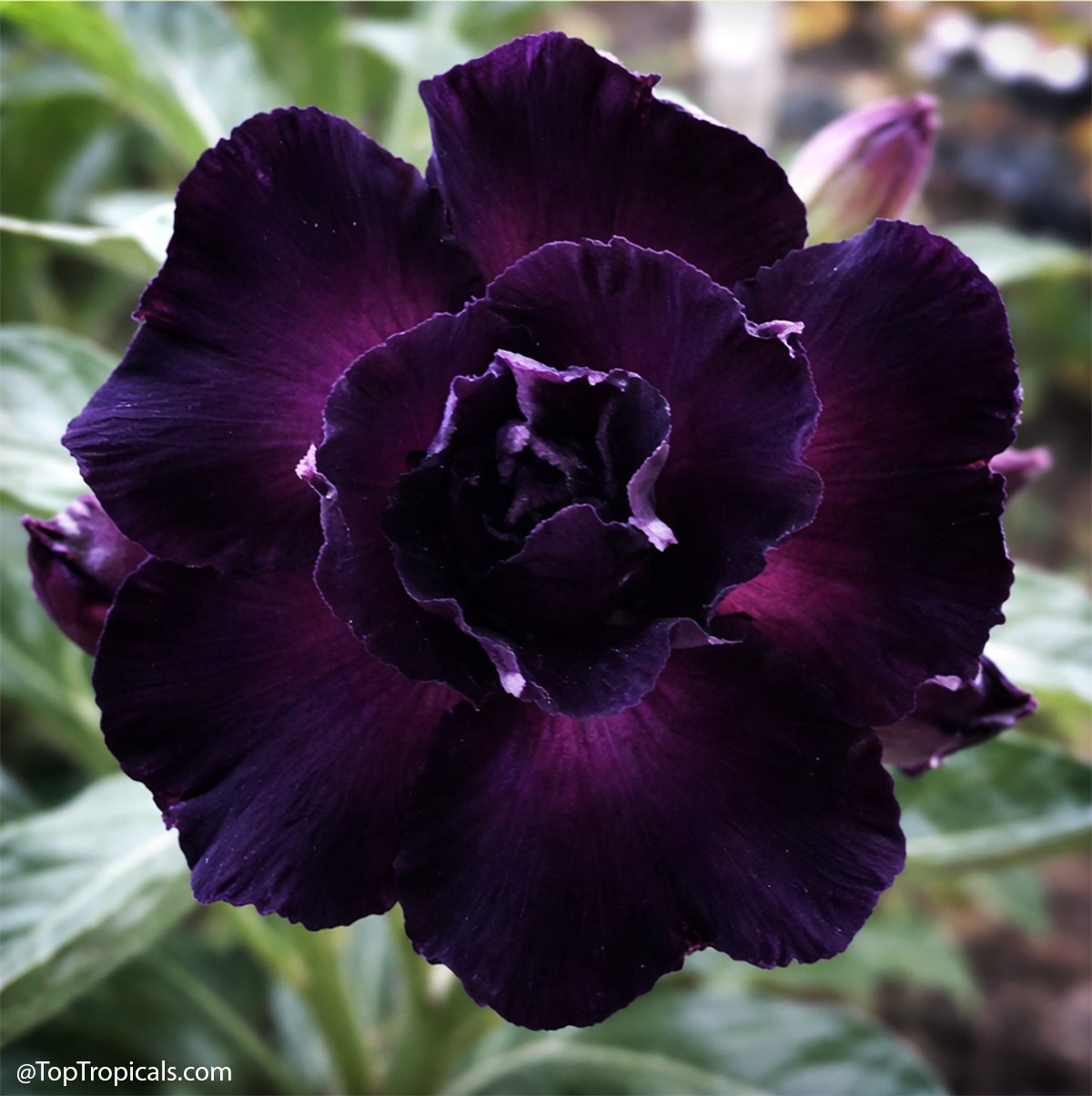
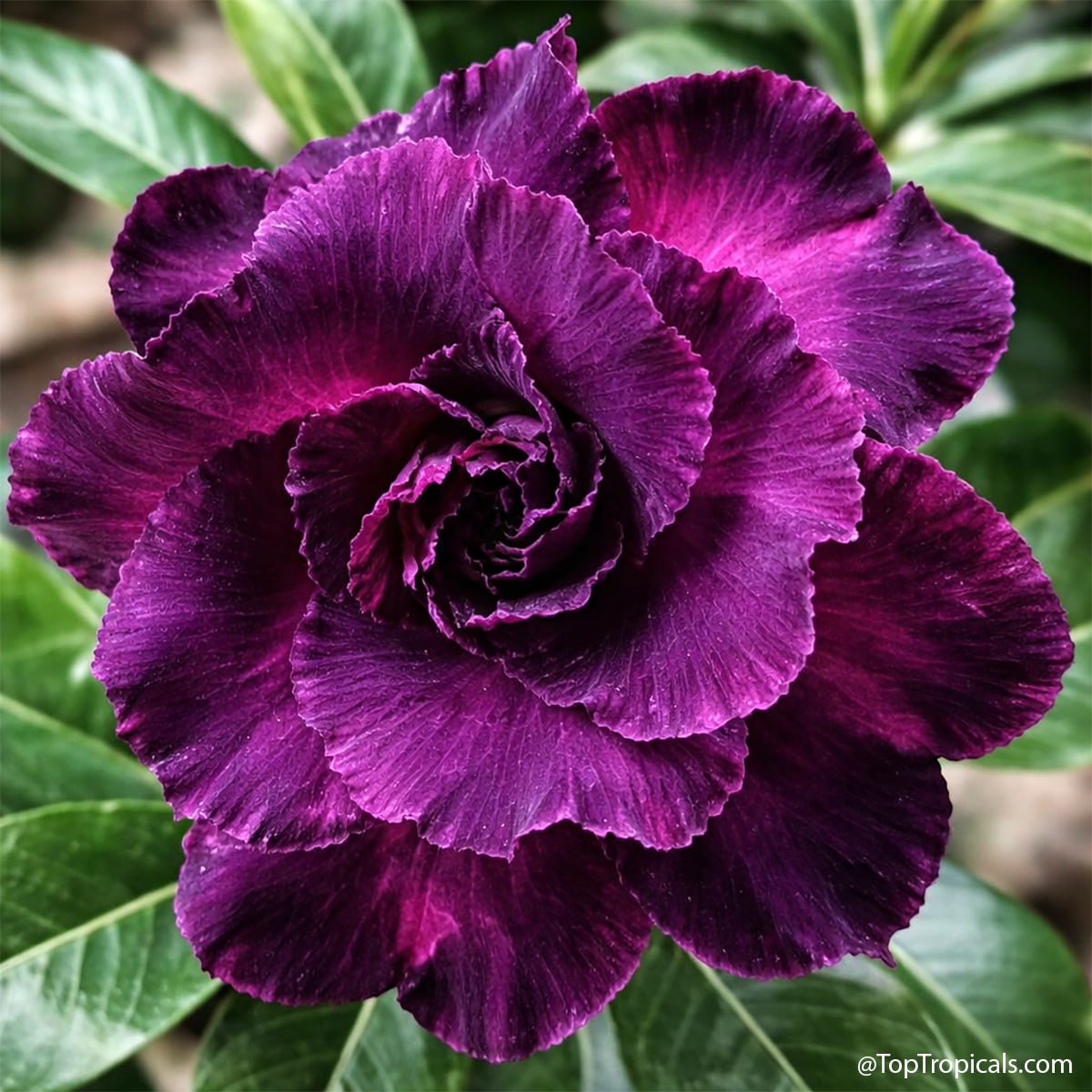
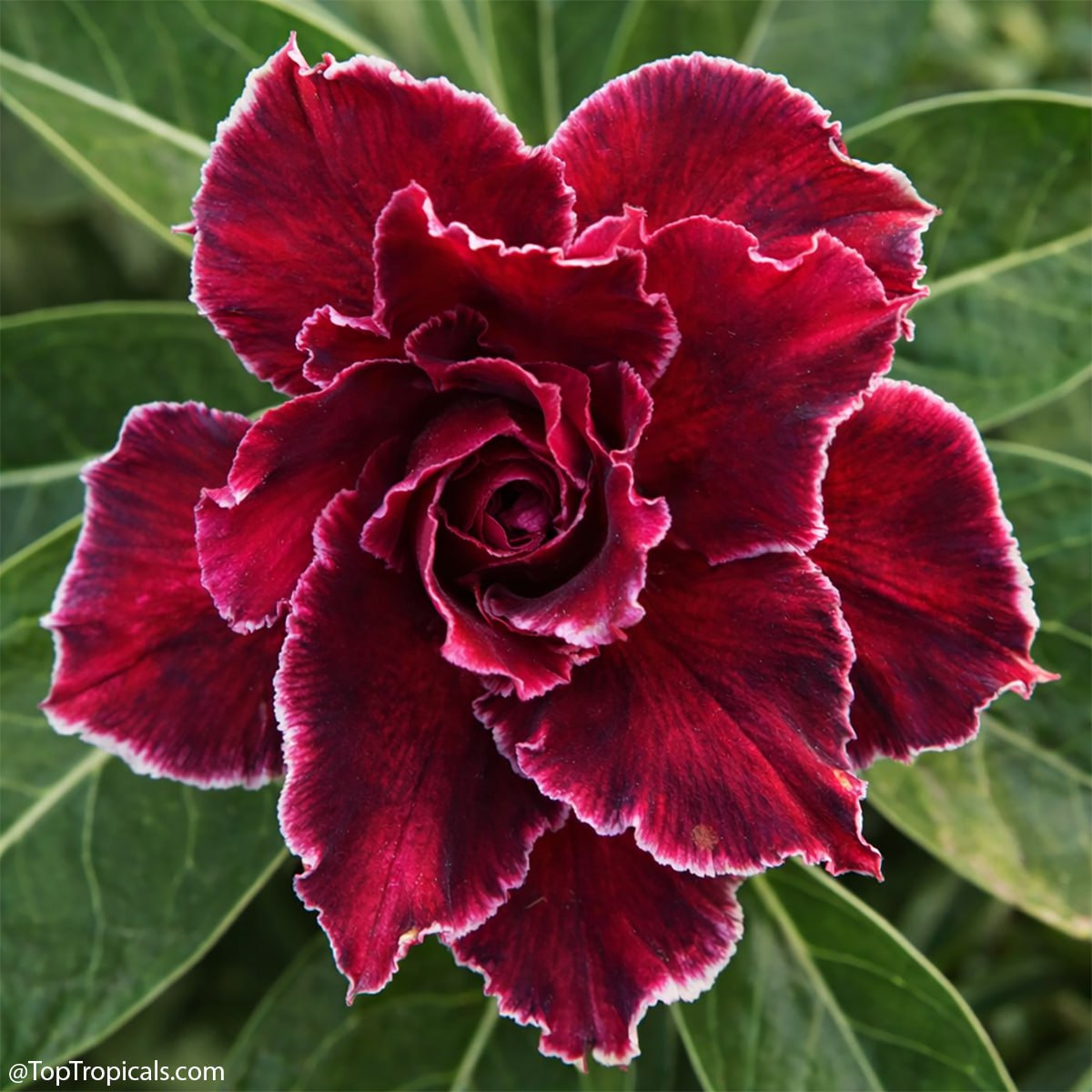
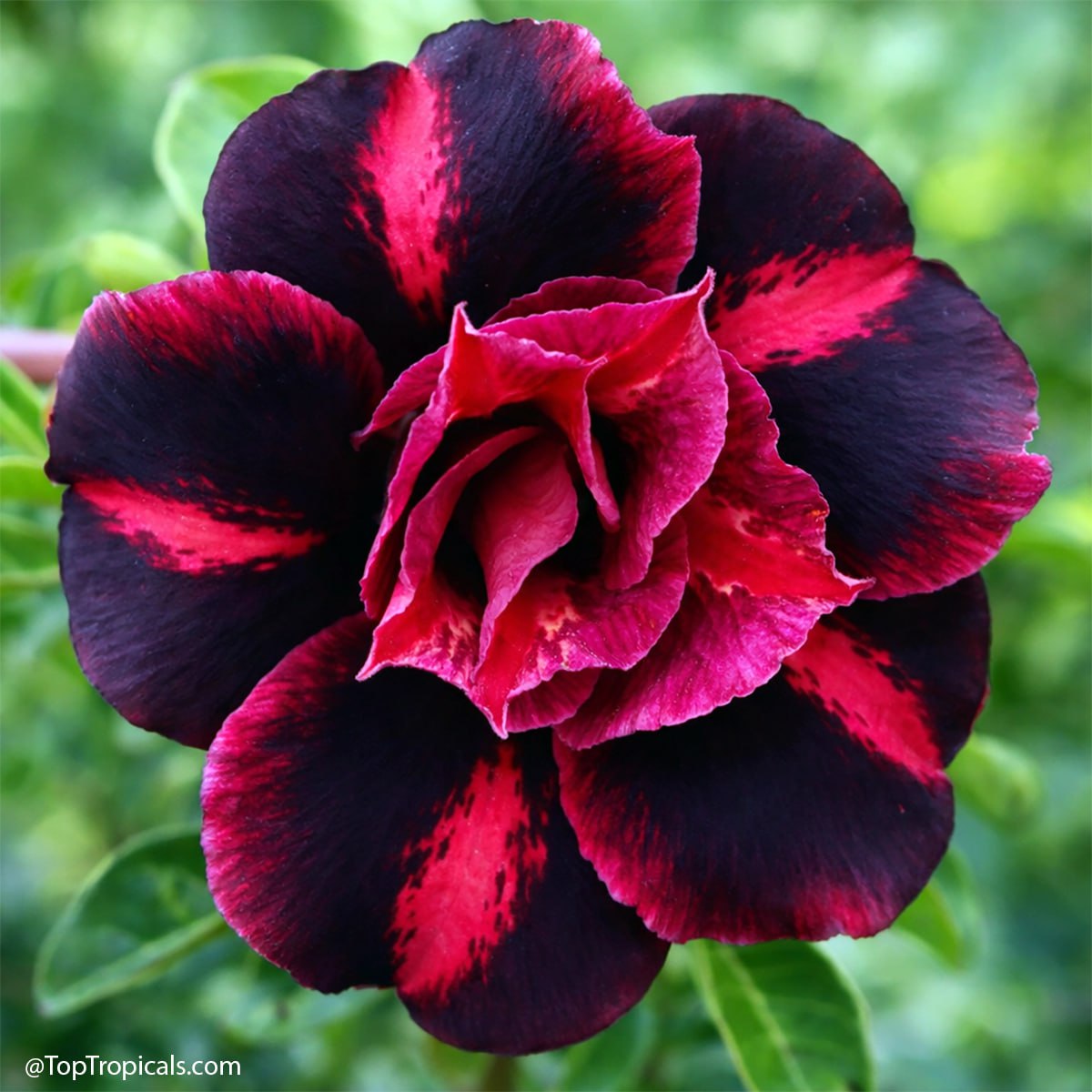
Adenium rainbow: 9 dark tones that don’t look real 🌈
Adenium Plant Facts
Botanical name: Adenium sp. Also known as: Adenium, Desert Rose, Impala Lily
USDA Zone: 9 - 10
Highligths
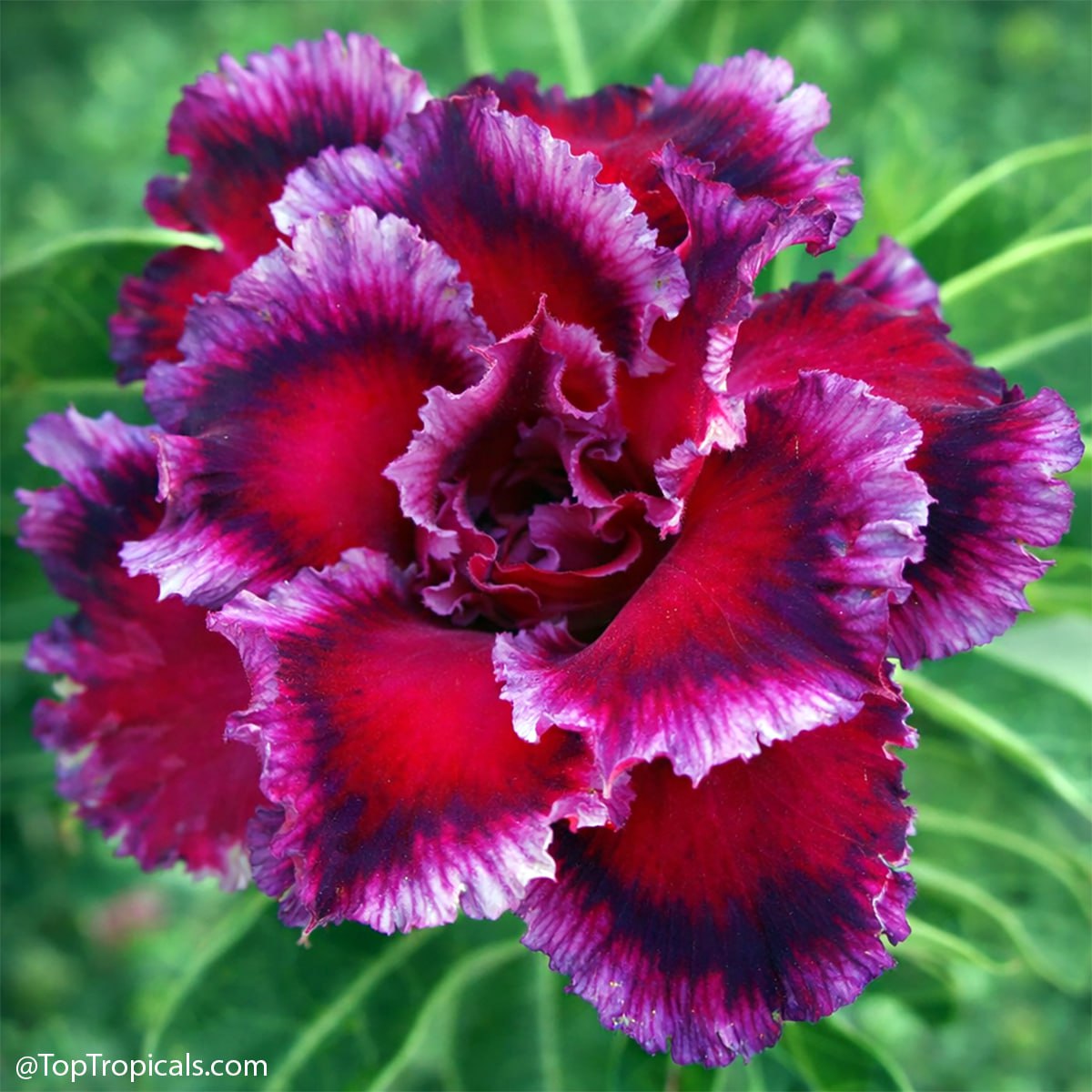
Some adeniums are bright and cheerful.
And some look like they came from another planet.
This set leans into those deep, off-purple, almost unreal shades. Every one is different, but they all share that exotic, hard-to-describe look.
💡 Container tip
Adeniums do best in shallow containers, especially unglazed clay pots.
Clay helps in a few ways:
- it dries faster than plastic
- provides better air flow to roots
- keeps the plant stable as the caudex gets heavy
Avoid oversized pots. Keep it just slightly larger than the root ball.
Secret of a Big Caudex:
When repotting, raise the caudex a little each time.
That’s the simple trick to developing that thick, exposed base everyone loves.
🌸 Today's featured adeniums
✦ Blue Diamond: Cool-toned, almost metallic shades - very unusual in color. ✦ Musk: Modern-looking bloom with a bold, unconventional feel. ✦ Hong Hern: Elegant form with deep tones and a refined structure. ✦ Mad Lady: Twisted, expressive petals - looks a bit wild and unpredictable. ✦ Moung VN: Soft purple shades with a smooth, balanced look. ✦ Petch Pratum: Rich color with a jewel-like quality - name reflects that. ✦ Maneenate: Layered bloom with a more intricate, detailed structure. ✦ Ramruay: Associated with wealth and prosperity - strong presence. ✦ Swan and Dragon: Myth-inspired look with a dramatic, flowing form.
This kind of set is where collecting gets interesting - not just colors, but personality in each plant.
And once you start noticing these darker tones - you start seeing them differently everywhere.
Botanical name: Mangifera indica Also known as: Mango
USDA Zone: 9 - 11
Highligths
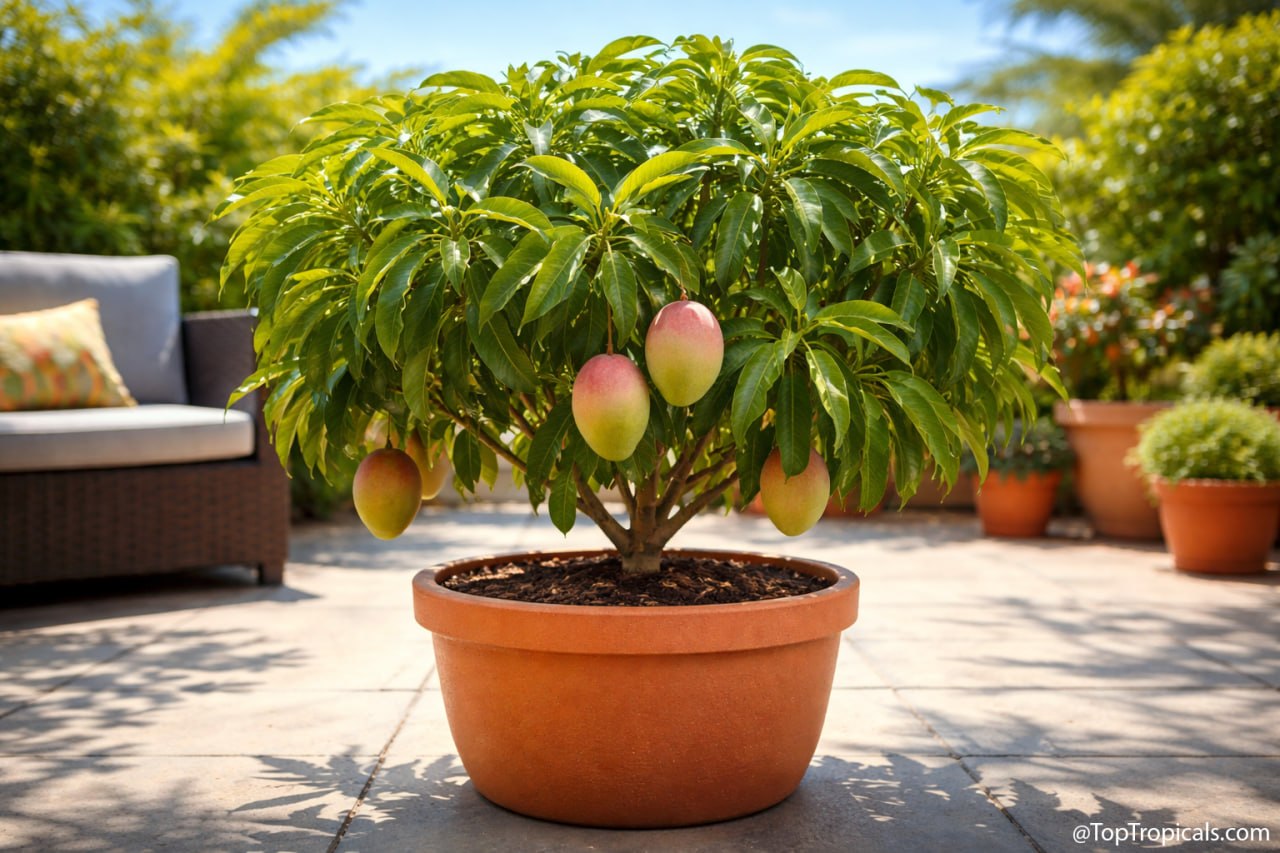
All mango trees are naturally vigorous and, if planted in the ground, they all can grow into full-size trees reaching 15-20 ft or more. The term "Condo Mango" refers to varieties with a more compact growth habit that can be kept small in containers with light pruning. In a pot, their size is controlled by root space and regular trimming, allowing them to stay manageable and productive for many years. Here is how:
🥭 Condo mango = mango trees that stay compact in containers with light pruning.
✔️ In ground: 15–20+ ft ✔️ In pots: keep them 6–8 ft
🥭 Best pot sizes
· 3-7 gal - starter (3–6 months) · 7-5 gal - young tree (1–2 years) · 15-25 gal - ideal long-term · 25-40 gal - faster growth, more pruning
👉 Smaller pot = easier care 👉 Bigger pot = more growth + more work
🥭 Best mango types for containers
True dwarf (easiest)
Minimal pruning, perfect patio trees
· Keep tree 6–8 ft with pruning · Use fast-draining soil (critical) · Full sun = fruit · Feed regularly - Green Magic + Mango Tango · Repot or root-prune every few years