Garden Blog - Top Tropicals

Date: 20 Jan 2025

How to Grow Jackfruit: Practical Guide

Jackfruit (Artocarpus heterophyllus) tree

Jackfruit (Artocarpus heterophyllus) tree

Jackfruit (Artocarpus heterophyllus) fruit

Jackfruit (Artocarpus heterophyllus) fruit

Jackfruit (Artocarpus heterophyllus) fruit at the base of the tree

Jackfruit (Artocarpus heterophyllus) fruit at the base of the tree

Jackfruit (Artocarpus heterophyllus) fruit at the base of the tree

Jackfruit (Artocarpus heterophyllus) fruit at the base of the tree

How to Grow Jackfruit: Practical Guide

  • 🍈 Jackfruit (Artocarpus heterophyllus) is a tropical tree that produces the largest fruit in the world, weighing up to 80 pounds and reaching 36 inches in length. The trees thrive in frost-free, humid climates with plenty of sunlight. They require well-draining soil rich in organic matter and regular watering to flourish. Despite their reputation as ultra-tropical, mature Jackfruit trees can tolerate light frost for a few hours without significant damage. Additionally, they can be grown in containers in colder areas with proper care and pruning.
  • 🍈 What Climate is Essential for Growing Jackfruit Trees?


    Jackfruit trees require a tropical or subtropical climate, with temperatures ideally between 60-95°F. While young trees are frost-sensitive, mature trees can withstand light frost for short periods. However, cold winters can reduce fruit production. Frost-free temperatures are crucial for optimal growth and fruiting.
  • 🍈 How Often Do Trees Need Fertilizing, and What is the Best Type of Feed?


    Jackfruit trees are heavy feeders. Fertilizing them regularly is key to their health and productivity. During the active growing season (spring to fall), apply a balanced dry fertilizer once a month. Liquid amino-acid-based fertilizers, such as Sunshine Boosters, can be used year-round with every watering. These fertilizers help maintain healthy growth and encourage abundant fruiting. Supplement with organic matter like compost, manure, or peat moss to enrich the soil.
  • 🍈 How Important is Pruning, and When is the Right Time to Prune?


    Pruning is essential for maintaining a manageable tree size and promoting healthy fruit production. Jackfruit trees produce fruit at the base of the trunk, allowing them to be pruned annually to a height of 7-12 feet. This practice not only makes harvesting easier but also encourages more fruiting. Prune after the fruiting season or in late fall to remove excess growth and shape the tree. Regular pruning also improves air circulation and reduces the risk of disease.
  • 🍈 Key Tips for Successful Jackfruit Production


  • · Climate: Ensure frost-free temperatures and adequate humidity.
  • · Soil: Use well-draining soil enriched with organic matter.
  • · Watering: Maintain consistent soil moisture without waterlogging.
  • · Pruning: Keep the tree under 7-10 feet for easier management and better yield.
  • · Fertilizing: Apply balanced fertilizers and supplements regularly.


🍈 Jackfruit facts

  • · The fruit consists of large, edible bulbs of yellow, sweet, banana-pineapple-flavored aromatic flesh.
  • · Seedlings start fruiting within 3-4 years, with fruit ripening 4-6 months after flowering.
  • · A mature tree can produce up to 200 pounds of fruit annually.
  • · For colder regions, growing Jackfruit in containers is an option, provided the tree is regularly pruned and topped.


👍 Jackfruit trees grow fast and fruit abundantly with proper care, making them an exotic addition to tropical fruit collections.

📚 From previous posts:


The largest tree-borne fruit in the world
How to grow the biggest fruit on Earth

🛒 Plant your own Jackfruit

#Food_Forest #How_to

🔴 Join 👉 TopTropicals

Date: 6 Jan 2025

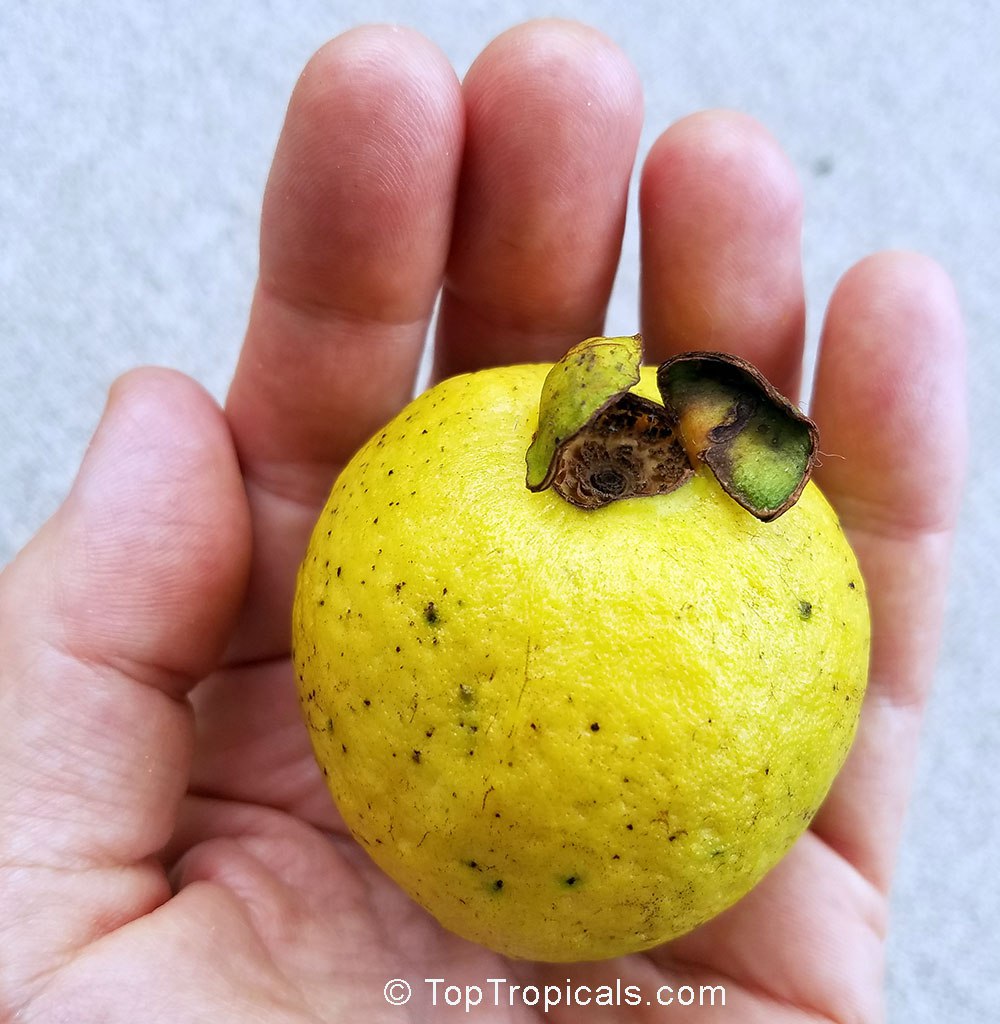
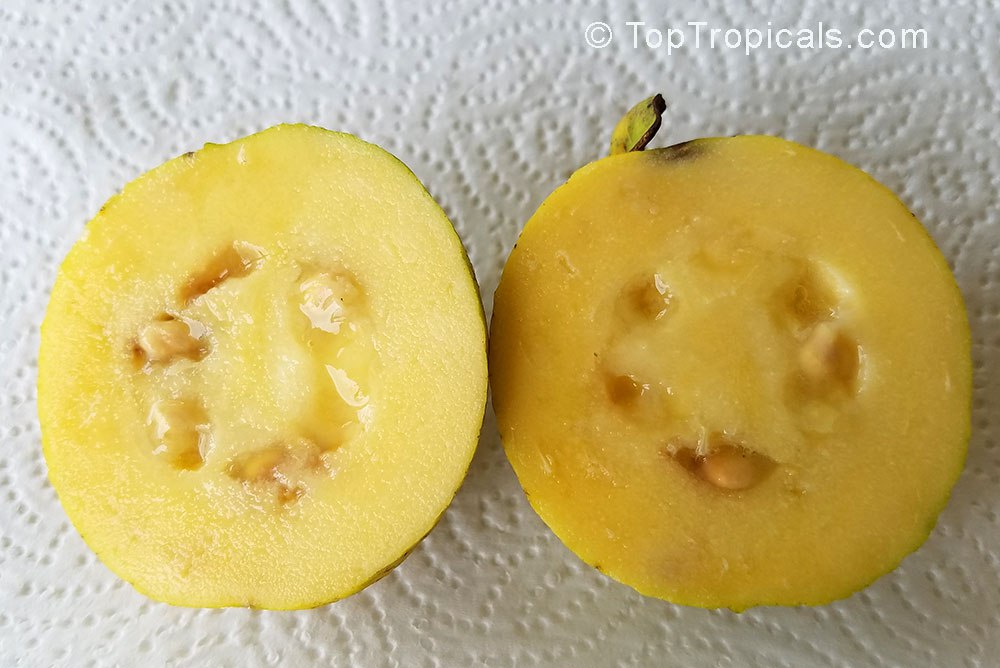
What is your favorite Guava fruit for eating fresh?

What is your favorite Guava fruit for eating fresh?

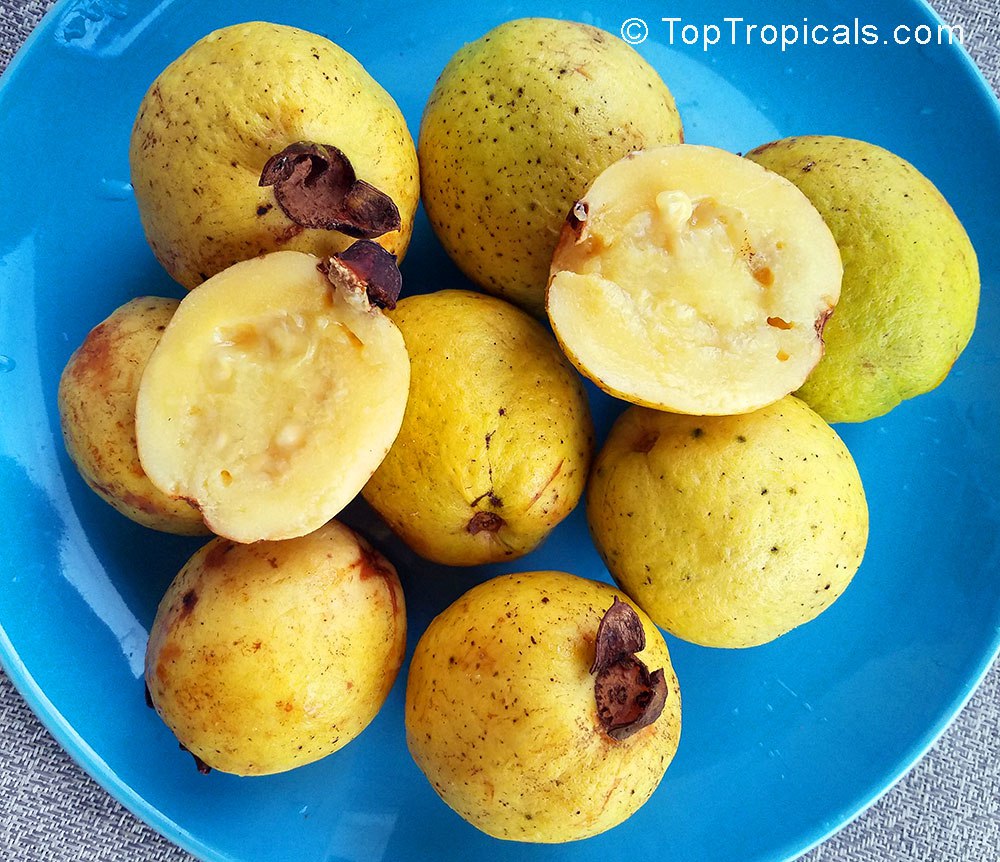
💛 The sweetest and the most flavorful Cattley Guava variety is Hawaiian Gold (Yellow Pineapple Guava) - Psidium littorale var. Lucidum. This one is our favorite for eating out of hand!

📚 Learn more from previous posts:


Top 10 fast-fruiting trees: #2. Cattley and Tropical guava
How to always have lots of Guava Juice

🛒 Shop Cattley Guava

#Food_Forest #Guava

🔴 Join 👉 TopTropicals

Date: 29 Aug 2024

Top 10 fast-fruiting trees:

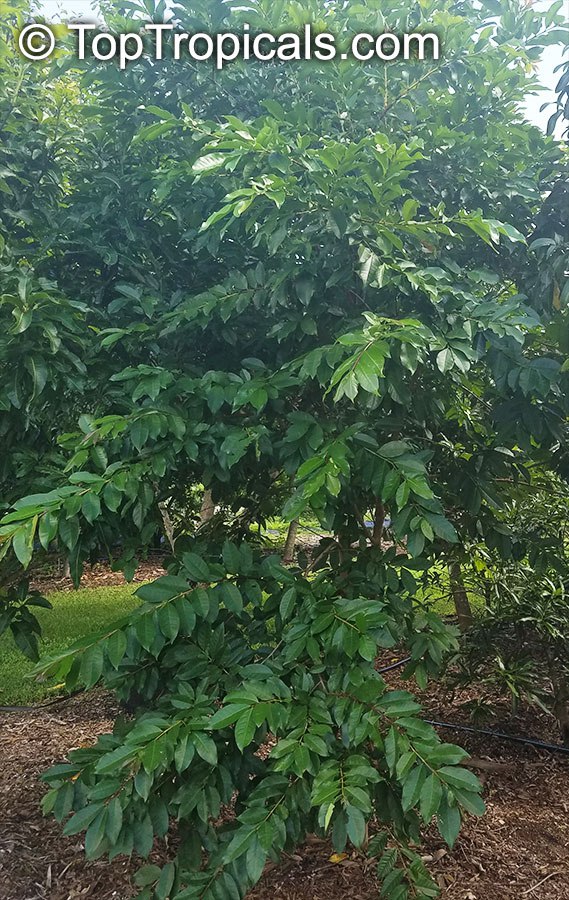
Guava (Psidium sp.) - Cattley and Tropical guava

Guava (Psidium sp.) - Cattley and Tropical guava

🍉 Top 10 fast-fruiting trees:
#2. Guava (Psidium sp.): Cattley and Tropical guava


❤️ Guava is a reliable producer, starts fruiting in a pot at small size. Some varieties, especially Cattley guavas - Psidium littorale - are relatively cold hardy and can take some frost without damage. Guavas are fast growing small trees or large bushes.

📚 Learn more from previous posts:


🛒 Shop Guava trees

#Food_Forest #Guava

🔴 Join 👉 TopTropicals

Date: 31 Jan 2025

Ten best fruit trees to grow in Florida and Southern landscapes

Guava Tree (Psidium sp.)

Guava Tree (Psidium sp.)

🏆 Ten best fruit trees to grow in Florida and Southern landscapes.
# 8: Guava Tree.
  • 🍉 Guava Tree (Psidium sp.) - Guava trees are beloved for their flavorful fruit, commonly used in juices, drinks, and desserts.
  • 🍉 Popular Varieties: include Psidium guajava (Tropical Guava), Psidium littorale (Cattley Guava), Psidium friedrichsthalianum (Cas guava), and Feijoa sellowiana (Pineapple Guava).
  • 🍉 Cold Hardy: Despite its "Tropical" name, the Tropical Guava is relatively cold-hardy, and other varieties are even hardier, suitable for cooler climates with occasional frost.
  • 🍉 Water Needs: Guava trees like water and can tolerate some flooding.
  • 🍉 Compact Growth: Guavas are medium size bushes or trees that can be easily maintained at any height and shape.
  • 🍉 Fast Fruiting: Guava trees are quick to fruit, often within a year of planting, and some start fruiting in containers as small as 1 gallon.
  • 🍉 Dwarf Variety: The Nana variety is perfect for container culture, producing full-sized fruit in a compact form.
  • 🍉 Pest Control: In humid areas with rainy seasons, check for mealybugs, which can be controlled with neem oil as needed.
  • 🍉 Endless Supply: Planting multiple guava trees ensures a constant supply of fresh, juicy fruit and flavorful guava juice loved by kids and adults.


📚 Learn more from previous posts:


🛒 Shop Guava varieties

#Food_Forest #Guava

🔴 Join 👉 TopTropicals

Date: 12 Feb 2025

How to grow a Guava Tree: Practical Guide to Growing Guava

Guava (Psidium sp.)

🍉 How to grow a Guava Tree: Practical Guide to Growing Guava

  • 🍑 Guava Trees (Psidium sp.) are beloved for their flavorful fruit and easy-growing nature. These fast-growing trees are reliable producers and can thrive in a variety of climates, making them a favorite among home gardeners. Guavas are compact and can be grown in containers, making them suitable for small spaces and urban gardens.
  • 🍑 Light and Soil


    Guava trees thrive in full sun, requiring at least 6-8 hours of direct sunlight daily to produce the best fruit. They prefer well-draining soils rich in organic matter but are adaptable to a range of soil types, including sandy or loamy soils. Slightly acidic to neutral soil is ideal. While guavas tolerate poor soils, enriching the soil with compost or manure will improve growth and yield.
  • 🍑 Pruning tips


    Pruning is essential for maintaining the shape, size, and productivity of guava trees.

· Frequency: Prune guavas annually, ideally after the fruiting season, to encourage new growth and improve airflow.
  • · Remove dead, diseased, or crossing branches to maintain tree health.
  • · Shape the tree to allow sunlight to penetrate the canopy, which enhances fruit production.
  • · For container-grown guavas, keep the tree compact by trimming back vigorous shoots regularly.


🍑 Guava in containers


Guavas are well-suited to container growing. Compact varieties like the "Nana" guava are ideal for pots. Use a large container (at least 15-20 gallons) with good drainage. Fill it with a high-quality potting mix enriched with organic matter. Place the container in a sunny location and water consistently. Regular pruning helps maintain a manageable size and promotes fruiting in container-grown guavas.
  • 🍑 Watering


· Guava trees require consistent watering, especially during dry periods and the fruiting season. While they can tolerate short periods of flooding, ensure the soil is not waterlogged. Water deeply once or twice a week, depending on your climate.
  • · Fertilize guavas 3-4 times a year during the growing season with a balanced fertilizer rich in potassium and phosphorus to promote flowering and fruiting. Adding organic matter like compost or manure annually boosts soil fertility and improves yields.


🍑 Harvesting

  • · Guava trees are quick to fruit, often producing their first harvest within a year of planting. For container-grown trees, fruiting can start in even smaller pots, such as 1-gallon containers.
  • · Signs of ripe guava fruit include:
  • - A change in color from green to yellow (depending on the variety).
    - A sweet, fruity aroma.
    - Slight softness when gently pressed.
  • · Harvest ripe guavas by hand or with pruning shears. Consume fresh or use them to make juices, jams, or desserts.


🍑 Health Benefits of Guava

  • · Guava is a nutrient powerhouse, offering numerous health benefits:
  • · Vitamin C: Boosts the immune system and helps protect against colds and infections.
  • · Potassium: Supports healthy blood pressure levels.
  • · Antioxidants: Contribute to glowing skin and may reduce the risk of cancer.
  • · Fiber: Aids digestion and helps regulate blood sugar levels.


🍑 Popular Varieties of Guava

  • · Tropical Guava (Psidium guajava): Sweet and aromatic, suitable for warmer climates.
  • · Cattley Guava (Psidium littorale): Cold-hardy with a slightly tart flavor.
  • · Cas Guava (Psidium friedrichsthalianum): Known for its sour taste, perfect for juices like Costa Rica’s traditional "Agua de Cas." Cold hardy, disease resistant and vigorous, productive variety.
  • · Pineapple Guava (Feijoa sellowiana): Fruity and floral, thriving in cooler climates.


🍑 Additional Tips

  • · Guava trees are relatively pest-resistant but may require monitoring in humid climates for mealybugs. Use neem oil if needed.
  • · Planting multiple guava varieties ensures a continuous supply of fruit.
  • · With their fast growth, compact size, and delicious fruit, guava trees are a fantastic addition to tropical garden, greenhouse or patio.


📚 More from previous posts about #Guava

🛒 Shop Guava Trees

#Food_Forest #Guava

🔴 Join 👉 TopTropicals