Date: 15 Dec 2020

Healthy Plants: Q&A from Mr Booster
What is an ideal potting mix?
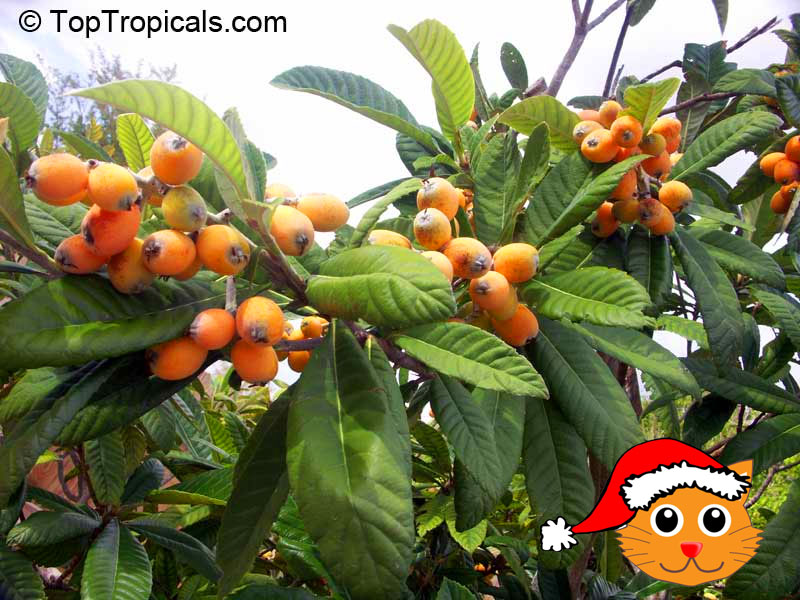
Q: A few years ago, I purchased a Barbie Loquat from you, and I'm pleased to say it's been growing very well. I now have several loquat seedlings. I have read that a well-draining medium should be used, and I have found that the various formulations provided on the web for such medium seem vaguely reminiscent of the recipe provided in your transplanting instructions. Therefore, I would like to retrieve your recipe, unless you could recommend an even better one?
A: The main requirements for a good potting mix are:
- perfect drainage, allowing air circulation that is so necessary for
healthy roots; oxygen circulation helps to avoid root rot
- water retention: to keep nutrients in soil
- low pH (soil acidity) which is important for most tropical plants
- adequate amount of organic matter in the mix, in combination with proper
fertilizer program
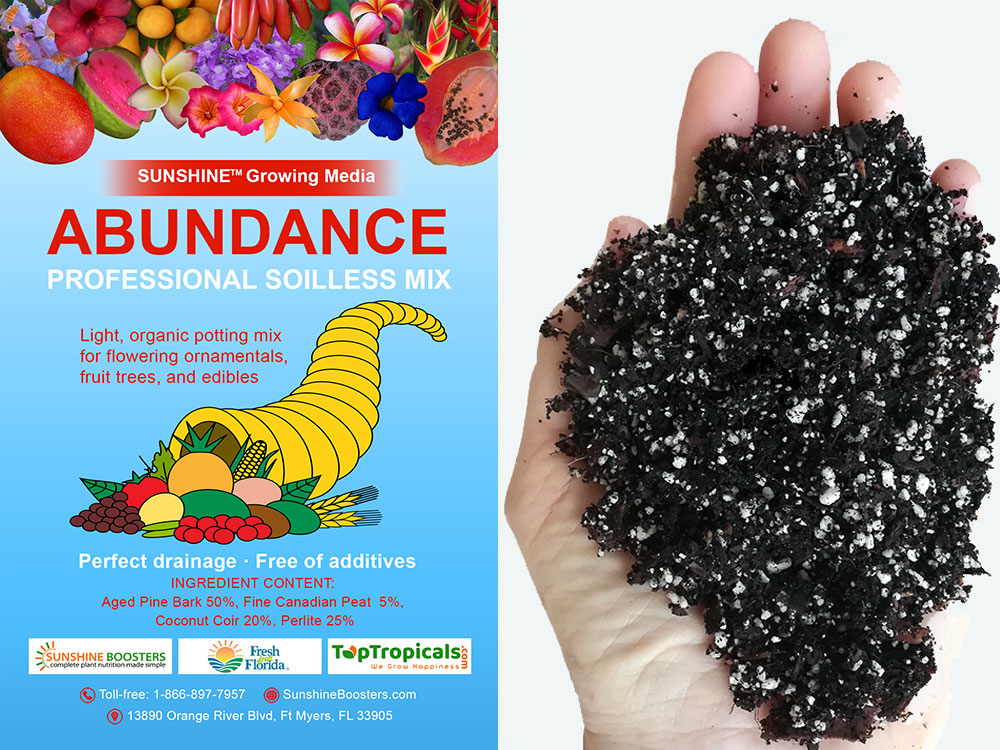
In our nursery we experimented with many different potting mixes for the past couple decades. We ended up with an ultimate mix for tropical container plants that we designed ourselves. This custom mix is called -
Abundance - TopTropicals professional soilless potting mix
It meets all the requirements above which makes it a perfect mix. All
our plants are happy with it.
Abundance is a professional quality (nursery-grade) potting mix with great
drainage characteristics, ideal for any tropical plants. It is organically
derived soil-less mix, free of any additives.
Ingredients are:
- fine Canadian peat moss
- coconut coir
- perlite
- aged pine bark (soil conditioner).
See more info on
soil mixes.
We have this mix available for purchase in different packaging sizes - 2, 3, and 7 gal
bags.
Besides proper potting mix, all container plants require regular
fertilizing. We recommend the newest, scientifically balanced fertilizers Sunshine Boosters that are natural, eco-safe, great for all edibles and
organic gardening. They are safe to use with every watering, provide all
necessary elements for plant daily needs, and won't burn the roots.
For your loquat tree, consider Sunshine C-Cibus, it boosts both flowering and fruit production. Loquat
is Winter-Spring bloomer, hopefully you will get some crop soon!
See more information about potting mix science


Date: 4 Jun 2024
The perfect vine is finally found! Everybody wants it: the breathtaking dramatic Hawaiian Sunset
Stictocardia beraviensis - Hawaiian Sunset Bell
Stictocardia beraviensis - Hawaiian Sunset Bell
Stictocardia beraviensis - Hawaiian Sunset Bell
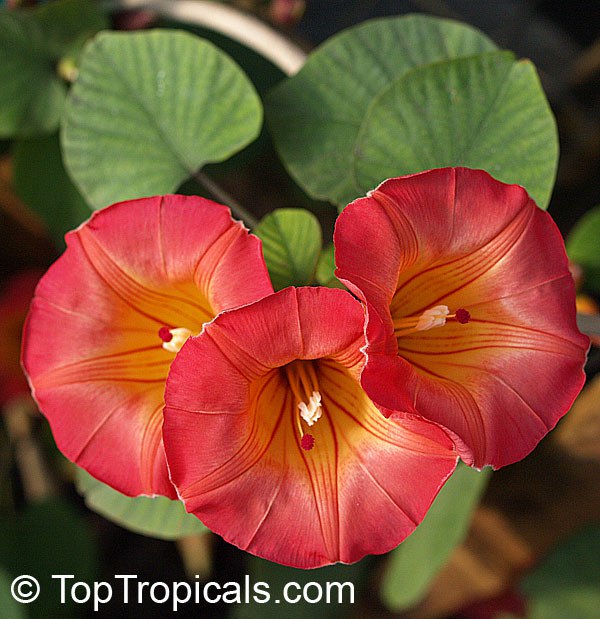
Stictocardia beraviensis - Hawaiian Sunset Bell
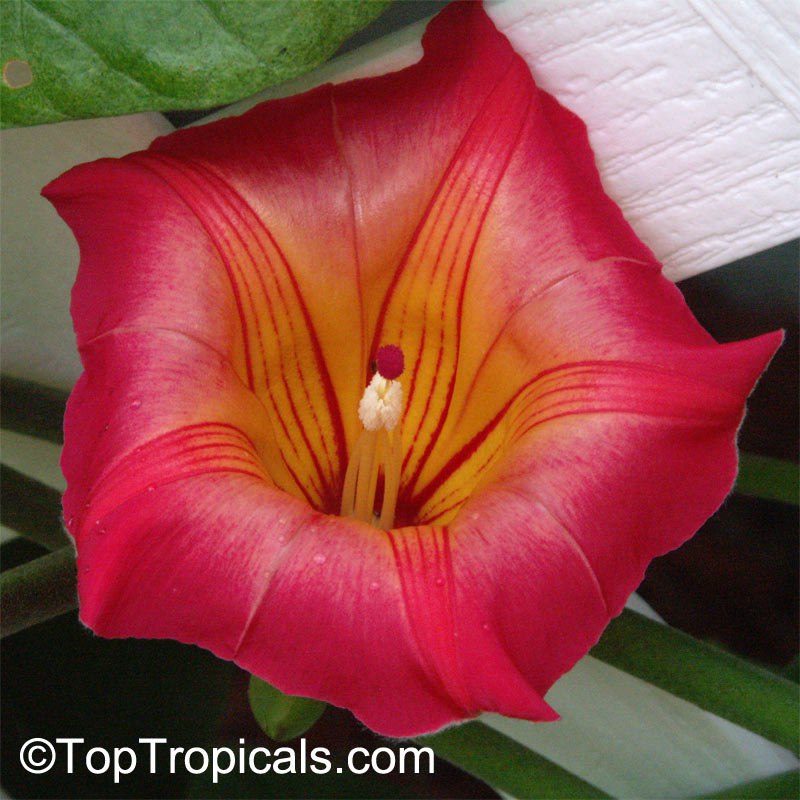
Stictocardia beraviensis - Hawaiian Sunset Bell
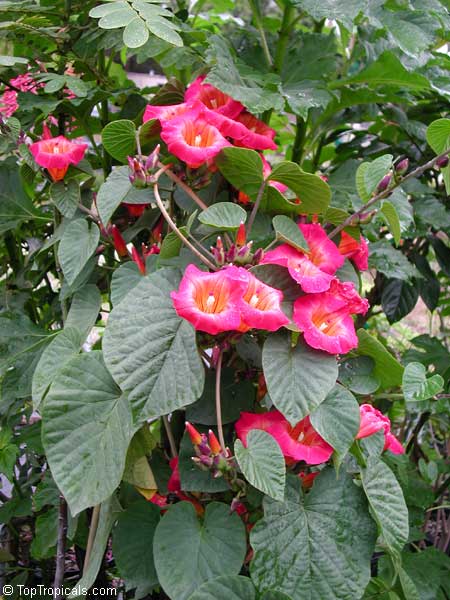
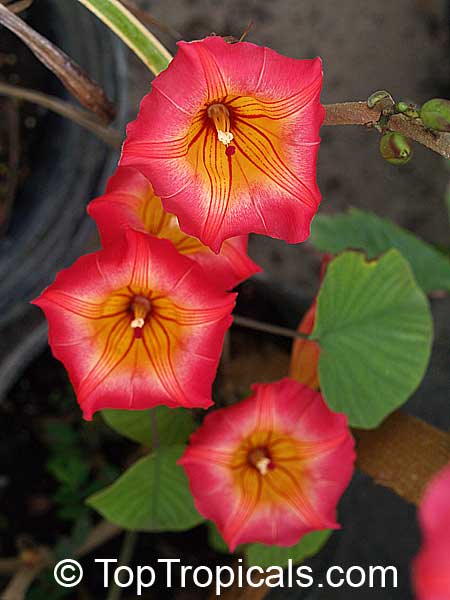
🔔 The perfect vine is finally found! Everybody wants it: the breathtaking dramatic Hawaiian Sunset.
Stictocardia beraviensis - Hawaiian Sunset Bell - has a stunning flower has splendid rich tones that are a marvel to see!
- ❤️ Breathtaking flowers: stunning tri-color blossoms with rich, dramatic sunset tones that captivate and delight.
- ❤️ Super-fast growing: quickly establishes, adding lush greenery over a large fence and vibrant blooms to your garden in just one season.
- ❤️ Versatile light tolerance: thrives in conditions ranging from full sun to deep shade, adapting to various garden spots.
- ❤️ Scented blooms: fills the air with a pleasant fragrance.
- ❤️ Tropical foliage: features huge, up to 12"wide, velvety leaves that provide a lush, exotic appearance.
- ❤️ Year-round blooms: flowers sporadically throughout the year, ensuring continuous beauty.
- ❤️ Cold tolerant: resistant to cold spells, grows back vigorously in Spring.
- ❤️ Container friendly: can be grown in container with a large trellis, but be prepared to frequent pruning - it grows fast.
- ❤️ A must-have tropical vine: an essential addition to any tropical plant collection for its striking appearance and easy care.
📚 Learn more: Stunning Hawaiian Sunset
🎥 Watch the secret Life of Two Bees inside the Hawaiian Sunset flower
🛒 Get your own Hawaiian Sunset
#Butterfly_Plants #Hedges_with_benefits #Nature_Wonders
🏵 TopTropicals
Date: 3 Mar 2025
Why this Magnolia flower smells like banana?
Magnolia figo, Banana Magnolia
🛍 Plant Banana Magnolia
#Perfume_Plants #Container_Garden #Trees
🔴 Join 👉 TopTropicals
Date: 6 Oct 2025
The hot Guyanese secret to perfect skin
Biquinho Pepper (Capsicum annuum x chinense) and Wiri Wiri Pepper (Capsicum frutescens)
- 🌶 Who said Peppers can't be cute? These two little fireballs prove otherwise! They might look small, but they’re full of personality, flavor, and heat.
- 🌶 Biquinho Pepper (Capsicum annuum x chinense) This heart-shaped hottie is an ancient hybrid between bird pepper and habanero is as beautiful as it is flavorful. Each tiny 1-inch red pepper packs a fruity, tangy punch with just enough heat to make your taste buds dance. Perfect for container gardens, Biquinho peppers decorate the plant like tiny red ornaments – and they’re just as tasty in pickles, salsas, or fresh salads.
- 🌶 Wiri Wiri Pepper (Capsicum frutescens)
🌶 Fun facts:
· Both peppers belong to the same botanical family as potatoes, tomatoes and eggplants.
- · What makes them special isn't just the heat - it's the flavor!
- · True pepper lovers know that great peppers are about depth, aroma, and the fruity fire they bring to every meal.
🌶 Growing tips:
Feed your peppers with Sunshine C-Cibus plant booster for abundant crops and extra flavorful fruits. These compact plants thrive in containers and bring tropical flair to patios, balconies, or edible gardens.
💥 These two peppers are a must for spice lovers - intense fruity habanero flavor packs quite a bang!
Extremely showy, these ornamental peppers have culinary benefits and are great for container garden.
🛒 Add the flavor of Hot Peppers to your garden and kitchen
📚 Learn more:


📱 How to grow the hot Wiri Wiri and Biquino Peppers
#Food_Forest #Container_Garden
🟢 Join 👉 TopTropicals
Date: 22 Mar 2017
Condo Mango
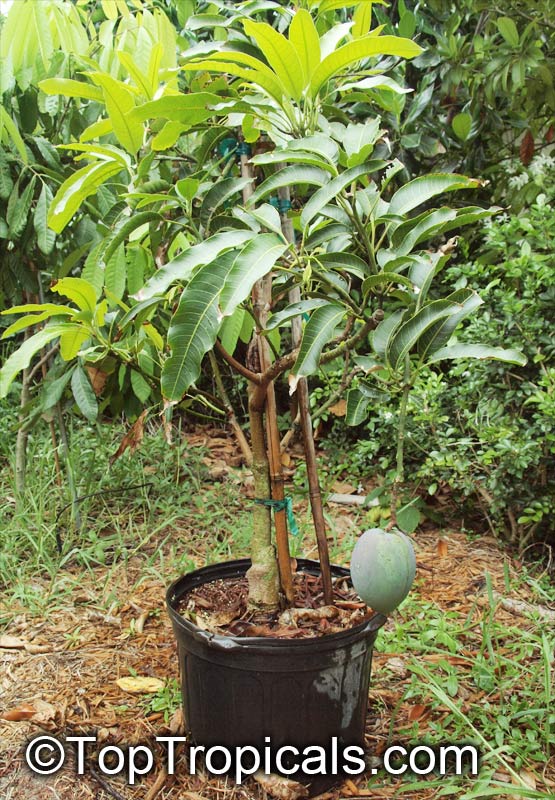
Q: I was curious about indoor fruiting mango trees. I live in upstate New York and was thinking about trying to grow an indoor tree for fruit. I have a small heated greenhouse. Is there a variety that can be grown from seed that would suit my purposes and if not what is the most economical way I could obtain a cutting or small grafted plant? I keep my greenhouse around 60F in the winter and have no supplemental lighting. Are there any varieties that may work in a sunroom or other well lit indoor location?
A:
There are many dwarf varieties of mango suitable for container culture. They
are called "condo mangoes".
The most popular condo varieties are: Carrie, Cogshall, Cushman, Fairchild,
Graham, Ice Cream, Julie
, Mallika, Nam Doc Mai,
Pickering. You may read more about them in our online
catalog. You may also look into variety
Lancetilla which is also a compact tree, and produces one of the biggest size
fruit, up to 5 pounds. If you want some rare variety that hardly anyone else has -
try Baptiste, an exotic Haitian dessert
mango.
Your greenhouse should work for the winter time. Mango trees can take
as low as mid 40s during winter and even lower as long as that cold is
occasional. If you keep the temperature around 60, this should work well for over
wintering. Just make sure to reduce watering to a minimum, because cool
temperatures, low light and wet soil - is a bad combination for tropical plants,
especially for mango trees which prefer to be kept on a dry side.
Many indoor gardeners have fruiting mango trees in their collection. However,
keep in mind that the most important requirement for a mango is full sun.
While you may over winter the plant for a few months in a low light conditions,
in order for it to flower and produce fruit it needs lots of light. If moving
the tree into full sun your yard during the summer is possible, this would
be the best solution.
We always recommend
SUNSHINE boosters for both over wintering tropical plants in colder
climates, and for indoor gardening. SUNSHINE applications will help your tree to
cope with cool temperatures and low light conditions. This will also
dramatically increase flowering and fruiting performance. Another important factor for
keeping your container plant healthy is quality of your potting soil. We
offer a special
professional mix that contains lots of good stuff: coconut fiber, peat moss, pine
bark, and perlite. Fertilizing potted plants
is also very important during the warm season, because this is the only way
for them to get nutrients (which in the ground can be reached by spreading
root system).
As far as seedlings vs. grafting - the only way to
have a nicely fruiting mango tree is to plant a grafted variety. Seedlings start
producing only after 8-15 years, and the quality of such fruit may be
questionable. Only grafted plants can guarantee the desired taste of a variety.
Besides, grafted mangoes start producing immediately - you may see fruit forming
on plants as small as 3 ft, in 3 gal containers. However, during the first
1-2 years you will need to remove extra fruit and leave only 1-2 fruit so the
plant doesn't get exhausted and has enough energy to establish strong root
system.
For fun stories about growing mango, check out our Radio
Show recording YO Tango Mango!