🎄 Holiday Plant Market:
Saturday, Dec 13, 2025, 9:00 AM to 4:00 PM 🎉
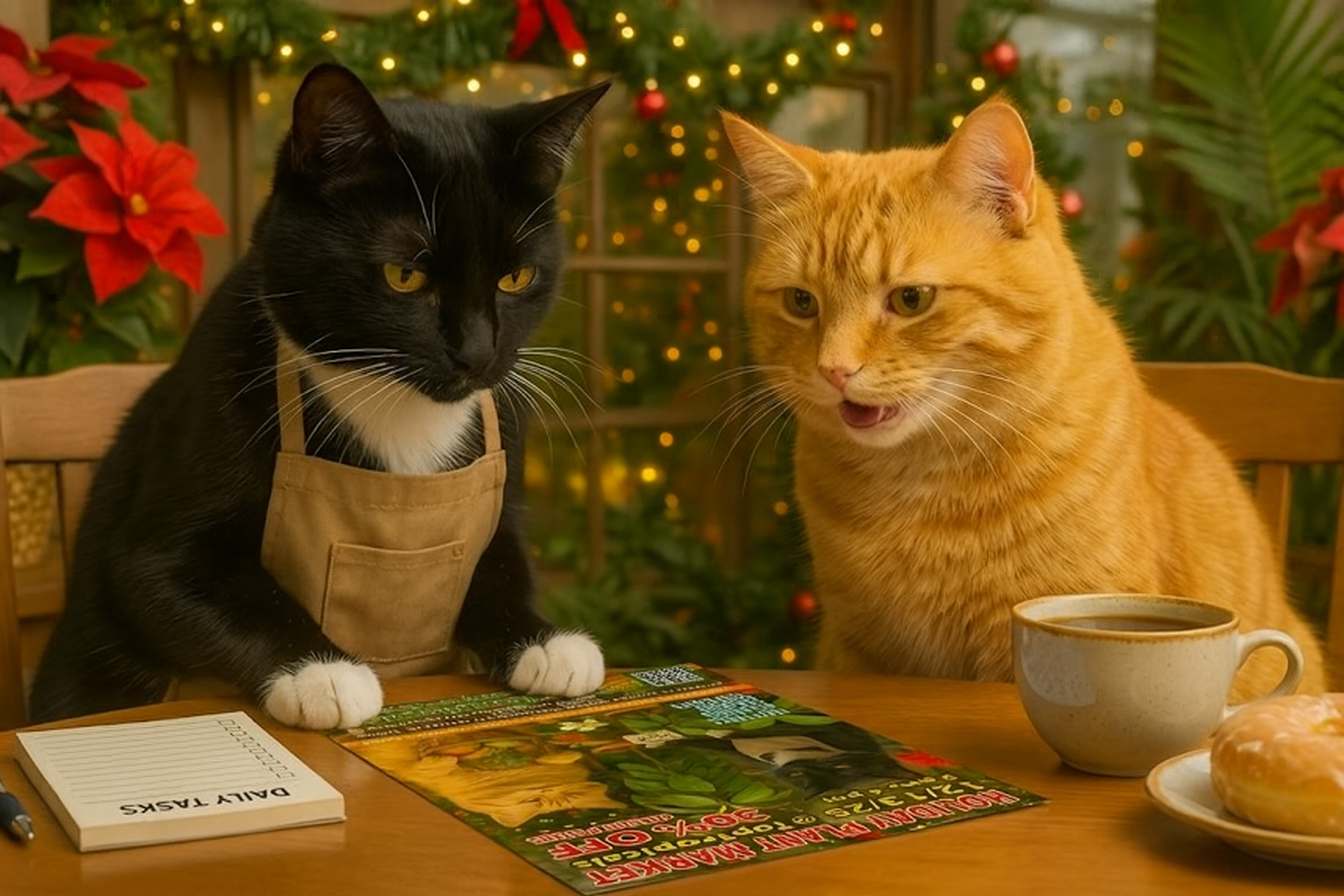
Smokey: We invited people, so we need to be prepared for the crowd.
Sunshine: I am prepared. I saw yummy donuts on the flyer.
Smokey: Of course you did, genius. You are responsible for donuts
and coffee.
It is almost here. Our big end-of-season Plant Day. All year we grow the
rare and unusual plants that will be featured at this event, and Saturday is
the day they finally meet their new homes. The garden turns into a small
holiday escape: fresh air, bright colors, music, snacks, and the PeopleCats
greeting everyone like they have known you for years.
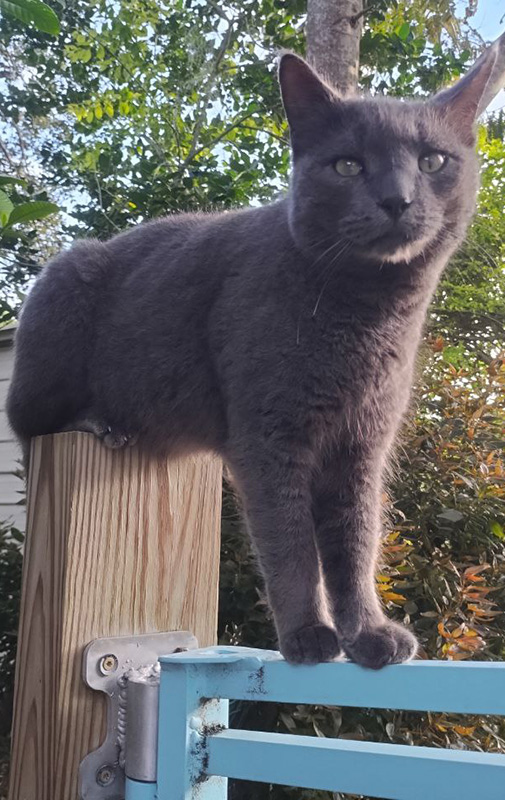
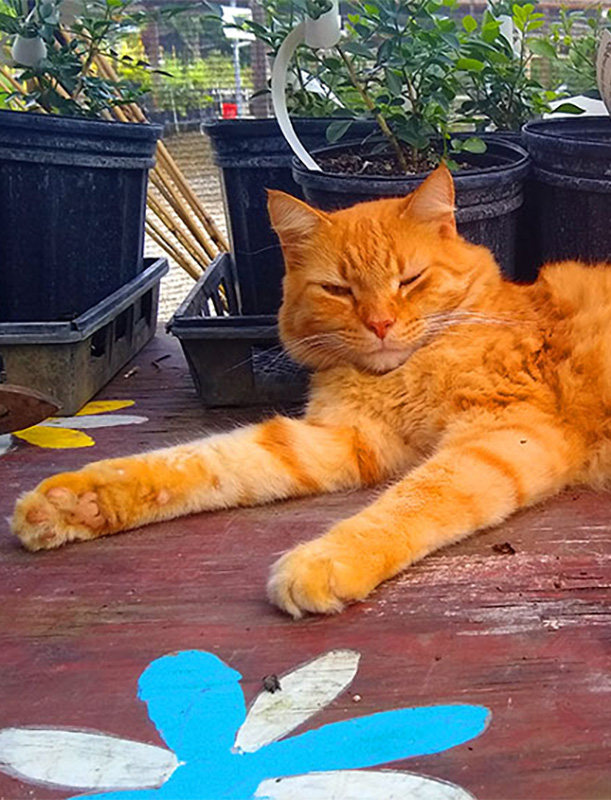
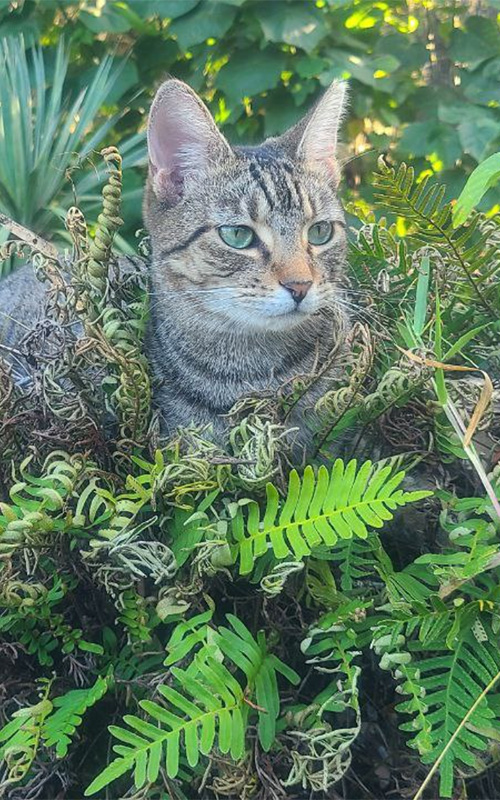
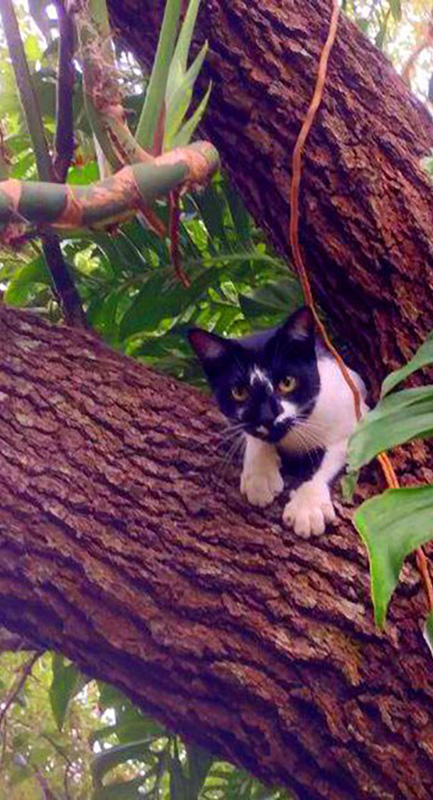
Meet PeopleCats crew in charge
King
Sushi
Snitch
Paisley
Persephone
Loki
Why you should come
It is December in Florida - warm breeze, sunshine, and perfect planting
weather. While the rest of the country is scraping frost off windshields,
you're
choosing which banana tree to take home. Come enjoy a colorful Saturday
surrounded by plants, music, snacks, and friendly PeopleCats. This is your
holiday escape, your plant-hunting adventure, and your chance to bring home
something amazing before the season ends.
Not Local?
Not everyone is lucky enough to live close by. For our online customers,
here is 20% for online orders:
EVENT2025
Valid for online orders only. Minimum order $120 (excluding shipping and
handling). Cannot be combined with any other discounts, coupon codes,
automatic promotions, or special offers. Not valid on previous purchases.
One use
per customer. Code must be entered at checkout. Offer valid through the end
of
Sunday, 12/14/2025
Sunshine: I'm blazing into the 2026 Year of the Horse! Call me
Mister Fahrenheit. Don't stop me now! 'Cause I'm having a good time —
I'm a shooting star, leaping through the sky like a tiger, defying
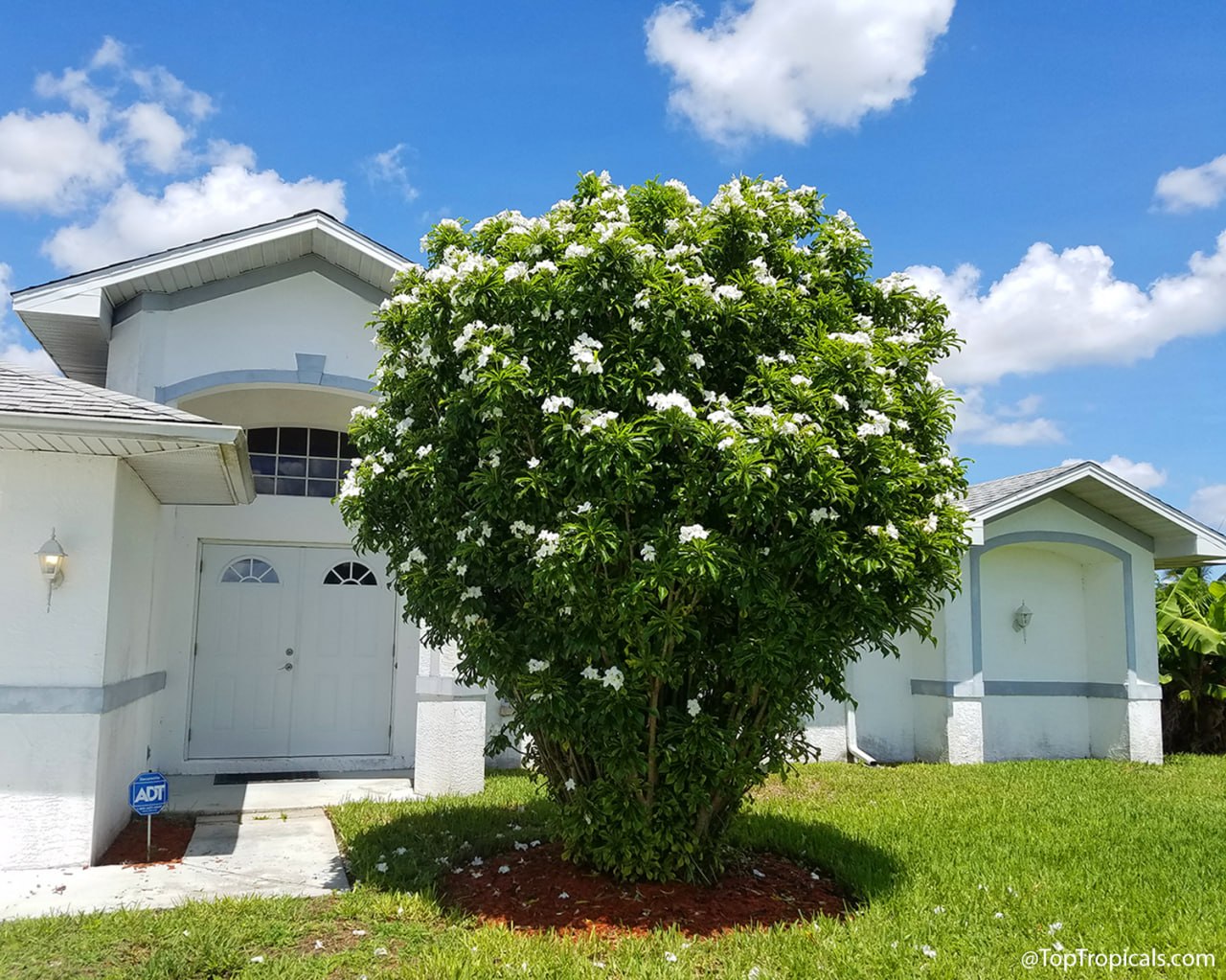
the laws of gravity! Smokey: It's jasmine, Tiger. A shrub. Not Wembley. Calm down.
💮
2026 Year of the Horse - and the Plant I Trust Most
By Tatiana Anderson, Horticulture Expert at Top
Tropicals
Every new year carries its own energy.
2026 is the Year of the Horse - a year of movement, fire, momentum, and
bold decisions. It is not a quiet year. It pushes us
forward.
When fellow gardeners ask me what to grow in a year like this, my answer
is simple:
Grow something that balances strength with grace.
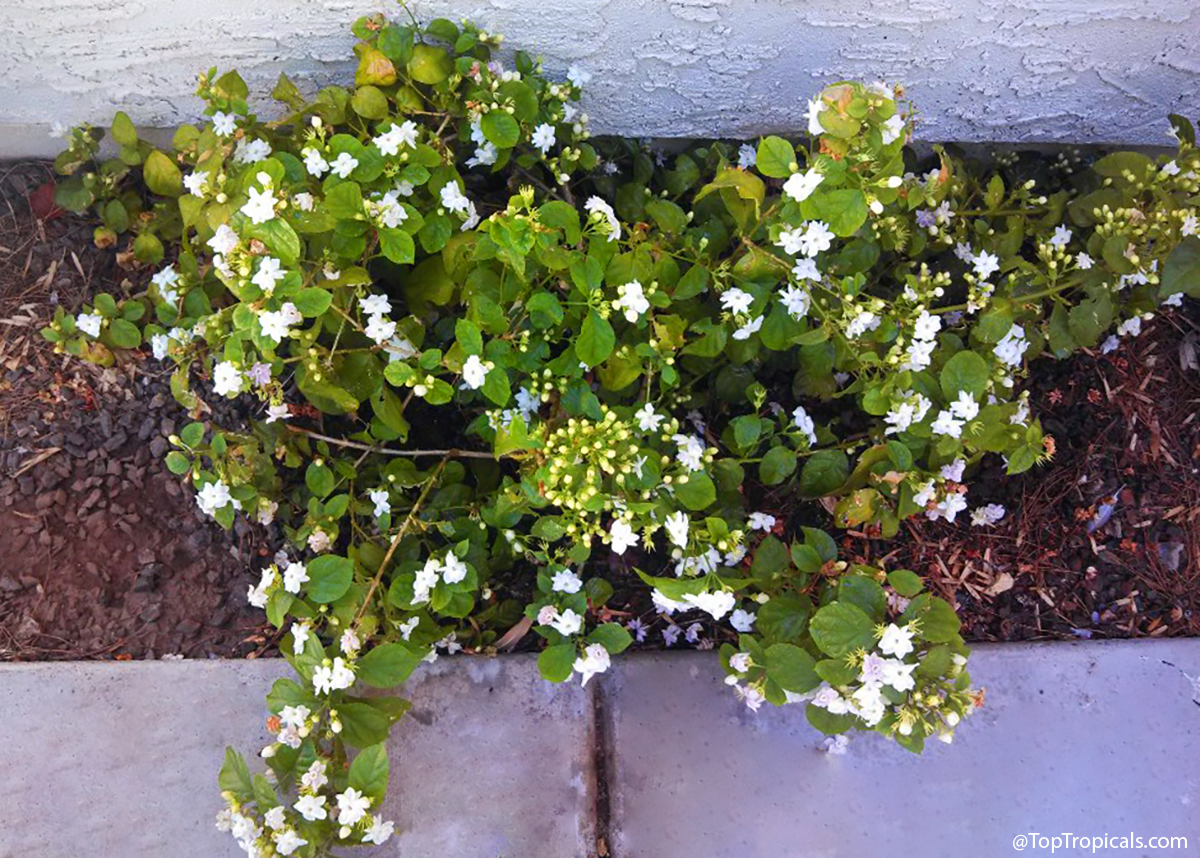
For me, that plant is Jasmine Sambac.
In many cultures, Sambac represents devotion, purity, and deep affection.
In the Philippines it is the national flower -
Sampaguita - woven into garlands for weddings and sacred ceremonies. In
Hawaii, it becomes leis - a symbol of welcome and connection -
Pikake. In India, it perfumes temples
and homes.
This is not just a fragrant shrub.
It is a plant tied to love, loyalty, and continuity.
The Horse runs forward.
Jasmine anchors the heart.
In a fiery year like 2026, I believe we need both.
And that is why I always return to Jasminum sambac.
Over the years I have grown thousands of plants, but very few have the
staying power of Jasmine Sambac.
It is not just fragrant. It is intensely, unmistakably fragrant. One open
flower can perfume an entire patio. In the evening, the scent becomes
deeper and richer.
But what makes Sambac truly special is its adaptability.
It can grow as a compact patio shrub, a flowering hedge, or a climbing
vine. It performs beautifully in containers. It tolerates both full sun and
partial shade. The more light you give it, the more flowers it rewards you
with.
And unlike many tropicals, Sambac does not bloom just once. With proper
care, it flowers in cycles throughout the warm season.
For gardeners, that combination is rare: beauty, perfume, flexibility,
and repeat bloom.
That is why it has remained one of the most wanted fragrant plants in
cultivation.
9 tough trees for hot, dry spots that actually thrive
☀️ 9 tough trees for hot, dry spots that actually thrive
Why that one brutal spot in your yard never works? There’s always that one place - blazing sun, sandy or rocky soil, dries out fast, and everything you plant there struggles. In Florida, Arizona, and California, this isn’t rare - it’s the norm. The good news? Some trees don’t just tolerate it - they prefer it. Once established, these picks handle heat, drought, and neglect far better than typical landscape plants. What makes these trees different? These are survivors. Many store water, have deep root systems, or evolved in dry climates. Translation - less watering, fewer losses, and a lot less frustration.
🔥 9 best trees for hot, dry spots
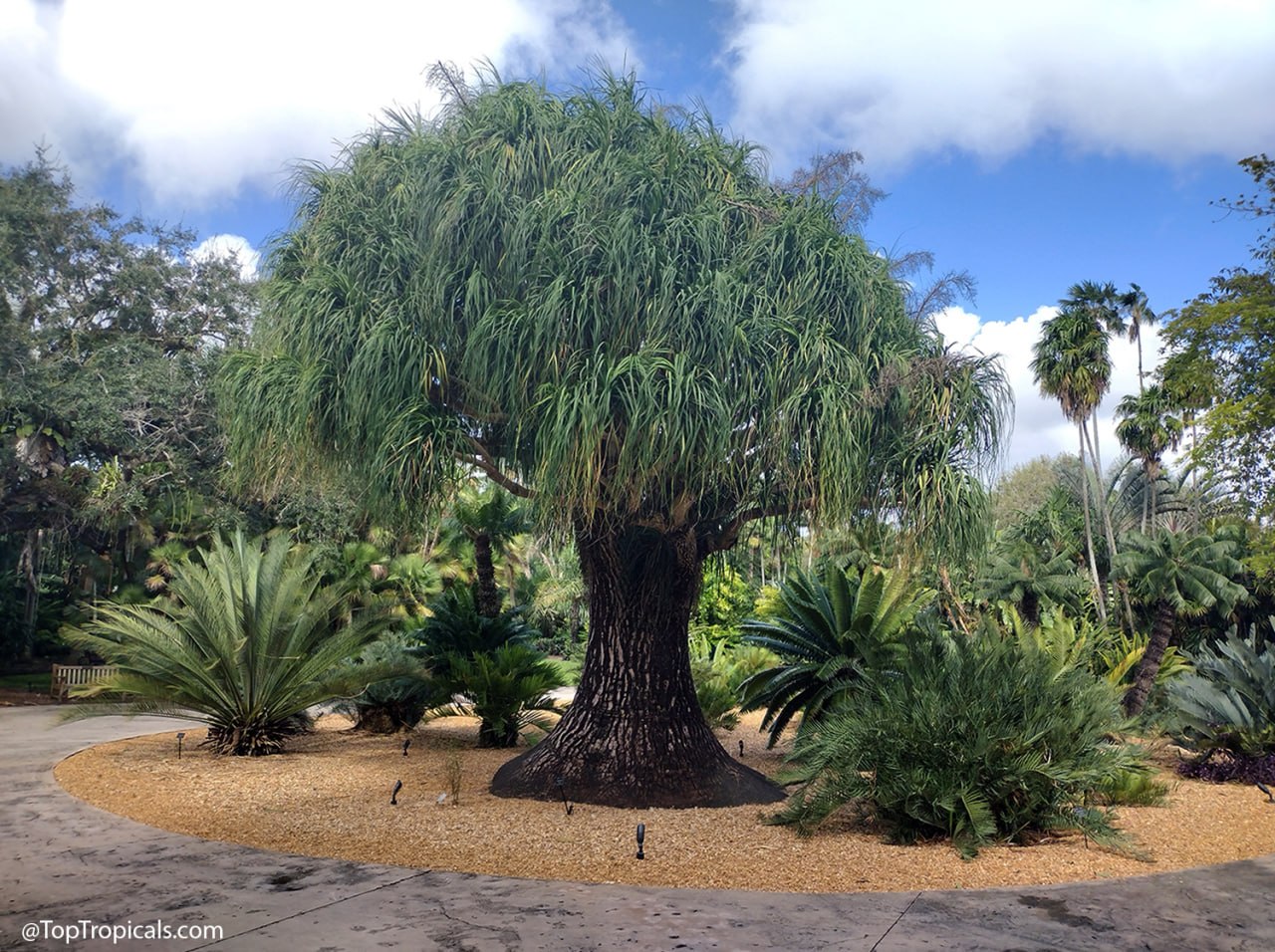
☀️ 1. Pony Tail Palm - Beaucarnea recurvata 📸
Not a true palm - it stores water in its showy, swollen trunk, making it incredibly drought tolerant and perfect for harsh, dry areas.
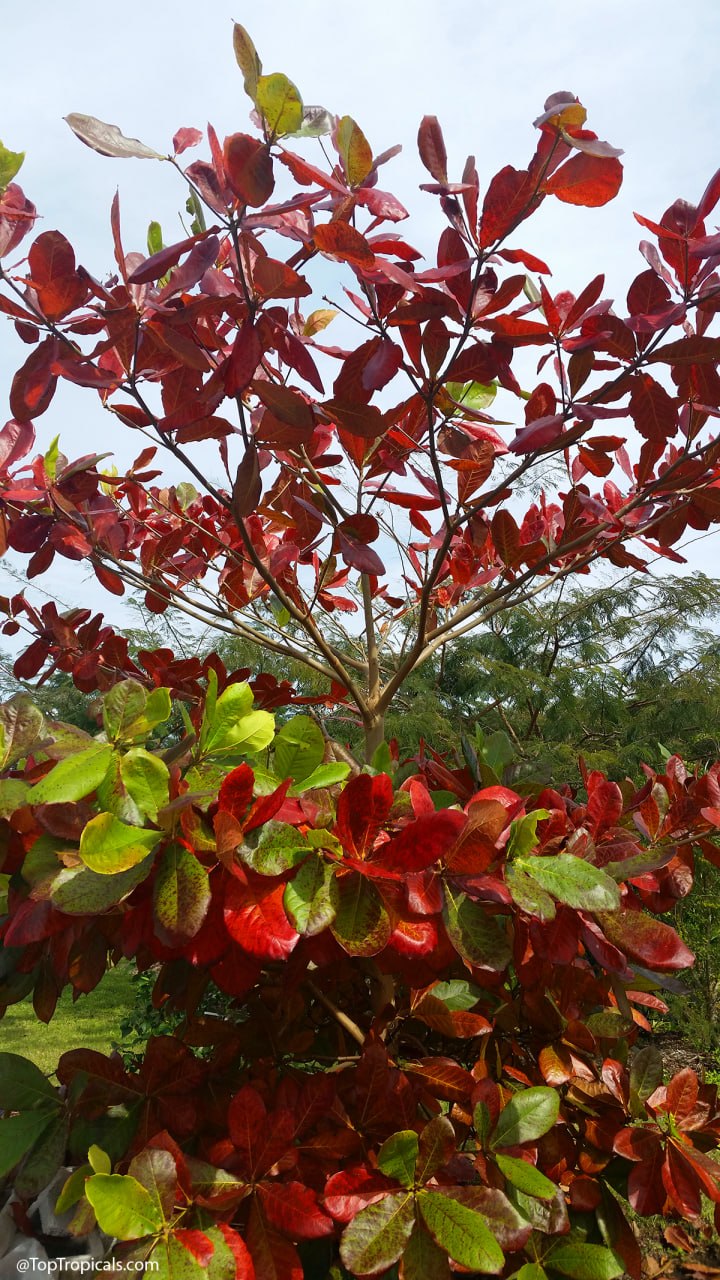
☀️ 9. Tropical Almond - Terminalia catappa 📸 A classic coastal shade tree that thrives in heat, wind, and dry sandy soil once established. Its broad, layered canopy provides excellent shade, and the large leaves turn striking shades of red and orange before dropping - a rare bonus color show for hot-climate landscapes. Plus almond nuts as extra bonus!
Tropical Almond Plant Facts
Terminalia catappa Tropical Almond, Badamier, Java Almond, Indian Almond, Malabar Almond, Singapore Almond, Ketapang, Huu Kwang, Pacific Almond
🟢 Alocasias and Colocasias, or Elephant Ears, are both remarkable and popular plants that can bring a touch of tropical elegance to any garden.
🟢 Striking Foliage: large, lush foliage. The leaves can be enormous, resembling the shape of elephant ears, hence the common name. The foliage is usually rich green, but there are also varieties with hues of purple, black, or variegated patterns. These vibrant leaves create a dramatic focal point.
🟢 Tropical Aesthetic: large, architectural leaves add a sense of drama and create a stunning backdrop for other plants.
🟢 Versatility: work well in containers, making them suitable for patio gardens. In larger landscapes, colocasias and alocasias can be planted directly in the ground, either as standalone specimens or as part of mixed border plantings. They can also be utilized around water features or in bog gardens since they enjoy moist conditions.
🟢 Low Maintenance: thrive in full to partial shade. Regular watering and occasional fertilization will help them grow vigorously.
🟢 Impressive Size: Some varieties can grow several feet tall, creating a stunning vertical element in the garden.
📸 Colocasia esculenta Jacks Giant: This astonishing elephant ear is well-named, it really does look like something that would grow for the giant! The foliage is absolutely massive, many feet long and wide, with a glossy texture, prominent ribbing, and a rich blue-green cast that lightens to chartreuse around the edges.