Garden Blog - Top Tropicals

Date: 7 Oct 2025

🌸 Caring for Winter-Blooming Trees

Smokey  the  tuxedo  cat  plants  a  young  Bauhinia  blakeana  tree  in  the 
 ground  while  Sunshine,  a  ginger  cat,  relaxes  in  a  wicker  recliner  with  a  cup
    of  pumpkin  latte.  A  Callistemon  Little  John  bottlebrush  blooms  beside  him, 
 surrounded  by  pumpkins,  autumn  leaves,  and  warm  golden 
 light.

Tips from Top Tropicals Plant Expert - Tatiana Anderson

When northern gardens fade into gray, our tropicals wake up. Winter is color season here - and even if you live up north, you can still enjoy these same flowering trees indoors or on a sunny patio.

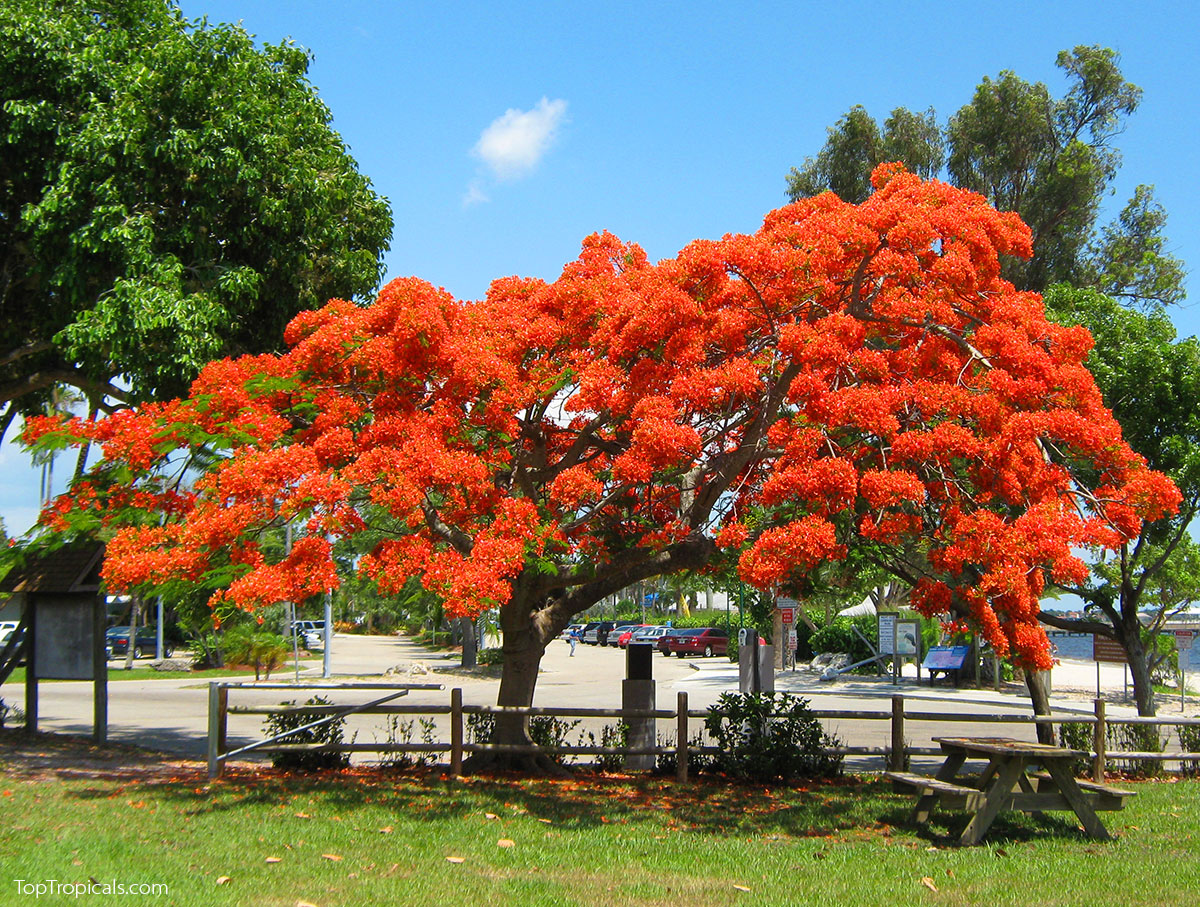
From the fiery Royal Poinciana to the golden Tabebuia and violet Jacaranda, these eight trees prove that winter can bloom anywhere

How to Care for Winter-Flowering Trees

We're often asked, at Top Tropicals, “Can I really grow tropical trees in winter?” Yes — with the right light and care, you can. Here’s what works best both outdoors and indoors, according to our expert, Tatiana Anderson.

🌡️ Fall Planting Guide

Let’s talk about timing, because that’s the part most people get nervous about. Everyone asks: “Isn’t it too cool to plant now?” — and the answer is no! Fall and early winter are actually the best months for tropicals in Zones 9 to 11.

Here’s why: the air has cooled off, but the soil is still warm. Roots love that combination. They quietly spread underground while the rest of the plant takes a break. By spring, those roots are ready to feed a burst of new growth — and that’s when you’ll see the first big flush of flowers.

Pick a sunny spot that gets plenty of light — six to eight hours if you can. Loosen the soil and mix in compost or pine bark so it drains well. Dig a hole about twice as wide as the pot and just as deep. Set the plant level with the ground, backfill, and water it deeply to settle everything in. Then add mulch — two or three inches is plenty — but keep it away from the trunk so it can breathe.

Tatiana’s tip: “Fall planting builds roots while everyone else is resting. By spring, your tree wakes up ready to grow.”

🌳 Outdoor Care (Warm Climates Zones 9–11)

Now, let’s talk about what happens after planting — because real gardening starts once the plant is yours. Tropical trees thrive on routine: steady sunlight, deep watering, and just a bit of attention.

Water them about once a week when the weather is mild, more often if it’s dry or windy. Always check the soil first — if it feels dry two inches down, go ahead and water. Mulch helps more than most people realize — it keeps roots cool in summer and warm in winter, and it saves you from watering as often.

Now, for those of you in Zone 9, here’s the truth: your trees can take a chill, but they don’t love surprises. A quick night in the upper 20s F won’t hurt mature plants, but young ones appreciate a little help — a frost cloth or being planted at the south side.

And don’t underestimate the wind. Cold, dry gusts can burn leaves faster than frost. Use fences, hedges, or taller shrubs as windbreaks, and take advantage of microclimates — those warm pockets next to the house, brick patios, or corners that get extra afternoon sun.

Tatiana’s tip: “A tropical garden in Zone 9 isn’t about fighting nature — it’s about cooperating with it. Find the warm corners, protect from the cold wind, and your trees will thank you with flowers all winter.”

🏚️ Indoor & Patio Care (Cooler Climates)

For our northern friends — yes, you can grow tropicals indoors! You just need good light, warm air, and a little attention.

Pick a large pot, with drainage holes and a light tropical soil mix. Place it in a bright window — south or southwest if you can — or under grow lights for about 12–14 hours a day. Keep temperatures between 65 and 85 F, and water when the top inch of soil dries out.

Misting helps keep leaves clean and adds humidity. Rotate the pot every couple of weeks so all sides get sun. In summer, move your plant outdoors gradually so it can enjoy real sunlight — then bring it back in before nights drop below 40 F.

Tatiana’s tip: “Don’t be afraid of growing trees in pots. They adapt beautifully — just select the right trees and pay attention to their needs.”

✔️ Learn more: Secrets of Winter planting - tropical planting breaks the rules.

🎥 Watch short videos about Winter Bloomers:

Royal  poinciana,  Flamboyant  tree,  Delonix  regia

💲 Special Offer – 20% off Winter Bloomers!

Get 20% OFF winter bloomers with code

BLOOM2025

Min order $100. Excluding S/H, valid online only, cannot be combined with other offers.

Hurry, offer expires October 13, 2025!

👉 Explore Winter Flowering Plants

Date: 12 Dec 2025

🎄 Holiday Plant Market:
Saturday, Dec 13, 2025, 9:00 AM to 4:00 PM 🎉

Smokey  the  tuxedo  cat  and  Sunshine  the  ginger  cat  sitting  at  a  table, 
 studying  a  Holiday  Plant  Market  flyer  with  a  notepad,  coffee  cup,  and 
 donut.

Smokey: We invited people, so we need to be prepared for the crowd.
Sunshine: I am prepared. I saw yummy donuts on the flyer.
Smokey: Of course you did, genius. You are responsible for donuts and coffee.

It is almost here. Our big end-of-season Plant Day. All year we grow the rare and unusual plants that will be featured at this event, and Saturday is the day they finally meet their new homes. The garden turns into a small holiday escape: fresh air, bright colors, music, snacks, and the PeopleCats greeting everyone like they have known you for years.

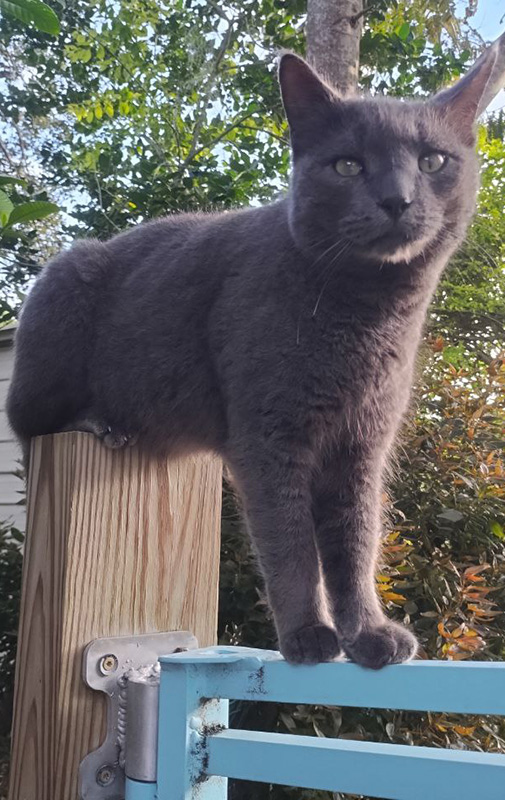
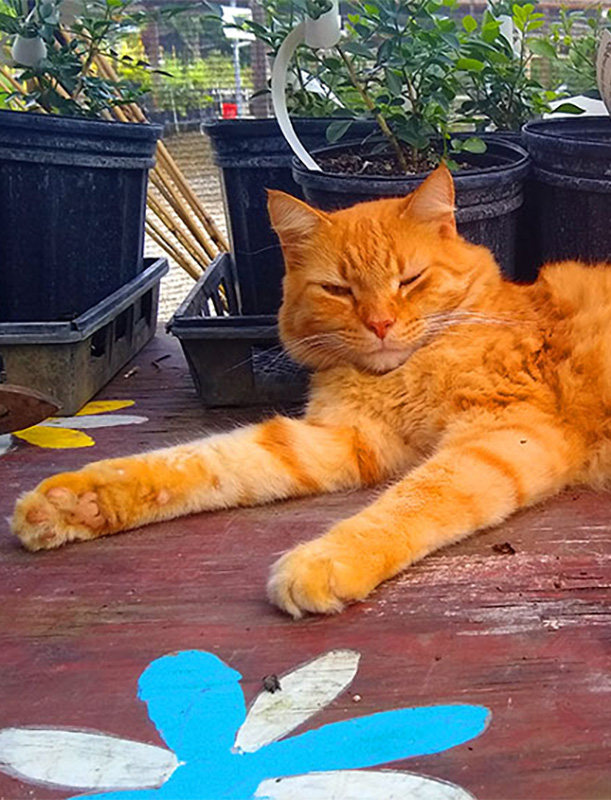
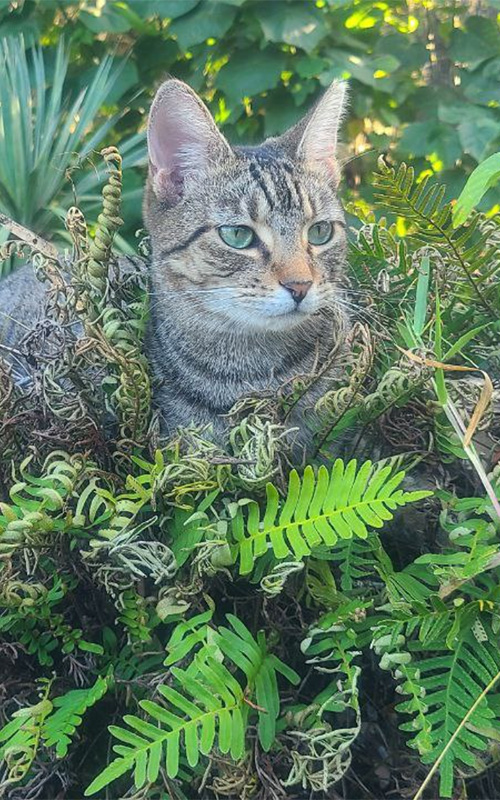
Meet PeopleCats crew in charge

TopTropicals  CatPeople:  cat  King
King
TopTropicals  CatPeople:  cat  King
Sushi
TopTropicals  CatPeople:  cat  Snitch
Snitch
TopTropicals  CatPeople:  cat  Paisley
Paisley
TopTropicals  CatPeople:  cat  Persephone
Persephone
TopTropicals  CatPeople:  cat  Loki
Loki

Why you should come

It is December in Florida - warm breeze, sunshine, and perfect planting weather. While the rest of the country is scraping frost off windshields, you're choosing which banana tree to take home. Come enjoy a colorful Saturday surrounded by plants, music, snacks, and friendly PeopleCats. This is your holiday escape, your plant-hunting adventure, and your chance to bring home something amazing before the season ends.

Not Local?

Not everyone is lucky enough to live close by. For our online customers, here is 20% for online orders:

EVENT2025

Valid for online orders only. Minimum order $120 (excluding shipping and handling). Cannot be combined with any other discounts, coupon codes, automatic promotions, or special offers. Not valid on previous purchases. One use per customer. Code must be entered at checkout. Offer valid through the end of Sunday, 12/14/2025

Learn more about the event

🛒 Go Shopping

Date: 9 May 2026

9 tough trees for hot, dry spots that actually thrive

9 tough trees for hot, dry spots that actually thrive 9 tough trees for hot, dry spots that actually thrive 9 tough trees for hot, dry spots that actually thrive 9 tough trees for hot, dry spots that actually thrive

☀️ 9 tough trees for hot, dry spots that actually thrive


Why that one brutal spot in your yard never works? There’s always that one place - blazing sun, sandy or rocky soil, dries out fast, and everything you plant there struggles. In Florida, Arizona, and California, this isn’t rare - it’s the norm. The good news? Some trees don’t just tolerate it - they prefer it. Once established, these picks handle heat, drought, and neglect far better than typical landscape plants.
What makes these trees different? These are survivors. Many store water, have deep root systems, or evolved in dry climates. Translation - less watering, fewer losses, and a lot less frustration.


🔥 9 best trees for hot, dry spots


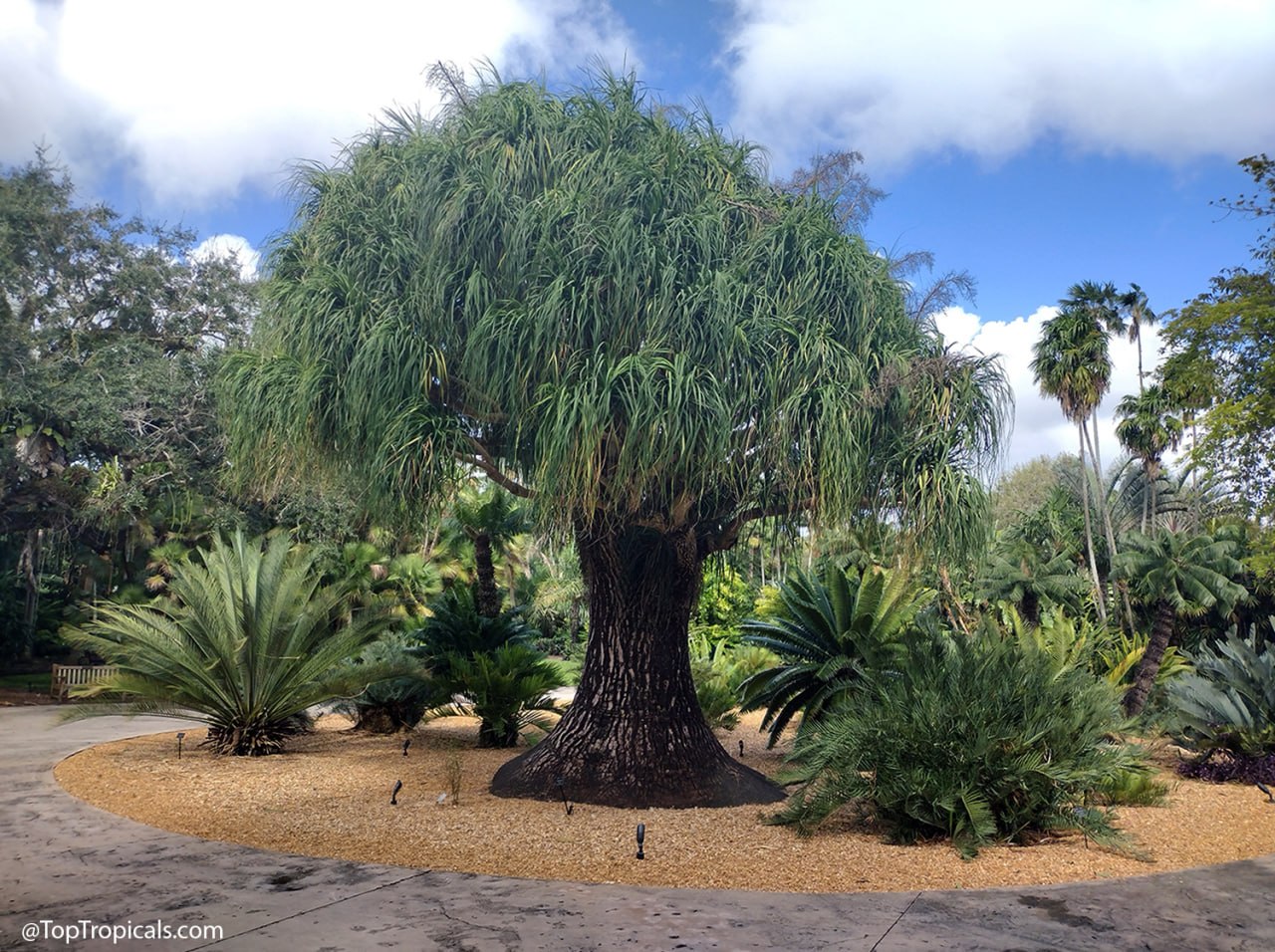
  • ☀️ 1. Pony Tail Palm - Beaucarnea recurvata 📸
Not a true palm - it stores water in its showy, swollen trunk, making it incredibly drought tolerant and perfect for harsh, dry areas.

Ponytail Palm Plant Facts

Beaucarnea recurvata, Nolina recurvata
Ponytail Palm, Pony Tail, Bottle Palm, Nolina, Elephant-foot Tree
USDA Zone: 9-11
Plant with caudexPlant used for bonsaiSmall tree 10-20 ftFull sunDry conditionsPalm or palm-like plant
👉 More

  • ☀️ 2. Monkey Ear Tree - Enterolobium cyclocarpum

A fast-growing shade tree with curious seed pods, surprisingly tough in heat and drought, with massive canopy benefits.

Monkey Ear Plant Facts

Enterolobium cyclocarpum
Monkey Ear, Ear Pod Tree, Elephant Ear Tree, Eartree, Guanacaste Tree, Arbol de Guanacaste
USDA Zone: 9-11
Large tree taller than 20 ftFull sunRegular waterWhite, off-white flowersDeciduous plantSubtropical plant. Mature plant cold hardy at least to 30s F for a short time
👉 More

  • ☀️ 3. Firebush - Hamelia patens
Technically a large shrub/small tree - thrives in heat, blooms nonstop, attracts butterflies, and handles dry conditions once rooted in.

Fire Bush Plant Facts

Hamelia patens
Fire Bush, Firecracker Plant
USDA Zone: 9-11
Large shrub 5-10 ft tallSmall tree 10-20 ftFull sunDry conditionsYellow, orange flowersRed, crimson, vinous flowersPlant attracts butterflies, hummingbirdsSeaside, salt tolerant plant
👉 More

  • ☀️ 4. Peregrina - Jatropha integerrima compacta
Compact, colorful, and very forgiving - keeps flowering even when conditions get hot and dry.

Peregrina Plant Facts

Jatropha integerrima, Jatropha pandurata
Peregrina, Spicy Jatropha, Coral Plant, Physic Nut
USDA Zone: 9-11
Plant used for bonsaiLarge shrub 5-10 ft tallSmall tree 10-20 ftSemi-shadeFull sunDry conditionsRed, crimson, vinous flowersPink flowersPlant attracts butterflies, hummingbirdsIrritating plantSubtropical plant. Mature plant cold hardy at least to 30s F for a short timeSeaside, salt tolerant plant
👉 More

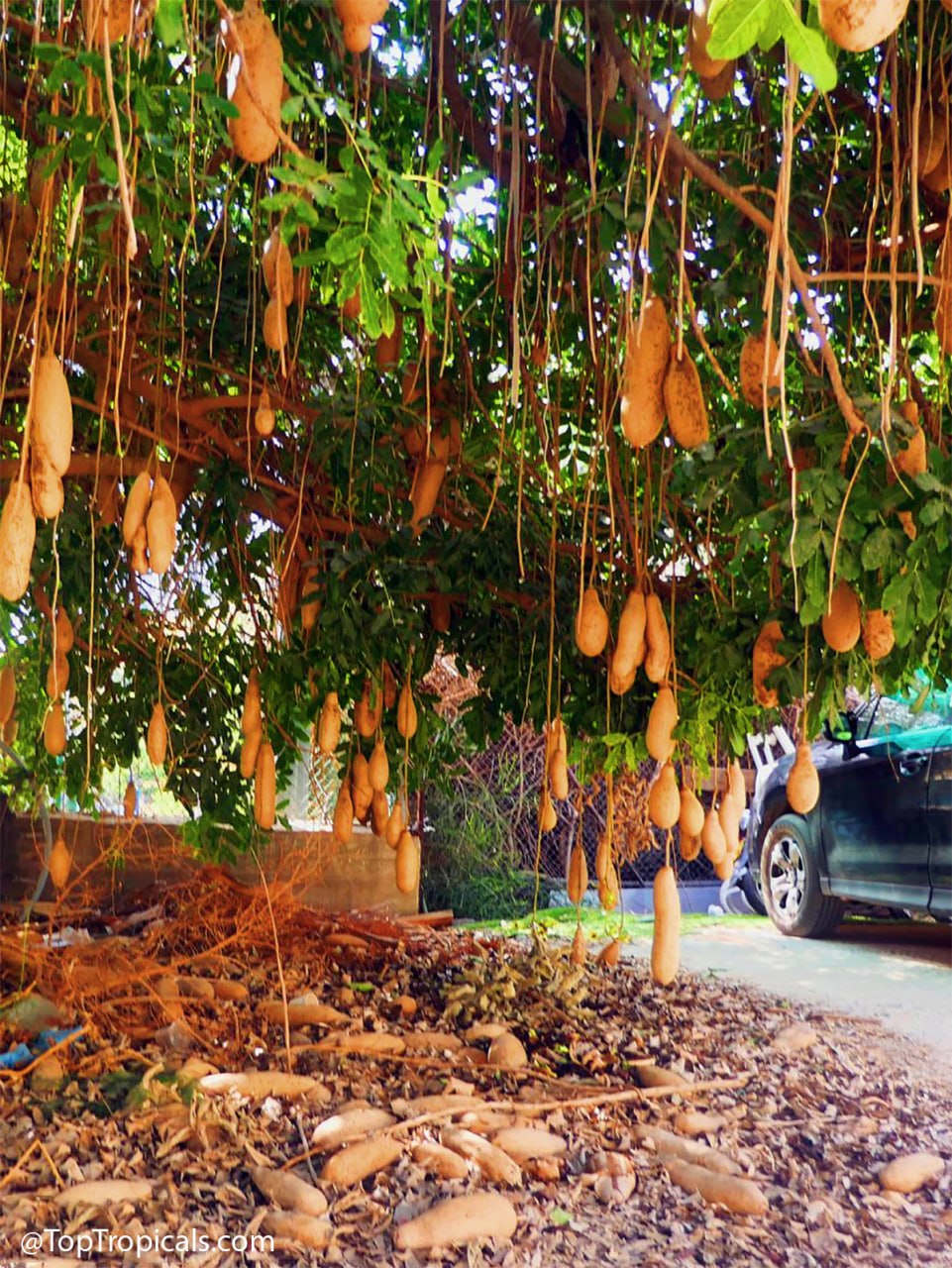
  • ☀️ 5. Sausage Tree - Kigelia pinnata 📸
A bold tropical look with bizarre flowers and fruit, with serious heat tolerance; once established, it handles dry spells better than expected.

Sausage Tree Plant Facts

Kigelia pinnata, Kigelia africana
Sausage Tree
USDA Zone: 9-11
Large tree taller than 20 ftSemi-shadeFull sunModerate waterDeciduous plantEthnomedical plant.
Plants marked as ethnomedical and/or described as medicinal, are not offered as medicine but rather as ornamentals or plant collectibles.
Ethnomedical statements / products have not been evaluated by the FDA and are not intended to diagnose, treat, cure, or prevent any disease. We urge all customers to consult a physician before using any supplements, herbals or medicines advertised here or elsewhere.Fragrant plantSubtropical plant. Mature plant cold hardy at least to 30s F for a short time
👉 More

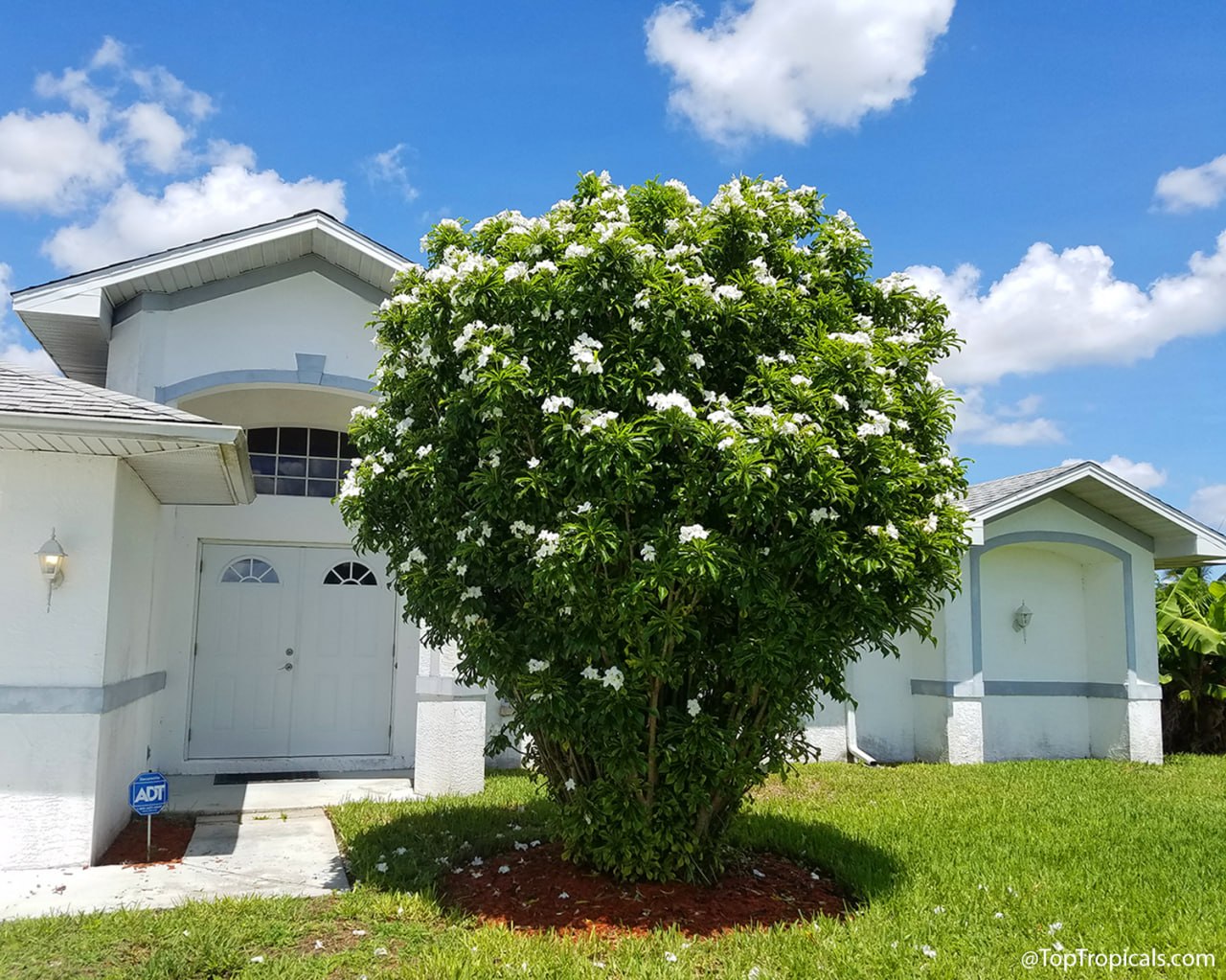
  • ☀️ 6. Plumeria 📸
Built for sun and neglect - thrives in poor and sandy soil, needs minimal water, and rewards with fragrant blooms.

Plumeria Plant Facts

Plumeria sp.
Plumeria, Frangipani
USDA Zone: 9-11
Large shrub 5-10 ft tallSmall tree 10-20 ftFull sunModerate waterYellow, orange flowersRed, crimson, vinous flowersWhite, off-white flowersPink flowersPlant attracts butterflies, hummingbirdsDeciduous plantFragrant plantSeaside, salt tolerant plant
👉 More

  • ☀️ 7. Pomegranate

One of the most drought-tolerant fruit trees - handles heat, poor soil, and still produces reliably.

Pomegranate Plant Facts

Punica granatum
Pomegranate, Granada, Grenade, Pomegranate, Granada, Anar, Granaatappel, Pomo Granato, Romeira, Melo Grano
USDA Zone: 9-11
Large shrub 5-10 ft tallSmall tree 10-20 ftFull sunModerate waterRed, crimson, vinous flowersThorny or spinyEdible plantDeciduous plantEthnomedical plant.
Plants marked as ethnomedical and/or described as medicinal, are not offered as medicine but rather as ornamentals or plant collectibles.
Ethnomedical statements / products have not been evaluated by the FDA and are not intended to diagnose, treat, cure, or prevent any disease. We urge all customers to consult a physician before using any supplements, herbals or medicines advertised here or elsewhere.Subtropical plant. Mature plant cold hardy at least to 30s F for a short timeSeaside, salt tolerant plant
👉 More

  • ☀️ 8. Aster Tree / Snow Bush - Baccharis halimifolia

A tough Florida native option - thrives in sandy, dry soils and coastal conditions with no fuss.

Aster Tree Plant Facts

Baccharis halimifolia
Aster Tree, White Cloud Tree, Snow Bush, Eastern Baccharis, Flannel Bush
USDA Zone: 9-11
Plant used for bonsaiLarge shrub 5-10 ft tallSmall tree 10-20 ftSemi-shadeFull sunRegular waterWhite, off-white flowersPlant attracts butterflies, hummingbirdsSubtropical plant. Mature plant cold hardy at least to 30s F for a short timeFlood tolerant plant
👉 More

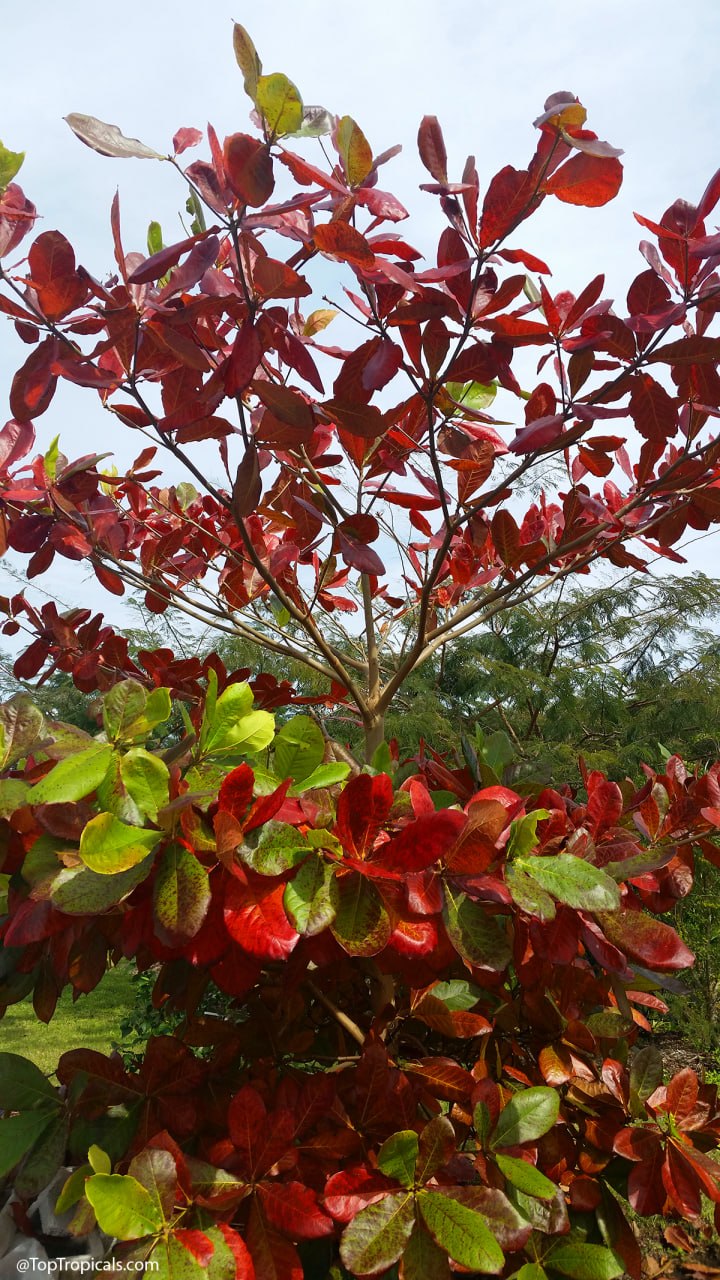
☀️ 9. Tropical Almond - Terminalia catappa 📸
A classic coastal shade tree that thrives in heat, wind, and dry sandy soil once established. Its broad, layered canopy provides excellent shade, and the large leaves turn striking shades of red and orange before dropping - a rare bonus color show for hot-climate landscapes. Plus almond nuts as extra bonus!

Tropical Almond Plant Facts

Terminalia catappa
Tropical Almond, Badamier, Java Almond, Indian Almond, Malabar Almond, Singapore Almond, Ketapang, Huu Kwang, Pacific Almond
USDA Zone: 9-11
Large tree taller than 20 ftFull sunModerate waterWhite, off-white flowersEdible plantDeciduous plantEthnomedical plant.
Plants marked as ethnomedical and/or described as medicinal, are not offered as medicine but rather as ornamentals or plant collectibles.
Ethnomedical statements / products have not been evaluated by the FDA and are not intended to diagnose, treat, cure, or prevent any disease. We urge all customers to consult a physician before using any supplements, herbals or medicines advertised here or elsewhere.Subtropical plant. Mature plant cold hardy at least to 30s F for a short timeSeaside, salt tolerant plant
👉 More

  • 👉 These trees are just the start - stay with us as we move into shrubs and smaller plants that thrive in the same harsh conditions.


🛒 Shop drought tolerant plants - for hot and dry spots

📚
Learn more:
#Discover #Trees #How_to
🟢 Join 👉 TopTropicals

Date: 20 Sep 2025

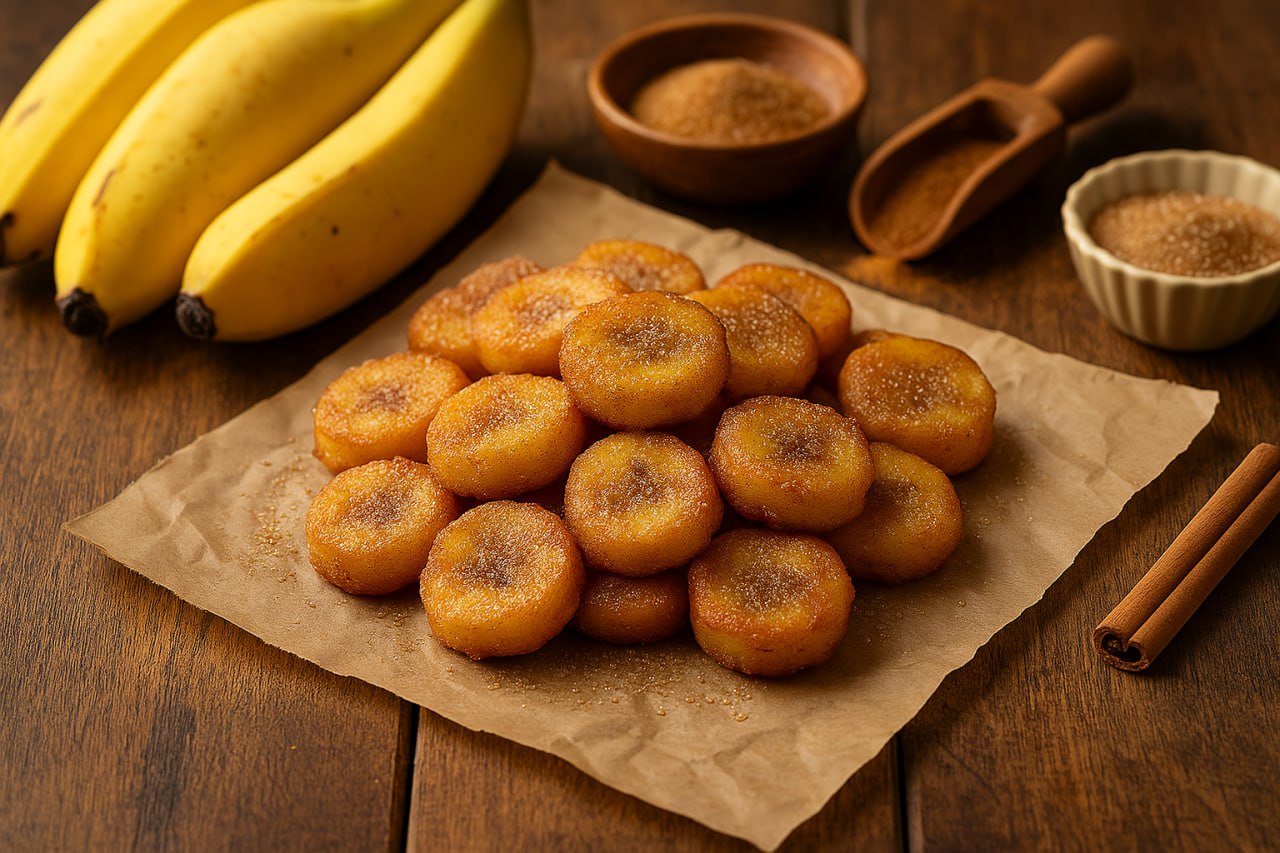
Banana cinnamon fritters: Quick-n-Fun exotic recipes

Banana cinnamon fritters

Banana cinnamon fritters

🍴 Banana cinnamon fritters: Quick-n-Fun exotic recipes 🍌

  • 🟡Dip banana slices in a light batter, fry quickly, then dust with cinnamon sugar.
  • 🟡Sweet street-food style snack!

Banana Cinnamon Fritters recipe

Ingredients

  • 2 ripe bananas
  • 1/2 cup flour
  • 1/4 cup water (or milk)
  • 1 tbsp sugar
  • 1/2 tsp cinnamon
  • 1/4 tsp baking powder
  • Pinch of salt
  • Oil for frying
  • Extra cinnamon sugar for dusting

Instructions

  1. Slice bananas into thick rounds.
  2. Mix flour, baking powder, sugar, cinnamon, salt, and water to form a light batter.
  3. Dip banana slices in batter and fry in hot oil until golden brown.
  4. Remove and drain on paper towels.
  5. Dust with cinnamon sugar and serve warm.

🛒 For home grown ingredients you will need:
Banana trees
Cinnamon tree

#Food_Forest #Recipes #Bananas

🟢 Join 👉 TopTropicals

Date: 29 Oct 2024

How can you use Elephant Ears?

🐘 How can you use Elephant Ears?


  • 🟢 Alocasias and Colocasias, or Elephant Ears, are both remarkable and popular plants that can bring a touch of tropical elegance to any garden.

  • 🟢 Striking Foliage: large, lush foliage. The leaves can be enormous, resembling the shape of elephant ears, hence the common name. The foliage is usually rich green, but there are also varieties with hues of purple, black, or variegated patterns. These vibrant leaves create a dramatic focal point.

  • 🟢 Tropical Aesthetic: large, architectural leaves add a sense of drama and create a stunning backdrop for other plants.

  • 🟢 Versatility: work well in containers, making them suitable for patio gardens. In larger landscapes, colocasias and alocasias can be planted directly in the ground, either as standalone specimens or as part of mixed border plantings. They can also be utilized around water features or in bog gardens since they enjoy moist conditions.

  • 🟢 Low Maintenance: thrive in full to partial shade. Regular watering and occasional fertilization will help them grow vigorously.

  • 🟢 Impressive Size: Some varieties can grow several feet tall, creating a stunning vertical element in the garden.


📸 Colocasia esculenta Jacks Giant: This astonishing elephant ear is well-named, it really does look like something that would grow for the giant! The foliage is absolutely massive, many feet long and wide, with a glossy texture, prominent ribbing, and a rich blue-green cast that lightens to chartreuse around the edges.


📚 Learn more from previous posts:


What to plant by the pond?
Pharaoh Mask with stunning 3D effect
Mojito Elephant Ears
Colocasia vs Alocasia - what is the difference?

🛒 Shop Colocasias

#Shade_Garden

🔴 Join 👉 TopTropicals