Garden Blog - Top Tropicals

Date: 6 May 2026

Why your plants need more than NPK

Why your plants need more than NPK


Most fertilizers focus on just three numbers - NPK. But that’s only part of the story. If your plants look okay but not amazing, or grow but don’t really thrive, they’re likely missing the smaller pieces that make a big difference.

☘️ Complete nutrition your plants actually use


Plants need more than just NPK. They also require a full range of microelements like iron, boron, magnesium, calcium, and others. These support photosynthesis, sugar movement, and internal plant processes.

Sunshine Boosters include a full spectrum of these nutrients in balanced amounts. This gives plants complete nutrition without needing extra products for basic care.

☘️ The "Potassium Pump" - how plants move water and energy


Potassium plays a central role in how plants move water and energy. You can think of plant cells as tiny rooms with doors that open and close. Potassium helps control these openings.

Where potassium goes, water follows. This movement fills plant cells, making them firm and strong. It also helps move energy through the plant, supporting fruit development and flowering.

With enough potassium, plants handle drought better, grow stronger, and produce better crops.

☘️ Calcium - the backbone of plant strength


Calcium plays a key role in building strong plant structure and keeping growth stable. It is a major part of cell walls, so it directly affects how firm and healthy the plant tissues are. When calcium is available, plants develop stronger stems, better roots, and more solid fruit with improved shelf life. It also helps regulate how nutrients move inside the plant and supports proper cell division, which is important for new growth, root tips, and developing fruit.

Calcium improves resistance to stress, including heat and disease, and helps prevent common problems like blossom end rot, weak growth points, and poor fruit quality. Because calcium does not move easily inside the plant, a steady and available supply is important throughout the growing cycle.

Calcium cannot be mixed with NPK dry fertilizers. It forms insoluble compounds with phosphates and sulfates, so it has to be dosed separately.

In Sunshine Boosters, Calcium is present along with additives - complex agents and pH regulators. This allows you to dose calcium, sulfates, trace elements and other additives in one solution without fear of fertilizer lockout.

👉 To be continued - next we’ll break down the 10 main Sunshine Boosters formulas and how to match them to your plants. 👉 More...

🛒
Get your plants real food

📚
Learn more:
What makes Sunshine Boosters different
This changes how you feed your plants
Sunshine Boosters: Complete Plant Nutrition System
Frequently Asked Questions: Plant Nutrition & Fertilizer
Green Magic + SUNSHINE Boosters: A Complete System for Strong Plant Growth
Spring Nutrition Strategy: Is Your Garden Starving?
How to keep your house plants beautiful all year by feeding them right
Why do you need Sunshine Boosters?
Which dry fertilizer to use - slow release or controlled release?
Green Magic effect: before and after
The SECRET growers never tell you: simple trick how to bring plants back to life and keep green
📱 What are Sunshine Boosters

#Discover #Fertilizers #How_to

🟢 Join 👉 TopTropicals
Date: 2 May 2026

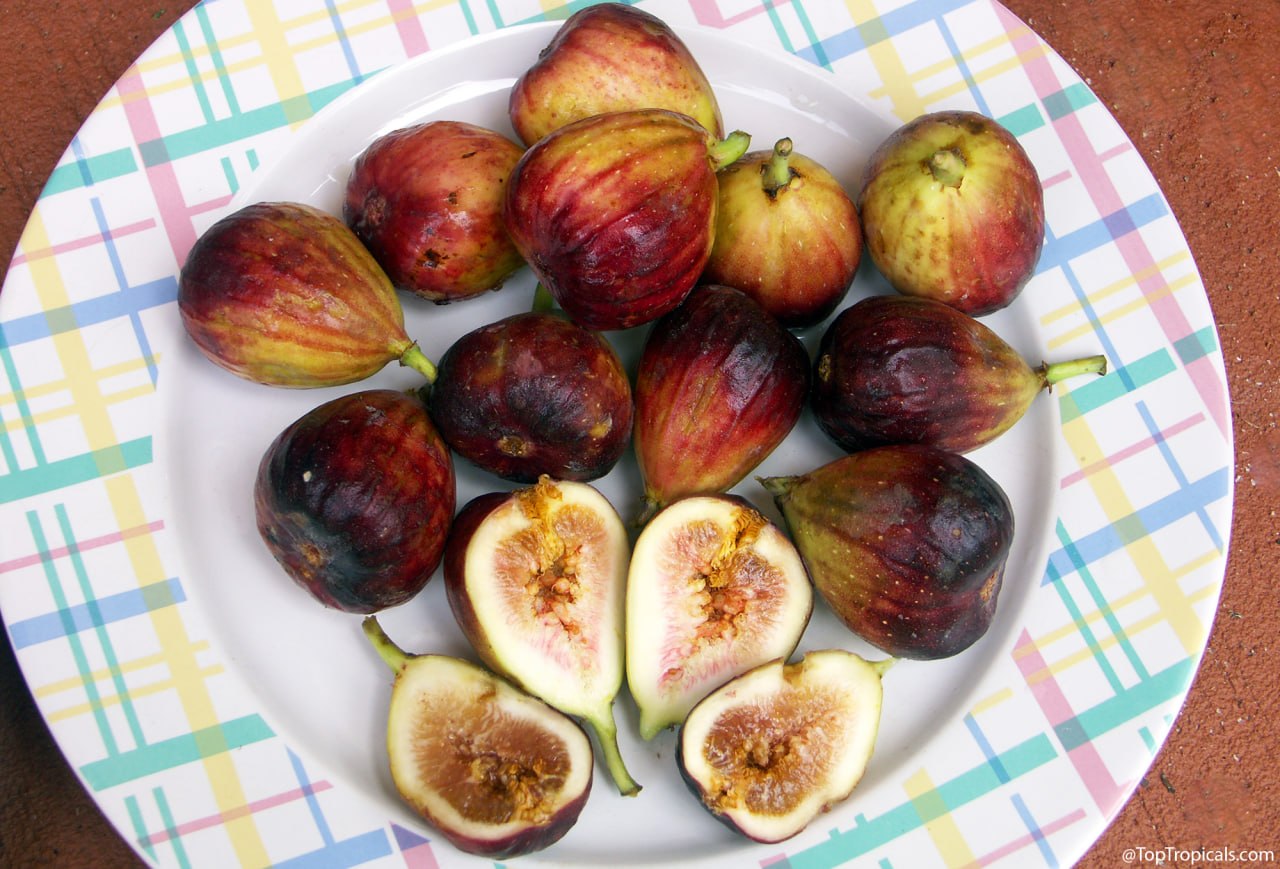
Roasted figs with balsamic: quick-n-fun exotic recipes

Roasted figs with balsamic: quick-n-fun exotic recipes Roasted figs with balsamic: quick-n-fun exotic recipes
%s

🍴 Roasted figs with balsamic: quick-n-fun exotic recipes


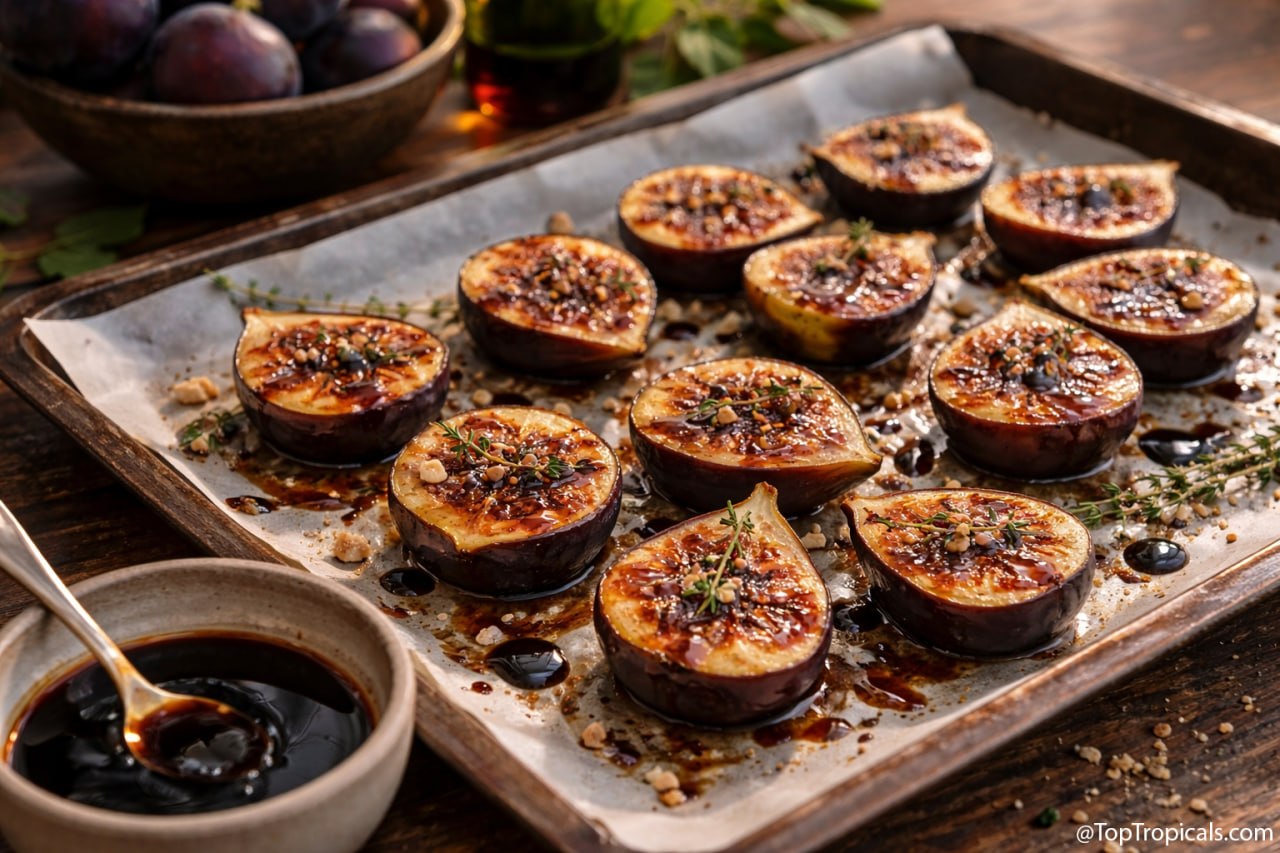
🟡Slice ripe figs in half and place them cut-side up on a baking tray.
🟡Roast until they soften and start to caramelize at the edges.
🟡Drizzle with a little balsamic reduction while still warm, letting it soak into the fruit.
🟡Serve right away - sweet, tangy, and rich with that deep roasted flavor.

🌿 About the plant:


Figs are ancient fruit trees producing soft, honeyed fruit with edible seeds inside.

🏡 In the garden:


Many varieties grow well in warm climates and even containers. Prefer sun and good drainage.
🛒 Plant a hardy fig tree

📚 Learn more:

Fig Tree Plant Facts

Botanical name: Ficus carica
Also known as: Fig Tree, Brevo
USDA Zone: 7 - 10
Highligths Plant used for bonsaiSmall tree 10-20 ftFull sunWatering: Moderate. Water when top soil feels dryOrnamental foliageEdible plantDeciduous plantSubtropical plant. Mature plant cold hardy at least to 30s F for a short timeFlood tolerant plantSeaside, salt tolerant plant
Get personalized tips for your region

Fig tree - Ficus carica - in Plant Encyclopedia
Figs with honey and nuts: quick-n-fun exotic recipes
The fruit tree that every garden must have

#Food_Forest #Recipes

🟢 Join 👉 TopTropicals

Date: 3 May 2026

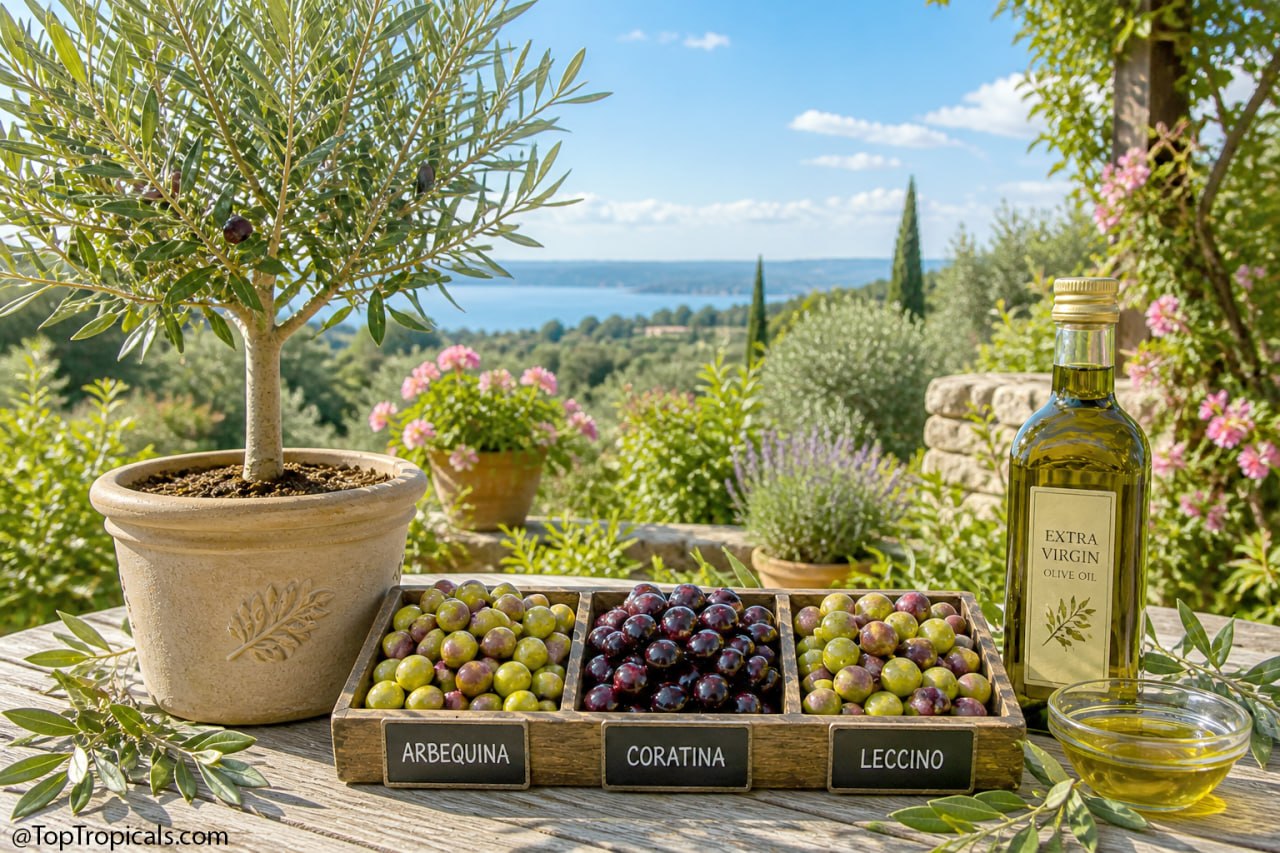
3 Olive Trees Worth Planting in Your Yard Right Now

3 Olive Trees Worth Planting in Your Yard Right Now

Olive trees aren’t just for the Mediterranean anymore. In warm parts of the U.S. - including much of Florida - certain varieties handle heat, humidity, and even occasional cold better than people expect. If you’ve been thinking about adding something useful, low-maintenance, and long-lived to your garden, olives deserve a spot on your list. Here are three varieties that actually make sense to grow.

1. Arbequina: Compact, Productive, and Beginner-Friendly

Arbequina is one of the easiest olives to grow, especially if space is limited. It is naturally compact, which makes it great for containers or small yards. It starts producing early compared to other olives, handles heat well, and adapts to different soils. The fruit is mild, buttery, and excellent for oil. If you want an olive tree that behaves well and produces without much fuss, this is the one. More...

2. Coratina: Bold Flavor and Strong Growth

Coratina is a completely different type of olive - vigorous, tough, and known for intense flavor. It is fast-growing and very hardy once established, and it produces heavily under the right conditions. The fruit is high in oil content with a flavor that is strong and peppery, making it prized for premium olive oil. This is a great choice if you want a more traditional, high-performance olive tree with character. More...

3. Leccino: Reliable and Cold-Tolerant

Leccino is known for consistency and is one of the most widely planted olives for a reason. It is more cold-tolerant than many other varieties and is a reliable producer year after year. It has a medium growth habit that is easy to manage, and the fruit works well for both oil and curing. If your area gets occasional cold snaps, Leccino is a safer bet. More...

Why olives make sense in your garden

Olives check a lot of boxes most fruit trees don’t. They are drought-tolerant once established and don’t need rich soil; average or even poor soil is fine. They are long-lived trees that can produce for decades and have low pest pressure compared to many tropical fruits. They’re not high-maintenance, and they don’t demand constant attention.

What to know before you plant

A few practical points make all the difference. Full sun is non-negotiable, and drainage matters because if water sits, the roots suffer. Light pruning keeps trees productive and manageable. Some varieties produce better with cross-pollination. In Florida conditions, airflow and avoiding overly wet soil are key.

If you want a tree that looks good, produces something useful, and doesn’t need babysitting, olives are hard to beat. Choose Arbequina for small spaces and ease, Coratina for strong growth and bold oil, or Leccino for reliability and cold tolerance. Plant one - or plant all three - and you’ll start to see why olive trees have been grown for thousands of years.

Shop Olive trees

"Learn more:
Olea europea - Olive Tree - in Plant Encyclopedia
Grow your own Olive Oil
Marinated green olives: quick-n-fun exotic recipes
How to grow your own Olive

Shop Olive trees

#Food_Forest #How_to #Discover

Olive Plant Facts

Botanical name: Olea europea
Also known as: Olive
USDA Zone: 8 - 11
Highligths Plant used for bonsaiSmall tree 10-20 ftFull sunWater Requirement: Low. Allow soil to dry out between wateringsWatering: Moderate. Water when top soil feels dryEdible plantPlant attracts butterflies, hummingbirdsEthnomedical plant.
Plants marked as ethnomedical and/or described as medicinal, are not offered as medicine but rather as ornamentals or plant collectibles.
Ethnomedical statements / products have not been evaluated by the FDA and are not intended to diagnose, treat, cure, or prevent any disease. We urge all customers to consult a physician before using any supplements, herbals or medicines advertised here or elsewhere.Subtropical plant. Mature plant cold hardy at least to 30s F for a short time
Get personalized tips for your region
Join TopTropicals

Date: 19 Jan 2022

Ficus pumila:
you won't believe these leaves and fruit!..

by Alex Butova, the Witch of Herbs and Cats

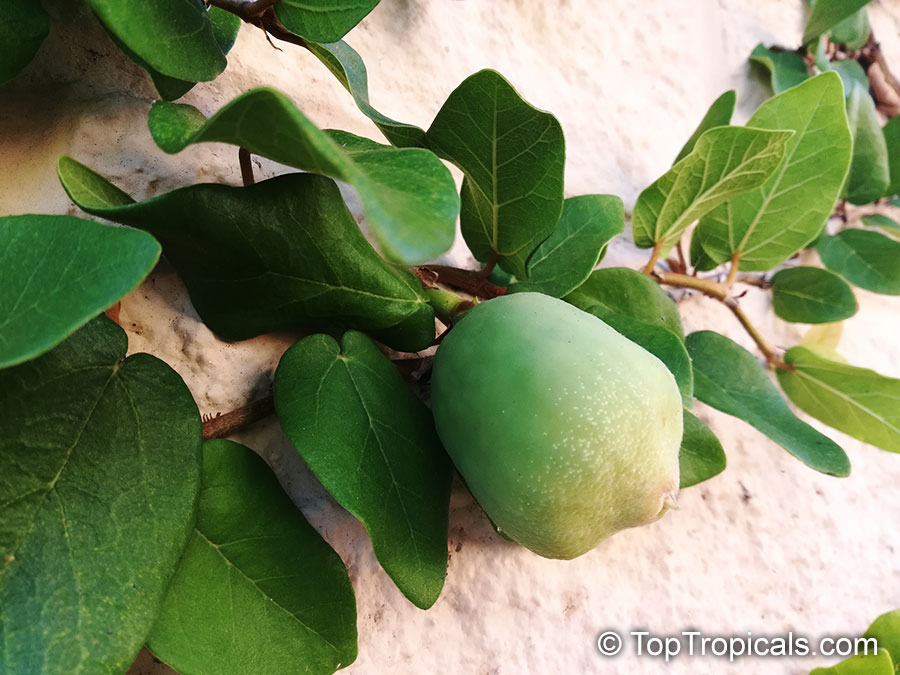
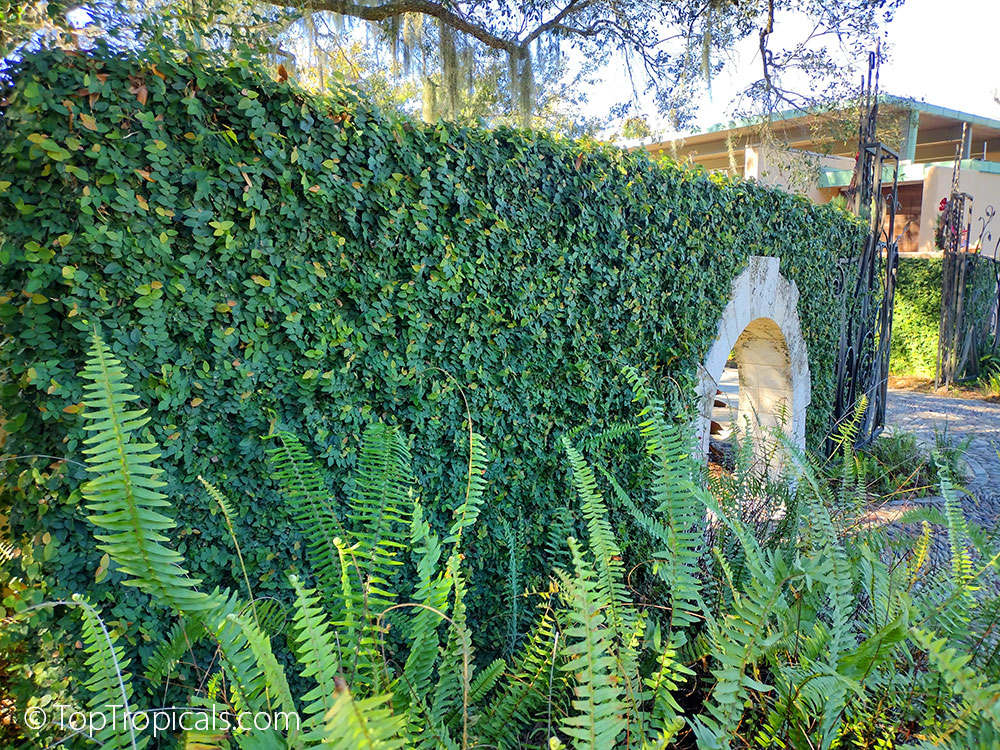
...If you visited tropical and subtropical countries, you probably have seen this curious plant covering fences and walls and even whole buildings, looking like an ivy... But if you looked closer, you might have noticed something unbelievable about this plant... Do these small tiny leaves, and these large glossy leaves, and these fig-like fruit too... do they all belong to the same plant?!.. No way!..

CONTINUE READING >>

Date: 16 Dec 2021

Zebrina Rojo - Blood Leaf Banana

by Alex Butova, the Witch of Herbs and Cats

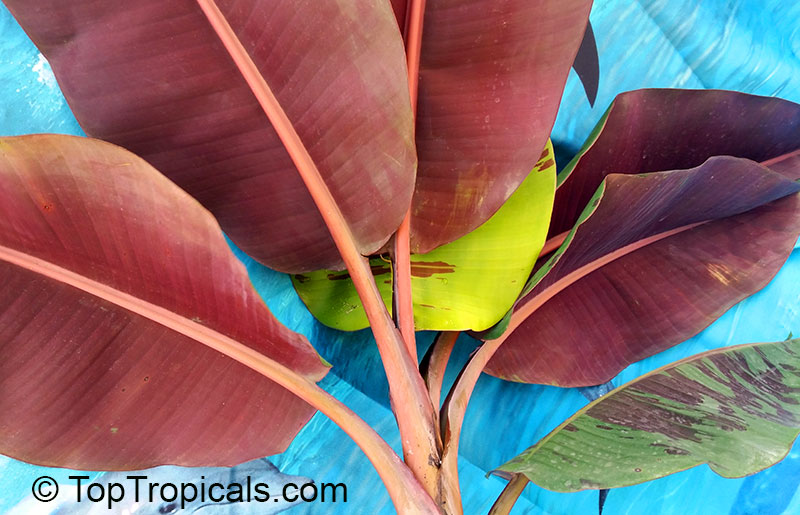
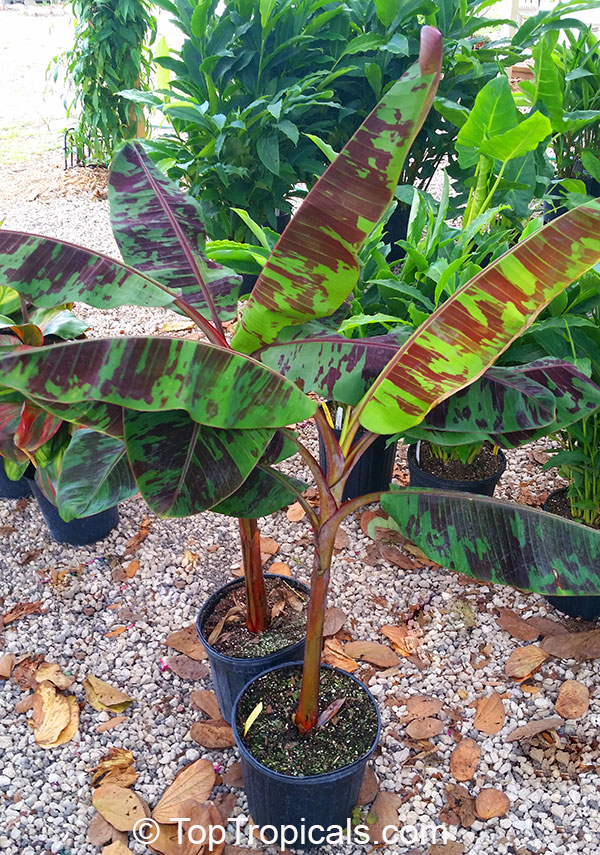
...The showy Blood Banana plants grow 6-8 ft tall in the wild, but are well-adapted to container growing and can be maintained at only 3-5 ft. They produce huge paddle-shaped leaves that grow to 6 ft long! The undersides of these large leaves are purple to red...

CONTINUE READING >>