Garden Blog - Top Tropicals

Date: 28 Jan 2026

Moonlight Cactus, the Night Blooming Wonder with a mystical twist: Epiphyllum oxypetalum FAQ

Epiphyllum oxypetalum, Queen of the Night

Epiphyllum oxypetalum, Queen of the Night

Epiphyllum oxypetalum, Queen of the Night, Night-Blooming Cereus, flower close up

Epiphyllum oxypetalum, Queen of the Night, Night-Blooming Cereus, flower close up

Epiphyllum oxypetalum, Queen of the Night, Night-Blooming Cereus, flower

Epiphyllum oxypetalum, Queen of the Night, Night-Blooming Cereus, flower

Epiphyllum oxypetalum, Queen of the Night flower center

Epiphyllum oxypetalum, Queen of the Night flower center

Epiphyllum oxypetalum, Queen of the Night flower with highlight

Epiphyllum oxypetalum, Queen of the Night flower with highlight

Epiphyllum oxypetalum, Queen of the Night flower with highlight

Epiphyllum oxypetalum, Queen of the Night flower with highlight

🔮 Moonlight Cactus, the Night Blooming Wonder with a mystical twist: Epiphyllum oxypetalum FAQ


🌙 Epiphyllum oxypetalum, also known as Queen of the Night or Night-Blooming Cereus, is a tropical epiphytic cactus famous for its huge, fragrant white flowers that open only at night. The blooms usually last just one night, often opening after sunset and closing by morning, which is why it has such a mystical reputation. The plant itself has long, flat, leaf-like stems and is often grown in hanging baskets or trained to climb. It is easy to grow, prefers bright filtered light, and rewards patience with one of the most dramatic blooms in the plant world.

Belle de Nuit Plant Facts

Botanical name: Epiphyllum oxypetalum
Also known as: Belle de Nuit, Lady of the Night, Queen of the Night, Night blooming Cereus, Dutchman's Pipe
USDA Zone: 9 - 11
Highligths Large shrub 5-10 ft tallSemi-shadeShadeWatering: Moderate. Water when top soil feels dryWatering: Regular. Let topsoil dry slightlyEpiphyte plantWhite, off-white flowersPink flowersPlant attracts butterflies, hummingbirdsFragrant plantSubtropical plant. Mature plant cold hardy at least to 30s F for a short time
Get personalized tips for your region


🎆 Why is it called Queen of the Night?


Because it produces large, fragrant white flowers that open only at night. The blooms usually open after sunset and close by morning.

🎆 How often does it bloom?


Usually once or a few times a year, often in late spring or summer. Blooms are short-lived but unforgettable.

🎆 Is it really a cactus?


Yes, but it is a tropical epiphytic cactus. It grows more like an orchid or jungle plant than a desert cactus.

🎆 Does it need full sun?


No. It prefers bright, filtered light or partial shade. Direct hot sun can scorch the stems.

🎆 Can it be grown indoors?


Yes. It does very well indoors near a bright window or outdoors in warm, shaded areas.

🎆 Does it need a lot of water?


More than desert cacti, but not soggy soil. Water when the top layer of soil dries out.

🎆 Can it grow in a pot or hanging basket?


Yes. It is commonly grown in containers, hanging baskets, or trained to climb on a support.

🎆 Is it rare?


Mature blooming plants are highly valued because flowering takes patience and good care.

🛒 Add Moonlight Queen of the Night to your exotic plant collection

Collect epiphytic jungle cacti:
· Epiphyllum oxypetalum - Queen of the Night
· Pseudorhipsalis (Wittia) amazonica - Blue Flame
· Epiphyllum guatemalense Monstrosa - Orchid Cactus, Curly Locks
· Disocactus ackermanni - Red Orchid Jungle Cactus

📚 Learn more:


Epiphyllum oxypetalum - Queen of the Night Cactus in Plant Encyclopedia
Does Queen of the Night bloom only one night out of the year?
Weird cactus looks like pasta with Dragon Fruit
This giant red stared right back at me
Red Orchid Cactus puts out the biggest bloom show
Pseudorhipsalis (Wittia) amazonica - Blue Flamу Jungle Cactus
Epiphyllum guatemalense Monstrosa - Orchid Cactus, Curly Locks

#Container_Garden #Shade_Garden #Nature_Wonders

🟢 Join 👉 TopTropicals
Date: 20 Feb 2026

Top Ten Fruit Tree Winners of Florida 2026 Record Freeze

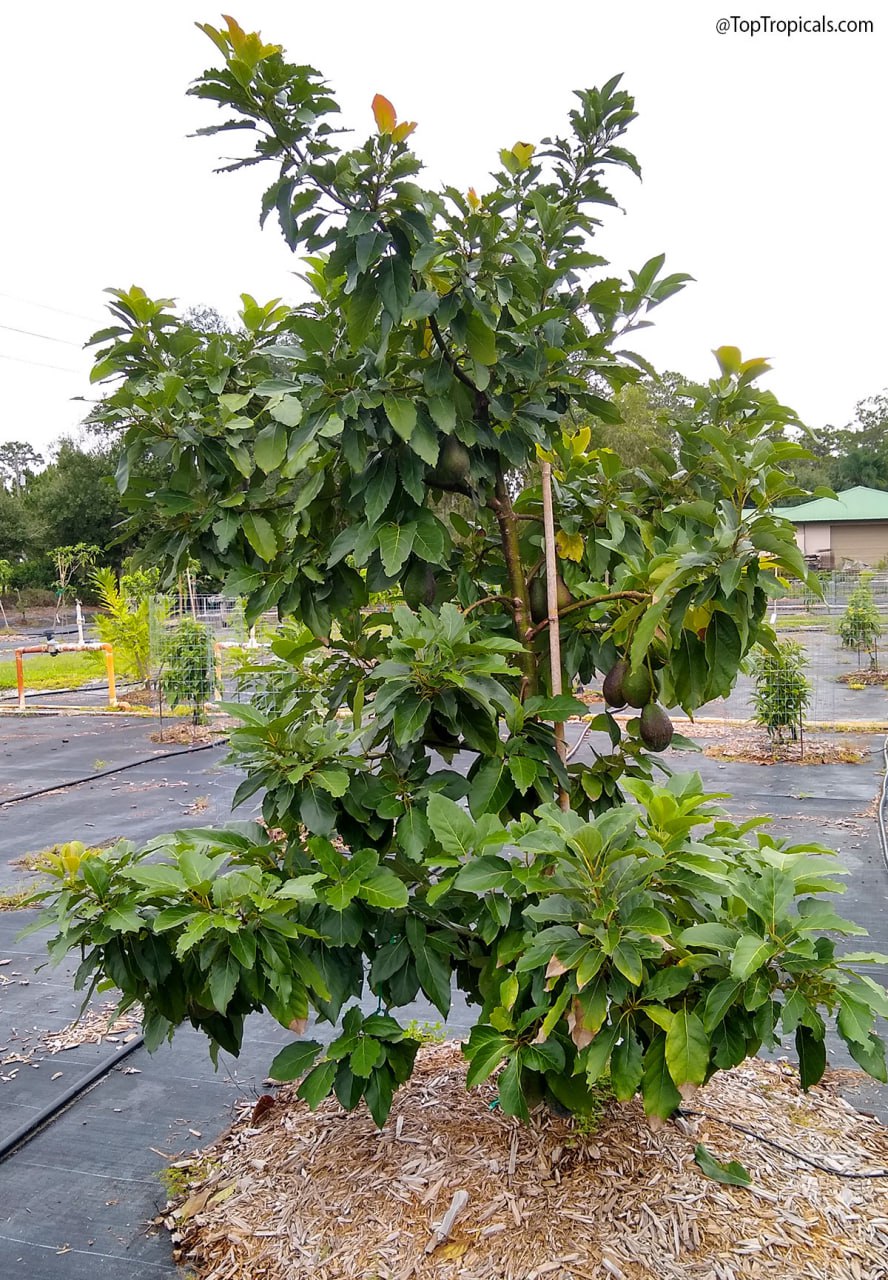
Avocado tree with fruit

Avocado tree with fruit

Eugenia

Eugenia

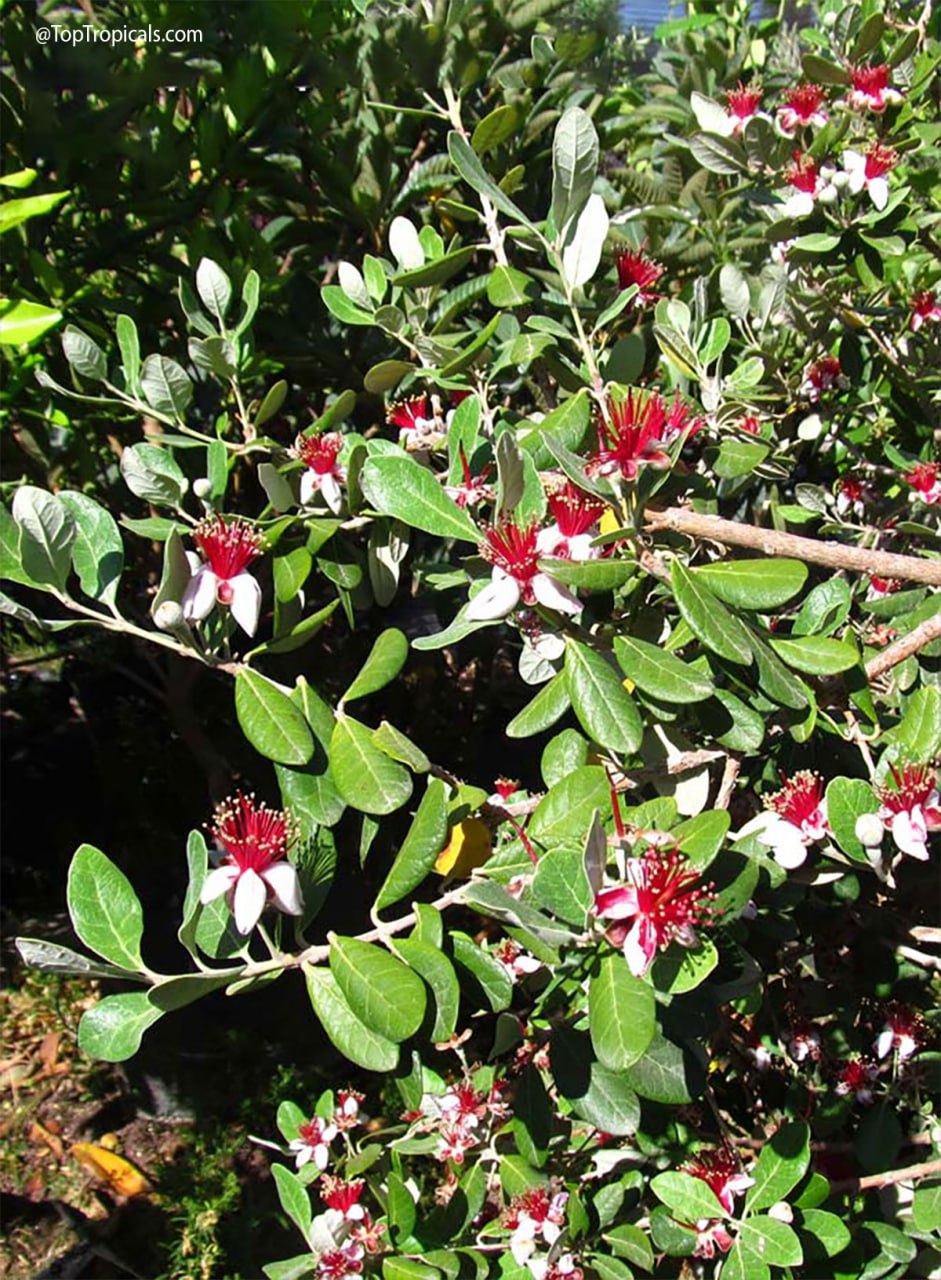
Feijoa - Pineapple Guava

Feijoa - Pineapple Guava

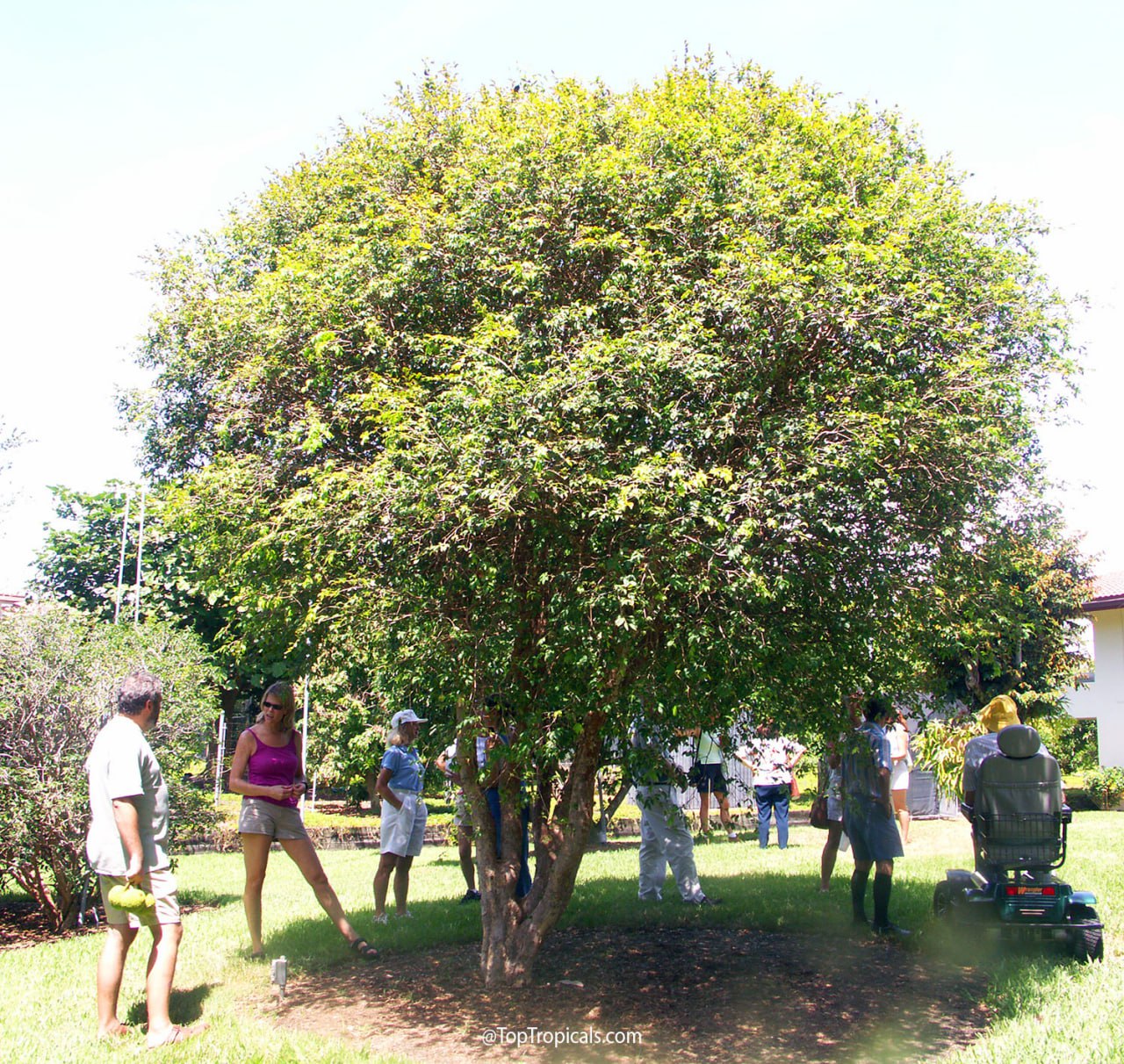
Jaboticaba tree

Jaboticaba tree

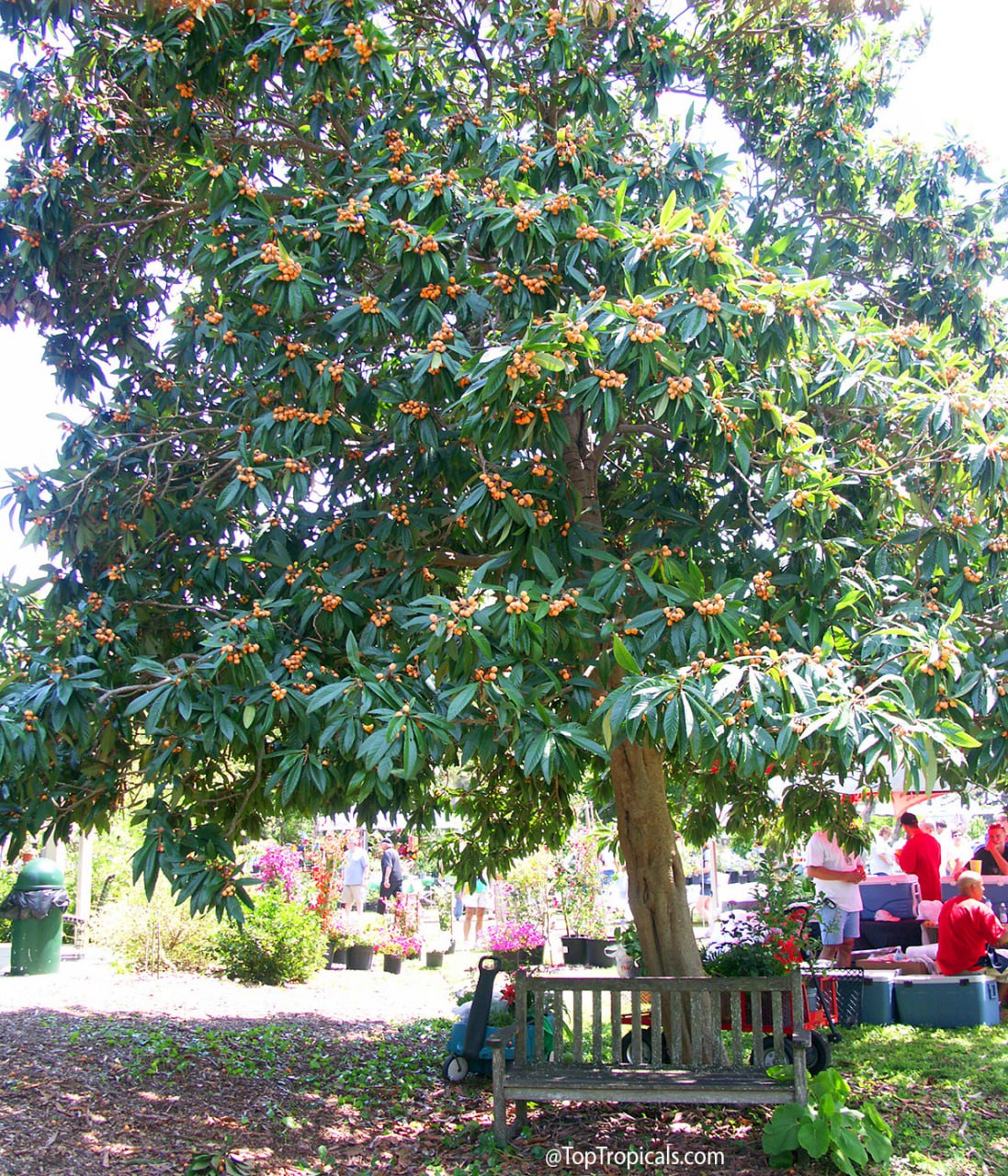
Loquat tree

Loquat tree

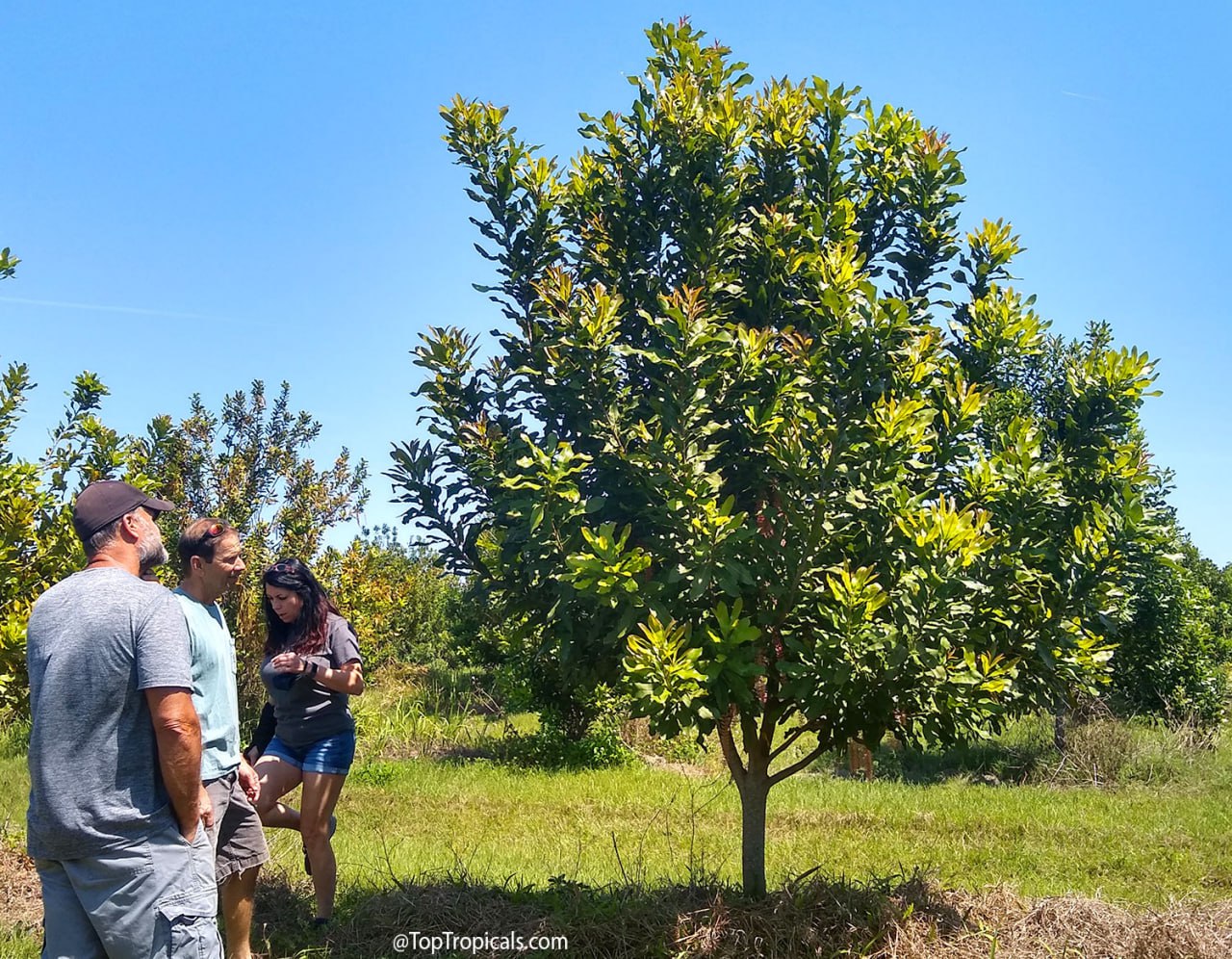
Macadamia Nut tree

Macadamia Nut tree

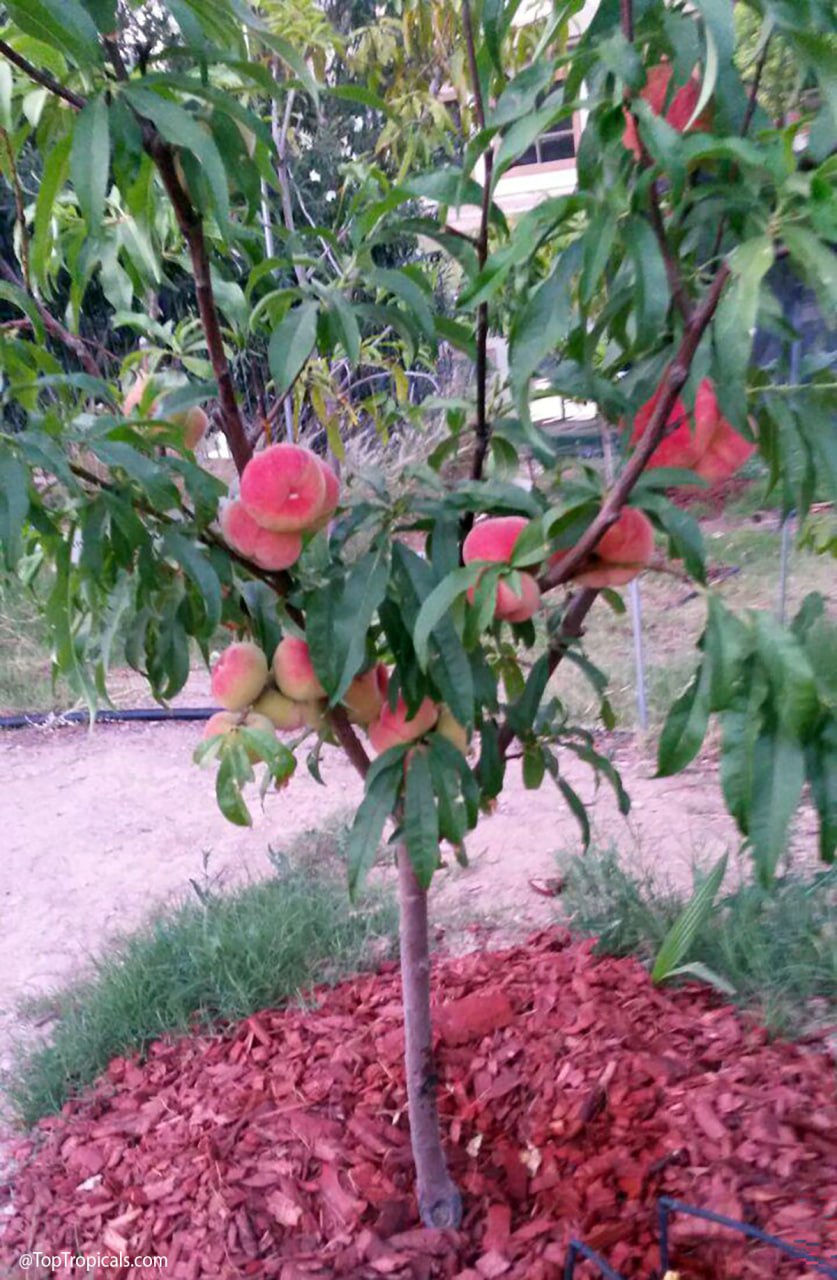
Prunus sp - Peach

Prunus sp - Peach

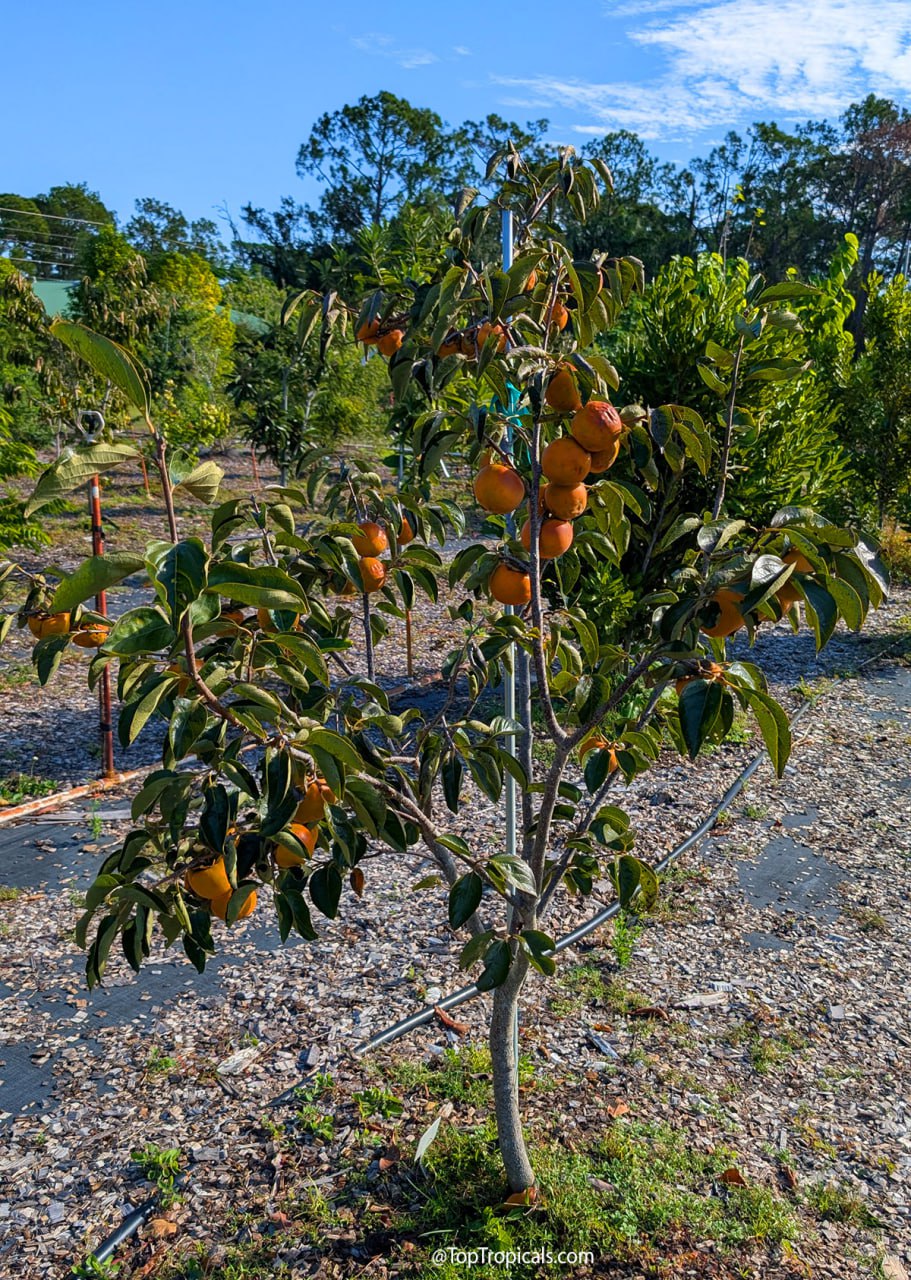
Persimmon tree

Persimmon tree

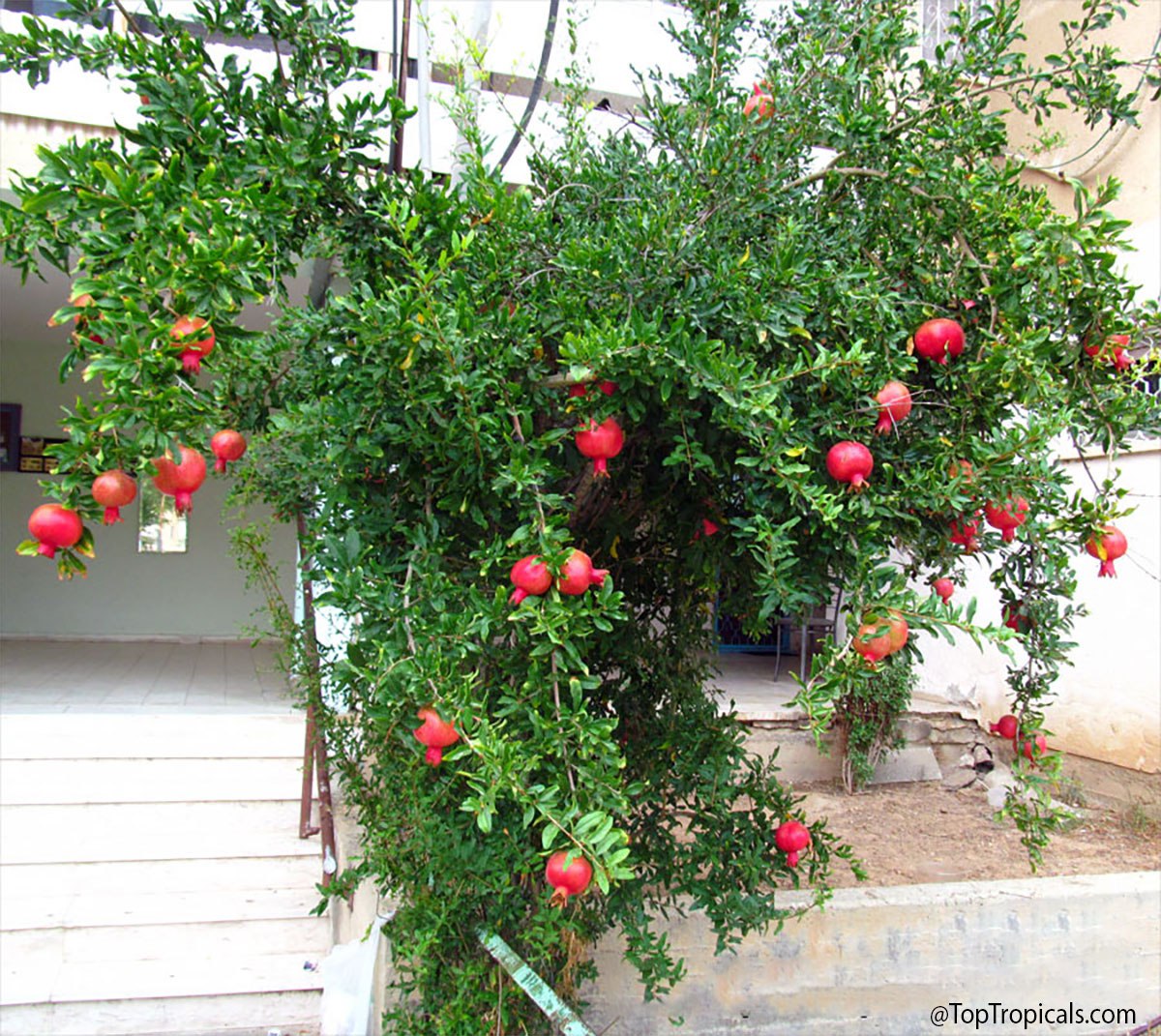
Pomegranate tree with fruit

Pomegranate tree with fruit

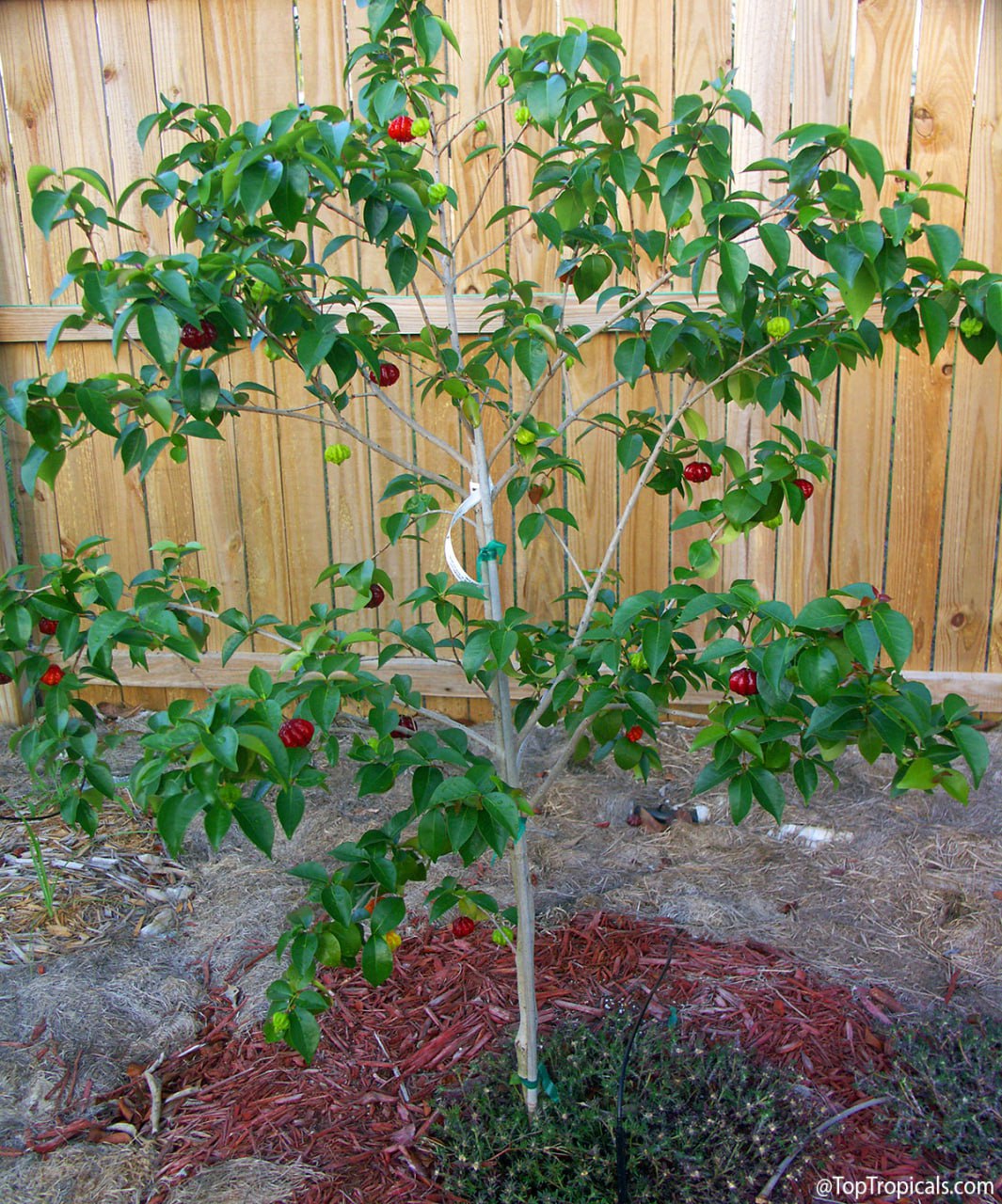
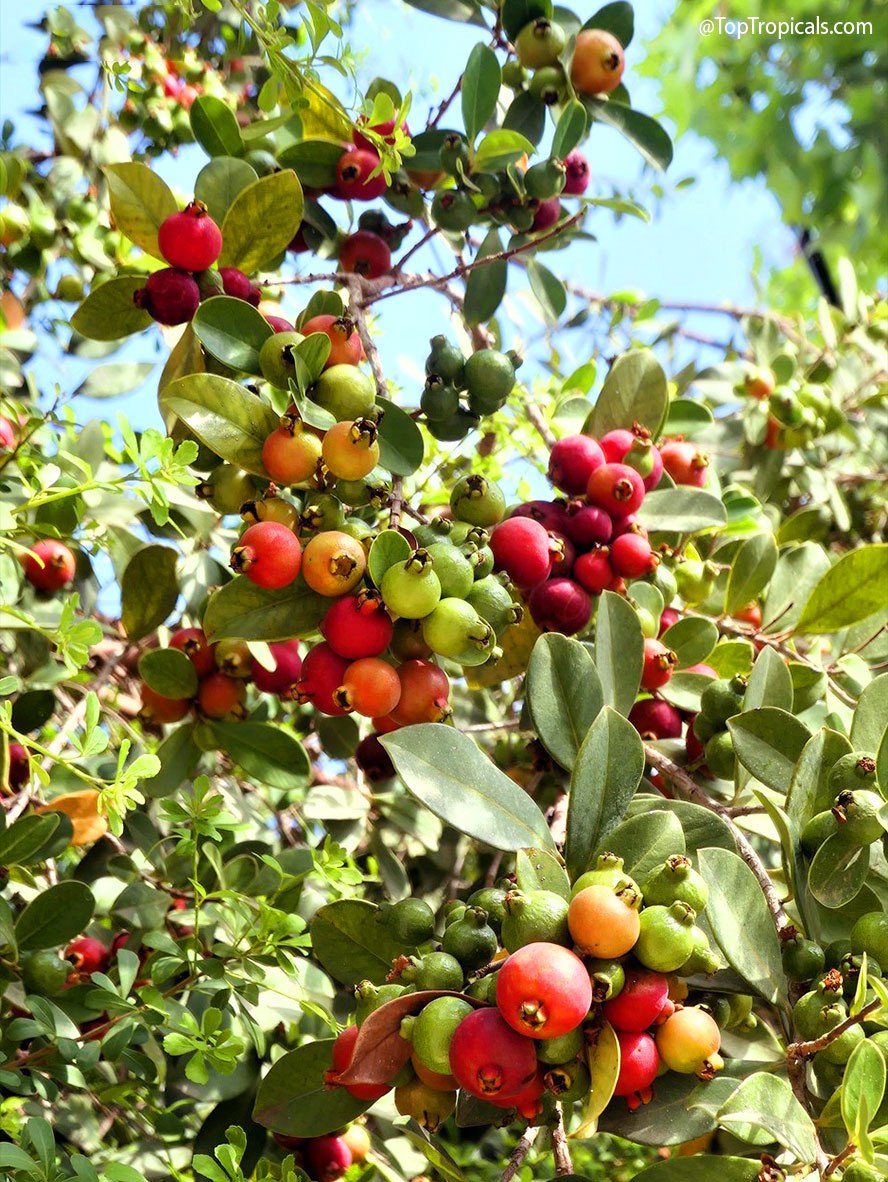
Psidium littorale - Cattley Guava tree with fruit

Psidium littorale - Cattley Guava tree with fruit

🏆 Top Ten Fruit Tree Winners of Florida 2026 Record Freeze


These fruit trees had no damage after 3 nights of hard freeze (25F) with NO PROTECTION:

Avocado Plant Facts

Botanical name: Persea americana, Persea gratissima
Also known as: Avocado, Alligator Pear, Aguacate, Abacate
USDA Zone: 9 - 11
Highligths Large tree taller than 20 ftSmall tree 10-20 ftFull sunWatering: Regular. Let topsoil dry slightlyEdible plantSubtropical plant. Mature plant cold hardy at least to 30s F for a short time
Get personalized tips for your region

Pineapple Plant Facts

Botanical name: Ananas comosus
Also known as: Pineapple, Pina
USDA Zone: 9 - 11
Highligths Small plant 2-5 ftSemi-shadeFull sunWatering: Moderate. Water when top soil feels dryOrnamental foliageThorny or spinyEdible plantSubtropical plant. Mature plant cold hardy at least to 30s F for a short time
Get personalized tips for your region

Pomegranate Plant Facts

Botanical name: Punica granatum
Also known as: Pomegranate, Granada, Grenade, Pomegranate, Granada, Anar, Granaatappel, Pomo Granato, Romeira, Melo Grano
USDA Zone: 8 - 11
Highligths Large shrub 5-10 ft tallSmall tree 10-20 ftFull sunWatering: Moderate. Water when top soil feels dryRed, crimson, vinous flowersThorny or spinyEdible plantDeciduous plantEthnomedical plant.
Plants marked as ethnomedical and/or described as medicinal, are not offered as medicine but rather as ornamentals or plant collectibles.
Ethnomedical statements / products have not been evaluated by the FDA and are not intended to diagnose, treat, cure, or prevent any disease. We urge all customers to consult a physician before using any supplements, herbals or medicines advertised here or elsewhere.Subtropical plant. Mature plant cold hardy at least to 30s F for a short timeSeaside, salt tolerant plant
Get personalized tips for your region

Cattley Guava Plant Facts

Botanical name: Psidium cattleyanum, Psidium littorale
Also known as: Cattley Guava, Sand Plum, Strawberry Guava
USDA Zone: 9 - 11
Highligths Large shrub 5-10 ft tallSmall tree 10-20 ftSemi-shadeFull sunWatering: Moderate. Water when top soil feels dryWatering: Regular. Let topsoil dry slightlyWhite, off-white flowersEdible plantFlood tolerant plantSeaside, salt tolerant plant
Get personalized tips for your region


✔️ Avocado - cold hardy varieties
✔️ Eugenias (Grumichama, Rio Grande, Surinam and more)
✔️ Feijoa - Pineapple Guava
✔️ Jaboticaba
✔️ Loquat
✔️ Macadamia Nut
✔️ Prunus sp - Peaches, Plums, Nectarines
✔️ Persimmons
✔️ Pomegranate
✔️ Psidium littorale - Cattley Guavas

🛒 Explore cold tolerant tropical plants and cold hardy Avocados

🎥 What tropical plants survived Florida's historic freeze without protection
🎥 These Avocados survived 3 nights of 25F hard freeze, Florida Record Freeze

📚 Learn more:


· To trim or not to trim? When and how to trim damaged plants after winter
· Cold-hardy avocado varieties - what freezing they really survive
· Cold-hardy avocado survival groups - what the numbers really mean

#Discover #How_to #Food_Forest

🟢 Join 👉 TopTropicals

Date: 20 Jan 2026

7 steps for a care-free Spanish Tamarind - the easiest rare fruit to grow

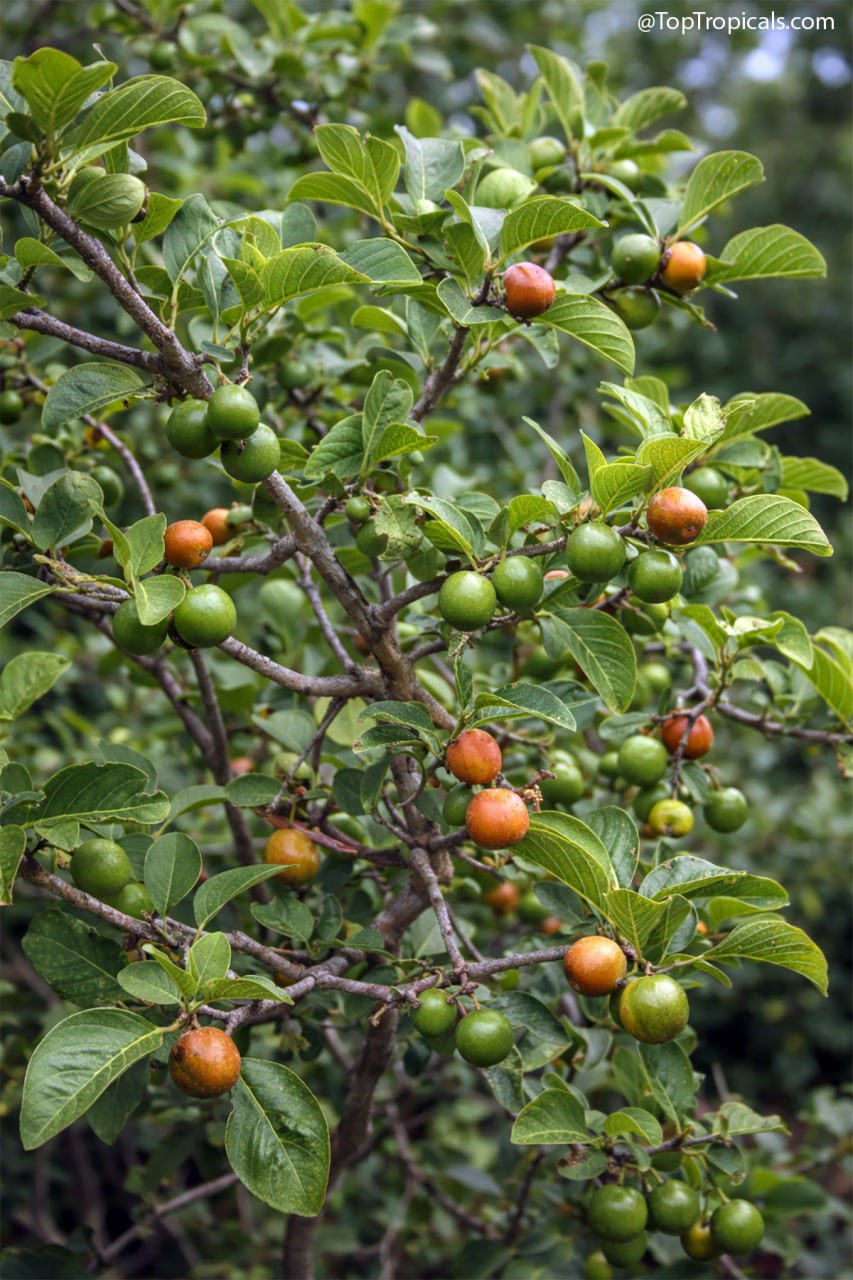
Vangueria infausta (Spanish Tamarind, Wild Medlar)

Vangueria infausta (Spanish Tamarind, Wild Medlar)

🍊 7 steps for a care-free Spanish Tamarind - the easiest rare fruit to grow


Yes, it can handle light frost - Vangueria infausta (Spanish Tamarind, Wild Medlar) - we just discovered it can handle cold snaps! After a few cold nights in January, our young tree planted just a few months ago, still looks happy and strong!

Wild Medlar Plant Facts

Botanical name: Vangueria infausta
Also known as: Wild Medlar, Spanish Tamarind
USDA Zone: 9 - 11
Highligths Small tree 10-20 ftFull sunWatering: Moderate. Water when top soil feels dryEdible plantDeciduous plantEthnomedical plant.
Plants marked as ethnomedical and/or described as medicinal, are not offered as medicine but rather as ornamentals or plant collectibles.
Ethnomedical statements / products have not been evaluated by the FDA and are not intended to diagnose, treat, cure, or prevent any disease. We urge all customers to consult a physician before using any supplements, herbals or medicines advertised here or elsewhere.Subtropical plant. Mature plant cold hardy at least to 30s F for a short time
Get personalized tips for your region

If you are looking for a tough little fruit tree that thrives on neglect but gives you something truly special in return - try this rare, compact fruit tree. Spanish Tamarind is native to southern Africa, it is drought-tolerant, pest-resistant, and surprisingly cold-hardy once established - making it a great choice even for gardeners in borderline zones.

🛒 Add rare Spanish Tamarind to your rare fruit collection

📚 Learn more:


Vangueria infausta - Spanish Tamarind in Plant Encyclopedia
The wild fruit with a secret: health benefits of rare Spanish Tamarind - the exotic fruit you've never heard of

#Food_Forest #Remedies #Discover

🟢 Join 👉 TopTropicals

Date: 17 Jan 2026

Ti plant leaf color meaning

Hawaiian Ti plant (Cordyline fruticosa)

Hawaiian Ti plant (Cordyline fruticosa)

🌈 Ti plant leaf color meaning


The Hawaiian Ti plant (Cordyline fruticosa) is more than just a colorful tropical accent. Across Polynesian, Hawaiian, and Southeast Asian cultures, the color of ti plant leaves has long been associated with different meanings, moods, and uses - both symbolic and practical.

Hawaiian Ti Leaf Plant Facts

Botanical name: Cordyline fruticosa, Cordyline terminalis
Also known as: Hawaiian Ti Leaf
USDA Zone: 10 - 11
Highligths Large shrub 5-10 ft tallSmall plant 2-5 ftSemi-shadeShadeFull sunWatering: Regular. Let topsoil dry slightlyOrnamental foliageUnusual colorPink flowersSubtropical plant. Mature plant cold hardy at least to 30s F for a short time
Get personalized tips for your region


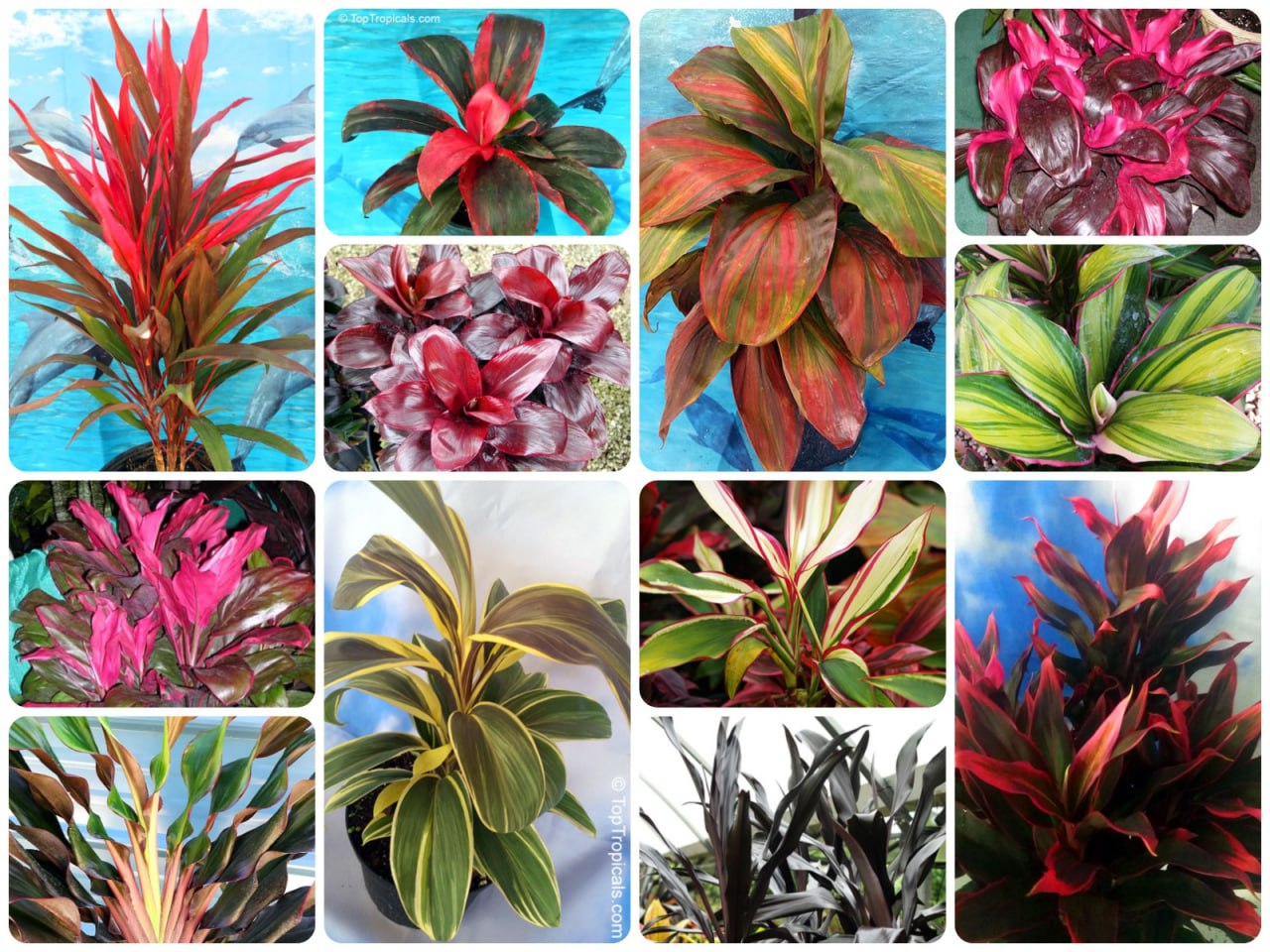
🌈 Green leaves
Green ti plants are linked to peace, balance, and steady growth. Traditionally, they were planted around homes for protection and good fortune. In the garden, green varieties are usually the toughest and most shade-tolerant.

🌈 Red and deep burgundy leaves
Red ti plants are associated with strength, power, and protection. In Hawaiian tradition, red ti leaves were believed to ward off negative energy and were often used in ceremonies. Garden-wise, deeper reds usually mean more sun exposure and stronger pigmentation.

🌈 Pink, magenta, and multicolor leaves
These colorful ti plants symbolize joy, celebration, and creativity. They are often used as ornamental focal points and in festive plantings. Variegated and pink types tend to prefer brighter light to keep their colors sharp.

🌈 Purple and dark-toned leaves
Purple ti plants are linked to mystery, spirituality, and transformation. Their dramatic color comes from high anthocyanin levels and usually intensifies in bright light with good nutrition.

🌈 Yellow or light variegation
Yellow tones often represent optimism and new beginnings. Plants with lighter variegation may grow a bit slower and need protection from harsh sun, but they add a softer contrast in tropical landscapes.

🌈 One practical note
Leaf color is influenced not just by variety, but also by light, temperature, and nutrition. Fading color usually means too little light or depleted soil, while rich, bold tones signal a happy plant.

Ti plant colors tell a story - part cultural tradition, part plant health, and part personal style in your garden.

🛒 Ti plants rainbow: collect them all

📚 Learn more:


Cordyline fruticosa in Plant Encyclopedia
Ti plant: bold color, easy care
Color that lasts year-round

#Container_Garden #Hedges_with_benefits #Shade_Garden #Discover #Horoscope

🟢 Join 👉 TopTropicals

Date: 22 Feb 2026

Watch Cat Oscar Win 5 Feet of Snow

Watch Cat Oscar Win 5 Feet of Snow

🏆 Watch Cat Oscar Win 5 Feet of Snow


You think it's cold, Floridians?

Meet Oscar. Street-fight champion. One ear bent from "previous negotiations". Confidence level - untouchable.
Five feet of snow? Minor inconvenience.
He did not train all winter to be defeated by fluffy water.

Yes, the snow is deep.
Yes, it is hard to walk.
Yes, his voice is loud.

But retreat? Never.

His blood is thick.
His fur is thicker.
His territory will be inspected and properly marked.

Some heroes wear capes.
Oscar wears winter coat - and attitude.

Maybe your tropical winter is not so bad after all? ⛄️

🐈📸 Cat Oscar, a non-tropical friend of TopTropicals and PeopleCats.Garden.

#PeopleCats

🟢 Join 👉 TopTropicals