Garden Blog - Top Tropicals

Date: 3 Feb 2026

Four popular plants of friendship, appreciation, and shared connection

Heliconia flower

Heliconia flower

Ixora flower

Ixora flower

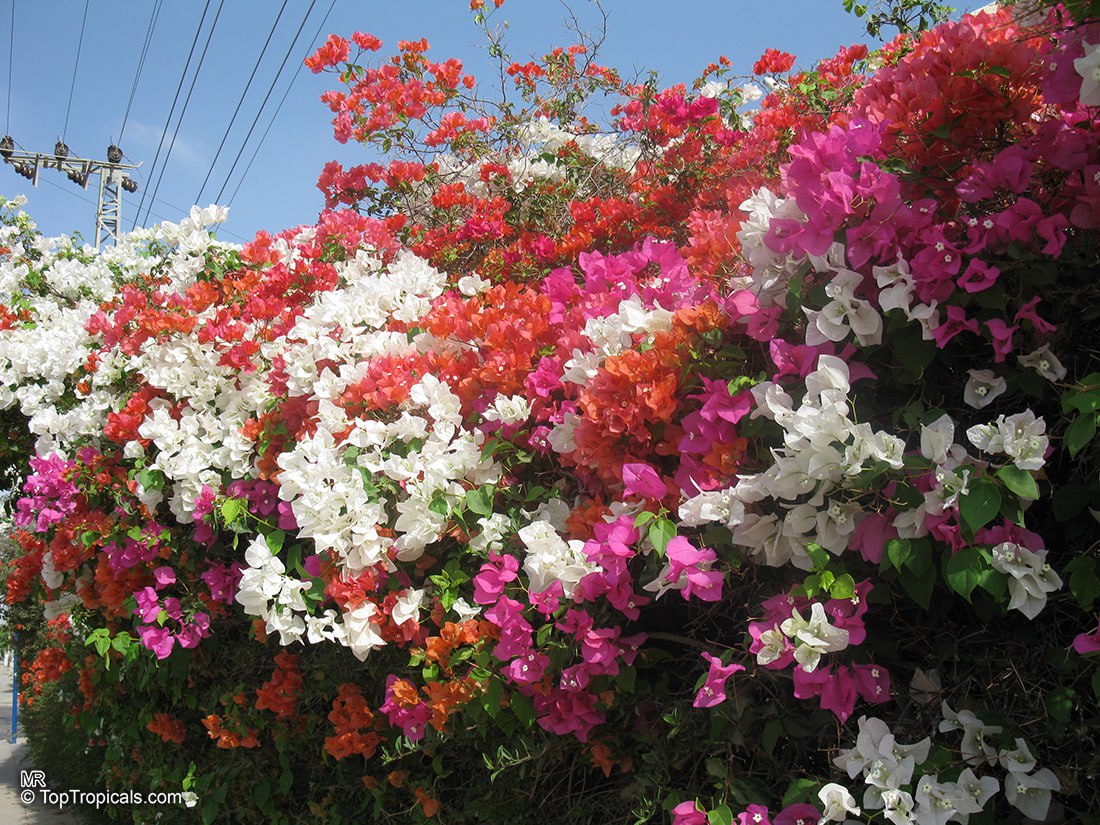
Bougainvillea flower

Bougainvillea flower

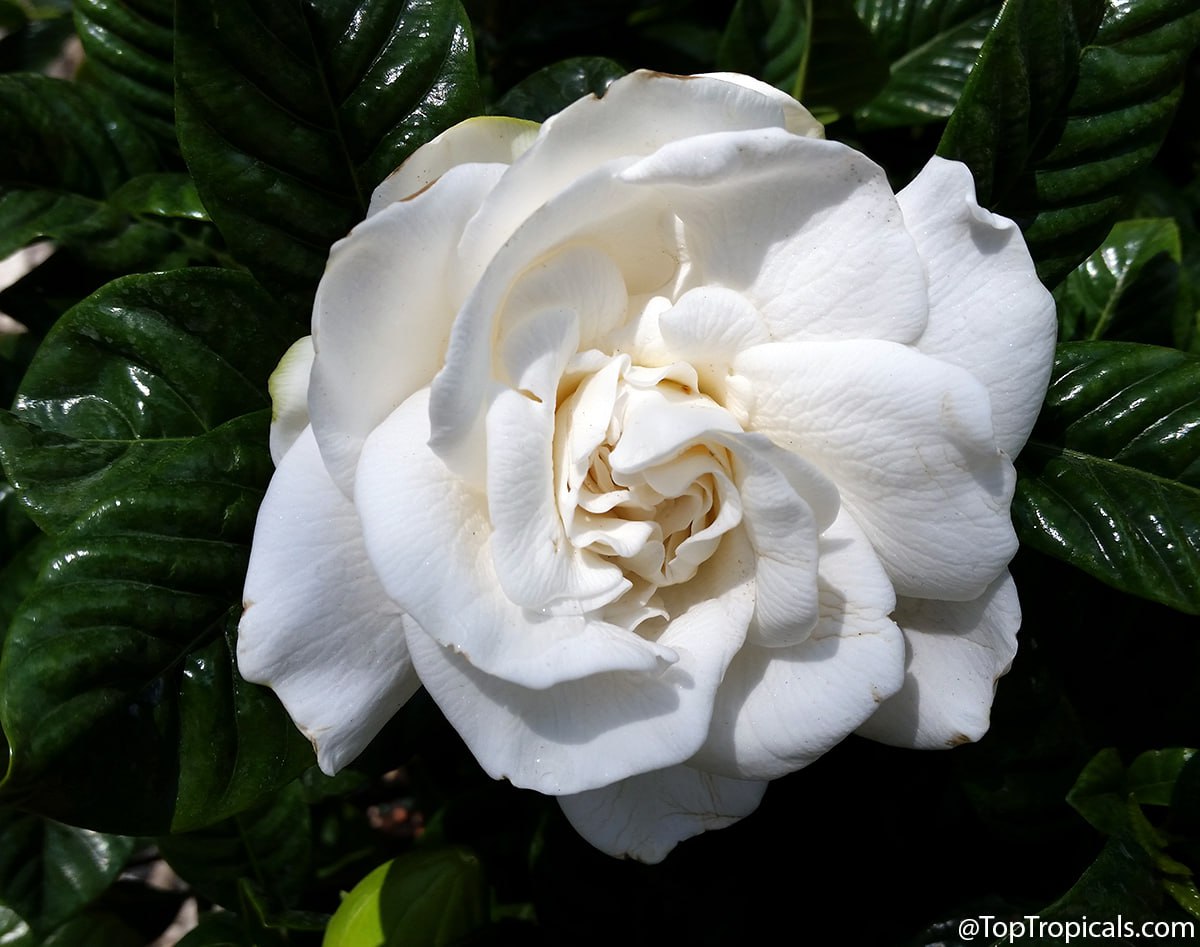
Gardenia flower

Gardenia flower

💕 Four popular plants of friendship, appreciation, and shared connection


Not all love is romantic. Many tropical plants symbolize warmth, friendship, hospitality, and human connection.

❣️ 1. Gardenia


Gardenia symbolizes quiet devotion, gratitude, and unspoken affection. It is often given to express deep appreciation rather than dramatic romance.
👉 Gardenia gift

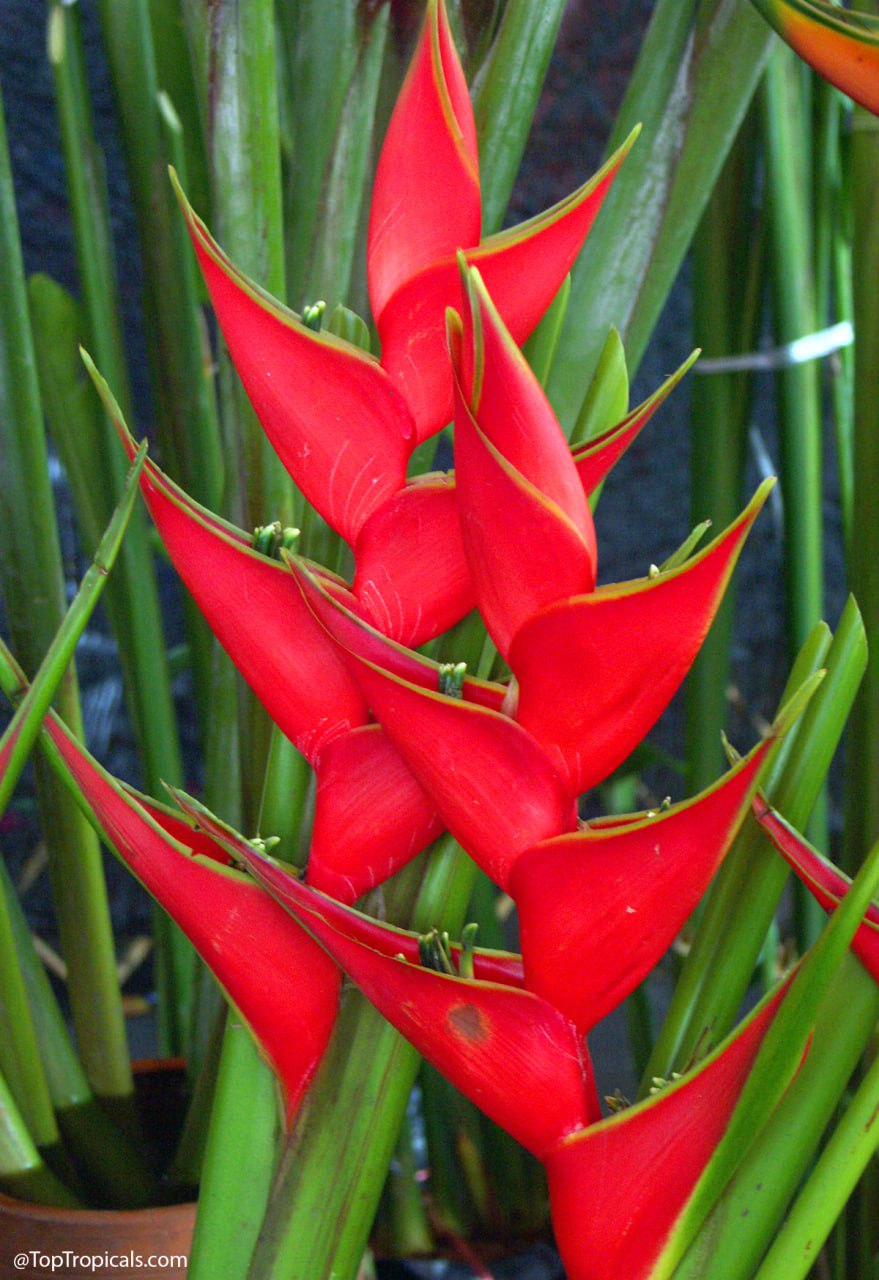
❣️ 2. Heliconia


With its interlocking bracts, heliconia represents unity, partnership, and celebration. It is often linked to joyful relationships and togetherness and is widely used as a long-lasting cut flower in tropical arrangements.
👉 Heliconia gift

❣️ 3. Bougainvillea


Bougainvillea symbolizes enduring love and protection - beauty supported by strength. It is often associated with commitment and resilience in relationships.
👉 Bougainvillea gift

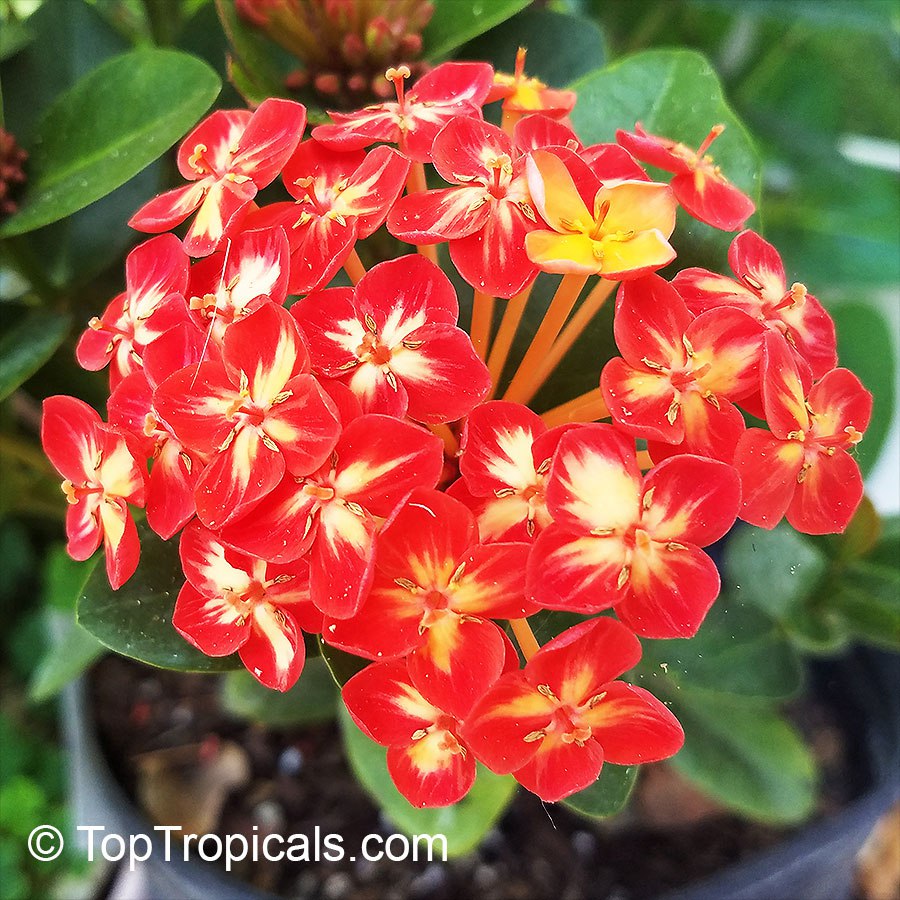
❣️ 4. Ixora


Known in parts of Asia as the "flower of love", Ixora represents friendship, emotional closeness, and community bonds.
👉 Ixora gift

🛒 Explore gift plants
🎁 Get a Gift Card

📚 Learn more:


Valentines day Best Gift Plant Ideas
Valentine’s plants from around the world that symbolize love, connection, and appreciation
Eight favorite plants of romance, affection, and emotional connection

#Shade_Garden #Container_Garden

🟢 Join 👉 TopTropicals

Date: 2 Feb 2026

Eight favorite plants of romance, affection, and emotional connection

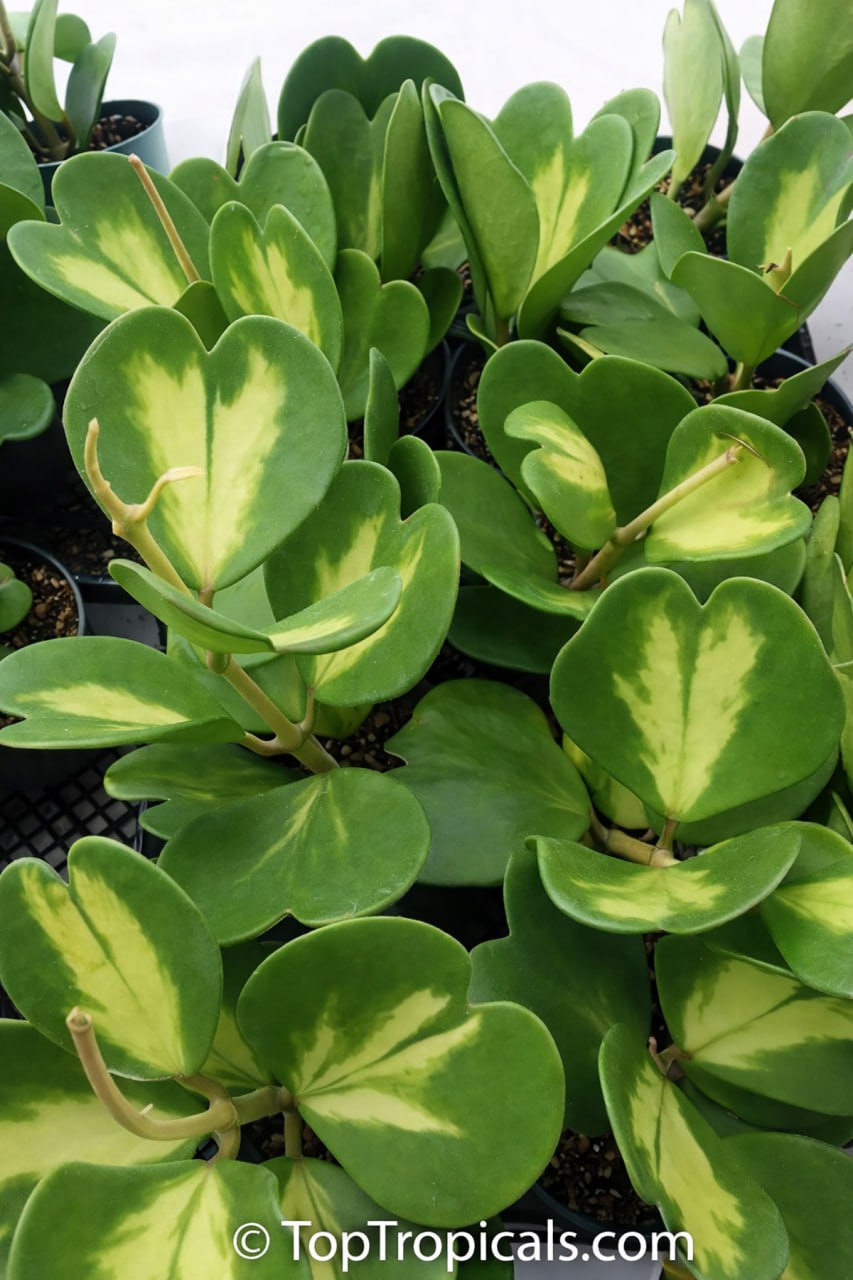
Sweetheart Hoya (Hoya kerrii)

Sweetheart Hoya (Hoya kerrii)

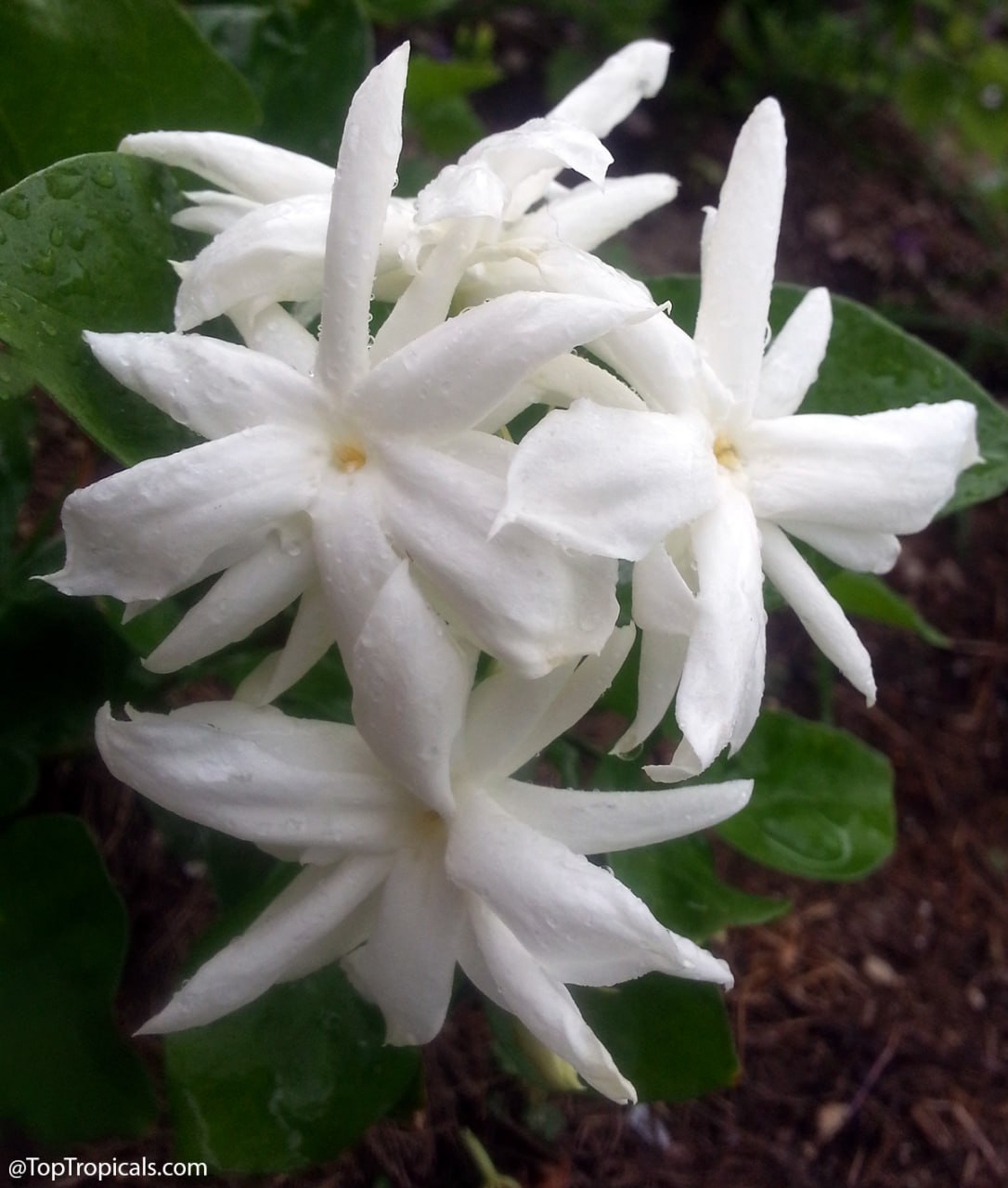
Jasminum sambac

Jasminum sambac

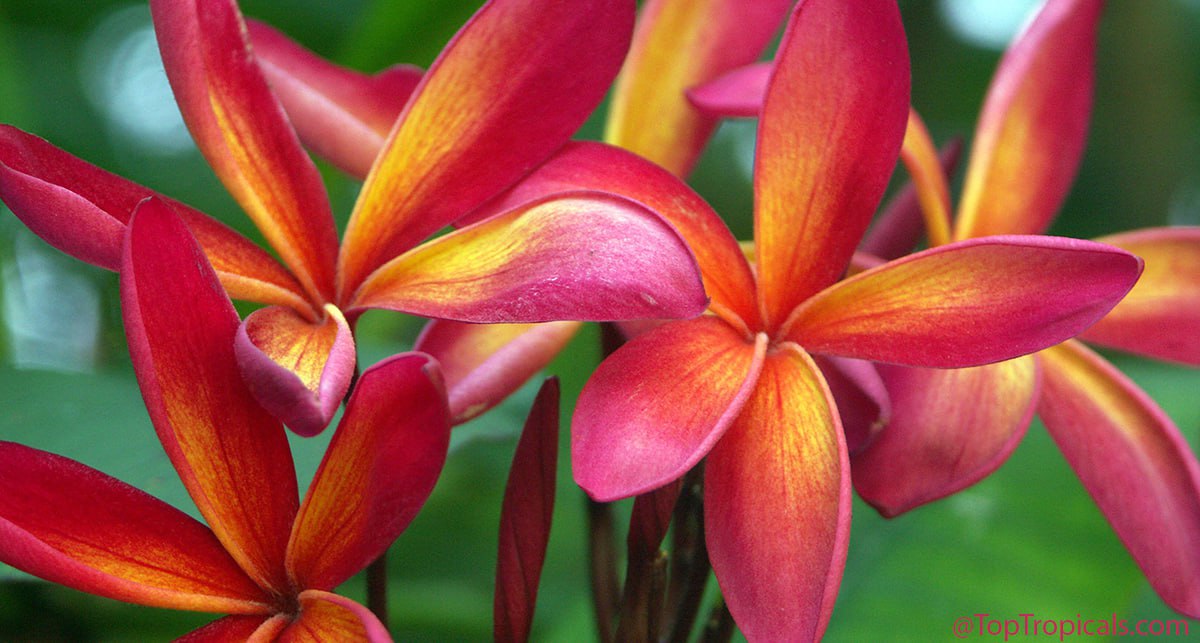
Plumeria (Frangipani)

Plumeria (Frangipani)

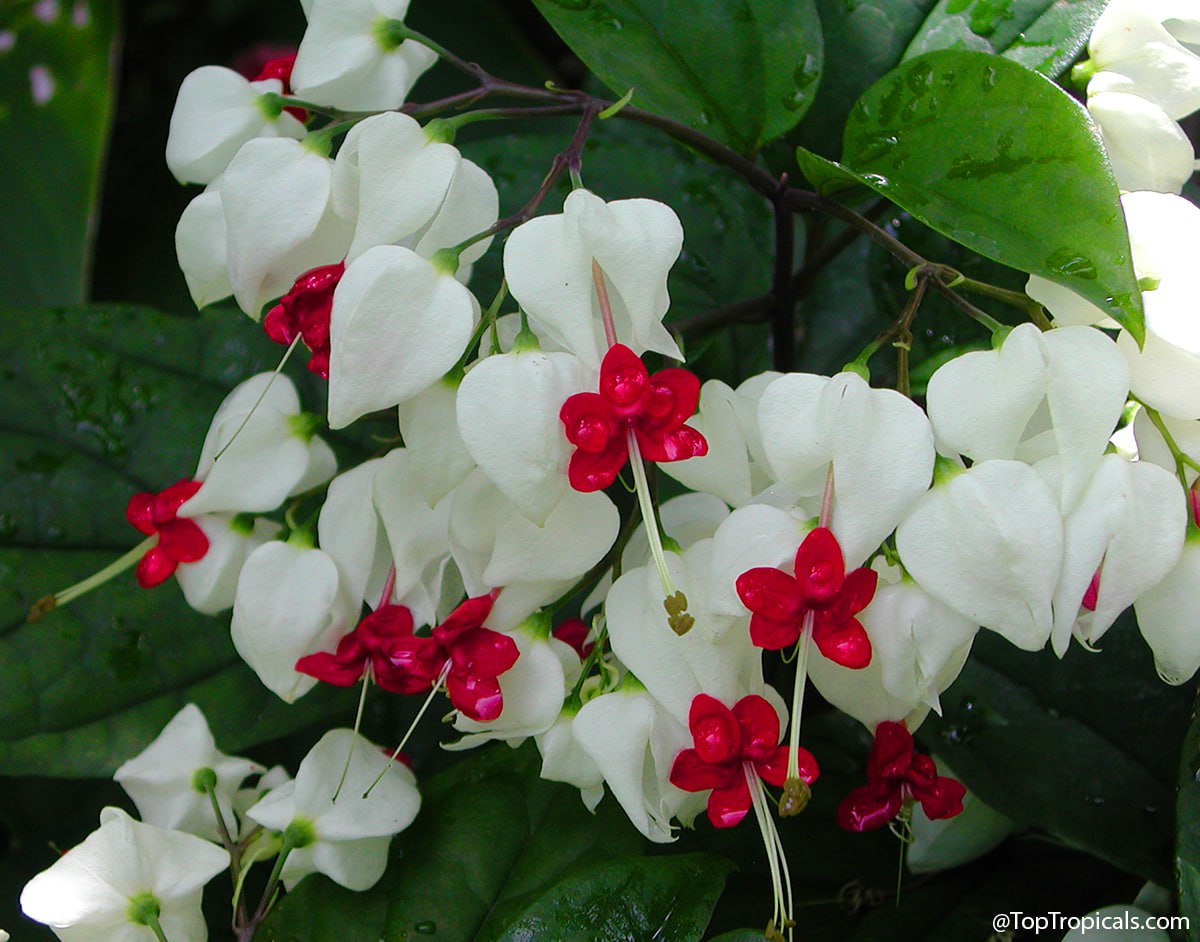
Clerodendrum thomsoniae, Bleeding Heart Vine

Clerodendrum thomsoniae, Bleeding Heart Vine

💕 Eight favorite plants of romance, affection, and emotional connection


These plants communicate love visually and emotionally. They are associated with beauty, admiration, devotion, and long-lasting relationships.

💖 1. Anthurium


With its unmistakable heart-shaped spathes, anthurium is one of the strongest visual symbols of love. In Latin America, it represents hospitality, passion, and enduring affection, making it a natural Valentine plant.
👉 Anthurium gift

💖 2. Orchids


In many Asian cultures, orchids symbolize refined love, fertility, and deep emotional connection. They are associated with elegance, respect, and long-term devotion rather than fleeting romance or infatuation.
👉 Orchid gift

💖 3. Valentine’s Sweetheart Hoya (Hoya kerrii)


Hoya kerrii is known for its thick, heart-shaped leaves, making it one of the clearest visual symbols of love. This long-lived vine represents loyalty and lasting commitment, and is found in several varieties with different leaf variegation patterns: regular green leaf, variegated Moonlight (gold on green) and Sunshine (white-and green).

Wax Hearts Plant Facts

Botanical name: Hoya kerrii
Also known as: Wax Hearts, Sweetheart Hoya, Valentine Hoya, Heart leaf
USDA Zone: 9 - 11
Highligths Groundcover and low-growing 2ft plantSemi-shadeShadeFull sunWatering: Moderate. Water when top soil feels dryOrnamental foliageWhite, off-white flowersPlant attracts butterflies, hummingbirdsFragrant plant
Get personalized tips for your region

👉 Sweetheart Hoya gift

💖 4. Plumeria (Frangipani)


In Polynesia and Southeast Asia, plumeria represents love, beauty, and new beginnings. In Hawaii, its flowers are a classic part of leis and have become an enduring symbol of romance, affection, and island love.

Plumeria Plant Facts

Botanical name: Plumeria sp.
Also known as: Plumeria, Frangipani
USDA Zone: 9 - 11
Highligths Large shrub 5-10 ft tallSmall tree 10-20 ftFull sunWatering: Moderate. Water when top soil feels dryYellow, orange flowersRed, crimson, vinous flowersWhite, off-white flowersPink flowersPlant attracts butterflies, hummingbirdsDeciduous plantFragrant plantSeaside, salt tolerant plant
Get personalized tips for your region

👉 Plumeria gift

💖 5. Jasminum sambac


Jasmine Sambac is strongly associated with romance, devotion, and spiritual love. In Hawaii it is used in leis, while in the Philippines, this so-called Sampaguita jasmine symbolizes purity, fidelity, and deep affection and is woven into garlands for lovers, weddings, and sacred ceremonies.

Sambac Plant Facts

Botanical name: Jasminum sambac
Also known as: Sambac
USDA Zone: 9 - 11
Highligths Large shrub 5-10 ft tallVine or creeper plantSemi-shadeShadeFull sunWatering: Regular. Let topsoil dry slightlyWhite, off-white flowersPlant attracts butterflies, hummingbirdsFragrant plant
Get personalized tips for your region

👉 Jasmine Sambac gifts

💖 6. Hibiscus


Hibiscus symbolizes delicate beauty, attraction, and the fleeting intensity of passion. In many tropical cultures, it is associated with feminine energy and romantic expression.
👉 Hibiscus gift

💖 7. Clerodendrum Bleeding Heart


Clerodendrum thomsoniae, called the Bleeding Heart Vine, is known for its red, heart-like flowers held inside white lantern-shaped bracts. It has long been associated with love, emotional vulnerability, and deep personal bonds, making it a natural fit for Valentine symbolism.

Bleeding heart Plant Facts

Botanical name: Clerodendrum thomsoniae
Also known as: Bleeding heart, Glory bower, Clerodendron
USDA Zone: 9 - 11
Highligths Vine or creeper plantSemi-shadeFull sunWatering: Regular. Let topsoil dry slightlyRed, crimson, vinous flowersWhite, off-white flowersPlant attracts butterflies, hummingbirdsDeciduous plantSubtropical plant. Mature plant cold hardy at least to 30s F for a short timeSeaside, salt tolerant plant
Get personalized tips for your region

👉 Bleeding Heart gift

💖 8. Stephanotis (Madagascar jasmine)


Traditionally associated with marital happiness and fidelity, Stephanotis has long been used in wedding garlands and bouquets in tropical regions.
👉 Stephanotis gift

🛒 Explore gift plants
🎁 Get a Gift Card

📚 Learn more:


What is the best gift plant for Valentines Day
Valentines day Best Gift Plant Ideas
Valentine’s plants from around the world that symbolize love, connection, and appreciation

#Shade_Garden #Container_Garden

🟢 Join 👉 TopTropicals

Date: 28 Jan 2026

Moonlight Cactus, the Night Blooming Wonder with a mystical twist: Epiphyllum oxypetalum FAQ

Epiphyllum oxypetalum, Queen of the Night

Epiphyllum oxypetalum, Queen of the Night

Epiphyllum oxypetalum, Queen of the Night, Night-Blooming Cereus, flower close up

Epiphyllum oxypetalum, Queen of the Night, Night-Blooming Cereus, flower close up

Epiphyllum oxypetalum, Queen of the Night, Night-Blooming Cereus, flower

Epiphyllum oxypetalum, Queen of the Night, Night-Blooming Cereus, flower

Epiphyllum oxypetalum, Queen of the Night flower center

Epiphyllum oxypetalum, Queen of the Night flower center

Epiphyllum oxypetalum, Queen of the Night flower with highlight

Epiphyllum oxypetalum, Queen of the Night flower with highlight

Epiphyllum oxypetalum, Queen of the Night flower with highlight

Epiphyllum oxypetalum, Queen of the Night flower with highlight

🔮 Moonlight Cactus, the Night Blooming Wonder with a mystical twist: Epiphyllum oxypetalum FAQ


🌙 Epiphyllum oxypetalum, also known as Queen of the Night or Night-Blooming Cereus, is a tropical epiphytic cactus famous for its huge, fragrant white flowers that open only at night. The blooms usually last just one night, often opening after sunset and closing by morning, which is why it has such a mystical reputation. The plant itself has long, flat, leaf-like stems and is often grown in hanging baskets or trained to climb. It is easy to grow, prefers bright filtered light, and rewards patience with one of the most dramatic blooms in the plant world.

Belle de Nuit Plant Facts

Botanical name: Epiphyllum oxypetalum
Also known as: Belle de Nuit, Lady of the Night, Queen of the Night, Night blooming Cereus, Dutchman's Pipe
USDA Zone: 9 - 11
Highligths Large shrub 5-10 ft tallSemi-shadeShadeWatering: Moderate. Water when top soil feels dryWatering: Regular. Let topsoil dry slightlyEpiphyte plantWhite, off-white flowersPink flowersPlant attracts butterflies, hummingbirdsFragrant plantSubtropical plant. Mature plant cold hardy at least to 30s F for a short time
Get personalized tips for your region


🎆 Why is it called Queen of the Night?


Because it produces large, fragrant white flowers that open only at night. The blooms usually open after sunset and close by morning.

🎆 How often does it bloom?


Usually once or a few times a year, often in late spring or summer. Blooms are short-lived but unforgettable.

🎆 Is it really a cactus?


Yes, but it is a tropical epiphytic cactus. It grows more like an orchid or jungle plant than a desert cactus.

🎆 Does it need full sun?


No. It prefers bright, filtered light or partial shade. Direct hot sun can scorch the stems.

🎆 Can it be grown indoors?


Yes. It does very well indoors near a bright window or outdoors in warm, shaded areas.

🎆 Does it need a lot of water?


More than desert cacti, but not soggy soil. Water when the top layer of soil dries out.

🎆 Can it grow in a pot or hanging basket?


Yes. It is commonly grown in containers, hanging baskets, or trained to climb on a support.

🎆 Is it rare?


Mature blooming plants are highly valued because flowering takes patience and good care.

🛒 Add Moonlight Queen of the Night to your exotic plant collection

Collect epiphytic jungle cacti:
· Epiphyllum oxypetalum - Queen of the Night
· Pseudorhipsalis (Wittia) amazonica - Blue Flame
· Epiphyllum guatemalense Monstrosa - Orchid Cactus, Curly Locks
· Disocactus ackermanni - Red Orchid Jungle Cactus

📚 Learn more:


Epiphyllum oxypetalum - Queen of the Night Cactus in Plant Encyclopedia
Does Queen of the Night bloom only one night out of the year?
Weird cactus looks like pasta with Dragon Fruit
This giant red stared right back at me
Red Orchid Cactus puts out the biggest bloom show
Pseudorhipsalis (Wittia) amazonica - Blue Flamу Jungle Cactus
Epiphyllum guatemalense Monstrosa - Orchid Cactus, Curly Locks

#Container_Garden #Shade_Garden #Nature_Wonders

🟢 Join 👉 TopTropicals

Date: 20 Feb 2026

Top Ten Fruit Tree Winners of Florida 2026 Record Freeze

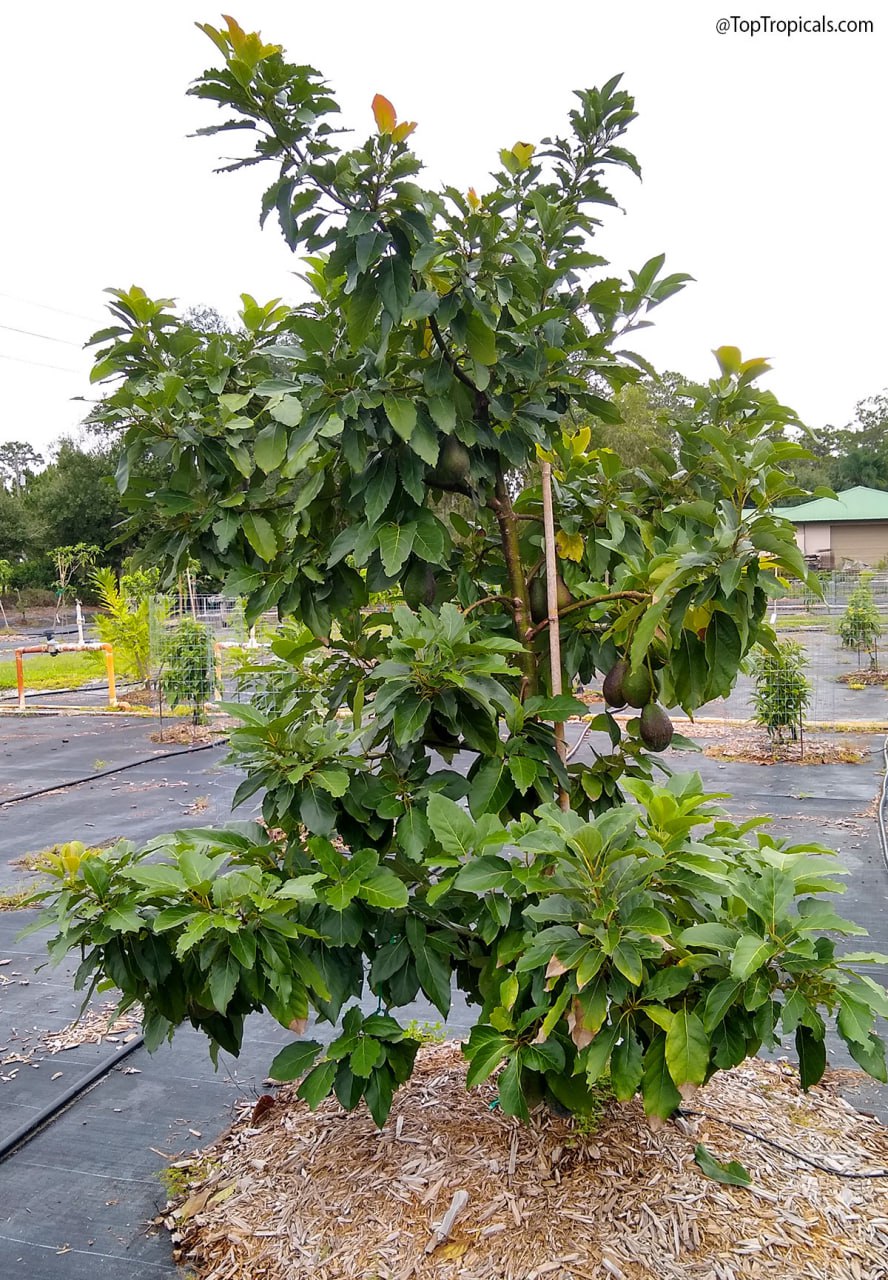
Avocado tree with fruit

Avocado tree with fruit

Eugenia

Eugenia

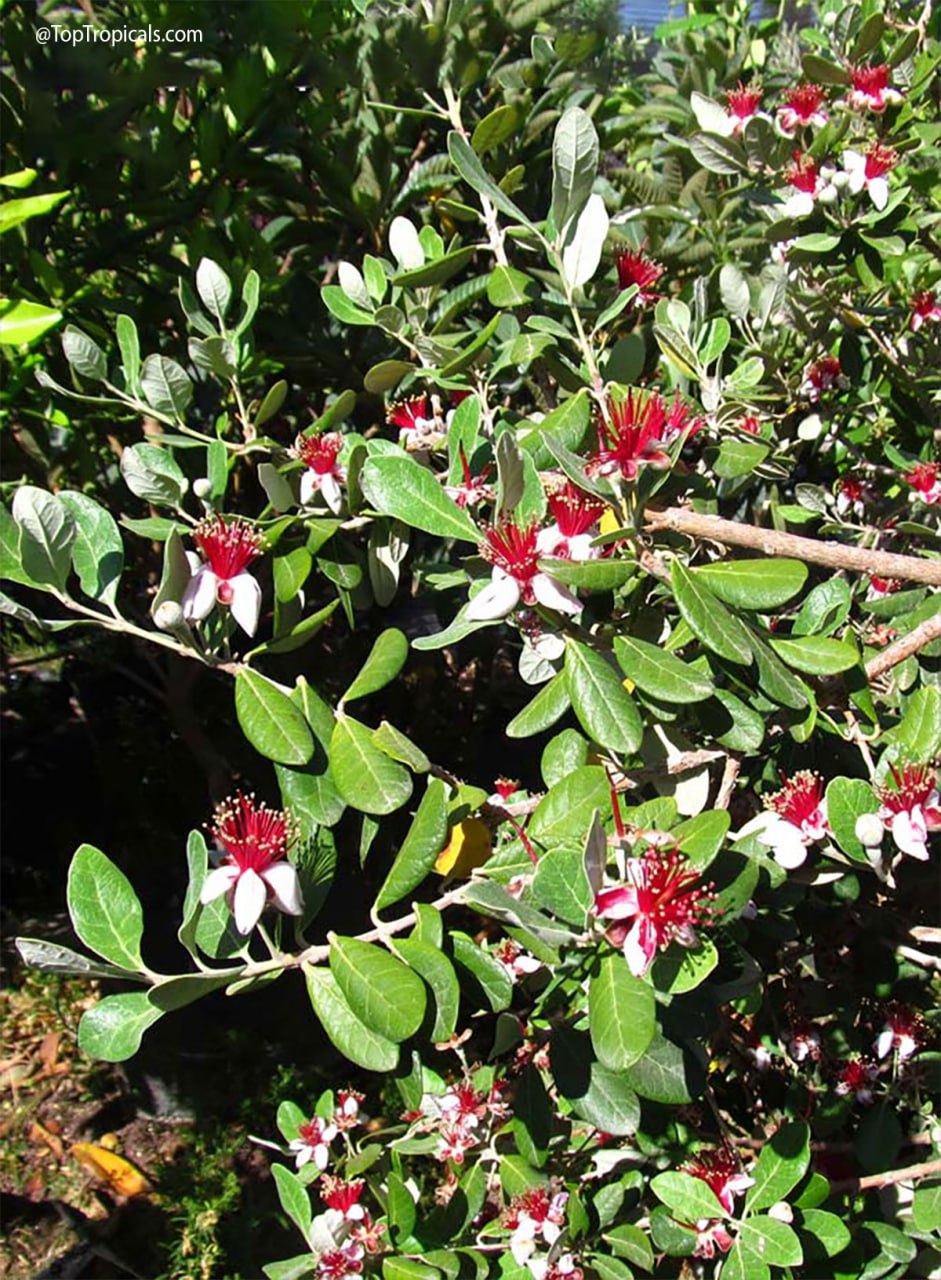
Feijoa - Pineapple Guava

Feijoa - Pineapple Guava

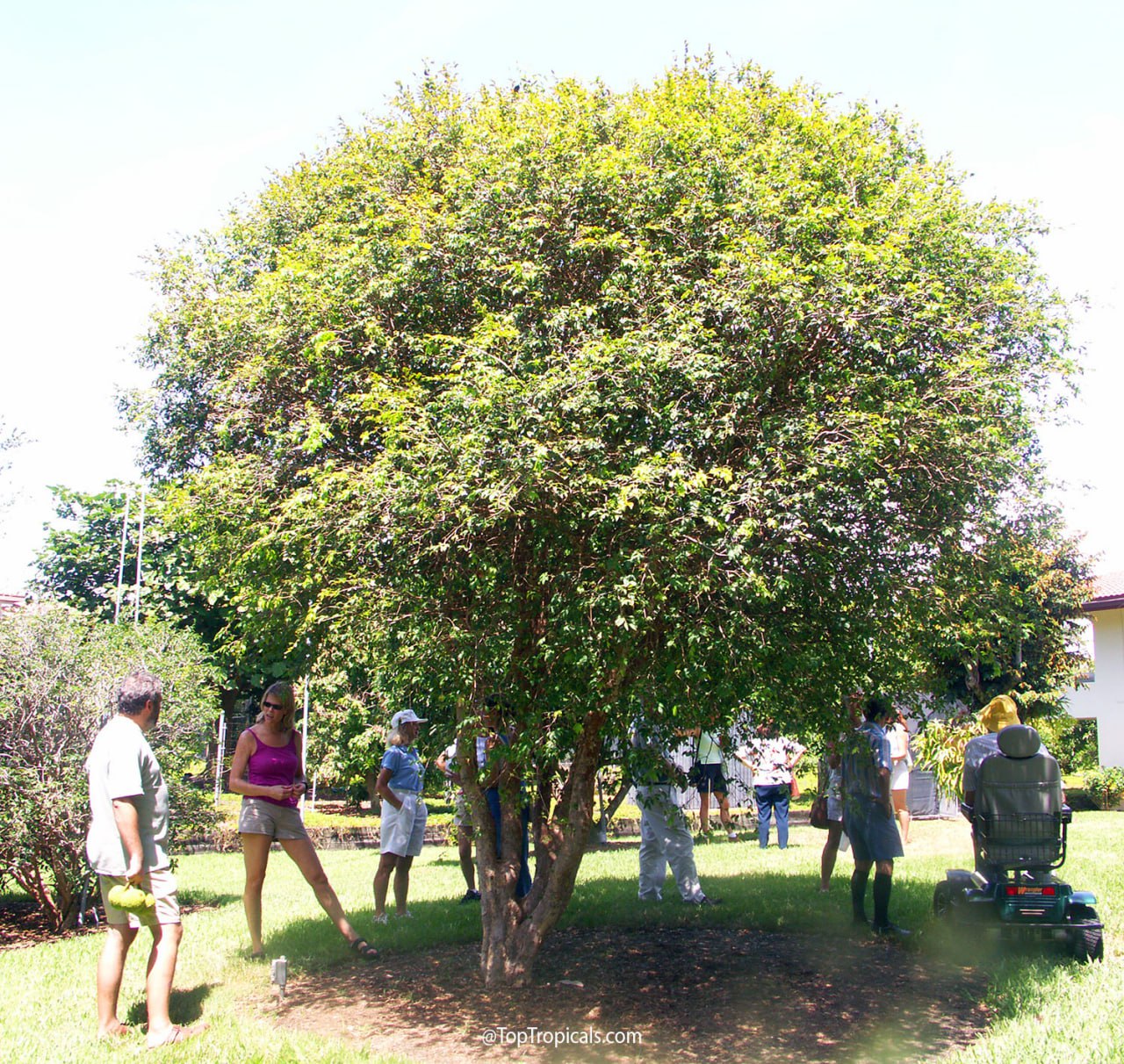
Jaboticaba tree

Jaboticaba tree

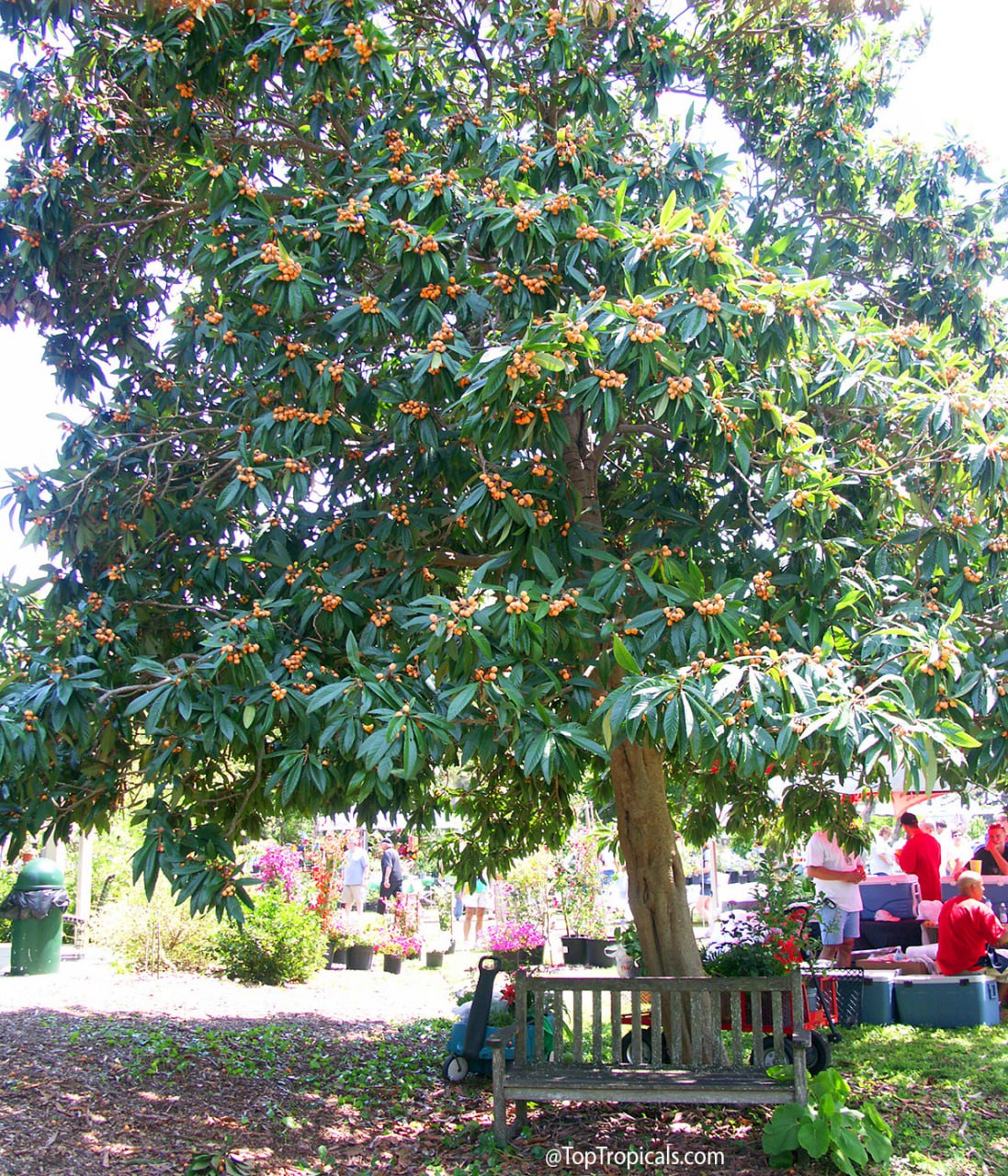
Loquat tree

Loquat tree

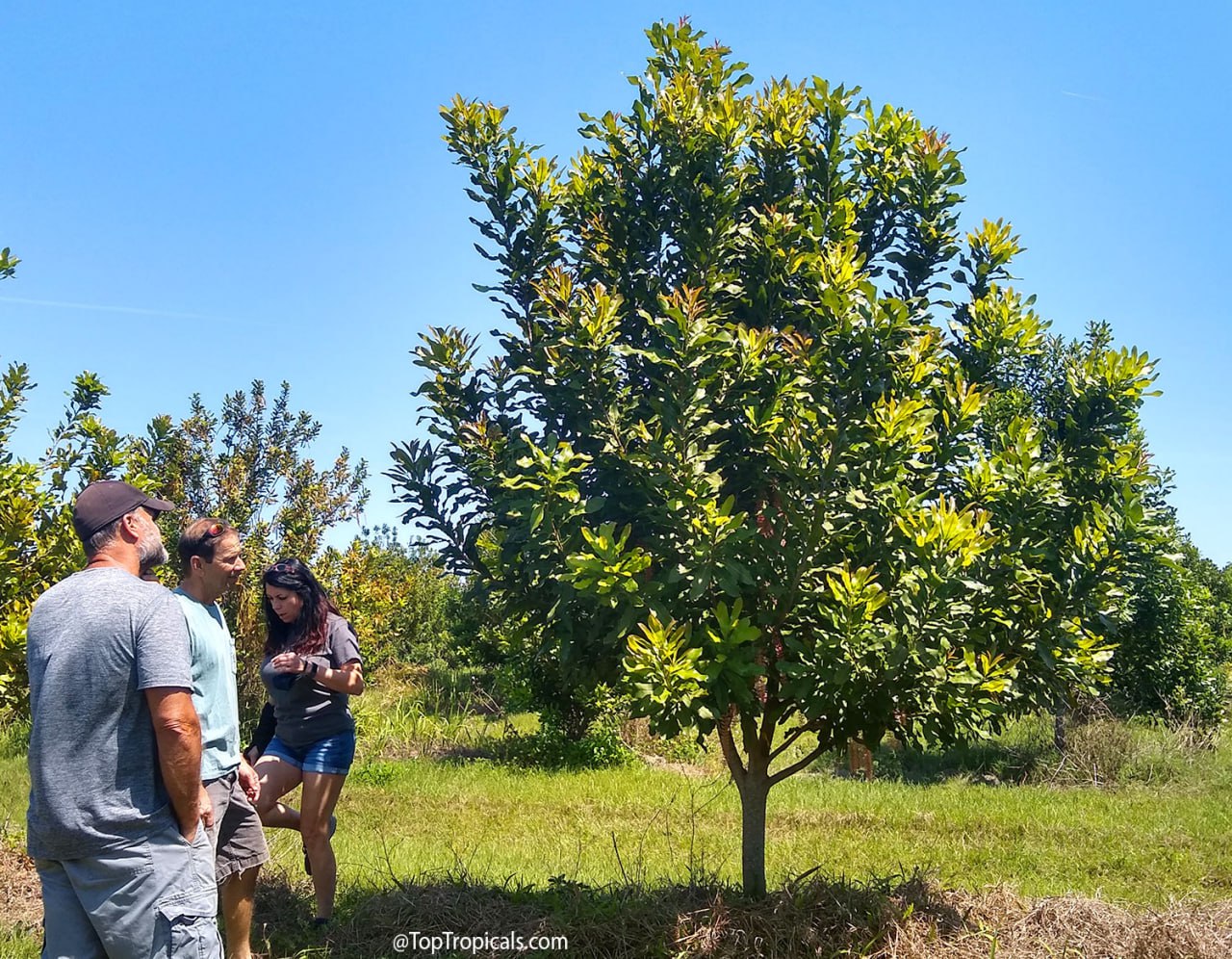
Macadamia Nut tree

Macadamia Nut tree

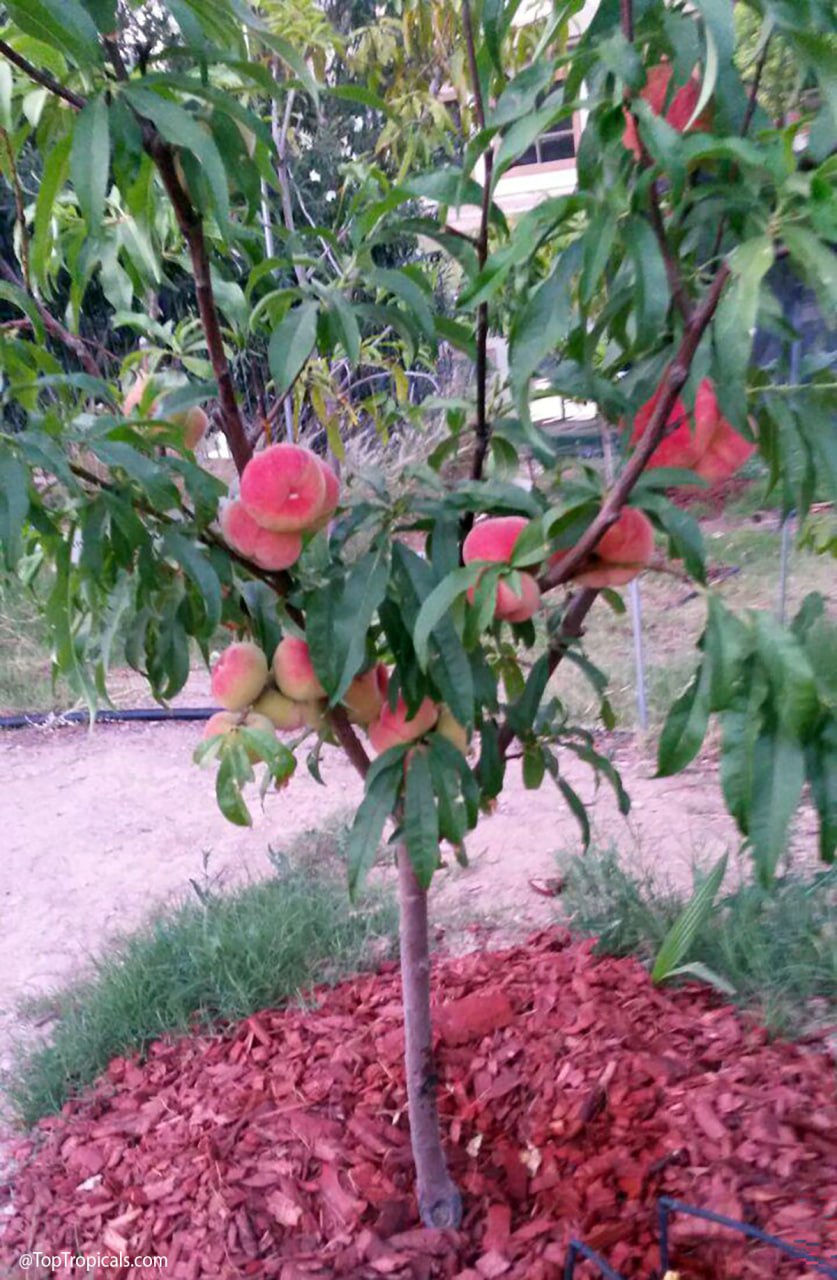
Prunus sp - Peach

Prunus sp - Peach

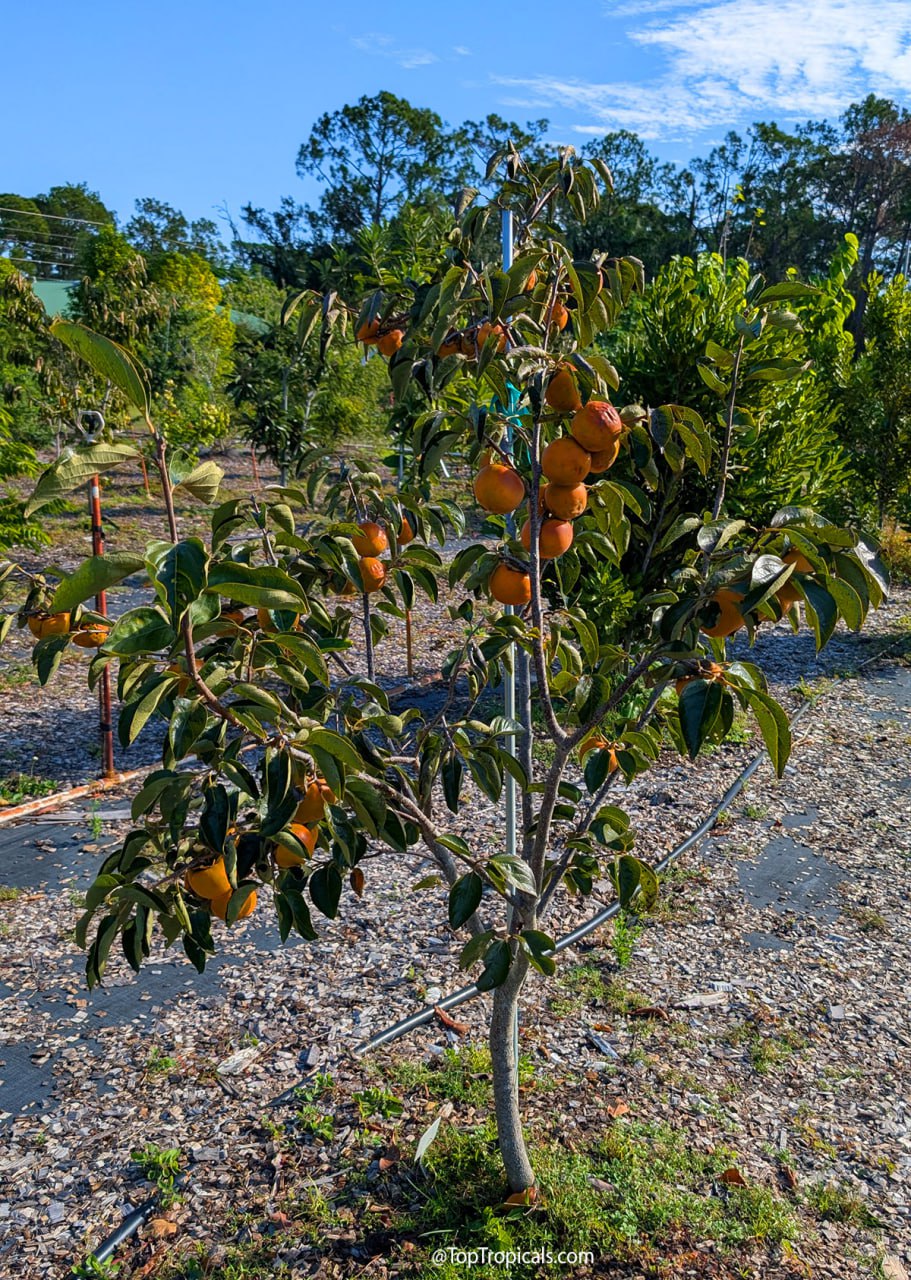
Persimmon tree

Persimmon tree

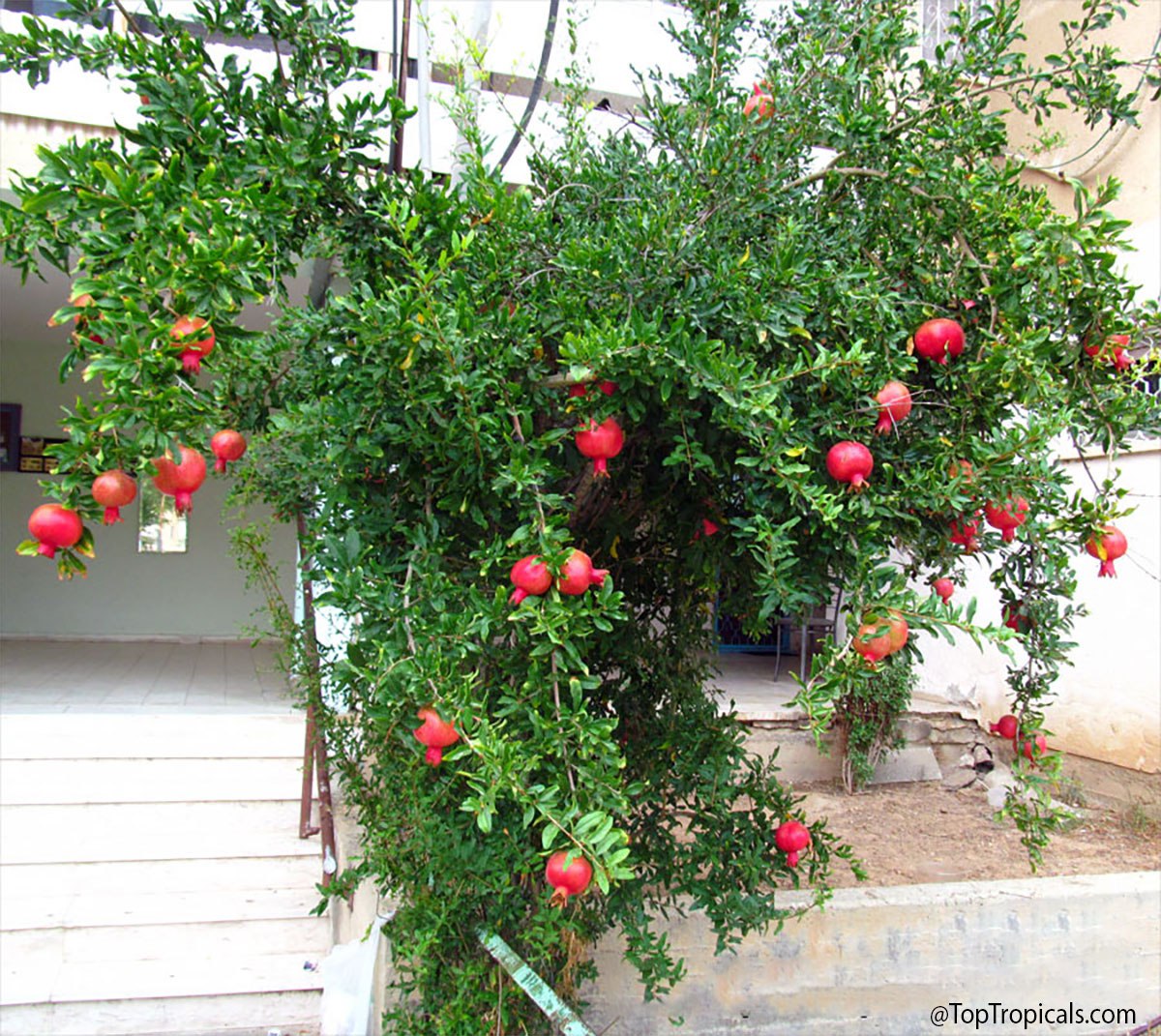
Pomegranate tree with fruit

Pomegranate tree with fruit

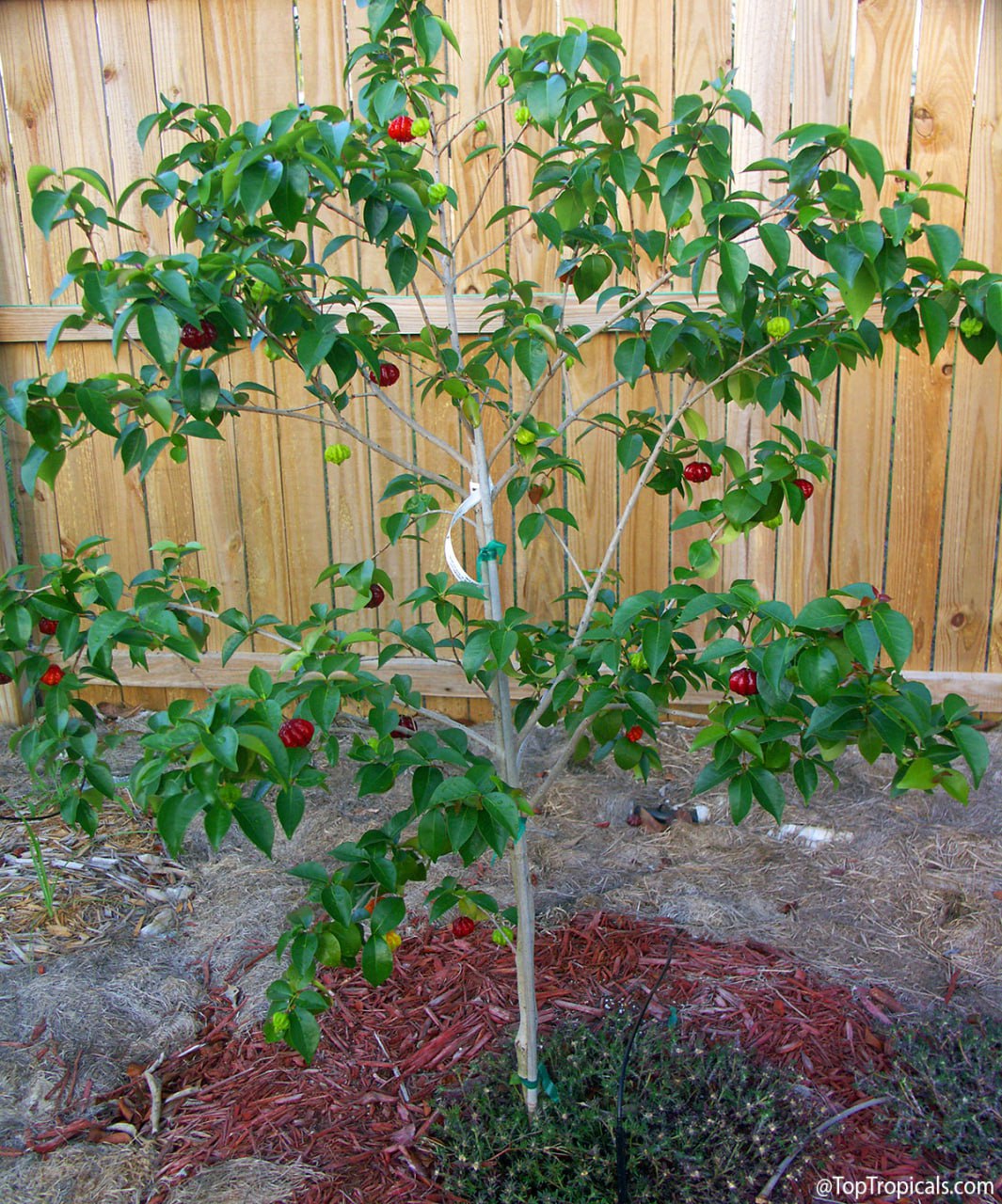
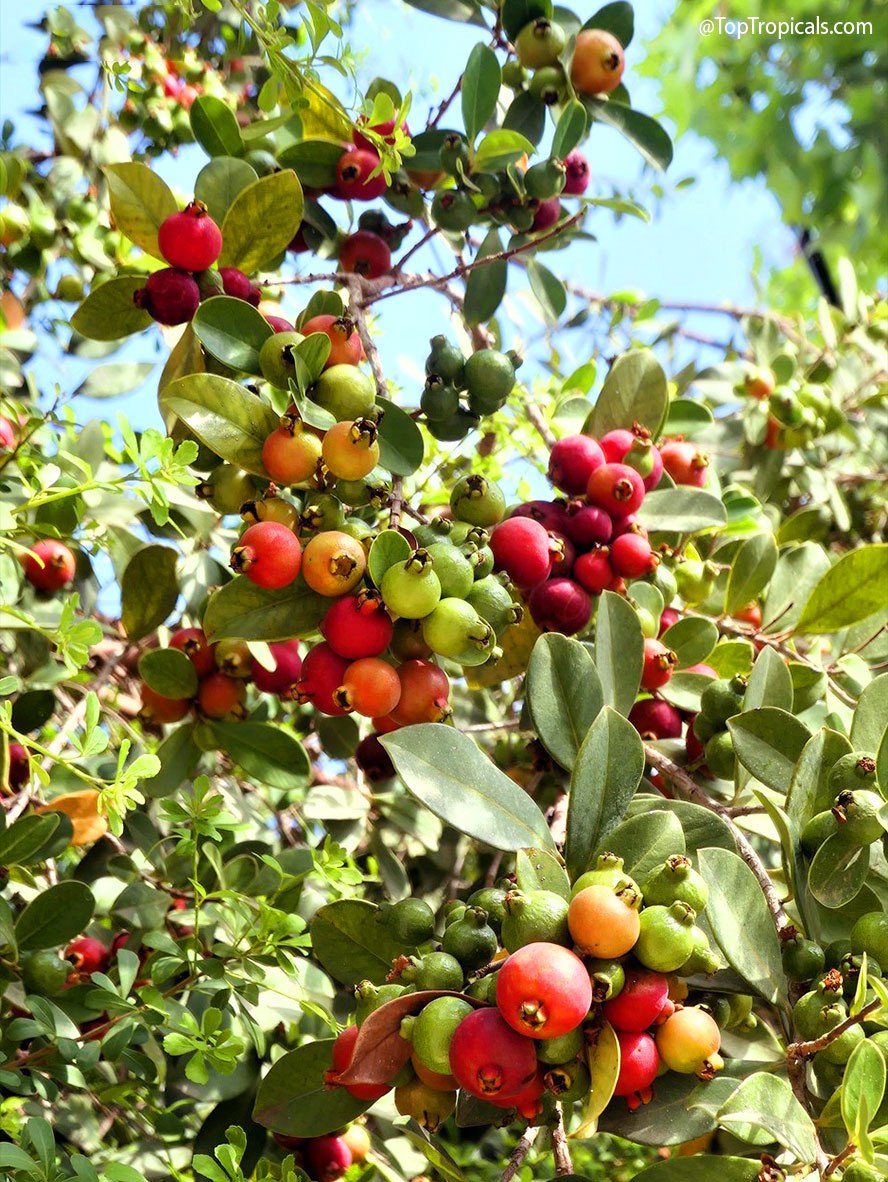
Psidium littorale - Cattley Guava tree with fruit

Psidium littorale - Cattley Guava tree with fruit

🏆 Top Ten Fruit Tree Winners of Florida 2026 Record Freeze


These fruit trees had no damage after 3 nights of hard freeze (25F) with NO PROTECTION:

Avocado Plant Facts

Botanical name: Persea americana, Persea gratissima
Also known as: Avocado, Alligator Pear, Aguacate, Abacate
USDA Zone: 9 - 11
Highligths Large tree taller than 20 ftSmall tree 10-20 ftFull sunWatering: Regular. Let topsoil dry slightlyEdible plantSubtropical plant. Mature plant cold hardy at least to 30s F for a short time
Get personalized tips for your region

Pineapple Plant Facts

Botanical name: Ananas comosus
Also known as: Pineapple, Pina
USDA Zone: 9 - 11
Highligths Small plant 2-5 ftSemi-shadeFull sunWatering: Moderate. Water when top soil feels dryOrnamental foliageThorny or spinyEdible plantSubtropical plant. Mature plant cold hardy at least to 30s F for a short time
Get personalized tips for your region

Pomegranate Plant Facts

Botanical name: Punica granatum
Also known as: Pomegranate, Granada, Grenade, Pomegranate, Granada, Anar, Granaatappel, Pomo Granato, Romeira, Melo Grano
USDA Zone: 8 - 11
Highligths Large shrub 5-10 ft tallSmall tree 10-20 ftFull sunWatering: Moderate. Water when top soil feels dryRed, crimson, vinous flowersThorny or spinyEdible plantDeciduous plantEthnomedical plant.
Plants marked as ethnomedical and/or described as medicinal, are not offered as medicine but rather as ornamentals or plant collectibles.
Ethnomedical statements / products have not been evaluated by the FDA and are not intended to diagnose, treat, cure, or prevent any disease. We urge all customers to consult a physician before using any supplements, herbals or medicines advertised here or elsewhere.Subtropical plant. Mature plant cold hardy at least to 30s F for a short timeSeaside, salt tolerant plant
Get personalized tips for your region

Cattley Guava Plant Facts

Botanical name: Psidium cattleyanum, Psidium littorale
Also known as: Cattley Guava, Sand Plum, Strawberry Guava
USDA Zone: 9 - 11
Highligths Large shrub 5-10 ft tallSmall tree 10-20 ftSemi-shadeFull sunWatering: Moderate. Water when top soil feels dryWatering: Regular. Let topsoil dry slightlyWhite, off-white flowersEdible plantFlood tolerant plantSeaside, salt tolerant plant
Get personalized tips for your region


✔️ Avocado - cold hardy varieties
✔️ Eugenias (Grumichama, Rio Grande, Surinam and more)
✔️ Feijoa - Pineapple Guava
✔️ Jaboticaba
✔️ Loquat
✔️ Macadamia Nut
✔️ Prunus sp - Peaches, Plums, Nectarines
✔️ Persimmons
✔️ Pomegranate
✔️ Psidium littorale - Cattley Guavas

🛒 Explore cold tolerant tropical plants and cold hardy Avocados

🎥 What tropical plants survived Florida's historic freeze without protection
🎥 These Avocados survived 3 nights of 25F hard freeze, Florida Record Freeze

📚 Learn more:


· To trim or not to trim? When and how to trim damaged plants after winter
· Cold-hardy avocado varieties - what freezing they really survive
· Cold-hardy avocado survival groups - what the numbers really mean

#Discover #How_to #Food_Forest

🟢 Join 👉 TopTropicals

Date: 20 Jan 2026

7 steps for a care-free Spanish Tamarind - the easiest rare fruit to grow

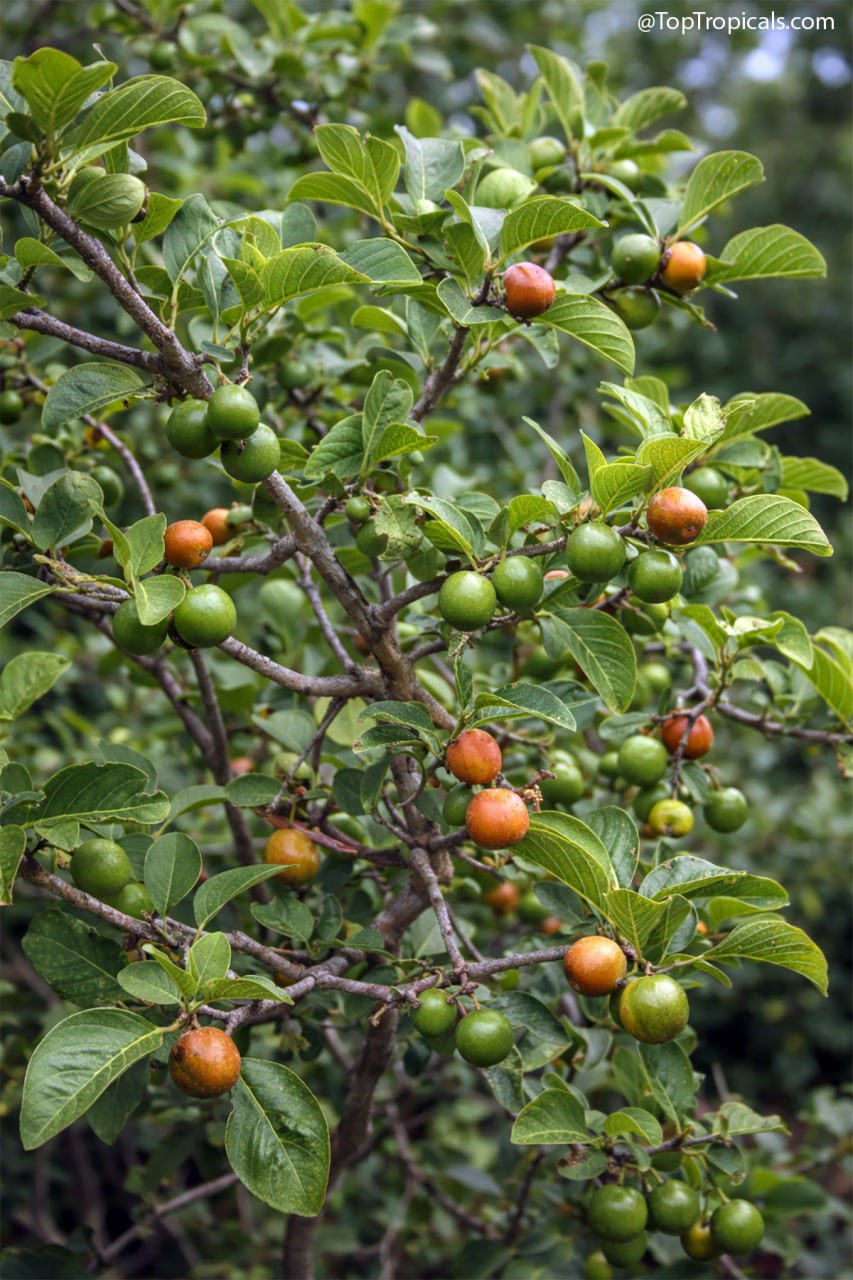
Vangueria infausta (Spanish Tamarind, Wild Medlar)

Vangueria infausta (Spanish Tamarind, Wild Medlar)

🍊 7 steps for a care-free Spanish Tamarind - the easiest rare fruit to grow


Yes, it can handle light frost - Vangueria infausta (Spanish Tamarind, Wild Medlar) - we just discovered it can handle cold snaps! After a few cold nights in January, our young tree planted just a few months ago, still looks happy and strong!

Wild Medlar Plant Facts

Botanical name: Vangueria infausta
Also known as: Wild Medlar, Spanish Tamarind
USDA Zone: 9 - 11
Highligths Small tree 10-20 ftFull sunWatering: Moderate. Water when top soil feels dryEdible plantDeciduous plantEthnomedical plant.
Plants marked as ethnomedical and/or described as medicinal, are not offered as medicine but rather as ornamentals or plant collectibles.
Ethnomedical statements / products have not been evaluated by the FDA and are not intended to diagnose, treat, cure, or prevent any disease. We urge all customers to consult a physician before using any supplements, herbals or medicines advertised here or elsewhere.Subtropical plant. Mature plant cold hardy at least to 30s F for a short time
Get personalized tips for your region

If you are looking for a tough little fruit tree that thrives on neglect but gives you something truly special in return - try this rare, compact fruit tree. Spanish Tamarind is native to southern Africa, it is drought-tolerant, pest-resistant, and surprisingly cold-hardy once established - making it a great choice even for gardeners in borderline zones.
🛒 Add rare Spanish Tamarind to your rare fruit collection

📚 Learn more:


Vangueria infausta - Spanish Tamarind in Plant Encyclopedia
The wild fruit with a secret: health benefits of rare Spanish Tamarind - the exotic fruit you've never heard of

#Food_Forest #Remedies #Discover

🟢 Join 👉 TopTropicals