Garden Blog - Top Tropicals

Date: 11 Oct 2019

Fun of growing your own Pepper
By Onika Amell, tropical plant specialist

Q: Can you grow your own black pepper plants in the USA?

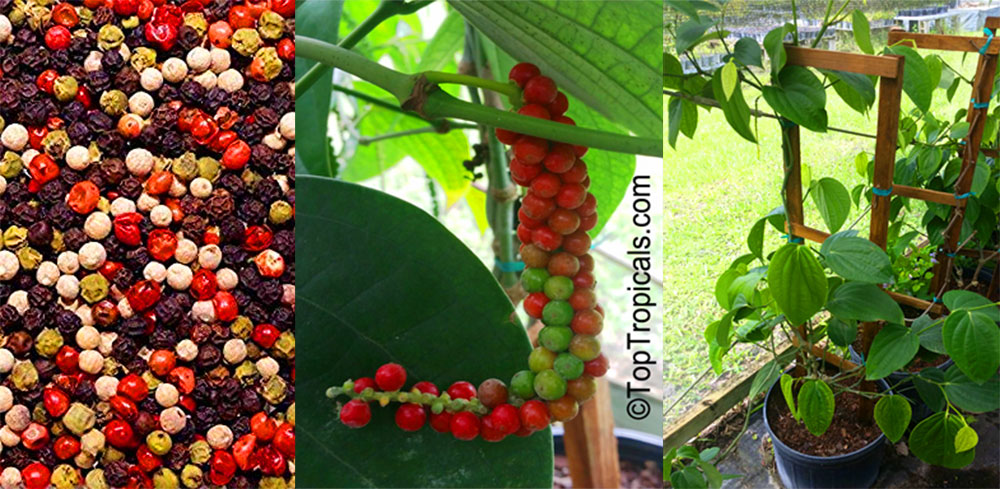
A: Who does not love the smell of freshly ground pepper, especially that lovely combination of white, green, black and red peppercorns, which are so much more interesting than just plain black corns. Yes, you can absolutely grow your own pepper! Peppercorns come from the plant Piper nigrum.

Growing Pepper Plant

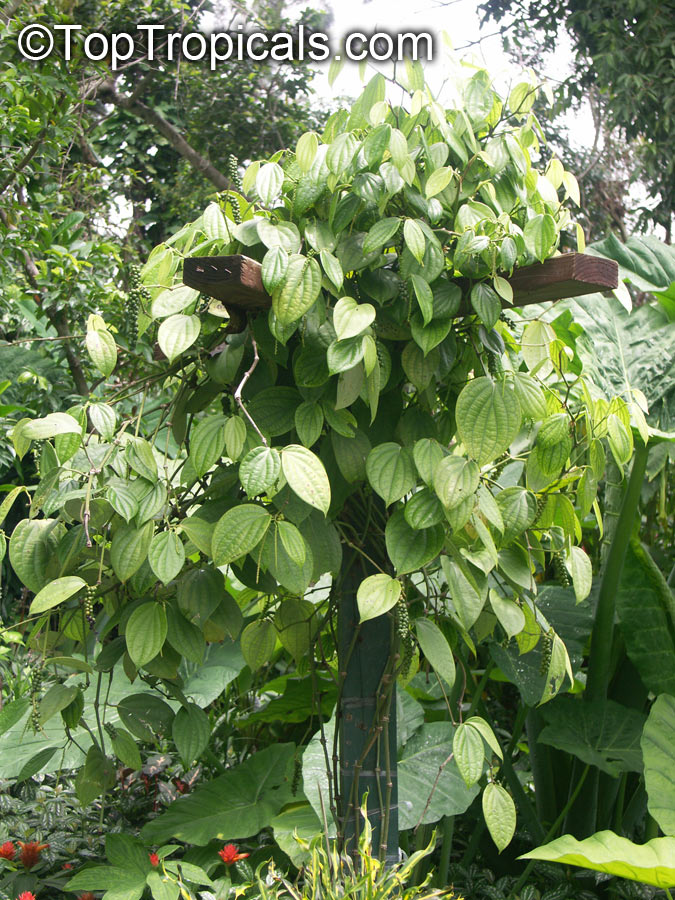
Black pepper plants are actually vigorous vines, although they are pretty slow growing and can be kept in a pot as a compact plant. But they will need a strong support to climb over. Indoors, you can provide this support by installing a trellis in a large pot. Some gardeners prefer to grow them as a hanging plant instead. In warm climates, you can plant them directly outdoors in a protected location with partial shade. These plants need rich, moist, well-draining soil and warm, humid conditions. Peppers do not like temperatures below sixty degrees, although they can survive some cold spells. It is very important to bring these plants indoors or wrap them in a blanket if colder weather arrives.
If you live in colder parts of the country, you can certainly grow peppercorns in large pots. Grow them outdoors during the summer and move them indoors during the winter, or grow them year-round in your greenhouse. Houseplants will need bright light and consistent moisture. Spray the leaves regularly with a bottle of water to increase humidity. Do not allow room temperatures to fall below sixty degrees.
Besides the benefit of being able to grow your own gourmet pepper corns, the foliage, as well as the flowers on this plant, are beautiful in its own right. Off-white flowers appear from spring through summer, followed by slow fruit production. The berries will appear on spikes, with 50 to 60 berries per spike.

Fertilize this vine in the spring before new vigorous growth emerges. We recommend:
Tropical Greenhouse Plus - Plant Booster
Tropical Allure - Smart-Release Booster

You may be surprised to learn that black, white, green and red peppercorns are all the same seed on the same plant in the various stages of development and processing.

Black peppercorns are the most familiar and come from the corns that have reached their full size but are still green and not quite ripe. They are picked and allowed to dry in the sun. Enzymes in the berries cause the skin to turn black during the drying process. They are the strongest in flavor.

White peppercorns are the mature berries that ripen to a red color before being picked. After harvesting, they are soaked and rubbed free of the outer skin down to the smooth white underlayer, then dried and bleached by the sun. They are slightly milder than black pepper.

Green peppercorns are the unripe peppercorns picked at the same stage of ripeness as black peppercorns, but not allowed to dry. They can be pickled in vinegar or brine. They are the least pungent.

Red peppercorns are the mature, but unshelled version of the peppercorn. One can usually find them in some gourmet and health food stores. They can be quite expensive.

Ground pepper will only stay fresh for about three months, but peppercorns will last indefinitely. To make the most of your pepper harvest, store the peppercorns in an airtight container in a cool, dark location. Grind them immediately before use for the best flavor.
There is nothing like freshly ground black pepper simply combined with a good quality olive oil and a splash of balsamic vinegar. This makes a wonderful dipping sauce for fresh bread. Simple, yet elegant. All the better if the pepper was grown in your very own garden!

Date: 30 Aug 2024

Save Double This Labor Day Weekend!

Happy  Labor  Day  Cat

"The fruit of your own hard work is the sweetest." - Deepika Padukone

Labor Day is the perfect time to transform your yard into a tropical paradise! Join us this weekend to find large, well-developed fruit trees and stunning flowering tropical plants, ready to add beauty to your life. Take advantage of the summer growing season and give your garden the boost it deserves. Don't miss out on these incredible plants to make your yard a true oasis!

Labor Day sale: double your savings now!

Automatically save 10% on orders over $200 (excluding S/H), and use code below for an extra 10% off! Double your savings today!

LABORDAY24

Use the code to get an extra 10% off on orders over $200 (excluding S/H). If your total after the code still exceeds $200, enjoy an additional automatic 10% discount! Exp. 9-2-24

Additional instant discount:
5% off $100-200 orders
...and more deals below - make it a steal with the code!

Date: 5 Sep 2024

10 common mistakes to avoid
with mail order plants

Cat  sleepng  on  houseplant

Q: How to get happy and healthy plants from mail order? Will they survive the trip and grow well after transportation? What mistakes should I avoid?

A: At Top Tropicals, we have over 20 years of experience shipping plants. We know how to pack them properly and ensure the safest journey possible. We ship the biggest and healthiest plants, and our customers are often amazed at how great they look after a few days in a dark box. But receiving a healthy plant is only half the adventure. Now that the plant is in your hands, it's up to you to keep it thriving. The first couple of weeks after shipping are critical. With the right care, your new plant can reward you with beautiful flowers and fruit for years to come. Here are 10 common mistakes to avoid when buying plants by mail order.

1. Not unpacking plants immediately
Leaving plants in the box too long can cause stress or damage. Unpack them as soon as they arrive to let them breathe and adjust.

2. Ignoring acclimation
Plants need time to adjust to their new environment. Don't place them in full sun or extreme conditions (heat, wind) right away.

3. Overwatering right after arrival
Many people water their new plants too much. Plants often need time to recover from transit, and too much water can cause root rot.

4. Stepping up too soon
Repotting immediately in a large pot can cause root rot. Plant in a pot just the size of a root ball, step up only after the plant is showing new growth.

5. Ignoring the plant's needs
Research the specific needs of your plant before it arrives. Light, water, and soil requirements vary greatly, and misunderstanding them can lead to issues.

6. Placing the plant in the wrong environment
It's important to give your plant the right temperature, light, and humidity based on its natural habitat. We grow tropical plants. They won't survive in areas with freezing temperatures.

7. Not trimming damaged branches.
Transit can cause minor damage to leaves or branches. Trimming these parts can help the plant recover faster.

8. Expecting immediate growth
Plants need time to adjust after the trip. Give them a chance to settle for a few weeks before expecting new growth or blooms.

9. Fertilizing too soon
Do not fertilize your plant right after arrival. Let it get established first - usually a few weeks - before adding fertilizer to avoid stressing the plant.

10. Not checking for pests
Always inspect new plants for pests. Shipping stress can lead to infestations, so a close check is vital.

By avoiding these mistakes and following the planting instructions included with your order, you'll be on the right path to creating your tropical paradise. Take care of your new plant, and it will thrive, rewarding you with vibrant growth for years to come.

Adenium  field

Date: 14 May 2025

Mark your calendars:
June 14, 2025 - Father's Day Plant Market

June  14,  2025  -  Father's  Day  Plant  Market  at  Top  Tropicals

June 14, 2025: 9 am - 4 pm

Celebrate Father's Day at Top Tropicals - June 14!
Summer is blooming - it's the perfect time to plant something meaningful.
- Kids, bring your dads and surprise them with the gift of a tree! Let them pick any tree they like and plant it together.
- Fathers, bring your kids and teach them how to connect with nature - show them how to plant a tree and grow something lasting!
Stroll through our lush gardens, meet the friendly PeopleCats, and enjoy a fun day for the whole family. Our team will help you choose the perfect plants for your space and guide you every step of the way.

Event Highlights:

30% OFF online prices (*excludes rare/15gal plants)
Free plant with any purchase
Gift bags for first 25 customers with $50+ order
Special deals on select plants
Exciting raffle prizes
Live music by the Famous Hand Pan Lady!

Don't just mow - grow!

Start your food forest, beat rising prices, and plant a future your family will thank you for.

Event discounts valid at both locations:

Ft Myers Garden Center: 13890 Orange River, Ft Myers, FL
Sebring B-Farm: 9100 McRoy Rd, Sebring, FL

Facebook event page - Download invitation

Date: 1 Nov 2025

Tropical fruits that help you sleep better

Tropical fruits that help you sleep better: Cherries, Pineapple, Banana

Tropical fruits that help you sleep better: Cherries, Pineapple, Banana

🍒 Tropical fruits that help you sleep better


🌱 Looking for a natural way to fall asleep faster? Skip the pills and head for the fruit bowl. Some tropical fruits are surprisingly rich in melatonin, the hormone that tells your body it's bedtime. According to a study referenced by New York City Nutrition, eating melatonin-rich fruits about an hour before bedtime can naturally support better sleep quality.

😴 Melatonin naturally rises at night, helping you feel sleepy and cooling your body temperature. But things like blue light from phones, jet lag, or late-night stress can throw it off. That’s where certain fruits can help - they either contain melatonin or boost your body’s ability to make it.

🍒 Cherries


Both sweet and tart cherries are sleep boosters. Tart cherry juice is especially effective because it’s concentrated - studies show it can raise melatonin levels and increase total sleep time. Just go easy on added sugar. Try pairing the juice with almonds or cheese to keep your blood sugar steady before bed.

🍍 Pineapple


In one study, people who ate pineapple had a big jump in melatonin levels just two hours later. It’s also loaded with vitamin C and enzymes that aid digestion, making it a nice evening snack. Have it with a bit of protein, like yogurt or nuts, to avoid a sugar spike.

🍌 Banana


Bananas don’t contain much melatonin on their own, but they help your body make it. They’re full of tryptophan and magnesium, both of which support serotonin and melatonin production. A banana before bed can calm muscles and nerves - no wonder it’s a favorite natural sleep aid.

✅ Bottom line


A small fruit snack in the evening - cherries, pineapple, or banana - can help your body settle into sleep mode naturally. Eat it about an hour before bed, keep screens dim, and let nature do the rest.

🛒 Grow your own fruit and sleep better

📚 Learn more:
#Food_Forest #Remedies #Discover

🟢 Join 👉 TopTropicals