Garden Blog - Top Tropicals

Date: 17 Apr 2025

Fuel Your Day Naturally: Grow Plants That Boost Your Energy
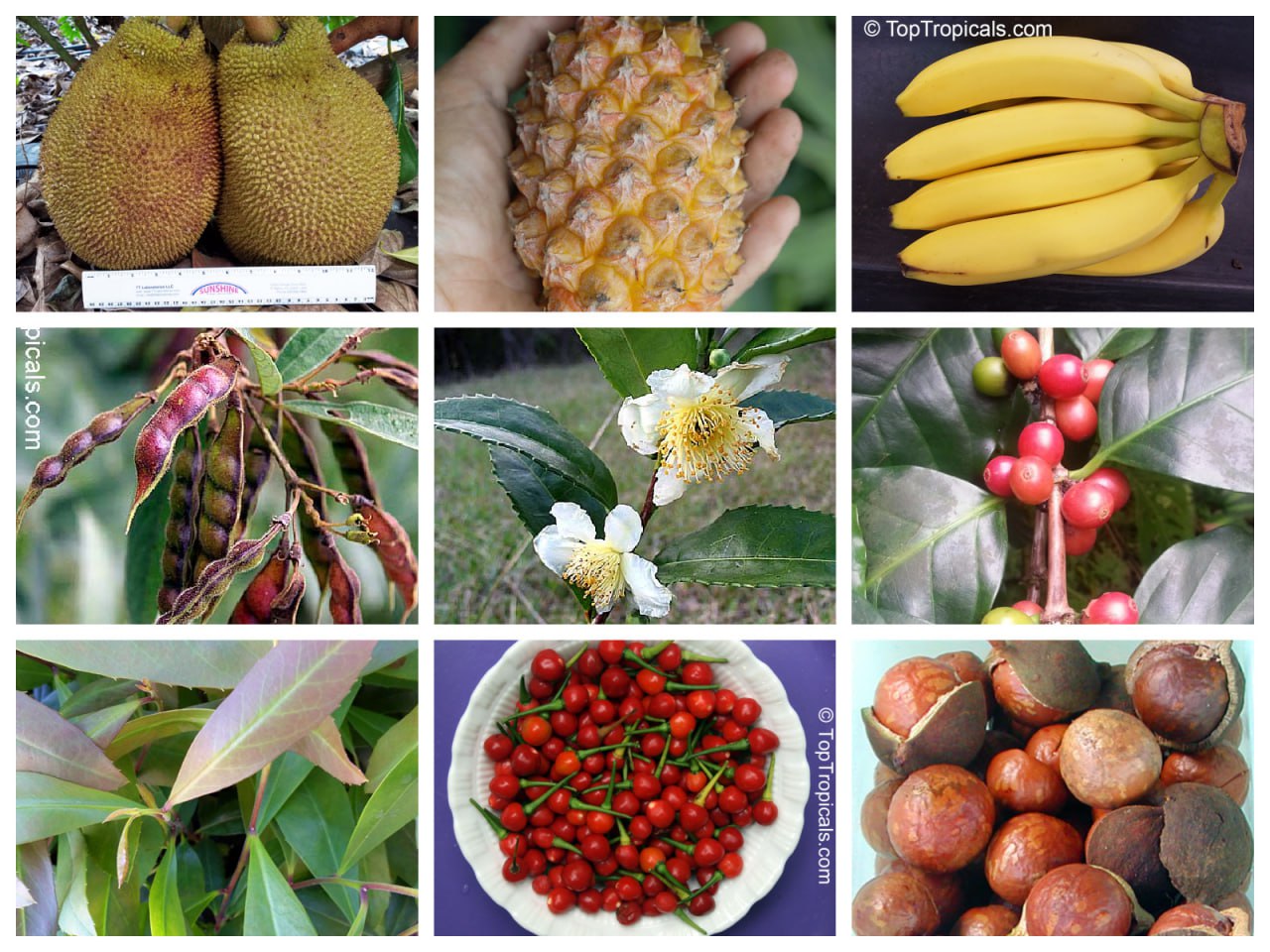
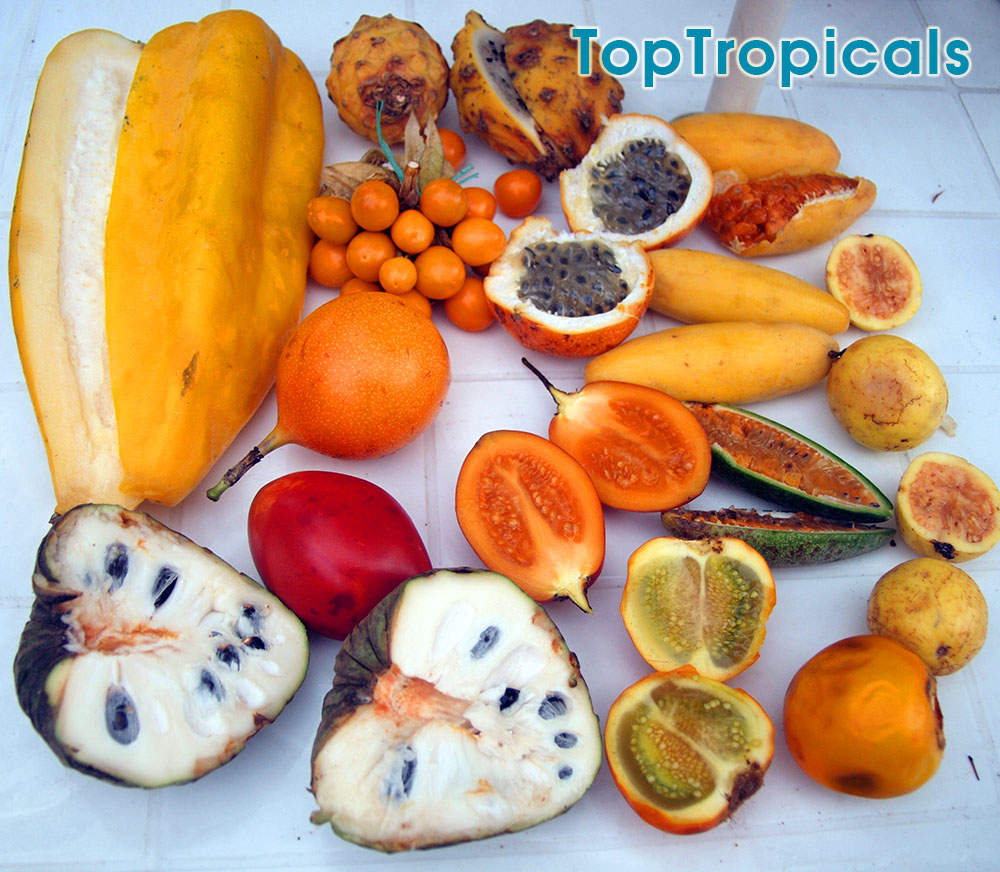
Tropical fruit that boost energy

Tropical fruit that boost energy

⚡️ Fuel Your Day Naturally: Grow Plants That Boost Your Energy


Feeling tired, sluggish, or mentally foggy? Your garden can be your energy station!
These tropical fruits and edibles are rich in Vitamin B1 (Thiamine), natural caffeine, and metabolism-enhancing compounds that help convert food into fuel, power your body, and sharpen your mind - naturally and sustainably.


⚡️ Top 9 Energy-Supporting Plants (Vitamin B1 - Thiamine):


🟡 Jackfruit - A delicious tropical source of vitamin B1, supporting energy production and nervous system function.

🟡 Pineapple - Contains thiamine, essential for turning food into usable energy.

🟡 Banana - Supplies vitamin B1 and quick-access natural sugars, ideal for an energy lift.

🟡 Pigeon Pea (Cajanus cajan) - A protein-rich edible legume packed with thiamine to aid in energy metabolism.

🟡 Camellia sinensis (Tea Plant) - Leaves used to brew green and black tea, combining caffeine with L-theanine to promote sustained mental energy.

🟡 Coffee - One of nature's most famous energy boosters - grown from a beautiful tropical tree.

🟡 Yerba Mate - A South American favorite for mental clarity and physical stamina - with natural caffeine and nutrients.

🟡 Wiri wiri and Biquinho Peppers - These fiery little peppers are rich in capsaicin, which may help boost metabolism, burn fat, and enhance overall energy levels.

🟡 Macadamia Nut - Loaded with thiamine (B1) and healthy fats that support nervous system function and long-lasting energy.

📚 Learn more about health benefits of tropical plants:


TROPICAL FRUIT HEALTH BENEFITS GUIDE - Part 1 and Part 2

🛒 Shop Energy-Boosting Plants for Natural Energy

#Food_Forest #Discover #Remedies #Bananas

🔴 Join 👉 TopTropicals
Date: 3 Aug 2022

Grow your own food:
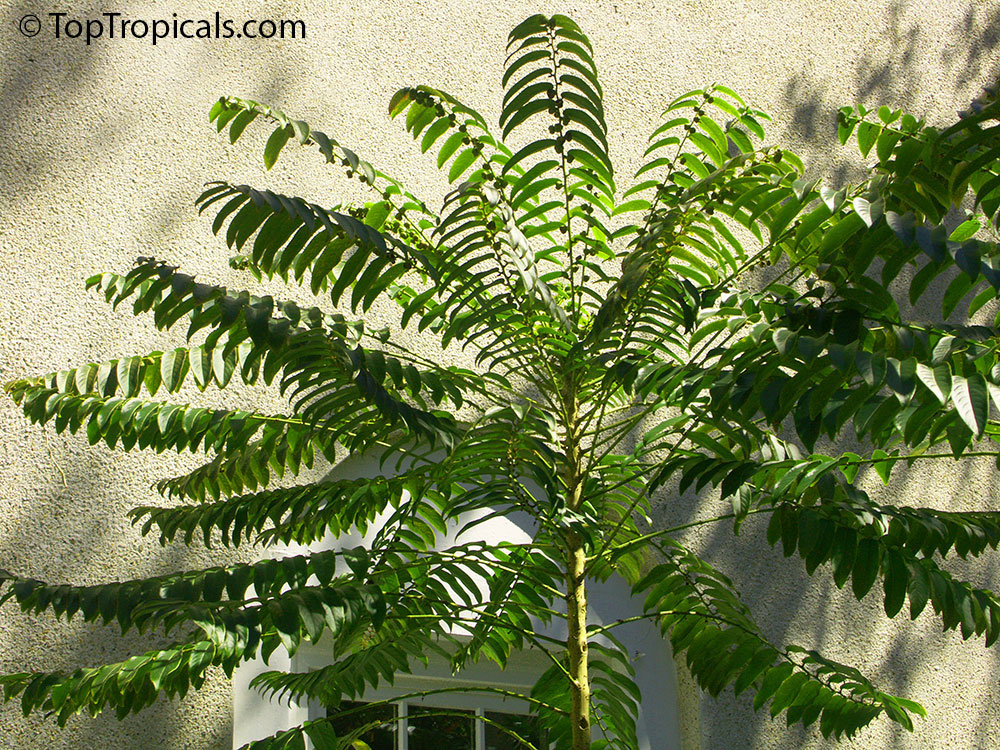
Tropical Asparagus (Katuk)

By Alex Butova, the Witch of Herbs and Cats

Sauropus  androgynous  -  Tropical  Asparagus,  Katuk

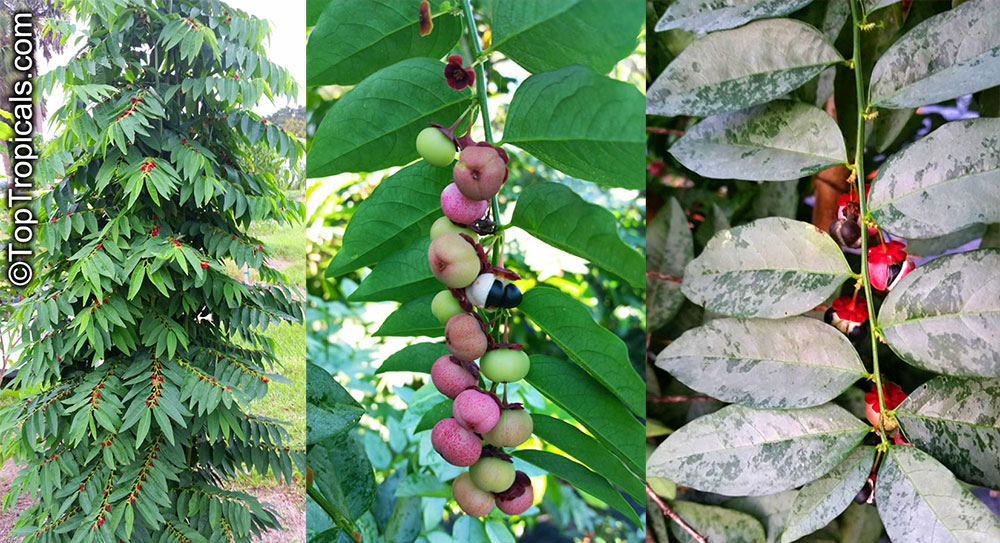
...One of the most popular leaf vegetables in South Asia and Southeast Asia, the Tropical Asparagus (Katuk) - Sauropus androgynus, is notable for its high yields and palatability. Cooked Tropical Asparagus is great with crab meat, minced pork, dried shrimp, or in a soup...
Katuk is one of the most popular leaf vegetables in Southeast Asia. It is among only a few flora containing vitamin K. Leaves and stemmed can be cooked as vegetable; the plant has many medicinal properties.
Katuk is fast growing and keeps growing as you trim it for your kitchen needs. Multiple upright stems can reach 6-7 ft high. It has great ornamental value, has pretty red flowers and ornamental fruit showing shiny black seeds when they crack open. Varieties with green leaves and variegated leaves have slightly different flavor but are equally good for your healthy, fiber-rich diet... CONTINUE READING >>

Sauropus  androgynous  -  Tropical  Asparagus,  Katuk

Date: 22 Aug 2021

Tropical analogies of non-tropicals

By Kristi, the Florida girl...

...When I first started working at Top Tropicals eight years ago I knew nothing about plants. I didn't even know which ones I liked. Over the first few months I took in information on plants like I was a starving kitten who had just gotten its first meal in weeks...

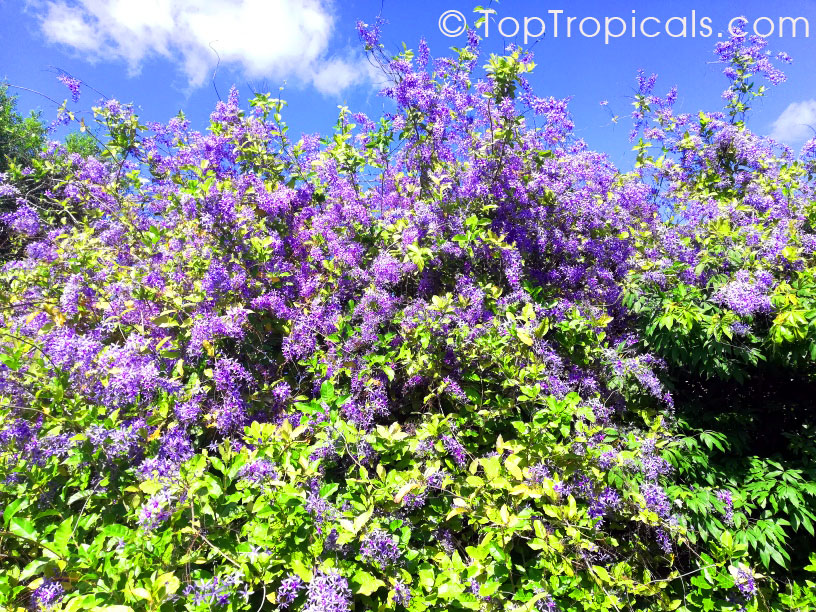
...What I started to notice was that the plants I tended to gravitate to were more cold weather plants. Plants that couldn't be grown in the hot summers in Florida, and vines. Seemed like everything I set my sites on was a large vine or couldn't grow in the heat...

...Many of our local customers are from up North as well and are used to these colder weather plants too. This got me thinking, I wonder how many of these people are missing the plants they grew up knowing and loving. I know there are at least a few from the conversations I have had with some of you at the nursery. So, I decided to make a list of a few of the plants that will grow here that are similar but not the same and, in some instances, even better!..

CONTINUE READING >>

Date: 29 Jul 2019

When to fertilize and prune tropical fruit trees?

Q: Can tropical fruit trees (Soursop, Mango, Star fruit, etc) be given plant food any time of year? Also can they be trimmed this time of year/summer?

A: True tropical plants (including fruit trees) need plant food most of the year in real Tropics, where temperatures have very little fluctuations, and active growth season is close to 12 months a year. In subtropical areas when temperatures in winter drop below 65F, plant metabolism slows down, so it is recommended to fertilize only during the warmest period (March through November). So yes, Summer is the perfect time for fertilizing your trees; their metabolism is at the highest point and they can use more food!

Trim your fruit trees right after harvesting. Obviously, you don't want to prune branches before or during flowering or fruiting. The specific time of the year for pruning depends on the plant - every tree has its own flowering/fruiting season. However, avoid pruning right before winter: young shoots promoted by pruning are tender and can be cold damaged.

Recommended fertilizers for fruit trees:

Fruit Festival Plant Food - Super Crop Booster
Mango-Food - Smart Release Fruit Tree Booster
SUNSHINE-Honey - for sweeter fruit
SUNSHINE SuperFood - microelement supplement

Date: 6 Dec 2018

Seven rules of cold protection for tropicals

TopTropicals.com

Q: I was always wondering how you guys manage to grow true tropical trees in Florida? I live in Puerto Rico and we have Breadfruit trees growing here in a wild... but my sister lives not far away from you, in Orlando, which is much colder, and I wonder if I can get her a Breadfruit tree for Christmas?

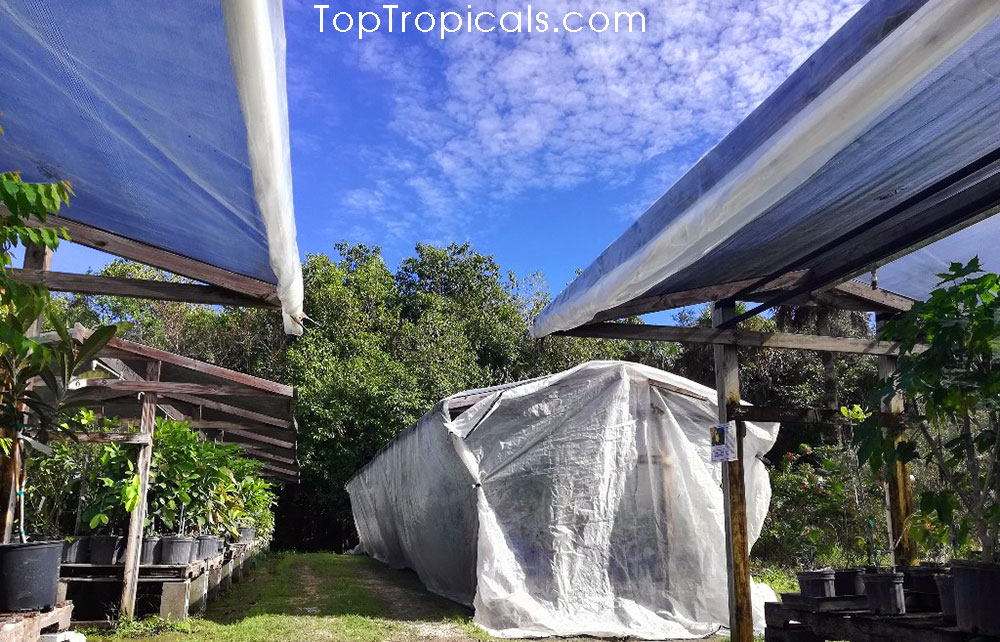
A: Your sister can grow a Breadfruit tree in Orlando either in a pot (and bring it indoors during cold periods) or in the ground inside a structure (an elclosed conservatory with heating system). See our customer's Greenhouse in Virginia. Cold protection of tropical plants is a lengthy subject and we have many interesting publications about it in our managine Tropical Treasures and on the website. In a nutshell, when growing tropicals outside of tropical climate, you need to follow these 7 rules:
1. Cut watering to a minimum. Cold+wet kills tropical roots.
2. Water thirsty plants before a cold night. Jucy leaves have fewer chances to be cold-zapped.
3. Wind protection is more important than a temperature drop. Plant tropicals close to a house or surrounded by other trees.
4. Duration of a cold period is more critical than the cold itself. If expecting long cold hours, bring up all available protection resources. Christmas lights or propane heaters - as long as there is a heat source, everything helps!
5. Remove plastic covers during the daytime so plants don't get "cooked" in the sun. Fabric covers are better than plastic.
6. Grow ultra-tropicals in containers and bring them inside the garage or even indoors during the cold.
7. Use SUNSHINE plant boosters and feed your plants well during Summer to improve cold hardiness.

Related topics:
About Cold Protection
Cold protection - winter action for your plant collection
Improving cold hardiness before winter: fertilizer and micro-elements
Cold hardy tropical fruit trees