Garden Blog - Top Tropicals

Date: 4 Feb 2026

Top nine plants of love, desire, and the senses: aphrodisiacs and sensory connections

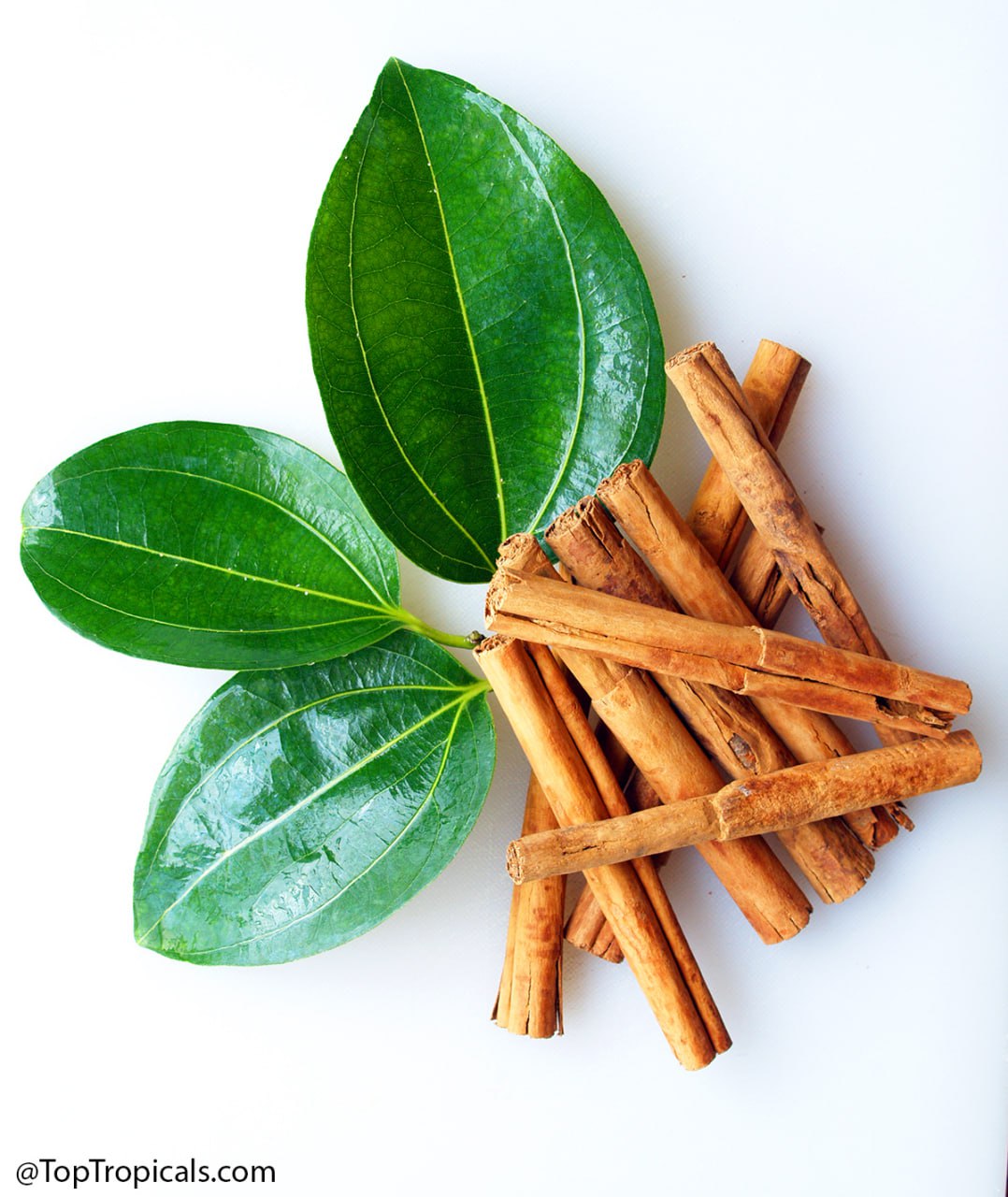
Cinnamon (Cinnamomum zeylanicum)

Cinnamon (Cinnamomum zeylanicum)

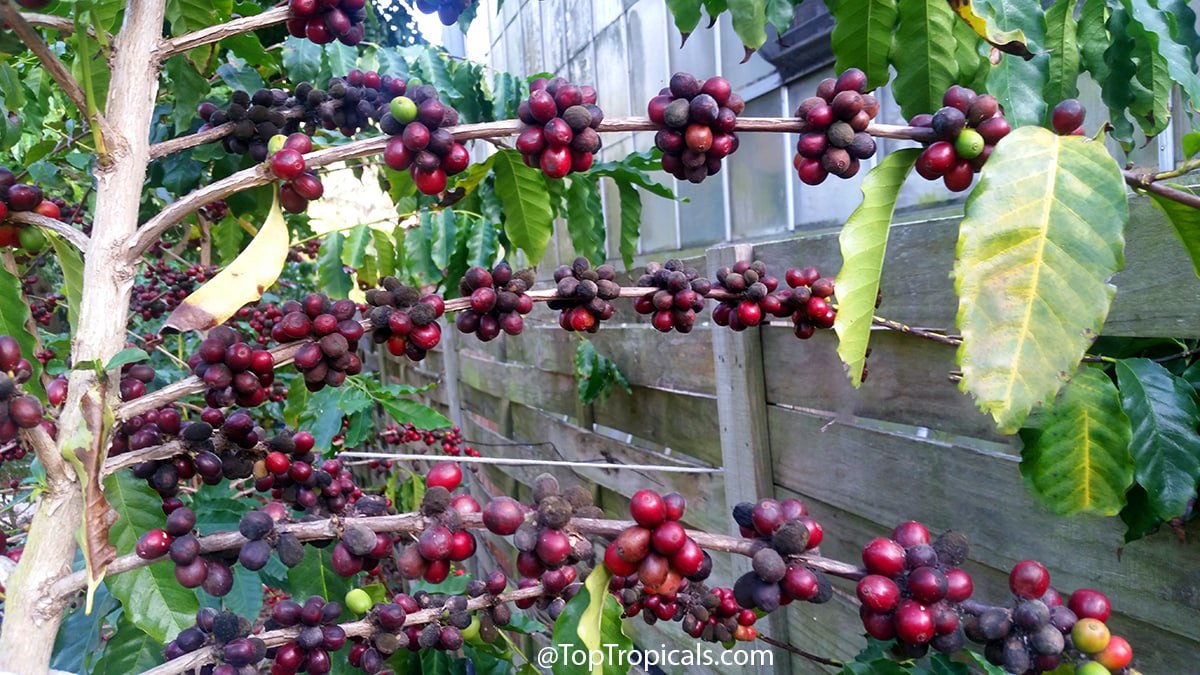
Coffee - Coffea arabica

Coffee - Coffea arabica

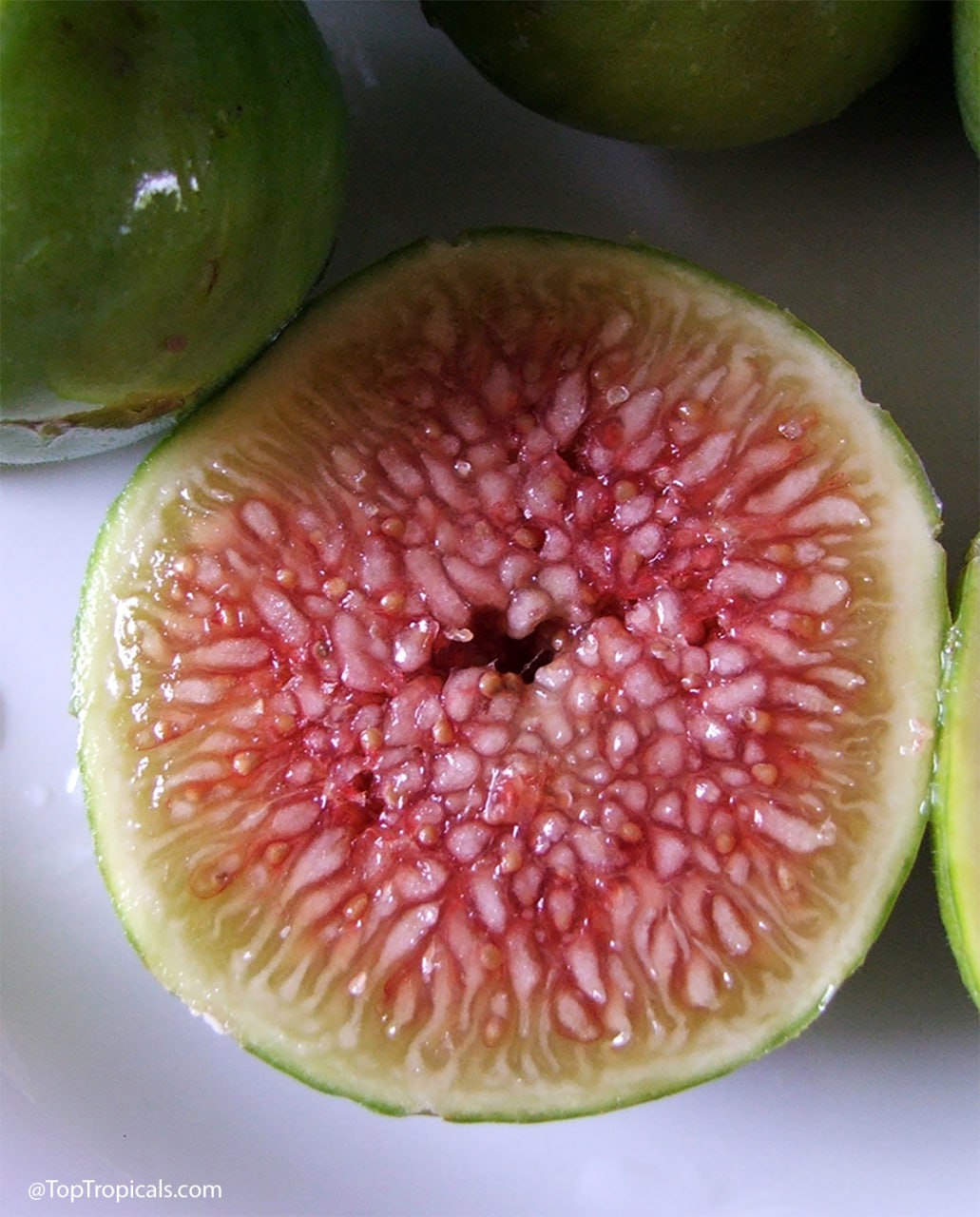
Fig tree fruit (Ficus carica)

Fig tree fruit (Ficus carica)

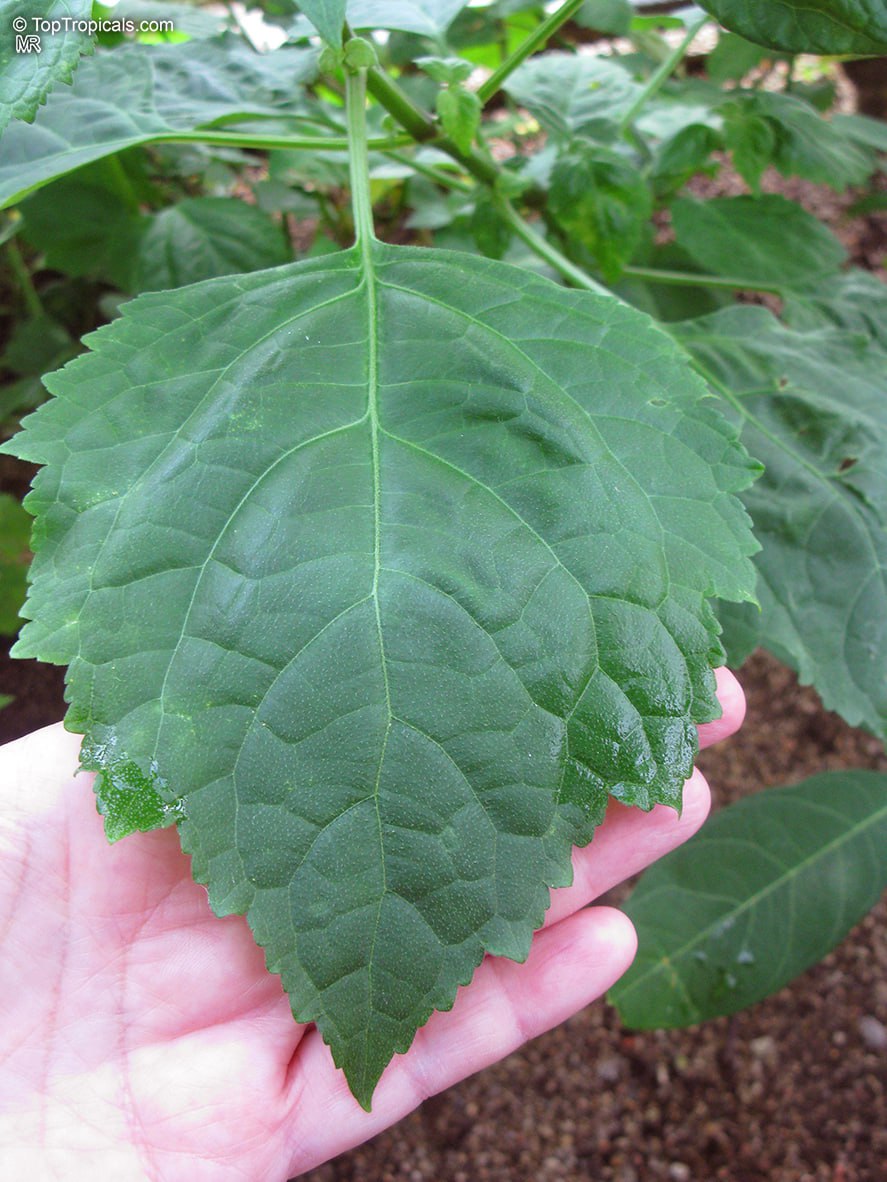
Patchouli - Pogostemon cablin

Patchouli - Pogostemon cablin

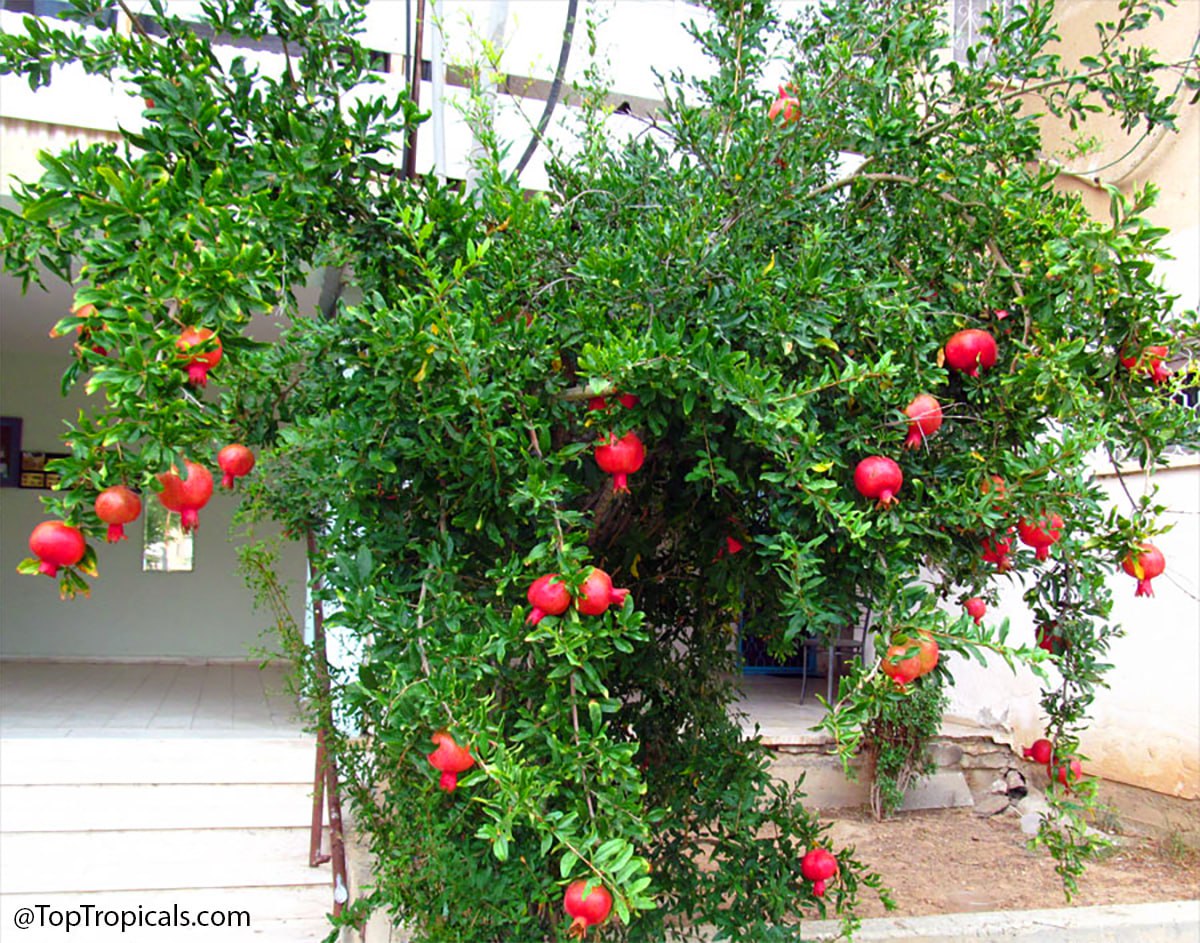
Pomegranate (Punica granatum)

Pomegranate (Punica granatum)

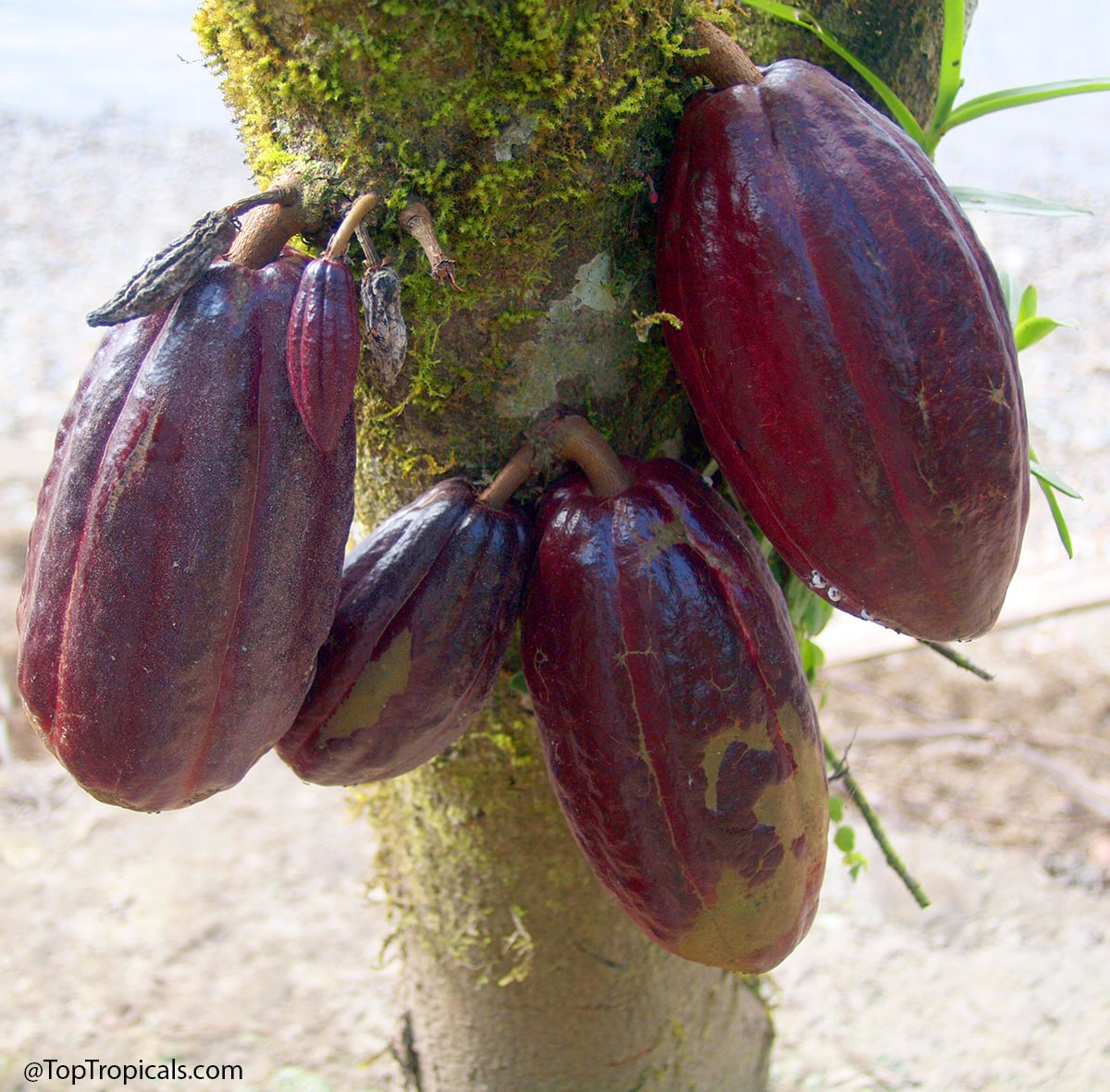
Cacao - Chocolate Tree (Theobroma cacao)

Cacao - Chocolate Tree (Theobroma cacao)

💖 Top nine plants of love, desire, and the senses: aphrodisiacs and sensory connections


Across cultures, love has also been expressed through taste, scent, warmth, and shared ritual. These tropical plants were valued not just for beauty, but for how they awaken the body and deepen connection.

💘 1. Cacao


Cacao - Chocolate Tree (Theobroma cacao) - has one of the strongest global associations with love. Revered by the Aztecs as a “food of the gods”, it was consumed to increase desire and emotional bonding. Chocolate contains compounds linked to feelings of pleasure and infatuation, making cacao a natural Valentine symbol.

Chocolate Tree Plant Facts

Botanical name: Theobroma cacao
Also known as: Chocolate Tree, Cacao, Cocoa Tree
USDA Zone: 10 - 11
Highligths Large shrub 5-10 ft tallSmall tree 10-20 ftSemi-shadeFull sunWatering: Regular. Let topsoil dry slightlyYellow, orange flowersWhite, off-white flowersPink flowersEdible plantEthnomedical plant.
Plants marked as ethnomedical and/or described as medicinal, are not offered as medicine but rather as ornamentals or plant collectibles.
Ethnomedical statements / products have not been evaluated by the FDA and are not intended to diagnose, treat, cure, or prevent any disease. We urge all customers to consult a physician before using any supplements, herbals or medicines advertised here or elsewhere.
Get personalized tips for your region

👉 Chocolate Tree gift

💘 2. Vanilla Orchid


Vanilla (Vanilla planifolia) is both an orchid and one of the most sensual plant aromas known. Historically paired with cacao in love remedies, vanilla represents intimacy, warmth, and attraction. Its fragrance alone carries powerful emotional associations.

Madagascar Bourbon Vanilla Bean Plant Facts

Botanical name: Vanilla planifolia, Vanilla fragrans
Also known as: Madagascar Bourbon Vanilla Bean, French Vanilla, Vanilla Orchid
USDA Zone: 9 - 11
Highligths Vine or creeper plantSemi-shadeWatering: Regular. Let topsoil dry slightlyYellow, orange flowersEdible plantSpice or herb plantFragrant plantSubtropical plant. Mature plant cold hardy at least to 30s F for a short time
Get personalized tips for your region

👉 Vanilla orchid gift

💘 3. Ginger


Ginger symbolizes heat, vitality, and passion. Used worldwide to stimulate circulation and warm the body, it represents spark, chemistry, and physical energy.
👉 Ginger gift

💘 4. Cinnamon


Cinnamon (Cinnamomum zeylanicum) has long been associated with attraction and stimulation. Its warm, lingering aroma makes it a classic plant of desire, comfort, and emotional warmth.

Cinnamon Plant Facts

Botanical name: Cinnamomum zeylanicum, Cinnamomum verum
Also known as: Cinnamon
USDA Zone: 9 - 11
Highligths Large shrub 5-10 ft tallSmall tree 10-20 ftFull sunWatering: Regular. Let topsoil dry slightlyOrnamental foliageEdible plantSpice or herb plantEthnomedical plant.
Plants marked as ethnomedical and/or described as medicinal, are not offered as medicine but rather as ornamentals or plant collectibles.
Ethnomedical statements / products have not been evaluated by the FDA and are not intended to diagnose, treat, cure, or prevent any disease. We urge all customers to consult a physician before using any supplements, herbals or medicines advertised here or elsewhere.Fragrant plantSubtropical plant. Mature plant cold hardy at least to 30s F for a short timeFlood tolerant plant
Get personalized tips for your region

👉 Cinnamon gift

💘 5. Pomegranate


Pomegranate (Punica granatum) has long symbolized love, fertility, and union, with its many ruby-red seeds representing abundance and deep connection. In ancient traditions, it was linked to goddesses of love and marriage and remains a symbol of passion balanced by continuity and commitment.

Pomegranate Plant Facts

Botanical name: Punica granatum
Also known as: Pomegranate, Granada, Grenade, Pomegranate, Granada, Anar, Granaatappel, Pomo Granato, Romeira, Melo Grano
USDA Zone: 8 - 11
Highligths Large shrub 5-10 ft tallSmall tree 10-20 ftFull sunWatering: Moderate. Water when top soil feels dryRed, crimson, vinous flowersThorny or spinyEdible plantDeciduous plantEthnomedical plant.
Plants marked as ethnomedical and/or described as medicinal, are not offered as medicine but rather as ornamentals or plant collectibles.
Ethnomedical statements / products have not been evaluated by the FDA and are not intended to diagnose, treat, cure, or prevent any disease. We urge all customers to consult a physician before using any supplements, herbals or medicines advertised here or elsewhere.Subtropical plant. Mature plant cold hardy at least to 30s F for a short timeSeaside, salt tolerant plant
Get personalized tips for your region

👉 Pomegranate gift

💘 6. Coffee


Coffee (Coffea arabica) represents connection through shared ritual. Sacred to African Sufis for its stimulating properties, coffee symbolizes conversation, alertness, and social bonding rather than purely romantic love.

Coffee Plant Facts

Botanical name: Coffea arabica
Also known as: Coffee
USDA Zone: 9 - 11
Highligths Large shrub 5-10 ft tallSmall tree 10-20 ftSemi-shadeShadeKeep soil moistWhite, off-white flowersEdible plantEthnomedical plant.
Plants marked as ethnomedical and/or described as medicinal, are not offered as medicine but rather as ornamentals or plant collectibles.
Ethnomedical statements / products have not been evaluated by the FDA and are not intended to diagnose, treat, cure, or prevent any disease. We urge all customers to consult a physician before using any supplements, herbals or medicines advertised here or elsewhere.Fragrant plantSubtropical plant. Mature plant cold hardy at least to 30s F for a short time
Get personalized tips for your region

👉 Coffee tree gift

💘 7. Fig Tree


Figs (Ficus carica) have ancient associations with fertility, sensuality, and indulgence. Their voluptuous form, sweet flesh, and rich texture made them symbols of desire and abundance in many cultures.

Fig Tree Plant Facts

Botanical name: Ficus carica
Also known as: Fig Tree, Brevo
USDA Zone: 7 - 10
Highligths Plant used for bonsaiSmall tree 10-20 ftFull sunWatering: Moderate. Water when top soil feels dryOrnamental foliageEdible plantDeciduous plantSubtropical plant. Mature plant cold hardy at least to 30s F for a short timeFlood tolerant plantSeaside, salt tolerant plant
Get personalized tips for your region

👉 Fig tree gift

💘 8. Betel Leaf and Betel Nut


Betel Leaf (Piper betle) is a powerful symbol of love, respect, and partnership across South and Southeast Asia. It is exchanged in courtship, weddings, and ceremonies, representing acceptance and shared experience. Its heart-shaped leaves reinforce its Valentine symbolism.
Betel nut (Areca catechu) - traditionally used as a stimulant and aphrodisiac, betel nut represents intensity, ritual, and sensory awakening. In this context, it is best presented as a cultural symbol rather than a casual love plant.

Betel Leaf Plant Facts

Botanical name: Piper betle
Also known as: Betel Leaf
USDA Zone: 9 - 11
Highligths Vine or creeper plantSemi-shadeShadeFull sunWatering: Moderate. Water when top soil feels dryOrnamental foliageSpice or herb plantEthnomedical plant.
Plants marked as ethnomedical and/or described as medicinal, are not offered as medicine but rather as ornamentals or plant collectibles.
Ethnomedical statements / products have not been evaluated by the FDA and are not intended to diagnose, treat, cure, or prevent any disease. We urge all customers to consult a physician before using any supplements, herbals or medicines advertised here or elsewhere.Subtropical plant. Mature plant cold hardy at least to 30s F for a short time
Get personalized tips for your region

👉 Betel gift

💘 9. Patchouli


Patchouli (Pogostemon cablin) represents deep attraction and emotional grounding. Its earthy, musky scent has long been associated with intimacy and physical presence. Unlike sweet florals, patchouli symbolizes mature, rooted love that lingers.

Patchouli Plant Facts

Botanical name: Pogostemon cablin, Pogostemon patchouli, Pogostemon heyneanous
Also known as: Patchouli, Pucha-pat
USDA Zone: 9 - 11
Highligths Groundcover and low-growing 2ft plantSmall plant 2-5 ftSemi-shadeFull sunWatering: Moderate. Water when top soil feels dryWatering: Regular. Let topsoil dry slightlyOrnamental foliageSpice or herb plantEthnomedical plant.
Plants marked as ethnomedical and/or described as medicinal, are not offered as medicine but rather as ornamentals or plant collectibles.
Ethnomedical statements / products have not been evaluated by the FDA and are not intended to diagnose, treat, cure, or prevent any disease. We urge all customers to consult a physician before using any supplements, herbals or medicines advertised here or elsewhere.Fragrant plant
Get personalized tips for your region

👉 Patchouli gift

🛒 Explore gift plants
🎁 Get a Gift Card

📚 Learn more:


Valentines day Best Gift Plant Ideas
Cacao: fruit of Money and Love
How to plant vanilla orchid
Most interesting edible gingers
Plants of Love: Aphrodisiacs of the plant world
How to increase libido?
How to Grow Your Own Cinnamon Tree
Healing drops of blood: why Pomegranate is a superfood
Don't drink your coffee until you see this!
The fruit tree that every garden must have: Figs
How to grow your own Pepper plants. Five most valuable Pipers
How to grow Patchouli indoors
Valentine’s plants from around the world that symbolize love, connection, and appreciation
Eight favorite plants of romance, affection, and emotional connection
Four popular plants of friendship, appreciation, and shared connection

🎥 Secret Sex Life of Vanilla Orchid: how to produce your own vanilla

#Shade_Garden #Container_Garden

🟢 Join 👉 TopTropicals

Date: 28 Jan 2026

Moonlight Cactus, the Night Blooming Wonder with a mystical twist: Epiphyllum oxypetalum FAQ

Epiphyllum oxypetalum, Queen of the Night

Epiphyllum oxypetalum, Queen of the Night

Epiphyllum oxypetalum, Queen of the Night, Night-Blooming Cereus, flower close up

Epiphyllum oxypetalum, Queen of the Night, Night-Blooming Cereus, flower close up

Epiphyllum oxypetalum, Queen of the Night, Night-Blooming Cereus, flower

Epiphyllum oxypetalum, Queen of the Night, Night-Blooming Cereus, flower

Epiphyllum oxypetalum, Queen of the Night flower center

Epiphyllum oxypetalum, Queen of the Night flower center

Epiphyllum oxypetalum, Queen of the Night flower with highlight

Epiphyllum oxypetalum, Queen of the Night flower with highlight

Epiphyllum oxypetalum, Queen of the Night flower with highlight

Epiphyllum oxypetalum, Queen of the Night flower with highlight

🔮 Moonlight Cactus, the Night Blooming Wonder with a mystical twist: Epiphyllum oxypetalum FAQ


🌙 Epiphyllum oxypetalum, also known as Queen of the Night or Night-Blooming Cereus, is a tropical epiphytic cactus famous for its huge, fragrant white flowers that open only at night. The blooms usually last just one night, often opening after sunset and closing by morning, which is why it has such a mystical reputation. The plant itself has long, flat, leaf-like stems and is often grown in hanging baskets or trained to climb. It is easy to grow, prefers bright filtered light, and rewards patience with one of the most dramatic blooms in the plant world.

Belle de Nuit Plant Facts

Botanical name: Epiphyllum oxypetalum
Also known as: Belle de Nuit, Lady of the Night, Queen of the Night, Night blooming Cereus, Dutchman's Pipe
USDA Zone: 9 - 11
Highligths Large shrub 5-10 ft tallSemi-shadeShadeWatering: Moderate. Water when top soil feels dryWatering: Regular. Let topsoil dry slightlyEpiphyte plantWhite, off-white flowersPink flowersPlant attracts butterflies, hummingbirdsFragrant plantSubtropical plant. Mature plant cold hardy at least to 30s F for a short time
Get personalized tips for your region


🎆 Why is it called Queen of the Night?


Because it produces large, fragrant white flowers that open only at night. The blooms usually open after sunset and close by morning.

🎆 How often does it bloom?


Usually once or a few times a year, often in late spring or summer. Blooms are short-lived but unforgettable.

🎆 Is it really a cactus?


Yes, but it is a tropical epiphytic cactus. It grows more like an orchid or jungle plant than a desert cactus.

🎆 Does it need full sun?


No. It prefers bright, filtered light or partial shade. Direct hot sun can scorch the stems.

🎆 Can it be grown indoors?


Yes. It does very well indoors near a bright window or outdoors in warm, shaded areas.

🎆 Does it need a lot of water?


More than desert cacti, but not soggy soil. Water when the top layer of soil dries out.

🎆 Can it grow in a pot or hanging basket?


Yes. It is commonly grown in containers, hanging baskets, or trained to climb on a support.

🎆 Is it rare?


Mature blooming plants are highly valued because flowering takes patience and good care.

🛒 Add Moonlight Queen of the Night to your exotic plant collection

Collect epiphytic jungle cacti:
· Epiphyllum oxypetalum - Queen of the Night
· Pseudorhipsalis (Wittia) amazonica - Blue Flame
· Epiphyllum guatemalense Monstrosa - Orchid Cactus, Curly Locks
· Disocactus ackermanni - Red Orchid Jungle Cactus

📚 Learn more:


Epiphyllum oxypetalum - Queen of the Night Cactus in Plant Encyclopedia
Does Queen of the Night bloom only one night out of the year?
Weird cactus looks like pasta with Dragon Fruit
This giant red stared right back at me
Red Orchid Cactus puts out the biggest bloom show
Pseudorhipsalis (Wittia) amazonica - Blue Flamу Jungle Cactus
Epiphyllum guatemalense Monstrosa - Orchid Cactus, Curly Locks

#Container_Garden #Shade_Garden #Nature_Wonders

🟢 Join 👉 TopTropicals

Date: 23 Sep 2025

8 best flowering trees that will bloom for you in Winter

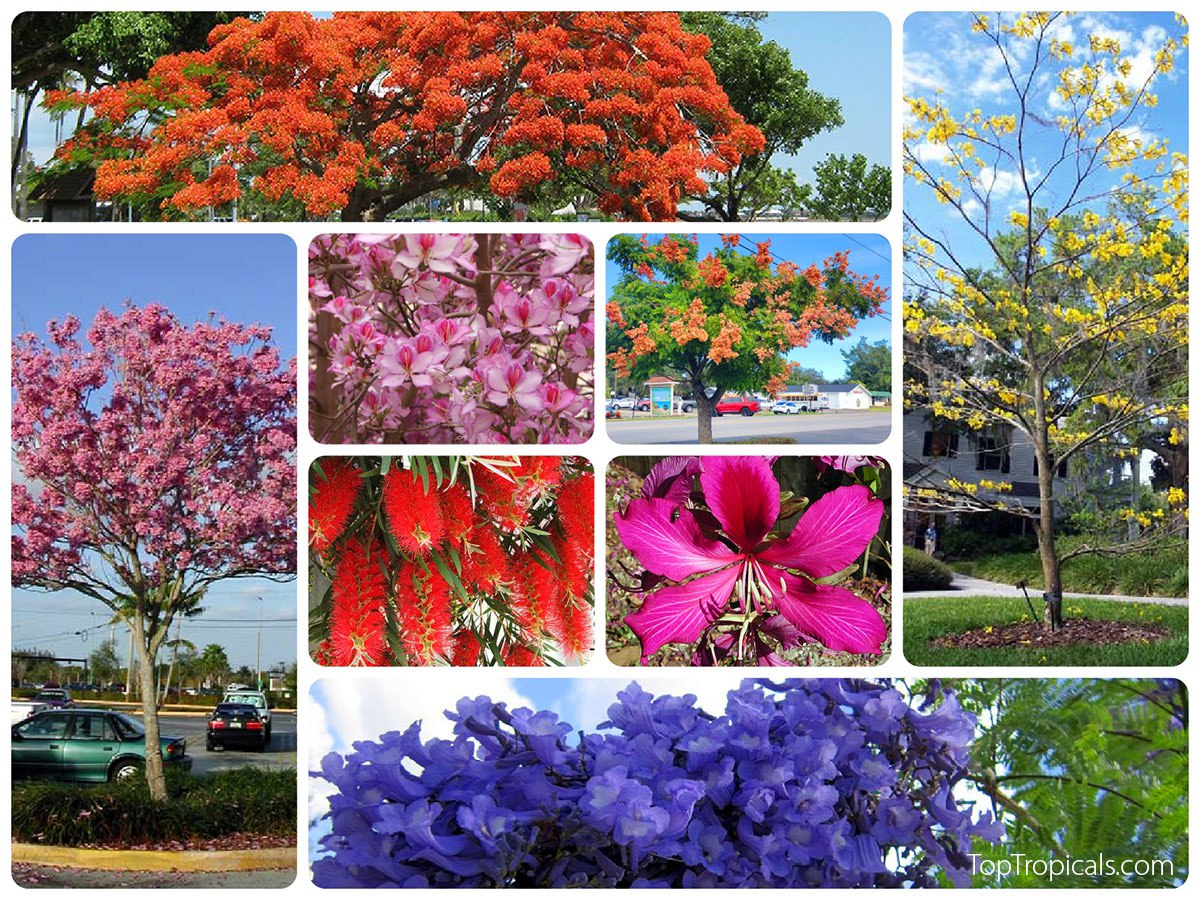
Royal poinciana - Flamboyant tree, Delonix regia (top)
Tabebuia impetiginosa - Dwarf Pink Tabebuia (left)
Tabebuia chrysotricha - Dwarf Golden Tabebuia (right)
Bauhinia variegata - Pink Butterfly Orchid Tree (center top left)
Koelreuteria paniculata

Royal poinciana - Flamboyant tree, Delonix regia (top) Tabebuia impetiginosa - Dwarf Pink Tabebuia (left) Tabebuia chrysotricha - Dwarf Golden Tabebuia (right) Bauhinia variegata - Pink Butterfly Orchid Tree (center top left) Koelreuteria paniculata - Golden Rain Tree (center top right) Callistemon citrinus - Weeping Red Bottlebrush (center bottom left) Bauhinia blakeana - Hong Kong Orchid Tree (center bottom right) Jacaranda mimosifolia (acutifolia) (bottom)

💐 8 best flowering trees that will bloom for you in Winter


📸 Pictures for the previous post:


Royal poinciana - Flamboyant tree, Delonix regia (top)
Tabebuia impetiginosa - Dwarf Pink Tabebuia (left)
Tabebuia chrysotricha - Dwarf Golden Tabebuia (right)
Bauhinia variegata - Pink Butterfly Orchid Tree (center top left)
Koelreuteria paniculata - Golden Rain Tree (center top right)
Callistemon citrinus - Weeping Red Bottlebrush (center bottom left)
Bauhinia blakeana - Hong Kong Orchid Tree (center bottom right)
Jacaranda mimosifolia (acutifolia) (bottom)

🛒 Plant a tree now for winter flowers

#Trees #Discover

🟢 Join 👉 TopTropicals

Date: 29 Jan 2020

Meet People of TopTropicals. Pea Cock of the Day: the Orchid Guard

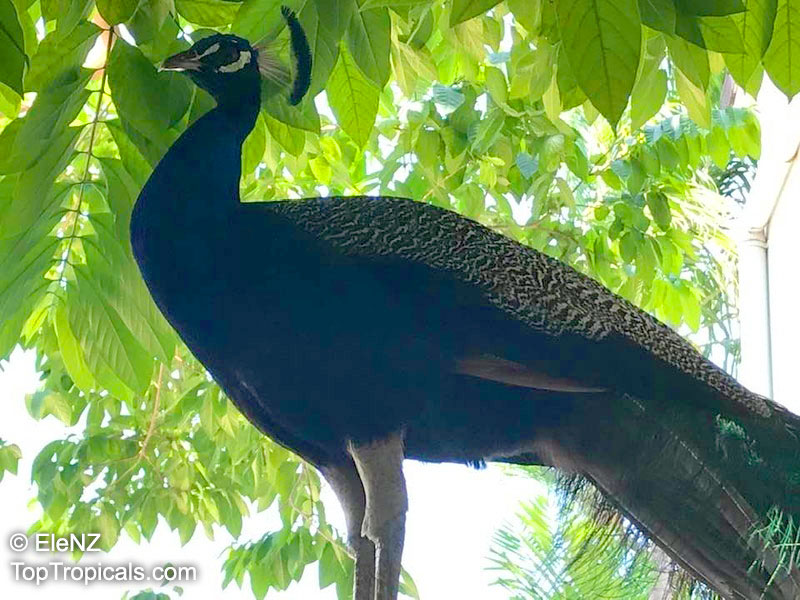
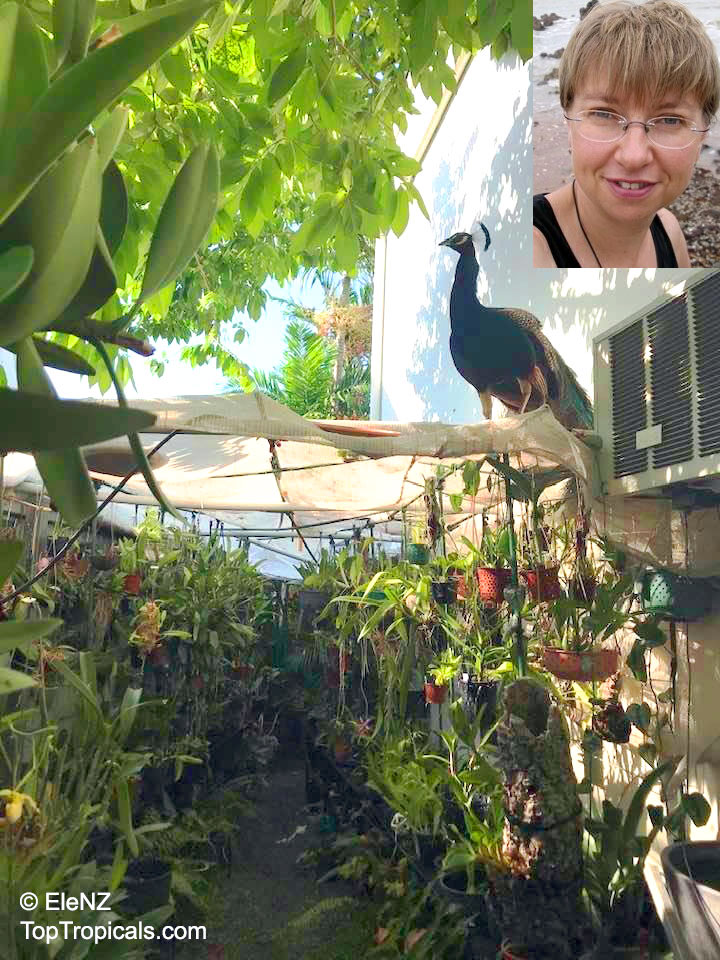
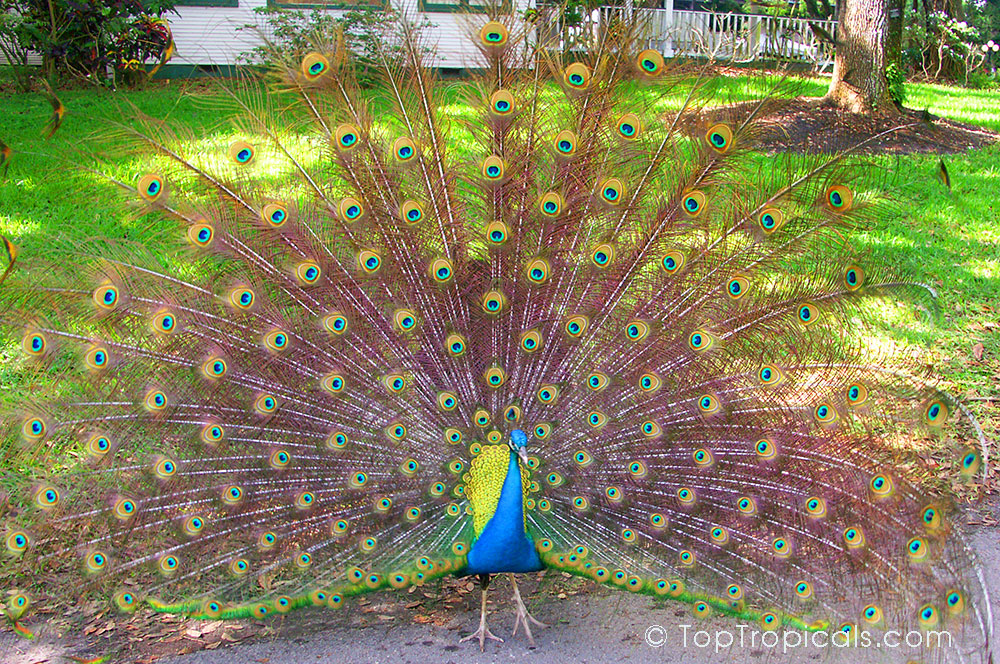
Recently we started to reveal the secret about who works behind the scenes on TopTropicals project; you have already met our editors and their assistants: Marina with Tilda, and Alex with Sonya. Today's story is about a Magic Peacock who works in orchid greenhouse of Eleanor Wilks - our photographer and tropical plant journalist in New Zealand and Australia. The watermark EleNZ you see on pictures of Australian flora - is Eleanor's!
Today Eleanor is sharing with us pictures of this amazing bird that helps her around her Orchidarium.
This young Pea Cock showed up one day in her backyard from nowhere and set up his living quarters in a tree. She asked around: no one was missing a peacock... so she took the Pea in and now he is in charge of her orchid collection. After a day of a hard work, Pea comes home to the back porch, waiting for Eleanor to sing him a good-night lullaby. Pea won't go to sleep until everyone in the house is ready for bed and the lights turned off. What a responsible house guard!

Check out and more Cat of the Day stories.

Date: 15 May 2025

Which epiphytic cactus puts out the biggest bloom show

Disocactus ackermanni - Red Orchid Cactus

❤️ Which epiphytic cactus puts out the biggest bloom show


🌺 Disocactus ackermanni, also called the Red Orchid Cactus, puts on a jaw-dropping show with huge, blazing red flowers that can reach 6 inches wide! It's a cactus that acts nothing like one - and then bursts out in flowers the size of your hand!

🌺 It blooms from Spring through Summer and steals the spotlight every time. The plant grows like a lush, green fern with flat stems that drape and cascade like a living chandelier.

🌺 It may be a cactus, but it loves water and shade - more diva than desert. Native to the tropical forests of Mexico, this epiphyte thrives in a hanging basket and turns heads wherever it grows.

🌺 Why collectors search for it? Because it's rare, eye-catching, and just plain fun to grow. No spines, no drama - just bold flowers and easy charm. This is one of those plants that visitors always ask about. If you're a collector, it's not a want – it's a need.
🛒 Get the Red Orchid Cactus everyone talks about

📚 More about exotic epiphytic cacti:


Epiphyllum oxypetalum - Queen of the Night
Pseudorhipsalis (Wittia) amazonica - Blue Flame
Epiphyllum guatemalense Monstrosa - Orchid Cactus, Curly Locks

#Container_Garden #Shade_Garden #Nature_Wonders

🔴 Join 👉 TopTropicals