Garden Blog - Top Tropicals

Date: 24 Jun 2018

TopTropicals

SUNSHINE-SuperFood for your plants health

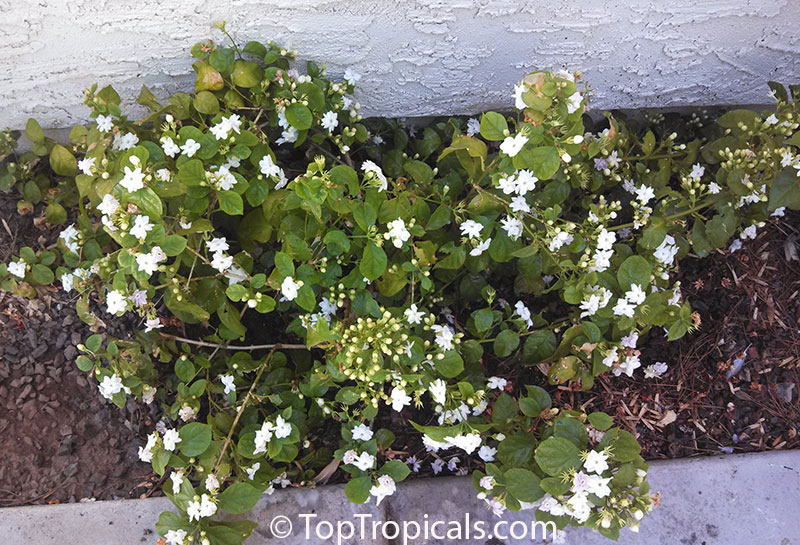
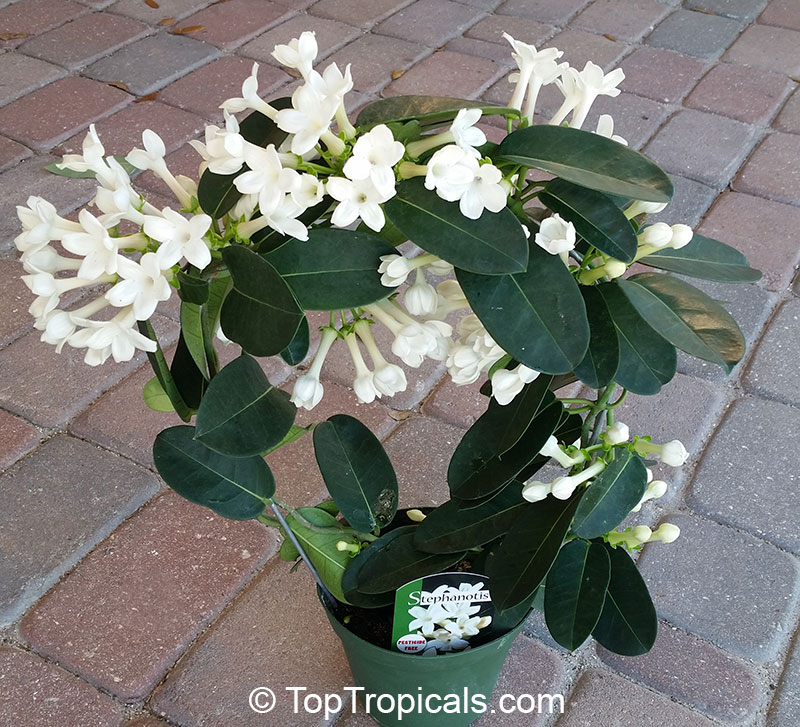
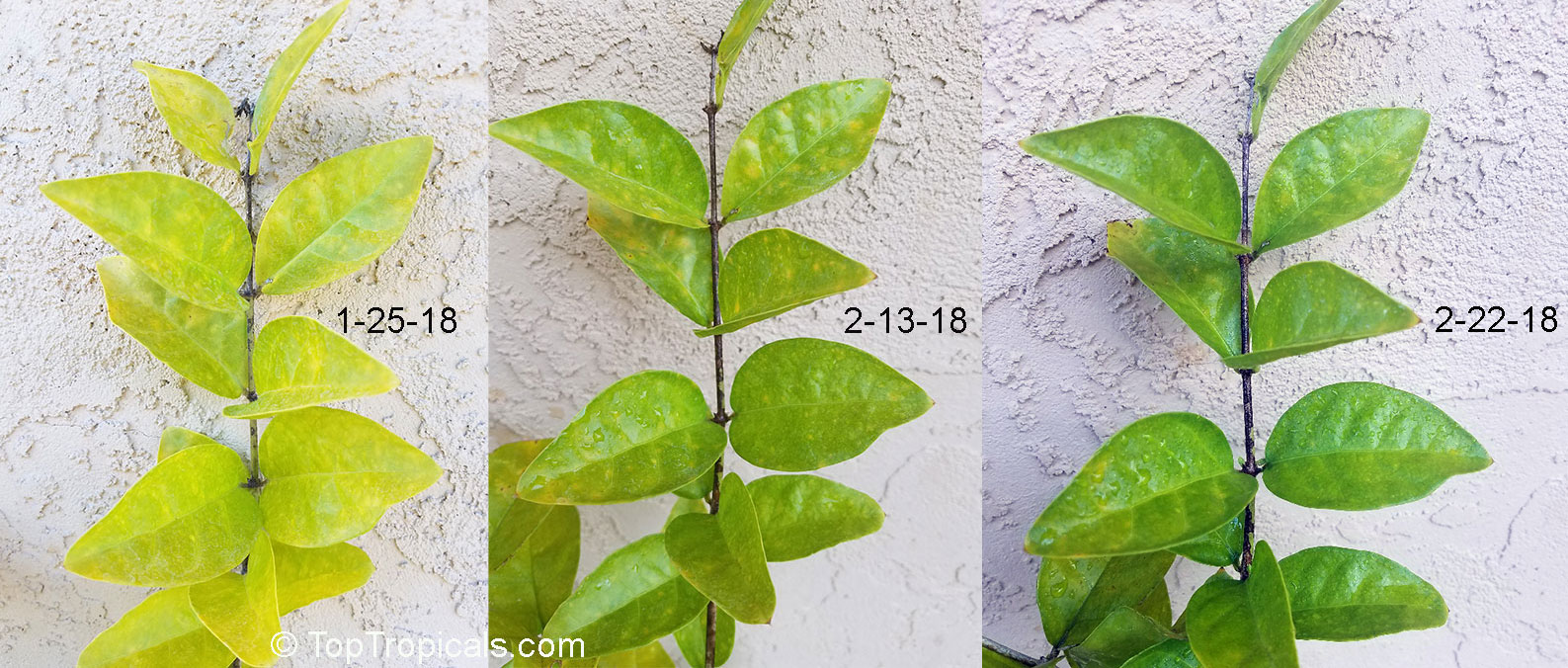
We are getting very high interest from our customers to our new plant booster SUNSHINE-SuperFood as well as many questions. We continue experimenting with the Jasmine that you saw in our previous newsletter, that had pale yellow leaves and numerous deficiencies. Right now, after only 2 applications, it looks healthy green again. Click on the picture to zoom in and see leaves turning from yellow to green within less than a month. See also full plant photo of this jasmine.

Q: Is SUNSHINE-SuperFood a fertilizer?

A: Traditionally we call a fertilizer macro-elements (NPK - nitrogen, phosphorus, and potassium). Technically, SUNSHINE-SuperFood is a complex of micro-elements that are essential for plant's health. It provides such elements as Mg, Fe, Mn, Zn, Cu, B, Mo, S, and Amino-acids that our soils are usually poor of. These elements are responsible for proper development of leaves, roots, flowers, and overall plant vigor. Read more about role of these micro elements.

Q: Can I just get these additional elements in a dry form and add to soil like a fertilizer?

A: No. Some of these elements must present in extremely low concentrations (this is why they are called micro-). SUNSHINE-SuperFood is a liquid substance with very high bioavailability that has very complicated formula; it is not just a mix of the elements. The formula is developed with the maximum efficiency for a plant to absorb through leaves and a root system.

Q: Is it better to spray leaves or water the plant with the solution?

A: Foliar applications are always most efficient in regards of seeing a quick result. However, we recommend to also drench the root ball with SUNSHINE-SuperFood solution to deliver the necessary elements evenly to all parts of the plant through its natural metabolism.

Q: My gardenia looks very sad after winter - most leaves are yellow and some have pale spots. Should I use SUNSHINE-SuperFood more often and in higher concentrations?

A: We recommend to apply SUNSHINE-SuperFood once a month to maintain a general plant health. In difficult cases like with this jasmine on the photo, you can do twice a month. However do not exceed recommended concentration. The rule of thumb is, you can apply water soluble fertilizers and supplements more often, but with lower concentrations - this way a plant will be more responsive. Plant metabolism in general is rather slow, changes take days and weeks - don't try to speed it up. Your patience will be rewarded.

Try SUNSHINE SuperFood on sick looking plants, especially with leaves that are yellowing, deformed or have spots (see photos of different deficiencies). There are no miracles, but this one works like a Miracle! All you need is a few drops of SUNSHINE SuperFood - item 6000! We also have bottles 50 ml and 100 ml for large plant collections and yard/landscape applications. Read more about SUNSHINE SuperFood...

Date: 31 Dec 2025

Year of the Fire Horse - what should you grow in 2026?

Year of the Fire Horse

Year of the Fire Horse

🐎 Year of the Fire Horse - what should you grow in 2026?


✔️ Here are the top lucky plants to grow, gift, or decorate with during the Year of the Fire Horse - each one chosen for its symbolism, element balance, and ability to channel that galloping energy in a positive direction:

🌿Anthuriums

Symbolizes: Elegance, passion, transformation
Why it's lucky: Its bold, vigorous leaves and exotic flowers are perfect for 2026.
Where to use it: Place in the southeast corner of your home, office, or garden to draw prosperity and charisma.
  • 🛒 What to plant: Exotic Anthuriums - Anthurium Black Dragon, Anthurium hookeri - Giant Birds Nest, Anthurium veitchii - King Anthurium, Anthurium vittariifolium - Long Leaf Anthurium


💮 Jasmines and Gardenias


Symbolizes: Love, luck, beauty
Why it's lucky: Horses are social and affectionate - jasmine’s sweet scent supports romance and good vibes.
Where to use it: Grow near entrances or windows; use jasmine oil in bedrooms to boost relaxation and harmony.
  • 🛒 What to plant: Fragrant Jasmines - Sambac, French Perfume, Night Blooming, and many varieties of Gardenias.


🌻 Sunflowers and sunny-yellow flowers


Symbolizes: Optimism, vitality, success
Why it's lucky: Bright yellow blooms reflect Fire energy and attract recognition.
Where to use it: Display in the east or south part of your home; great for creative spaces or work areas.

🎋 Lucky Bamboo, Money Trees and Bonsai


Symbolizes: Growth, flexibility, fortune
Why it's lucky: Combines Wood (growth) with Fire (motivation) - a perfect combo for 2026.
Where to use it: Place arrangements with 3 or 9 in the southeast to promote health and wealth.

Edible Greens with Fire-Friendly Energy


Symbolizes: Nourishment, healing, grounded action
Why they're lucky: Green leafy herbs support Wood energy, which fuels Fire. Think fresh, healthy, juicy, and nourishing.
🛒 What to plant: Tropical herbs, spices and edibles, including -
  • · Chaya (Maya spinach tree)
  • · Gynura (Longevity spinach)
  • · Lippia dulcis (Aztec sweet herb)
  • · Lemongrass and Citronella
  • · Alspice and Baurum
  • · Pepper Vines (Pipers) and Chili Peppers (Capsicums)
Grow them near the kitchen, patio, or sunny balcony for both beauty and bite.

❌ What to avoid?


Poisonous or sharp plants. The Horse is a plant lover - but not a fan of painful surprises. Keep the Fire Horse energy smooth, not spiky.

✍️ Final tip: Let the Fire Horse run wild - but not out of control


2026 is your chance to charge ahead - but keep your hooves on the ground. Plants can help you stay focused, bring balance, and add a little luck along the way. So get planting, stay bold, and let the good energy gallop in!

📚 Learn more:

  • More #Horoscope info for plants and cats
  • 2026: Year of the Fire Horse - time to grow bold, live free, and plant lucky

#Horoscope

🟢 Join 👉 TopTropicals
Date: 29 Mar 2021

Small flowering tree for community

Q: Hi, I live on the east coast near West Palm, but I see you ship your plants. My HOA allows for Yellow Tabebuia species and I'm looking for two or three smaller trees that can fit in my front yard in smaller spaces. Ideally looking for trees that would stay under 20' in height, but preferably even smaller. Can you tell me the average height and spread of the Dwarf Golden Tabebuia or Silver Trumpet trees?

A: The Yellow Tabebuia - Tabebuia caraiba is a very good choice for a small yard. It grows about 20 ft average size, 7-10 ft wide. Sometimes taller, but it is slow growing and it will take many-many years to grow to a bigger size. It is a spectacular tree when in bloom, however, keep in mind that it is not very wind resistant; although it is not difficult to secure it back being a small tree. Another Tabebuia which is even more compact tree, has stronger root system and is more wind resistant:
Tabebuia chrysotricha - Dwarf Golden Tabebuia
Also some other interesting choices:
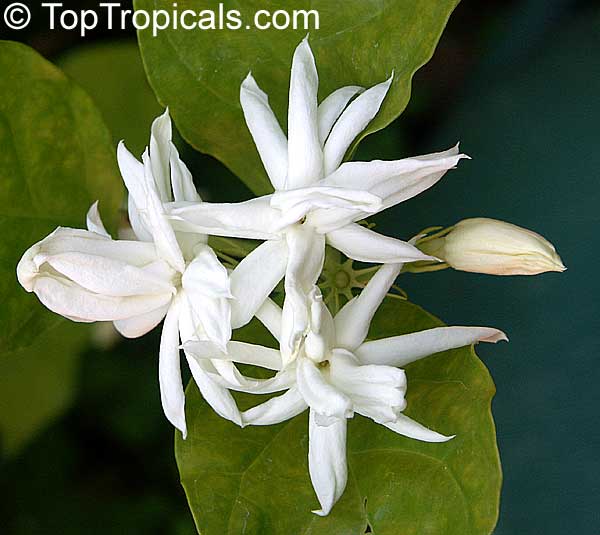
Radermachera Kunming - Dwarf Tree Jasmine
Senna polyphylla - Bahamas Cassia, Desert Cassia
Cordia sebestena - Scarlet Geiger tree

See full list of compact small trees

Tabebuia chrysotricha - Dwarf Golden Tabebuia

Radermachera Kunming - Dwarf Tree Jasmine

Senna polyphylla - Bahamas Cassia, Desert Cassia

Cordia sebestena - Scarlet Geiger tree

Date: 10 Oct 2020

Healthy Plants: Q&A from Mr Booster

How to keep bugs away naturally?

Q: I started moving my tropical plant collection indoors as it's getting colder... And all of a sudden, I noticed bugs on leaves! I know for sure all my plants were bug-free when I kept the pots outside in my lanai. What happened? And how can I keep them clean and healthy without using any harsh chemicals? I have many edibles and herbs that I use in my cooking and prefer to stay away from insecticides. Any suggestions?

A: It is very common when healthy looking plants, once moved indoors for the winter, get insect infestations. The main reason is change of environment that puts a plant into stress and makes it susceptible to parasites and diseases. Just think about what a plant is missing, a whole combination of necessary conditions that provided a good life:
- Bring light -> light level reduced, so beneficial UV spectrum is gone
- Air circulation -> less wind = more bugs thriving
- Warm temperature -> from upper 80's in summer to 70's in your AC room
- Air humidity -> although humid air is believed to be causing some issues (for example fungus), however, reducing humidity overall puts a plant into stress and makes it more vulnerable.

Many gardener prefer to avoid chemicals, especially when it comes to treating edible plants and indoor collections. The solution to your problems is - Organic Solution!

SUNSHINE NoBug - Natural Plant Protector.
Shampoo for Plants - for both indoors and garden

SUNSHINE NoBug - is a natural solution to keep your plants healthy and bug-free without harsh chemicals. It is great for organic gardening and edibles, eco-safe and non-toxic for humans and pets. It kills, repels and prevents: spider-mites, mealybugs, whiteflies, aphids and many more. No wait time required - spray and play! And it smells like jasmine, forget stinky insecticides!
How does it work? Just look at these ingredients: Kosher Glycerine, Organic Coconut Oil, Organic Palm Oil, Oat Protein, Organic Soap, Horticultural Oil, Jasmine Oil, Water. Yum! But bugs hate it - they suffocate in it! This is why your plants will have NO BUGS with NoBug, that's it!

Directions are simple:

- Mix 100 ml (3-4 oz) with 1 qt (32 oz) of water, or 500 ml (16 oz) in 1 gal of water - for larger applications
- Spray foliage to drip point, including underneath leaves.
- Repeat the treatment in 7 days.
- As a preventive care, spray leaves once a month to keep insects away.
- You may use a paper towel saturated with this solution to wipe the leaves and remove residue from insects.
- Store at room temperature.

This poor Pepper plant was tossed into garbage can by a neighbor... it looked hopeless, infested with mealybugs. We saved it with NoBug ! In 2 days it perked up, and after 4 weeks its healthy and fruiting!