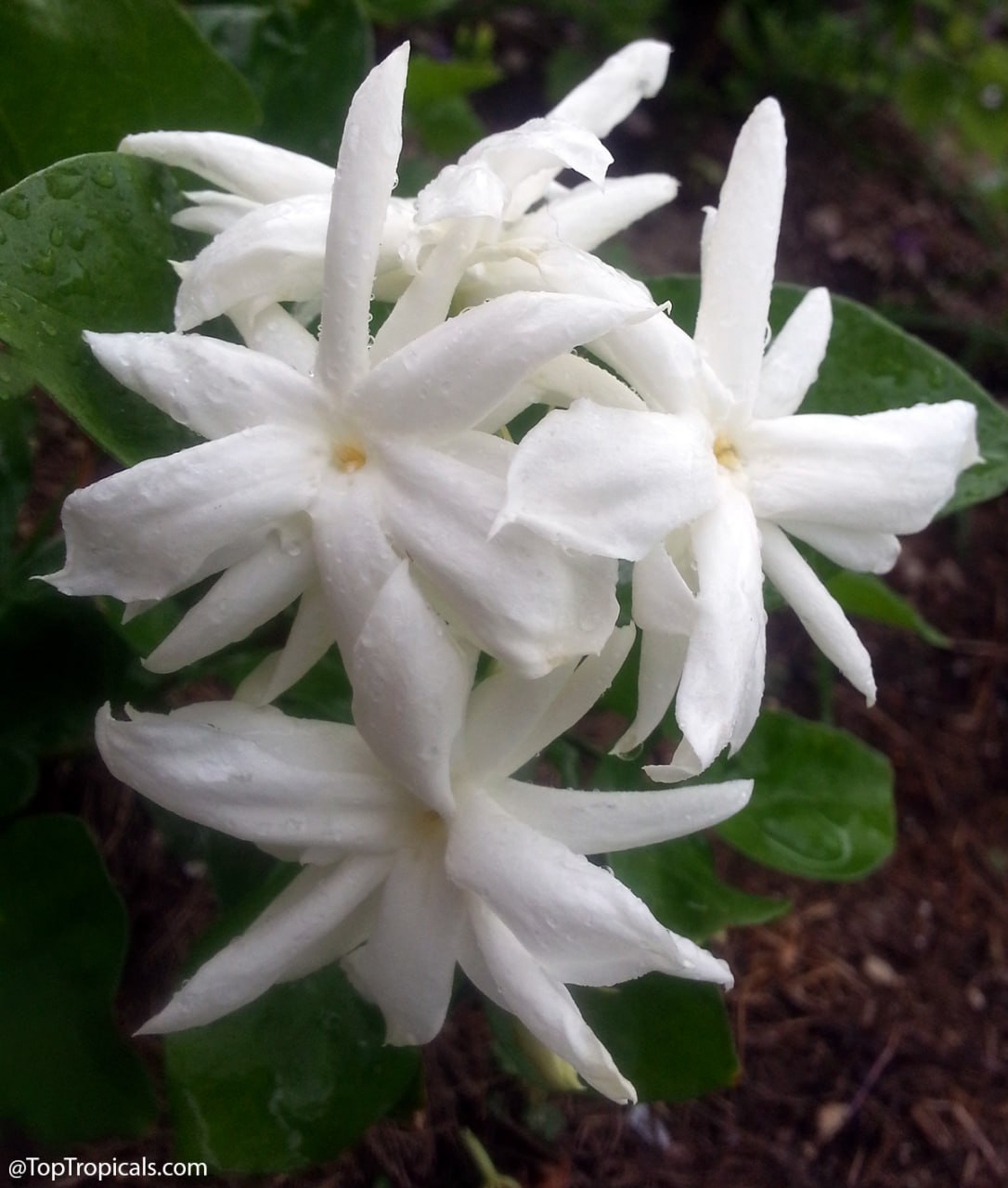
This one is the most wanted variety with
elongated petals that are sweetly scented. Compact and
slow growing shrub, it makes a great houseplant and
flowers freely throughout the year. The most profuse
flowering is from Spring to Summer.
Called pikake in Hawaii, Jasmine sambac is the plant
used to flavor the jasmine tea and making perfumes.
Perfect houseplant takes both sun or shade, it is a
beautiful fragrant everbloomer for your home and garden.
Belle of India is a slow grower, with pale green pointed
leaves and double flowers with elongated narrow petals.
Prefers filtered light for a better look of the leaves,
but will tolerate full sun. In fact the more sun the
more flowers you get.
Secrets of successful culture:
1) use only well-drained potting soil
2) keep the plant a little bit on a dry side so roots
don't get too wet. Water again when the soil gets
slightly dry.
3) Use micro-element mix - SUNSHINE Superfood works
the best. It will keep leaves nice and green and induce
more profuse flowering.
Stay updated with TopTropicals Videos by
subscribing to our channel at
YouTube.com/TopTropicals and get our latest video
news of what is fruiting and blooming!
Libra - 9/23-10/22. Libra is an AIR sign, and is ruled by the planet Venus. Because Venus is the planet of beauty and love, Libra's plants often have light, lovely flowers and gorgeous scents.
Libra has been related to the endocrine system, the kidneys, and the bladder. Venus (which also rules Taurus) is responsible for the harmony between the various body systems, as well as the abdomen, kidneys and urinary tract, and thyroid. Libra's plants help to bring balance to these areas of the body. Libra's romantic nature appreciates a spice that cultivates love and sensuality. Cardamom is a spice known for its gently warming nature, so add a sprinkle when you want to heat things up slowly.
Eight favorite plants of romance, affection, and emotional connection
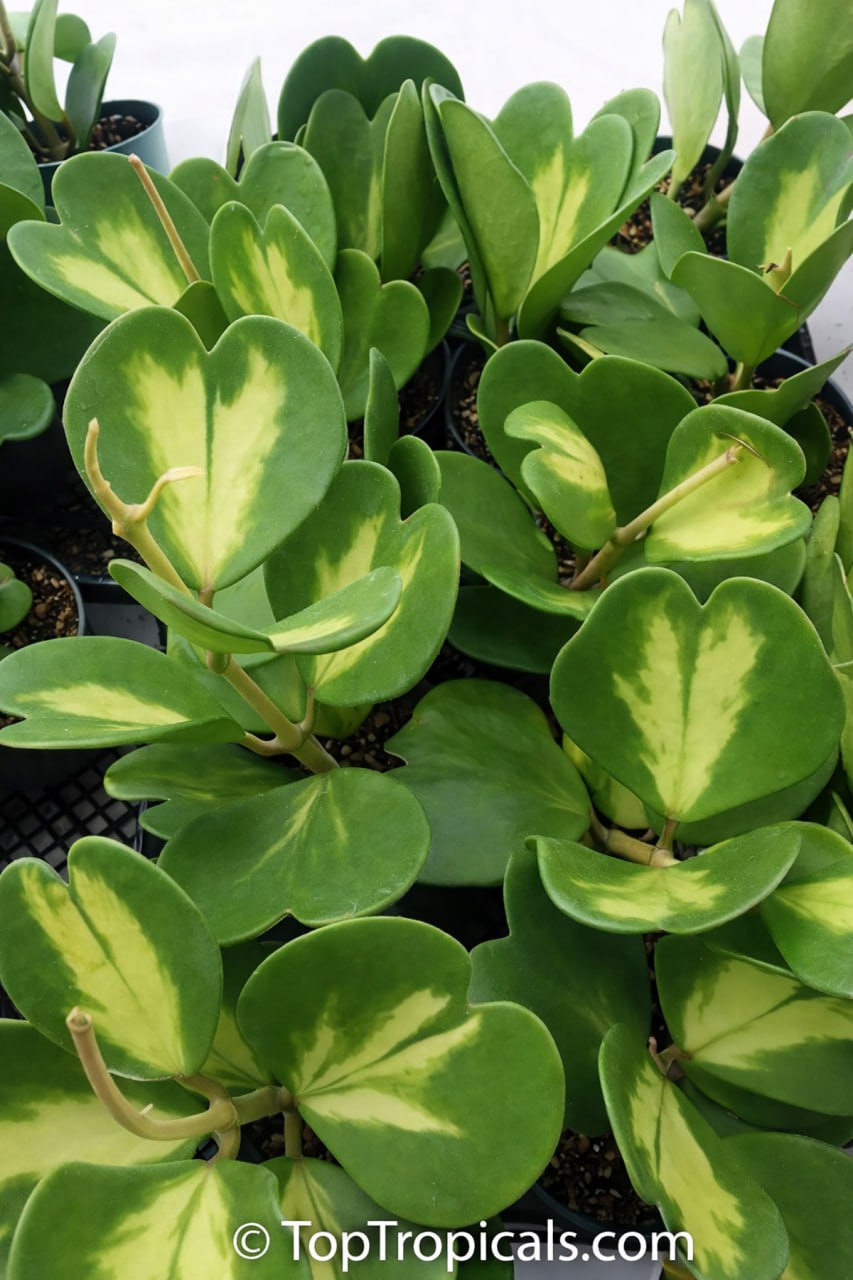
Sweetheart Hoya (Hoya kerrii)
Jasminum sambac
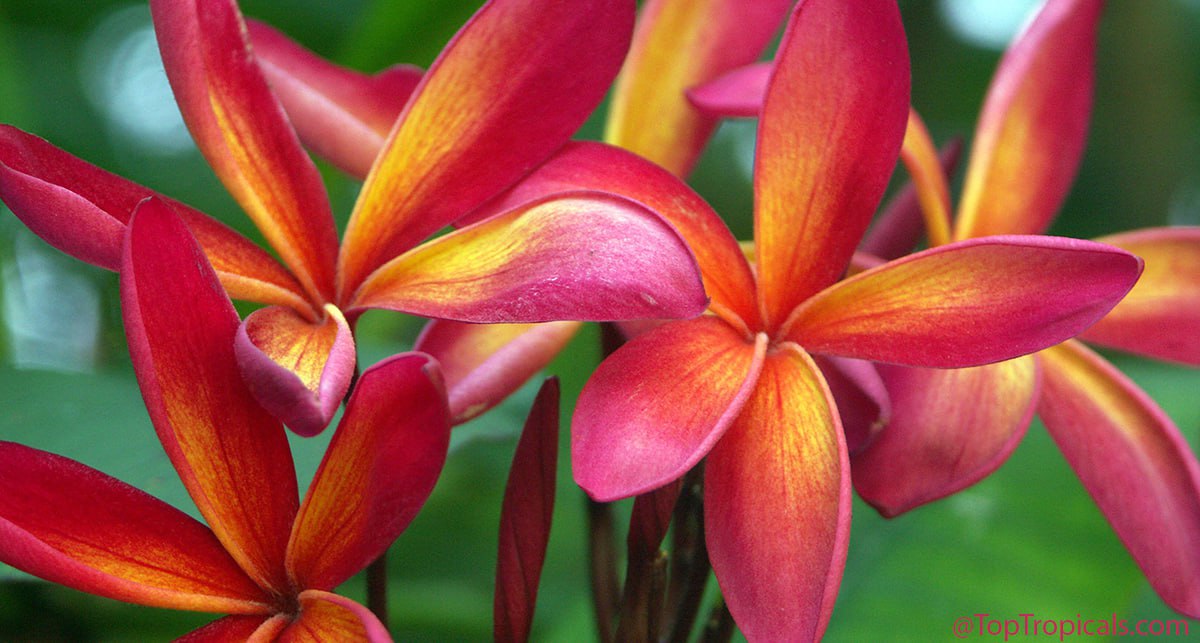
Plumeria (Frangipani)
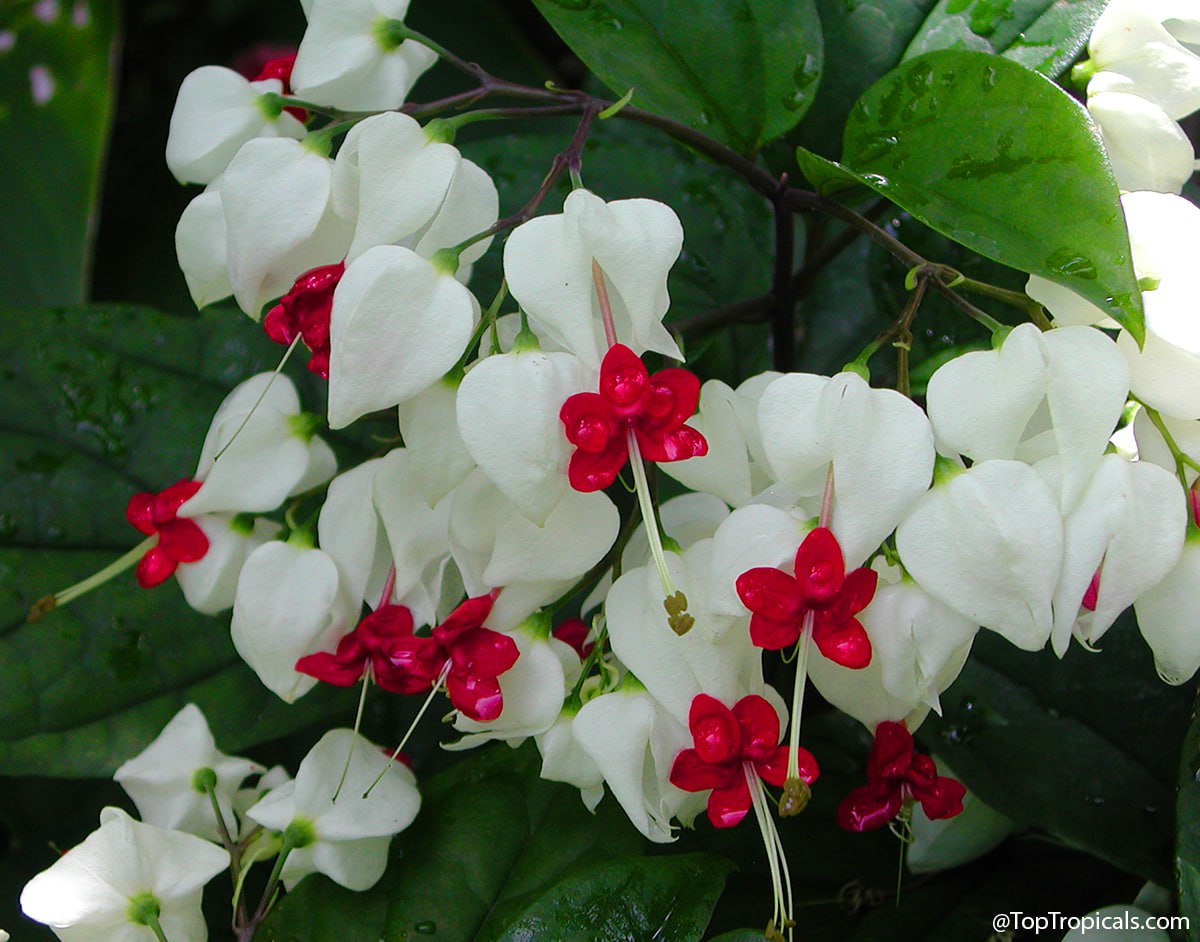
Clerodendrum thomsoniae, Bleeding Heart Vine
💕 Eight favorite plants of romance, affection, and emotional connection
These plants communicate love visually and emotionally. They are associated with beauty, admiration, devotion, and long-lasting relationships.
💖 1. Anthurium
With its unmistakable heart-shaped spathes, anthurium is one of the strongest visual symbols of love. In Latin America, it represents hospitality, passion, and enduring affection, making it a natural Valentine plant. 👉 Anthurium gift
💖 2. Orchids
In many Asian cultures, orchids symbolize refined love, fertility, and deep emotional connection. They are associated with elegance, respect, and long-term devotion rather than fleeting romance or infatuation. 👉 Orchid gift
💖 3. Valentine’s Sweetheart Hoya (Hoya kerrii)
Hoya kerrii is known for its thick, heart-shaped leaves, making it one of the clearest visual symbols of love. This long-lived vine represents loyalty and lasting commitment, and is found in several varieties with different leaf variegation patterns: regular green leaf, variegated Moonlight (gold on green) and Sunshine (white-and green).
Wax Hearts Plant Facts
Botanical name: Hoya kerrii Also known as: Wax Hearts, Sweetheart Hoya, Valentine Hoya, Heart leaf
In Polynesia and Southeast Asia, plumeria represents love, beauty, and new beginnings. In Hawaii, its flowers are a classic part of leis and have become an enduring symbol of romance, affection, and island love.
Plumeria Plant Facts
Botanical name: Plumeria sp. Also known as: Plumeria, Frangipani
Jasmine Sambac is strongly associated with romance, devotion, and spiritual love. In Hawaii it is used in leis, while in the Philippines, this so-called Sampaguita jasmine symbolizes purity, fidelity, and deep affection and is woven into garlands for lovers, weddings, and sacred ceremonies.
Sambac Plant Facts
Botanical name: Jasminum sambac Also known as: Sambac
Hibiscus symbolizes delicate beauty, attraction, and the fleeting intensity of passion. In many tropical cultures, it is associated with feminine energy and romantic expression. 👉 Hibiscus gift
💖 7. Clerodendrum Bleeding Heart
Clerodendrum thomsoniae, called the Bleeding Heart Vine, is known for its red, heart-like flowers held inside white lantern-shaped bracts. It has long been associated with love, emotional vulnerability, and deep personal bonds, making it a natural fit for Valentine symbolism.
Bleeding heart Plant Facts
Botanical name: Clerodendrum thomsoniae Also known as: Bleeding heart, Glory bower, Clerodendron
Traditionally associated with marital happiness and fidelity, Stephanotis has long been used in wedding garlands and bouquets in tropical regions. 👉 Stephanotis gift 🛒Explore gift plants 🎁 Get a Gift Card
💚 Ways to keep your yard weed-free without use of herbicide:
1 Mulch, mulch, mulch
2 Cover the area with cardboard (still getting those Amazon boxes?) and put mulch, mulch, mulch on top.
3 Plant dense ground cover plants! Weeds will lose competition for food and light.
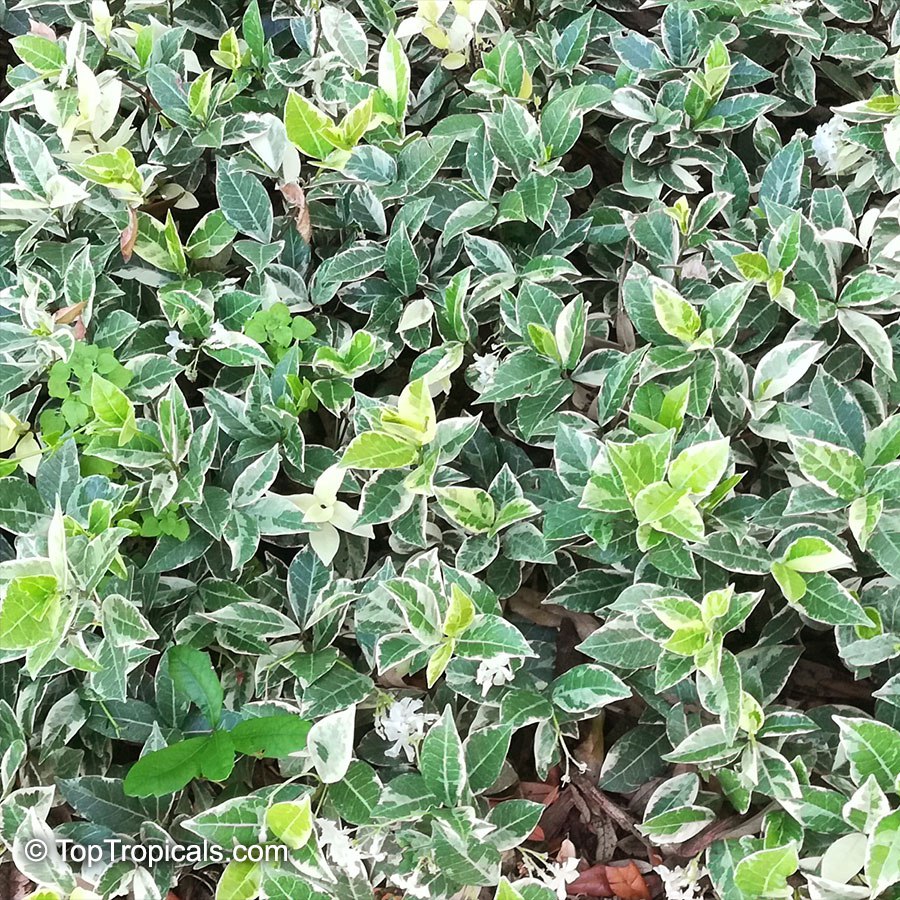
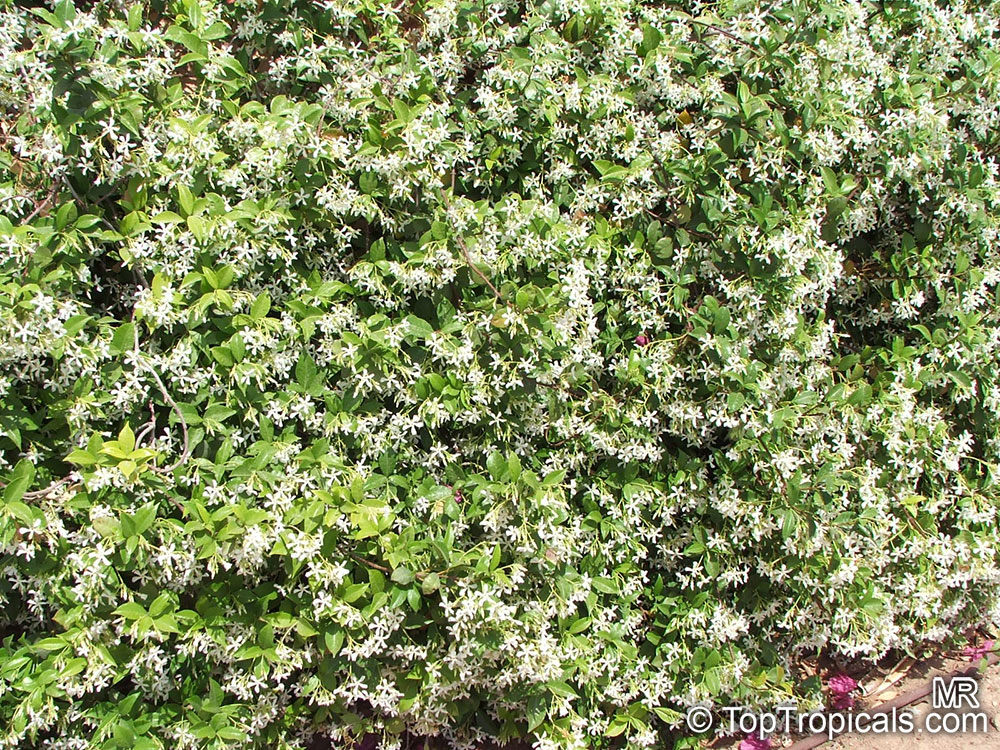
🎥 Did you know that Confederate Jasmine (Trachelospermum jasminoides) makes not only a trellis/fence solution, but also a dense fragrant ground cover? It's not demanding, fast growing, drought tolerant plant, takes full sun or shade. Sweet, deliciously fragrant flowers is a pleasant bonus!
August is the hottest month in most places, and tropical/subtropical
areas are not the exception. In Florida we have some hot August days in upper
90's. Is it still OK to plant during hot weather? Yes, and here are some
guidelines for you:
1. Hot metabolism.
Many tropical plants grow faster at high temperatures. Select heat-resistant species for August planting (below are just
a few suggestions).
2. Water adequately.
Water thoroughly your newly planted tree. Water daily (lightly) with a hose for at least a week, don't
rely on sprinklers. Then reduce watering to every other day and gradually switch to sprinkler system if you have it. Do not overwater: non-established plants don't like combination of heat+wet.
3. Mulch well.
Keep mulch 1"away from the trunk to avoid rot.
4. Shading.
Protect the young tree from hot sun with a shade cloth or a sheet if leaves get wilted, for 1-3 days, then remove it, let the plant adjust to bright light.