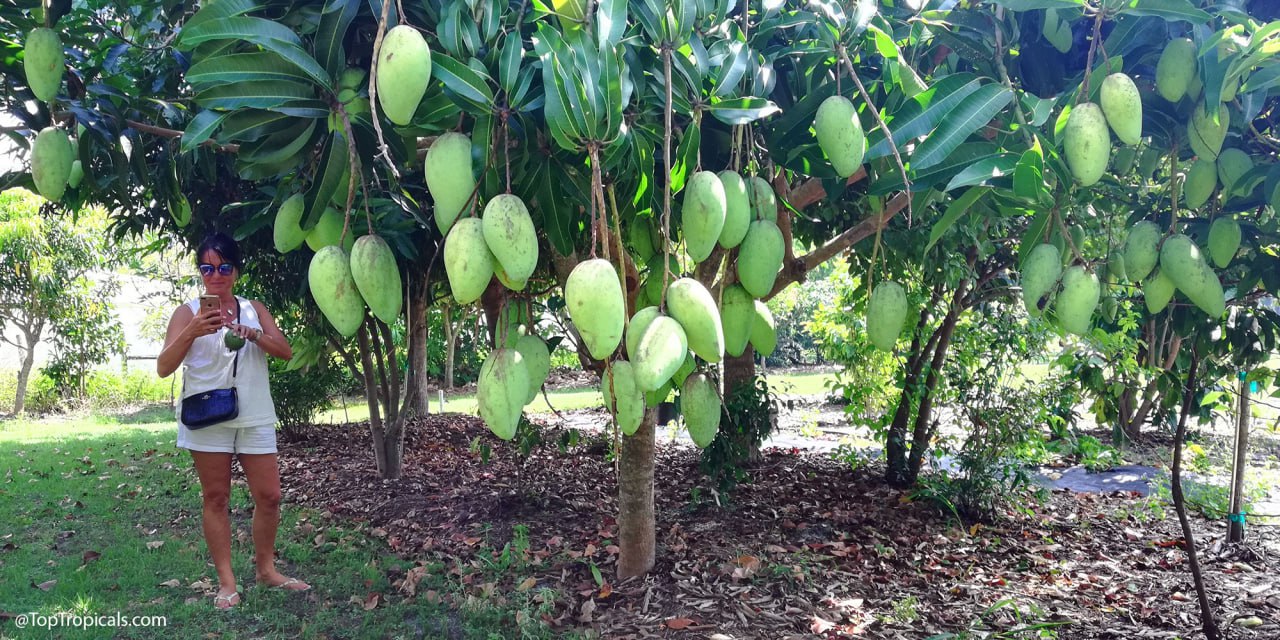
🌞 Mango trees love warm weather. They grow best in temperatures between 70F to 100F.
📍 Cold weather can be harmful to mango trees: when the temperature drops below freezing, trees can get damaged. Frost can hurt young leaves and flowers, reducing the amount of fruit.
💬 Ways to protect mango trees from cold
🔹 Right location: Plant in sunny areas with protection from cold winds.
🔹 Cover them up: Use blankets or frost cloth to protect young trees.
🔹 Add mulch: Helps keep the roots warm during cold weather.
🔹 Move potted trees: Bring them inside when it gets too cold.
🔹 Use Sunshine Boosters to improve tree hardiness ➡ Fertilized mango trees are stronger and more resilient. ➡ They grow faster and have better root systems, making them more hardy against cold weather. ➡ Sunshine Boosters provide the essential nutrients needed for strength and vigor, helping plants recover faster from cold damage.
🥭 Sunshine Boosters "Mango Tango" makes mango trees stronger and more resistant to cold. A well-fed tree can survive cold better and produce more fruit. With Sunshine Boosters, you ensure your mango trees stay healthy, even in chilly weather!
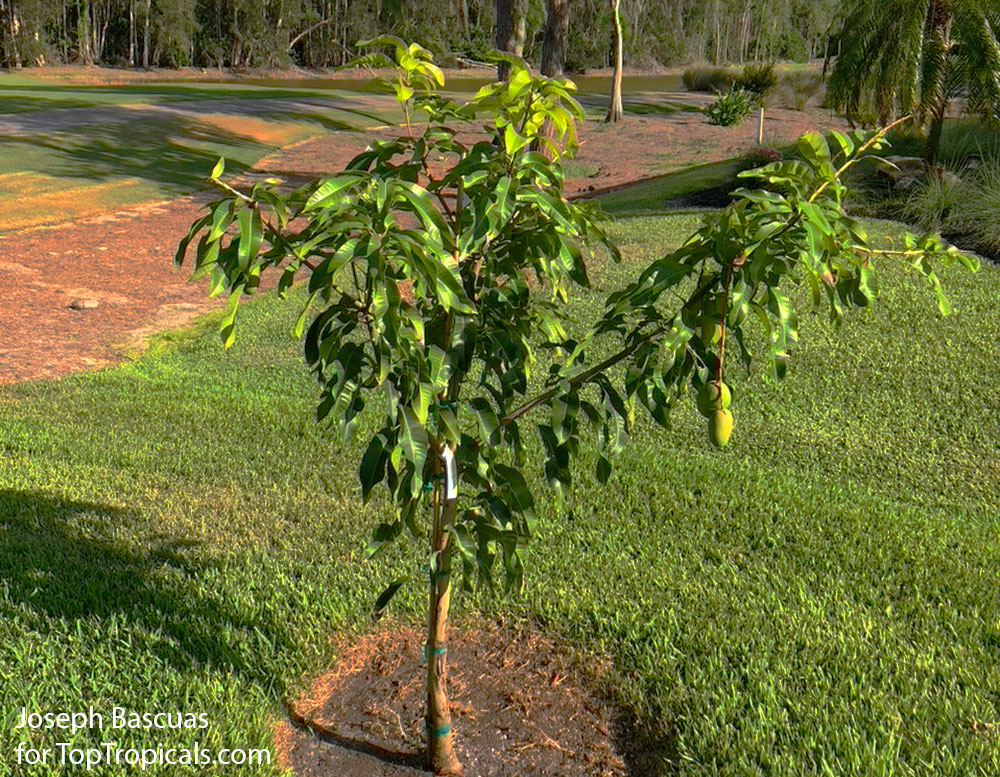
Q: About a year ago we bought a mango tree from you folks and planted it in our backyard in Estero. It has done well. It now has several mangoes and I am wondering if the
tree is strong enough to support the fruit or if I should just cut off the fruit and wait until next year
when the tree is a bit stronger. I am attaching some pictures. I am most concerned about the branch on the right which seems to be
sagging. If you do not suggest that I cut off the fruit, can I wait until they ripen on the tree and eat them. They seem to be a bit on the small side for eating.
A: Your mango tree looks very healthy and happy, congratulation with a great job! For young mango trees, it is always recommended to minimize a number of fruit to 2-3 so
the tree has enough energy for vegetative growth rather than fruiting.
In your case, as we can see from the pictures, your tree is very well
established, has a strong root system, nice symmetrical shape, and vigorous new growth. In our opinion, you can save all
these fruit and let them ripen on the tree.
To support the plant's energy, make sure to fertilize it during summer with slow-release Mango Food, and year around - with Mango Tango booster. Use Sunshine Honey
supplement for sweeter fruit.
Secure the heavy fruit branch with a v-shape stake (a big branch may work), it can definitely use the support otherwise may break
under strong Florida winds.
You are all set to enjoy your first crop and be rewarded with fruit of your excellent work!
NEW VIDEO:
How to cut a mango without making a mess
Ever wonder how to cut a mango without getting juice everywhere? We've
got a trick that's soooo simple! You'll wish you knew it sooner!
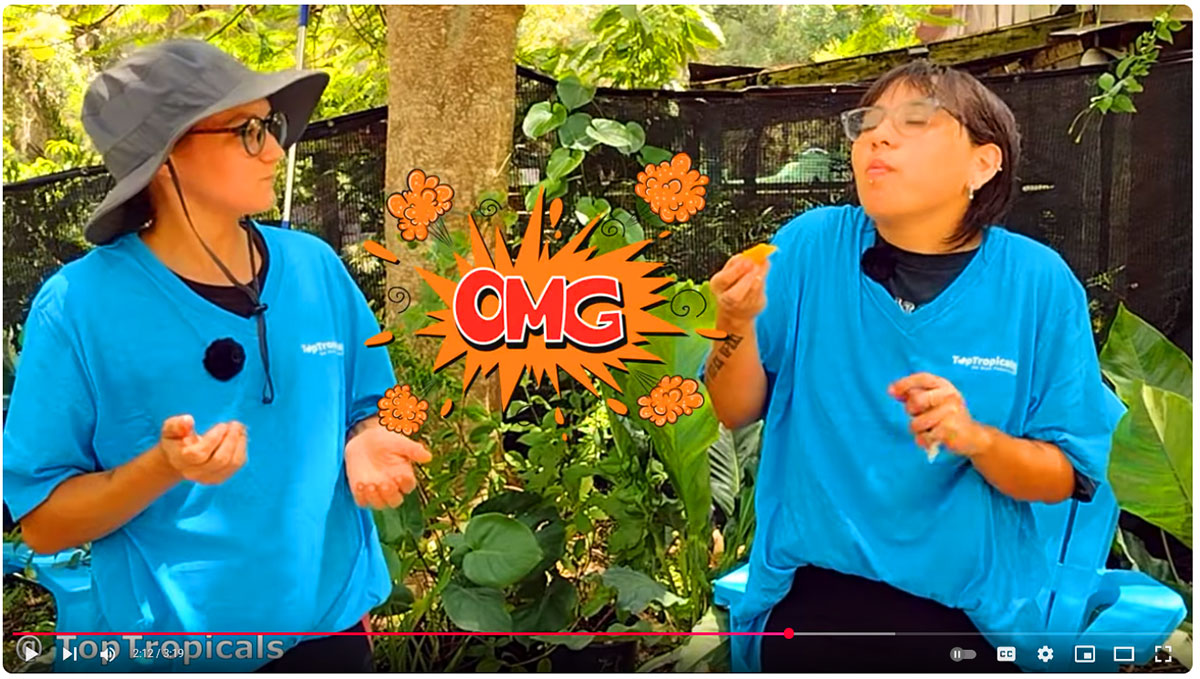
In our newest video, Chiane and Ashley from the Top Tropicals team
aren't just slicing mangoes - they are diving into a full-on mango tasting
adventure. You'll get a peek at some of the most mind-blowing mango varieties you
probably didn't even know existed! From buttery-smooth to crisp and tangy.
Watch now to discover your
new favorite mango - and maybe a new way to enjoy it, too 😻
Do Fruit Trees Increase Property Value? Tropical Plants That Pay Off
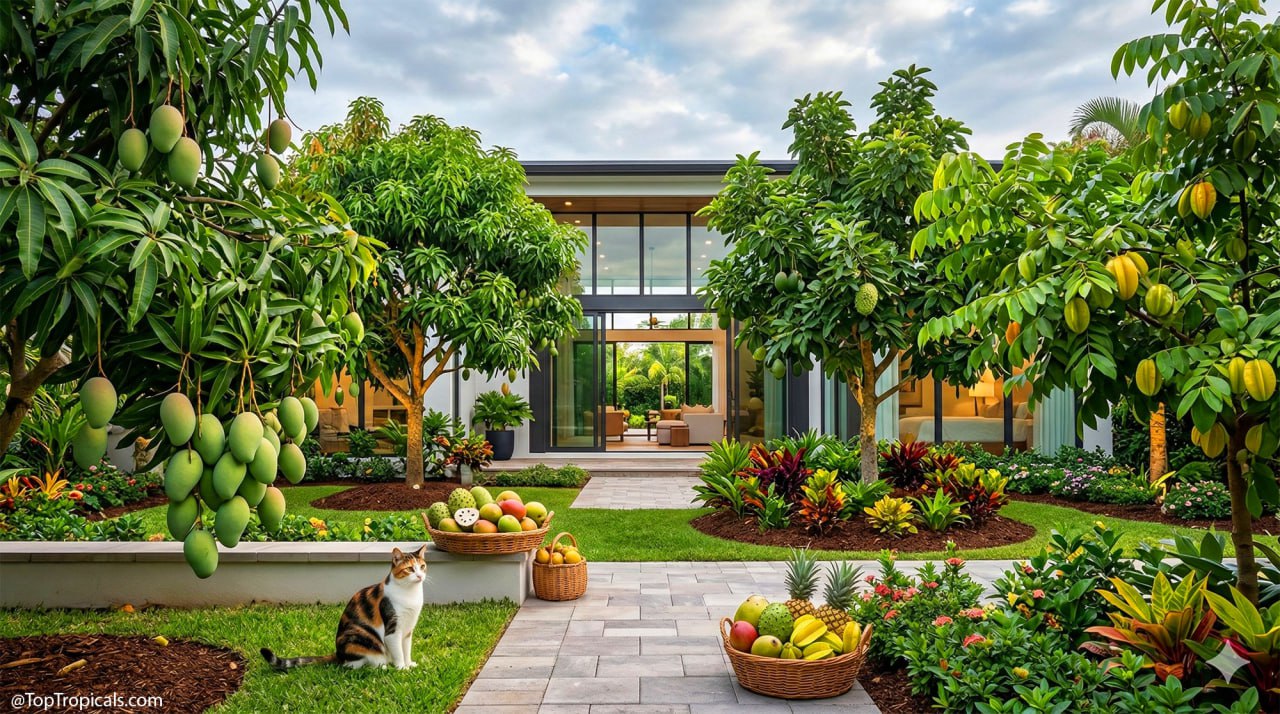
Yard with fruiting tropical trees
Landscaped yard in Florida
Mango tree fruiting in the garden
Do Fruit Trees Increase Property Value? Tropical Plants That Pay Off 🏡
Can your backyard pay for itself? Learn which 12 tropical fruit trees real estate experts say are the smartest investment for your landscape. Discover how tropical fruit trees like mango and avocado add "edible equity" and curb appeal to your property, making it more desirable to future buyers. Turn your yard into a private paradise that lowers grocery bills and boosts home value.
In warm climates like Florida, a mango tree isn't just landscaping - it’s a food-producing asset. Mature tropical fruit trees offer "edible equity," saving homeowners hundreds in grocery bills while creating a unique, memorable aesthetic for buyers.
Mango Plant Facts
Botanical name: Mangifera indica Also known as: Mango
USDA Zone: 9 - 11
Highligths
🥭 1. Focus on "Instant Recognition" Favorites
Trees buyers already know and love provide the strongest ROI. They signal that the yard is already productive - something new builds can’t offer.
• Top Picks: Mango, Avocado, Papaya, Banana, Guava, and Loquat.
Avocado Plant Facts
Botanical name: Persea americana, Persea gratissima Also known as: Avocado, Alligator Pear, Aguacate, Abacate
USDA Zone: 9 - 11
Highligths
• The Value: A single mature avocado or mango tree can yield hundreds of pounds of fruit annually.
🥭 2. Create a "Memorable Discovery" with Exotic Varieties
Unusual fruits turn a standard yard into a tropical orchard, acting as a conversation piece during home tours.
• The Exotic List: Jackfruit, Sugar Apple, Soursop, Sapodilla, Ice Cream Bean, and Star Fruit.
🥭 3. Strategic Placement for Energy Savings
Large-canopy trees like jackfruit or mango do more than provide food; they act as natural insulation.
• Natural Cooling: Strategic planting reduces afternoon sun exposure and lowers AC costs. • Indoor/Outdoor Flow: Use trees to frame window views, block neighbors, and create private "outdoor rooms."
🥭 4. The Power of the "Mini Orchard"
A collection of 3–5 trees creates a stronger emotional pull than a lone plant. Buyers begin to visualize a lifestyle of smoothies and harvests.
• Winning Combos: Mango + Avocado + Papaya or Guava + Star Fruit + Banana.
🥭 5. Maintenance: Health Equals Value
Fruit trees only add value if they look manageable. A neglected tree suggests a neglected home.
• Pre-Sale Prep: Prune for tidiness, mulch the base, and clear fallen fruit. • Spacing Matters: Avoid overcrowding; ensure buyers can walk comfortably through the yard without feeling "closed in."
🥭 The Long-Term Play
Unlike decorative plants that may need frequent replacement, fruit trees appreciate over time. Because a mango tree takes years to reach peak production, the best time to plant for future resale value is now. By the time you list, your yard will offer shade, privacy, and a harvest that buyers find hard to resist.
Truth about which fruit helps you lose weight faster: Mango or Papaya?
🥭 Truth about which fruit helps you lose weight faster: Mango or Papaya?
❓ Mango vs. Papaya: what's best for you?
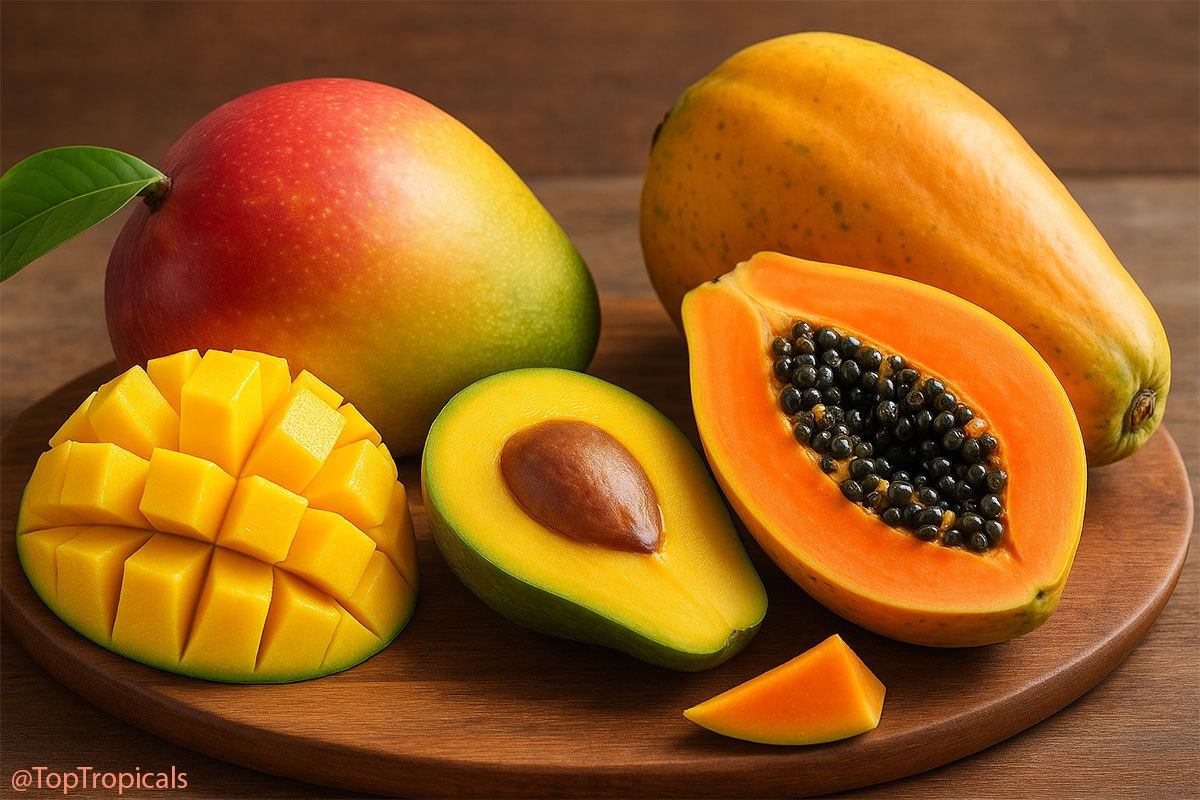
✔️ Nutritional comparison Mango is rich in vitamins A and C, boosting immune health and skin. Papaya brings more folate and contains papain, an enzyme that aids digestion.
✔️ Health perks Mango may help lower inflammation and support blood sugar balance. Papaya is known to ease digestion, reduce bloating, and support gut health.
✔️ Calories and sugars Both are low in calories, but mango has slightly more natural sugar. If you’re sugar-sensitive, papaya might be the better option.
✔️ Weight loss support Mango and papaya both contain fiber and natural compounds that slow digestion. This helps you feel fuller longer, which can reduce snacking and support weight management.
✔️ Which to pick when Choose mango for a skin and immune boost. Go with papaya if you want a gentler fruit that supports digestion and gut comfort.
Don't forget about Avocado when planting your fruit garden! Avocado deserves a spot at the table too. While not sweet like mango or papaya, it's packed with heart-healthy monounsaturated fats, fiber, potassium, and B vitamins. Avocado supports brain and heart health, keeps you full longer, and provides a creamy balance to any tropical fruit plate.
All three fruits are also great for weight management. They're high in fiber and water content, which slows digestion, helps you feel fuller longer, and may reduce overall calorie intake naturally.