Garden Blog - Top Tropicals

Date: 5 Jan 2026

A  tuxedo  cat  planting  a  small  shrub  in  a  tropical  garden  while  a  ginger
    cat  relaxes  nearby  with  coffee  and  donuts,  illustrating  winter  planting  in 
 a  warm 
 climate.
Sunshine: January might feel warm, but its still winter. Wool socks, scarf, hot coffee.
Smokey: You get warm when you work. Plant now so roots are established before spring growth starts.
Sunshine: Alright. Lets see who stays warmer - you digging or me with coffee.

🌴 Why winter planting works in a warm climate

By our plant expert Tatiana Anderson

We are lucky to live in a warm climate. This is how I think about the seasons here. Winter is for roots. Spring is for growth. Summer is for managing heat and water.

So if we want plants that handle summer better, we plant them in the season that gives them the best start. Winter here is comfortable. The soil stays workable. The days are mild. And plants are not being stressed by heat. That is exactly why winter is the best time to plant in Florida and other warm areas.

If we use this season well, plants go into spring already settled instead of trying to catch up. This is what I like to plant now, and why.

🟢 Trees first. Anything that will be in the ground for years. Fruit trees, shade trees, flowering trees. When we plant them in winter, they can focus on roots before the spring growth surge starts. By the time spring arrives, the tree is anchored and ready to grow on top.
Examples: mango, avocado, Eugenia cherries, jackfruit, sapodilla, longan, lychee, canistel.

🟢 Shrubs next. Shrubs establish faster than trees, but winter still gives them an advantage. They settle in quietly before the spring flush and bloom cycles begin. That usually means steadier growth and fewer problems once heat returns.
Examples: gardenia, jasmine, brunfelsia, hibiscus, clerodendrums.

🟢 Vines are often overlooked. Vines want to grow fast when spring starts. If the root system is not ready, you get weak growth and frustration. Planting vines in winter gives them time to build a foundation first, so spring growth has support.
Examples: Rangoon creeper, stephanotis, Petrea, Mexican Flame Vine.

🛒 Explore cold tolerant plants

Date: 11 Jan 2026

How to lose weight naturally with tropical fruit and plants

Fat orange cat on treadmill with tropical fruit that help lose weight naturally

Fat orange cat on treadmill with tropical fruit that help lose weight naturally

🍑 How to lose weight naturally with tropical fruit and plants


🏃‍♀️ Losing weight isn’t about starving yourself - it’s about supporting your body with the right nutrients and keeping things balanced. Plants can help by boosting your metabolism, keeping you full longer, improving digestion, and regulating blood sugar. When you build a food forest with the right plants, you’re investing in long-term health that tastes good and feels good.

🏆 15 TOP TROPICAL plants and fruits that naturally help with weight management:


💚 Papaya – Contains enzymes like papain that aid digestion, and it’s high in water and fiber—great for feeling full.
💚 Mango – Supports fat metabolism and reduces inflammation. Its fiber helps regulate appetite and digestion.
💚 Avocado – Full of healthy fats and fiber, avocado helps you feel satisfied longer and supports steady energy levels.
💚 Banana – Rich in resistant starch (especially when underripe), bananas help support gut health and fat metabolism.
💚 Jackfruit – High in fiber and low in fat, this fruit keeps blood sugar steady and supports slow, sustained energy.
💚 Yerba Mate – A natural tea with gentle stimulant properties that may help reduce appetite and increase fat burn.
💚 Moringa – Known as a superfood, moringa helps regulate blood sugar and boosts metabolism with powerful nutrients.
💚 Galangal (Thai Ginger) – Supports digestion and contains compounds that may help increase fat burning, like regular ginger.
💚 Cinnamon – Can improve insulin sensitivity and help with sugar cravings, making it easier to stay on track.
💚 Insulin Ginger (Costus igneus) – Traditionally used to manage blood sugar, it also supports digestion and energy. Chewing the spiraled leaves or brewing them as tea is a natural way to get more from your garden.
💚 Dragon Fruit – Extremely high in fiber, dragon fruit supports healthy digestion and helps regulate metabolism, which can aid weight loss.
💚 Pomegranate – Used for centuries in Ayurvedic medicine to improve metabolism. Its antioxidant-rich juice supports fat burning and digestion.
💚 Tea Leaf Tree (Camellia sinensis) – The source of green, black, and white tea. These teas are linked to metabolism boost, heart health, and appetite regulation.
💚 Noni – A powerhouse fruit traditionally used for inflammation, immune health, blood sugar balance, and metabolism support. It may also help reduce fat accumulation and boost overall vitality.
💚 Canistel (Eggfruit, Pouteria campechiana) is a naturally sweet, nutrient-dense fruit that helps curb sugar cravings while keeping you full longer. Its rich fiber content and slow-digesting carbs make it a great choice for supporting weight management without reaching for processed snacks.

❗️When you grow these plants in your home garden or food forest, you're not just planting food - you’re planting tools for better health.
And bonus: gardening itself keeps you active and stress-free, which is another win for your waistline.


🛒 Explore tropical fruit and edibles

📚 Learn more about natural weight loss with plants:


Tropical fruit health benefits guide: Part 1 and Part 2.
How to make lots of Insulin Ginger plants quickly and get more health benefits
Truth about which fruit helps you lose weight faster: Mango or Papaya?
Jambolan health and life benefits
Health benefits of dragon fruit
Weight loss with Noni
Healing drops of blood: why Pomegranate is a superfood

#Food_Forest #Remedies #Discover

🟢 Join 👉 TopTropicals

Date: 20 Jan 2026

7 steps for a care-free Spanish Tamarind - the easiest rare fruit to grow

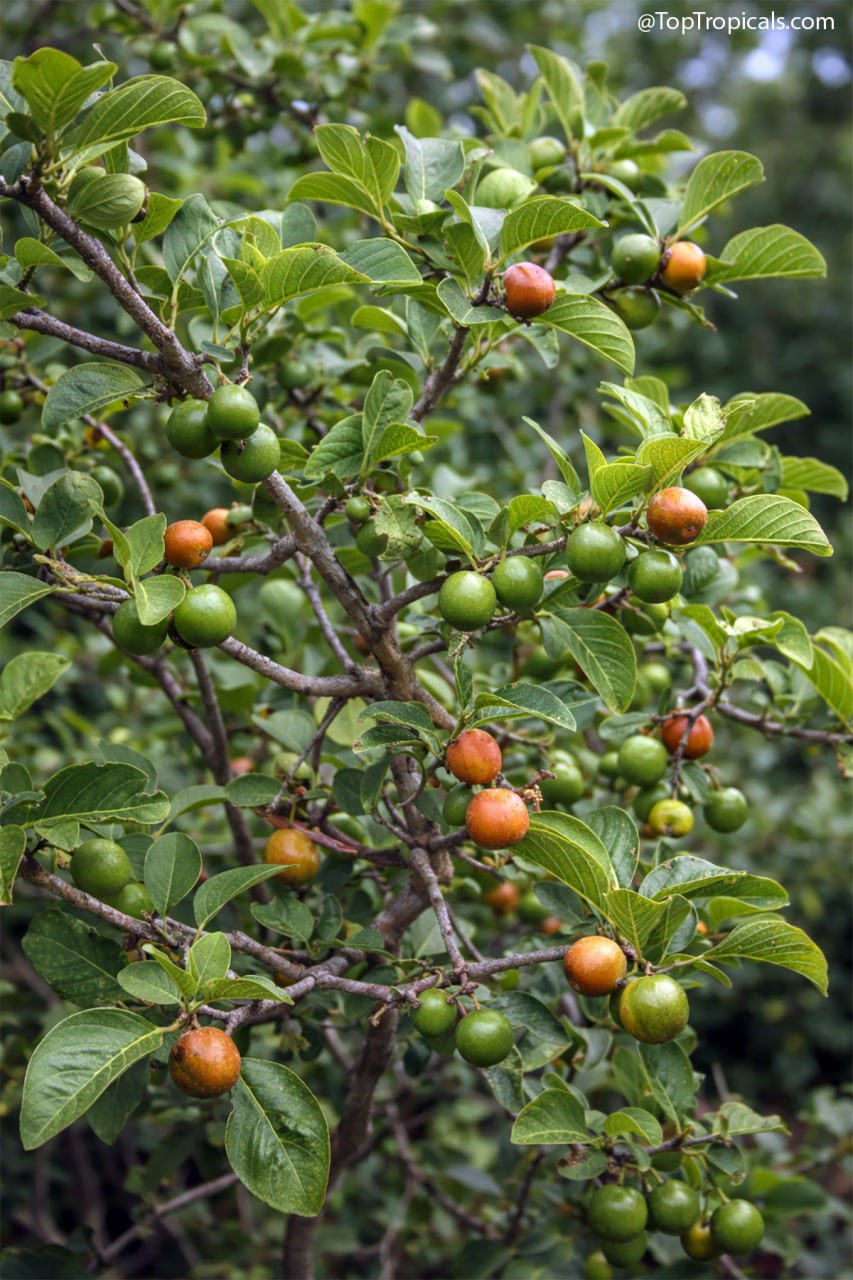
Vangueria infausta (Spanish Tamarind, Wild Medlar)

Vangueria infausta (Spanish Tamarind, Wild Medlar)

🍊 7 steps for a care-free Spanish Tamarind - the easiest rare fruit to grow


Yes, it can handle light frost - Vangueria infausta (Spanish Tamarind, Wild Medlar) - we just discovered it can handle cold snaps! After a few cold nights in January, our young tree planted just a few months ago, still looks happy and strong!
If you are looking for a tough little fruit tree that thrives on neglect but gives you something truly special in return - try this rare, compact fruit tree. Spanish Tamarind is native to southern Africa, it is drought-tolerant, pest-resistant, and surprisingly cold-hardy once established - making it a great choice even for gardeners in borderline zones.

Here’s how to grow this resilient gem:

🌞 Sun and soil


Spanish Tamarind loves full sun, but will tolerate light shade. It isn’t picky about soil as long as it drains well - sandy, rocky, or loamy, it will grow just fine. No special amendments needed.

💧 Watering


Once established, it's very drought tolerant, but young trees need regular watering to develop a deep root system. In containers, water when the top inch of soil is dry. In the ground, water deeply but infrequently.

❄️ Cold tolerance


Now for the surprise: while it’s considered a tropical fruit, Wild Medlar can handle brief dips into the mid-30s F without damage, especially when mature and dormant. In Sebring, FL, we’ve seen this tree shrug off light frosts with no protection!
And what makes this even more impressive? The tree has beautiful, lush velvet leaves - soft to the touch and tropical in appearance - yet surprisingly hardy for such large, tender-looking foliage.
· Young plants should be protected the first couple winters
· Grow in containers if you’re in USDA zone 8 or lower
· A little mulch around the base helps stabilize soil temps in winter

Growing in pots


This tree is very compact and does well in containers. Use a large, well-drained pot and a loose soil mix. Keep it outside in spring through fall, then bring it indoors before a hard frost. It grows slowly and stays compact for years, making it a great fit for patios or balconies.

🍊 When to expect fruit


With enough sun and time, your tree can start fruiting in 2-3 years. Mature trees can bear 20-40 small round fruits per season, ripening to a golden-brown with a tangy-sweet flavor. The fruiting season may vary depending on your local climate, but typically occurs in late summer to fall.

🛠 Maintenance? Almost none.


· No special pruning needed (except to shape)
· No major pests or diseases reported
· Tough and low-maintenance in the landscape

🏆 Final thought: grow it for the surprise


Spanish Tamarind - Wild Medlar - is a tree that rewards patience. It's unusual, beautiful in its own scruffy way, and packs a punch with cold tolerance, drought resistance, and tasty fruit. Spanish Tamarind belongs in every experimental garden or food forest - especially if you love growing things no one else in the neighborhood has.

🛒 Add rare Spanish Tamarind to your rare fruit collection

📚 Learn more:

Wild Medlar Plant Facts

Botanical name: Vangueria infausta
Also known as: Wild Medlar, Spanish Tamarind
USDA Zone: 9 - 11
Highligths Small tree 10-20 ftFull sunWatering: Moderate. Water when top soil feels dryEdible plantDeciduous plantEthnomedical plant.
Plants marked as ethnomedical and/or described as medicinal, are not offered as medicine but rather as ornamentals or plant collectibles.
Ethnomedical statements / products have not been evaluated by the FDA and are not intended to diagnose, treat, cure, or prevent any disease. We urge all customers to consult a physician before using any supplements, herbals or medicines advertised here or elsewhere.Subtropical plant. Mature plant cold hardy at least to 30s F for a short time
Get personalized tips for your region

Vangueria infausta - Spanish Tamarind in Plant Encyclopedia
The wild fruit with a secret: health benefits of rare Spanish Tamarind - the exotic fruit you've never heard of

#Food_Forest #Remedies #Discover

🟢 Join 👉 TopTropicals

Date: 23 Nov 2016

Growing tropical fruit trees in containers in winter

Q: Please give me your advice. The winter is here. I bought mango tree, jackfruit tree, sugar apple tree and planned them for spring. What can I do to keep them no frost bite? My home in Bonifay FL.

A: In subtropical areas with occasional hard freeze in winter, we recommend you to keep tropical plants in pots. The plants you purchase are tender to frost. For cold protection, container growing has several advantages:
1) easy to move into wind-protected and sun-exposed locations as needed: for example, on a different side of the house. In many areas, seasonal prevailing winds have opposite directions in Summer and Winter.
2) easy to cover with frost cloth, sheets, or blankets in case of immediate cold spells. Container plants' growth is easier to control and trim, and those plants naturally stay more compact.
3) easy to move indoors, inside garage, or in covered lanai/patio.
We also recommend to keep these trees in their original pots until Spring, in containers size of the rootball. Step them up in Spring, when plants start active growth of root system. This will help you to avoid root rot due to possible overwatering in Winter. Reduce watering in any case, and keep your plants in bright, wind-protected spot. Do not fertilize until Spring. Protect from cold when night temperature drops below 35-40F.

Use SUNSHINE plant boosters to provide additional cold tolerance.

Cold protection is a lengthy subject. You may also use propane heaters during cold nights. Here is some more information on cold protection.

Black Friday starts Wednesday! Use this discount code in your shopping cart from Wednesday through end of Friday. Enter THANKS2016 in your shopping cart for 20% off on all plants and seeds from our store - no minimum order! Offer is not valid for previous purchases

Date: 22 May 2016

Plant Horoscope. Gemini Zodiac lucky plants: Anthurium and Philodenron

Gemini - 5/21-6/20. Ruled by the mutable, changeable planet Mercury (also patron of the art of medicine), Gemini is an AIR sign. Plants ruled by Mercury tend to have ferny or highly-divided leaves or stems (like the bronchi of lungs), hairy or fuzzy leaves (related to the cilia in the lungs), or subtle odors.

Gemini rules the lungs, shoulders, arms, and hands. Its plants help to strengthen the lungs and respiratory system, relax the nervous system, strengthen ears and hearing, the tongue and speaking, the vocal cords, lungs and thyroid, as well as the shoulders, arms, and hands. Gemini has so much going on mentally that they may need a little help to digest all the information they're constantly absorbing. Herbs that have clean, pure flavor not only help physical digestion, but assist spiritual and mental intake as well.

Gemini Zodiac lucky plants: Ferns, Blechnum, Tree ferns and Cyatheas, Fern Tree, Aralias, Jackfruit and Breadfruit, Paulownia, Anthurium, Philodendron, Philadelphus, Clerodendrums, Anise, Lavender, Myrtle, Nut trees, Macadamia, Ficus, Piggyback plant - Tolmiea menziesii, Aloe vera, Fig, Honeysuckle, Azalea, Mint Tree Satureja, Vitex, Ironwood, Mulberry, Osmoxylon, Acalypha, Allamanda, Aphelandra, Iboza, Ruda, Kiwi, Caesalpinia, Cyphomandra, Monstera, Kalanchoe, Magnolia, Oregano, Ocimum, Naranjilla, Zamia, Delionix, Acacias, Calliandra, Patchoili, Palms, Geranium, Grevillea, Eucalyptus.

For other signs information, see full Plant Horoscope.