Garden Blog - Top Tropicals

Date: 23 Jun 2026

Move Over Adeniums: Why This Unusual Gout Plant Is the Ultimate Natural Bonsai

Move Over Adeniums: Why This Unusual Gout Plant Is the Ultimate Natural Bonsai

🔥 Move Over Adeniums: Why This Unusual "Gout Plant" Is the Ultimate Natural Bonsai


If you love the sculpted look of Adeniums (Desert Roses), there is a rare tropical showpiece you need to add to your collection right now: Jatropha podagrica, commonly known as the Gout Plant.
With its knobby, swollen bottle-like stem and striking blooms, this plant looks less like a typical houseplant and more like a piece of living coral reef art.


The Ultimate Lazy Gardener's Bonsai


Unlike traditional bonsai trees that require years of meticulous wire training, pruning, and root shaping, Jatropha podagrica is a "natural bonsai." It does all the hard structural work for you.
Staying compact at just 2 to 3 feet tall, this unusual succulent is an absolute must-have for container gardens, succulent collectors, and bonsai lovers looking for an effortless, natural focal point.

The Caudex (Swollen Trunk): It forms a distinctive, bottle-shaped, knobby trunk completely on its own, mimicking the aged look of a masterfully trained bonsai from day one.
Massive Tropical Foliage: It features surprisingly large, umbrella-like leaves that can reach 10 to 12 inches in diameter, creating a bold contrast against the rugged trunk.
Coral-Red Flowers: It produces vibrant, eye-catching red flower clusters that resemble ocean coral. These terminal clusters pop brilliantly and stand high above the foliage canopy.

The Shade Trick for Giant Leaves


One of the coolest features of the Gout Plant is how it adapts to light. While it prefers partial sun and handles bright conditions beautifully, it thrives in the shade.
When kept in lower light or partial shade, the plant reacts by growing even larger, broader leaves to catch the light. This creates a dramatic, lush tropical canopy right above that textured, rugged trunk - giving you an even more exaggerated, stunning bonsai silhouette.

Effortless Care: Low Water, High Reward


If you are prone to forgetting to water, this is the plant for you. Because that beautiful, swollen trunk acts as a built-in water reservoir, the Gout Plant is highly drought-tolerant.

👉 Quick Care Guide


Light: Partial sun to partial shade (shade yields bigger leaves).
Soil: Must be planted in loose, well-draining soil mix.
Water: Low. Let the soil dry out significantly between waterings.
Size: Stays a manageable 2-3 feet high, making it ideal for small patios, bright windowsills, or compact garden spaces.

Easy to care for, completely unique, and an instant conversation starter - the Gout Plant brings an exotic, dramatic flair to any space without demanding constant attention.

🛒 Get Yours Before They're Gone

📚 Learn more:

Gout Plant Facts

Botanical name: Jatropha podagrica
Also known as: Gout Plant, Gout Stick, Buddha Belly, Guatemala Rhubarb, Tartogo
USDA Zone: 9 - 11
Highligths Plant with caudexPlant used for bonsaiSmall plant 2-5 ftSemi-shadeShadeFull sunWatering: Moderate. Water when top soil feels dryYellow, orange flowersRed, crimson, vinous flowersOrnamental foliageToxic or PoisonousPlant attracts butterflies, hummingbirdsSubtropical plant. Mature plant cold hardy at least to 30s F for a short timeSeaside, salt tolerant plant
Get personalized tips for your region

· Jatropha podagrica in Plant Encyclopedia
· 9 awesome accent plants and vines that love heat and dry conditions
· Coral-blooming bonsai with a bottle-shaped trunk - perfect container plant
· Attention grabber: swollen trunk, giant leaves, and flowers just like corals

🎥 Plant this bonsai with a bottle-shaped trunk - perfect container plant

#Container_Garden #Nature_Wonders #Discover

🟢 Join 👉 TopTropicals
Date: 22 Jun 2026

Carambola Starfruit FAQ: how dwarf is a seedling?

Carambola Starfruit FAQ: how dwarf is a seedling?

🌟 Carambola Starfruit FAQ: how dwarf is a seedling?


I recently ordered a dwarf Hawaiian star fruit seedling from your glorious stock of tropical trees, however upon doing further research it seems like grafted trees guarantee fruit results while seedlings may vary from what the parent plant was. I was planning on putting it in a planter since it’s a dwarf but I’m worried about the quality of fruit since it’s a seedling. Could you elaborate on that a bit?

✅ You are correct that grafted trees provide the greatest certainty because they are clones of a known variety. Seedling trees can show some variation from their parents.

In this case, however, your seedling is not from an unknown or mixed genetic background. The seeds were collected from a true Dwarf Hawaiian cultivar that was growing among other selected dwarf carambola cultivars, primarily Dwarf Hawaiian and a few Fwang Tong trees. Because both the seed parent and the surrounding pollen parents were dwarf, we expect the offspring to retain many of the desirable dwarf characteristics.

While we cannot guarantee that every seedling will be identical to the parent tree, the chances of obtaining a compact, productive tree with good fruit quality are quite favorable. In fact, seedlings sometimes combine the best qualities of both parents and may even produce fruit that is equal to or better than either parent.
The main difference between a grafted tree and a seedling is predictability. A grafted tree gives you a known result. A seedling introduces some genetic variation, but in this case the variation comes from a pool of carefully selected dwarf varieties rather than from unknown parents.

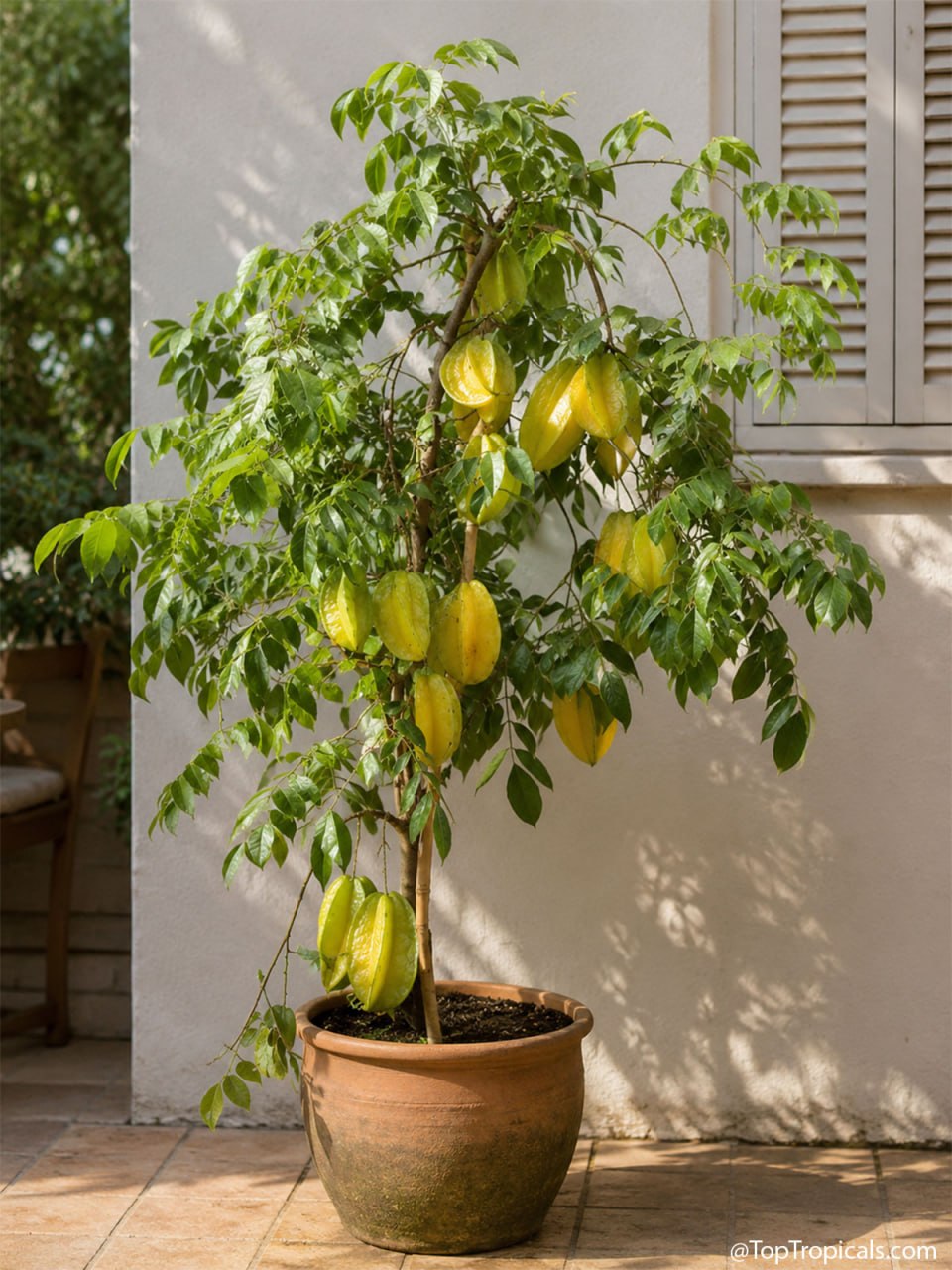
For container growing, we would still expect your tree to be well suited to pot culture, especially with periodic pruning to maintain size and shape. Many growers actually enjoy growing seedlings because there is always the possibility of discovering an exceptional individual. Carambola is a quick fruit tree: 3-4 years from seed to fruit.

We believe your Dwarf Hawaiian seedling has excellent potential and should make a rewarding container-grown fruit tree.

🛒 Plant Star Fruit Carambola Tree

📚 Learn more:

Carambola Plant Facts

Botanical name: Averrhoa carambola
Also known as: Carambola, Starfruit, Five-finger, Balimbing
USDA Zone: 9 - 11
Highligths Small tree 10-20 ftSemi-shadeFull sunWatering: Regular. Let topsoil dry slightlyEdible plantSubtropical plant. Mature plant cold hardy at least to 30s F for a short time
Get personalized tips for your region

Averrhoa carambola in Plant Encyclopedia
Star fruit chili relish: quick-n-fun exotic recipes
Grilled star fruit slices: quick-n-fun exotic recipes
How to gets lots of Star Fruit Carambola
Star Fruit from our garden
Grow your own Carambola
Top 10 fast-fruiting trees: #8. Carambola - Starfruit
Carambola Banana Whip
Carambola Jam recipe
When young Carambola trees are covered with fruit
Carambola tree is the Star of the orchard

#Food_Forest #Discover #How_to

🟢 Join 👉 TopTropicals

Date: 21 Jun 2026

How to Grow Massive, Exotic Lobster Claw Blooms Anywhere (Even in Pots!)

How to Grow Massive, Exotic Lobster Claw Blooms Anywhere (Even in Pots!)

How to Grow Massive, Exotic "Lobster Claw" Blooms Anywhere (Even in Pots!)


If you’ve ever dreamed of transforming your patio or backyard into a lush, dramatic tropical getaway, there is one iconic plant that needs to be on your radar: Heliconia rostrata - famously known as the Lobster Claw or Parrot’s Beak.
With its massive, neon-bright, dangling inflorescences, it looks like something straight out of a high-end botanical resort. But here is the best-kept secret in tropical gardening: you don’t need to live in the deep jungle to grow them. Whether you have a sprawling tropical landscape or a simple sunny patio in a colder climate, this showstopper is ready to perform.


🔻 Why Heliconia Rostrata Rules the Tropics


There’s a reason the Lobster Claw is one of the most recognized and celebrated exotic plants in the world. It delivers maximum visual drama with surprisingly little fuss.

Jaw-Dropping Blooms: The vibrant, cascading flower bracts feature intense shades of red, yellow, and green, looking exactly like bright lobster claws or parrot feathers.
Unbeatable Vase Life: These flowers don’t just look spectacular on the plant; they last for weeks in water, making them the ultimate centerpiece for tropical floral arrangements.
Instant Scale: Growing up to 7 feet tall, a healthy cluster of Heliconia creates a dense, gorgeous tropical screen in no time.

🔻 The Container Secret: Growing in Pots


Think your winter weather is too harsh for jungle exotics? The Lobster Claw is surprisingly resilient. While it loves tropical heat, it can actually withstand brief temperature drops down into the high 20s F.
More importantly for northern gardeners, it adapts beautifully to container life.

By planting your Heliconia in a large, sturdy pot, you unlock the ability to grow them anywhere. When summer hits, your patio becomes a tropical oasis. When winter sets in and sustained freezing weather arrives, you simply roll the container into a greenhouse, garage, or bright indoor room until spring.

🔻 Pro-Tips for Maximum Blooms


To get those massive, vibrant stalks to stretch to their full potential, just follow these three golden rules:

1. Give the Underground Room
Heliconias grow from thick underground structures called rhizomes. To get a 7-foot canopy, use a large, deep pot with excellent drainage. Give those stalks room to multiply and spread!

2. Keep the Fuel Coming

These are fast-growing plants that require plenty of energy to produce those heavy, cascading flowers. Keep the soil consistently moist (never soggy) and feed them regularly with a high-quality tropical fertilizer to maximize bloom production. We put a scoop of Green Magic controlled release fertilizer every 6 months and Sunshine Booster Megaflor that is safe to apply with every watering, year around.

3. Sun and Shelter
Position your plant where it can soak up plenty of bright, filtered sunlight or partial afternoon sun. Try to protect it from harsh, whipping winds so those beautiful, banana-like leaves stay pristine and tear-free.

🛒 Claim Your Lobster Claw

📚 Learn more:

Lobster Claw Plant Facts

Botanical name: Heliconia rostrata, Bihai rostrata
Also known as: Lobster Claw, Parrot's beak
USDA Zone: 9 - 11
Highligths Small plant 2-5 ftSemi-shadeShadeFull sunWatering: Regular. Let topsoil dry slightlyYellow, orange flowersRed, crimson, vinous flowersSubtropical plant. Mature plant cold hardy at least to 30s F for a short timeFlood tolerant plantSeaside, salt tolerant plant
Get personalized tips for your region

Heliconia rostrata in Plant Encyclopedia
Blooming Lobster Claw Show at TopTropicals
Lobster Claw - Simply Spectacular
How to grow Lobster Claw
🎥 Lobster Claw Show at TopTropicals

#Hedges_with_benefits #Shade_Garden #Nature_Wonders #Discover

🟢 Join 👉 TopTropicals

Date: 20 Jun 2026

We Followed the Fragrance and Found This Remarkable Vine

Hiptage benghalensis - Helicopter Flower

Hiptage benghalensis - Helicopter Flower

🚁 We Followed the Fragrance and Found This Remarkable Vine

Hiptage benghalensis - Helicopter Flower - was one of the most memorable plants we discovered in Thailand.
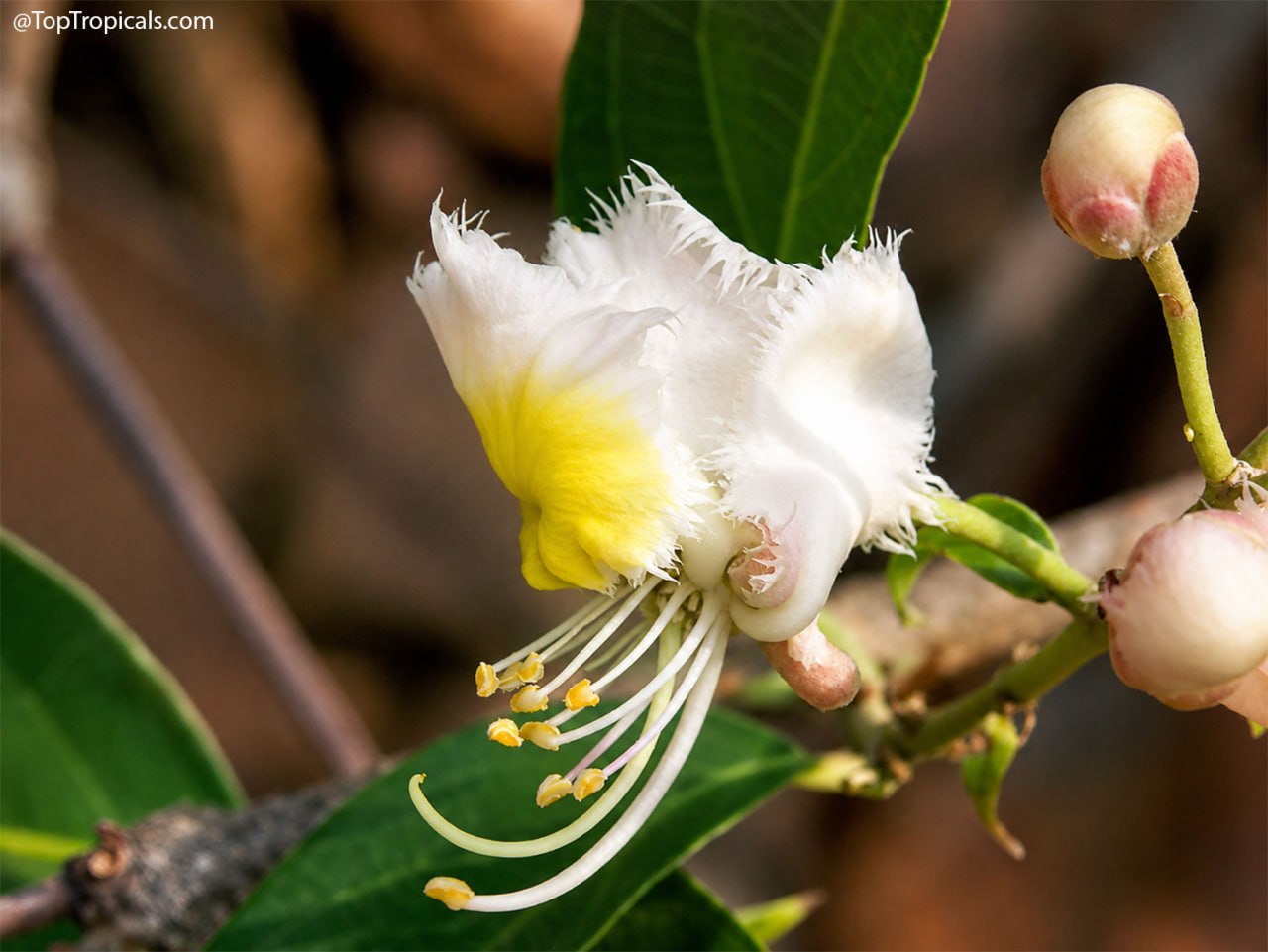
We actually noticed its fragrance long before we ever saw it. A sweet, fruity perfume drifted through the air, stopping us in our tracks. Following the scent led us directly to a vigorous flowering vine covered in clusters of unusual pink, white, and yellow blooms.


🌟 Why "Helicopter" Flower?


The unique nickname comes from its distinctive, three-winged seed pods that spin through the air like tiny helicopters when they drop. But the flowers are the real attraction. Their frilly petals, striking colorful markings, and powerful fragrance are intense enough to perfume an entire garden.

🌟 The Ultimate Winter Bloomer


What makes Hiptage especially valuable to a gardener is its perfect timing. It blooms heavily during winter and early spring, right when many other tropical plants are still resting. Just when the garden seems quiet, this vine steps up to fill the air with perfume.

🌟 Tough, Versatile, and Easy to Grow


Despite its exotic appearance, Hiptage is surprisingly adaptable and forgiving. Depending on your space and goals, you can train it in multiple ways:

Climbing Vine: Let it scale a trellis or fence for a vertical privacy screen.
Small Tree or Large Shrub: Shape it with regular pruning to create a standalone focal point.
Container Plant: Easily maintained in a large pot for patios or moving indoors during cold snaps.
✓ It grows quickly, tolerates a wide range of soils, and thrives beautifully in both full sun and partial shade.

💡Did You Know? In India, Hiptage is known as Madhavi, or the "Spring Herald." Traditional folklore often pairs it with mango trees - the sturdy mango supports the fragrant vine, together symbolizing strength, beauty, devotion, and the arrival of spring.

🌟 Bring the Perfume Home


It is easy to understand why this plant has been cherished for centuries. Few vines combine such intense fragrance, long-lasting cold-season beauty, adaptability, and rich history in a single package.
If you love fragrant plants, the Helicopter Flower may just be one of the most rewarding, head-turning discoveries you can add to your collection this year.
👉 More...

🛒 Bring Home the Fragrance of Madhavi

📚 Learn more:

Hiptage Plant Facts

Botanical name: Hiptage benghalensis, Hyptage bengalensis
Also known as: Hiptage, Helicopter Flower, Madhavi
USDA Zone: 9 - 10
Highligths Large shrub 5-10 ft tallVine or creeper plantSemi-shadeFull sunWatering: Regular. Let topsoil dry slightlyYellow, orange flowersWhite, off-white flowersPink flowersPlant attracts butterflies, hummingbirdsEthnomedical plant.
Plants marked as ethnomedical and/or described as medicinal, are not offered as medicine but rather as ornamentals or plant collectibles.
Ethnomedical statements / products have not been evaluated by the FDA and are not intended to diagnose, treat, cure, or prevent any disease. We urge all customers to consult a physician before using any supplements, herbals or medicines advertised here or elsewhere.Fragrant plantSubtropical plant. Mature plant cold hardy at least to 30s F for a short time
Get personalized tips for your region

· Hiptage benghalensis in Plant Encyclopedia
· Helicopter flower Madhavi - the Spring Herald that clings to a Mango Tree

#Perfume_Plants #Hedges_with_benefits #Discover

🟢 Join 👉 TopTropicals
Date: 19 Jun 2026

Pitaya Yellow Palora: dragon fruit beyond pink and white - A Collectors Guide

Pitaya Yellow Palora

🍉 Pitaya Yellow Palora: dragon fruit beyond pink and white - A Collector's Guide


Most dragon fruits are pink or red; Palora - Selenicereus megalanthus - breaks all the rules. With bright yellow skin, white flesh, and an intensely sweet tropical flavor, Palora has earned a reputation as one of the most desirable dragon fruit varieties in the world. Many collectors consider it the finest-tasting dragon fruit available, and once you've tried one, it's easy to understand why.

🔸 The dragon fruit that tastes like candy


Palora is an Ecuadorian selection of Selenicereus megalanthus, a species native to parts of Ecuador, Colombia, Peru, and Bolivia. Unlike the more common red dragon fruits, Palora produces smaller golden-yellow fruit covered with soft spines that naturally fall off as the fruit ripens.

Inside is translucent white flesh packed with tiny edible seeds.

What truly sets Palora apart is the flavor. The fruit is remarkably sweet, often testing much higher in sugar than red dragon fruit varieties. Growers commonly describe the flavor as a blend of honey, pineapple, pear, and tropical fruit, with a richness that many dragon fruits simply don't have.

🔸 Why collectors hunt for it


Ask experienced dragon fruit growers to name the best-tasting variety, and Palora frequently appears near the top of the list.

Unlike some dragon fruits that can be mild or watery, Palora has concentrated sweetness and a smooth, juicy texture. The flavor is so distinctive that many people who are unimpressed by ordinary dragon fruit become instant fans after tasting a ripe yellow Palora.

🔸 Different from other dragon fruits


Palora belongs to a different species than most popular dragon fruits. The plant tends to have thinner stems and a somewhat different growth habit.

It is self-fertile, meaning a single plant can produce fruit on its own. The fruit are generally smaller than red dragon fruits, but what they lack in size they more than make up for in flavor.

Another pleasant surprise is the plant's adaptability. It appreciates regular watering and rainfall but also handles dry conditions remarkably well once established.

🔸 Why it deserves the hype


Every fruit category has its superstar variety. For mangoes it might be Coconut Cream or Lemon Zest. For avocados, perhaps Oro Negro and Fantastic. In the dragon fruit world, Palora is often that variety.

Its bright yellow skin, exceptional sweetness, tropical pineapple-honey flavor, self-fertility, and collector appeal have made it one of the most sought-after dragon fruits available.

If you're only going to grow one dragon fruit for flavor, many experienced collectors would tell you to make it Palora. 👉 More...

🛒 Explore and collect Dragon Fruit varieties

📚 Learn more:

Pitaya Plant Facts

Botanical name: Selenicereus megalanthus
Also known as: Pitaya, Pitahaya, Dragon Fruit, Strawberry Pear
USDA Zone: 9 - 11
Highligths Vine or creeper plantSemi-shadeFull sunWatering: Moderate. Water when top soil feels dryWatering: Regular. Let topsoil dry slightlyYellow, orange flowersWhite, off-white flowersThorny or spinyEdible plantFragrant plantSubtropical plant. Mature plant cold hardy at least to 30s F for a short time
Get personalized tips for your region

· Yellow Dragon fruit (Selenicereus megalanthus) in Plant Encyclopedia
· Pitaya Vietnamese Jaina White: dragon fruit beyond pink and white
· Pitaya Tricia: dragon fruit beyond pink and white
· Pitaya "Sweet Red": dragon fruit beyond pink and white
· Pitaya Purple Haze: dragon fruit beyond pink and white
· Pitaya Hana: dragon fruit beyond pink and white
· Pitaya Eureka Red: dragon fruit beyond pink and white
· Pitaya David Bowie: Dragon Fruit Beyond Pink and White
· A Quick Guide to Dragon fruit varieties: Red, White, Yellow, Purple and more...
· What is the best Dragon fruit with red flesh?
· Planting your own Dragon Fruit plantation
· Do-It-Yourself Support Structure for Dragon Fruit
· Why you need to grow your own dragon fruit
· Do red, white and yellow Dragon fruit taste differently?

#Food_Forest #Dragon_Fruit #Discover

🟢 Join 👉 TopTropicals