Garden Blog - Top Tropicals

Date: 10 Nov 2025

❄️ How to Prepare Your Tropical Garden for Winter

Two  cats  in  a  tropical  garden  at  sunset.  Smokey,  a  black-and-white 


tuxedo  cat  wearing  a  wool  cap,  holds  a  thermometer  while  Sunshine,  a  fluffy 


orange  tabby,  sits  beside  mulch  and  folded  frost  cloths  surrounded  by  banana
 
 
  and  hibiscus  plants.

Smokey and Sunshine Wrap Up the Garden with Frost Cloth Before the Chill.

Smokey: "Thermometer says 45. Time to wrap the bananas!"
Sunshine: "You wrap the bananas. I’ll guard the mulch… from this sunny spot."
Smokey: "Teamwork, Sunshine. Teamwork."

🌡️ Cold nights are coming - but your tropicals do not need to shiver!

Even in sunny Florida and other warm zones, one cold snap can undo months of growth. Preparation is everything. Tropical plants can handle a lot, but they dislike surprises. Let’s make sure your garden stays safe, strong, and happy all winter long.

Tips from Tatiana Anderson, Top Tropicals Plant Expert

👉 Group and Check Your Plants

You already know which plants are in pots and which are in the ground. What matters now is prioritizing by cold sensitivity. Identify the tender tropicals – papaya, banana, plumeria, adenium, heliconia – and decide which ones get covered first when temperatures drop. Keep frost cloths or old sheets near those areas, ready to grab fast. If your garden is large, label protection zones or mark plants that always need extra care. The goal is to have a plan, not a panic, when the cold alert hits.

Once you know your priorities, you can plan the rest of your protection strategy.

👉 Feed and Mulch

Stop using high-nitrogen fertilizers by late fall. They push soft new growth that freezes easily. Add compost around the base of your plants and top with 3 to 4 inches of mulch. Mulch acts like a blanket: it keeps warmth in, protects the roots, and keeps soil moisture steady. Just make sure the soil drains well; cold and soggy soil leads to root rot. In raised beds, check that water flows away easily.

After you feed and mulch, it is time to look at how your local zone changes the game.

👉 Zone-by-Zone Tips
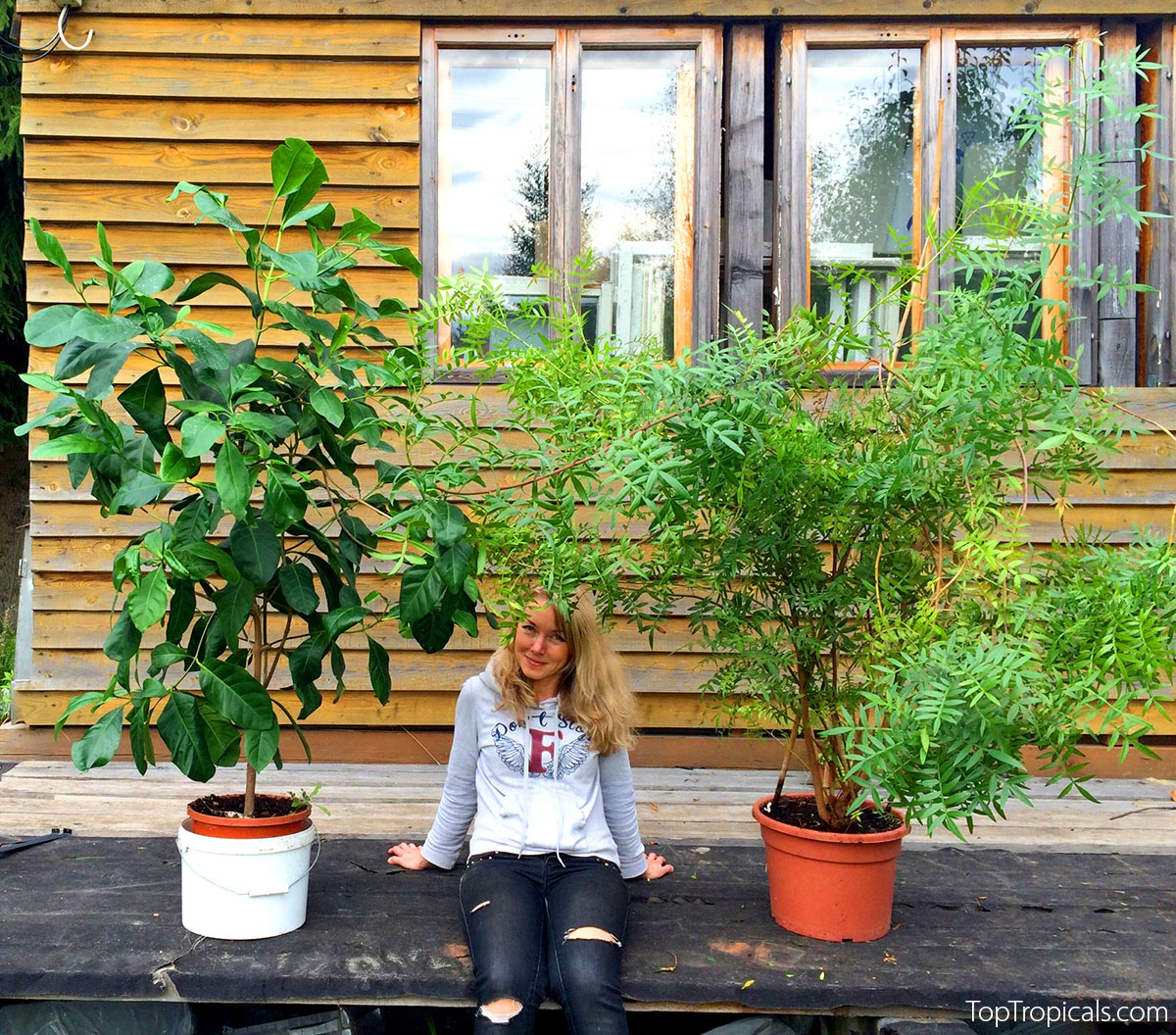
Woman  sitting  between  two  large  potted  tropical  plants  on  a  wooden  deck
 
 
  in  front  of  a  house,  preparing  to  move  them  indoors  for  the  winter.

Moving Tropical Plants Indoors for Winter Protection

  • Zone 10: You are lucky! This is mostly a maintenance season. Watch for root rot after heavy rain, trim lightly if needed, and protect tender young trees during surprise chills. Keep some frost cloth ready just in case.
  • Zone 9: This is the main action zone. Nights can dip into the 30s. Deep-water your trees once before cold nights to insulate the roots. Apply heavy mulch, and have frost protection ready to go. If you grow tropical fruit like mango or guava, consider wrapping young trunks in burlap or foam pipe insulation.
  • Zone 8: This is where tropical gardening becomes creative. Stick to cold-hardy tropicals such as loquat, guava, or cold-hardy avocado varieties. Use portable greenhouses, wrap trunks, and move smaller plants indoors or to a heated porch when frost threatens.

Now that the garden beds are set, let’s look at your pots and containers – your most mobile plants.

👉 Container and Patio Plants

Potted plants are the easiest to protect but also the quickest to freeze. Start reducing watering now so roots do not stay too wet in cooler weather. Before moving them, check for insects hiding under leaves or in the soil. Group your pots close to a wall for reflected heat and wind protection. If you plan to bring them indoors, do it gradually. Move them closer to the house for a few days before bringing them all the way inside to help them adjust to lower light and humidity.

When the chill starts, many gardeners rush to move everything inside at once – but a smooth transition works much better.

👉 Indoor Plants

When bringing plants inside, give them a good rinse to remove dust and bugs, and flush the soil to wash out salts from summer fertilizing. Keep them separate from your houseplants for a week to make sure no pests come along. Expect some leaf drop – it is normal as they adjust to lower light. Give them bright light near a window, and cut watering by about half until spring. Avoid misting too much; good airflow matters more than humidity during winter.

Many tropicals, like hibiscus, brugmansia, and crotons, may look tired for a while, but they will bounce back quickly once days get longer.

👉 Timing Is Everything

The key is to prepare before the first cold warning. Check your weather app regularly once nights start dropping into the 50s. Keep covers, mulch, and supplies ready so you are not running outside at midnight with a flashlight and a frozen hose. Have your frost cloths labeled by plant group and stored in an easy spot. A little organization now saves a lot of stress later.

Many tropicals, like hibiscus, brugmansia, and crotons, may look tired for a while, but they will bounce back quickly once days get longer.

Remember: the goal is to help your plants rest safely. Many gardeners prune or fertilize too late in the season – we will talk about why that can be risky next week." — says Tatiana Anderson, Top Tropicals Plant Expert

Coming next mail-list: The best gadgets for cold protection (lights, heaters, frost covers) and what NOT to do in winter.

📚 Learn more from Top Tropicals Blog:

Cold protection - winter action for your plant collection

What plants are good to order in Winter?

How to take care of house plants in Winter

How to protect tropical plants in Winter

How to take care of a mango tree in winter

How to protect Avocado from cold

Overwintering Adeniums outside of tropics
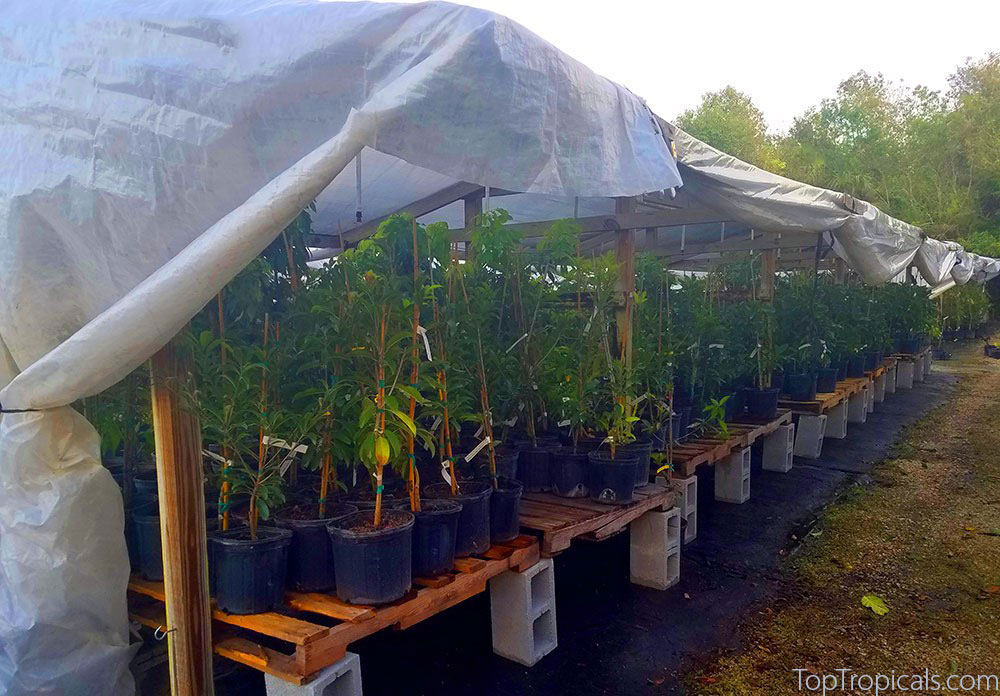
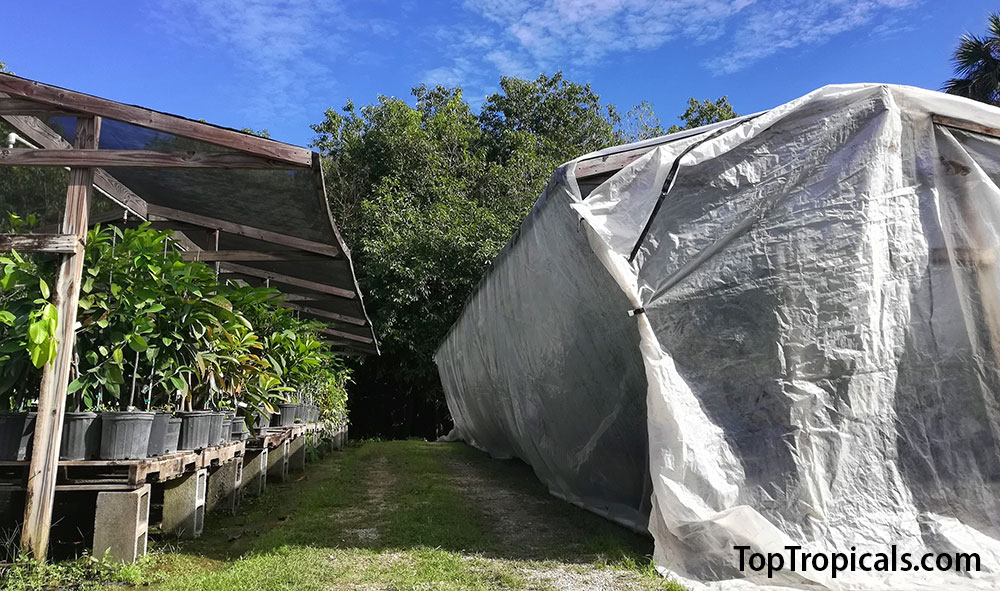
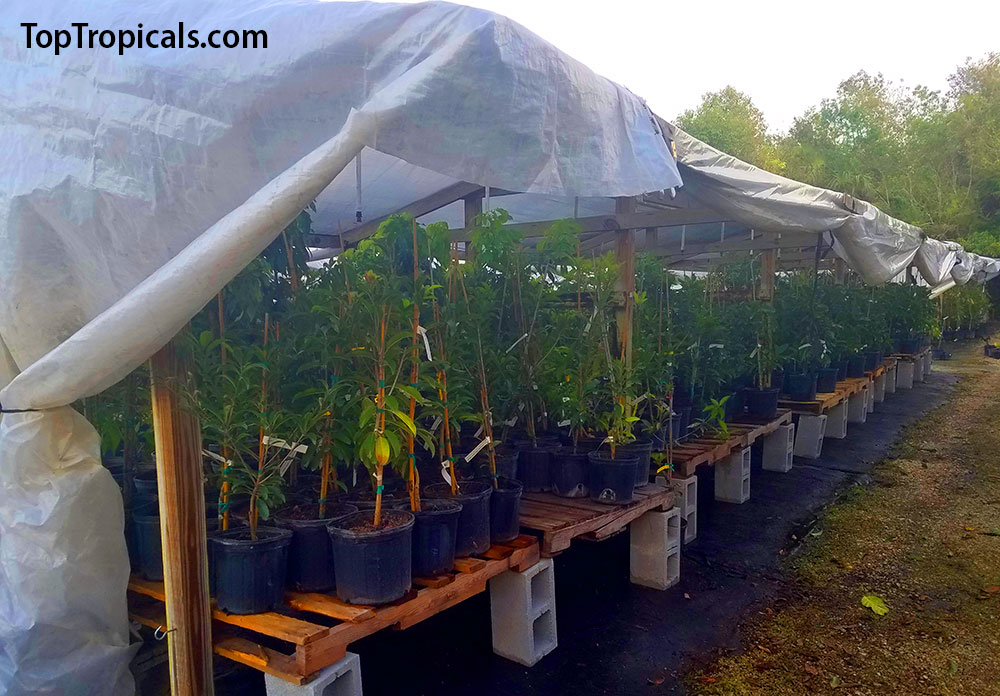
Rows  of  tropical  plants  in  black  pots  covered  with  frost  cloth  and 


plastic  sheeting  for  winter  protection  at  Top  Tropicals  nursery.

Protecting Tropical Plants with Frost Covers at Top Tropicals Nursery

Date: 16 Nov 2019

Meet PeopleCats of TopTropicals. Charlie, the Indoor Hunter

Carlie was a kitty drop off with LadyBug, Rickie, and Purry.
Charlie is Jamie's baby. She has an attitude of a teenager, one minute she loves you and the next - wants nothing to do with you. Carlie stays with the inside PeopleCats, she says it's too big in the outside world for her and she gets scared. Carlie has a fun game (fun to her): she plays around 2:00 am in the morning, she loves to drag random items down the hall (socks, toys, shirts, even blankets) in her mouth MEOOOWWWING as loud as she can. She then sets the items down on her human's bedroom rug and waits for her human to say thank you. We're pretty sure her hunting instinct is off...

Check out and more Cat of the Day stories.

2019, from Top to Bottom: Moe, Charlie, Bagheera, and Snitch. 2016: Charlie

From left to right: Purry, LadyBug, Charlie, and Ricki - 2016

Date: 29 Nov 2020

Cold protection of tropical container plants

Q: I am long time customer of yours, I live in San Diego California and while the summer and Fall temperatures are warm to mild, the winter temperatures dip to a point where some tropicals die off. We are experimenting with different variations of way to heat and insulate the pots we have the tropicals planted in as a way to keep them alive during the colder winter months. I was wondering if you knew of the ideal soil temperature for these tropical in order to look their best year round. All of the heaters we have installed have thermostats and temperature adjustments so we can now keep the soil anywhere between a range of between 65-75 degrees. Any advise you can provide would be greatly appreciated.

A: This is a very interesting concept you are working with. Indeed, keeping pots/roots warm, may help a lot! We've been experimenting with cold protection for a long time - for the above-ground plant parts. For sure keeping roots protected (even with a thick layer of mulch) will benefit tropical plants during winter. In case with container plants, this may help dramatically.
The guideline is, tropical plants slow down or stop their metabolism at 65F. As long as you can keep soil above that temperature - this should work great. Of course, the higher the better.
Optimum temperature for growing tropical plants in general - 70-85F. Above 90F, metabolism stops too, unless it's a heat tolerant, desert plant.

More information on winter cold protection of tropical plants and zone pushing:

Greenhouse in Virginia
Plumeria cold protection
Ghost Cold Protection
Seven rules of cold protection for tropicals
About Cold Protection
Cold protection - winter action for your plant collection
Tropical Treasures articles on zone pushing.

Date: 7 Dec 2025

Whats for breakfast? Guava versus Banana

Smokey: Guava for fiber, banana for power. Pick wisely.
Sunshine: I pick whatever requires zero effort.
Smokey: So... guava in a hammock. Perfect.

Smokey: Guava for fiber, banana for power. Pick wisely. Sunshine: I pick whatever requires zero effort. Smokey: So... guava in a hammock. Perfect.

🍉🍌 What's for breakfast? Guava versus Banana


Some mornings you want something light. Some mornings you want something that hits like a tiny energy bomb. That’s why people always compare guava and banana. Both are everywhere, easy to eat, and trusted since forever - from Ayurveda scrolls to modern nutrition charts.

But they’re not the same kind of morning fruit. Let’s walk through them like we’re in the kitchen deciding what to slice first.
  • 🍉 Guava - the fiber champion


    Guava looks innocent, but it’s one of the most nutrient-dense fruits.
    Per 100 g: 68 calories, 5.4 g fiber, over 200 mg vitamin C, a little protein, and solid potassium.

    Fiber does most of the work. It smooths digestion, keeps you full, and steadies blood sugar. Vitamin C boosts immunity, and antioxidants reduce inflammation. Studies suggest guava lowers LDL and triglycerides. Not bad for a tennis-ball-size fruit.


🍌 Banana - the quick energy classic


Bananas are the opposite personality: soft, sweet, ready in seconds.
Per 100 g: 89 calories, 22 g carbs, good potassium, and a little vitamin B6.

Bananas give fast energy without upsetting the stomach. Athletes eat them before workouts because carbs, sugars, and potassium wake up your muscles. Vitamin B6 helps mood and brain function, which is why a banana on a groggy morning works wonders.

They also pack antioxidants, polyphenols, and heart-protective compounds. Even the peel has nutrients (though not exactly breakfast-friendly).

📊 What studies say - quick notes

  • · Guava: anti-inflammatory, anti-hypertensive, anti-obesity, antioxidant, antidiabetic, antidiarrheal, boosts hemoglobin, supports dental health.
  • · Banana: antioxidants, fiber, vitamins C and E, carotenoids, flavonoids, and heart-protective compounds.


🔮 What Ayurveda says

  • · Guava calms Pitta and Kapha - great for acidity or sluggish digestion.
  • · Bananas balance Vata - grounding and nourishing - but can raise Kapha at night. Morning banana = good. Night banana = maybe skip.


🏆 Guava or banana - which one wins?


Both win, just in different ways:
  • 🍉 Pick guava for:


· light, high-fiber start
  • · better digestion
  • · steady energy
  • · low calories
  • · weight control


🍌 Pick banana for:

  • · instant energy
  • · easy digestion
  • · pre-workout boost
  • · quick carbs
  • · soft, comforting fruit

  • 🍉 Slow mornings love guava.

🍌 Busy mornings belong to banana.

For home growers


If you live in a warm climate, both fruits are incredibly rewarding to grow.

🍉 Why grow guava?

  • · Fruits in 1-2 years.
  • · Compact for small yards or containers.
  • · Super productive when mature.
  • · Needs only sun, warmth, and pruning.
  • · Homegrown flavor is sweeter and more aromatic.


🍌 Why grow banana?

  • · Grows fast and looks lush.
  • · One mat can feed a whole household.
  • · Dwarf varieties fit small gardens.
  • · Homegrown bananas taste richer and creamier.
  • · When a bunch ripens, breakfast is handled for a week.

Growing your own fruit means you’re never out of a healthy breakfast. Something is always ripening, always ready to pick, and always sweeter than anything you buy.

✍️ Scientific reference


🛒 Grow your perfect breakfast for any day - Guava and Banana

📚 Learn more:


📱 Watch YouTube short videos:


#Food_Forest #Bananas #Guava #Remedies #Discover

🟢 Join 👉 TopTropicals

Date: 29 Oct 2025

Grow your own brain food: Avocado and Cocoa

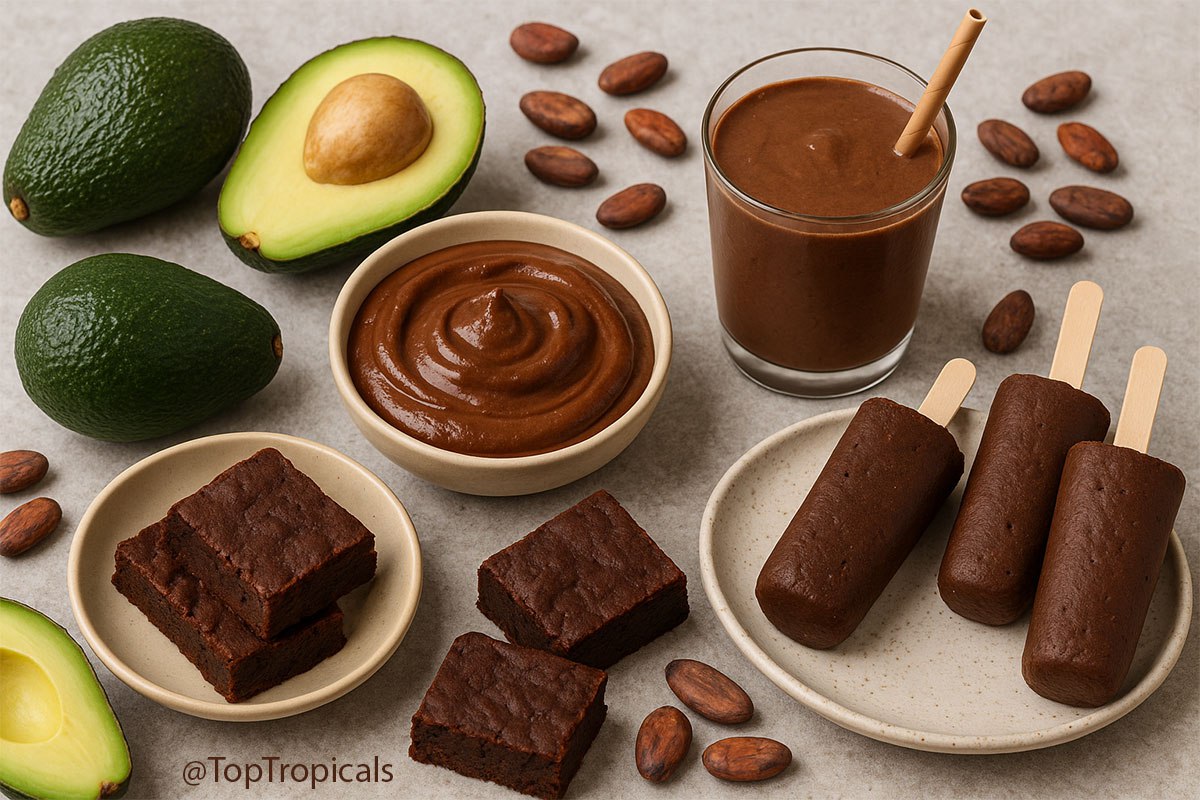
Avocado and Cocoa recipes

Avocado and Cocoa recipes

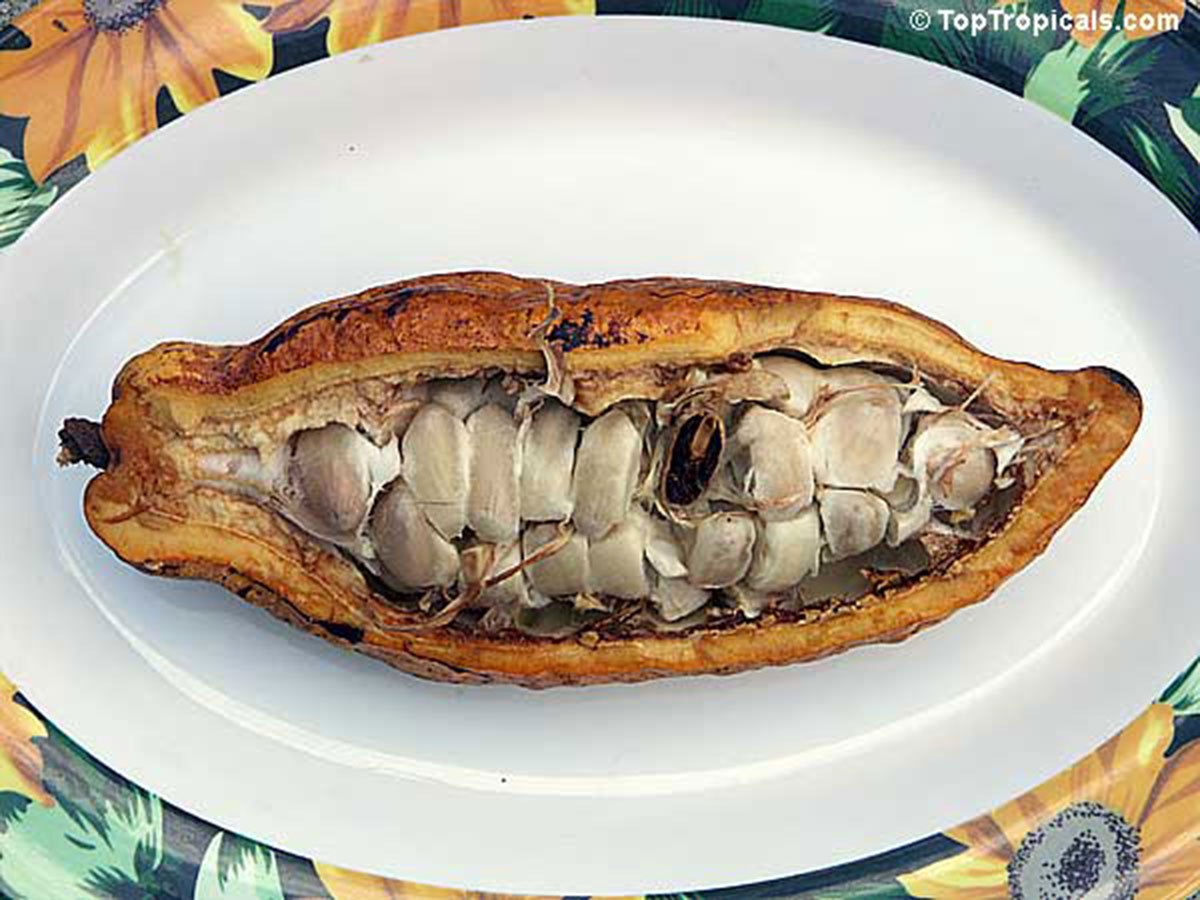
Chocolate tree fruit (Cocoa, Cacao beans) - Theobroma cacao

Chocolate tree fruit (Cocoa, Cacao beans) - Theobroma cacao

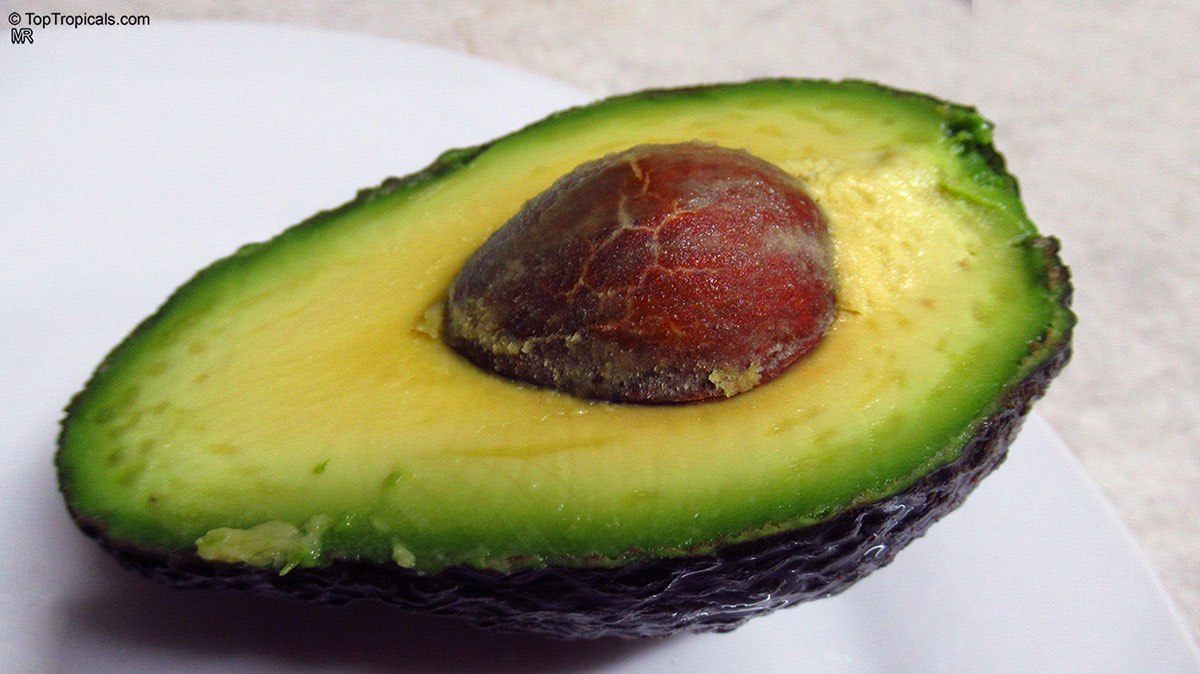
Avocado fruit

Avocado fruit

☕️ Grow your own brain food: Avocado and Cocoa

  • Avocado and cocoa aren't just a delicious combo - they’re also great for your brain. Studies show that Avocado's healthy fats improve blood flow and memory, while Cocoa’s flavonoids boost attention, mood, and overall cognitive performance. Together, they help protect brain cells from inflammation and aging.
  • Avocados are rich in monounsaturated fats and lutein, nutrients that support sharp thinking and long-term brain health. Cocoa, meanwhile, enhances circulation in the brain and has been linked to lower risk of stroke and dementia. So, growing your own avocado and cacao trees means growing your own natural brain boosters right in your garden.
  • Try blending the two in simple treats like avocado chocolate mousse or a smoothie with banana and almond milk - creamy, rich, and packed with brain-loving nutrients.


🍽 Delicious Avocado-Chocolate recipes:

  • 🍵 Avocado Chocolate Mousse


    To make this, simply blend ripe avocado, unsweetened cocoa powder, honey (or maple syrup), and a splash of vanilla for a rich, creamy mousse that feels indulgent yet guilt-free.
  • 🍵 Avocado Chocolate Smoothie


    This is perfect for breakfast and to make it, combine avocado, cocoa powder, banana, almond milk, and a touch of nut butter for a thick, chocolatey breakfast smoothie.
  • 🍵 Avocado Brownies


    This one is for the sweet tooth lovers, use mashed avocado in regular brownie batter, add cocoa powder, and bake for fudgy, nutrient-dense brownies.
  • 🍵 Chocolate Avocado Pudding Pops


    To make this bite-size snack, blend avocado, cocoa powder, dates (or honey), and coconut milk, then freeze in molds for refreshing delights.


🛒 Plant your own Chocolate tree (Cocoa, Cacao), and Avocado tree for long lasting brain power

📚 Learn more:
#Food_Forest #Remedies #Discover #Recipes

🟢 Join 👉 TopTropicals