Date: 16 Feb 2026
Yes, you can grow a mango tree on your patio - here is how to do it right
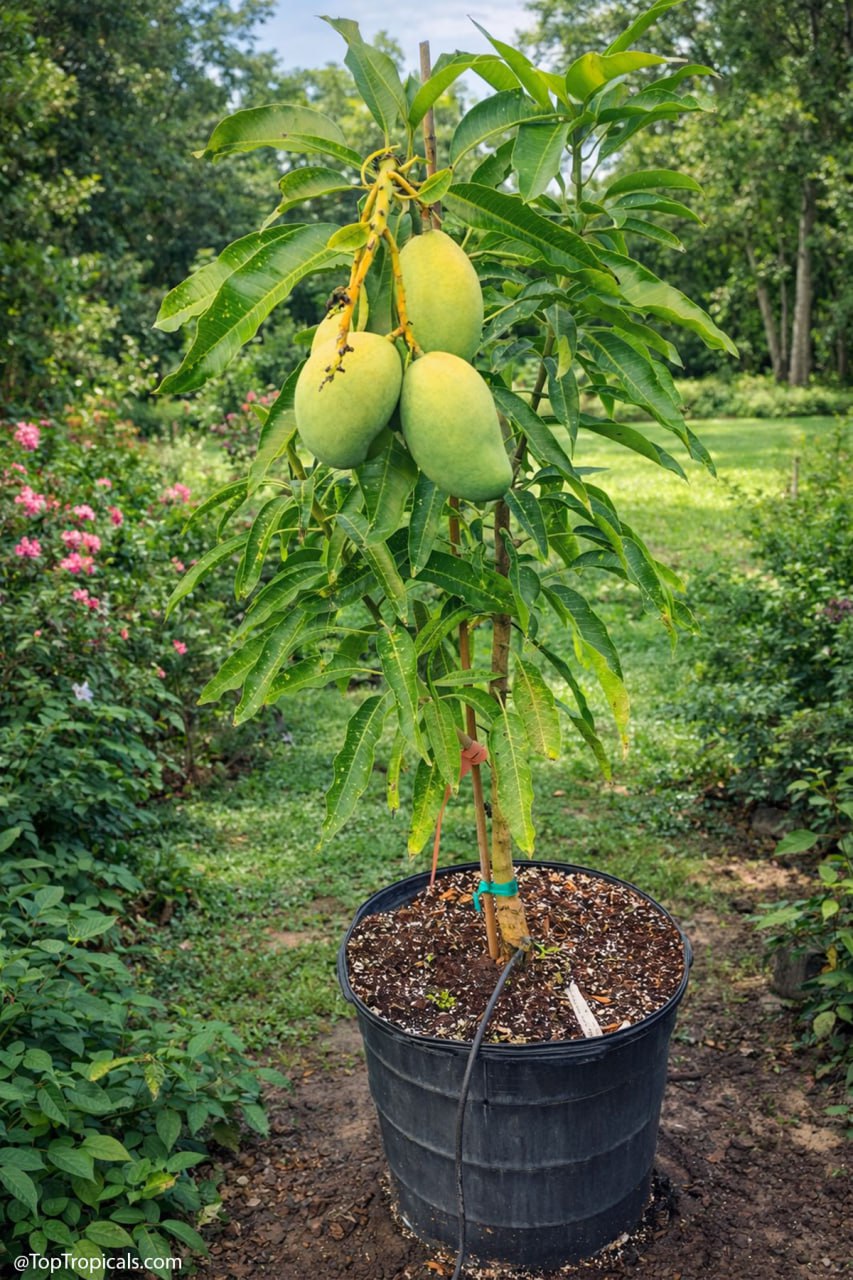
Yes, you can grow a mango tree on your patio - here is how to do it right
If you love mangoes but lack space for a large tree, good news - mango trees grow very well in containers. Compact varieties, often called condo mangoes, stay naturally smaller and are well suited for pots, patios, and small yards.
Growing mangoes in pots is also practical in cooler climates. The tree can be moved to protection during cold weather while still producing real fruit. Here is how to do it right.
· Cogshall - compact and productive
Growing a mango tree in a pot is practical and rewarding. With the right variety, good drainage, full sun, and careful watering, a potted mango can thrive and fruit for years, even in small spaces.
🛒 Dicover Condo Mango
📚 Learn more:▫️ How long does it take for a mango tree to bear fruit?
▫️ What are the Condo Mangos - a practical guide
▫️ Top 10 Dwarf "Condo" Mango, great for container culture
▫️Yes, you can grow an avocado tree on your patio - here is how to do it right
#Food_Forest #How_to #Discover #Mango
🟢 Join 👉 TopTropicals
If you love mangoes but lack space for a large tree, good news - mango trees grow very well in containers. Compact varieties, often called condo mangoes, stay naturally smaller and are well suited for pots, patios, and small yards.
Growing mangoes in pots is also practical in cooler climates. The tree can be moved to protection during cold weather while still producing real fruit. Here is how to do it right.
Pick the right mango variety
Choose condo or semi-dwarf mango varieties that stay smaller and respond well to pruning. These mango trees usually stay 6 to 10 feet tall in containers with light pruning. Fruit size is full-size, just fewer than on large trees.
Good mango choices for pots include:
· Cogshall - compact and productive
- · Pickering - naturally small and reliable
- · Carrie - manageable size, great flavor
- · Ice Cream - slow growing, narrow canopy
- · Julie - classic Caribbean type
- · more condo varieties...
- Choose the right pot
Use fast-draining soil
Water carefully
Give plenty of sun
Fertilize lightly but consistently
Prune to stay compact
Protect from cold
Final thoughts
Start small. Young mango trees do best in a 5- to 7-gallon pot. Oversized containers too early often cause overwatering and root issues.
Increase size gradually:
First pot: 5-7 gallons
Next size: 10-15 gallons
Mature container: 20-25 gallons
The pot must drain well. Mango roots dislike wet soil. Add holes if needed. Plastic, ceramic, and fabric pots all work.
Mango trees need air around their roots.
Use a loose, fast-draining mix, such as Abundance Professional Soilless Mix. Improve drainage with perlite, pine bark, or coarse sand. Avoid heavy or water-holding soils. Drainage matters more than fancy ingredients.
Mango trees prefer a wet-dry cycle.
Water deeply, then allow the top few inches of soil to dry before watering again. Always check with your finger first.
In warm weather, water once or twice a week. In winter, much less. Overwatering is the most common container mistake.
Mango trees love sun and heat.
Place the pot in full sun with at least 8 hours daily. More sun improves growth and flowering.
If overwintered indoors, use the brightest window possible. Grow lights help, but outdoor sun is best when weather allows.
Potted mango trees benefit from regular feeding during active growth.
Use a balanced mango or fruit tree fertilizer such as Sunshine Mango Tango (safe to use with every watering, year-around). Controlled-release fertilizer Green Magic (every 6 months) work well too. Avoid excess feeding, which promotes leaves over flowers.
If leaves pale, check watering first, then nutrition.
Pruning is essential for mangoes in pots.
Light tipping and trimming control size, encourage branching, and increase flowering points. Keep the canopy open and balanced. Watch the .
Avoid heavy pruning before flowering. Most pruning is best right after harvest.
Mango trees are tropical and cold-sensitive.
When temperatures drop below 40F, move the pot to protection or indoors. Young trees are especially vulnerable.
During winter, reduce watering and stop fertilizing. Growth slows and the tree rests.
When warm weather returns, reintroduce the tree to sun gradually to prevent leaf burn.
Growing a mango tree in a pot is practical and rewarding. With the right variety, good drainage, full sun, and careful watering, a potted mango can thrive and fruit for years, even in small spaces.
🛒 Dicover Condo Mango
📚 Learn more:
- ▫️
#Food_Forest #How_to #Discover #Mango
🟢 Join 👉 TopTropicals