Garden Blog - Top Tropicals

Date: 24 Nov 2025

One fruit on this tray always stumps people

Tropical fruit on a tray

One fruit on this tray always stumps people

  • 🍉 Another day, another fruit tray from the garden! Even at the end of November, something is always ripening here in Florida. This tray turned out especially fun - a mix of familiar fruits and a couple that always make people guess twice!
  • 🍉 Today’s harvest includes: sweet Persimmons, Star fruit, a few different dragon fruits: yellow Palora and white with red skin - this is Seoul Kitchen. There's also Cocoplum, which makes great drinks. And - ta-da! - the little showstopper of the day: Curly Locks Orchid Cactus fruit (Epiphyllum guatemalense Monstrosa). It looks wild, but it's edible and tastes like a tiny dragon fruit.
  • 🍉 If you live in Florida or any warm climate, growing your own fruit is one of the best gifts you can give yourself. Tropical fruit trees are generous plants - they don’t wait for a season, they give you something month after month. Some days it’s a handful, some days it’s a whole tray, but there’s always a fresh treat waiting. Once you start growing your own food, you realize how easy and rewarding it is to fill your garden with flavor.
  • 🍉 Every tray has a new surprise. Come along and see what the garden gives us next!


🛒 Explore rare tropical fruit

📚 Learn more:

#Food_Forest #Discover

🟢 Join 👉 TopTropicals

Date: 24 Nov 2025

Cinnamon leaf tea: quick-n-fun exotic recipes

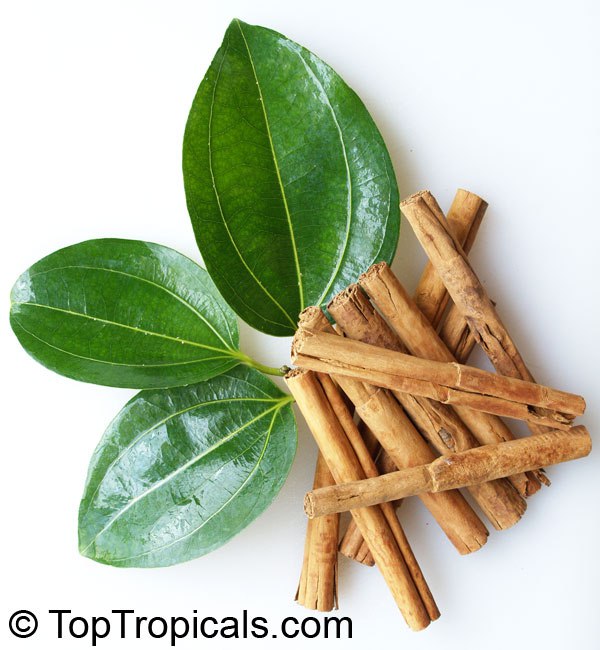
Cinnamon leaves and bark

Cinnamon leaves and bark

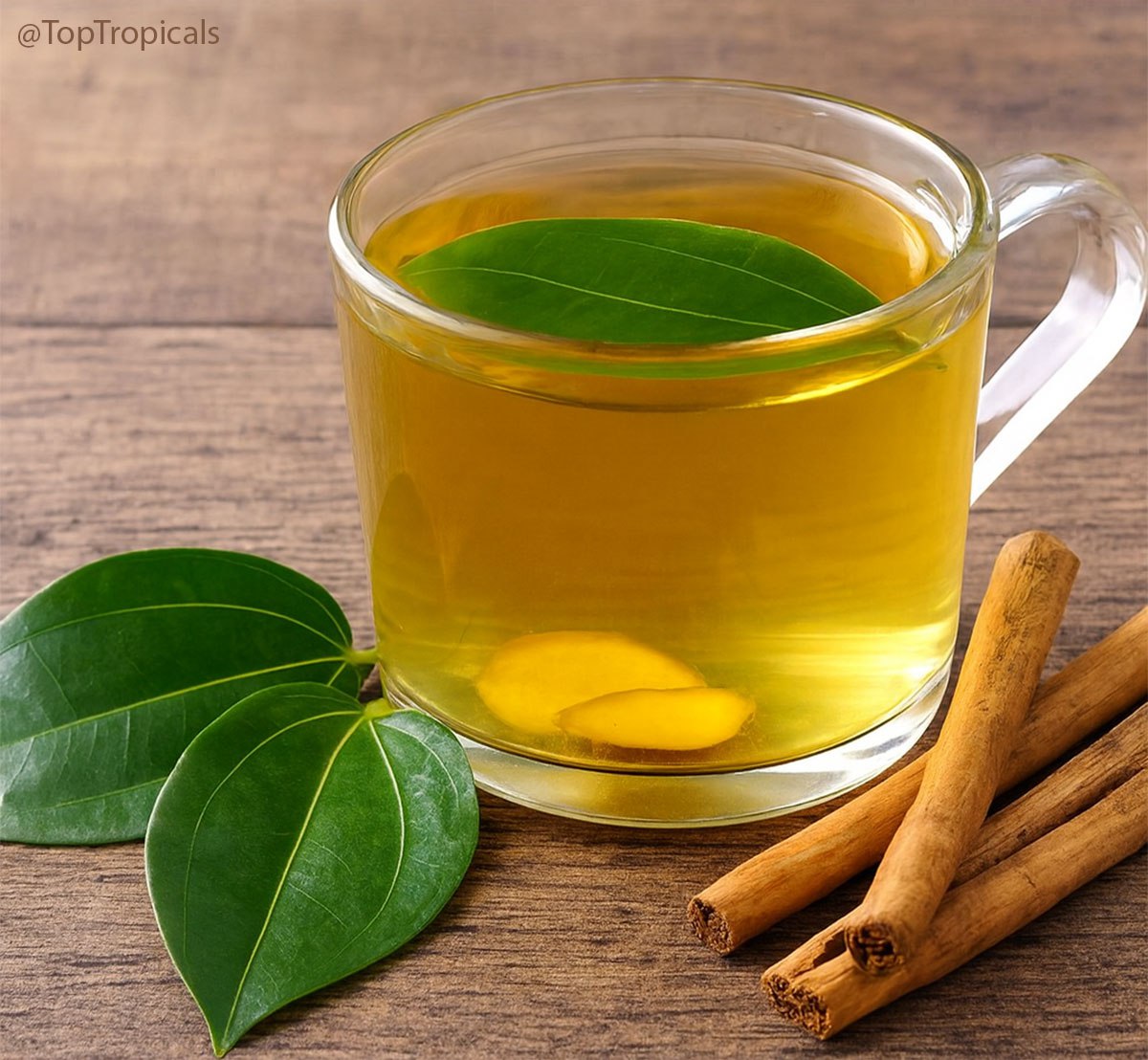
Cinnamon leaf tea

Cinnamon leaf tea

🍴 Cinnamon leaf tea: quick-n-fun exotic recipes

  • 🟢Steep fresh cinnamon leaves in hot water with a slice of ginger.
  • 🟢Fragrant, soothing, and naturally sweet!

Cinnamon Leaf Tea

Ingredients

  • 3-4 fresh cinnamon leaves (Cinnamomum verum)
  • 1 slice fresh ginger
  • 1 cup hot water

Instructions

  1. Bring water to a near boil.
  2. Add fresh cinnamon leaves and a slice of ginger.
  3. Steep for 5-7 minutes until fragrant and golden.
  4. Strain and serve warm.

🛒 Plant Cinnamon Tree - the spice that is always with you

📚 Learn more:


#Food_Forest #Recipes

🟢 Join 👉 TopTropicals

Date: 23 Nov 2025

Watch what this cat tells you at the end

Scooby - the Cat with the Attitude

😏 Watch what this cat tells you at the end


"Attitude is a little thing that makes a big difference." - Winston Churchill

🐈📸 Scooby - the Cat with the Attitude at TopTropicals PeopleCats.Garden

#PeopleCats #Quotes

🟢 Join 👉 TopTropicals

Date: 23 Nov 2025

How to overwinter the tropical Bird of Paradise

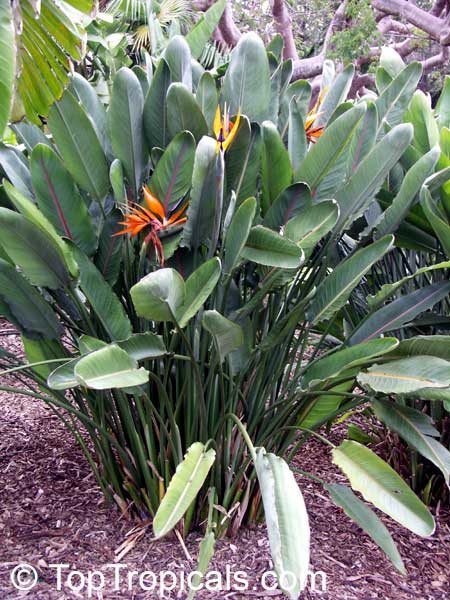
Strelitzia reginae - the Bird of Paradise, bug plant

Strelitzia reginae - the Bird of Paradise, bug plant

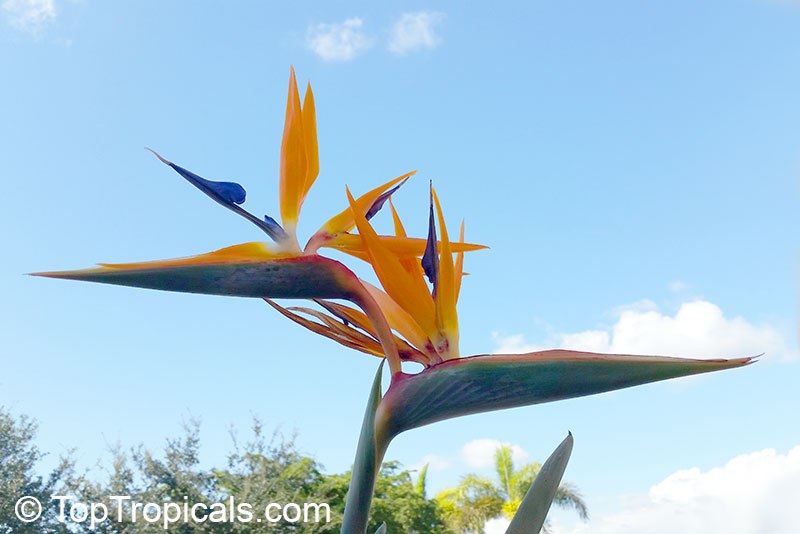
Strelitzia reginae - the Bird of Paradise, flower

Strelitzia reginae - the Bird of Paradise, flower

❄️ How to overwinter the tropical Bird of Paradise

  • Strelitzia reginae - the Bird of Paradise is a resilient tropical that can adapt to indoor conditions through winter if given bright light, moderate warmth, and careful watering. With a few preventive steps and timely protection, plants will stay healthy and reward you with vigorous new growth and blooms when warmth returns.

When should you move plants indoors?


Move Bird of Paradise indoors before nighttime temperatures consistently drop below 55F. Extended exposure to cooler air can slow growth and stress the plant. In central and south Florida, this often means late fall; in cooler zones, aim for early to mid-October. Once temperatures fall below 50F, leaf damage and root stress can occur.

What is the right location for a Bird of Paradise in winter, and why?


Place the plant in the brightest spot available - ideally near a south- or west-facing window. Strelitzia reginae is light-hungry even during dormancy. Low light leads to leaf yellowing, weak petioles, and slowed recovery in spring. If natural light is limited, supplement with a full-spectrum grow light set 12-18 inches above the foliage for 12-14 hours daily. Maintain room temperatures between 65F and 75F.

Do you need to do anything before moving them indoors?


Inspect the plant for pests such as mealybugs, scale, and spider mites, which often hide in leaf bases. Rinse the leaves and petioles thoroughly and check the soil surface for insects or snails. Prune off any damaged or aging leaves. If the plant has spent the summer in heavy rain, allow the soil to dry slightly before bringing it indoors to avoid fungus gnats or root issues.

Do plants need watering or feeding during winter?


Reduce watering. Indoors, the Bird of Paradise grows slowly in lower light, and excess moisture can cause root rot. Let the top 1-2 inches of soil dry before watering again. Avoid fertilizing during winter rest; resume feeding in spring when new growth appears. If the air indoors is very dry, increase humidity with a pebble tray or humidifier rather than overwatering.

Can you overwinter Birds of Paradise outdoors?


In frost-free areas of Florida (USDA zones 10-11), they can remain outdoors year-round. In zone 9, occasional cold snaps require protection. Mature clumps tolerate brief dips to about 30°F, but foliage burns easily at low temperatures.

What tips do you have for protecting plants outdoors?


When frost threatens, water the soil thoroughly a day before - moist soil retains heat better than dry. Cover the plant overnight with frost cloth or breathable fabric, not plastic, to trap ground warmth. For large clumps, wrap the base with mulch or straw to protect rhizomes. After cold events, remove damaged leaves but wait until spring to cut deeply, as live tissue below may still recover.

📚 Learn more:


How to grow Bird of Paradise

🛒 Plant Bird of Paradise

#How_to #Container_Garden

🟢 Join 👉 TopTropicals

Date: 23 Nov 2025

🏡 To Use Your Garden Or Be Used By It

Two  cats  in  a  garden  planting  a  young  tree.  Smokey,  a  black-and-white 


tuxedo  cat,  holds  a  small  shovel  and  works  the  soil,  while  Sunshine,  a 


fluffy  orange  tabby,  sits  smiling  beside  a  bag  of  garden 


soil.

Smokey and Sunshine November Planting.

Smokey: Winter roots make spring easy. Keep that plant straight.
Sunshine: I am keeping it straight by not touching it at all.
Smokey: That is exactly what I was afraid of.

November is the month when the garden finally stops yelling at you. The heat backs off, the bugs calm down, and the weeds take a breath. This is when we get to take control again. And as gardeners, we know the truth: Either you use your garden, or your garden will use you in spring. Let me walk you through this, gardener to gardener.

"November is when the garden finally listens. Give it a little direction now, shape it, guide it, and prepare it for spring. It will reward you all year." - Tatiana Anderson, Top Tropicals Plant Expert

🌴 When The Garden Uses You

We have all lived this scene:

  • March weeds appear, and two days later it looks like a jungle.
  • One missed watering turns into five wilted plants and a full week of recovery.
  • A skipped feeding shows up as yellow leaves and panic searching online.
  • Bugs return fast, and suddenly you are washing leaves every other day.
  • Random plant purchases fill your yard with chaos and mismatched care needs.
  • When the garden takes control, spring feels like hard work, not joy.
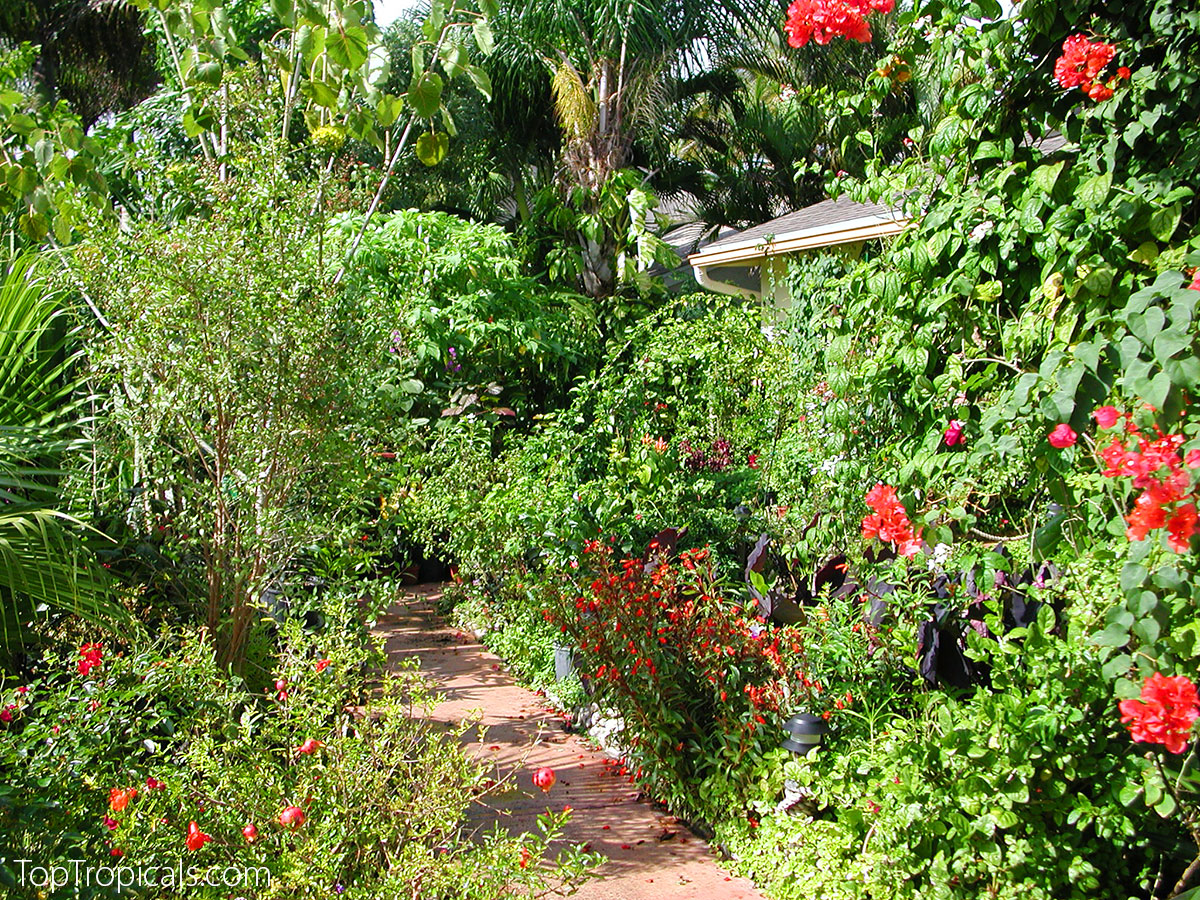
An  overgrown  tropical  garden  with  dense  foliage  and  vines  spilling  over
 
 
  a  walkway,  showing  how  a  garden  can  take  over  when  not  maintained.

Overgrown Tropical Garden Showing How a Garden Can Use You

📊 When You Use Your Garden

November flips the script. Plants slow down. Soil stays warm. This is the safest month to experiment, move plants, fix mistakes, and redesign.

What you do now pays off huge in March.

  • You map out sun zones and shade zones.
  • You mulch now so weeds do not explode later.
  • You move plants to better positions without heat stress.
  • You remove the high-drama plants before they start another season of complaints.
  • You pick what you want for next year instead of letting impulse buys rule you.

Spring becomes smooth instead of overwhelming. And honestly? It feels good to walk outside in March and see order instead of chaos.

A  neat,  organized  tropical  garden  with  trimmed  plants,  open  pathways, 


and  balanced  landscaping,  showing  how  a  gardener  can  use  and  direct  the 


garden.

In the photo: Every garden starts in small steps. Biquinho Pepper (front) in the garden.

What Benefit Do You Get Personally?

  • Less watering.
  • Fewer bugs.
  • Bigger fruit.
  • Better flowering.
  • Less money wasted.
  • Less time fixing problems you could have prevented now.

This is why experienced tropical gardeners adore November.

Garden

In the photo: Organized Tropical Garden. Firebush (lemon gold variety) and Cordylines (Ti Leaf) make colorful spots in the garden.

🐭 Start With Something Small Today (5 Minutes)

Pick one:

  • Add mulch to the driest spot in your yard.
  • Cut one dead branch from any tree.
  • Move one pot to a better sun angle.
  • Pull three weeds from the worst area.
  • Water deeply once this week.

Small steps now save hours later.

⭐ One Short Story

Last year we planted a Star Fruit in November. By March, it was already covered in flowers, and have been harvesting fruit non-stop since then! That is what winter planning does: it gives plants a head start you can actually see.

Young  Carambola  Star  Fruit  tree  fruiting

🐍 Plants That Will Use You If You Let Them

These are great plants, but only if you plan before planting them:

  • Banana (thirsty)
  • Hibiscus (hungry)
  • Brugmansia (sensitive)
  • Passion vine (takes over anything it touches)

Place them wrong, and they become full-time jobs.

An  overgrown  passion  vine  covering  a  garden  swing,  showing  how  a 


fast-growing  plant  can  take  over  when  not  maintained.

In the photo: Passion Vine taking over the swing.

🐰 Plants That Work For You

These feel like free upgrades to the yard:

Pick even one of these and your garden starts giving back.

A  landscaped  garden  path  with  a  Cattley  Guava  tree  featuring  a  twisted 


multicolor  trunk,  surrounded  by  trimmed  tropical  plants  and  decorative 


garden 


elements.

In the photo: Cattley Guava brings not only tasty fruit but also a wonderful character with its amazing multi-color twisted trunk.

🌡️ November Advantage

You cannot ruin anything in November. This is the safest, calmest month to shape your garden the way you want. If you act now, spring becomes a victory lap. If you wait, spring becomes a rescue mission.

A  landscaped  tropical  garden  with  a  potted  Adenium  in  full  bloom,  red 


Cordylines  behind  it,  and  neat  mulched  beds  with  decorative  garden 


elements.

In the photo: Adenium is a colorful accent in the garden.

💐 Thanksgiving Tie-In

This is the season to reset, breathe, and be thankful for your outdoor space. A garden that works for you is one of the best gifts you can give yourself going into the new year.

Start your November plan today. Use your garden. Do not let it use you.

A  neatly  designed  tropical  garden  bed  featuring  Megaskepasma,  iris, 


Colocasia,  colorful  Crotons,  Dracaena,  and  Ti  Leaf  plants  arranged  in 


mulched 


landscaping.

In the photo: Megaskepasma, Iris, Colocasia, Crotons, Dracaena and Ti Leaf bring instant tropical look to your garden.

Shop Fruit trees

Shop Flowering shrubs