Garden Blog - Top Tropicals

Date: 26 Jan 2026

Why Turmeric was named the 2026 Herb of the Year
Turmeric - Curcuma

Turmeric - Curcuma

🌷 Why Turmeric was named the 2026 Herb of the Year

  • 🌷 Turmeric was named the 2026 Herb of the Year by the International Herb Association, and it is easy to see why gardeners are paying attention. This tropical plant from the ginger family is best known for its bright orange underground rhizomes, used for centuries as a spice, natural dye, and traditional remedy.
  • 🌷Native to India, Turmeric (Curcuma longa) is closely related to Ginger and Cardamom. Its rhizomes are a staple in curry and widely used in Asian, African, and Caribbean cuisines. In recent years, turmeric has also gained attention for potential anti-inflammatory properties.
  • 🌷 Herb, spice or flower?


  • • Botanically, turmeric is a spice, since it comes from the plant’s rhizomes rather than its leaves. In the kitchen, however, it often functions like an herb. Fresh turmeric can replace powdered turmeric in most recipes and delivers brighter flavor and color.
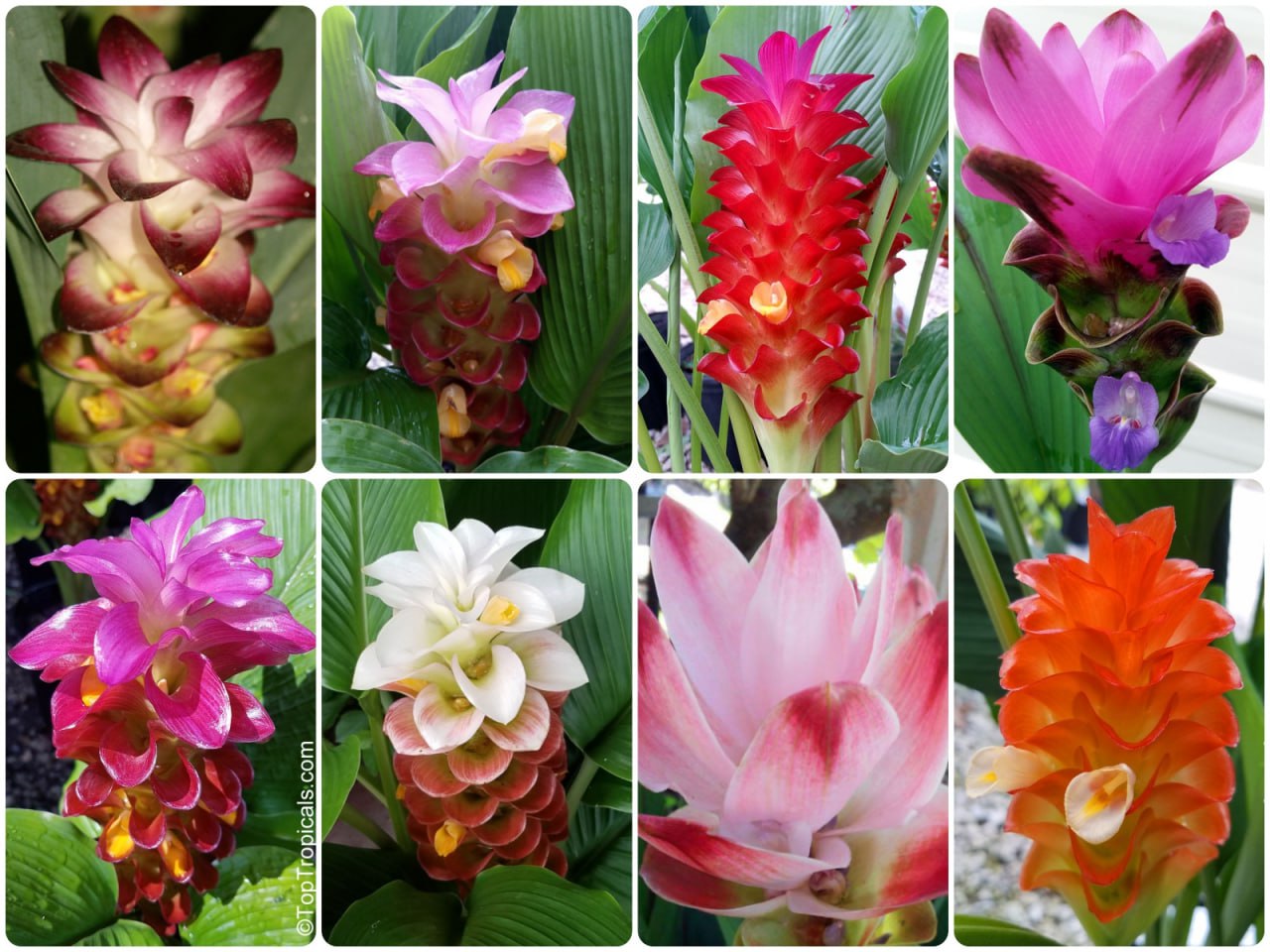
  • • Beyond edible Turmeric, there are many Curcuma hybrids grown purely for ornament. These selections produce striking, long-lasting flower spikes in shades of pink, white, orange, red, and purple, rising above lush tropical foliage. Ornamental curcumas are popular as patio plants and indoor accents, adding dramatic color and texture even where they are grown strictly in containers.


🌷 Growing turmeric anywhere - even in cool climates


Although Turmeric is a tropical perennial, it grows very well in containers, making it suitable for gardeners everywhere. When grown in pots, turmeric is treated as a warm-season plant that can be moved indoors as temperatures cool.
  • 🌷 How to grow Turmeric


    Turmeric is a compact, but bold plant, reaching 3-4 feet tall and wide, so it needs a roomy container. It prefers:

  • • Rich, well-drained soil
  • • Slightly acidic conditions (around pH 6–6.5)
  • • Consistent moisture
  • • Warm temperatures and bright, indirect light

The plant produces flowers that do not set seed, so turmeric is grown entirely from rhizomes.

🌷 Harvesting and using Turmeric


As the season ends, turmeric naturally goes dormant and the leaves yellow and dry. This signals harvest time. Dig the rhizomes, clean them, and dry them in a cool, shaded place.

Rhizomes can be:
  • • Boiled, dried, and ground into powder
  • • Frozen whole and grated as needed
  • • Pickled for long-term storage

Some healthy rhizomes can also be saved and replanted the following season, making turmeric both productive and renewable.

Compact, bold, and useful, turmeric proves that tropical plants can thrive well beyond the tropics - especially when grown in pots.

🛒 Plant Curcuma for both flowers, spice and herb

📚 Learn more :

Plant Facts

Boesenbergia rotunda, Curcuma rotunda
Chinese Keys, Fingerroot, Lesser Galangal, Chinese Ginger
USDA Zone: 9-11
Small plant 2-5 ftSemi-shadeModerate waterRegular waterWhite, off-white flowersPink flowersEdible plantSpice or herb plantEthnomedical plant.
Plants marked as ethnomedical and/or described as medicinal, are not offered as medicine but rather as ornamentals or plant collectibles.
Ethnomedical statements / products have not been evaluated by the FDA and are not intended to diagnose, treat, cure, or prevent any disease. We urge all customers to consult a physician before using any supplements, herbals or medicines advertised here or elsewhere.
  • Turmeric (Curcuma) in Plant Encyclopedia
  • Curcuma - the tropical tulip with a secret spice twist
  • Curcuma: one plant, two powers - color and spice!
  • How Curcuma Turmeric keeps blood pressure in balance.
  • Turmeric Curcuma: Grow Your Own Brain Boosters
  • The most interesting edible gingers?

  • #Food_Forest #Container_Garden #Remedies #Discover

    🟢 Join 👉 TopTropicals

    Date: 25 Jan 2026

    How to grow Winter blooms without sun, indoors or out

    Clerodendrum wallichiii - Bridal Veil

    ✨ How to grow Winter blooms without sun, indoors or out

    • ⭐️ Clerodendrum wallichii - Bridal Veil, is one of those plants that quietly steals the show. It is a graceful shrub that drapes itself in long, hanging sprays of white, lightly fragrant flowers just when many gardens are slowing down. Around fall and into winter, it suddenly comes alive with cascading blooms that really do look like a veil.
    • ⭐️ One of the things that makes Bridal Veil really special is that it blooms beautifully in bright shade, which is rare - not many flowering shrubs are happy without direct sun. Because it tolerates lower light so well and stays elegant in a container, it also makes a surprisingly great indoor plant in a bright room or sunroom.
    • ⭐️ What you will love most is how elegant but easygoing it is. The plant grows upright with soft, arching branches, usually topping out around 6–7 feet, with narrow, pointed leaves that stay neat and refined. The green stems set it apart from some other clerodendrums, giving it a lighter, airier look even when it’s not in flower.
    • ⭐️ Bridal Veil does best when you treat it gently. It likes bright light but not harsh afternoon sun, and it really appreciates protection from wind. Give it a spot with morning sun or bright shade, keep the soil evenly moist but well drained, and it rewards you without much fuss. It’s a great choice for containers, patios, or sheltered garden beds where you can enjoy the flowers up close.
    • ⭐️ Another bonus - it blooms when you want it most. While many plants rest, Bridal Veil puts on its show from fall through spring, making it a favorite for winter-interest gardens in warm climates. Pollinators notice it too, especially when little else is blooming.
    • ⭐️ If you like plants that feel a bit romantic, bloom off-season, and don’t need constant attention, this one earns its place fast. Bridal Veil is quiet, graceful, and unforgettable once you’ve grown it.


    🛒 Start your Clerodendrum collection

    📚 Learn more:
    #Shade_Garden #How_to #Hedges_with_benefits #Container_Garden

    Plant Facts

    Clerodendrum laevifolium, Clerodendrum wallichii, Clerodendrum nutans
    Bridal veil, Nodding Clerodendron
    USDA Zone: 9-11
    Large shrub 5-10 ft tallSmall plant 2-5 ftSemi-shadeModerate waterWhite, off-white flowersPlant attracts butterflies, hummingbirdsFragrant plantSubtropical plant. Mature plant cold hardy at least to 30s F for a short time
    🟢 Join 👉 TopTropicals

    Date: 25 Jan 2026

    Collecting clerodendrums: big color, little effort

    Clerodendrum collage

    Clerodendrum collage

    🎨 Collecting clerodendrums: big color, little effort

    • 🎨 Collector hook


      If you love plants that look rare, unusual, and a little dramatic - but do not want high-maintenance divas - Clerodendrums belong in your collection.
      Clerodendrums are a surprisingly diverse group of plants, ranging from flowering vines to shrubs and even small trees. What they all share is bold, colorful blooms and an easygoing nature that makes them far less fussy than they appear. This combination of exotic looks and forgiving care is exactly why collectors gravitate toward them.
      Many clerodendrums bloom repeatedly through the year in warm climates, and several tolerate lower light better than most flowering plants. That makes them flexible - happy in the garden, in containers, on patios, or even indoors near a bright window. Their flowers come in striking combinations of red, white, blue, pink, and purple, often with unusual shapes that stop people mid-walk.
    • 🎨 Why clerodendrums earn collector status


    • ✦ Uncommon, eye-catching flowers
    • ✦ Long or repeat bloom cycles in many varieties
    • ✦ Vines, shrubs, and small trees in one genus
    • ✦ Excellent performance in containers
    • ✦ More tolerant of lower light than expected


    🎨 Clerodendrum care made simple


    Give clerodendrums bright filtered light to partial sun, regular watering with good drainage, and light feeding during active growth. A little pruning keeps them tidy and encourages fresh blooms. That is it. No complicated routines, no constant fixing.

    For collectors who want maximum visual payoff without constant effort, clerodendrums deliver exactly what the title promises - big color, very little work.

    🛒 Start your Clerodendrum collection

    📚 Learn more:
    #Butterfly_Plants #Shade_Garden #How_to #Hedges_with_benefits #Container_Garden

    Plant Facts

    Clerodendrum bungei
    Cashmere (Cashmir) bouquet, Glory Bower, Clerodendron
    USDA Zone: 9-11
    Large shrub 5-10 ft tallSemi-shadeFull sunRegular waterRed, crimson, vinous flowersPink flowersPlant attracts butterflies, hummingbirdsDeciduous plantFragrant plantSubtropical plant. Mature plant cold hardy at least to 30s F for a short time
    🟢 Join 👉 TopTropicals

    Date: 24 Jan 2026

    How to unplug yourself

    Cat Timo

    😵‍ How to unplug yourself


    "Almost everything will work again if you unplug it for a few minutes, including you." - Anne Lamott

    🐈📸 Cat Timo is teaching a meditation class at PeopleCats.Garden

    #PeopleCats #Quotes

    🟢 Join 👉 TopTropicals

    Date: 24 Jan 2026

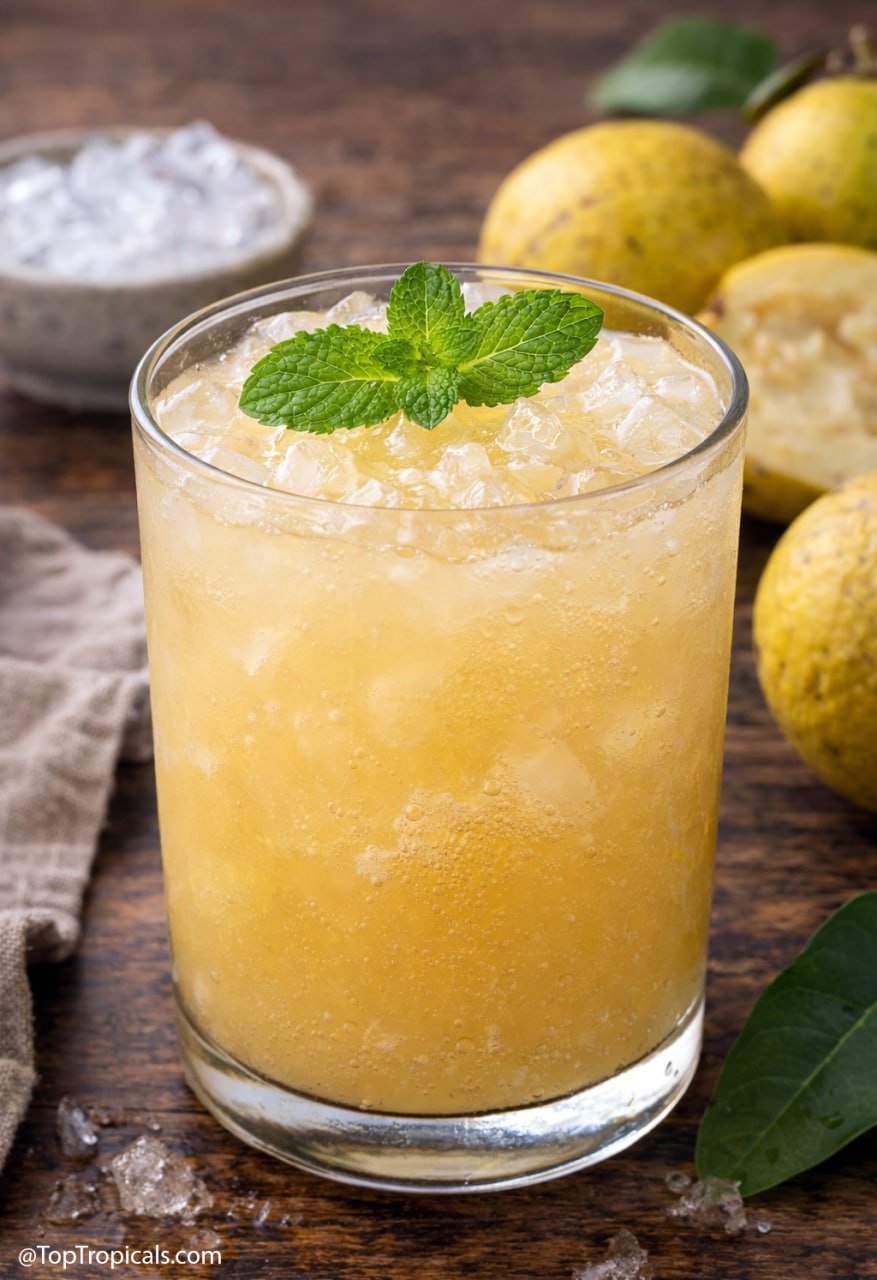
    Guava Cas cloud drink: quick-n-fun exotic recipes

    Guava Cas cloud drink

    Guava Cas cloud drink

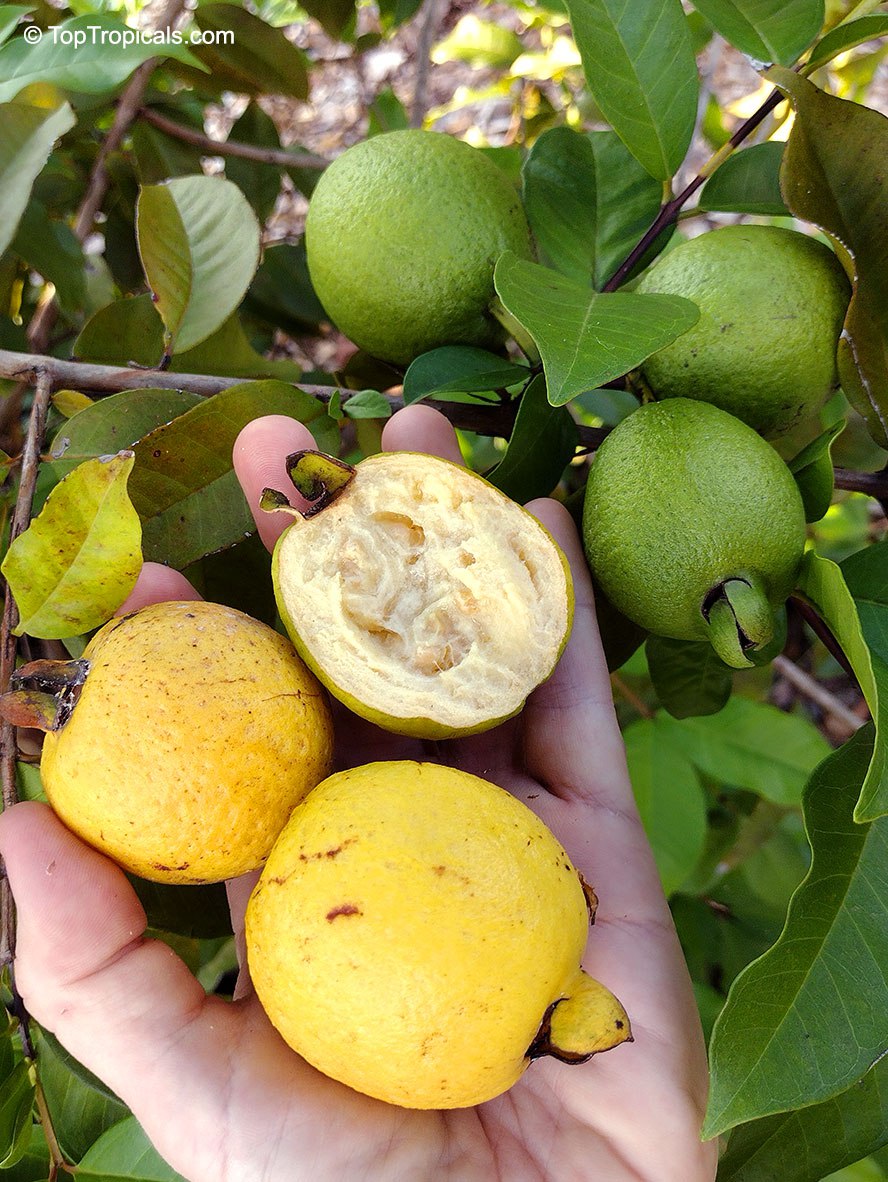
    Cas guava (Psidium friedrichsthalianum)

    Cas guava (Psidium friedrichsthalianum)

    🍴 Guava Cas Cloud Drink (Quick and Fun Exotic Recipe)

    Ingredients

    • 1 cup ripe Cas guava pulp (Psidium friedrichsthalianum)
    • 1.5 cups cold water
    • 1 tablespoon sugar (adjust to taste)
    • Ice cubes
    • Fresh mint (optional garnish)

    Instructions

    1. Add Cas guava pulp, cold water, and sugar to a blender.
    2. Blend until smooth and evenly mixed.
    3. Strain the liquid to remove seeds and coarse pulp.
    4. Serve over ice for a cloudy, tangy refresher.
    5. Garnish with mint if desired.

    Cas guava (Psidium friedrichsthalianum) is a Central American guava known for its bold, tangy flavor and high vitamin C content and Low sugar content. Unlike common guava, the pulp is sharp and refreshing, making it especially popular for drinks, juices, and traditional beverages.

    🌱 In the garden:


    Cas guava is a small, productive tree suited for warm climates. It prefers full sun, regular watering, and good drainage. The tree is adaptable, fairly fast-growing, and fruits reliably, making it a great choice for home gardens and containers.

    🛒 Plant easy and productive Cas Guava

    📚 Learn more:

    Plant Facts

    Psidium friedrichsthalianum
    Costa Rica Cas Fruit, Cas Guava
    USDA Zone: 9-11
    Large shrub 5-10 ft tallSmall tree 10-20 ftFull sunWhite, off-white flowersEdible plantSubtropical plant. Mature plant cold hardy at least to 30s F for a short time
  • Guava tree Cas (Psidium friedrichsthalianum) in Plant Encyclopedia
  • Zero Sugar fruit: forget lemonade - new perfect summer drink discovered!
  • What is the best fruit for summer drinks and wine?
  • •  What fruit is more sour and has more vitamin C than a lemon
  • •  What fruit can you drink? Costa Rican Cas is the Guava for Drinking
  • •  Costa Rican Guava

  • #Food_Forest #Recipes

    🟢 Join 👉 TopTropicals