Tropical and Subtropical Fruit and Edible Plants | Tropical Plant Encyclopedia
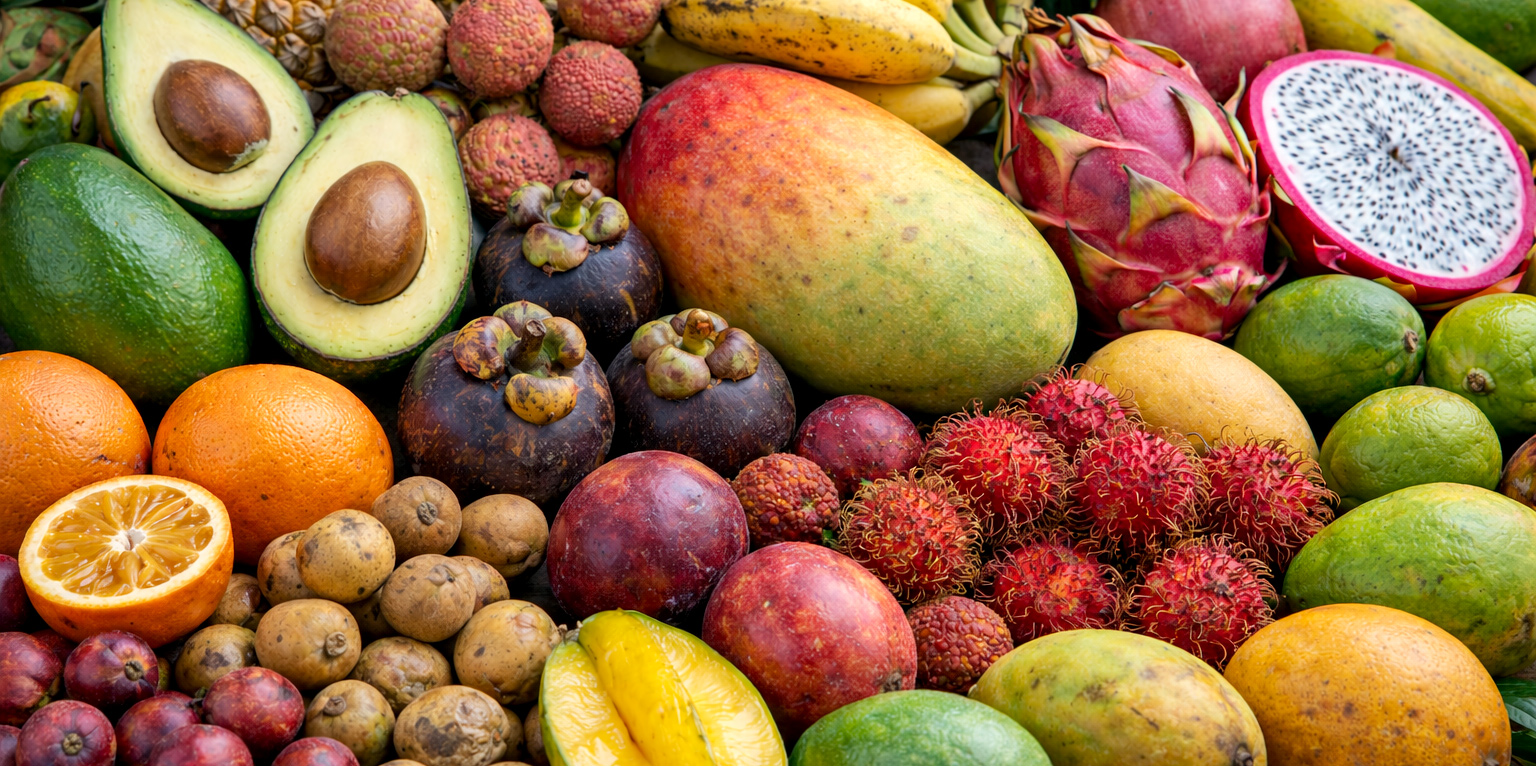
Tropical and subtropical fruit and edible plants include trees, shrubs, vines, palms, and herbaceous species grown for food in warm climates. Tropical fruit plants do not fit a single growth form. "Fruit" follows everyday gardening usage.
The sections below give quick orientation. Use the encyclopedia search to open specific plant profiles.
Tropical and subtropical fruit trees
In warm climates, fruit trees range from compact, managed trees to large, long-lived specimens. What matters is species choice and how the tree is trained and maintained, not the label "fruit tree". The same category includes plants with completely different canopy behavior, growth speed, and space requirements.
Shrubs with edible fruits
Edible-fruiting shrubs are chosen when you want fruiting plants that stay contained and are easy to manage in tight spaces. They fit well in smaller gardens and mixed plantings and are often used to add diversity alongside larger fruit trees. The practical advantage is control: size, access, and density.
Vines and climbing edible plants
Some of the best tropical edibles grow as climbers and are handled as vertical crops. Training and support are not optional - they define how the plant is grown, pruned, and harvested. This group is useful when horizontal space is limited but vertical space is available.
Palms and herbaceous edible plants
A large share of tropical food plants are neither trees nor shrubs. Palms and herbaceous species belong in the same edible category, but they behave differently and are managed differently. Grouping them separately prevents the common mistake of treating everything like an orchard tree.
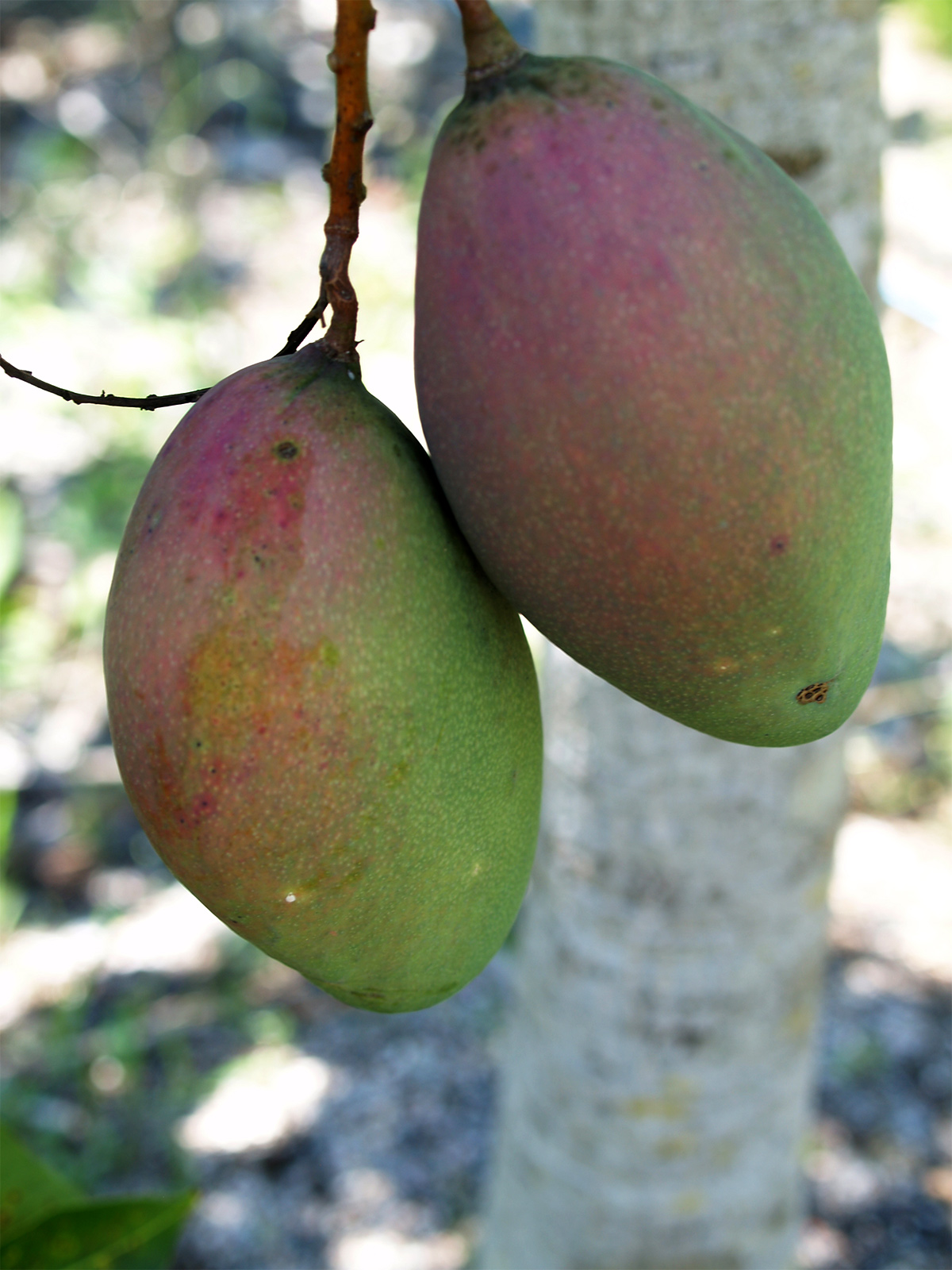
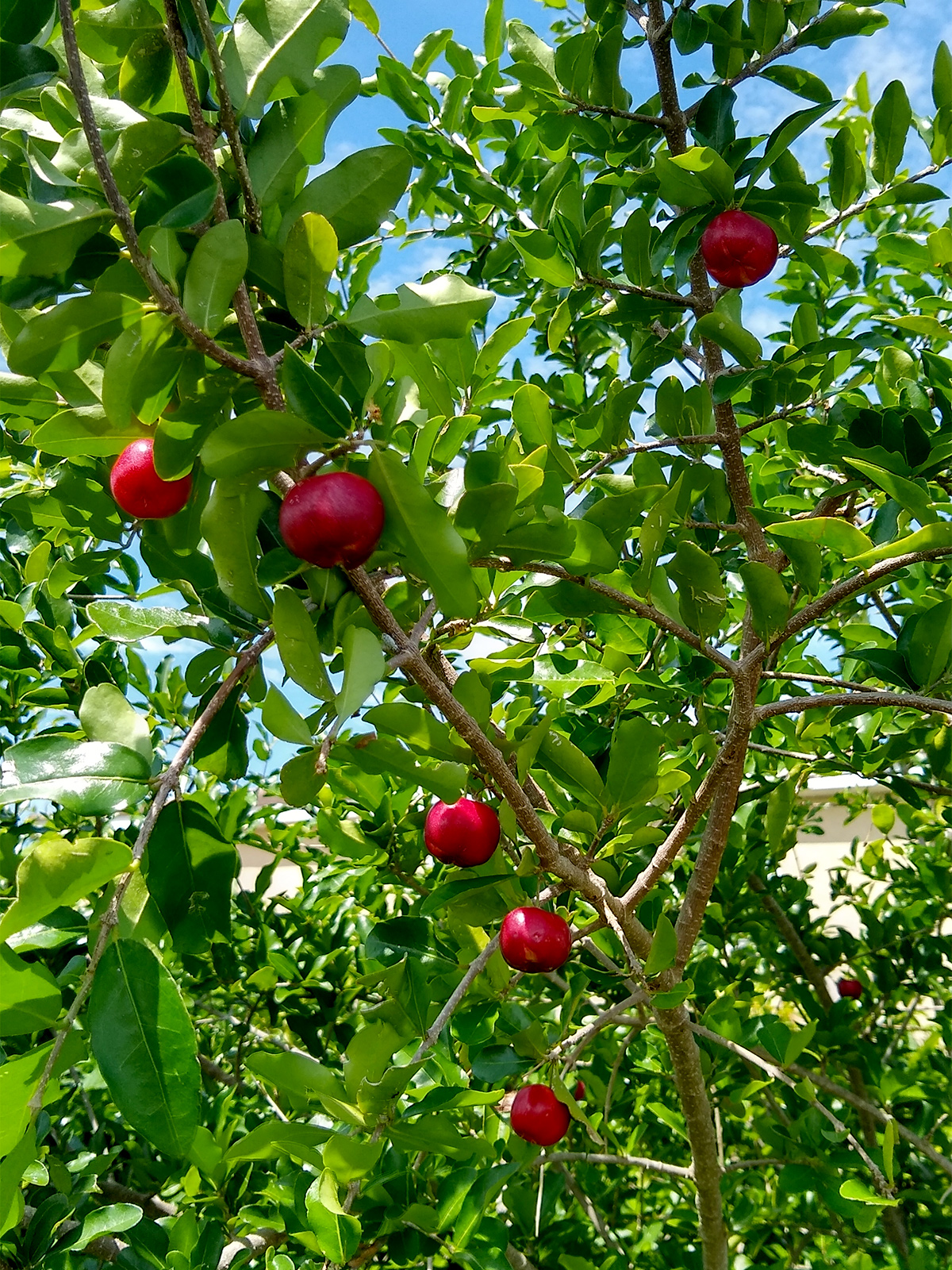

Examples of tropical and subtropical edible plants
Examples below span different growth forms. The list is not complete.
- Mango (Mangifera indica)
- Avocado (Persea americana)
- Banana (Musa spp.)
- Date palm (Phoenix dactylifera)
- Dragon fruit (Hylocereus spp.)
- Passionfruit (Passiflora edulis)
- Jaboticaba (Plinia cauliflora)
- Lychee (Litchi chinensis)
- Carambola (Averrhoa carambola)
What parts of these plants are edible
"Edible" depends on the species and the plant part. Individual plant entries specify what is edible and what is not.
Climate and cultivation overview
All plants listed in this category are grown in tropical and subtropical climates. Cold sensitivity varies by species, and growing requirements vary even among closely related plants. For practical decisions, decide based on the species.
Important safety notice
Edible does not mean every part is safe. Some plants have edible fruits while other parts, including seeds, leaves, sap, or unripe material, may be toxic. Confirm safety before eating any unfamiliar plant part.
Finding plants on our site
This website has different sections for different purposes.
- If you want to buy plants or check what is available, use the Online Store.
- If you want to learn about plants, see photos, names, and growing information, use the Plant Encyclopedia.
- If you would like to read articles and tips about growing tropical and subtropical plants, visit our Garden Blog, where we share practical advice, seasonal notes, and plant highlights.
To find fruit plants, use the search box on the Plant Encyclopedia page. You can search by plant name or by type, for example fruit trees, edible plants, or mango tree.
Frequently asked questions
What counts as a tropical or subtropical fruit plant?
Tropical and subtropical fruit plants are species grown for edible fruits in warm climates. They include trees, shrubs, vines, palms, and herbaceous plants.
Are all tropical fruits trees?
No. Many tropical fruits grow on trees, but others grow on shrubs, climbing vines, palms, or herbaceous plants.
Are all parts of these plants edible?
No. Often only the fruit is edible. Other parts such as seeds, leaves, sap, or unripe material may be toxic depending on the species. Always confirm safety before eating any unfamiliar plant part.
Can tropical and subtropical fruit plants be grown in containers?
Some tropical and subtropical fruit plants can be grown in containers, while others require open ground. Plants that grow large root systems, tall canopies, or need long-term soil stability do not perform well in pots. Smaller species and naturally compact or dwarf varieties, such as some condo mango trees and dwarf fruit trees, are better suited for container growing.
How do I find detailed information about a specific fruit plant?
Use the Plant Encyclopedia to search by common name, botanical name, or plant type. Open an individual plant profile for photos and growing information.