Litchi chinensis (Lychee)

Botanical names: Litchi chinensis, Nephelium litchi
Common names: Lychee, Lichee
Family: Sapindaceae
Origin: China
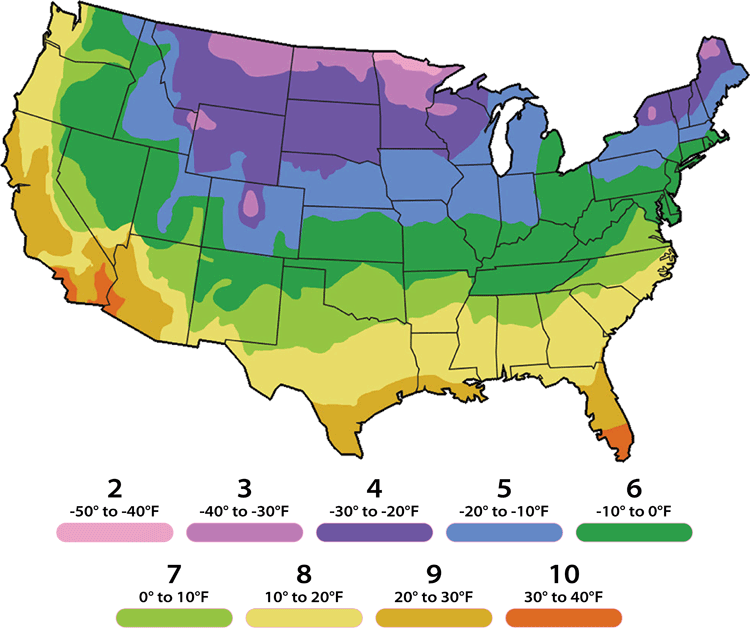
USDA Zone: 10-11
Cold tolerance: 30°F

 Plant form: Large or medium tree
 Mature height: 20 ft or more
 Sun exposure: Full sun or bright light indoor
 Cold tolerance: Tolerates light freezing to about 30°F for short periods (mature plants). Young plants must be protected.
 Watering: Regular
 Suitable for: Outdoors in the suitable USDA zone; large gardens
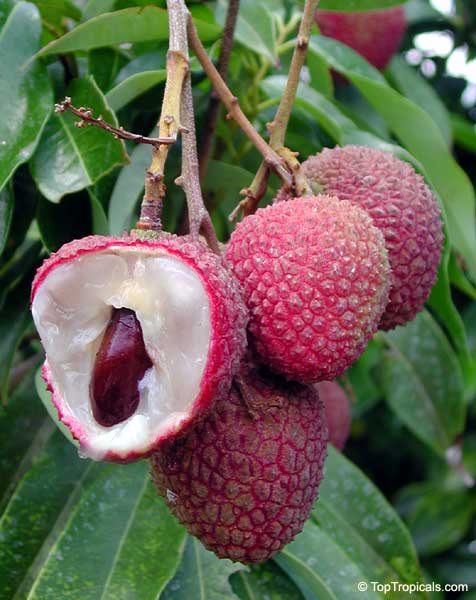
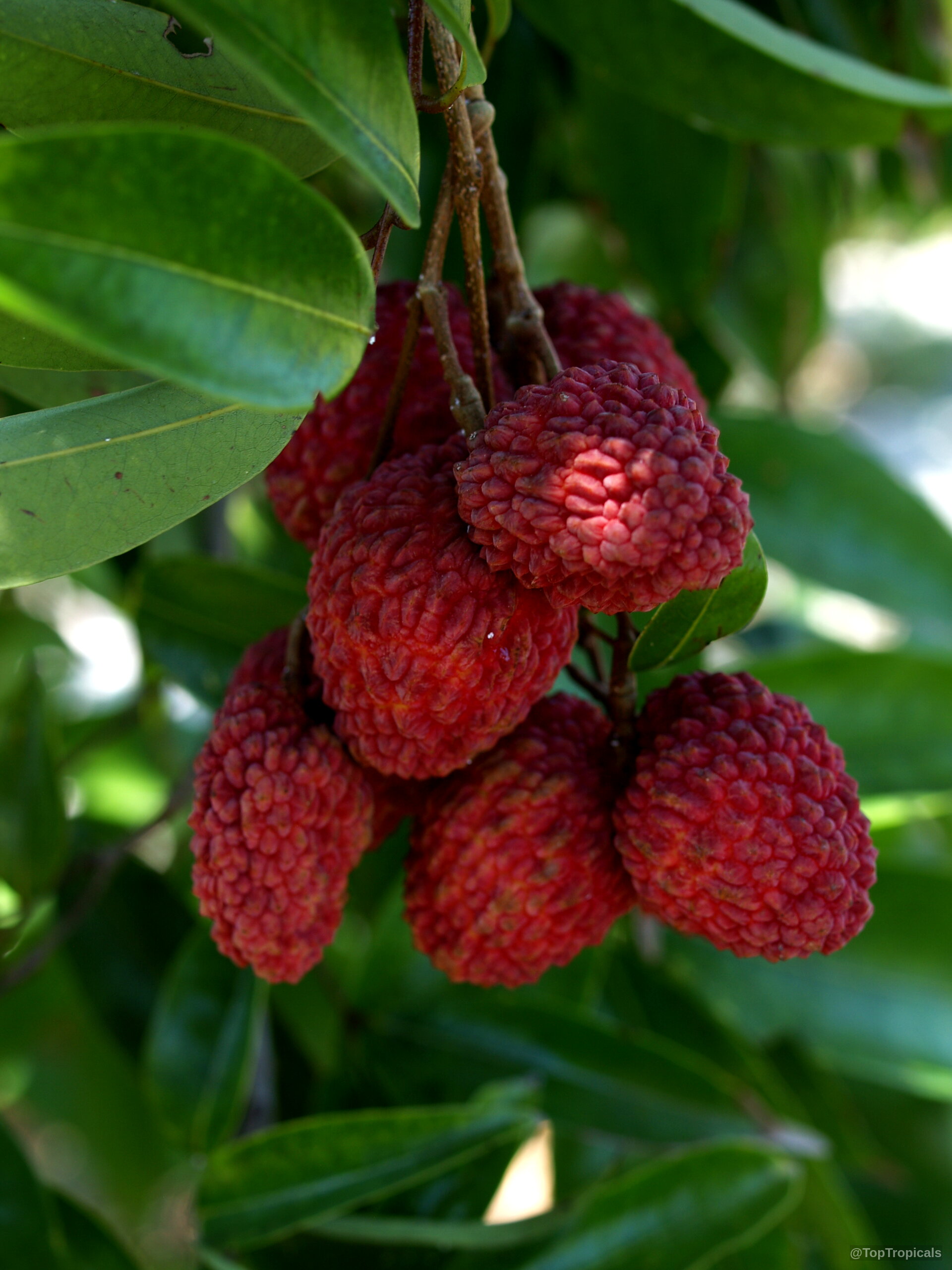
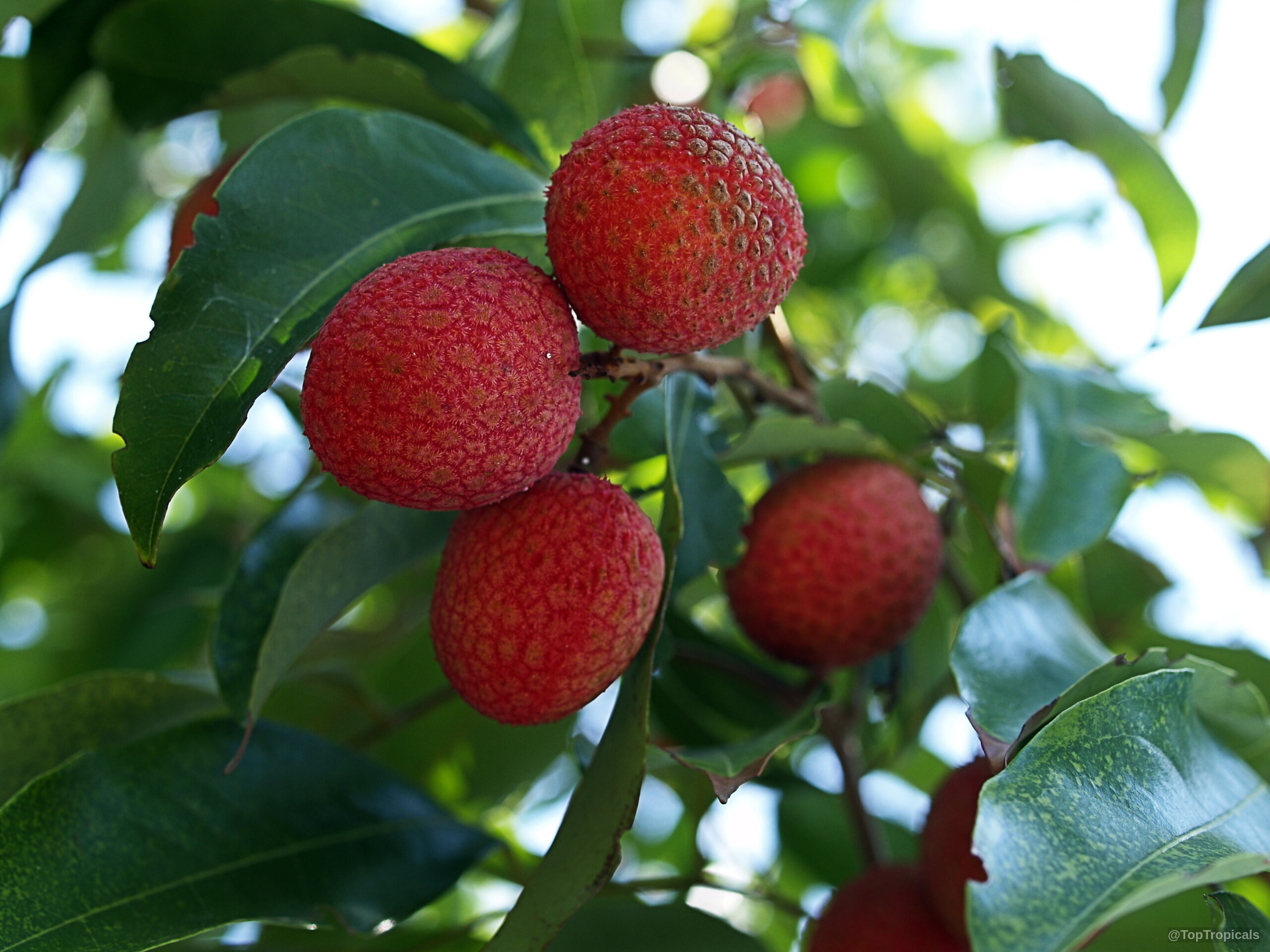
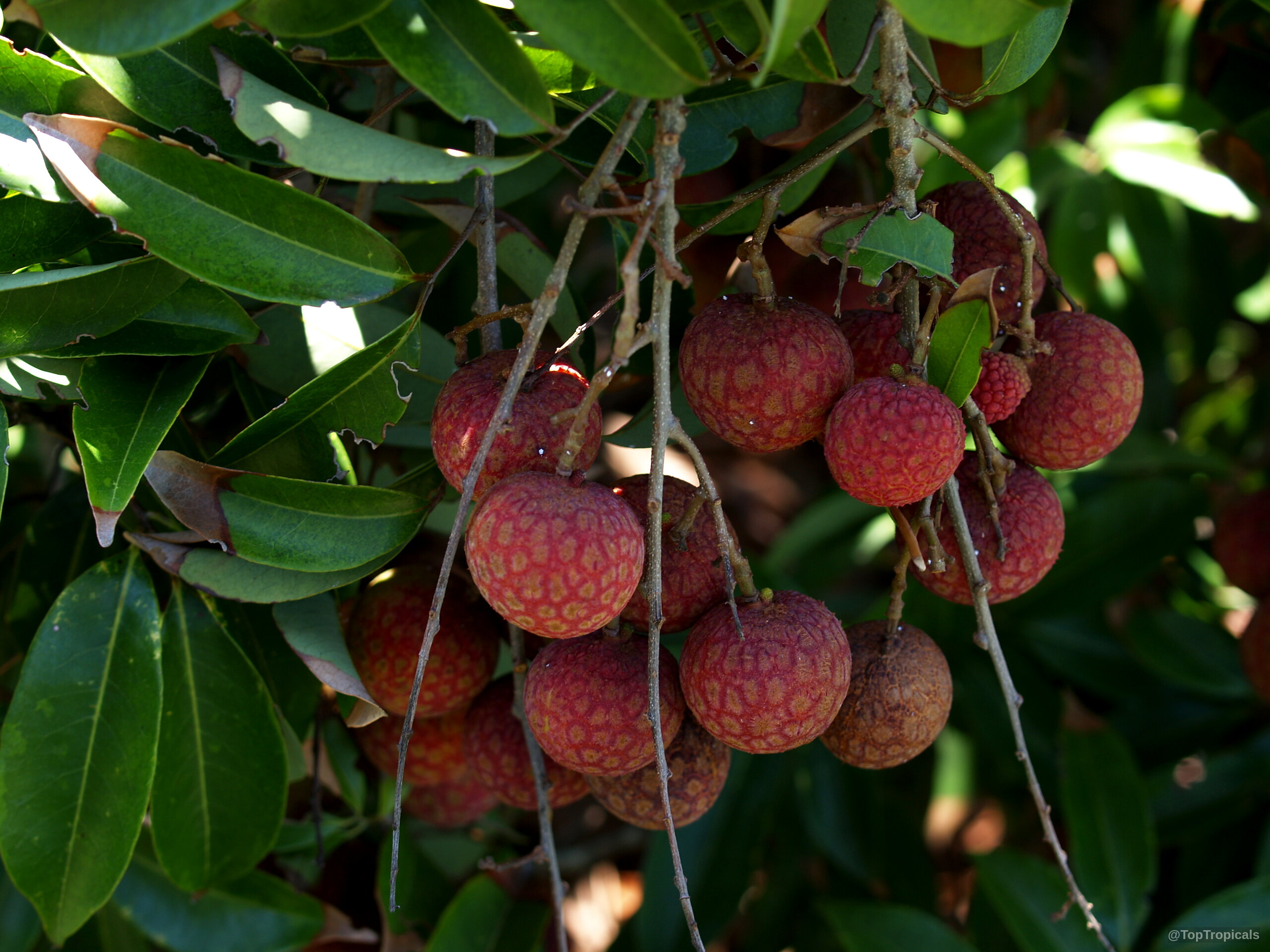
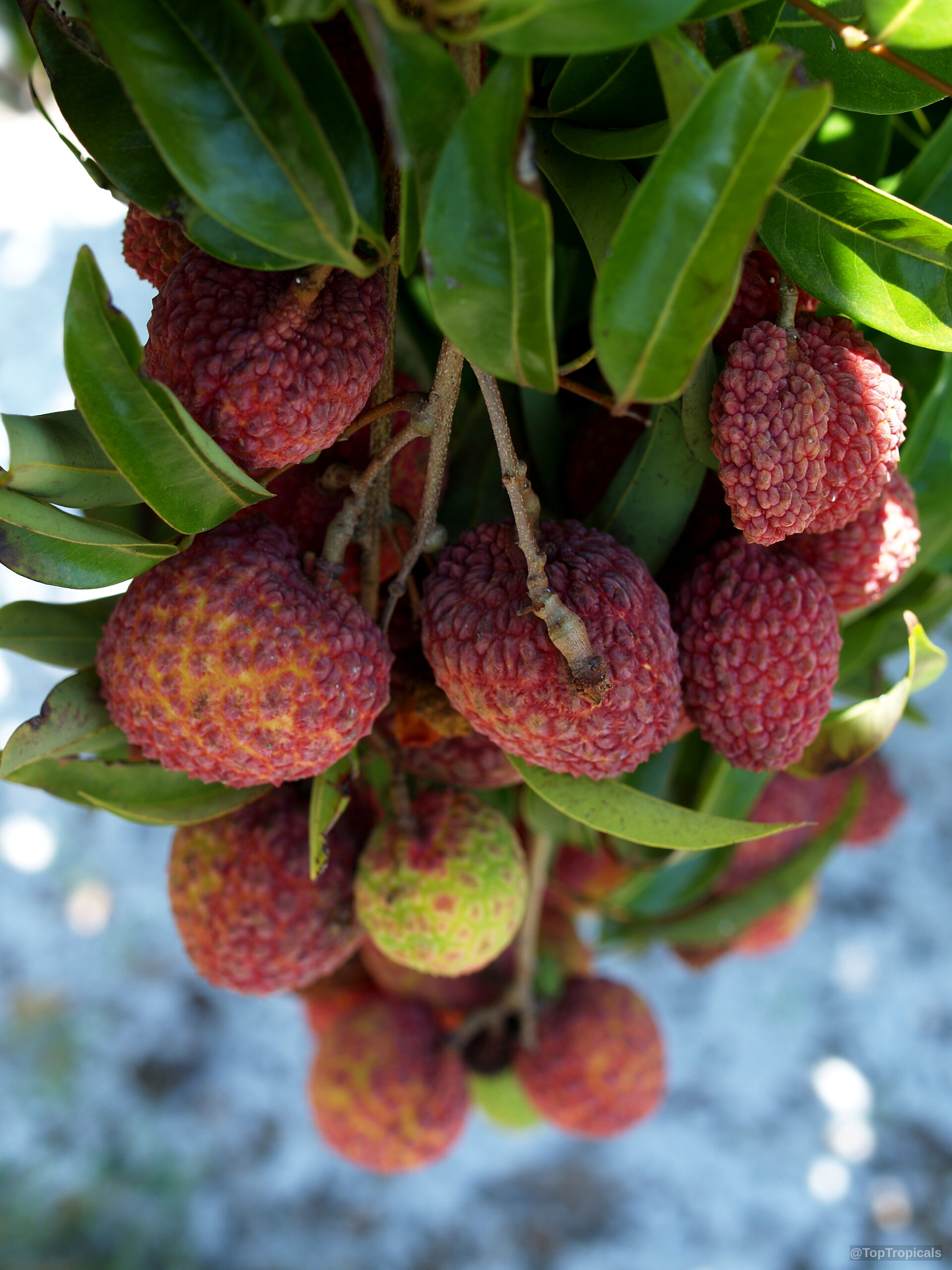
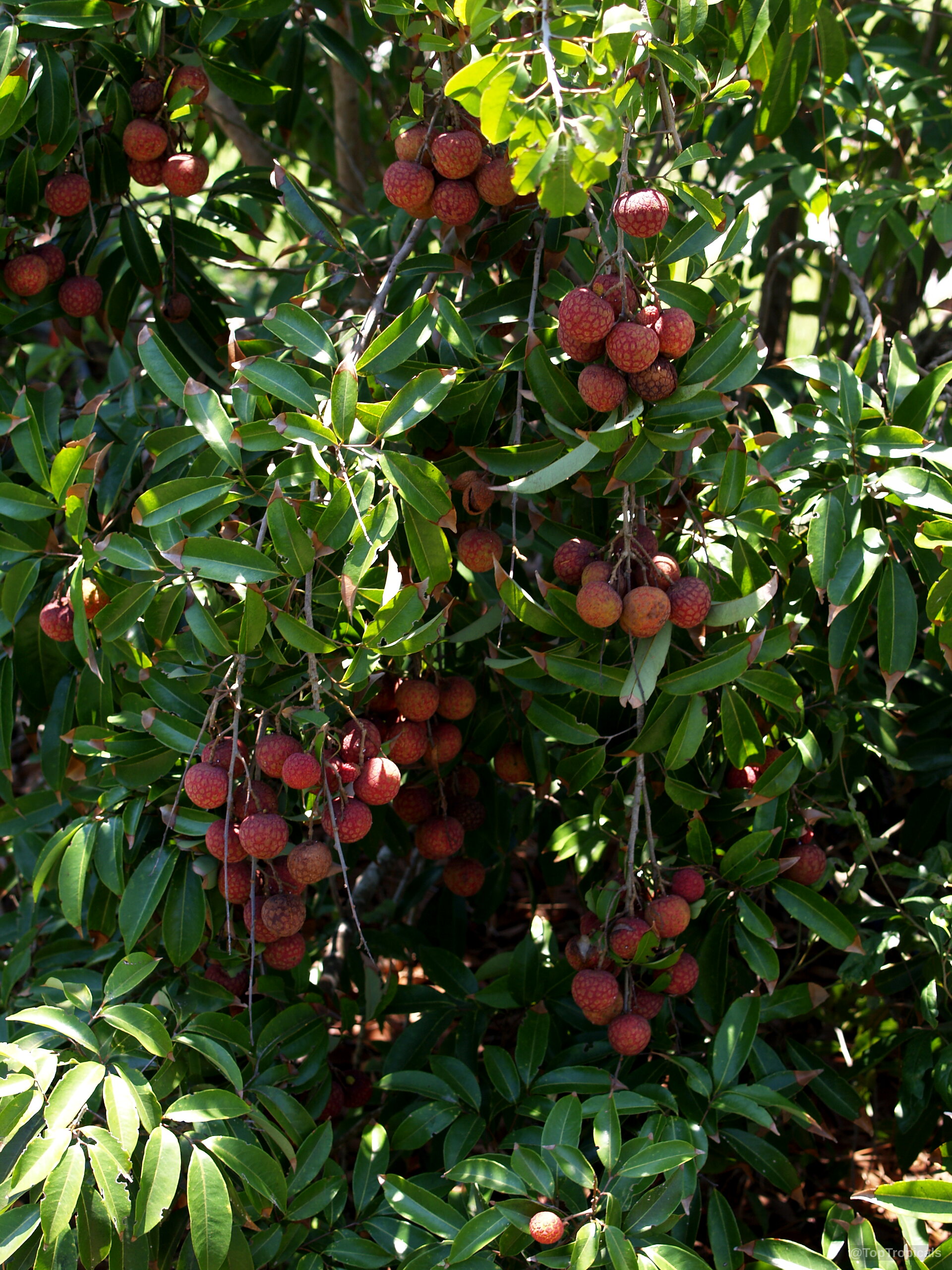
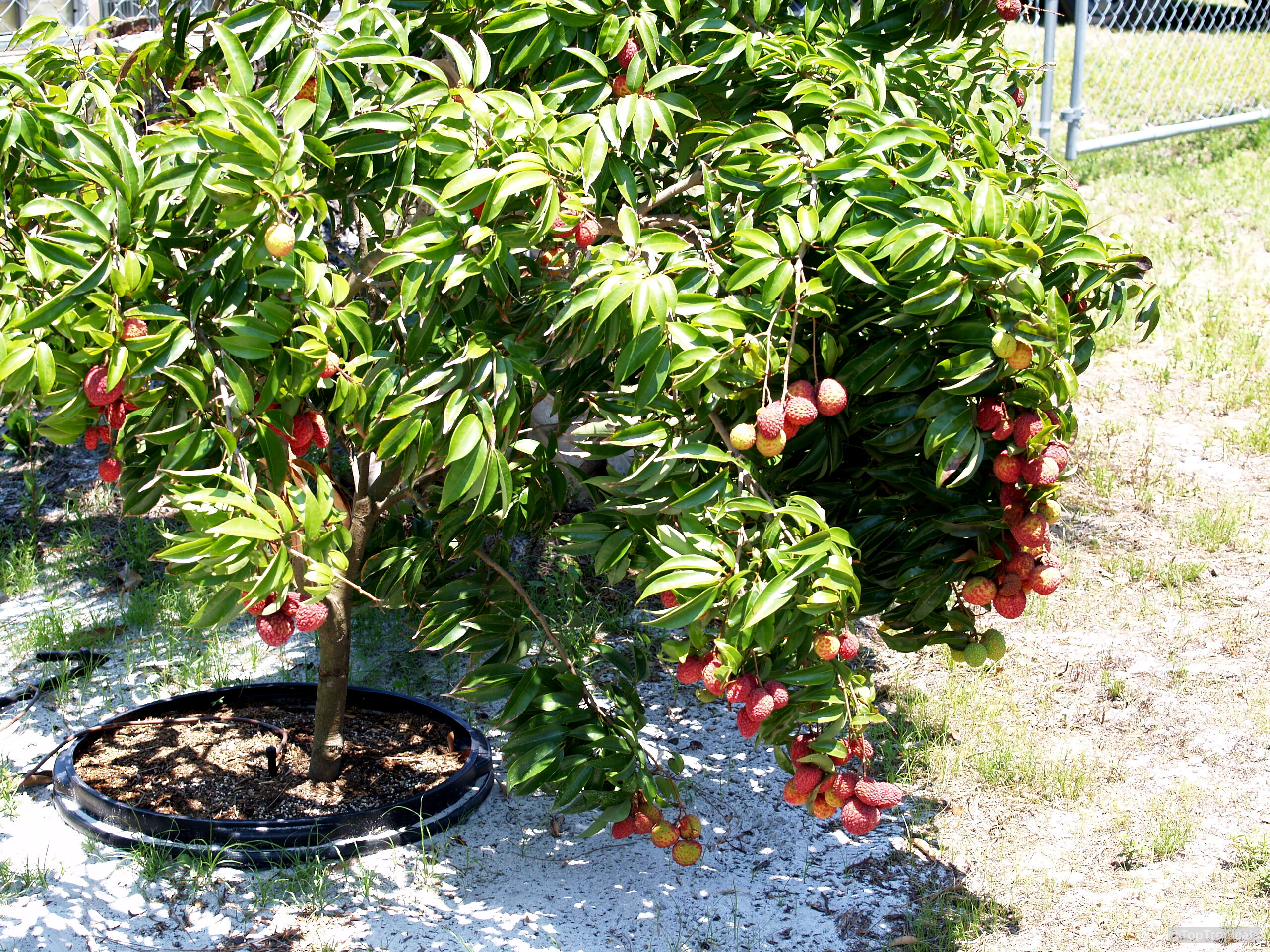
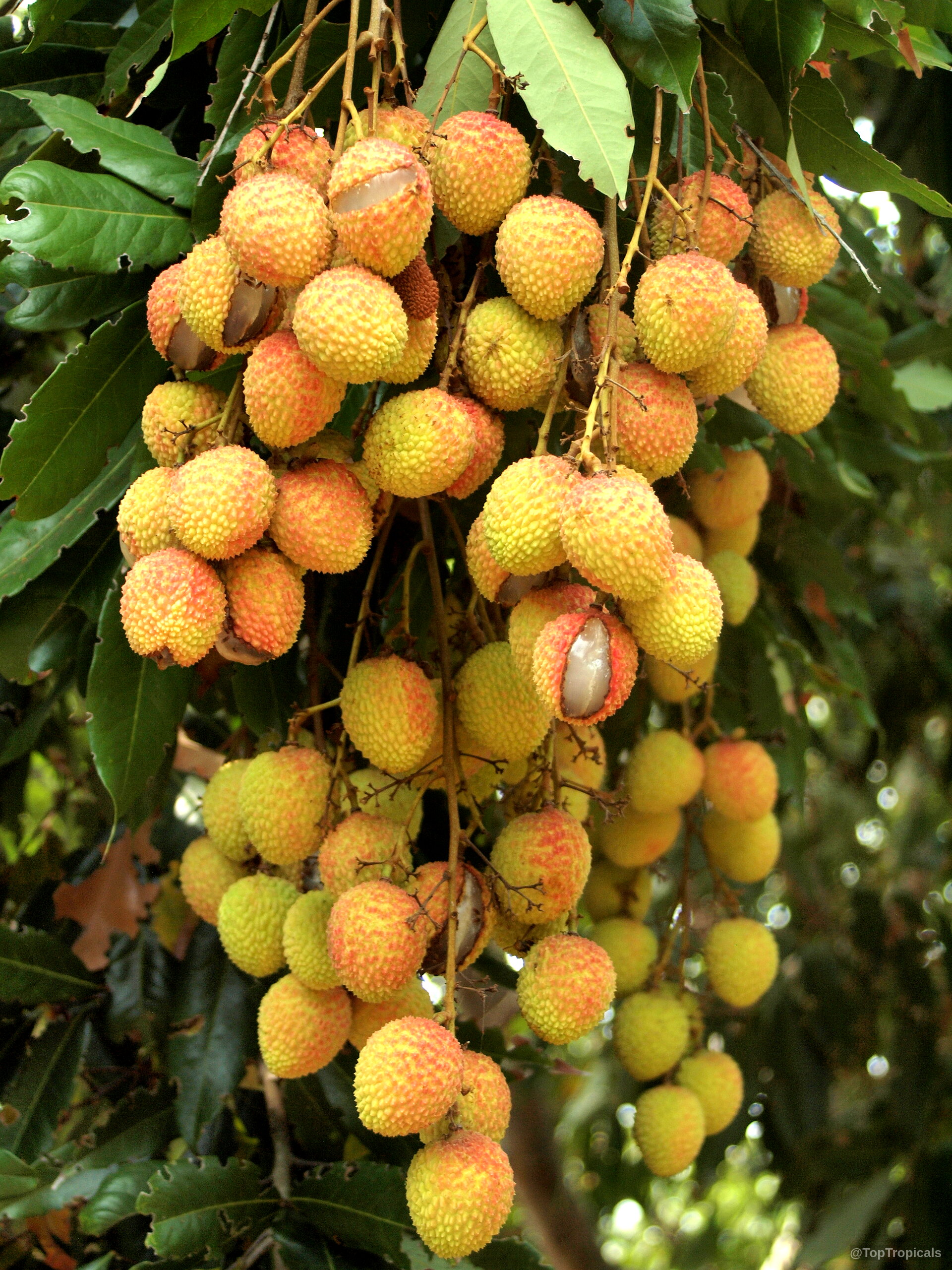
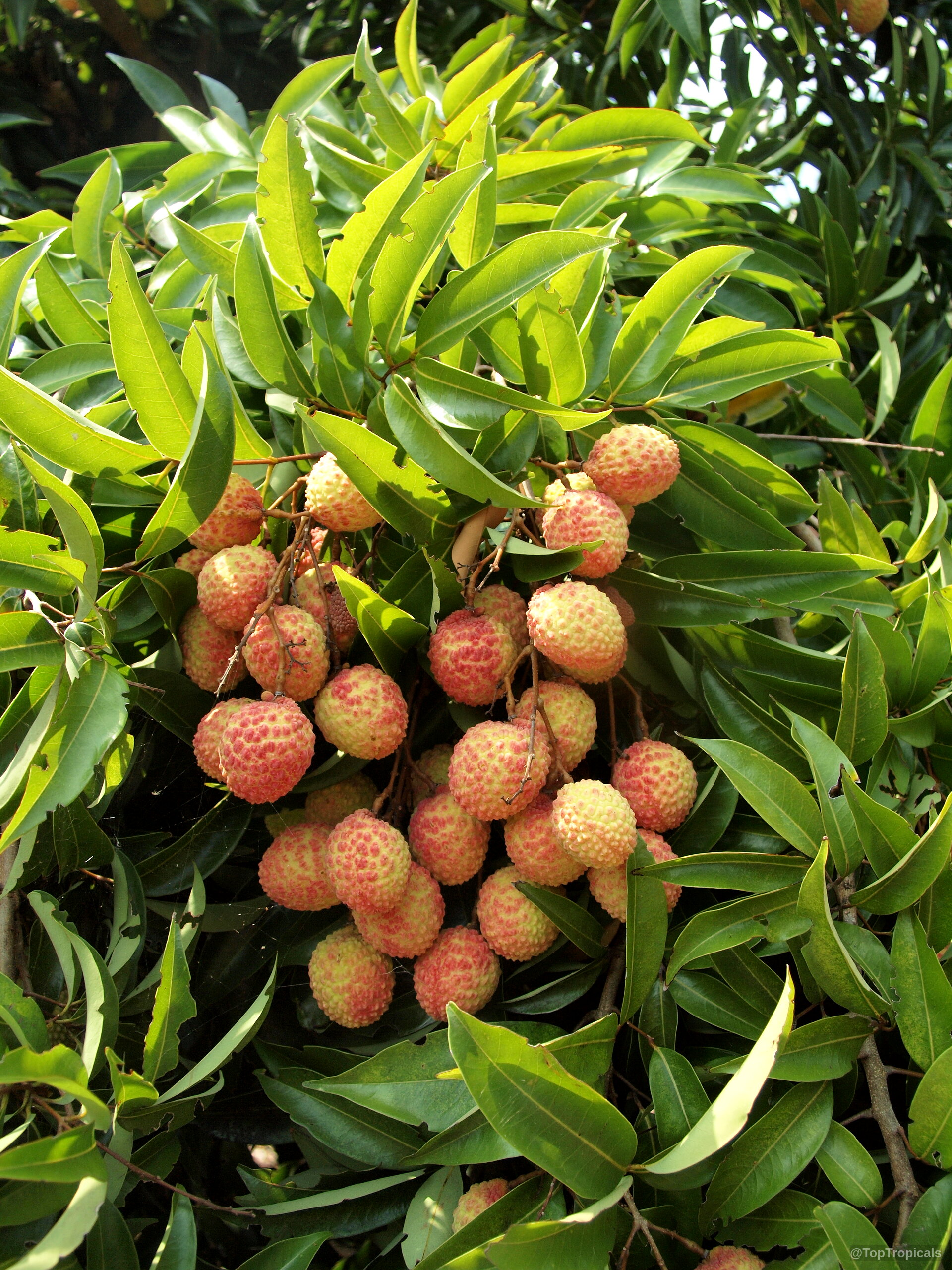
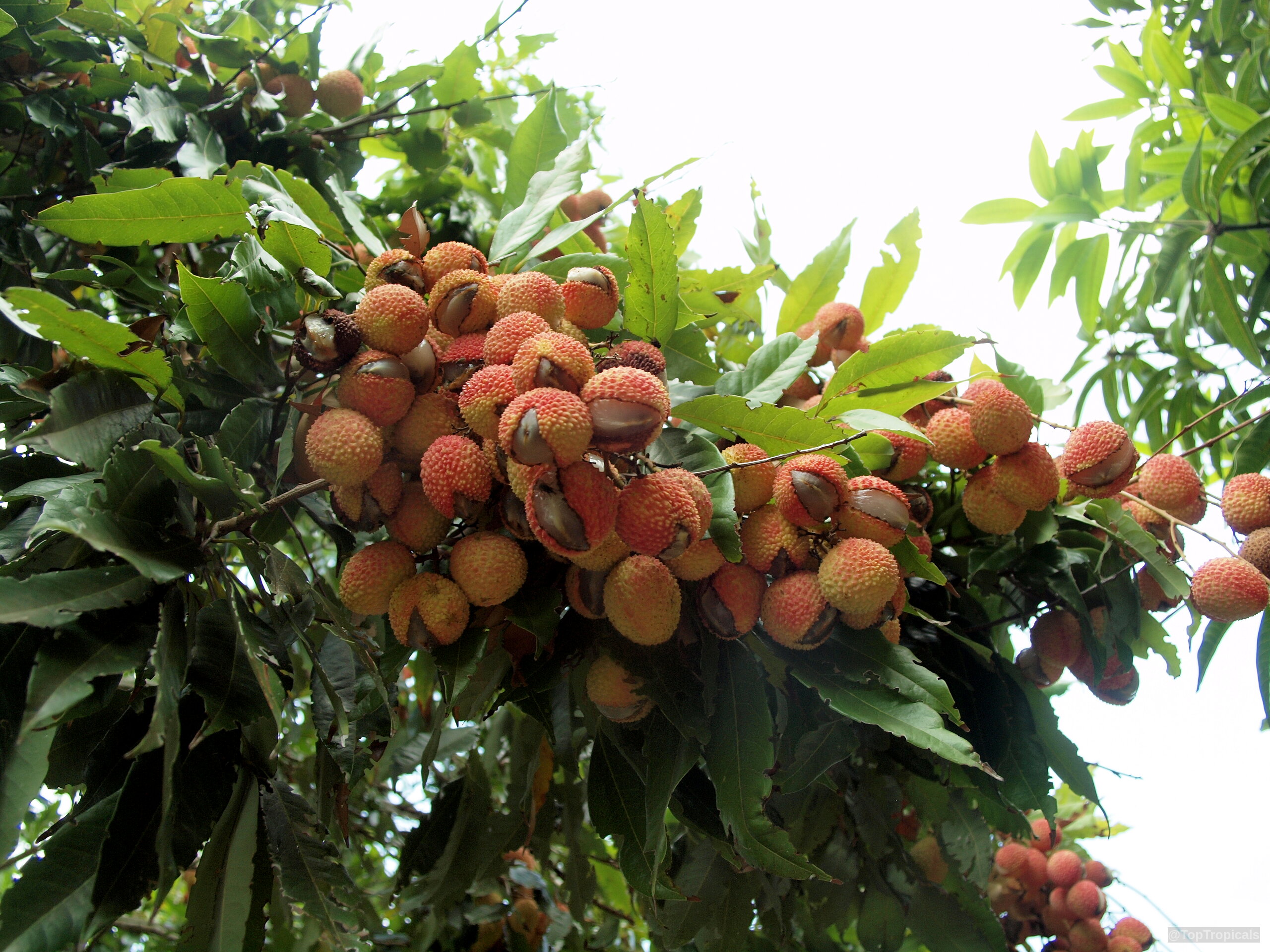
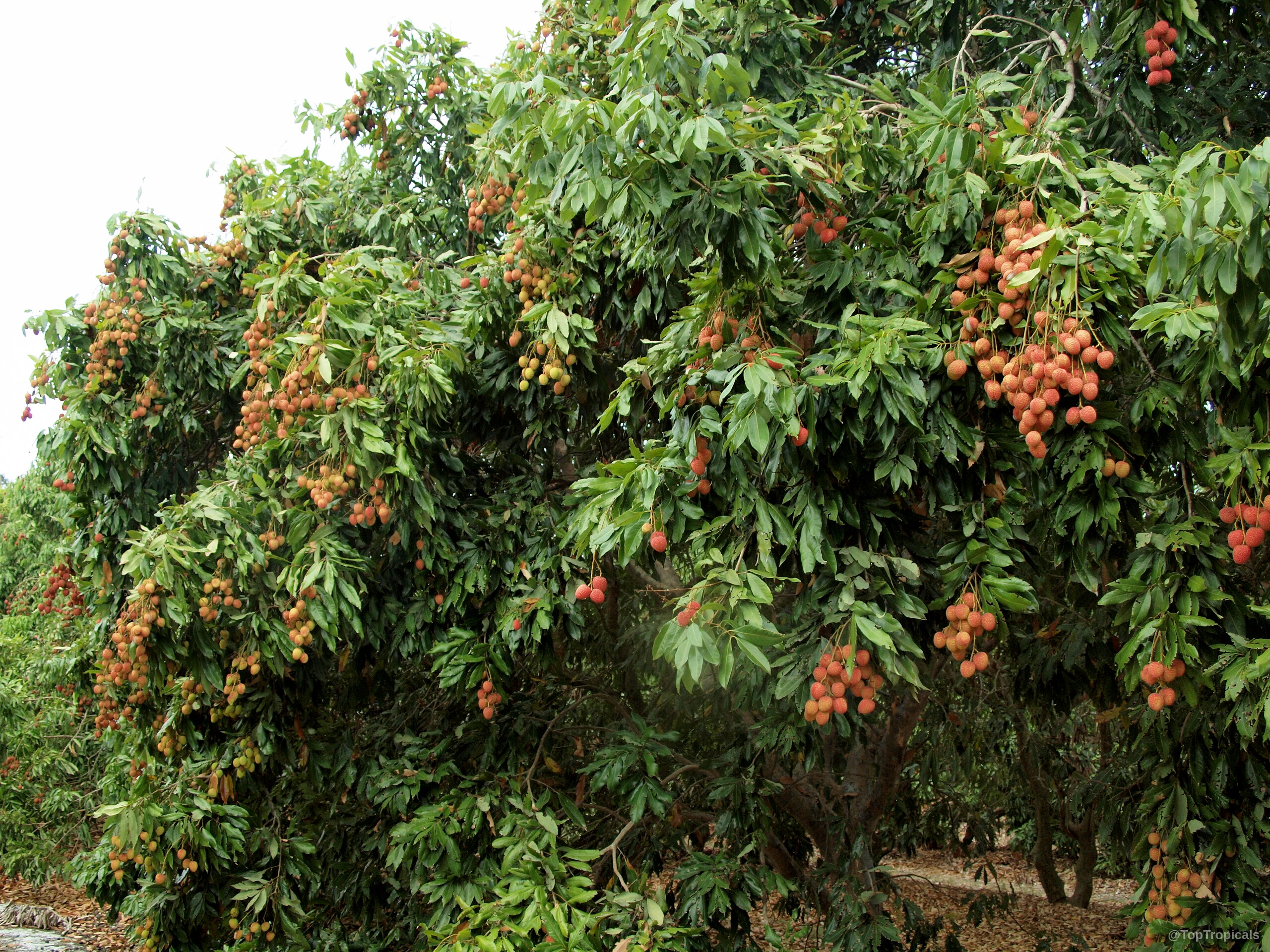
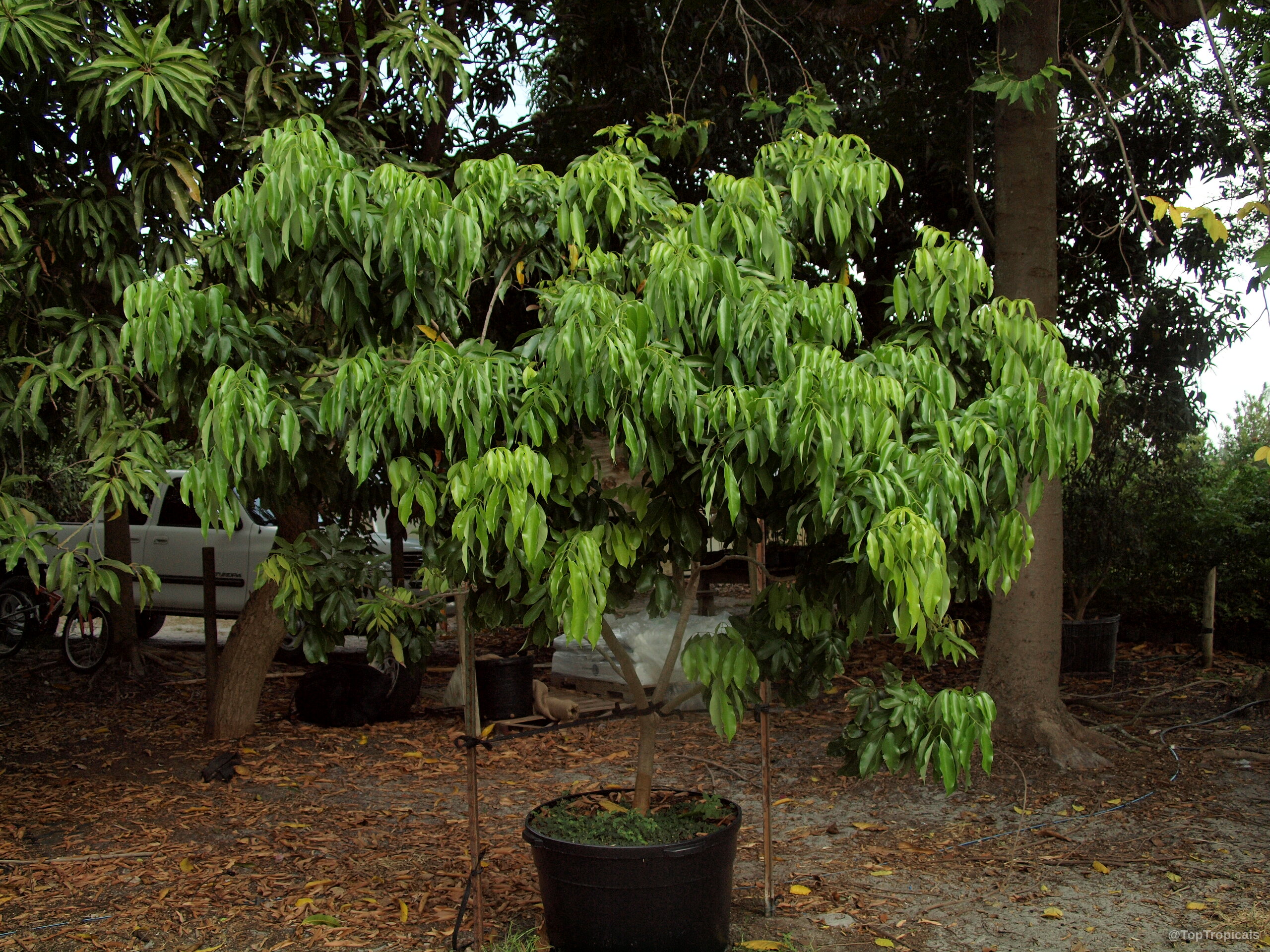
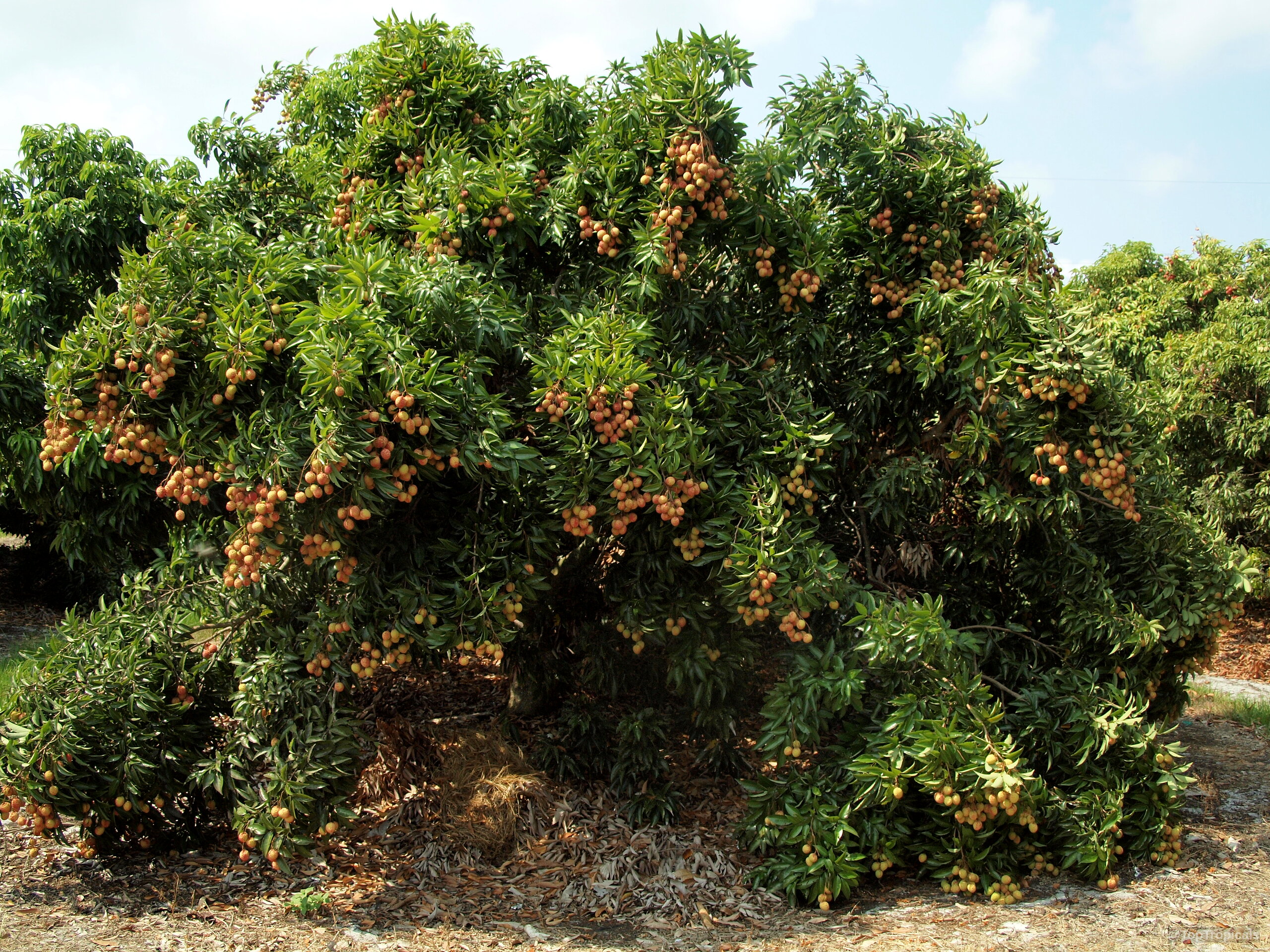
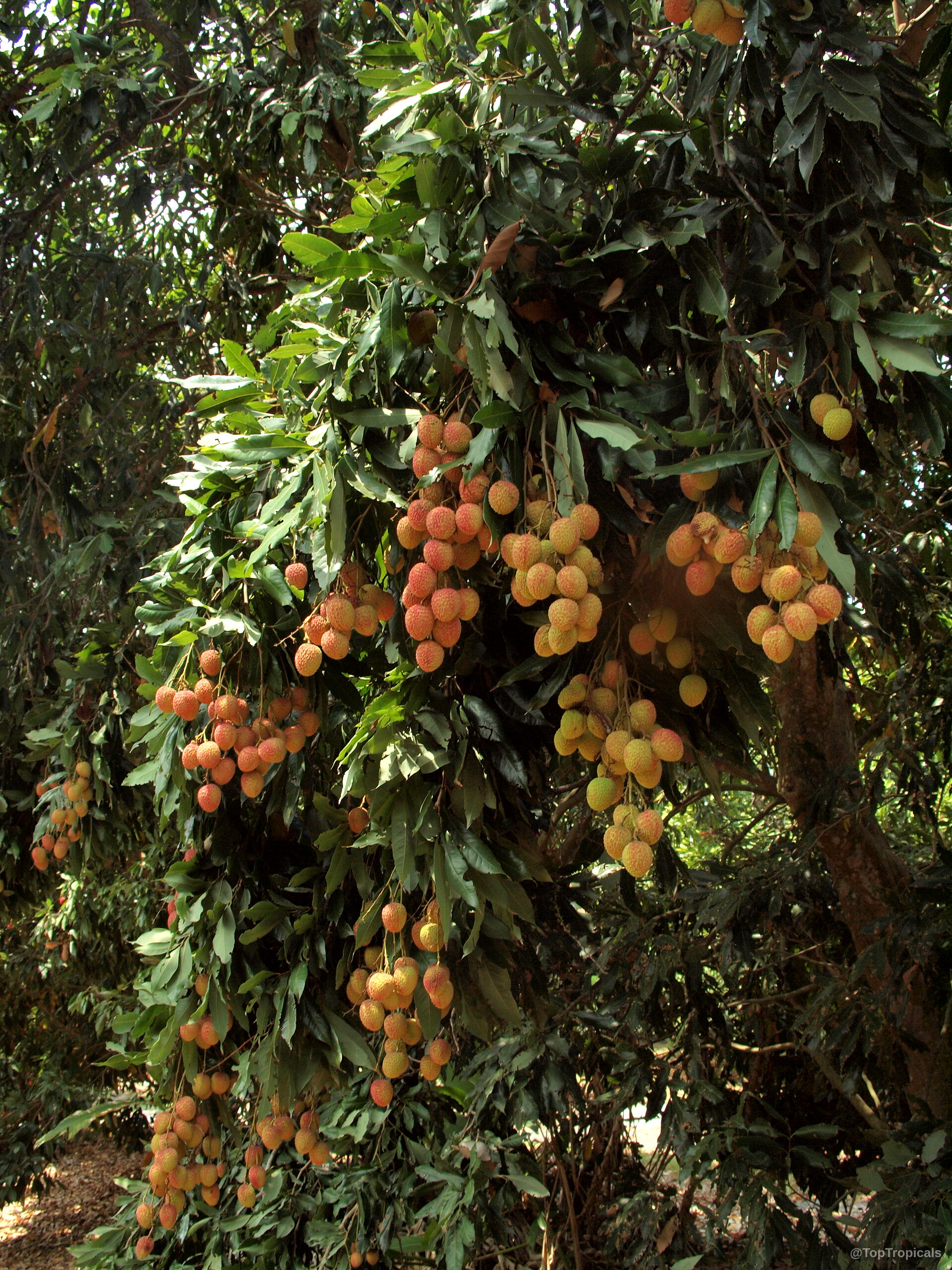
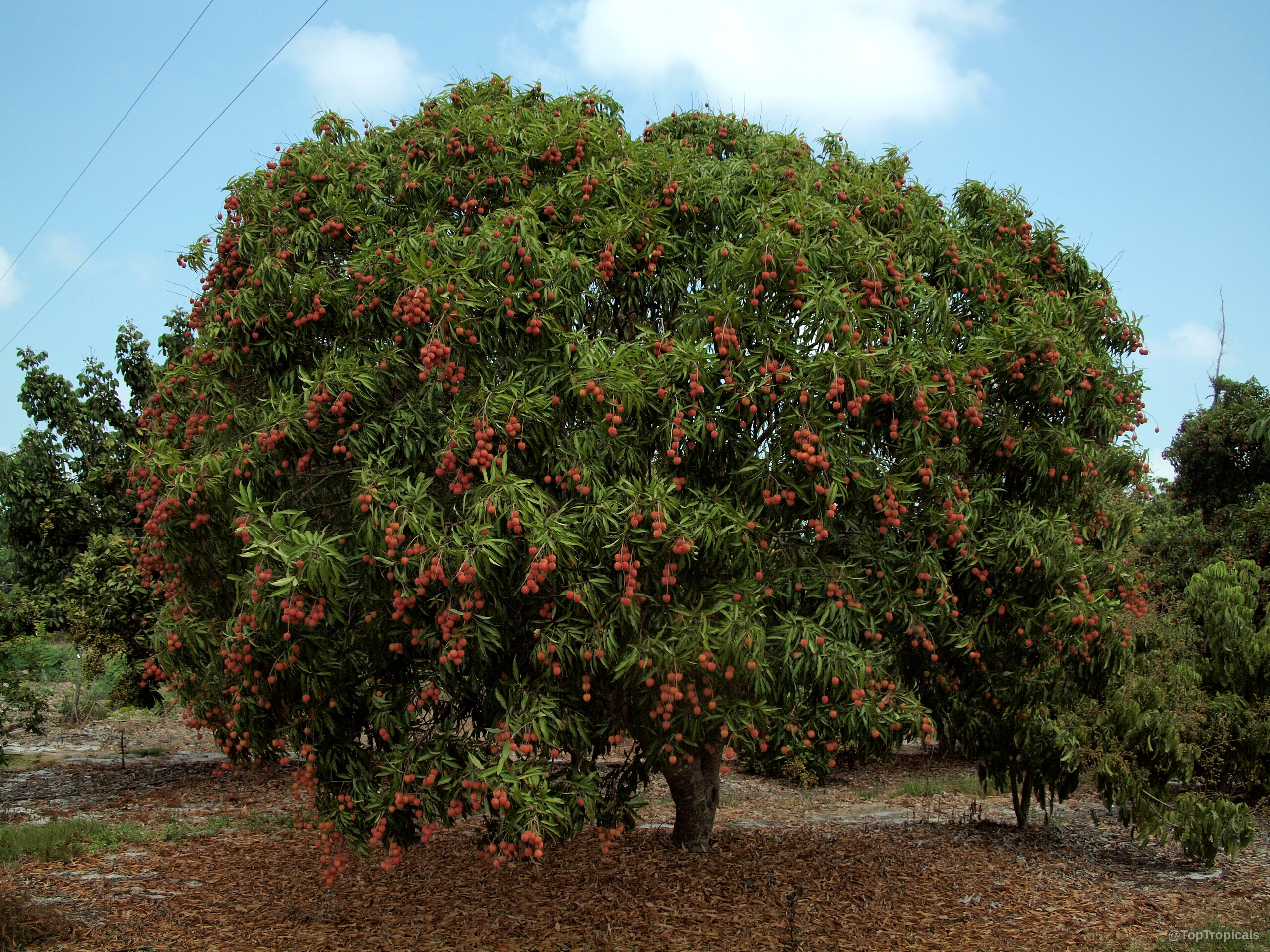
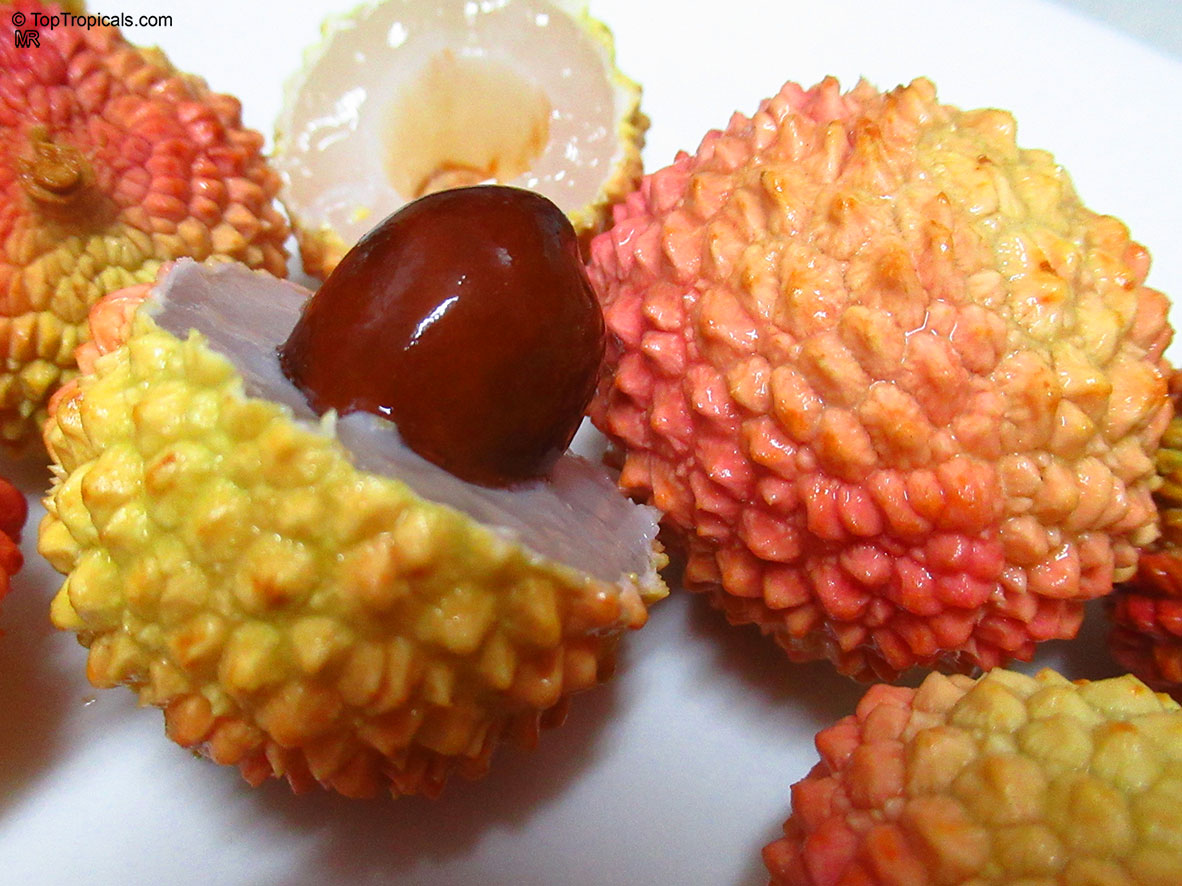
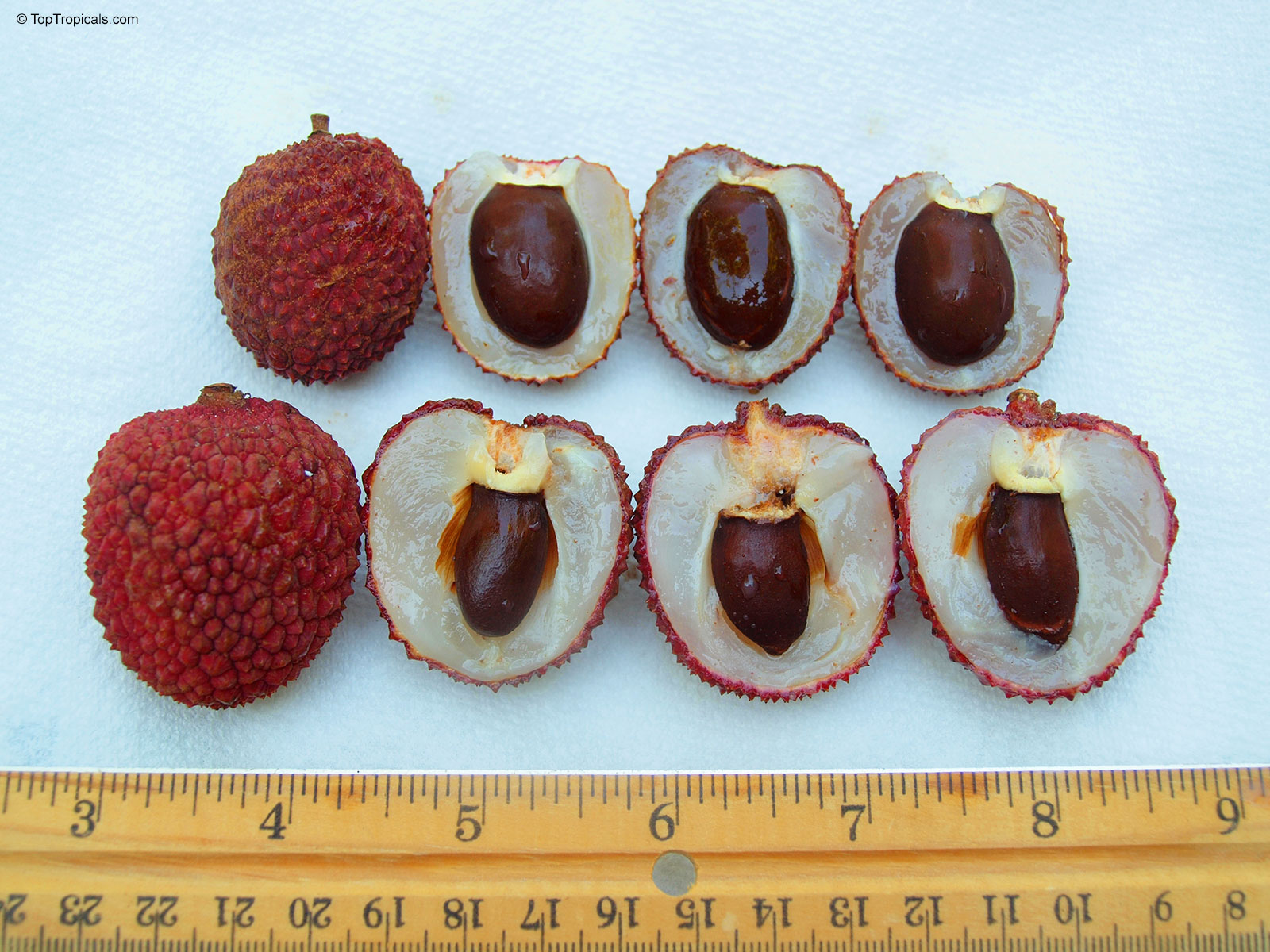
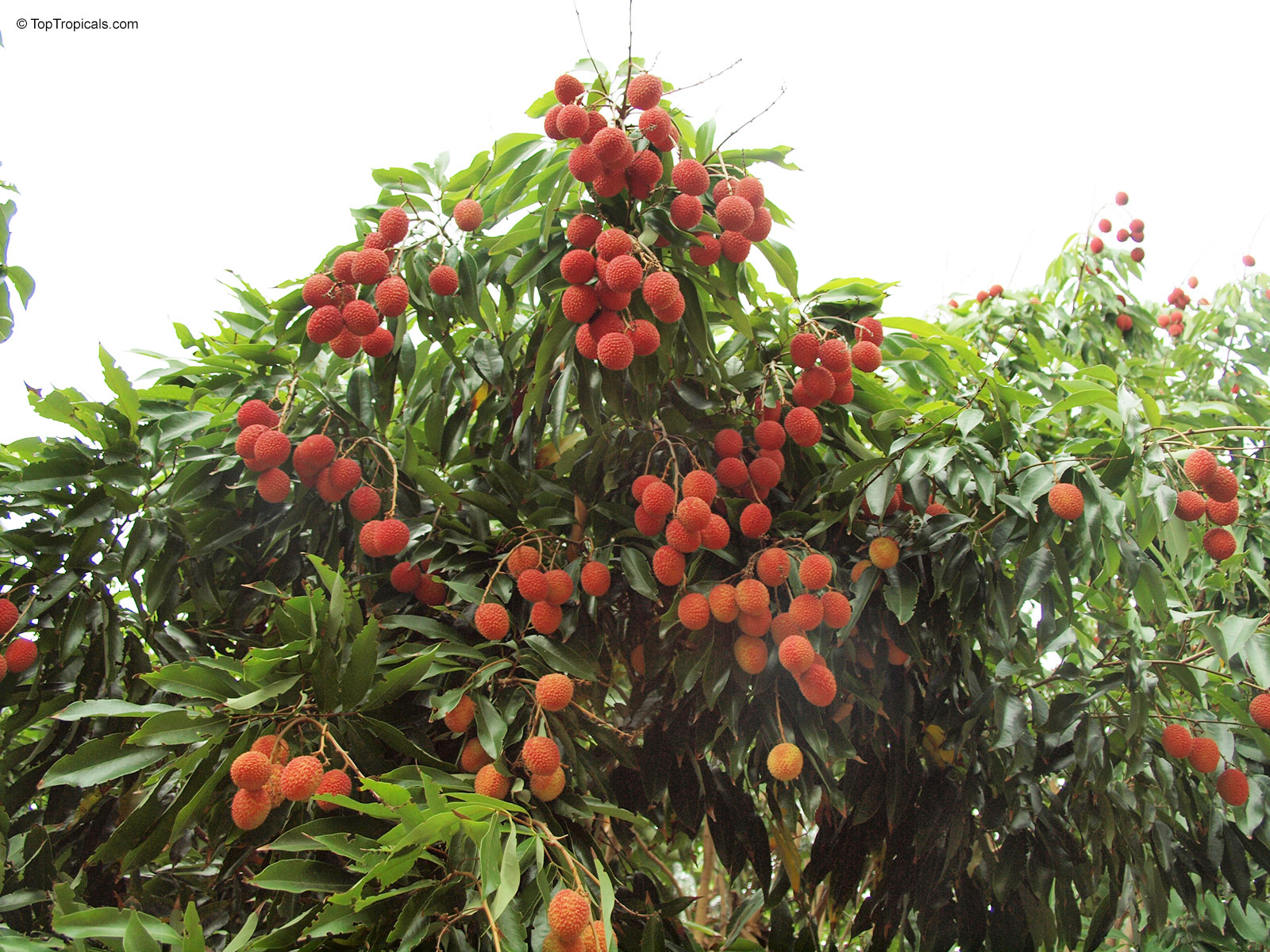
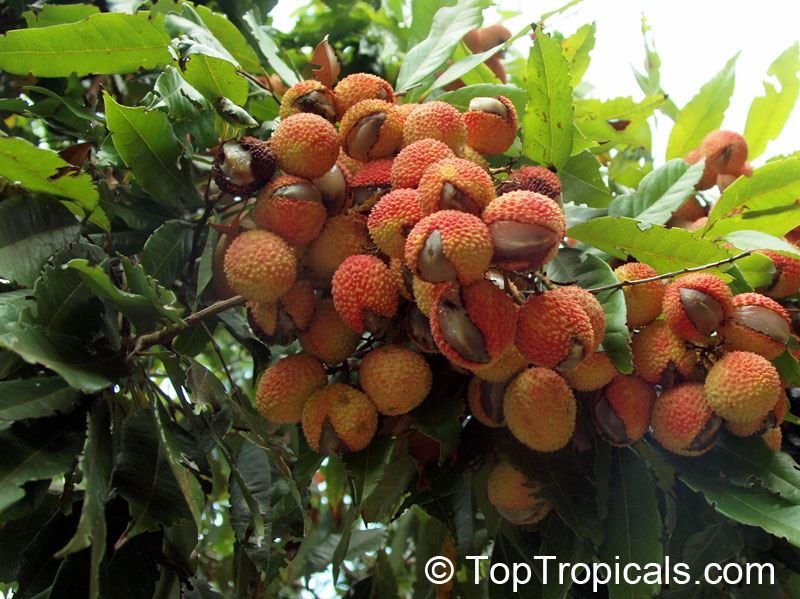
Litchi chinensis, commonly known as Lychee or Litchi, is a relatively slow-growing evergreen fruit tree in the Sapindaceae family, native to southern China and parts of Southeast Asia. Cultivated in China for more than 2,000 years, it typically reaches 20-35 feet in cultivation, developing a dense, rounded crown and glossy, leathery, pinnate leaves. Young foliage emerges bronze-red, gradually turning dark green. Small, greenish-white to yellow, petal-less flowers appear in branching terminal panicles, followed by clusters of rounded to oval fruits, usually 1-2 inches long. Their rough, brittle skin turns pinkish-red to deep red at maturity, sometimes becoming reddish-brown after harvest. Inside is a translucent, pearly-white, juicy but firm edible aril surrounding a glossy brown seed. The sweet, aromatic fruits are eaten fresh, dried, or canned.
Litchi chinensis thrives in full sun and fertile, well-drained, preferably acidic soil. Cool, relatively dry winters promote flowering, while adequate moisture is essential during active growth and fruit development. Alkaline or calcareous soils may cause iron deficiency and leaf chlorosis. Named cultivars are propagated mainly by air layering; seedlings are variable, do not grow true to type, and may take many years to bear fruit. Suitable for USDA Zones 10a-11, mature trees may withstand brief temperatures around 28 F, but prolonged exposure to 24-25 F can cause severe damage or death. Young trees are considerably more cold-sensitive.
Similar plants: Litchi chinensis (Lychee)






Shipped at customers risk, no replacements or refunds. Leaf drop possible. We guarantee healthy plant to be shipped and the best packaging. Express shipping optional.
Recommended Fertilizer: SUNSHINE C-Cibus - Crop Nutrition Booster
SUNSHINE-Honey - sugar booster
Recommended Fertilizer: SUNSHINE C-Cibus - Crop Nutrition Booster
SUNSHINE-Honey - sugar booster
Recommended Fertilizer: SUNSHINE C-Cibus - Crop Nutrition Booster
SUNSHINE-Honey - sugar booster
Recommended Fertilizer: SUNSHINE C-Cibus - Crop Nutrition Booster
SUNSHINE-Honey - sugar booster