Garden Blog - Top Tropicals
Date: 20 Jul 2026
Arctic avocado testing

❄️ Arctic avocado testing
Smokey (writing): Arctic avocado testing site #5.
Sunshine: I knew cold hardy Avocado were real!
Smokey: Even the polar bear likes them. Why are you wearing those ridiculous pants?
Sunshine: If the snowmobiles break down, the rescue team can still find us.
👉 Explore the Top Tropicals Avocado Knowledge Hub
🛒 Shop cold hardy Avocado varieties
📚Learn more:
· Cold hardy Avocado in Plant Encyclopedia
· Avocado Knowledge Hub and Growing Guide: Cold Hardiness, Varieties, and Engineering Success
· That fantastic Avocado "Fantastic" - and our Fantastic Avocado Knowledge Hub
· Cold-hardy avocado survival groups - what the numbers really mean
· How to protect Avocado from cold and how hardy is it?
· About Smokey & Sunshine
· Smokey & Sunshine interview
#PeopleCats #Smokey_Sunshine #Food_Forest #Avocado
🟢 Join 👉 TopTropicals
Smokey (writing): Arctic avocado testing site #5.
Sunshine: I knew cold hardy Avocado were real!
Smokey: Even the polar bear likes them. Why are you wearing those ridiculous pants?
Sunshine: If the snowmobiles break down, the rescue team can still find us.
👉 Explore the Top Tropicals Avocado Knowledge Hub
🛒 Shop cold hardy Avocado varieties
📚Learn more:
· Cold hardy Avocado in Plant Encyclopedia
· Avocado Knowledge Hub and Growing Guide: Cold Hardiness, Varieties, and Engineering Success
· That fantastic Avocado "Fantastic" - and our Fantastic Avocado Knowledge Hub
· Cold-hardy avocado survival groups - what the numbers really mean
· How to protect Avocado from cold and how hardy is it?
· About Smokey & Sunshine
· Smokey & Sunshine interview
#PeopleCats #Smokey_Sunshine #Food_Forest #Avocado
🟢 Join 👉 TopTropicals
Date: 20 Jul 2026
The Zero-Sugar Fruit Behind Costa Ricas Favorite Summer Drink Agua de Cas: Cas Guava
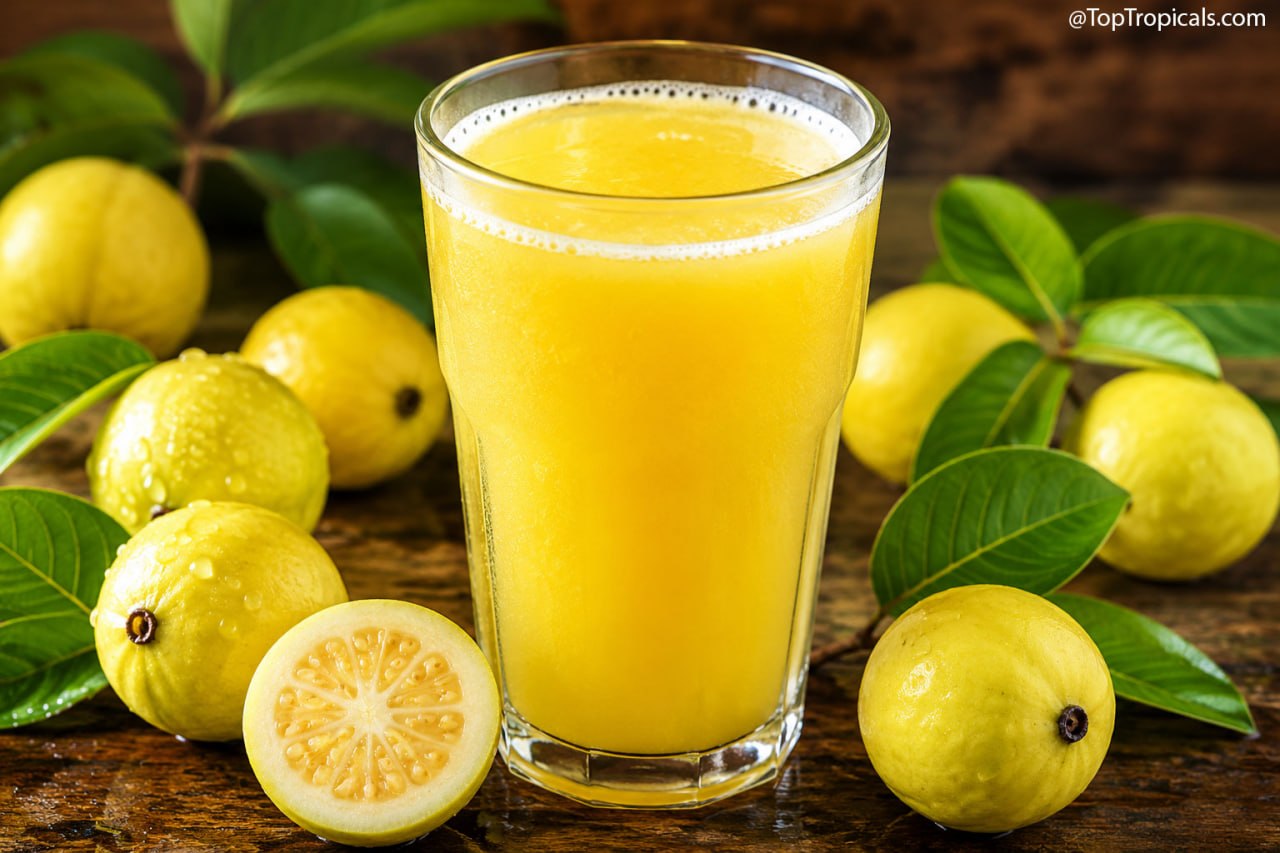
🍹 The Zero-Sugar Fruit Behind Costa Rica's Favorite Summer Drink Agua de Cas: Cas Guava
Most tropical fruits are famous for being intensely sweet. Cas Guava isn't.
Also known as the Costa Rican Guava (Psidium friedrichsthalianum), Cas is easily one of the most refreshingly tart fruits you can grow. Bite into a fresh one, and you’ll instantly realize why nobody snacks on them straight from the tree.
But turn it into a juice? That’s where the magic happens.
🍋 The Most Refreshing Fruit You've Probably Never Heard Of
What is "Agua de Cas"?
In Costa Rica, Cas has been cherished for generations as Agua de Cas - a bright, tangy drink that is as central to their summers as lemonade is to the United States.
Because the fruit has almost no sweetness of its own, it gives you a rare superpower: you decide exactly how much sugar (if any) goes into your glass.
Cas Guava fruit is a nutritional powerhouse:
Vitamin C Megadoses: Cas contains several times more Vitamin C by weight than lemons.
Rich in Antioxidants: Packed with natural plant compounds to keep you feeling vibrant.
The Ultimate Hydrator: An exceptionally clean way to stay cool during the hottest months of the year.
🍋 Why Growers Love the Cas Guava Tree
Beyond the unique harvest, the tree itself is a tropical grower's dream.
· Fast and Productive: It grows quickly and begins producing fruit at a very young age. Even young potted plants can set surprisingly heavy crops.
· Resilient: Once established, it tolerates a wide range of tropical and subtropical conditions.
· Pest-Resistant: It is generally much less bothered by common garden pests than other fruit trees.
· Zero Waste: The fruit freezes beautifully, so you can preserve your bumper crops with ease.
🍋 How to Make Agua de Cas Concentrate
One of our favorite tricks at Top Tropicals is making a concentrated syrup. Because of the fruit's naturally high acidity, this concentrate keeps exceptionally well in the fridge for months.
1. Prep the fruit: 5 mins. Wash and halve your ripe Cas Guavas.
2. Simmer: 5-10 mins. Place the fruit in a pot, cover with water, and add your preferred sweetener to taste. Simmer gently until the fruit softens.
3. Mash and strain: 5 mins. Let the mixture cool slightly, then mash the softened fruit. Strain the pulp through a colander or fine sieve to remove the seeds.
4. Chill and serve: Ready on demand.
Refrigerate your concentrate. Whenever you want a drink, simply pour a portion into a glass and dilute with ice-cold water.
🍋 Ready to grow your own summer refreshment?
Why settle for ordinary lemonade when you can harvest the secret behind Costa Rica's favorite summer drink right in your backyard?
🛒 Grow Your Own Agua de Cas - Order Today!
📚 Learn more:


• Guava tree Cas (Psidium friedrichsthalianum) in Plant Encyclopedia
• Guava Cas cloud drink: quick-n-fun exotic recipes
• Zero Sugar fruit: forget lemonade - new perfect summer drink discovered!
• What is the best fruit for summer drinks and wine?
• What fruit is more sour and has more vitamin C than a lemon
• What fruit can you drink? Costa Rican Cas is the Guava for Drinking
• Costa Rican Guava
#Food_Forest #Recipes #Discover
🟢 Join 👉 TopTropicals
Date: 19 Jul 2026
Talking to a wise purrson

Talking to a wise purrson
"The reason I talk to myself is because I'm the only one whose answers I accept." - George Carlin
🐈📸 TopTropicals rescued cat Lilimon loves her own company at PeopleCats.Garden
#PeopleCats #Quotes
🟢 Join 👉 TopTropicals
Date: 19 Jul 2026
Curry Leaf Tree - one plant that changed millions of kitchens: Murraya koenigii
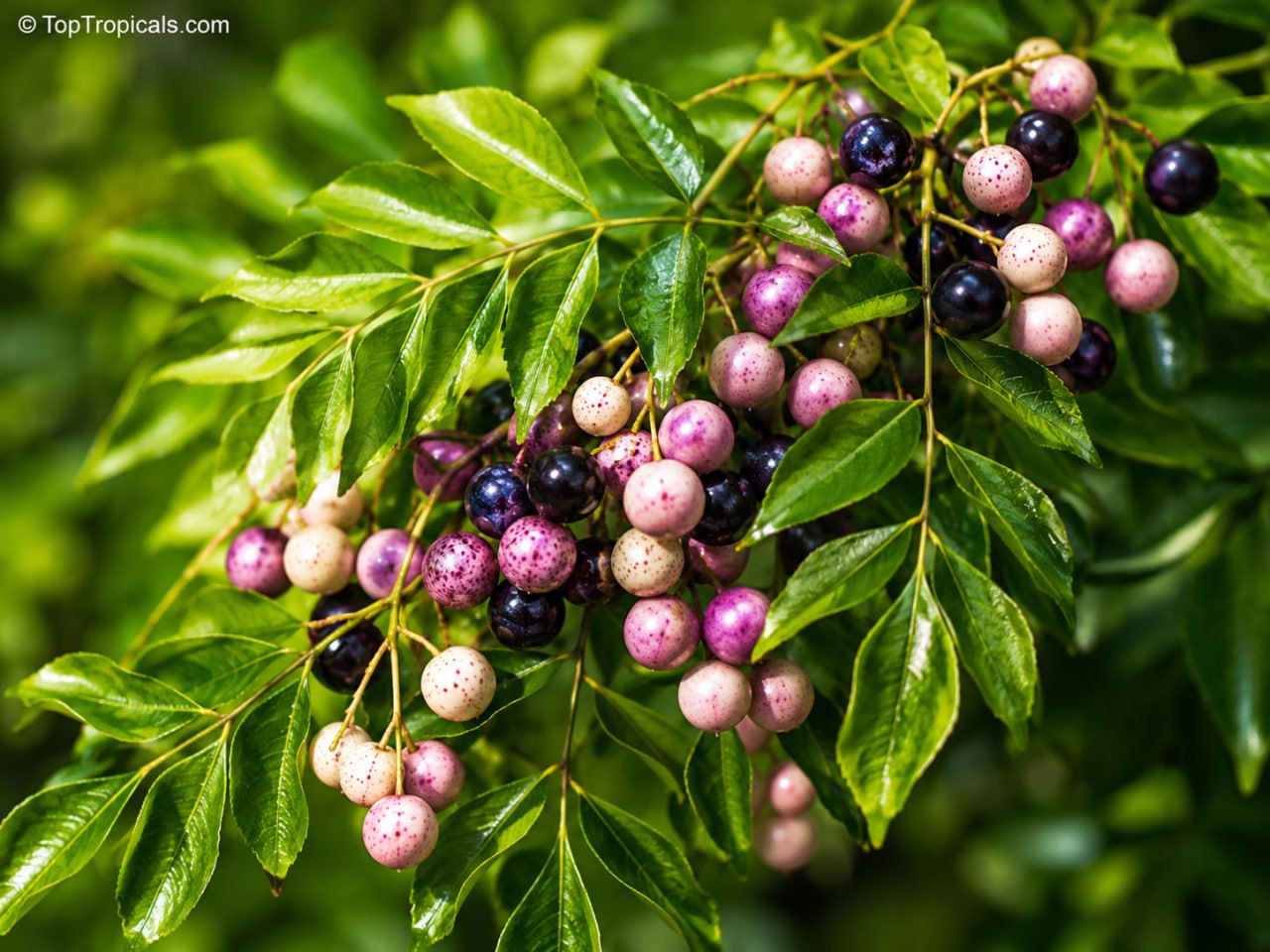
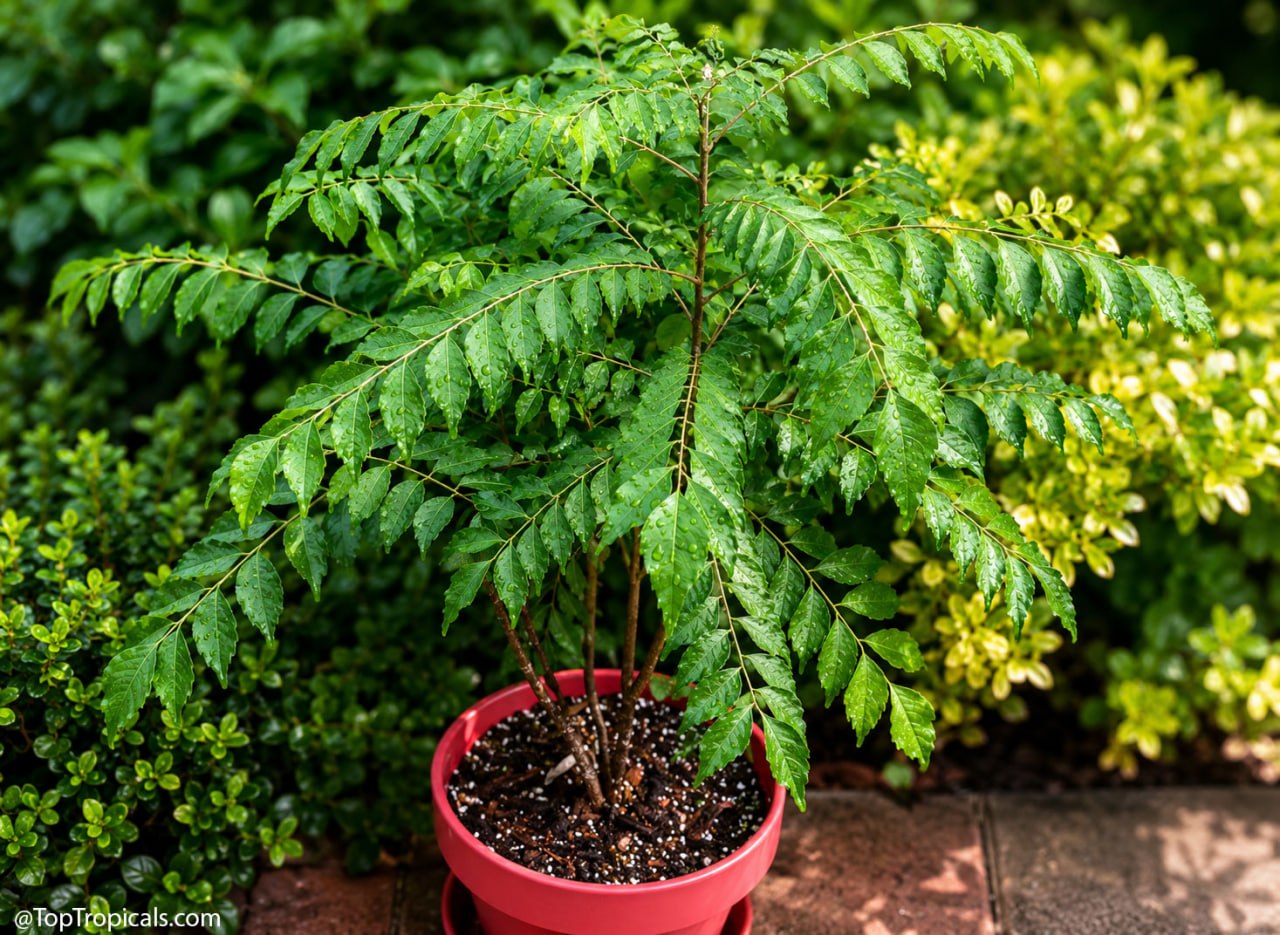
🍛 Curry Leaf Tree - one plant that changed millions of kitchens: Murraya koenigii
Think curry comes from a jar? Meet the 2,000-year-old tree behind the real flavor.
Walk into almost any western grocery store, and "curry" is a yellow powder sitting in a dusty glass jar.
But ask any traditional South Asian cook, and they'll tell you the truth: Real curry isn't a powder at all. It grows on a tree.
For over 2,000 years, the secret weapon of authentic Indian and Sri Lankan cuisine has been the Curry Leaf Tree (Murraya koenigii), also known as Curry Patta. Its glossy green leaves possess a completely irreplaceable aroma - a complex blend of bright citrus, toasted nuts, black pepper, and warm anise.
Once you smell it fresh, you realize why there is simply no substitute.
🌿 The great curry lie: Why your spice jar is missing the most important ingredient
Here is the irony that trips up millions of home cooks: Commercial curry powder rarely contains actual curry leaves.
Curry Powder: A British colonial invention blending dried spices like turmeric, cumin, fenugreek, and coriander.
Curry Leaves: A fresh, living herb that adds a bright, complex fragrance that dried powders could never hope to replicate.
🌿 The Culinary Magic: "Tadka"
How do you unlock the magic of this tree? You fry it.
In traditional cooking, fresh curry leaves are tossed into piping hot oil or ghee at the very beginning of a recipe (a technique known as tadka or tempering). Within seconds, the leaves crackle and pop, infusing the fat with powerful essential oils. This aromatic oil then carries the flavor flawlessly through curries, dals, rices, and stews.
🌿 More Than Just a Kitchen Essential
The Curry Leaf Tree pulls double duty in both the garden and wellness spaces.
Ancient Wellness: In Ayurveda (traditional Indian medicine), these leaves have been used for centuries to aid digestion and support healthy blood sugar levels. Today, modern nutritional science is actively studying the leaves for their high antioxidant content.
🌿 How to Grow Your Own Flavor Factory
☀️ Light & Soil: Full sun and well-drained soil
Size: 6–15 ft (but easily kept under 3 ft in a patio pot)
Cold Tolerance: Protect from frost
The best part? You don't need a tropical estate to grow one. Gardeners love the Curry Leaf Tree because it thrives in warm climates and adapts beautifully to container living.
Backyard Beauty: The tree itself is stunning. It features elegant, glossy foliage, clusters of highly fragrant white flowers, and striking purple-black berries.
If you live in a colder climate, simply pot it up and bring it indoors for the winter. Regular harvesting actually encourages the tree to push out fresh, tender new shoots - exactly what you want for dinner.
Skip the spice aisle. Ditch the dusty jars. If you want to elevate your cooking to a truly authentic level, it's time to grow your own.
🛒 Grow your own Curry Leaf
📚 Learn more:


· Murraya koenigii in Plant Encyclopedia
· Tropical fruit and plants that help keep blood pressure in balance
· What is Curry made of?
#Food_Forest #Discover
🟢 Join 👉 TopTropicals
Date: 18 Jul 2026
The Flowering Shrub That Keeps Blooming When Others Stop
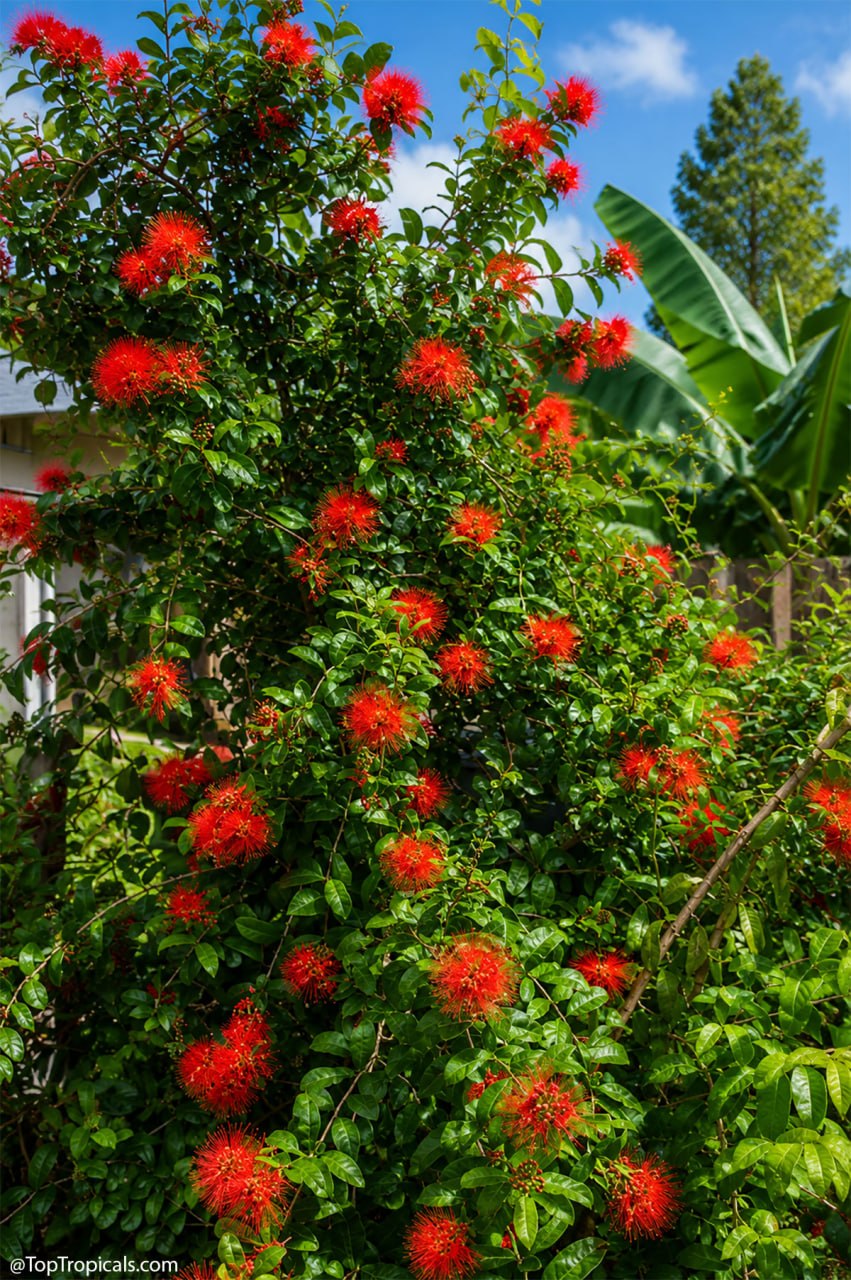
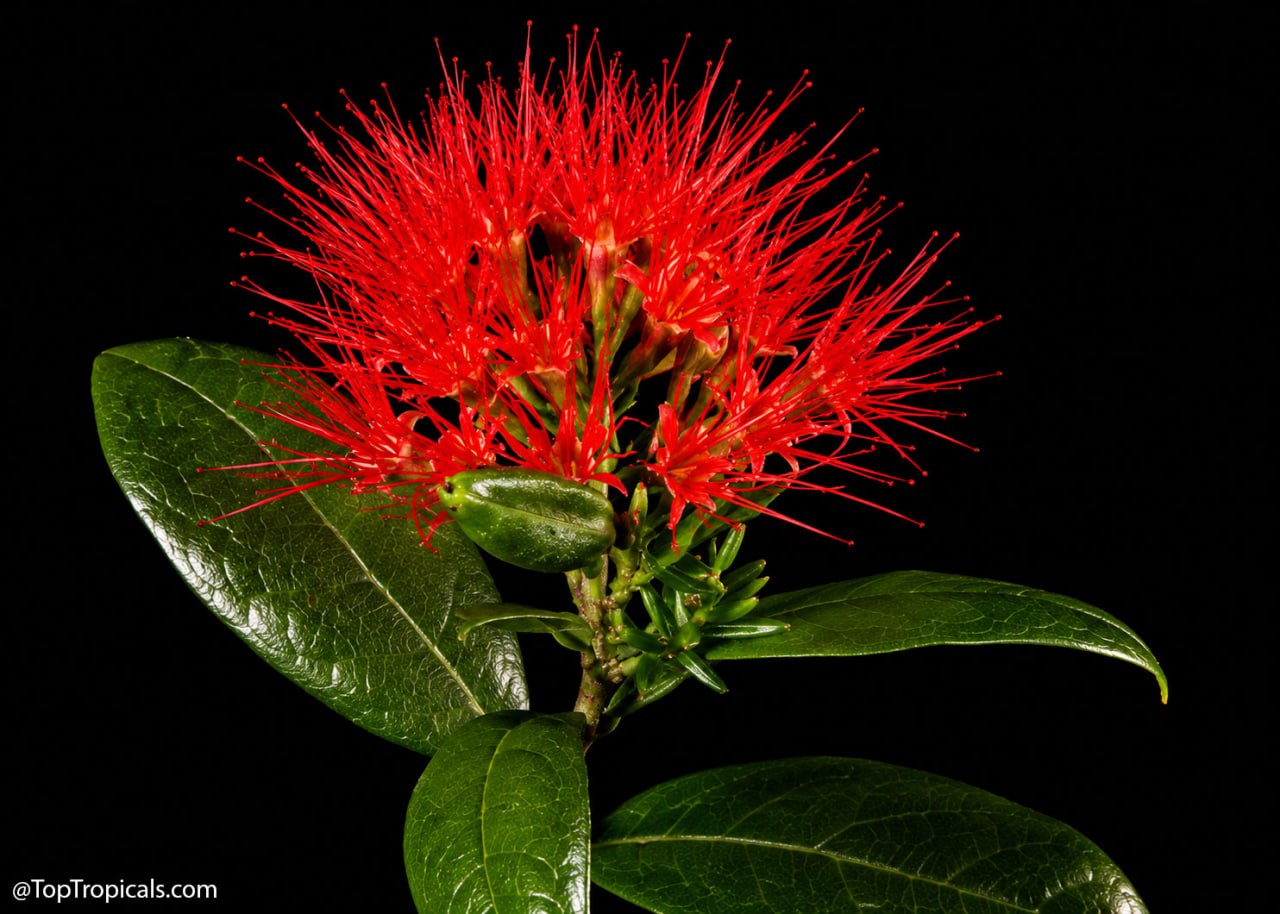
🔥 The Flowering Shrub That Keeps Blooming When Others Stop
If you’re looking for a single plant that can steal the show for months on end, you need the Ball of Fire (Combretum constrictum).
At first glance, the flowers hardly look real. Instead of ordinary petals, each bloom forms a bright scarlet powderpuff made of dozens of long, delicate stamens. When hundreds of these fiery red clusters open at once, the entire shrub seems to glow from within - perfectly earning its dramatic name.
Unlike many tropical shrubs that bloom in short, fleeting bursts, Ball of Fire provides an explosion of color almost year-round in warm climates.
Despite its high-maintenance appearance, Ball of Fire is incredibly resilient. Once established in a sunny spot, it requires very little fuss:
· Drought Tolerant: Handles heatwaves and dry spells with ease.
· Sun-Loving: Thrives in full sun to maximize its bloom potential.
· Highly Adaptable: Can be grown as a sprawling shrub, trained onto a trellis as a climbing vine, or pruned into a compact ornamental tree.
· Surprisingly Cold-Hardy: While technically a tropical plant (best in Zones 9b-11), established plants are remarkably tough. If hit by a hard freeze, they can die back to the ground and bounce back with vigorous new growth in the spring - especially if the root system was protected with a thick layer of mulch.
Pro-Tip: Regular pruning doesn't just control its size (typically 5 to 7 feet); it actually encourages a fuller shape and even more prolific blooming.
Those brilliant red flower clusters aren't just eye candy for humans. The nectar-rich blooms act as a natural feeding station for local wildlife. If you are trying to build a pollinator-friendly backyard, this shrub quickly becomes the busiest, most chaotic hub of hummingbird and butterfly activity in the neighborhood.
Don't have a massive estate? No problem. Because it responds so beautifully to pruning, Ball of Fire adapts exceptionally well to large containers. This makes it an excellent focal point for patios, courtyards, and urban tropical gardens where ground space is at a premium.
📍Appearance: Brilliant crimson "powderpuff" blooms with long, glowing stamens.
📍Bloom Season: Near year-round in frost-free zones.
📍Wildlife Value: High-traffic magnet for hummingbirds and butterflies.
📍Versatility: Can be shaped into a shrub, vine, hedge, or patio tree.
📍Resilience: Loves intense heat, tolerates drought, and can bounce back from deep freezes once established.
When Ball of Fire reaches peak bloom, it’s easy to see why it stops gardeners in their tracks. Few plants produce such an intense, glowing display while asking for so little in return.
🛒 Plant the Shrub Everyone Notices
📚 Learn more:
· Combretum constrictum in Plant Encyclopedia
· Our favorite flowering shrub
· Watch out - Ball of Fire!
#Butterfly_Plants #Hedges_with_benefits #Discover


🟢 Join 👉 TopTropicals
If you’re looking for a single plant that can steal the show for months on end, you need the Ball of Fire (Combretum constrictum).
At first glance, the flowers hardly look real. Instead of ordinary petals, each bloom forms a bright scarlet powderpuff made of dozens of long, delicate stamens. When hundreds of these fiery red clusters open at once, the entire shrub seems to glow from within - perfectly earning its dramatic name.
Unlike many tropical shrubs that bloom in short, fleeting bursts, Ball of Fire provides an explosion of color almost year-round in warm climates.
❤️ A Tropical Showpiece That’s Surprisingly Low-Maintenance
Despite its high-maintenance appearance, Ball of Fire is incredibly resilient. Once established in a sunny spot, it requires very little fuss:
· Drought Tolerant: Handles heatwaves and dry spells with ease.
· Sun-Loving: Thrives in full sun to maximize its bloom potential.
· Highly Adaptable: Can be grown as a sprawling shrub, trained onto a trellis as a climbing vine, or pruned into a compact ornamental tree.
· Surprisingly Cold-Hardy: While technically a tropical plant (best in Zones 9b-11), established plants are remarkably tough. If hit by a hard freeze, they can die back to the ground and bounce back with vigorous new growth in the spring - especially if the root system was protected with a thick layer of mulch.
Pro-Tip: Regular pruning doesn't just control its size (typically 5 to 7 feet); it actually encourages a fuller shape and even more prolific blooming.
❤️ A 24/7 Hummingbird and Butterfly Magnet
Those brilliant red flower clusters aren't just eye candy for humans. The nectar-rich blooms act as a natural feeding station for local wildlife. If you are trying to build a pollinator-friendly backyard, this shrub quickly becomes the busiest, most chaotic hub of hummingbird and butterfly activity in the neighborhood.
❤️ Perfect for Patios and Small Yards
Don't have a massive estate? No problem. Because it responds so beautifully to pruning, Ball of Fire adapts exceptionally well to large containers. This makes it an excellent focal point for patios, courtyards, and urban tropical gardens where ground space is at a premium.
❤️ Fast Facts: Why Gardeners Are Obsessed with Ball of Fire
📍Appearance: Brilliant crimson "powderpuff" blooms with long, glowing stamens.
📍Bloom Season: Near year-round in frost-free zones.
📍Wildlife Value: High-traffic magnet for hummingbirds and butterflies.
📍Versatility: Can be shaped into a shrub, vine, hedge, or patio tree.
📍Resilience: Loves intense heat, tolerates drought, and can bounce back from deep freezes once established.
When Ball of Fire reaches peak bloom, it’s easy to see why it stops gardeners in their tracks. Few plants produce such an intense, glowing display while asking for so little in return.
🛒 Plant the Shrub Everyone Notices
📚 Learn more:
· Combretum constrictum in Plant Encyclopedia
· Our favorite flowering shrub
· Watch out - Ball of Fire!
#Butterfly_Plants #Hedges_with_benefits #Discover