Garden Blog - Top Tropicals
Date: 20 Feb 2026
Florida freeze damage - what to replant after a record cold winter
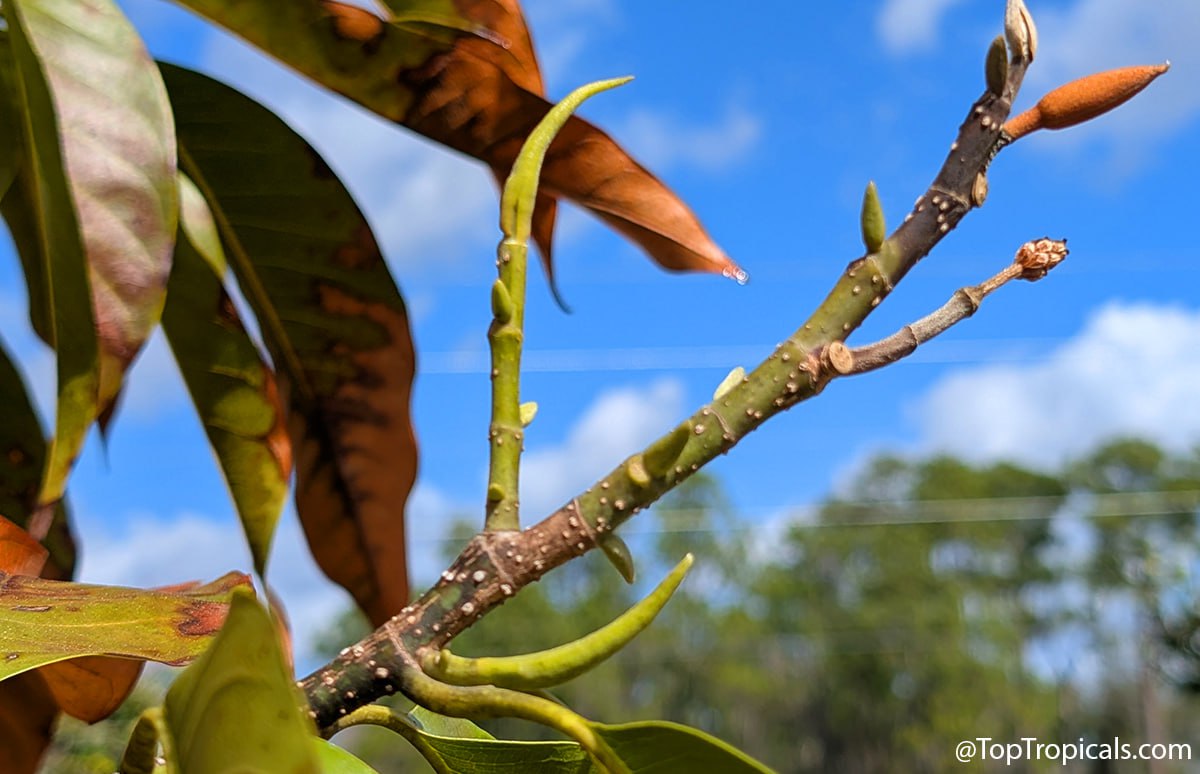
Magnolia champaka new shoots
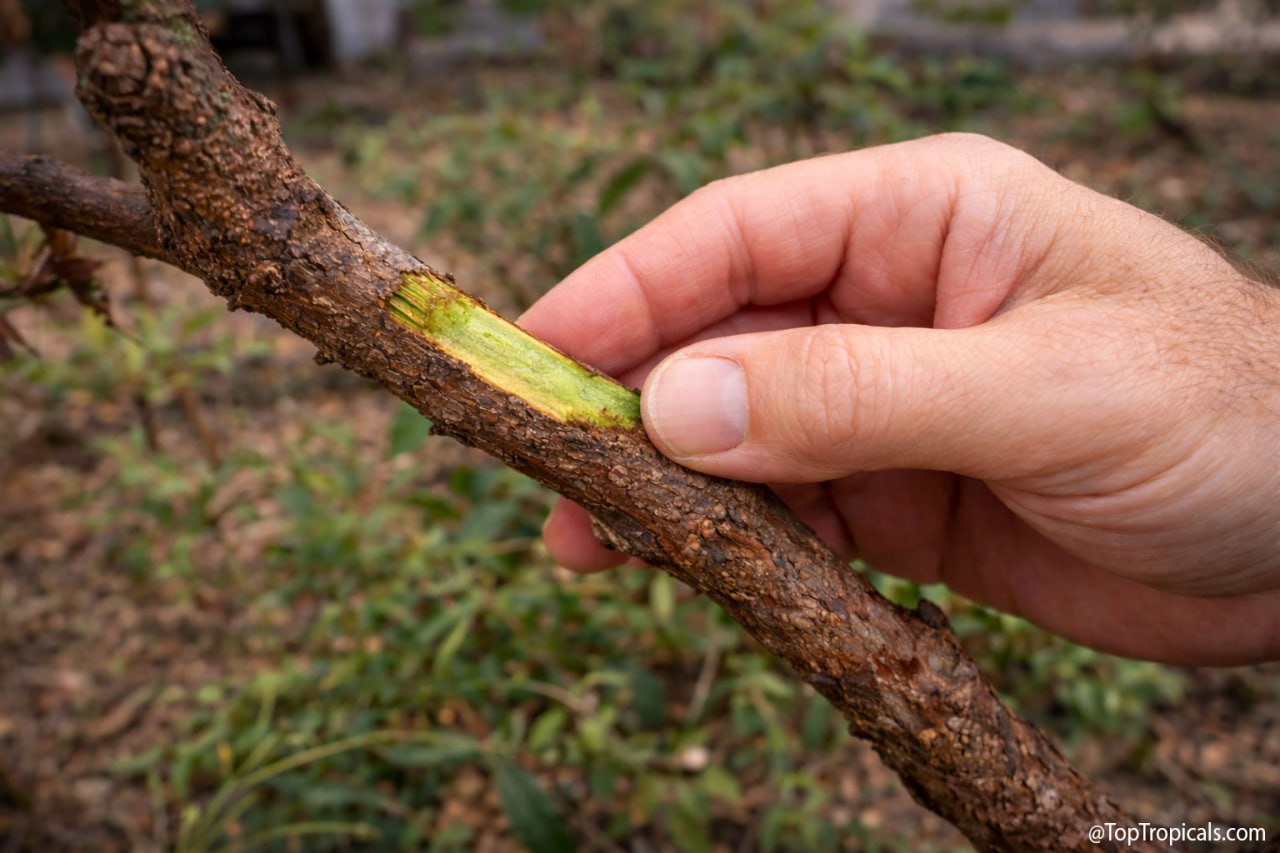
Scratch test on a bark
❄️ Florida freeze damage - what to replant after a record cold winter
🌱 A record freeze changed Florida gardens
After the recent record cold across Florida, many gardeners are now seeing the real damage - browned leaves, split stems, collapsed shrubs, and fruit trees that may not recover.
Some plants surprised us with new growth. Others are clearly gone.
The practical question is simple: what should you replant so it does not happen again next winter?
The good news - you can build a more frost-resilient garden without giving up beauty or fruit.
🌱 First - do not rush to rip everything out
Before replacing anything, check carefully:
Scratch the bark lightly - green underneath means the branch is alive.
Wait for consistent warm weather - some plants re-sprout weeks or even months later.
Look for growth higher on the stem, not just at the base.
After freezes, many tropicals look worse than they are. Patience often saves money.
🌱 Why some plants survived and others did not
Freeze survival depends on several factors:
Duration of cold - 2 hours vs 8 hours makes a major difference
Microclimate - south-facing walls, wind protection, canopy cover
Plant maturity - established roots handle stress better
Pre-freeze health - overfertilized, soft growth freezes faster
This explains why two identical plants in the same yard can perform very differently.
🌱 What to replant for a frost-resilient garden
Instead of replacing losses with the same tender species, consider:
Cold-hardy fruit trees
Proven freeze survivors from this winter
Shrubs that tolerate brief dips below freezing
Layered planting for wind protection
When redesigning:
Plant tender species closer to structures.
Use hardy trees as windbreaks.
Avoid low frost pockets.
Improve drainage - wet roots freeze faster.
You do not have to remove tropical character. You just have to plant smarter.
✍️ Check the list of freeze survivors:
What tropical plants survived Florida's historic freeze without protection
🌱 Rebuild with strategy, not emotion
After freeze damage, many gardeners replant quickly - only to repeat the same losses.
A better approach:
Identify what truly died.
Learn which species survived locally.
Choose varieties proven in your climate zone.
Design with cold in mind.
One freeze can become a turning point. Many Florida gardens become stronger after a hard winter because the plant list gets refined.
🌱 Spring Equinox - a natural reset
The Spring equinox marks equal day and night and the astronomical start of spring. From this point forward, daylight increases and active growth accelerates.
For Florida gardeners, it is a natural reset.
New growth begins. Roots wake up. Replacement planting becomes safer.
This is the right time to rebuild.
🛒 Explore cold tolerant tropical plants and cold hardy Avocados
🎥 What tropical plants survived Florida's historic freeze without protection
🎥 These Avocados survived 3 nights of 25F hard freeze, Florida Record Freeze
📚 Learn more:
· Top Ten Fruit Tree Winners of Florida 2026 Record Freeze
· Top Ten Flowering Tree Winners of Florida 2026 Record Freeze
· To trim or not to trim? When and how to trim damaged plants after winter
· Cold-hardy avocado varieties - what freezing they really survive


· Cold-hardy avocado survival groups - what the numbers really mean
#Discover #How_to
🟢 Join 👉 TopTropicals
Date: 20 Feb 2026
Top Ten Flowering Tree Winners of Florida 2026 Record Freeze
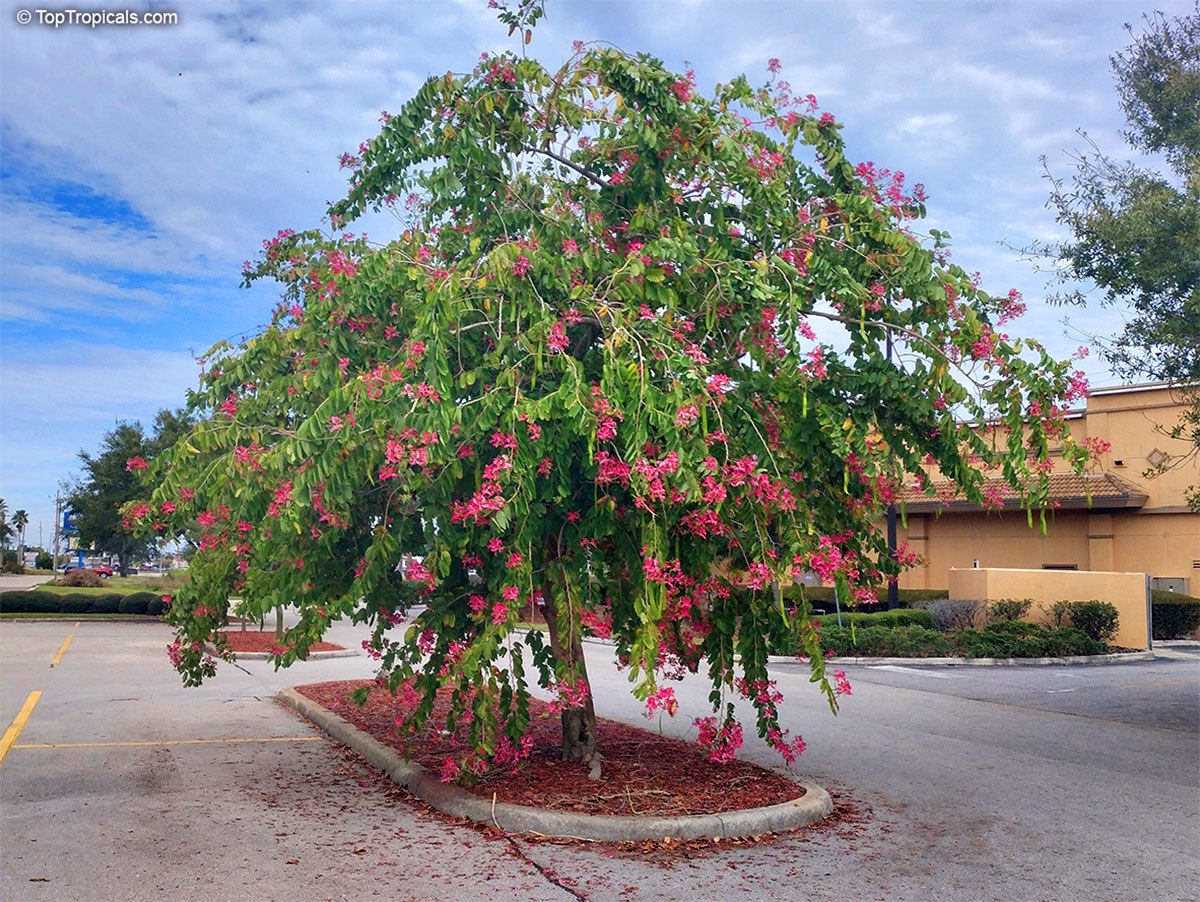
Bauhinia Orchid Tree
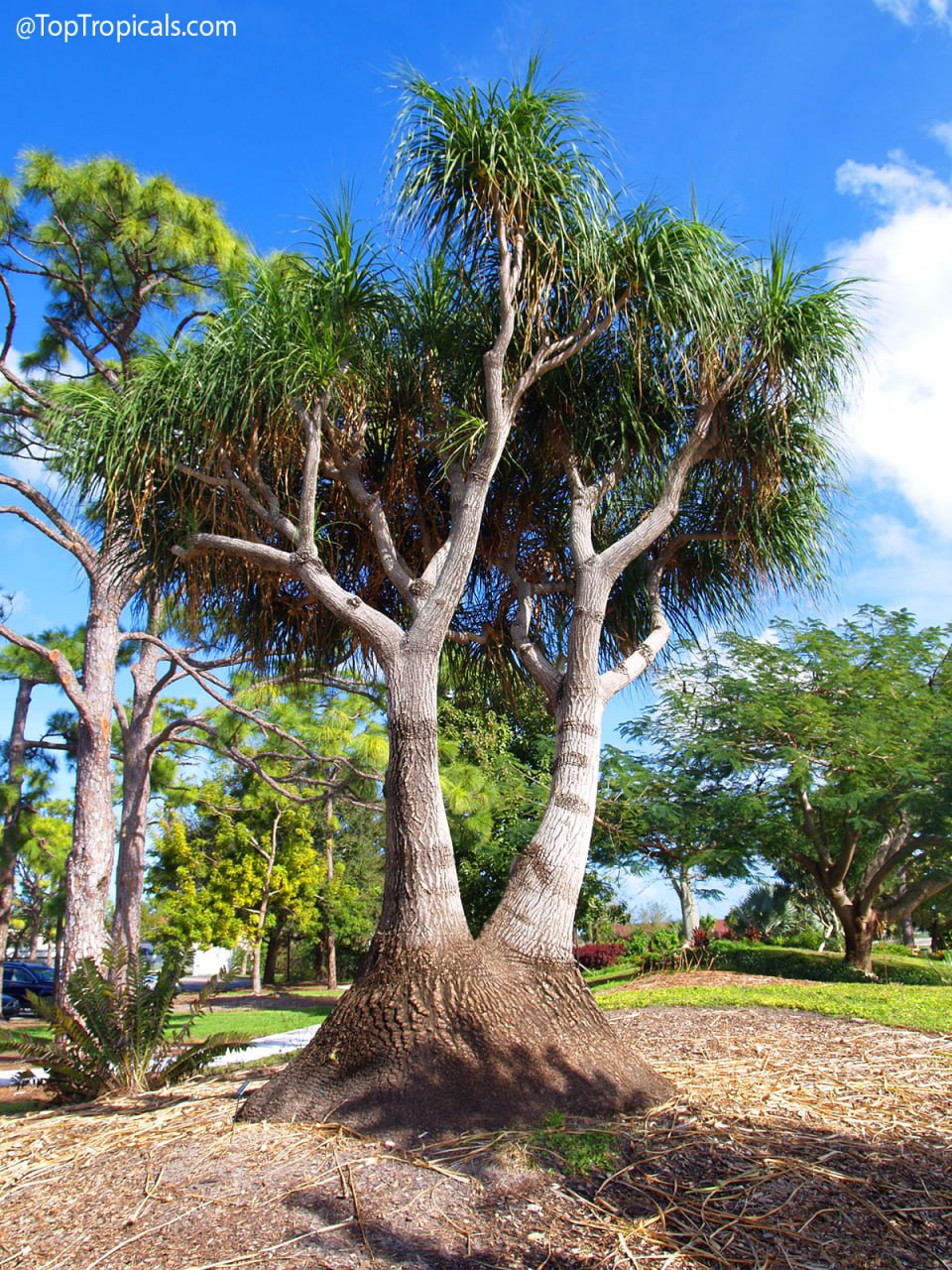
Beaucarnea recurvata - Pony Tail
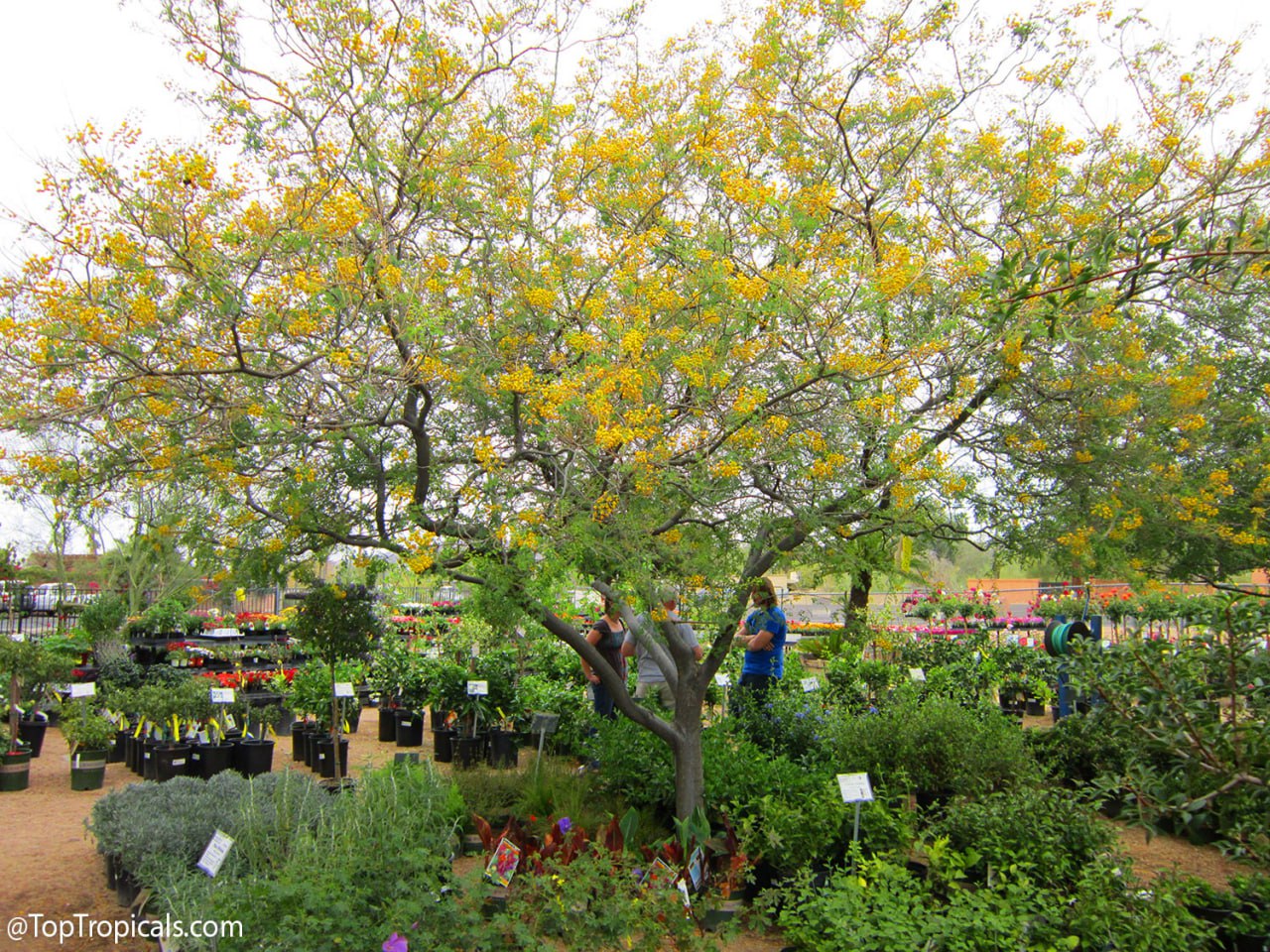
Caesalpinia mexicana, Mexican Bird of Paradise
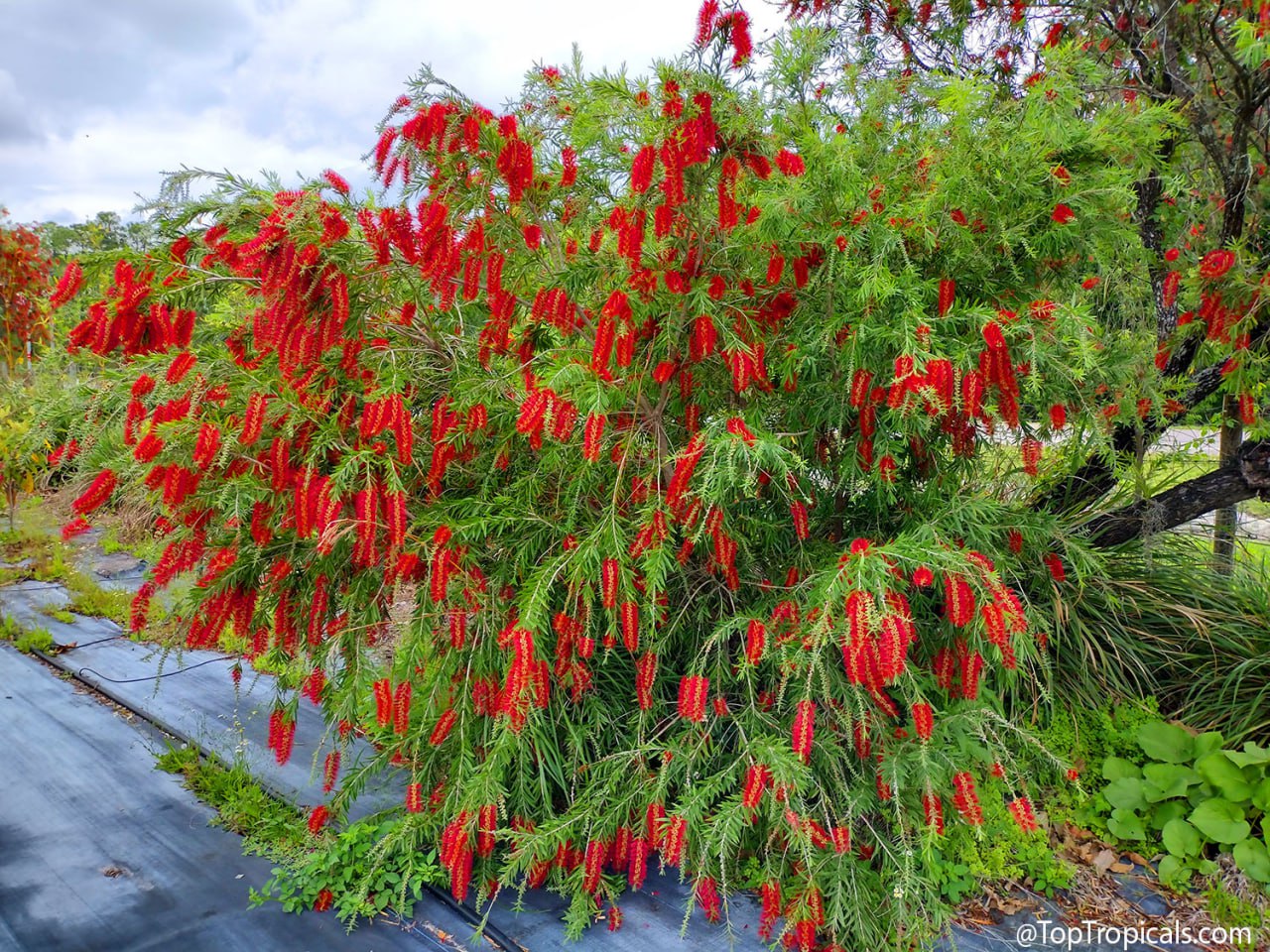
Callistemon - Bottlebrush
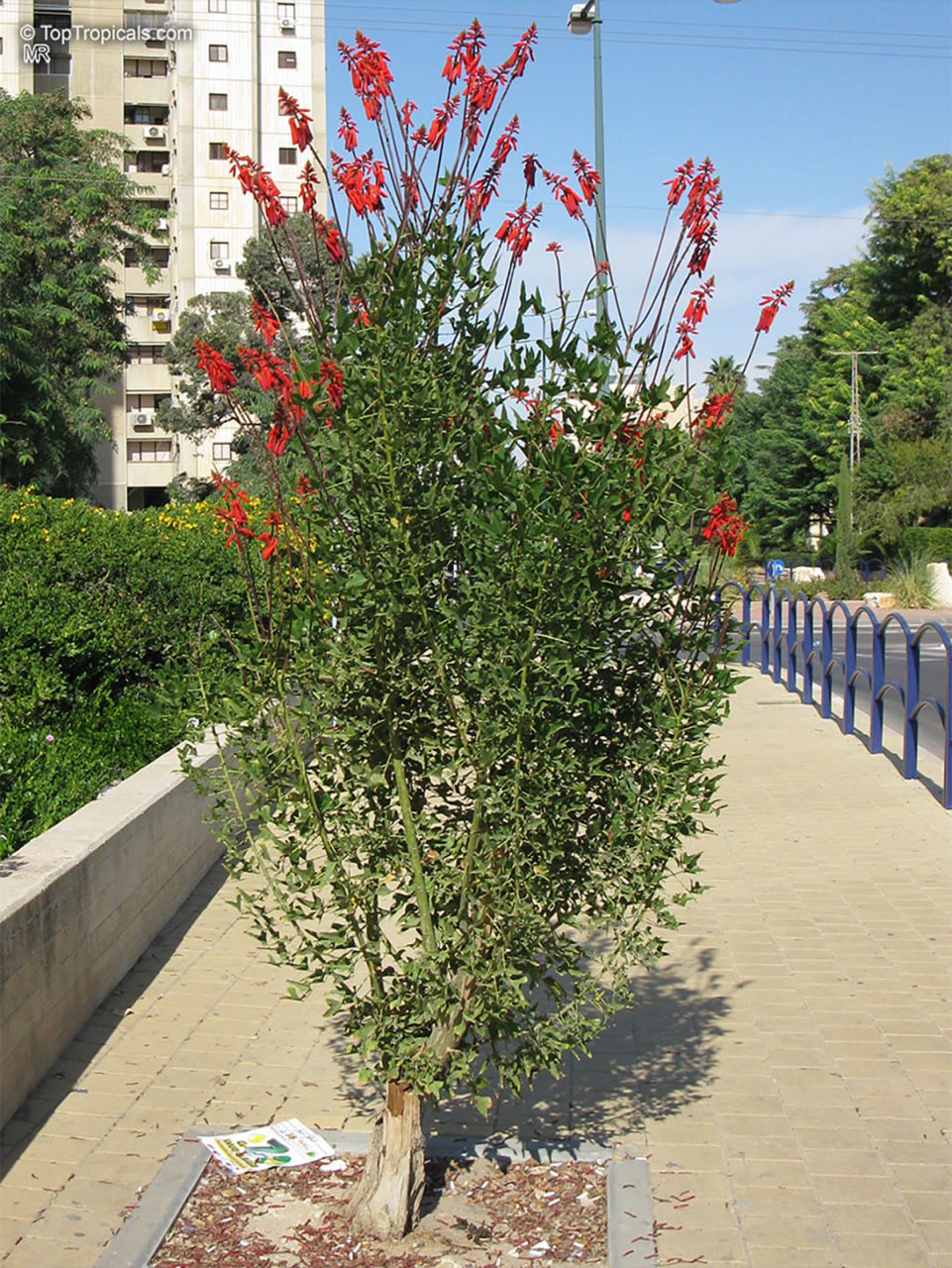
Erythrina
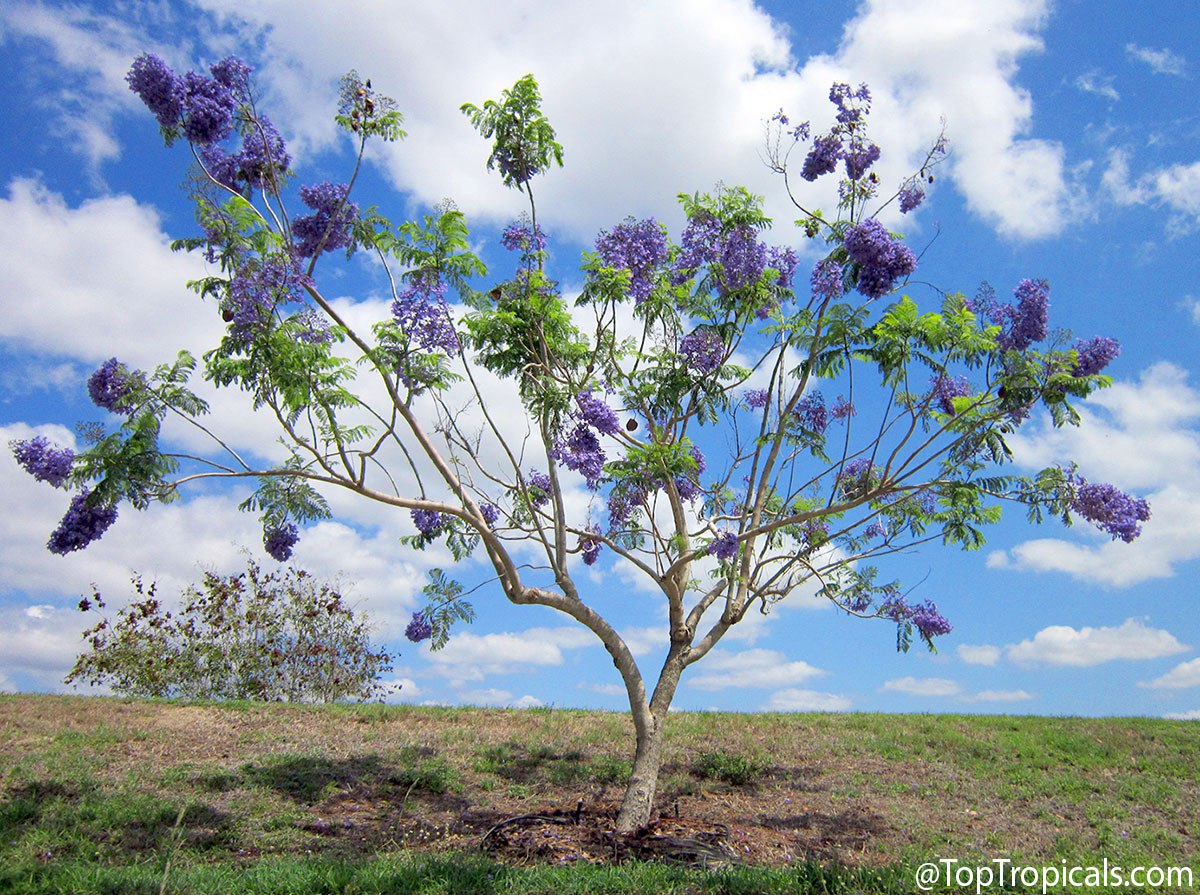
Jacaranda tree
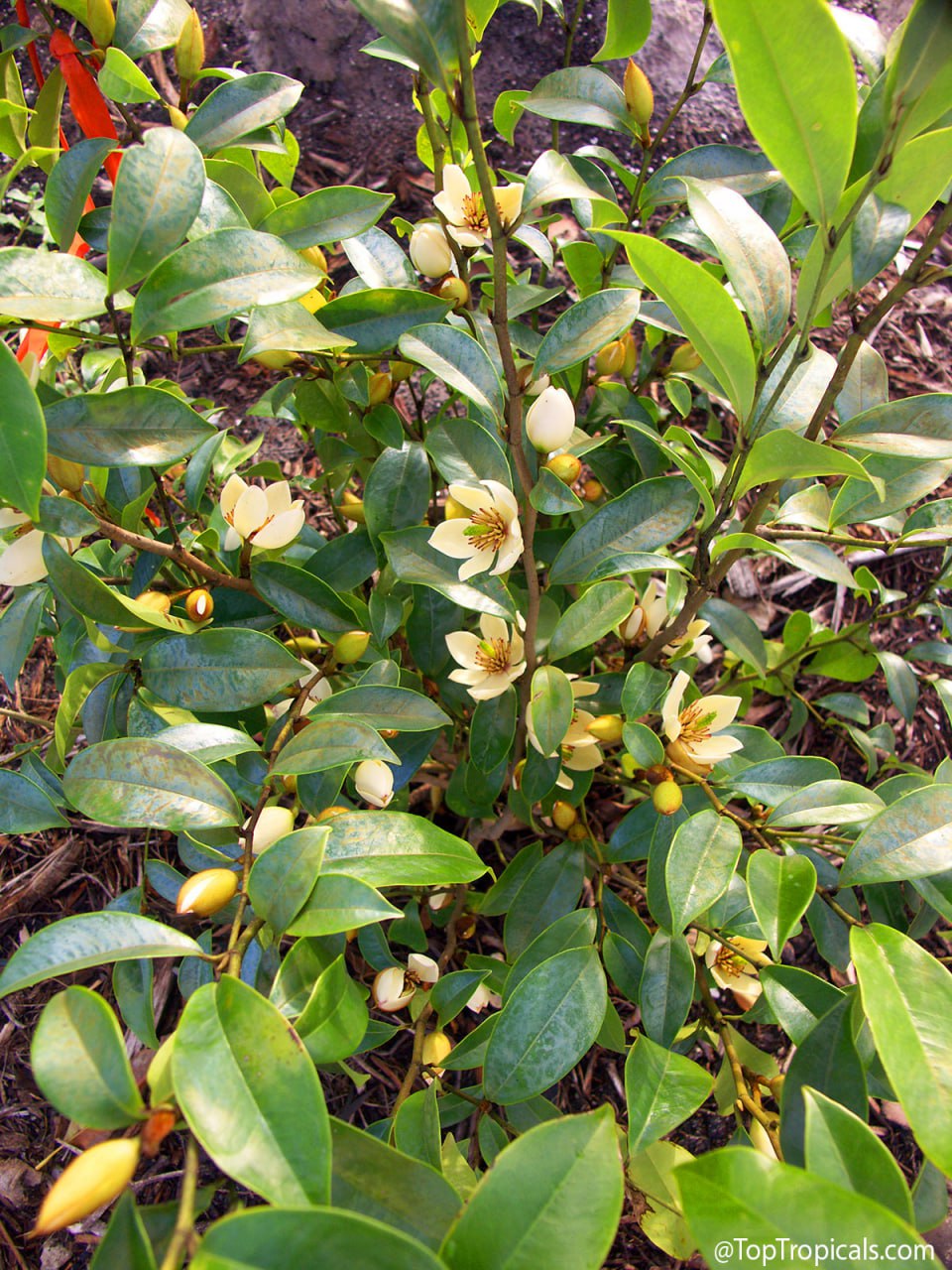
Magnolia figo
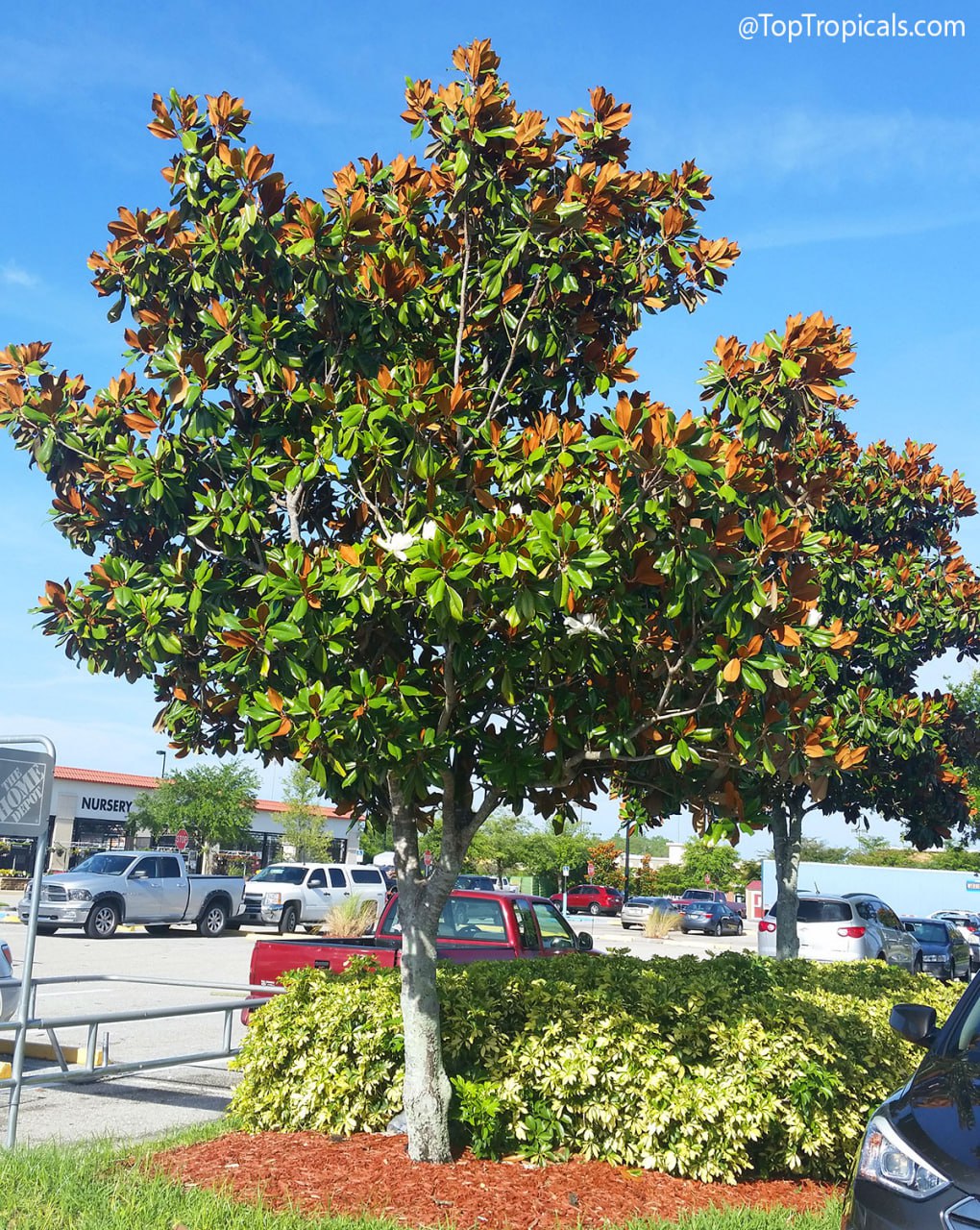
Magnolia Little Gem
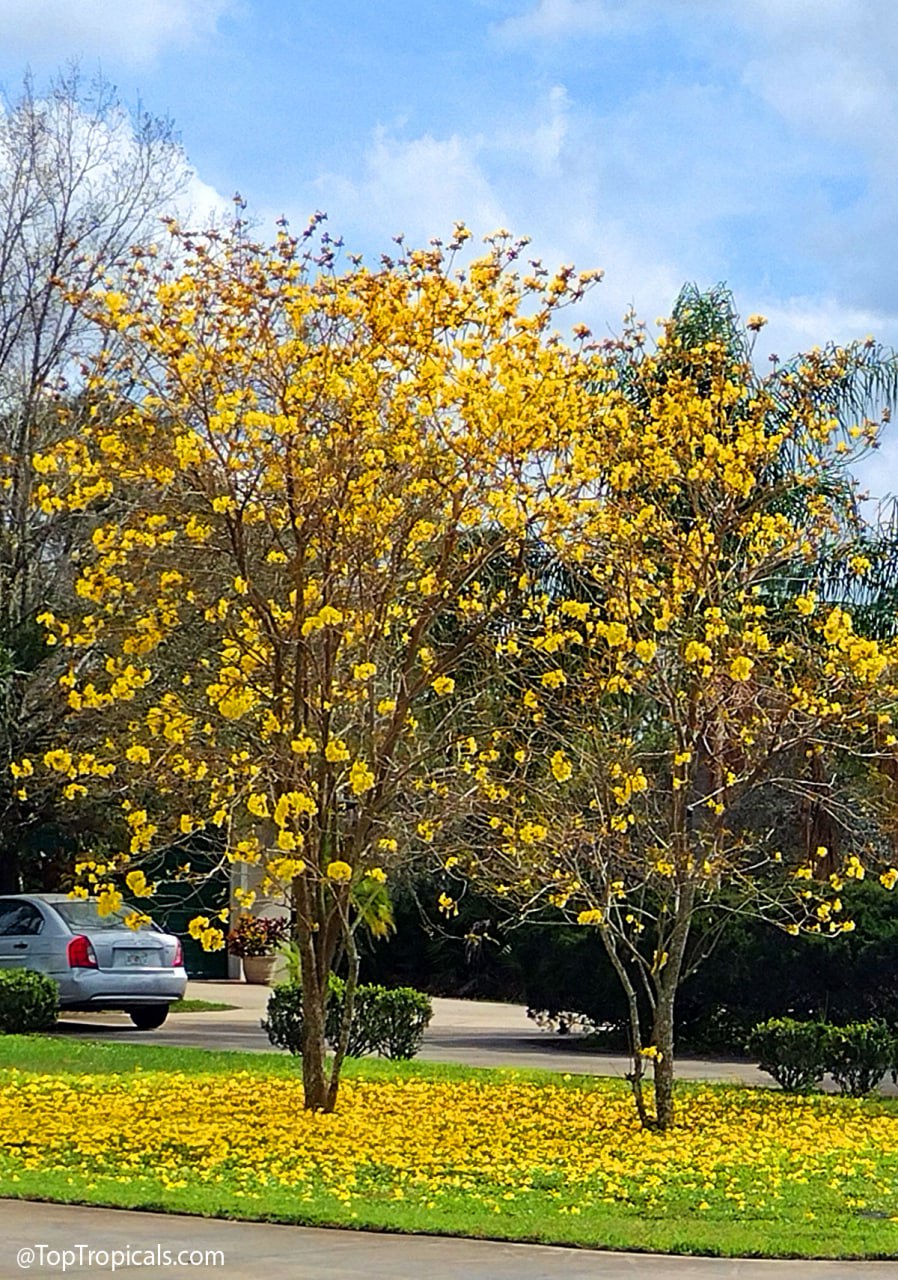
Tabebuia chrysotricha
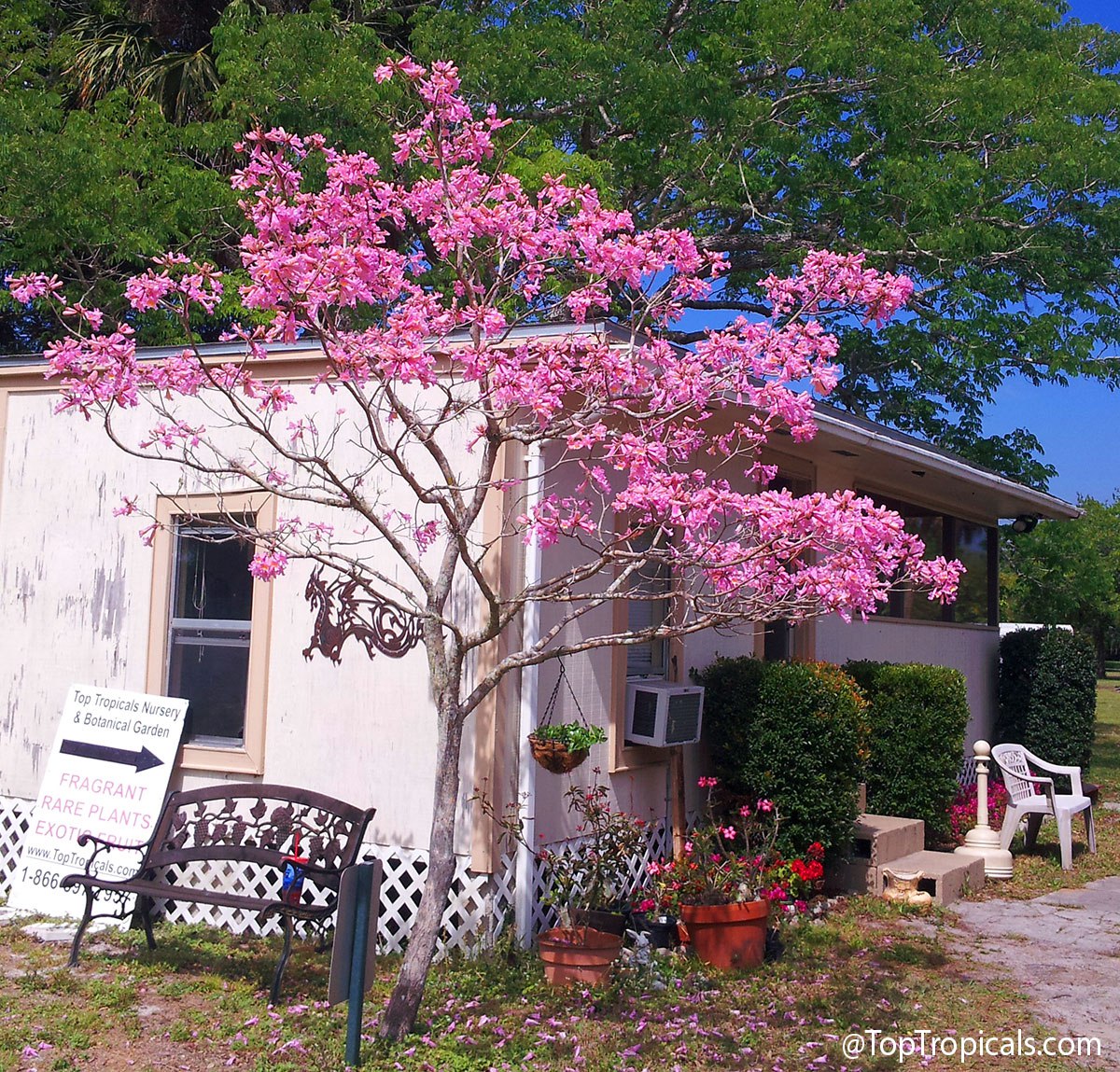
Tabebuia impetiginosa
🏆 Top Ten Flowering Tree Winners of Florida 2026 Record Freeze
These flowering trees had no damage after 3 nights of hard freeze (25F) with NO PROTECTION:
✔️ Bauhinia Orchid Trees - several species
✔️ Beaucarnea recurvata - Pony Tail


✔️ Caesalpinia mexicana, Mexican Bird of Paradise


✔️ Callistemon - Bottlebrush
✔️ Erythrina - several species
✔️ Jacaranda tree
✔️ Magnolia figo


✔️ Magnolia Little Gem
✔️ Tabebuia chrysotricha

✔️ Tabebuia impetiginosa


🛒 Explore cold tolerant tropical plants
🎥 What tropical plants survived Florida's historic freeze without protection
🎥 These Avocados survived 3 nights of 25F hard freeze, Florida Record Freeze
📚 Learn more:
· Top Ten Fruit Tree Winners of Florida 2026 Record Freeze
· To trim or not to trim? When and how to trim damaged plants after winter
· Cold-hardy avocado varieties - what freezing they really survive
· Cold-hardy avocado survival groups - what the numbers really mean
#Discover #How_to #Trees
🟢 Join 👉 TopTropicals
Date: 20 Feb 2026
Top Ten Fruit Tree Winners of Florida 2026 Record Freeze
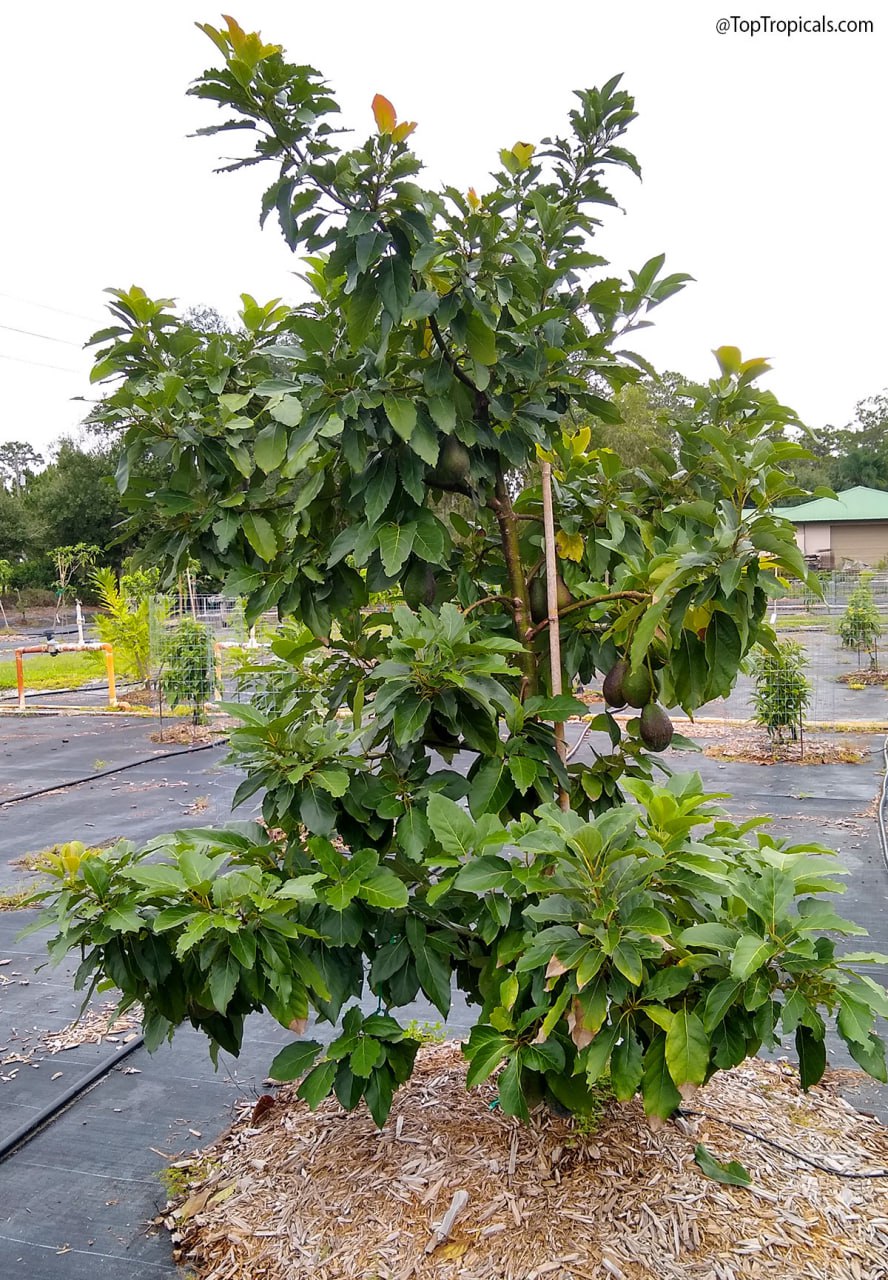
Avocado tree with fruit
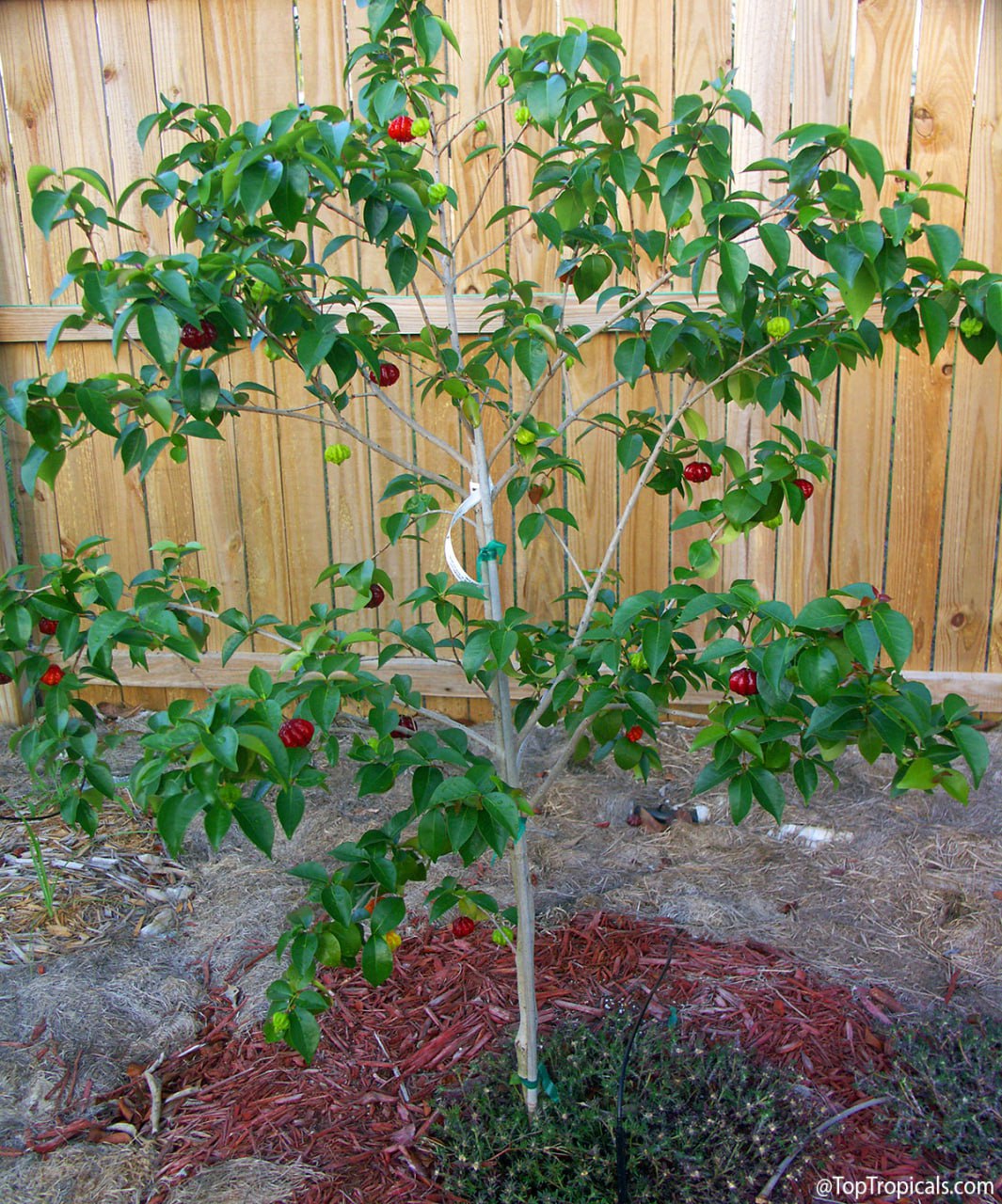
Eugenia
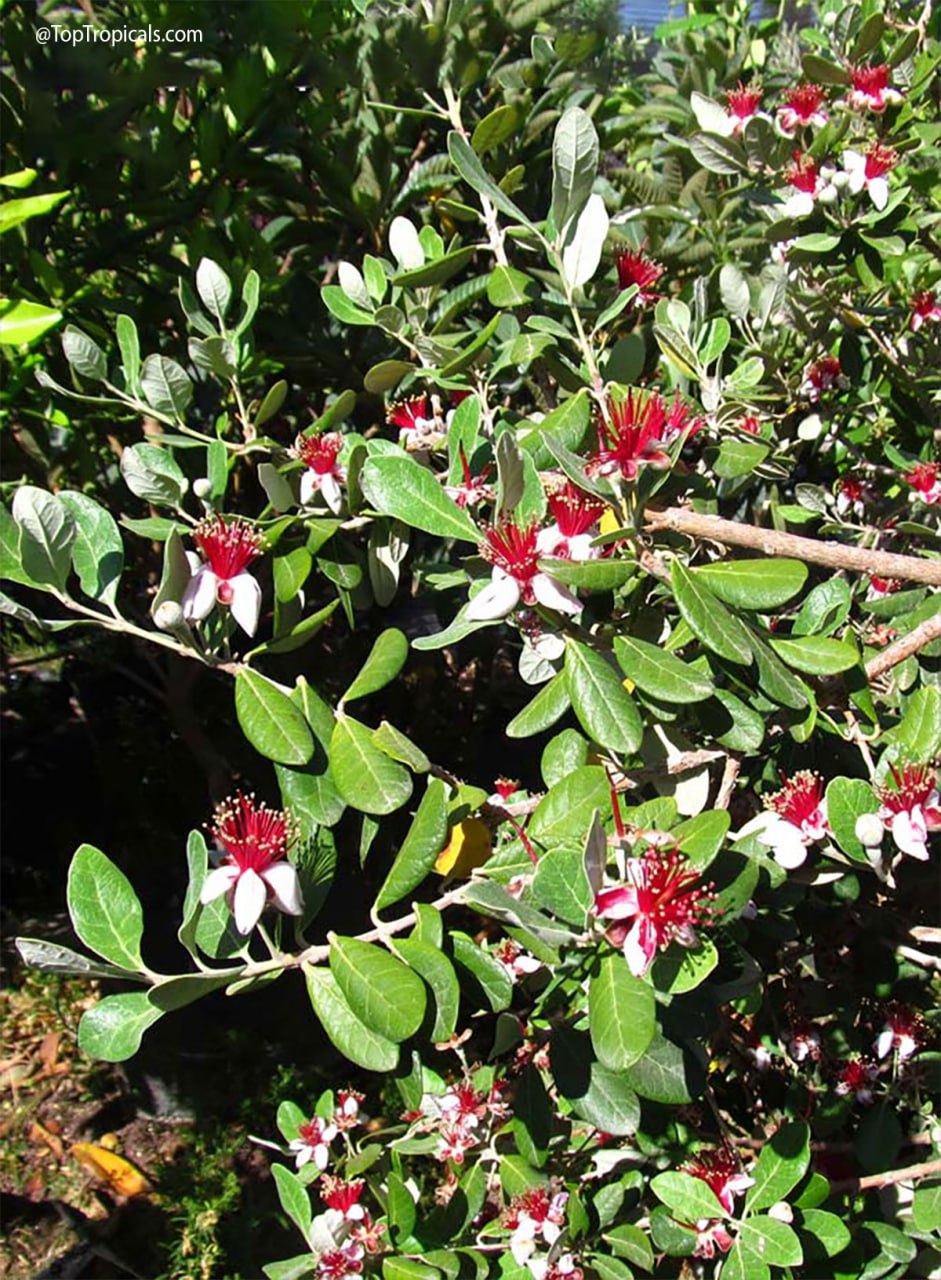
Feijoa - Pineapple Guava
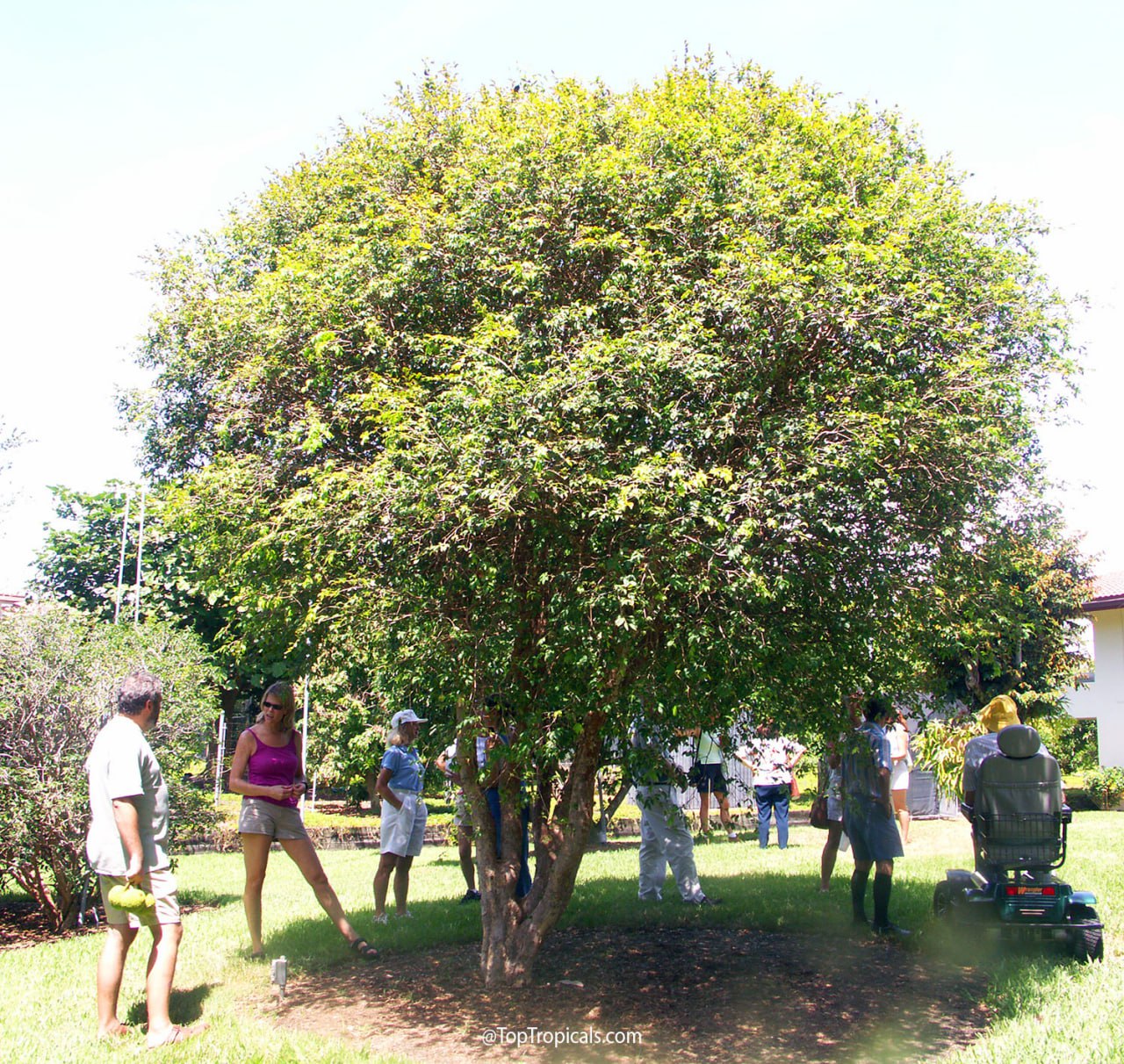
Jaboticaba tree
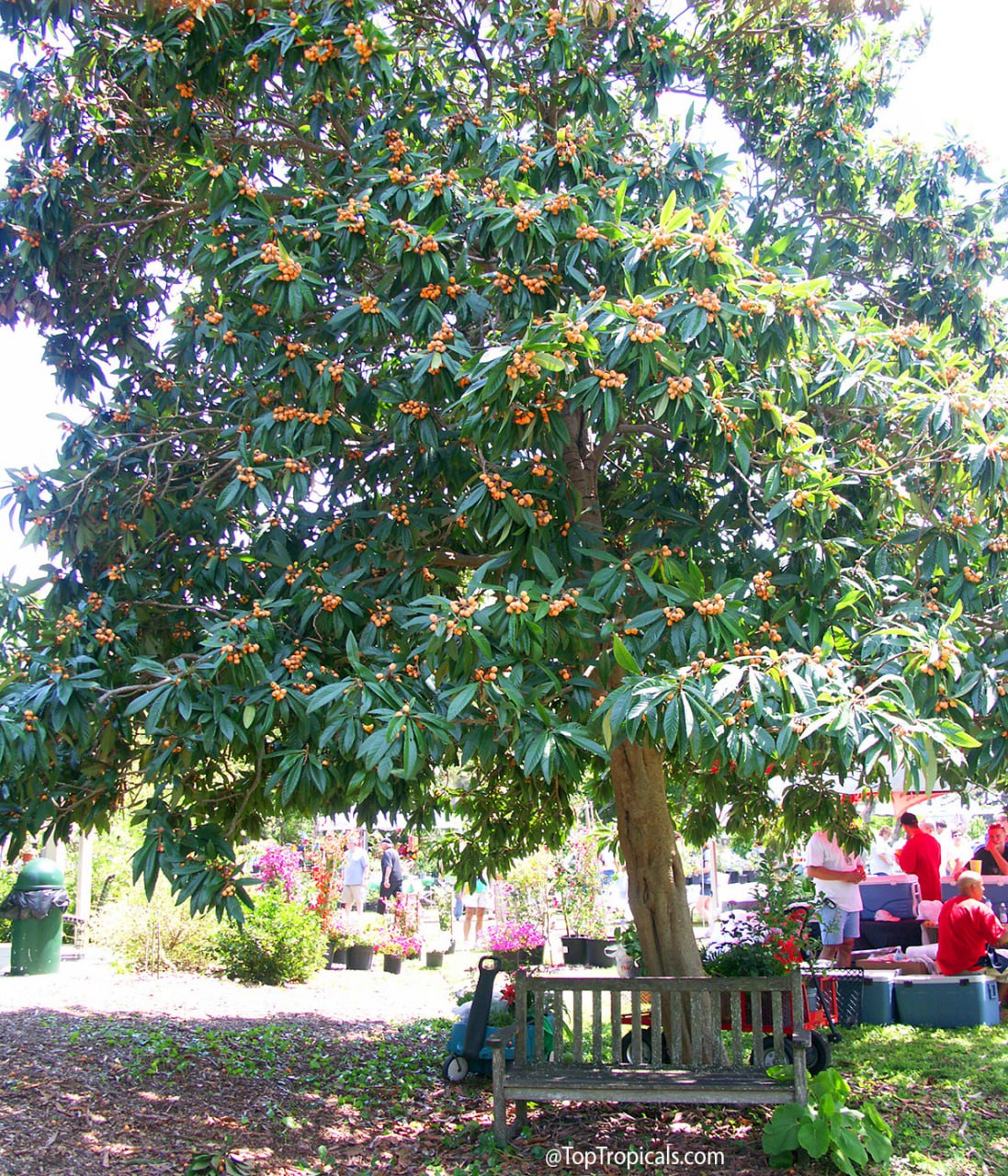
Loquat tree
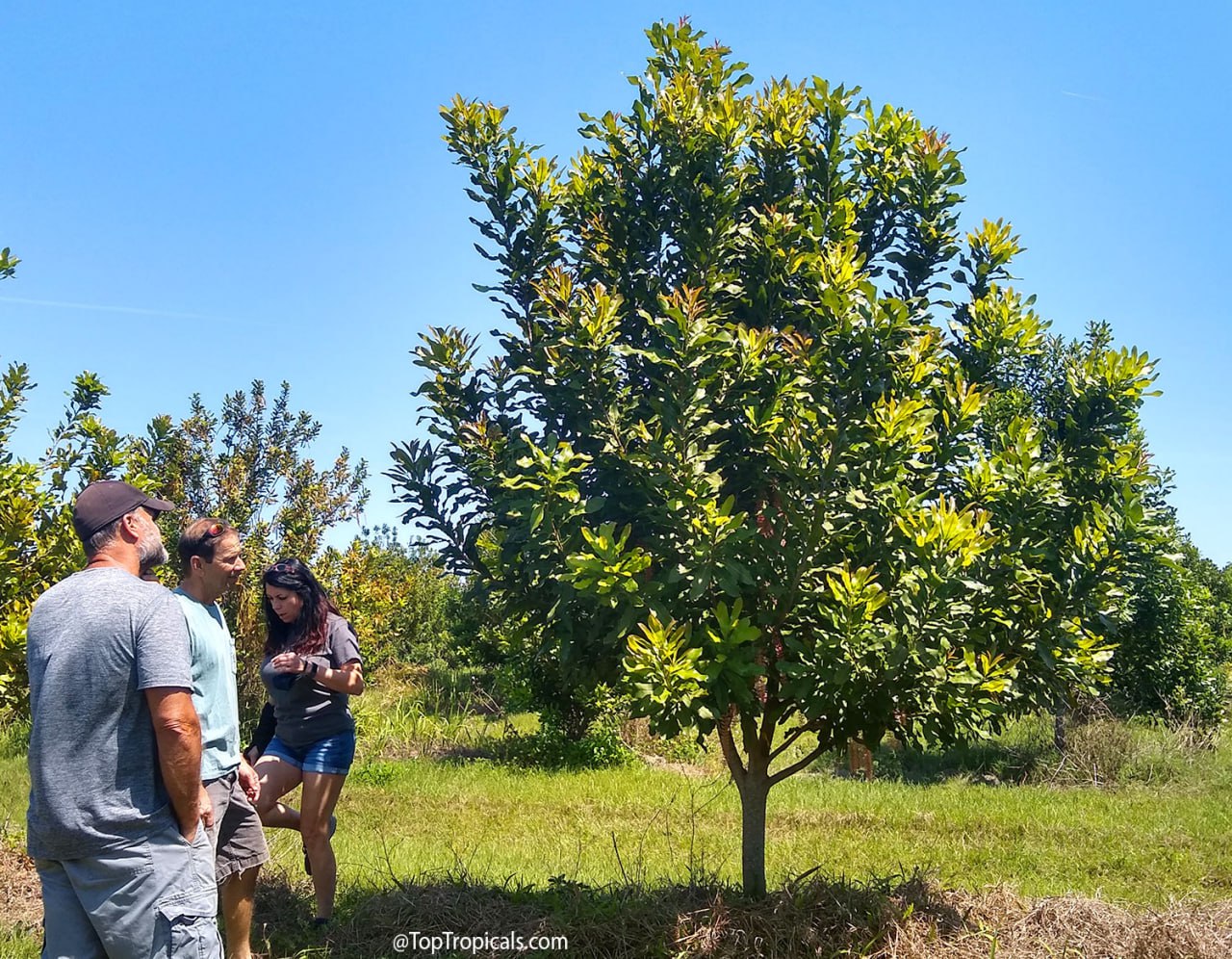
Macadamia Nut tree
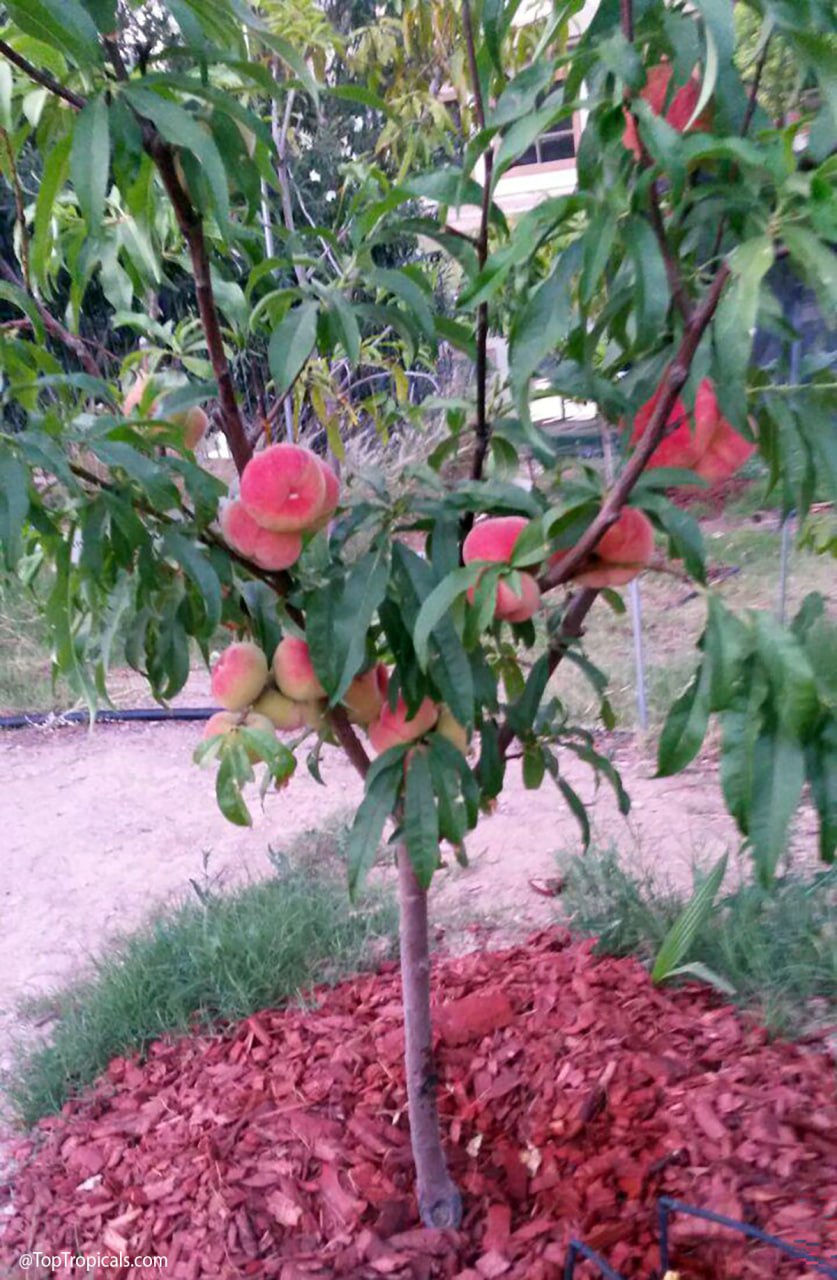
Prunus sp - Peach
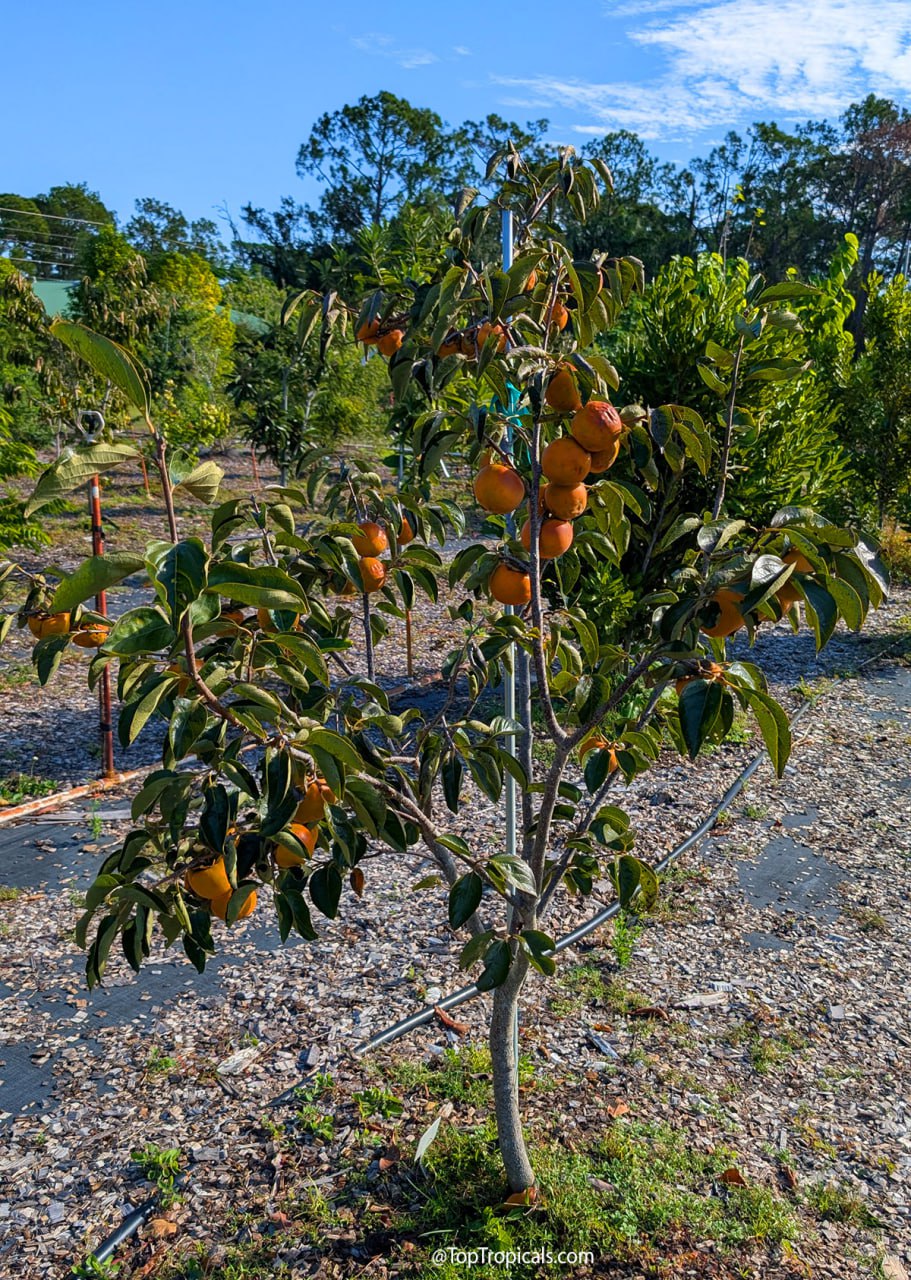
Persimmon tree
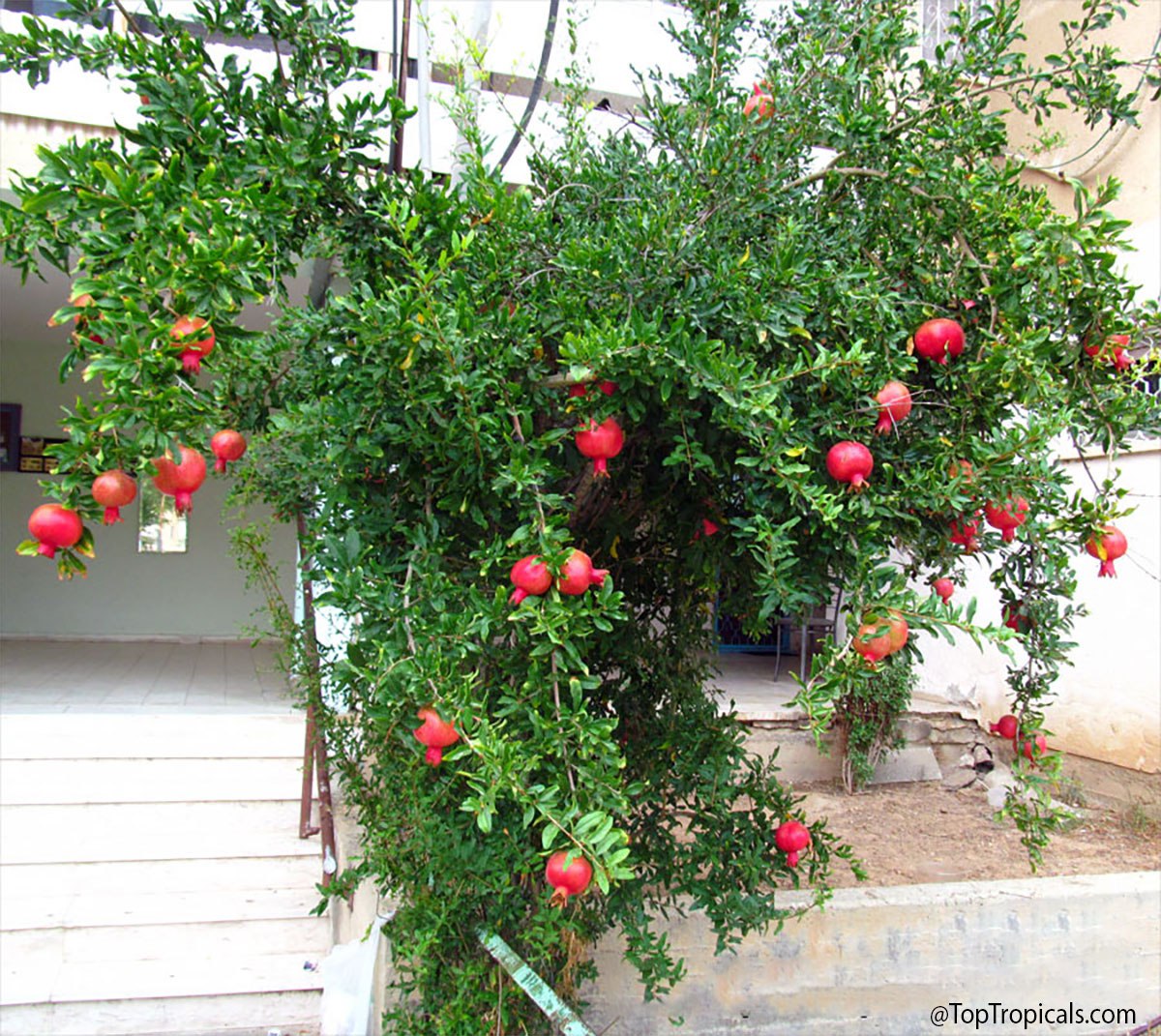
Pomegranate tree with fruit
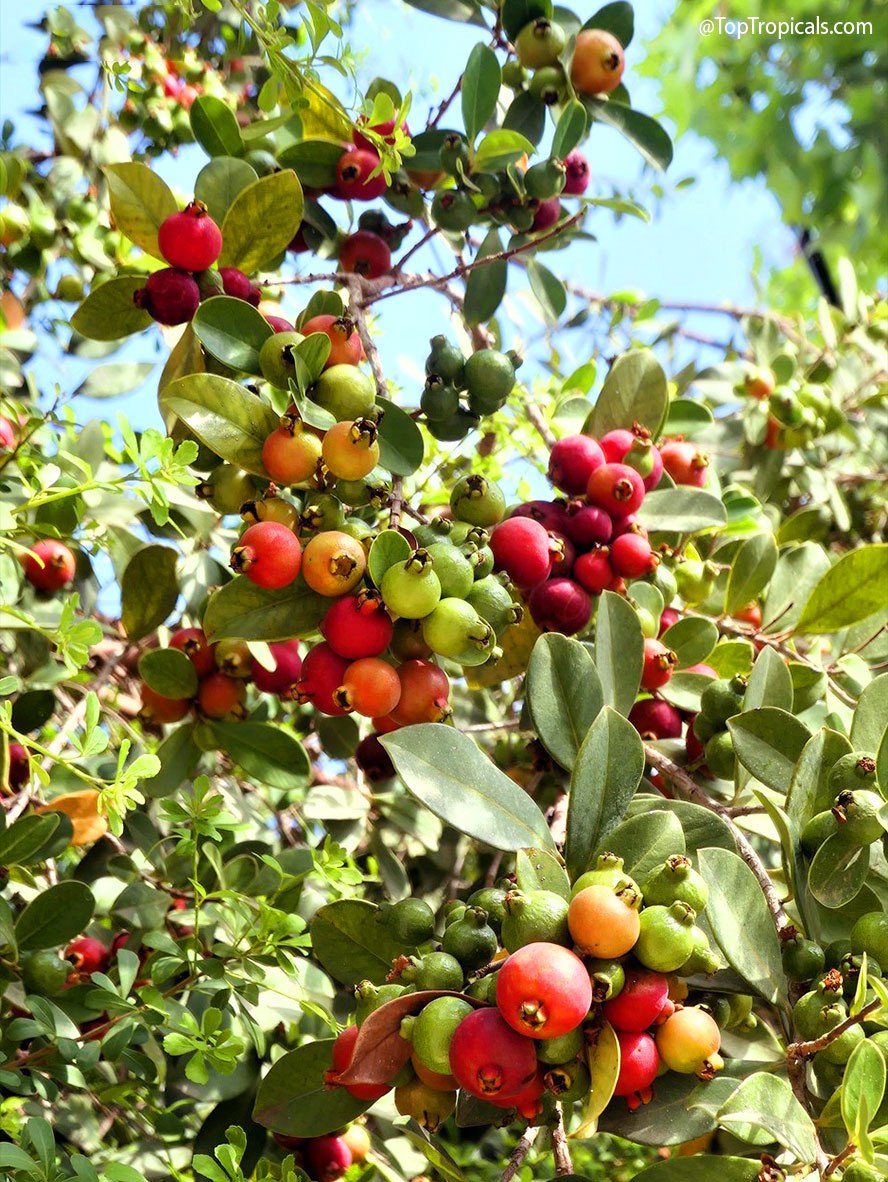
Psidium littorale - Cattley Guava tree with fruit
🏆 Top Ten Fruit Tree Winners of Florida 2026 Record Freeze
These fruit trees had no damage after 3 nights of hard freeze (25F) with NO PROTECTION:


✔️ Avocado - cold hardy varieties
✔️ Eugenias (Grumichama, Rio Grande, Surinam and more)
✔️ Feijoa - Pineapple Guava
✔️ Jaboticaba
✔️ Loquat
✔️ Macadamia Nut
✔️ Prunus sp - Peaches, Plums, Nectarines
✔️ Persimmons
✔️ Pomegranate
✔️ Psidium littorale - Cattley Guavas
🛒 Explore cold tolerant tropical plants and cold hardy Avocados
🎥 What tropical plants survived Florida's historic freeze without protection
🎥 These Avocados survived 3 nights of 25F hard freeze, Florida Record Freeze
📚 Learn more:
· To trim or not to trim? When and how to trim damaged plants after winter
· Cold-hardy avocado varieties - what freezing they really survive
· Cold-hardy avocado survival groups - what the numbers really mean
#Discover #How_to #Food_Forest
🟢 Join 👉 TopTropicals
Date: 20 Feb 2026
What tropical plants survived Floridas historic freeze without protection
Florida historic freeze
What tropical plants survived Florida's historic freeze without protection
In the first week of February 2026, arctic air pushed deep into Florida. For many areas, this was the coldest event in over a century.
We received one question over and over: How did your gardens do?
Top Tropicals Farm in Sebring, Florida is up and running - and this freeze became a real-world hardiness test for tropical and subtropical plants. Below is our initial field report after inspecting established plantings.
📊 Weather data - February 1-6, 2026
Sebring, Florida - 132 years of recorded observations
This was not a light frost. It was prolonged, windy, penetrating hard freeze.
🌡 Minimum temperature: 25F
❄️ Wind chill: 14F
⏳ Duration: 3 nights of 8-10 hour hard freeze
☀️ Daytime temperatures: around 50F for 7 days
🌀 Wind: sustained 20 mph, gusts 40-50 mph
In-ground trees: selected plants covered with frost cloth, especially
mango and young
avocado trees.
Tender container plants: moved into greenhouses with propane heat above 34F.
Hardy container plants: frost cloth and wind protection only - no plastic
Nutrition support: plants fertilized regularly during the growing season with Green Magic and Sunshine Boosters to maintain vigor and hardiness.
However, the plants listed below had no protection at all.
All were established trees 2-3 years in the ground.
✅ Survived with no damage:
Citrus
Loquats
Mulberries
Macadamia Nut
Jaboticabas
Pomegranates
Avocado - cold hardy varieties
Feijoa - Pineapple Guava
Psidium littorale - Cattley Guavas
Eugenias (Grumichama, Rio Grande, Surinam and more)
Olive trees
Bay Leaf (Laurus nobilis)
Fig trees (Ficus carica)
Prunus sp - Peaches, Plums, Nectarines
Persimmons
Rubus (Blackberries) including Tropical Mysore Raspberry
Elderberry (Sambucus)
Yerba Mate - Ilex paraguariensis
Opuntia - Nopal Cactus, Prickly Pear
Beaucarnea recurvata - Pony Tail
Callistemon - Bottlebrush
Yucca
Tabebuias
Magnolia figo and Little Gem
Calliandra tweedii - Red Powderpuff
Sophora tomentosa
Galphimia gracillis - Thriallis
Acacia trees
Osmanthus fragrans
Abutilon trees
Erythrina - several species
Monkey Ear tree - Enterolobium cyclocarpum
Bauhinia Orchid Trees - several species
Pseudobombax ellipticum - Shaving Brush Tree
Bulnesia arborea- Vera Wood
Caesalpinia mexicana, Mexican Bird of Paradise
Sansevieria - Snake Plant
Foxtail fern - Asparagus densiflorus
Lonicera - several varieties
Jacaranda tree
Eucalyptus
Plumbago Imperial Blue
Philodendron bipinnatum
Gardenias
Gingers (dormant rhizomes)
✳️ Minimal leaf damage only:
(These plants showed light cosmetic damage but no structural injury)
Glycosmis pentaphylla - Gin Berry
Black sapote tree
Tamarind tree
Syzygiums: Rose Apple and Java Plum
Pandora vine
Jasminum - several species
Stenocarpus sinuatus - Firewheel Tree
Xanthostemon
Quisqualis indica

Schotia tree
Eranthemum pulchellum - Blue Sage


Hiptage benghalensis - Helicopter Flower
This freeze was a stress test few gardens are prepared for. Yet many species handled 25F, wind, and multi-night freeze conditions without protection.
Choosing proven survivors, planting in smart microclimates, and maintaining strong plant health during the growing season makes a measurable difference.
More updates will follow as full recovery continues - but these early results already help define a stronger plant palette for future winters.
🛒 Explore cold tolerant tropical plants and cold hardy Avocados
· To trim or not to trim? When and how to trim damaged plants after winter
· Cold-hardy avocado varieties - what freezing they really survive
· Cold-hardy avocado survival groups - what the numbers really mean
🎥 These Avocados survived 3 nights of 25F hard freeze, Florida Record Freeze
#Discover #How_to
🟢 Join 👉 TopTropicals
In the first week of February 2026, arctic air pushed deep into Florida. For many areas, this was the coldest event in over a century.
We received one question over and over: How did your gardens do?
Top Tropicals Farm in Sebring, Florida is up and running - and this freeze became a real-world hardiness test for tropical and subtropical plants. Below is our initial field report after inspecting established plantings.
📊 Weather data - February 1-6, 2026
Sebring, Florida - 132 years of recorded observations
This was not a light frost. It was prolonged, windy, penetrating hard freeze.
🌡 Minimum temperature: 25F
❄️ Wind chill: 14F
⏳ Duration: 3 nights of 8-10 hour hard freeze
☀️ Daytime temperatures: around 50F for 7 days
🌀 Wind: sustained 20 mph, gusts 40-50 mph
Cold protection
In-ground trees: selected plants covered with frost cloth, especially
Tender container plants: moved into greenhouses with propane heat above 34F.
Hardy container plants: frost cloth and wind protection only - no plastic
Nutrition support: plants fertilized regularly during the growing season with Green Magic and Sunshine Boosters to maintain vigor and hardiness.
However, the plants listed below had no protection at all.
All were established trees 2-3 years in the ground.
The plants below had NO PROTECTION, established trees 2-3 years old
✅ Survived with no damage:
🍑 Tropical Fruit Trees and Edibles:
Citrus
Loquats
Mulberries
Macadamia Nut
Jaboticabas
Pomegranates
Avocado - cold hardy varieties
Feijoa - Pineapple Guava
Psidium littorale - Cattley Guavas
Eugenias (Grumichama, Rio Grande, Surinam and more)
Olive trees
Bay Leaf (Laurus nobilis)
Fig trees (Ficus carica)
Prunus sp - Peaches, Plums, Nectarines
Persimmons
Rubus (Blackberries) including Tropical Mysore Raspberry
Elderberry (Sambucus)
Yerba Mate - Ilex paraguariensis
Opuntia - Nopal Cactus, Prickly Pear
🌸 Flowering Trees and Shrubs:
Beaucarnea recurvata - Pony Tail
Callistemon - Bottlebrush
Yucca
Tabebuias
Magnolia figo and Little Gem
Calliandra tweedii - Red Powderpuff
Sophora tomentosa
Galphimia gracillis - Thriallis
Acacia trees
Osmanthus fragrans
Abutilon trees
Erythrina - several species
Monkey Ear tree - Enterolobium cyclocarpum
Bauhinia Orchid Trees - several species
Pseudobombax ellipticum - Shaving Brush Tree
Bulnesia arborea- Vera Wood
Caesalpinia mexicana, Mexican Bird of Paradise
Sansevieria - Snake Plant
Foxtail fern - Asparagus densiflorus
Lonicera - several varieties
Jacaranda tree
Eucalyptus
Plumbago Imperial Blue
Philodendron bipinnatum
Gardenias
Gingers (dormant rhizomes)
✳️ Minimal leaf damage only:
(These plants showed light cosmetic damage but no structural injury)
🍑 Tropical Fruit Trees and Edibles:
Glycosmis pentaphylla - Gin Berry
Black sapote tree
Tamarind tree
Syzygiums: Rose Apple and Java Plum
🌸 Flowering Trees and Shrubs:
Pandora vine
Jasminum - several species
Stenocarpus sinuatus - Firewheel Tree
Xanthostemon
Quisqualis indica
Schotia tree
Eranthemum pulchellum - Blue Sage
Hiptage benghalensis - Helicopter Flower
🏡 What this means for Florida gardeners
This freeze was a stress test few gardens are prepared for. Yet many species handled 25F, wind, and multi-night freeze conditions without protection.
Choosing proven survivors, planting in smart microclimates, and maintaining strong plant health during the growing season makes a measurable difference.
More updates will follow as full recovery continues - but these early results already help define a stronger plant palette for future winters.
🛒 Explore cold tolerant tropical plants and cold hardy Avocados
📚 Learn more:
· To trim or not to trim? When and how to trim damaged plants after winter
· Cold-hardy avocado varieties - what freezing they really survive
· Cold-hardy avocado survival groups - what the numbers really mean
🎥 These Avocados survived 3 nights of 25F hard freeze, Florida Record Freeze
#Discover #How_to
🟢 Join 👉 TopTropicals
Date: 19 Feb 2026
10 ways to enjoy Wild Medlar - Spanish Tamarind
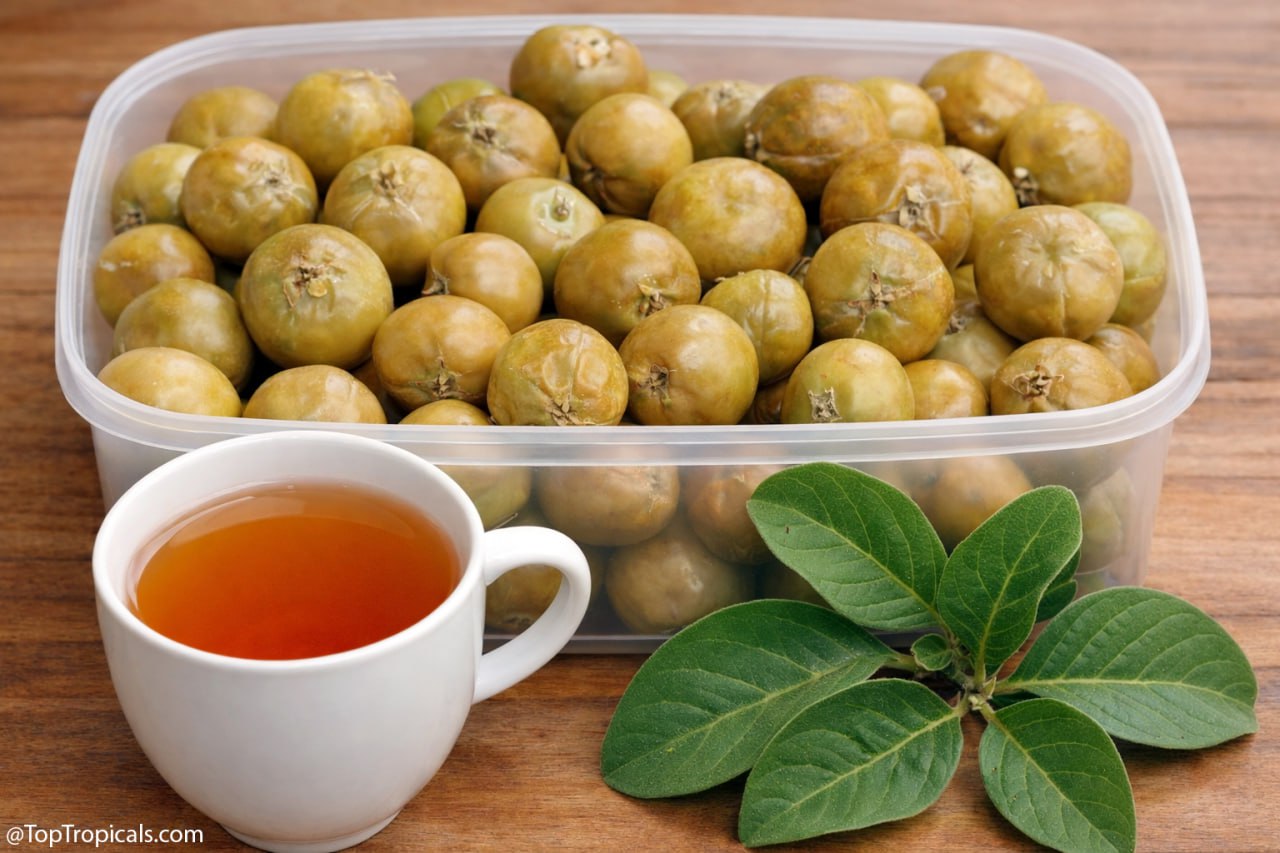
Vangueria infausta (Spanish Tamarind, Wild Medlar)
🍊 10 ways to enjoy Wild Medlar - Spanish Tamarind
Vangueria infausta (Spanish Tamarind, Wild Medlar) from Africa to your backyard: the fruit, the medicine, the tradition.
Spanish Tamarind may look like a small, unassuming fruit - but don’t let it fool you. In its native Africa, this tree is a food staple, a home remedy, and a cultural favorite, all wrapped into one. And now, it’s ready to bring that same magic into your garden and kitchen. People have used this fruit for generations - and how you can too.
🍊 1. Eat it fresh, off the tree
When ripe, the fruit turns golden brown and softens slightly. Its flavor is sweet-tart, almost like a tangy apple or tamarind with a hint of citrus. Just peel and eat!
🍬 2. Dry it for snacks
In many African regions, the fruit is sun-dried and enjoyed like natural fruit leather. It keeps well, travels well, and makes a great healthy snack.
🍵 3. Brew it into a fruit tea
Dried fruit can be steeped into a tart, refreshing tea that’s packed with vitamin C and antioxidants. Add honey or ginger for a soothing drink.
🍷 4. Ferment it into traditional beer or wine
In some local cultures, the fruit is fermented into a mild alcoholic drink, similar to fruit wine or beer. This is one of the tree’s oldest known traditional uses.
🍧 5. Make jams and preserves
Boil the pulp with sugar and lemon juice to make tangy medlar jam. Spread it on toast, stir into yogurt, or use it in baking.
6. Add to porridge or smoothies
Crushed or juiced medlar fruit is added to traditional maize porridge for a nutrient boost. You can do the same with oatmeal or smoothies.
7. Try traditional fruit pudding
A simple medlar mash with a little sweetener makes a rich, apple-like pudding with hints of spice. Great as a chilled dessert.
🌿 8. Use the leaves and bark medicinally
In folk medicine, leaves are brewed into a tea for treating fever, colds, and stomach aches. Bark is used for chest congestion and coughs. Roots are sometimes used for even stronger remedies like malaria treatment.
9. Clean your teeth the traditional way
Believe it or not, people use medlar leaves to clean their teeth! The leaves are antimicrobial and have a slight astringent taste that leaves your mouth feeling fresh.
🎨 10. Dye fabric naturally
Crush the bark or boil the leaves to create natural dyes in yellow, green, and even purple tones. This use is still practiced in rural areas of southern Africa.
✍️ Why this tree belongs in your life
Wild Medlar is more than just a fruit. It’s a versatile, resilient, and deeply cultural plant that connects generations. It’s food, it’s healing, it’s art—and now it can be part of your garden story.
Grow it for the fruit, the medicine, the tradition… or just for the joy of growing something wild and wonderful.
🛒 Plant Spanish Tamarind and enjoy exotic fruit benefits
📚 Learn more:
Vangueria infausta - Spanish Tamarind in Plant Encyclopedia
7 steps for a care-free Spanish Tamarind - the easiest rare fruit to grow
The wild fruit with a secret: health benefits of rare Spanish Tamarind - the exotic fruit you've never heard of
#Food_Forest #Remedies #Recipes #Discover
🟢 Join 👉 TopTropicals