Garden Blog - Top Tropicals

Date: 12 May 2026

The strange tropical plant that eats bugs - and gardeners cant stop collecting
The strange tropical plant that eats bugs - and gardeners cant stop collecting The strange tropical plant that eats bugs - and gardeners cant stop collecting The strange tropical plant that eats bugs - and gardeners cant stop collecting
🐸 The strange tropical plant that eats bugs - and gardeners can't stop collecting


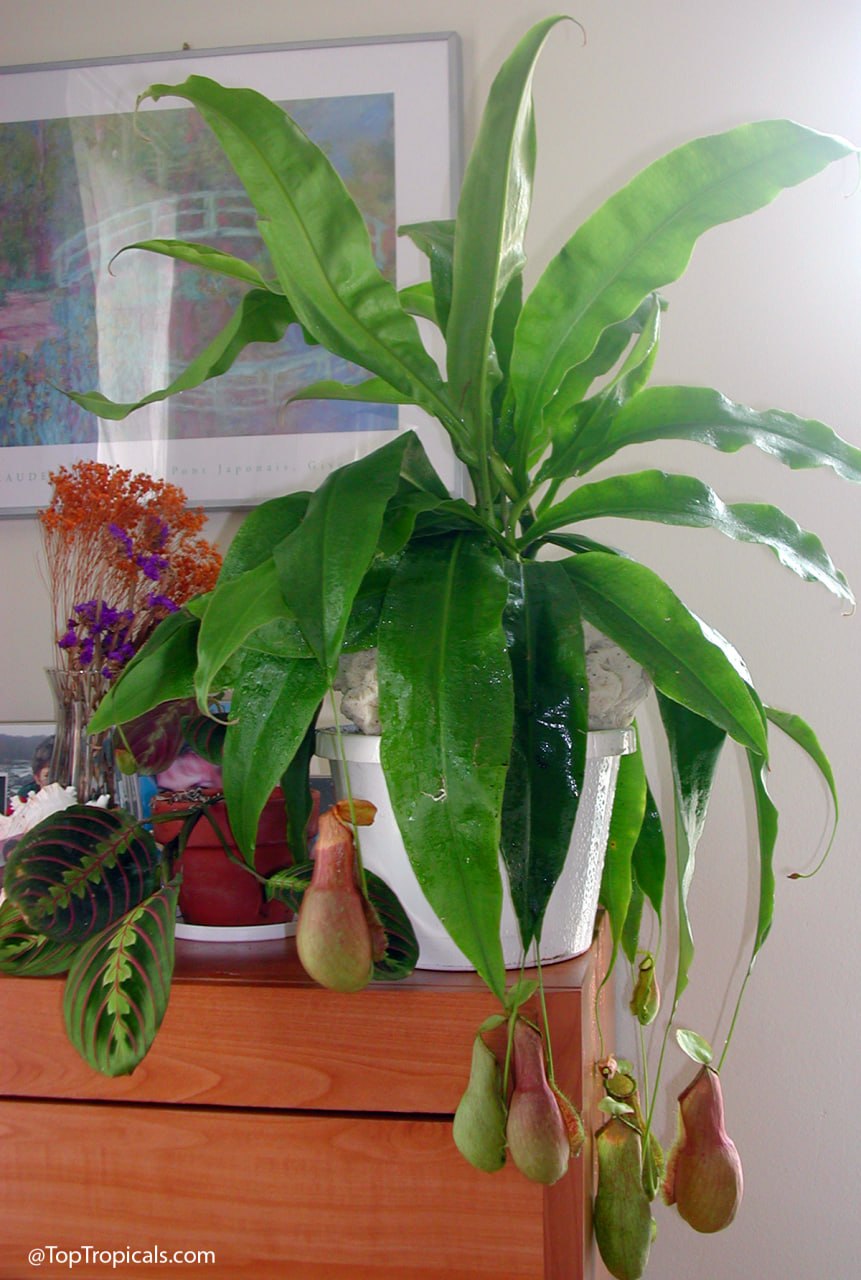
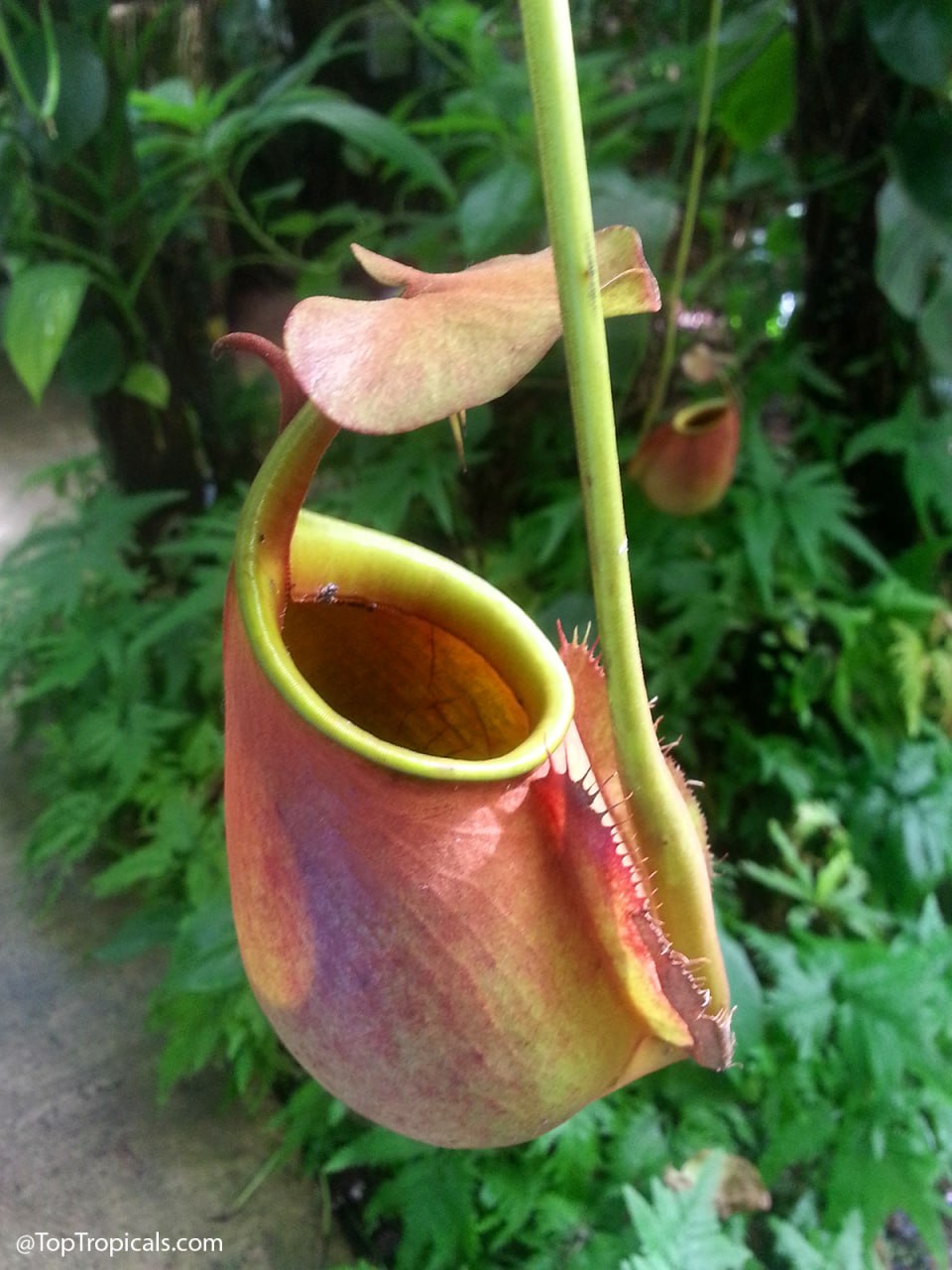
Nepenthes - tropical Pitcher Plants - look almost fake. Long vines and shiny leaves give way to colorful pitchers resembling exotic lanterns or sci-fi creatures. But these aren't flowers; they are sophisticated traps. Among the world's most fascinating carnivores, they lure insects into fluid-filled vessels to digest them for nutrients. Giant species can even trap small frogs or mice! 🐸🐭

  • 🐱 Why pitcher plants look so unreal


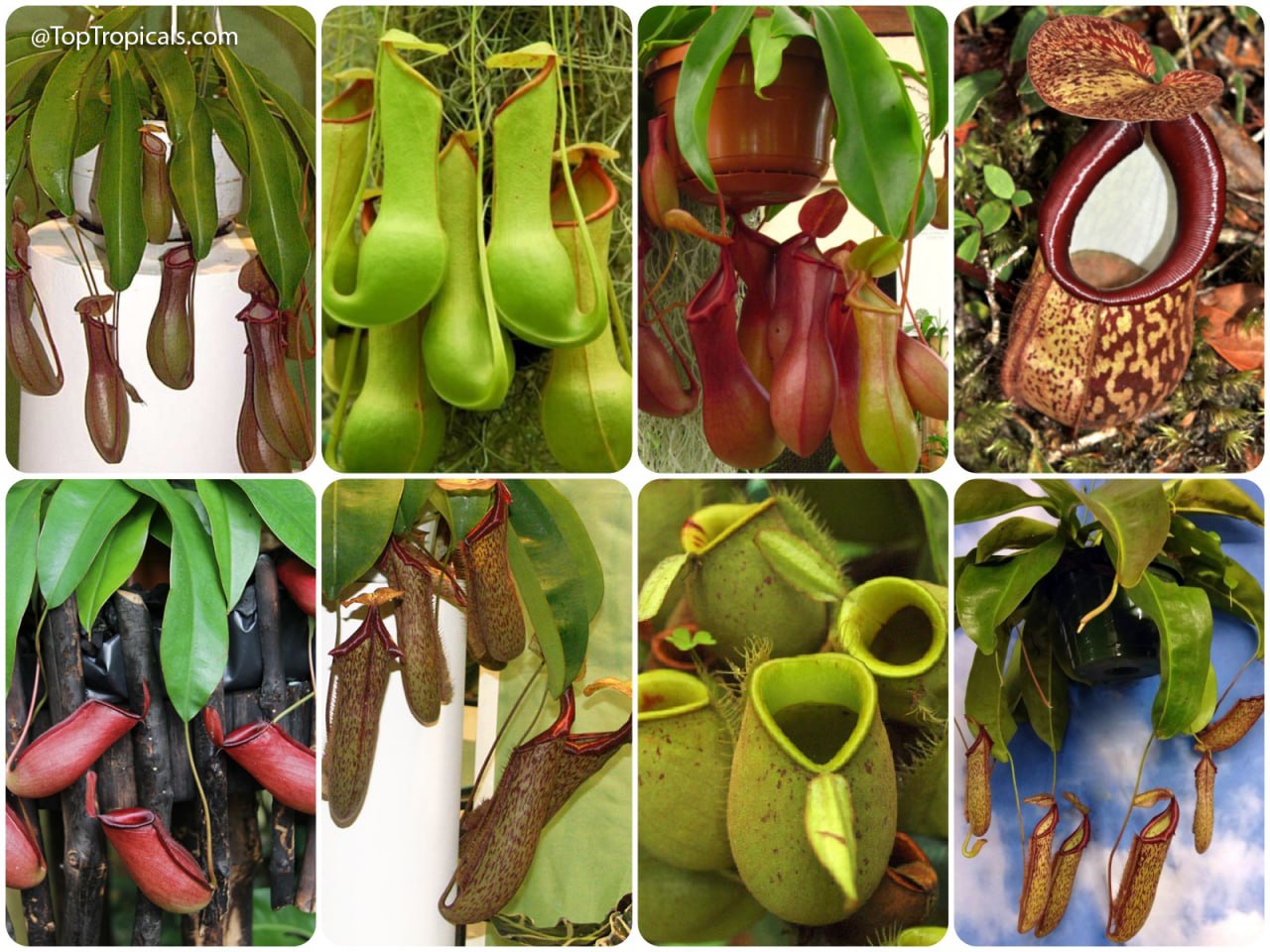
Pitchers are modified leaves designed to attract prey with vibrant colors and nectar. Many feature dramatic stripes or flared, sculpted rims. The diversity is immense: compact species fit on windowsills, while jungle giants produce foot-long traps. Some thrive in steamy lowlands, others in misty mountains. Their digestive fluid can even become sticky and elastic, making escape impossible.

  • 🐱 The plant that inspired engineering


These plants have inspired more than just gardeners. Their slippery surfaces led to "liquid-infused" materials used in anti-fogging and water-repelling tech. Engineers study them as nature’s original biological pitfall trap, a masterclass in biomimetic design.

  • 🐱 Why collectors become obsessed with Pitcher plants


What starts as a curiosity often becomes an obsession. With hundreds of species and hybrids, pitchers can resemble cobra heads, wine goblets, or alien pods. Under bright light, they develop stunning hues of burgundy, orange, or candy-stripes. Because of their popularity, ethical hobbyists emphasize buying nursery-propagated plants to protect wild populations from poaching.

  • 🐱 Surprisingly easier than people think


Despite their reputation, many hybrids thrive indoors with basic care. They need bright indirect light, high humidity, and excellent drainage. Crucially, they require mineral-free water (distilled or rainwater) and airy media like sphagnum moss. Regular potting soil or tap water can be fatal to these sensitive plants.

🐱 The pitchers are temporary - and that's normal


It is normal for old pitchers to dry up as the plant grows. Healthy Nepenthes constantly replace traps, often changing shape and color as they mature. This shape-shifting behavior makes them addictive to watch - one month it’s an ordinary vine, the next it’s a living rainforest documentary.

🛒 Ready to go carnivorous? Feed your curiosity - get one for your collection

📚 Learn more:

Winged Nepenthes Plant Facts

Nepenthes alata, Nepenthes graciliflora
Winged Nepenthes, Pitcher Plant
USDA Zone: 9-11
Vine or creeper plantSmall plant 2-5 ftSemi-shadeRegular waterEpiphyte plantUnusual color

#Container_Garden #Nature_Wonders

🟢 Join 👉 TopTropicals

Date: 12 Feb 2026

Hoa Mai and the Year of the Horse - why yellow flower Ochna is the luckiest plant of 2026?

Ochna integerrima - Vietnamese Mickey Mouse plant, Hoa Mai - seeds

Ochna integerrima - Vietnamese Mickey Mouse plant, Hoa Mai - seeds

Ochna integerrima - Vietnamese Mickey Mouse plant, Hoa Mai tree

Ochna integerrima - Vietnamese Mickey Mouse plant, Hoa Mai tree

Ochna integerrima - Vietnamese Mickey Mouse plant, Hoa Mai flowers

Ochna integerrima - Vietnamese Mickey Mouse plant, Hoa Mai flowers

🔥 Hoa Mai and the Year of the Horse - why yellow flower Ochna is the luckiest plant of 2026?


Ochna integerrima - Vietnamese Mickey Mouse plant, Hoa Mai has seeds and sepals that resemble the face of Mickey Mouse, hence the common name.
  • 💖 On February 17, 2026, the Lunar New Year begins - welcoming the Year of the Fire Horse


    And if there is one plant that perfectly captures the bold, bright energy of a new zodiac cycle, it is Ochna integerrima, known in Vietnam as Hoa Mai. This cheerful yellow bloomer is not just decorative. In Vietnam, it is the flower of Tet - a living symbol of luck, prosperity, and fresh beginnings.
  • 💖 Does Vietnamese New Year start on a different date in 2026?


    No. In 2026, Tet - the Vietnamese Lunar New Year - begins on the same day as the Chinese Lunar New Year: February 17. Tet follows the lunar calendar, just like Chinese New Year, so both celebrations align this year.
    Tet, officially called Tet Nguyen Dan, marks the arrival of spring and is the most important holiday in Vietnam. And nothing represents Tet in southern Vietnam more than Hoa Mai in full bloom.
  • 💖 Why Hoa Mai is the flower of Tet


    Hoa Mai literally means "yellow blossoms". In southern Vietnam, these bright yellow flowers open right around Lunar New Year, often covering the entire plant.
    The color yellow symbolizes:

· Wealth
  • · Prosperity
  • · Happiness
  • · Good fortune

Families display flowering Hoa Mai trees in homes, courtyards, and businesses during Tet. The more blossoms, the more luck the coming year is believed to bring.
  • 💖 Why it is called the Mickey Mouse plant


    After flowering, Ochna integerrima produces glossy black berries that sit on bright red sepals. The combination looks surprisingly like a tiny cartoon face - two black "ears" and a round head - which is how it earned the nickname Vietnamese Mickey Mouse plant.

    It is playful, unusual, and a total conversation starter.
  • 💖 A perfect plant for Year of the Fire Horse energy


    The Fire Horse year is associated with:

· Passion
  • · Independence
  • · Bold action
  • · Fast movement
And honestly? A plant that explodes into golden blooms in the middle of winter feels exactly right for that kind of year!
If you have been waiting to start something new - planting a rare shrub, reshaping your garden, training a miniature tree - this zodiac cycle carries that "go for it" momentum.
  • 💖 Can you grow Hoa Mai outside Vietnam?


    Yes - and that is part of its appeal. Ochna integerrima - Hoa Mai - is:

· A slow-growing, medium shrub
  • · Trainable into a small tree or bonsai form
  • · Suitable for containers
  • · Relatively tolerant of light frost
It blooms in winter, when many tropical collections feel quiet. That alone makes it valuable in warm-climate gardens like Florida.

To encourage winter blooms, steady feeding before and during the cooler season helps stimulate bud formation. Consistent light, good drainage, and balanced fertilization are key.

💖 A living symbol of luck for 2026


Every Lunar New Year carries its own theme. The Year of the Fire Horse is about bold growth, forward motion, and courage.
Hoa Mai blooms exactly at the moment when people reset intentions, clean their homes, and welcome fresh energy. It is not just a plant - it is a seasonal signal that a new chapter has begun.

And if you want to invite a little more golden luck into your garden this February, few plants say "new year, new beginning" better than Hoa Mai in full bloom.

🛒 Plant your own lucky Mickey Mouse Plant

📚 Learn more:

Vietnamese Mickey Mouse Plant Plant Facts

Ochna integerrima, Ochna thomasiana
Vietnamese Mickey Mouse Plant, Hoa Mai, Mai Vang, Hoang Mai
USDA Zone: 9-11
Large shrub 5-10 ft tallSemi-shadeFull sunModerate waterYellow, orange flowersWhite, off-white flowersPlant attracts butterflies, hummingbirdsEthnomedical plant.
Plants marked as ethnomedical and/or described as medicinal, are not offered as medicine but rather as ornamentals or plant collectibles.
Ethnomedical statements / products have not been evaluated by the FDA and are not intended to diagnose, treat, cure, or prevent any disease. We urge all customers to consult a physician before using any supplements, herbals or medicines advertised here or elsewhere.Fragrant plant

#Horoscope #Hedges_with_benefits #Nature_Wonders #Fun_Facts

🟢 Join 👉 TopTropicals

Date: 28 Jan 2026

Moonlight Cactus, the Night Blooming Wonder with a mystical twist: Epiphyllum oxypetalum FAQ

Epiphyllum oxypetalum, Queen of the Night

Epiphyllum oxypetalum, Queen of the Night

Epiphyllum oxypetalum, Queen of the Night, Night-Blooming Cereus, flower close up

Epiphyllum oxypetalum, Queen of the Night, Night-Blooming Cereus, flower close up

Epiphyllum oxypetalum, Queen of the Night, Night-Blooming Cereus, flower

Epiphyllum oxypetalum, Queen of the Night, Night-Blooming Cereus, flower

Epiphyllum oxypetalum, Queen of the Night flower center

Epiphyllum oxypetalum, Queen of the Night flower center

Epiphyllum oxypetalum, Queen of the Night flower with highlight

Epiphyllum oxypetalum, Queen of the Night flower with highlight

Epiphyllum oxypetalum, Queen of the Night flower with highlight

Epiphyllum oxypetalum, Queen of the Night flower with highlight

🔮 Moonlight Cactus, the Night Blooming Wonder with a mystical twist: Epiphyllum oxypetalum FAQ


🌙 Epiphyllum oxypetalum, also known as Queen of the Night or Night-Blooming Cereus, is a tropical epiphytic cactus famous for its huge, fragrant white flowers that open only at night. The blooms usually last just one night, often opening after sunset and closing by morning, which is why it has such a mystical reputation. The plant itself has long, flat, leaf-like stems and is often grown in hanging baskets or trained to climb. It is easy to grow, prefers bright filtered light, and rewards patience with one of the most dramatic blooms in the plant world.
  • 🎆 Why is it called Queen of the Night?


    Because it produces large, fragrant white flowers that open only at night. The blooms usually open after sunset and close by morning.
  • 🎆 How often does it bloom?


    Usually once or a few times a year, often in late spring or summer. Blooms are short-lived but unforgettable.
  • 🎆 Is it really a cactus?


    Yes, but it is a tropical epiphytic cactus. It grows more like an orchid or jungle plant than a desert cactus.
  • 🎆 Does it need full sun?


    No. It prefers bright, filtered light or partial shade. Direct hot sun can scorch the stems.
  • 🎆 Can it be grown indoors?


    Yes. It does very well indoors near a bright window or outdoors in warm, shaded areas.
  • 🎆 Does it need a lot of water?


    More than desert cacti, but not soggy soil. Water when the top layer of soil dries out.
  • 🎆 Can it grow in a pot or hanging basket?


    Yes. It is commonly grown in containers, hanging baskets, or trained to climb on a support.
  • 🎆 Is it rare?


    Mature blooming plants are highly valued because flowering takes patience and good care.


🛒 Add Moonlight Queen of the Night to your exotic plant collection

Collect epiphytic jungle cacti:

📚 Learn more:

Belle de Nuit Plant Facts

Epiphyllum oxypetalum
Belle de Nuit, Lady of the Night, Queen of the Night, Night blooming Cereus, Dutchman's Pipe
USDA Zone: 9-11
Large shrub 5-10 ft tallSemi-shadeShadeModerate waterRegular waterEpiphyte plantWhite, off-white flowersPink flowersPlant attracts butterflies, hummingbirdsFragrant plantSubtropical plant. Mature plant cold hardy at least to 30s F for a short time

#Container_Garden #Shade_Garden #Nature_Wonders

🟢 Join 👉 TopTropicals

Date: 14 Jan 2026

How to clone yourself: Diplazium baby tricks

Peacock Fern (Diplazium proliferum)

👀 How to clone yourself: Diplazium baby tricks

  • 🌿 This fern looks normal at first glance - until you look closer. Peacock Fern (Diplazium proliferum) does something unbelievable: it grows tiny baby plants right on its own fronds! Those little clones are called bulbils, and they develop while still attached to the leaf, ready to root and become new ferns. And once those baby plantlets get big enough, you can pin them to soil and they root into brand-new ferns.
  • 🌿 In fern books, you might also hear this called a "viviparous" or "proliferous" frond - because the new plants start developing right on the leaf. Basically, the fern is cloning itself in public!
  • 🌿 And it gets even better. When new fronds emerge, they curl up tightly and slowly unfurl like tiny baby dragons waking up. This classic fern move is called circinate vernation, and on Peacock Fern it looks especially wild.
  • 🌿 A rare, collectible fern and a conversation piece that feels more like a science experiment than a houseplant!
  • 🌿 Perfect for shaded, humid spaces and anyone who loves plants that do something unexpected.


🛒 Get the fern that clones itself

📚 Learn more:

Peacock Fern Plant Facts

Diplazium proliferum, Asplenium proliferum
Peacock Fern
USDA Zone: 9-11
Small plant 2-5 ftSemi-shadeShadeRegular water

#Nature_Wonders #Shade_Garden #Container_Garden

🟢 Join 👉 TopTropicals

Date: 14 Jan 2026

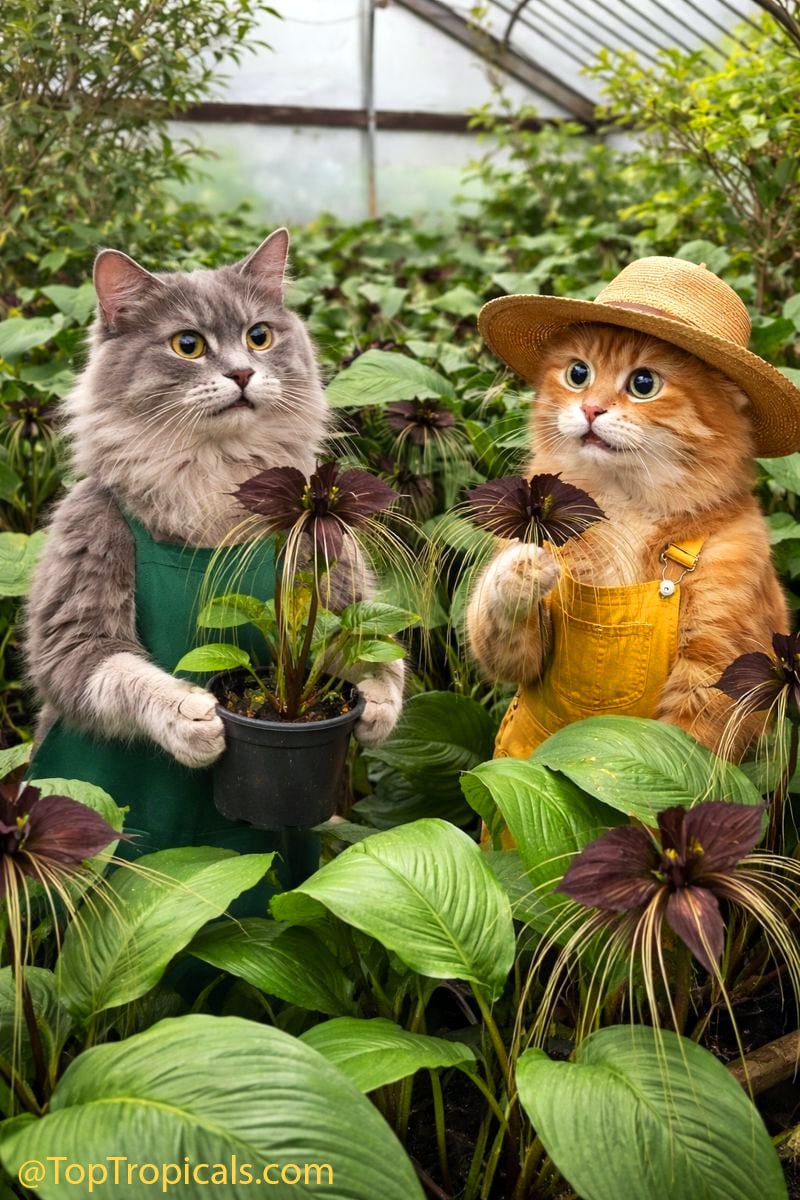
Did you know that Tacca is a cat?

Tacca plants and Cats

Tacca plants and Cats

🐈 Did you know that Tacca is a cat?


That’s probably the real evolutionary secret no botanist will admit! Those whiskers? Pure marketing genius from nature.
Cats had it figured out first — look mysterious, add long elegant whiskers, and everyone falls in love.
Tacca just took notes and said, “Alright, I can work with that!
Continue reading: Tacca wants to be a cat! - and everyone loves cats!

Tacca colors: Black, White, Green:


Tacca nivea - White Tacca
Tacca chantrieri - Black Tacca
Tacca leontopetaloides - Green Tacca

🛒 Add Get your own Bat Head Lily Tacca

📚 Learn more:

Bat Head Lily Plant Facts

Tacca chantrieri
Bat Head Lily, Bat Flower, Devil Flower, Black Tacca
USDA Zone: 9-11
Small plant 2-5 ftShadeRegular waterOrnamental foliageUnusual color

#Container_Garden #Shade_Garden #Nature_Wonders

🟢 Join 👉 TopTropicals