What spice comes from the small dried flower buds of a tropical tree?
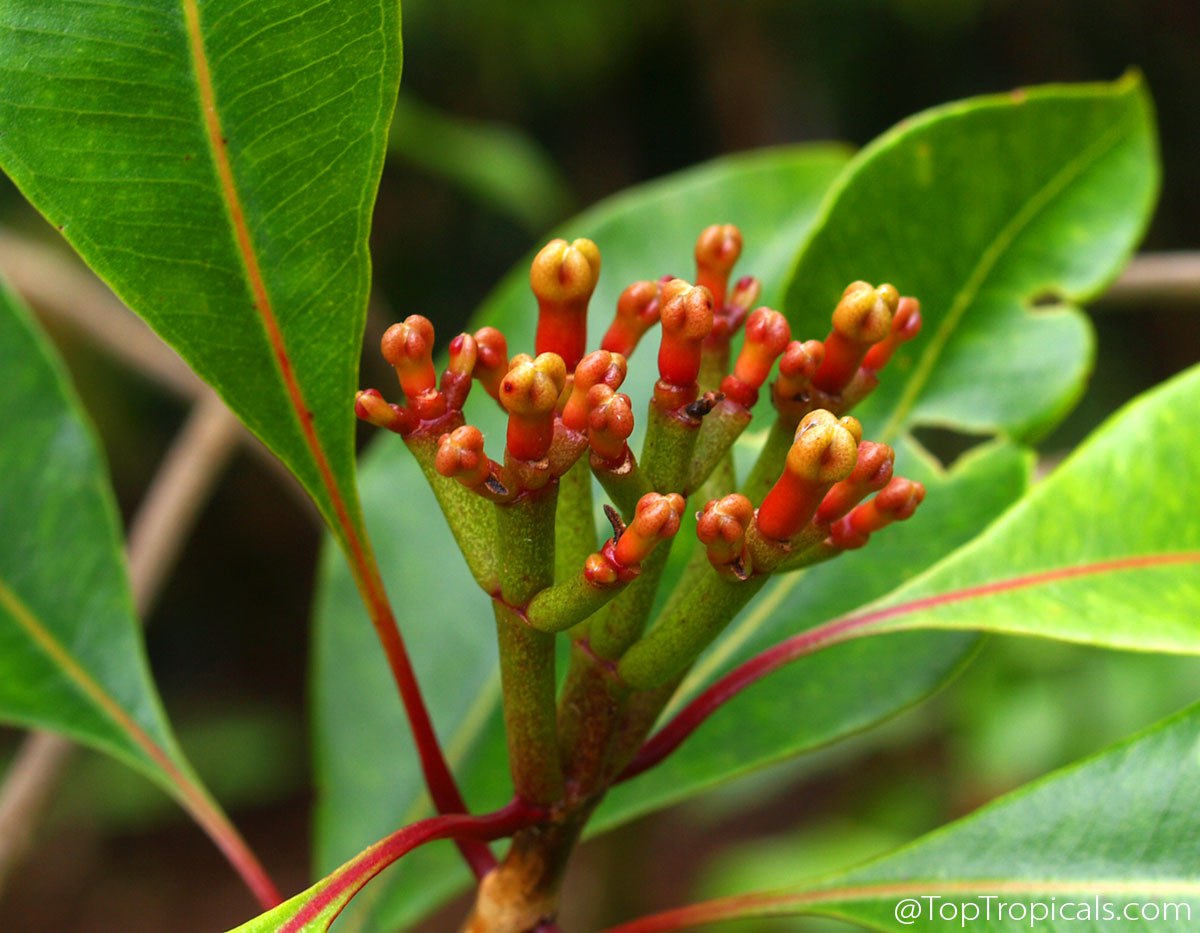
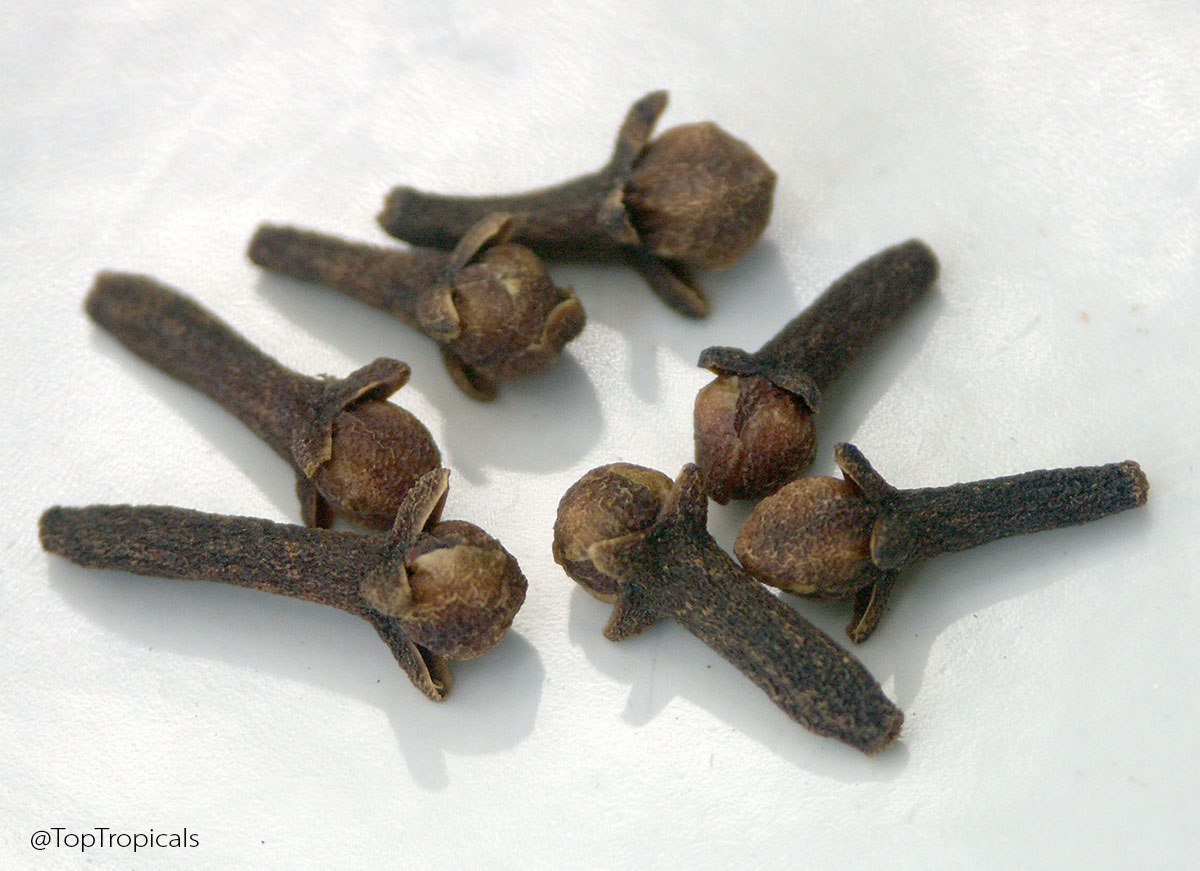
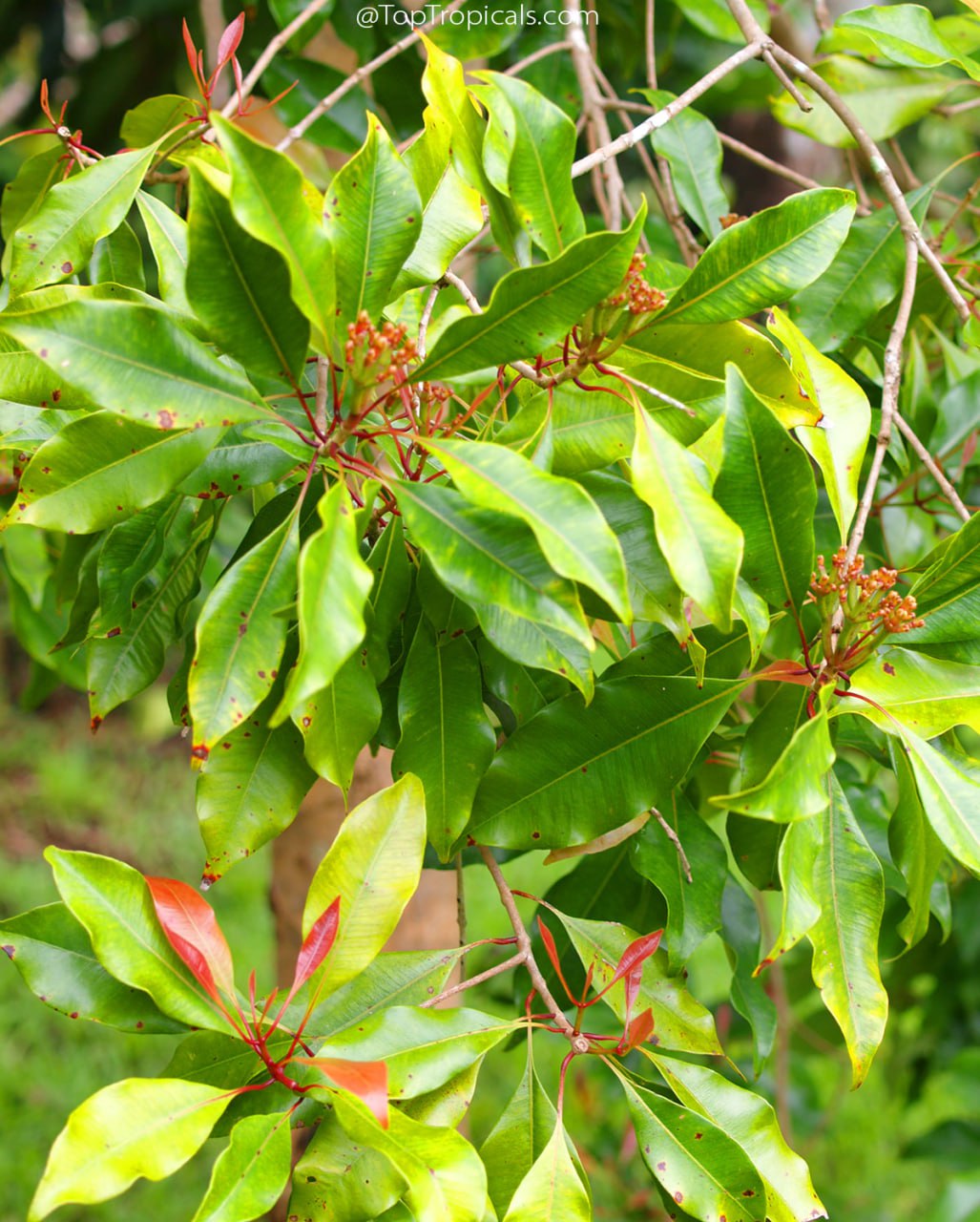
Clove - Syzygium aromaticum
Clove - Syzygium aromaticum
Clove - Syzygium aromaticum
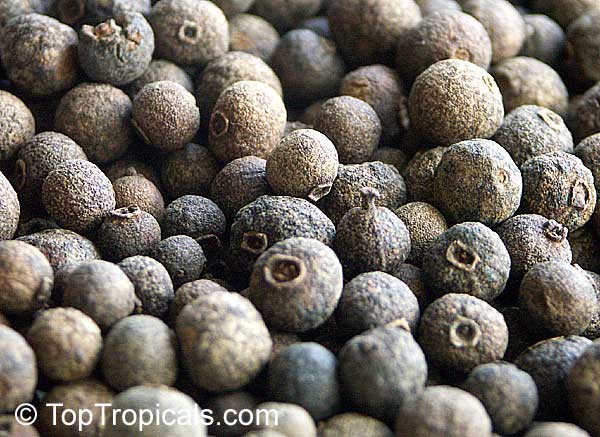
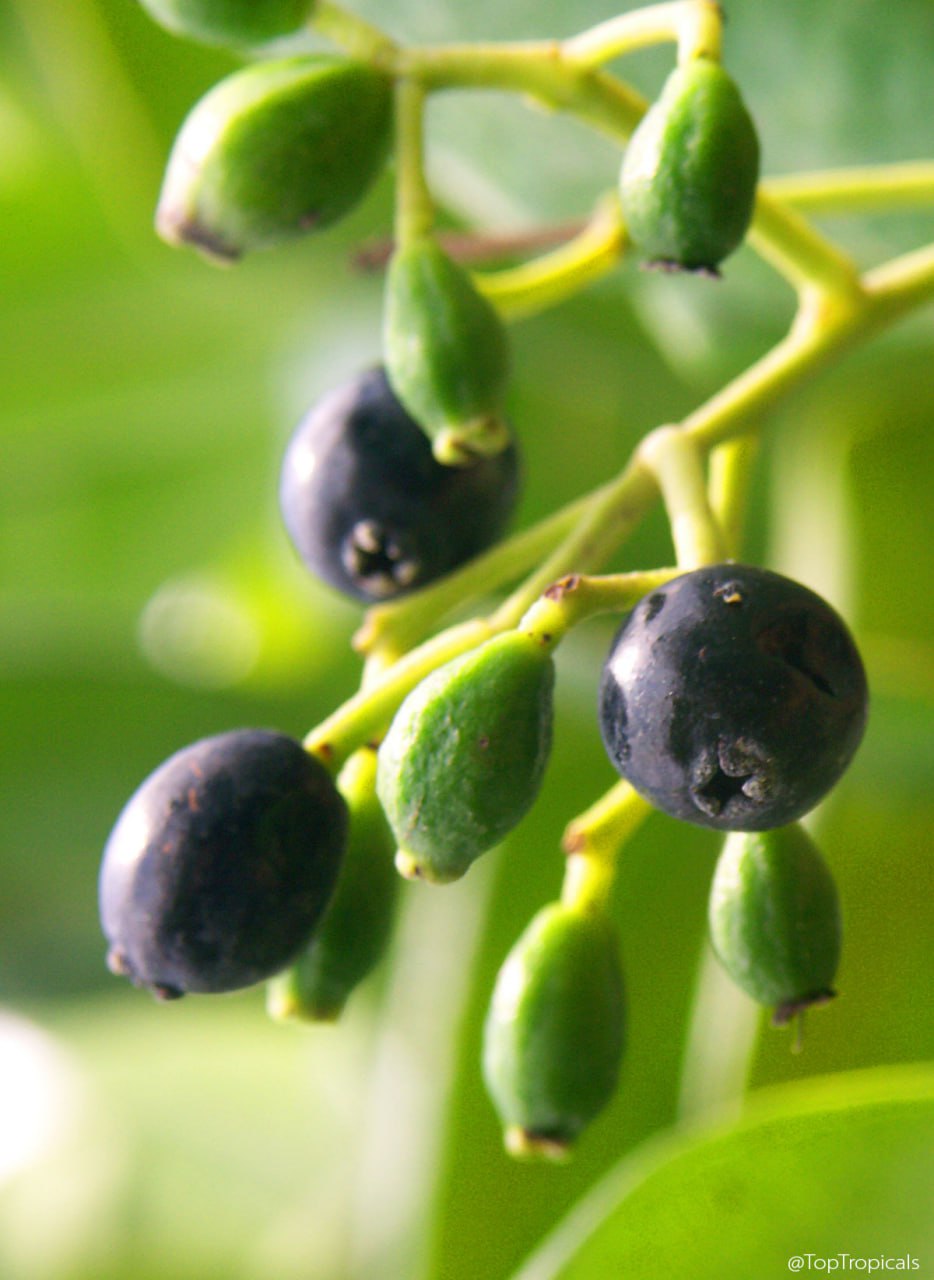
Allspice - Pimenta dioica, Jamaica pepper tree
Allspice - Pimenta dioica, Jamaica pepper tree
🌿 What spice comes from the small dried flower buds of a tropical tree?
🌿 That would be Clove, from the tropical tree Syzygium aromaticum. The spice is actually the dried, unopened flower buds. They turn from pink to brown as they dry and release that powerful, warm aroma we associate with baking and holiday dishes. Cloves are native to the Moluccas, or Spice Islands of Indonesia, and are still grown widely across the tropics. The clove tree is ultra-tropical and very challenging to grow outside the true tropics, which is why it’s so rare in plant collections.
📸 Photos 1-3.
🌿 Another spice with a similar story is Allspice, from Pimenta dioica, also known as the Jamaica pepper tree. Unlike clove, it comes from dried unripe berries, not flower buds, but it earned its name because its flavor tastes like a mix of cloves, cinnamon, and nutmeg all in one! The Allspice tree is much easier to grow, as it isn’t as fussy as the clove tree - though still frost-sensitive. It's compact and easy to keep in a container. This tree brings joy to your life and spice to your kitchen right away, so you don’t need to wait for years for the fruit of your labor! 📸 Photos 4-5.
🌶 Who said Peppers can't be cute? These two little fireballs prove otherwise! They might look small, but they’re full of personality, flavor, and heat.
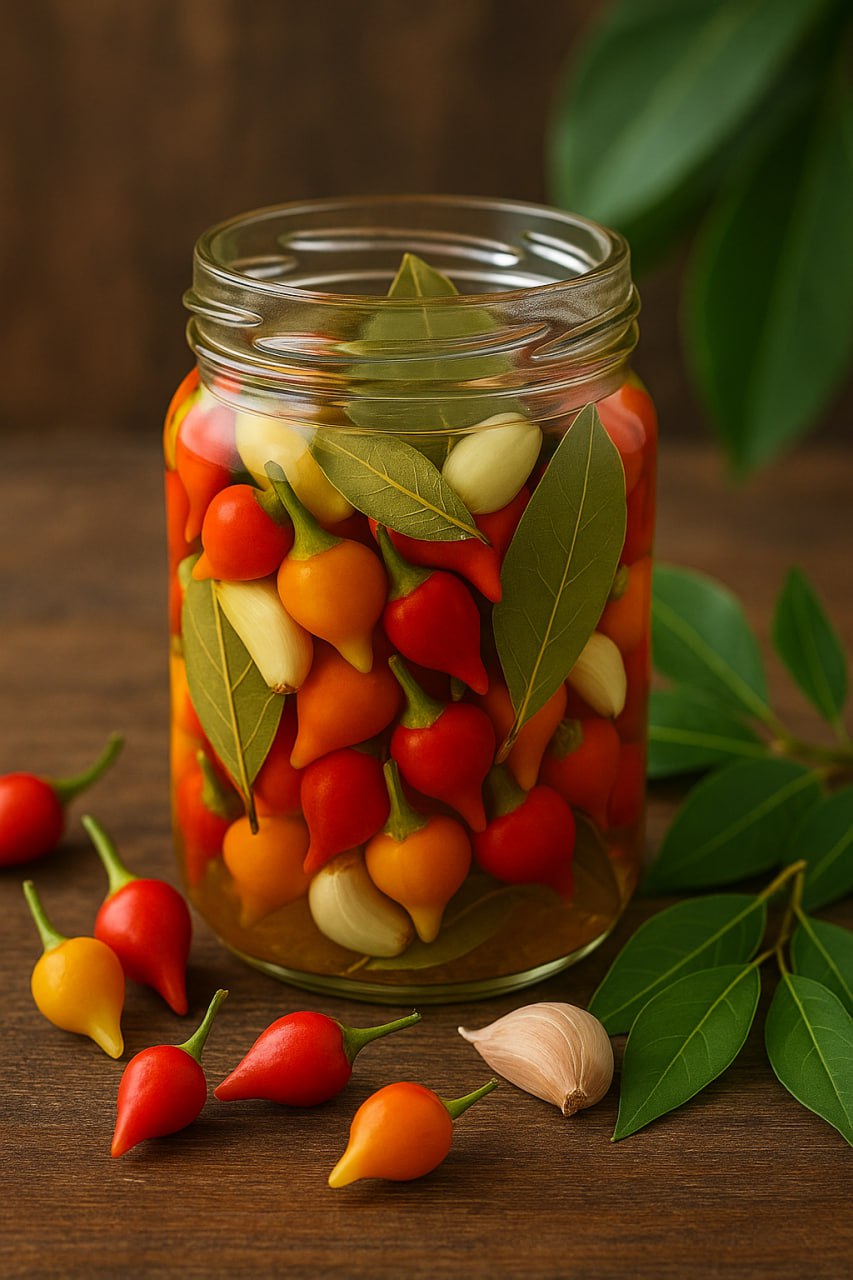
This heart-shaped hottie is an ancient hybrid between bird pepper and habanero is as beautiful as it is flavorful. Each tiny 1-inch red pepper packs a fruity, tangy punch with just enough heat to make your taste buds dance. Perfect for container gardens, Biquinho peppers decorate the plant like tiny red ornaments – and they’re just as tasty in pickles, salsas, or fresh salads.
From the kitchens of Guyana comes a true legend - the Wiri Wiri pepper. These little berry-shaped peppers turn from green to orange to bright red, bursting with intense heat and flavor. Guyanese chefs swear by it - it's the secret behind their famously spicy, flavorful dishes. Locals even say it’s the reason they live long, have glowing skin, and look amazing… it's not just spice, it's magic!
🌶 Fun facts:
· Both peppers belong to the same botanical family as potatoes, tomatoes and eggplants.
· What makes them special isn't just the heat - it's the flavor!
· True pepper lovers know that great peppers are about depth, aroma, and the fruity fire they bring to every meal.
🌶 Growing tips: Feed your peppers with Sunshine C-Cibus plant booster for abundant crops and extra flavorful fruits. These compact plants thrive in containers and bring tropical flair to patios, balconies, or edible gardens.
💥 These two peppers are a must for spice lovers - intense fruity habanero flavor packs quite a bang! Extremely showy, these ornamental peppers have culinary benefits and are great for container garden.
Biquinho Pepper (Capsicum annuum x chinense) and Wiri Wiri Pepper (Capsicum frutescens)
❗️ The hot Guyanese secret to perfect skin 💥
🌶 Who said Peppers can't be cute? These two little fireballs prove otherwise! They might look small, but they’re full of personality, flavor, and heat.
This heart-shaped hottie is an ancient hybrid between bird pepper and habanero is as beautiful as it is flavorful. Each tiny 1-inch red pepper packs a fruity, tangy punch with just enough heat to make your taste buds dance. Perfect for container gardens, Biquinho peppers decorate the plant like tiny red ornaments – and they’re just as tasty in pickles, salsas, or fresh salads.
From the kitchens of Guyana comes a true legend - the Wiri Wiri pepper. These little berry-shaped peppers turn from green to orange to bright red, bursting with intense heat and flavor. Guyanese chefs swear by it - it's the secret behind their famously spicy, flavorful dishes. Locals even say it’s the reason they live long, have glowing skin, and look amazing… it's not just spice, it's magic!
🌶 Fun facts:
· Both peppers belong to the same botanical family as potatoes, tomatoes and eggplants.
· What makes them special isn't just the heat - it's the flavor!
· True pepper lovers know that great peppers are about depth, aroma, and the fruity fire they bring to every meal.
🌶 Growing tips:
Feed your peppers with Sunshine C-Cibus plant booster for abundant crops and extra flavorful fruits. These compact plants thrive in containers and bring tropical flair to patios, balconies, or edible gardens.
💥 These two peppers are a must for spice lovers - intense fruity habanero flavor packs quite a bang!
Extremely showy, these ornamental peppers have culinary benefits and are great for container garden.