Garden Blog - Top Tropicals

Date: 10 Feb 2026

Cold-hardy avocado survival groups - what the numbers really mean
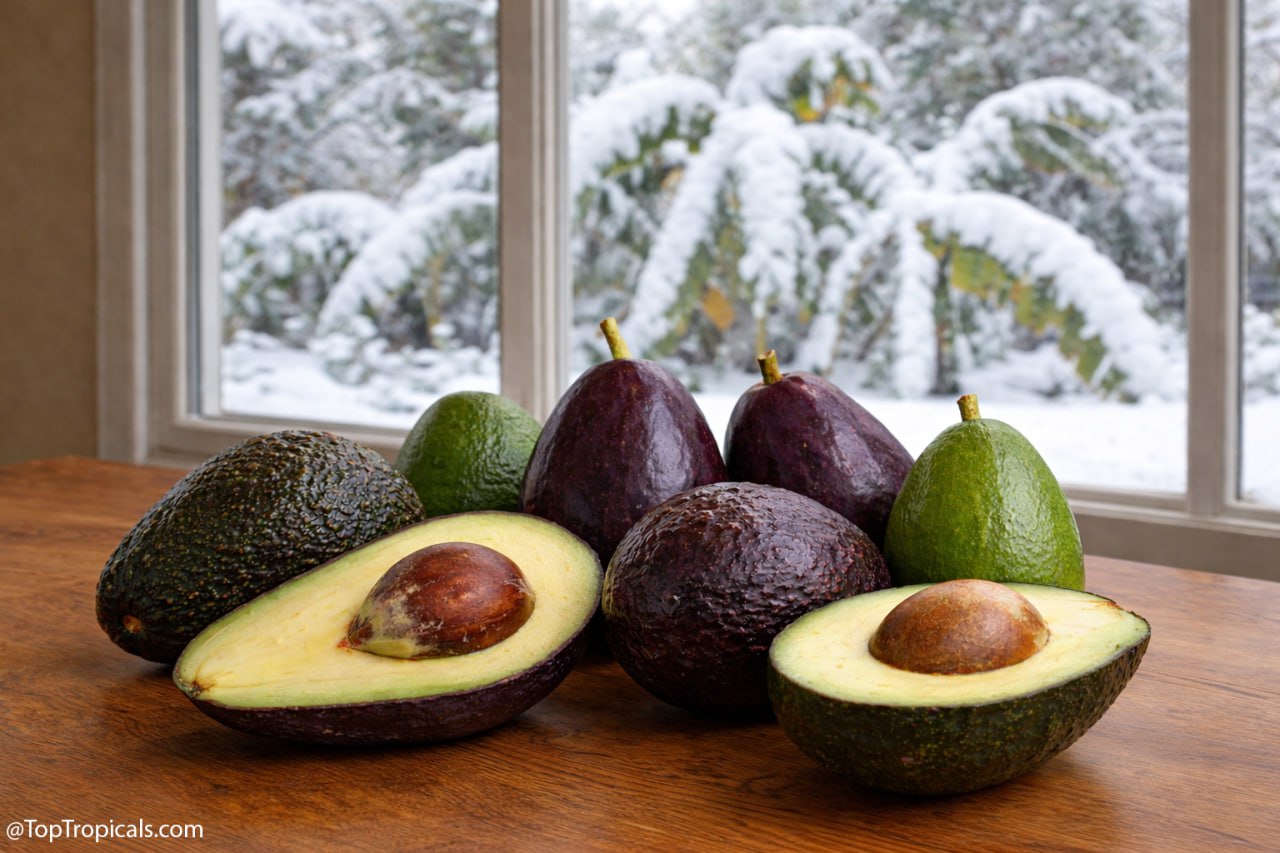
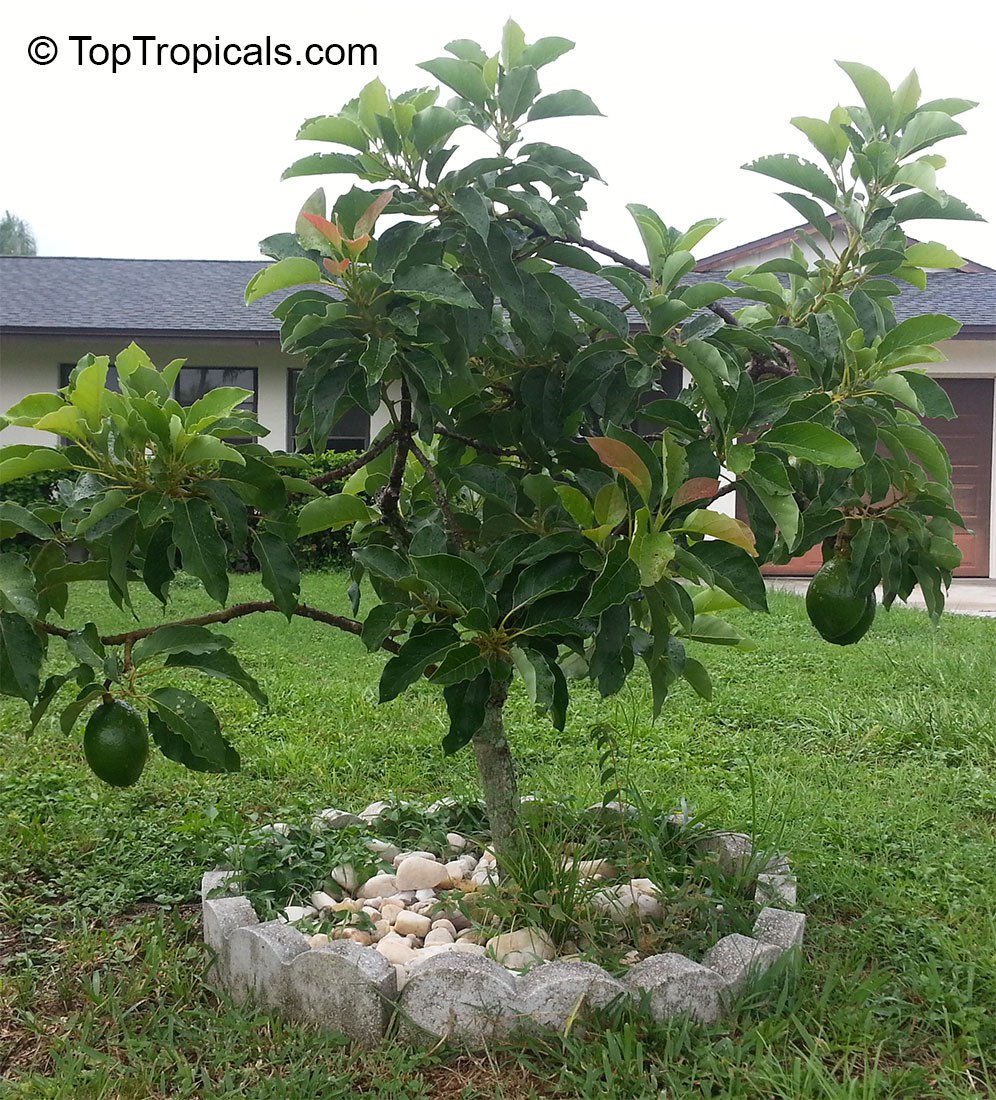
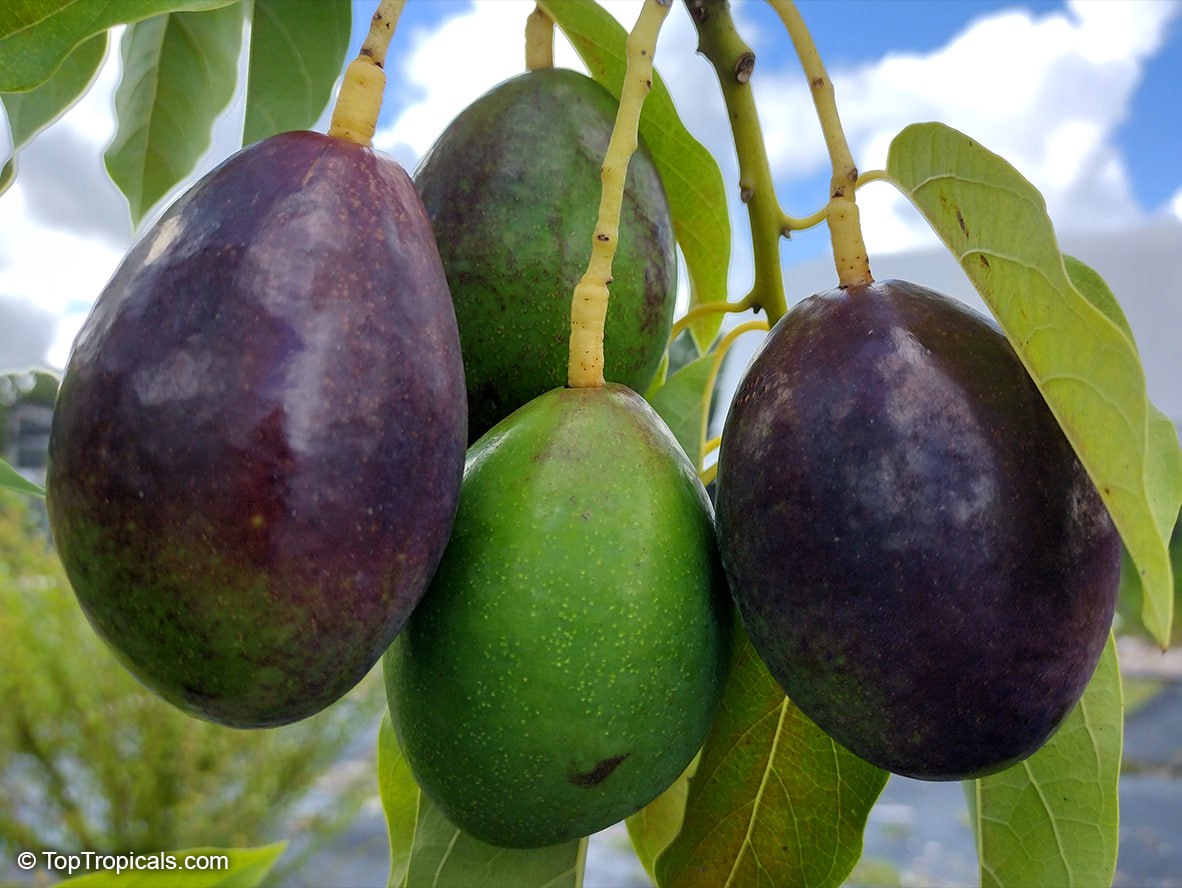
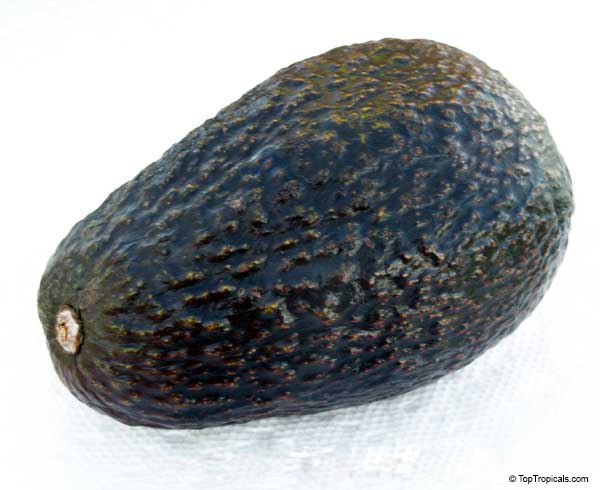
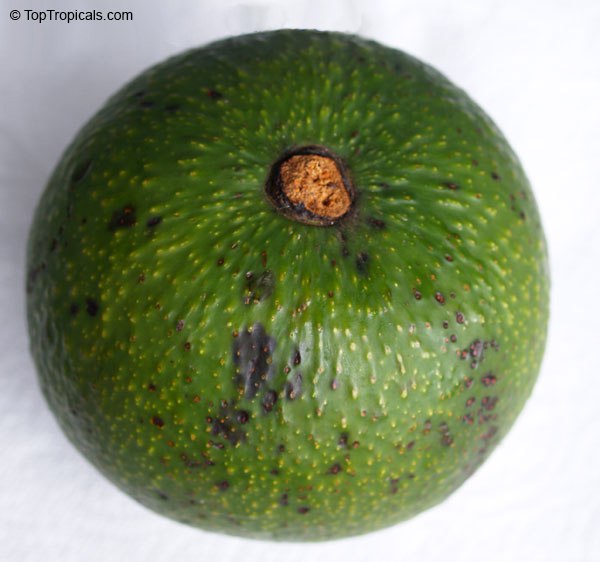
Different varieties of Avocado fruit on a table

Different varieties of Avocado fruit on a table

Cold-hardy avocado survival groups - what the numbers really mean


Avocado cold hardiness is often misunderstood. Temperature numbers do not mean a tree stays untouched - they describe survival, not appearance. Leaf burn, twig dieback, and temporary setbacks are normal even on hardy varieties. The difference is whether the tree recovers.
Below are cold-hardy avocado varieties grouped by minimum reported survival temperatures, along with what growers typically observe after a freeze.

🌡 Hardy to 15F:


Brazos Belle (Wilma), Fantastic, Joey, Lila (Opal), Day.
Best freeze survivors. Minor leaf burn possible, but trees usually recover quickly with little structural damage. These are among the most cold-tolerant avocado varieties when fully established and exposed to short-duration freezes.
What to expect: Trees in this group often survive temperatures near 15F with little to moderate leaf damage. Some tip dieback is possible, but major limb loss is uncommon. Recovery is usually strong once warm weather returns, especially in dry winter conditions.
  • 🌡 Hardy to 20F:
  • Bacon, Brogdon (Brogden), Fuerte (Dwarf), Mexicola, Miguel, Ulala (Super Hass), and Waldin.
    Reliable survivors in cold-prone areas. Expect leaf damage and some setback, but established trees typically rebound.
    These varieties perform well in marginal climates and are commonly grown where freezes are expected but not extreme.
    What to expect:
    Leaf burn is common at or below 20F, and young shoots may be damaged. Trees typically survive, but may need a full growing season to regain canopy density. Established trees usually rebound well with good drainage and protection from wind.
  • 🌡 Hardy to 25F:
  • Black Prince, Choquette, Hall, Hardee Red, Lula, Marcus Pumpkin, Mexicola Grande, Nishikawa, Oro Negro, Poncho (Pancho), Tonnage, Winter Mexican, Wurtz (Dwarf) and Yamagata.
    Moderate cold tolerance. Leaf drop and branch dieback are common after freezes, though trees usually survive.
    This group includes moderately cold-tolerant avocados that handle light freezes but are more easily damaged during prolonged cold.
    What to expect:
    Expect noticeable leaf drop and some branch dieback when temperatures fall near 25F. Trees usually survive but may look rough for weeks or months. Proper placement and drainage greatly influence recovery speed.
  • 🌡 Hardy to 30F:
Bernecker, Catalina, and Florida Hass (Haas).
Frost-tolerant only. Damage occurs quickly, and repeated freezes can cause serious stress without protection.
Actual results depend on tree age, freeze duration, wind, moisture, and microclimate. Lower numbers do not mean damage-free - they mean the tree lived to grow again.
These avocados are best suited to areas with only occasional frost and minimal freeze exposure.
What to expect:
Leaf damage occurs quickly near 30F, and unprotected trees may suffer significant canopy loss. Survival is possible during brief cold events, but repeated freezes can cause lasting damage. These varieties benefit most from proactive protection.

❗️ Important reminder


All temperature figures are approximate and experience-based, not guarantees. Survival depends on tree age, duration of cold, wind, moisture, and microclimate. Cold tolerance improves significantly as trees mature, while young trees remain vulnerable across all groups.
Understanding the difference between survival and damage is the key to choosing the right avocado for colder climates.

🛒 Explore cold hardy Avocado varieties

📖 Our Book: Avocado Variety Guide, Snack or Guacamole?

📚 Learn more:


🎥 These Avocados survived 25F hard freeze 3 nights of Florida Record Freeze

#Food_Forest #Avocado #Discover #How_to

🟢 Join 👉 TopTropicals
Date: 10 Feb 2026

Cold-hardy avocado varieties - what freezing they really survive

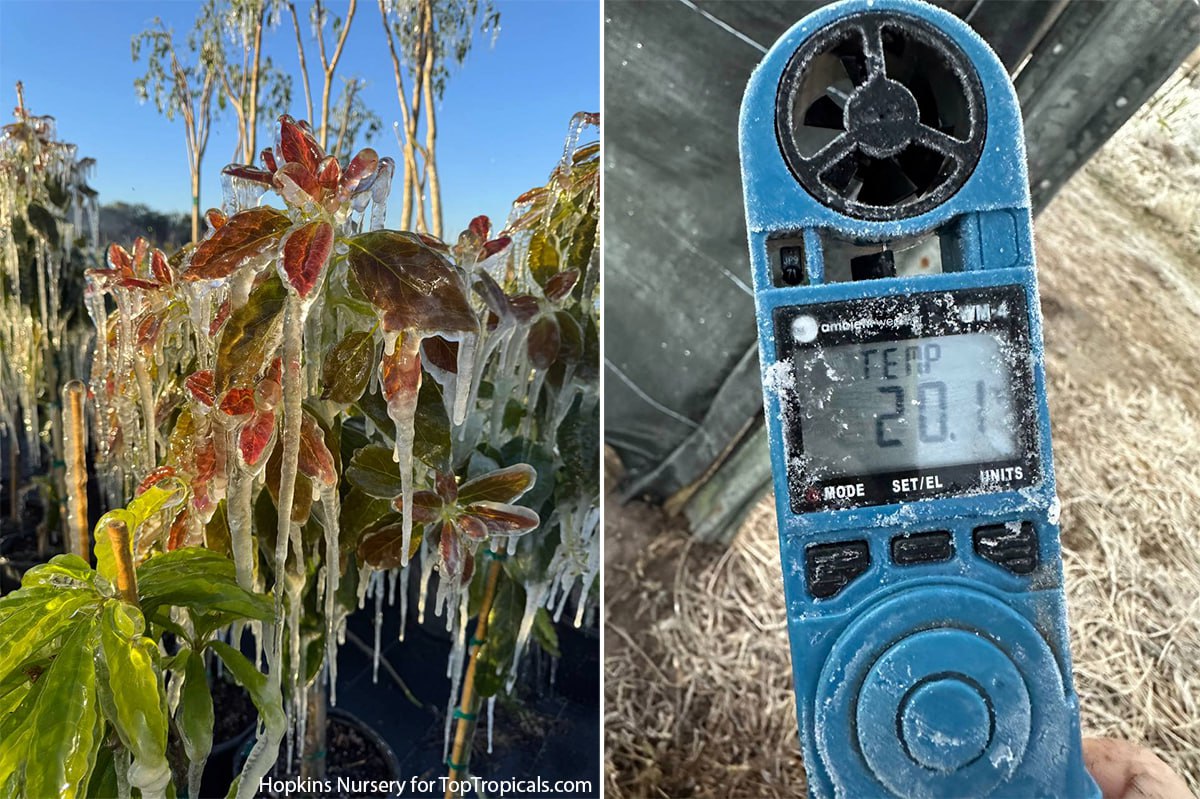
Avocado leaves covered with ice

Avocado leaves covered with ice

❄️ Cold-hardy avocado varieties - what freezing they really survive


Avocado trees are usually associated with warm, frost-free climates, so every winter freeze raises the same question - which avocados actually survive cold weather? After recent freeze events, interest spikes as gardeners look for real answers, not guesses. The truth is, avocado cold hardiness is not just about the lowest temperature. Duration, moisture, wind, and tree maturity matter just as much - sometimes more.
  • What cold hardiness really means for avocados


    Cold hardiness does not mean an avocado tree escapes winter untouched. It simply means the tree survives a freeze without being killed.
    Leaf burn, branch dieback, or temporary growth setbacks can still occur. Survival is the key distinction.
  • Cold tolerance is influenced by:


· Tree age and establishment. Young avocado trees are always more vulnerable. Once established, tolerance improves significantly.
  • · Length of the freeze
  • · Wind exposure
  • · Daytime sun and heat retention
  • · Drainage and soil moisture
  • · Overall tree health going into winter


Where cold-hardy avocados come from


The most cold-hardy avocados are of Mexican origin. These types evolved in cooler, higher-elevation regions and differ genetically from West Indian and Guatemalan avocados.
These varieties are widely grown around San Antonio, Texas (USDA Zone 8b), where trees have been damaged but not killed by temperatures near 10F. As a general rule, established Mexican-type avocados can tolerate short freezes (about 3-6 hours) down to roughly 15F with little or no permanent damage. Temperature estimates apply to established trees under favorable conditions. The best results come from combining the right genetics with smart planting, good drainage, and thoughtful winter care.
  • Why cold tolerance varies so much


    Cold ratings are never absolute. The same variety can survive very different temperatures depending on conditions such as tree maturity, freeze duration, wind, microclimate, and humidity. For example, an avocado may tolerate 10-15F in dry Texas winters but only 15-20F in wetter East Coast conditions.
  • Planting and protection tips for colder climates


· Plant in the warmest available location, ideally near a south or southeast wall
  • · Protect trees from cold wind
  • · Ensure excellent drainage; standing water during cold weather is deadly
  • · Use raised mounds in poorly drained areas
During freezes, small trees should be covered, mulched heavily, and protected with frost cloth. In severe cold, gentle heat under covers may help. Mature trees often need little to no protection.

Avocado varieties known for the best freeze survival


These varieties are among the more reliable choices for colder regions once established, reported tolerance near 15F:
  • · Brazos Belle - medium to large purple-black fruit, season October-November
  • · Fantastic - green fruit with paper-thin skin, creamy texture, the most cold tolerant
  • · Joey - selected in Uvalde, Texas; purple-black fruit, excellent flavor, heavy producer, season September-October
  • · Lila - medium green fruit, season September-October (not to be confused with Lula)
  • · Poncho - medium to large green fruit

  • Cold-hardy avocados make growing this fruit possible beyond the tropics, but expectations must stay realistic. Survival does not mean zero damage, and protection still matters during extreme weather.


🛒 Explore cold hardy Avocado varieties

📖 Our Book: Avocado Variety Guide, Snack or Guacamole?

📚 Learn more:


🎥 Avocados survived 25F hard freeze 3 nights of Florida Record Freeze

#Food_Forest #Avocado #Discover #How_to

🟢 Join 👉 TopTropicals
Date: 10 Feb 2026

These Avocados survived 3 nights of 25F hard freeze, Florida Record Freeze

Cold hardy avocados

⛄️ These Avocados survived 3 nights of 25F hard freeze, Florida Record Freeze

  • ⛄️ Recent winter freezes have once again raised the same urgent question among avocado growers - which varieties actually survive cold weather, and what does survival really look like afterward?
  • ⛄️ After widespread freeze events, trees across many regions showed very different outcomes, from minor leaf burn to complete canopy loss.
  • ⛄️ This video taken on February 4, 2026 at Top Tropicals BFarm in Sebring, FL, reflects what we observed in real conditions after 3 nights of hard freeze.
  • ⛄️ The trees in the video had no protection.


❄️Weather data

Feb 1-6, 2026, Coldest in Recorded History (132 years of observations)
Top Tropicals Farm and Nursery at Sebring FL

🌡 Min temps: 25F, wind chill 14F
⏳ Duration of cold: 3 nights of 8-10 hour hard freeze, along with 7 days of cool daytime temps around 50F
🌀 Wind: 20 mph, with 40-50 mph gusts.

🛒 Explore cold hardy Avocado varieties

📖 Our Book: Avocado Variety Guide, Snack or Guacamole?

📚 Learn more:


#Food_Forest #Avocado #Discover #How_to

🟢 Join 👉 TopTropicals

Date: 7 Feb 2026

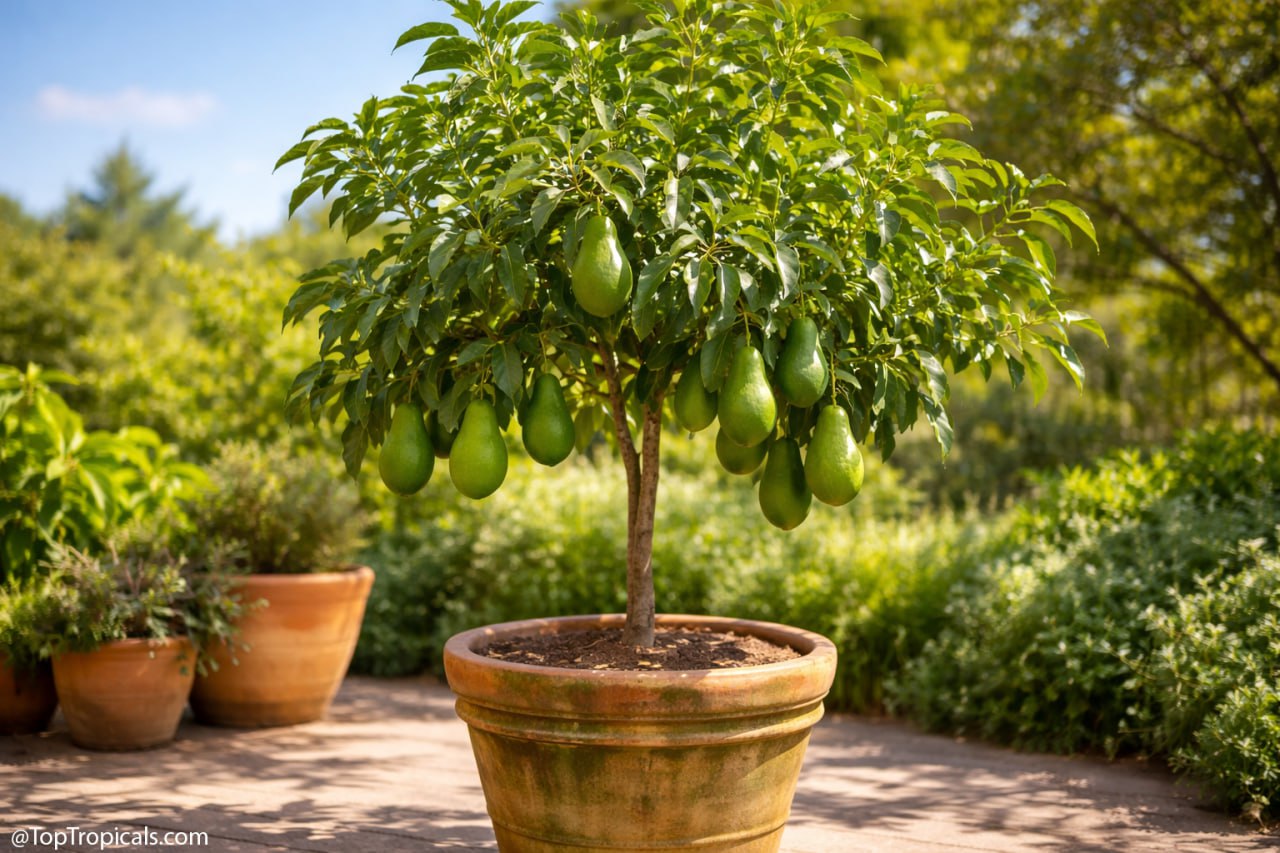
How to grow an Avocado tree on your patio

Avocado tree fruiting

Avocado tree fruiting

Yes, you can grow an Avocado tree on your patio - here is how to do it right

  • If you would love to grow your own avocado but don’t have a big yard, good news - avocado trees can grow very well in containers. Compact or dwarf varieties, often called condo avocados, are especially suited for pots, patios, balconies, and even indoor growing near a sunny window.
Growing avocados in pots is also a smart choice in cooler climates, since you can move the tree indoors when temperatures drop. With the right variety and basic care, potted avocado trees are easy to manage.
  • Pick a compact avocado variety


    Choosing the right variety is the most important step. Standard avocado trees grow very large, but condo or compact varieties stay much smaller and adapt well to containers.
    Good choices for pots include:

· Wurtz (Little Cado) - a true dwarf, perfect for containers
  • · Fuerte - a semi-dwarf that stays manageable with pruning
  • · Joey - naturally compact and easy to keep smaller
Dwarf avocado trees usually grow 6 to 10 feet tall. Fruit size is normal, but yields are smaller than on large trees.
  • Choose the right pot


    Start with a pot about 12 inches wide (around 5 gallons). This size is easier to water correctly and helps prevent root rot. Avoid planting a small tree into a very large pot too soon.
    As the tree grows, move up gradually. A mature potted avocado will need an 18- to 24-inch container. Repot every couple of years when roots show through drainage holes.
    Always use a pot with excellent drainage.
  • Use well-draining soil


    Avocados love water but hate wet feet. Use a loose, fast-draining mix, such as Abundance Professional Soilless Mix. You can improve drainage by adding perlite or coarse sand. Avoid heavy garden soil.
    Water deeply, but not too often.
    Water thoroughly, then let the soil dry before watering again. Always check moisture first. In summer, watering may be needed once or twice a week; in cooler weather, much less.
    Overwatering is the fastest way to kill a potted avocado.
  • Give plenty of sun


    Avocado trees need at least 6 to 8 hours of full sun daily. Outdoors is best, but indoors place the tree near a bright south- or west-facing window. Grow lights can help if light is limited.
  • Fertilize and prune


    Feed during the growing season with a balanced fertilizer such as Green Magic (every 6 months) or liquid Sunshine Boosters (safe to use with every watering, year-around). Prune lightly to keep the tree compact and well-shaped.
  • Protect from cold


    Most Avocados are sensitive to hard freeze. When temperatures drop below 35F, move the pot indoors or into a protected space. Reduce watering in winter as growth slows.
    Cold hardy varieties can take cooler temperatures down to 18F once established. For example, Joey is both cold hardy and dwarf - perfect choice.
  • Final thoughts


    Growing an avocado tree in a pot is practical and rewarding. With good drainage, sun, careful watering, and the right variety, you can enjoy homegrown avocados even without a yard.
    Small space? No problem. Just think condo avocado. According to Southern Living, Lemons can be grown in pots - and so can Avocados!


✔️ Check out
Avocado Variety Guide interactive chart. Sort them by flower type A or B, tree habit, fruit shape and quality, cold hardiness, origin, season and more!

🛒 Explore Avocado varieties and Dwarf Avocado

📖 Our Book: Avocado Variety Guide, Snack or Guacamole?

📚 Learn more:

Plant Facts

Persea americana, Persea gratissima
Avocado, Alligator Pear, Aguacate, Abacate
USDA Zone: 9-11
Large tree taller than 20 ftSmall tree 10-20 ftFull sunRegular waterEdible plantSubtropical plant. Mature plant cold hardy at least to 30s F for a short time
  • · Avocado Variety Guide
  • · Posts about #Avocado
  • · Avocado tree (Persea americana) in Plant Encyclopedia
  • · How to grow tropical fruit outside the Tropics
  • · What is so unique about Wurtz avocado?
  • · How to protect Avocado from cold and how hardy is it?
  • · Avocado that laughs at frost: Mexicola Grande for cooler climates
  • · Cold hardy Avocado Joey - you eat it with the skin
  • · Cold-hardy avocados: how cold-hardy are they?

    🎥 What is a Dwarf Condo Avocado that fruits at 3 ft tall? 📱

    #Food_Forest #Avocado

    🟢 Join 👉 TopTropicals
  • Date: 17 Dec 2025

    What is so unique about Wurtz avocado?

    Wurtz Avocado, Little Cado or Mexicola Dwarf, is special because it's a true dwarf tree.

    Wurtz Avocado, Little Cado or Mexicola Dwarf, is special because it's a true dwarf tree.

    🌳 What is so unique about Wurtz avocado?


    Avocados come from three main regions, and each group has its own special look, taste, and growing habits. The three types are Mexican, Guatemalan, and West Indian. Many of today’s popular varieties are hybrids, mixing traits from these types as we mentioned in earlier post.
    • Wurtz Avocado, also known as Little Cado or Mexicola Dwarf, is special because it’s a true dwarf tree. That means it stays small, making it perfect for small gardens, patios, or containers. You can even grow it indoors in a sunny spot!
    • Wurtz is actually a Guatemalan-type avocado, not exactly a Florida or California type. It has a slightly different growth habit and pollination pattern than those two groups.
    • The fruit is small to medium in size, with smooth green skin and a rich, buttery flavor. Its flesh is creamy and full of healthy oils, much like the California (Hass-type) avocados.
    • In short: Wurtz is a compact, easy-to-grow avocado tree that produces delicious, buttery fruit. It’s perfect for gardeners who want a real avocado tree without needing a big yard.


    ✔️ Check out
    Avocado Variety Guide interactive chart. Sort them by flower type A or B, tree habit, fruit shape and quality, cold hardiness, origin, season and more!

    🛒  Plant Avocado Wurtz
    Explore Avocado varieties and Dwarf Avocado

    📖 Our Book: Avocado Variety Guide, Snack or Guacamole?

    📚 Learn more:

    Plant Facts

    Persea americana, Persea gratissima
    Avocado, Alligator Pear, Aguacate, Abacate
    USDA Zone: 9-11
    Large tree taller than 20 ftSmall tree 10-20 ftFull sunRegular waterEdible plantSubtropical plant. Mature plant cold hardy at least to 30s F for a short time
  • · Avocado Variety Guide
  • · Posts about #Avocado
  • · Avocado tree (Persea americana) in Plant Encyclopedia

    🎥 What is a Dwarf Condo Avocado that fruits at 3 ft tall? 📱

    #Food_Forest #Avocado

    🟢 Join 👉 TopTropicals
  • Date: 17 Dec 2025

    What is a Dwarf Condo Avocado and does it really fruit at 3 ft tall?

    What is a Dwarf Condo Avocado and does it really fruit at 3 ft tall?


    🛒 Explore Avocado varieties and Dwarf Avocado

    #Food_Forest #Avocado

    🟢 Join 👉 TopTropicals

    Date: 8 Dec 2025

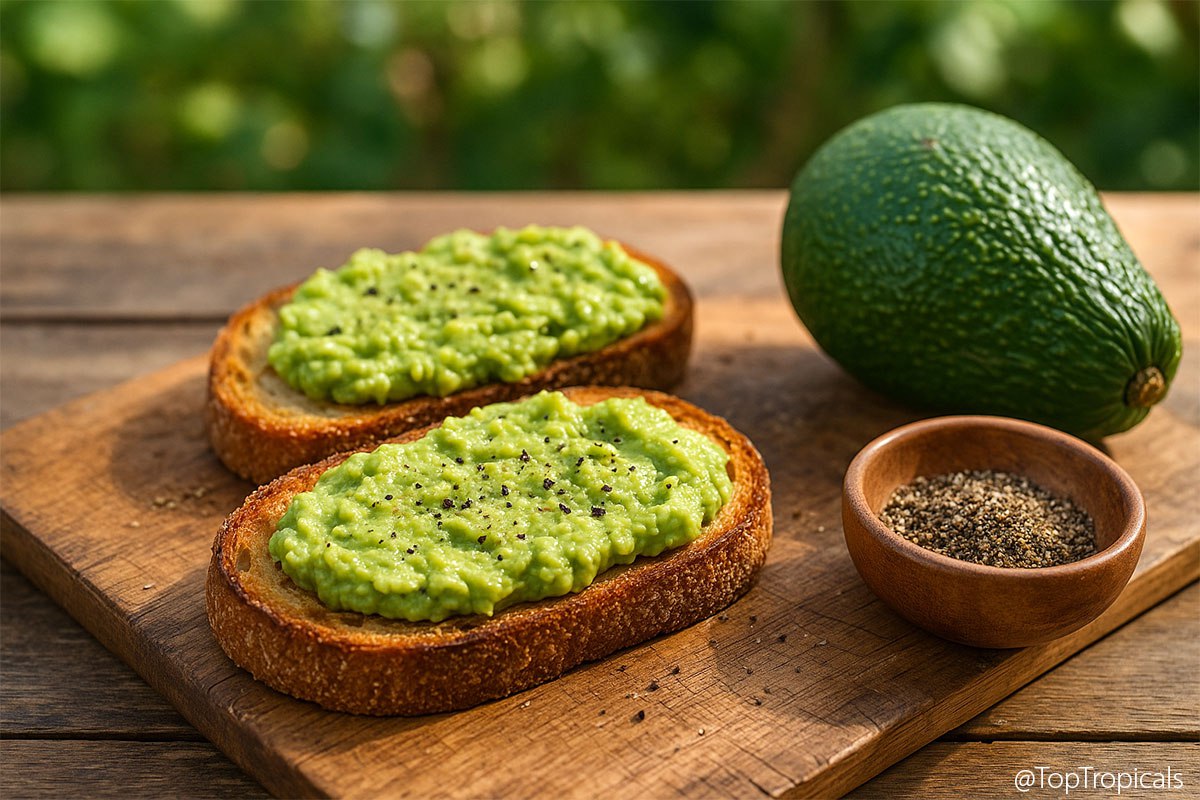
    Avocado miso toast-up: quick-n-fun exotic recipes

    Avocado miso toast

    Avocado miso toast

    Avocado fruit

    Avocado fruit

    🍴 Avocado Miso Toast-Up

    A fast, savory avocado toast with a subtle umami kick. Creamy ripe avocado is mashed with a small touch of miso, spread on warm toast, and finished with cracked black pepper. Simple, unexpected, and deeply satisfying.

    Ingredients

    • 1 ripe avocado
    • 1/4 teaspoon white or light miso paste
    • 2 slices bread, toasted
    • Freshly crushed black pepper, to taste

    Instructions

    1. Scoop the avocado flesh into a bowl.
    2. Add miso and mash until mostly smooth.
    3. Spread evenly on warm toast.
    4. Finish with crushed black pepper and serve immediately.


    🛒 Plant several varieties and always have Avocado in season

    📚 Learn more:

    Plant Facts

    Persea americana, Persea gratissima
    Avocado, Alligator Pear, Aguacate, Abacate
    USDA Zone: 9-11
    Large tree taller than 20 ftSmall tree 10-20 ftFull sunRegular waterEdible plantSubtropical plant. Mature plant cold hardy at least to 30s F for a short time
  • · Avocado Variety Guide
  • · Posts about #Avocado
  • · Avocado tree (Persea americana) in Plant Encyclopedia

  • #Food_Forest #Recipes #Avocado

    🟢 Join 👉 TopTropicals

    Date: 5 Dec 2025

    What Avocado is better - Mexican or Guatemalan?

    What Avocado is better - Mexican or Guatemalan? What Avocado is better - Mexican or Guatemalan? What Avocado is better - Mexican or Guatemalan?

    🌎 What Avocado is better - Mexican or Guatemalan?


    Avocados come from three main regions, and each group has its own special look, taste, and growing habits. The three types are Mexican, Guatemalan, and West Indian. Many of today’s popular varieties are hybrids, mixing traits from these types.

    • Mexican type:

    These avocados are small, with thin skin and rich flavor. The skin often turns dark green or black when ripe. The flesh is very buttery, with high oil content (up to 30%), and the leaves smell like anise. Mexican types are also the most cold-hardy, so they do well in cooler areas.
    Popular Mexican avocado varieties: Anise, Bacon, Brazos Belle (Wilma), Brogdon (Brogden), Fantastic, Florida Hass (Haas), Lila (Opal), Mexicola, Mexicola Grande, Ulala (Oh La La, Super Hass).
    Hybrids Mexican x Guatemalan: Winter Mexican, Buck, Wurtz (True Dwarf), Maria Black, Fuerte, Hall, Ettinger, Thomson Red.

    • Guatemalan type:

    These are medium to large avocados with thicker, sometimes bumpy skin. They have a creamy texture and rich flavor with plenty of healthy fats. The fruit is usually pear-shaped and ripens in winter or spring. Guatemalan types are commonly grown in both Florida and California.
    Popular Guatemalan avocado varieties: Black Prince, Booth 8, Joey, Nishikawa, Reed, Tonnage, Yamagata
    Hybrids Mexican x Guatemalan: Winter Mexican, Buck, Wurtz (True Dwarf), Maria Black, Fuerte, Hall, Ettinger, Thomson Red
    Hybrids of West Iundian and Guatemalan: Beta, Catalina, Choquette, Day, Hardee Red, Kampong (Sushi), Loretta, Lula, Marcus Pumpkin, Miguel, Monroe, Oro Negro.

    West Indian type:


    These avocados are the biggest, with smooth, shiny green skin and a lighter, more watery taste. They have less oil but lots of pulp, perfect for salads and guacamole. The fruit can weigh up to 2 pounds! They grow best in tropical climates like Florida, the Caribbean, and the Bahamas, but not in California.
    West Indian avocado varieties: Bernecker, Donnie (Doni), Hialeah Red, Pollock, Poncho (Pancho), Red Russell, Russell, Simmonds, Waldin.
    Florida originated varieties: Catalina, Hardee Red.
    Hybrids of West Iundian and Guatemalan: Beta, Catalina, Choquette, Day, Hardee Red, Kampong (Sushi), Loretta, Lula, Marcus Pumpkin, Miguel, Monroe, Oro Negro.

    ✍️ In short:

    • ✦ Mexican - small, rich, cold-hardy
    • ✦ Guatemalan - medium, creamy, thick skin
    • ✦ West Indian - large, smooth, tropical


    ✔️ Check out
    Avocado Variety Guide interactive chart. Sort them by flower type A or B, tree habit, fruit shape and quality, cold hardiness, origin, season and more!

    🛒 Explore Avocado varieties

    📖 Our Book: Avocado Variety Guide, Snack or Guacamole?

    📚 Learn more:

    Plant Facts

    Persea americana, Persea gratissima
    Avocado, Alligator Pear, Aguacate, Abacate
    USDA Zone: 9-11
    Large tree taller than 20 ftSmall tree 10-20 ftFull sunRegular waterEdible plantSubtropical plant. Mature plant cold hardy at least to 30s F for a short time
  • · Avocado Variety Guide
  • · Posts about #Avocado
  • · Avocado tree in plant encyclopedia

  • #Food_Forest #Avocado #How_to

    🟢 Join 👉 TopTropicals
    Date: 25 Nov 2025

    What Avocado is better - Type A or Type B?

    Avocado tree flowers

    Avocado tree flowers

    What Avocado is better - Type A or Type B?


    Avocados are divided into two types based on how their flowers open - Type A and Type B. This has nothing to do with how the fruit looks, only with how the flowers work.

    TYPE A:
    The flowers open as female in the morning of the first day, then close. On the afternoon of the second day, they reopen as male.

    The most popular type A avocado varieties:
    Bernecker, Black Prince, Catalina, Choquette, Day, Donnie (Doni), Fantastic, Florida Hass (Haas), Lila (Opal), Loretta, Lula, Mexicola, Mexicola Grande, Red Russell, Reed, Russell, Simmonds, Ulala (Oh La La, Super Hass) , Waldin, Wurtz (Dual Type, A&B).

    TYPE B:
    The flowers open as female in the afternoon of the first day, then close. The next morning, they reopen as male.

    The most popular type B avocado varieties:
    Anise, Bacon, Beta, Booth 8, Brazos Belle (Wilma), Brogdon (Brogden), Buck, Ettinger, Fuerte, Hall, Hardee Red, Hialeah Red, Joey, Kampong (Sushi), Marcus Pumpkin, Maria Black, Miguel, Monroe, Nishikawa, Oro Negro, Pollock, Poncho (Pancho), Thomson Red, Tonnage, Winter Mexican, Wurtz (Dual Type, A&B), Yamagata.
    • 🟢 Each tree can make its own fruit (it’s self-fertile), but if you plant both types together, they will help each other make more fruit. The flowers of A and B types open at opposite times, so bees can carry pollen between them more easily. This means better pollination and a bigger harvest.
    • 🟢 For home gardeners, one tree is enough to get fruit, but having both A and B types nearby will give you a larger crop. If you grow avocados in pots, it’s a good idea to have at least one of each type.


    ✍️ In short:
    One tree = some fruit
    Two trees (A + B) = lots more fruit!

    ✔ ️Check out Avocado Variety Guide interactive chart. Sort them by flower type A or B, tree habit, fruit shape and quality, cold hardiness, origin, season and more!

    🛒  Explore Avocado varieties

    📖 Our Book: Avocado Variety Guide, Snack or Guacamole?


    Hard copy
    PDF File Download

    📚 Learn more:


    How Avocado trees flower and set fruit
    Avocado Variety Guide
    #Avocado #Food_Forest #How_to

    Join 👉 TopTropicals

    Date: 14 Nov 2025

    What is a Dwarf Condo Avocado that fruits at 3 ft tall?

    Dwarf Condo Avocado Fuerte

    What is a Dwarf Condo Avocado that fruits at 3 ft tall?

    • Every fruit lover dreams of growing lots of avocado varieties, but space often gets in the way. The good news is that some avocado trees stay naturally small and compact, making them perfect for patios, balconies, and even indoor growing. These are called Condo Avocados.
    • They have the same tasty fruit as full-sized trees but take up much less room. You can easily grow them in large pots or containers. They begin to fruit when it's just 2-3 feet tall and remain under 10-12 feet, even after 10 years of growth.
    • The most popular condo avocados are:


    🟢 Wurtz (Little Cado): A true dwarf avocado tree that stays small and grows well in containers. It can even produce fruit indoors near a sunny window.
    • 🟢 Fuerte: A semi-dwarf variety that’s easy to manage and does well in pots or small yards.
    • 🟢 Joey: Not a true dwarf, but naturally compact. With a bit of pruning, it can stay small and fit nicely in limited spaces.


    Condo avocados are a great way to enjoy homegrown avocados even if you don’t have a big yard. Just give them sun, good soil, and regular care - and you’ll have fresh avocados right on your porch!

    ✔️ Check outAvocado Variety Guide interactive chart. Sort them by flower type A or B, tree habit, fruit shape and quality, cold hardiness, origin, season and more!

    🛒 Shop Avocado varieties

    📖 Our Book: Avocado Variety Guide, Snack or Guacamole?

    📚 Learn more:


    #Food_Forest #Avocado

    🟢 Join 👉 TopTropicals