9 tough trees for hot, dry spots that actually thrive
☀️ 9 tough trees for hot, dry spots that actually thrive
Why that one brutal spot in your yard never works? There’s always that one place - blazing sun, sandy or rocky soil, dries out fast, and everything you plant there struggles. In Florida, Arizona, and California, this isn’t rare - it’s the norm. The good news? Some trees don’t just tolerate it - they prefer it. Once established, these picks handle heat, drought, and neglect far better than typical landscape plants. What makes these trees different? These are survivors. Many store water, have deep root systems, or evolved in dry climates. Translation - less watering, fewer losses, and a lot less frustration.
🔥 9 best trees for hot, dry spots
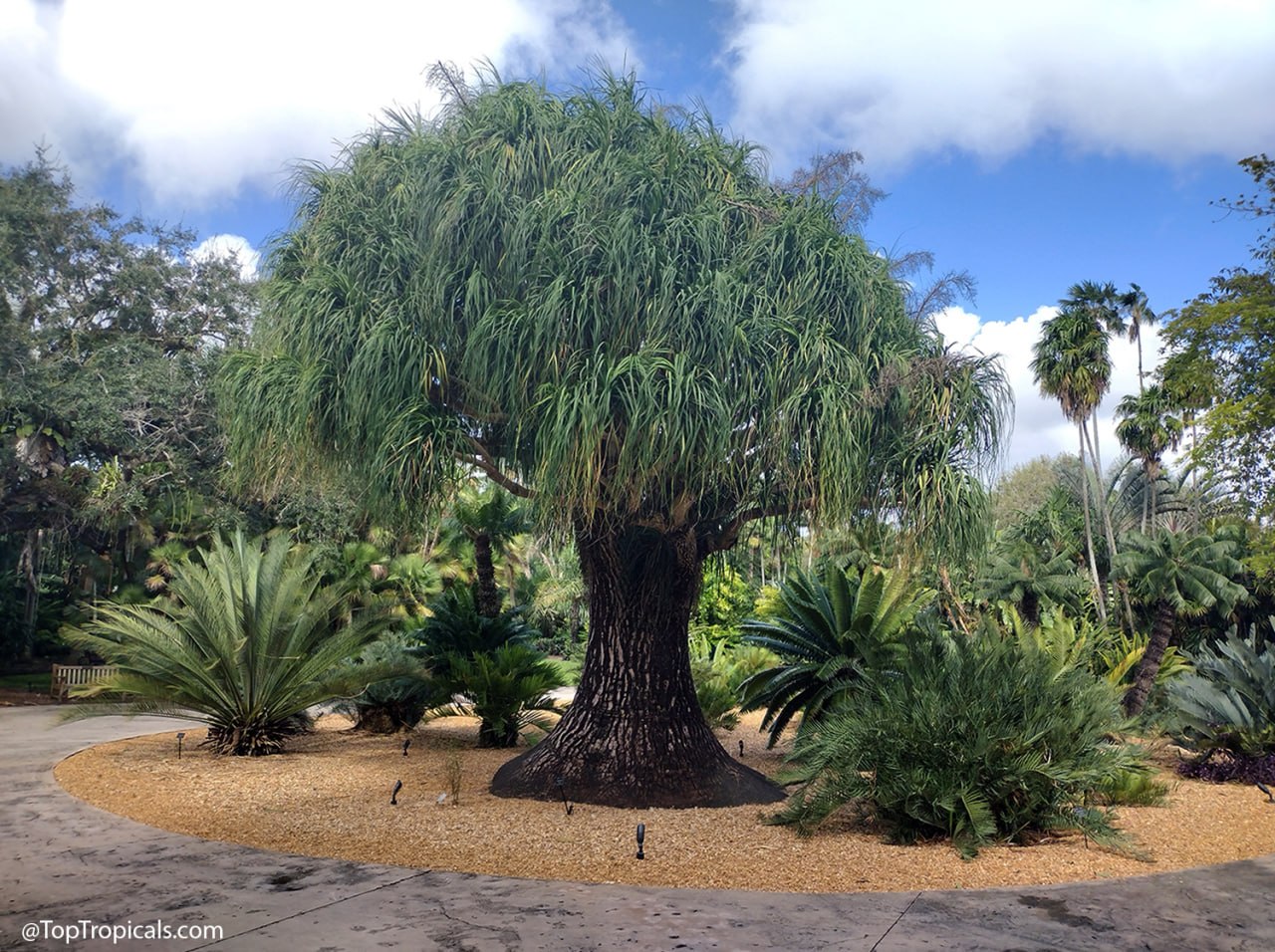
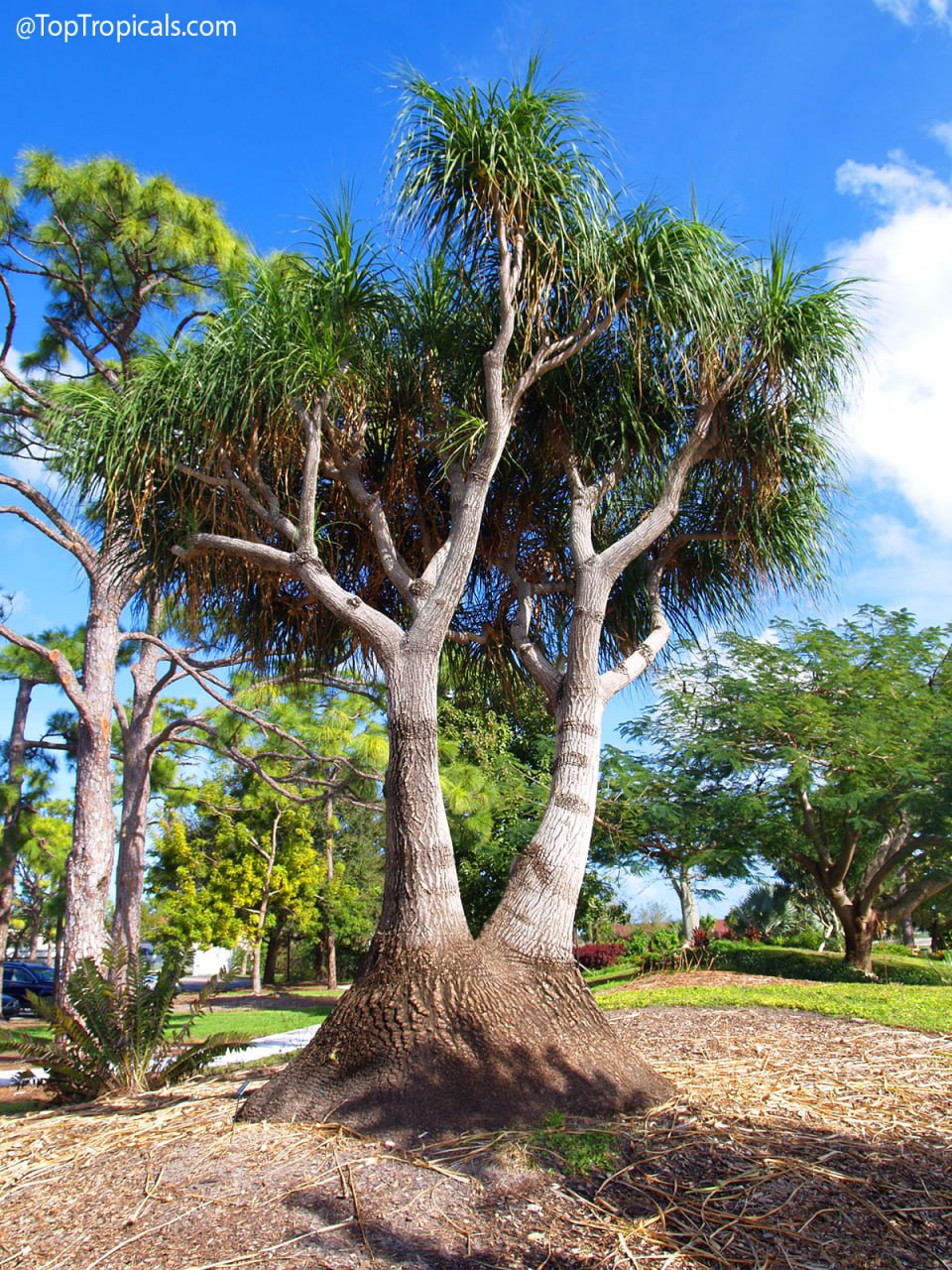
☀️ 1. Pony Tail Palm - Beaucarnea recurvata 📸
Not a true palm - it stores water in its showy, swollen trunk, making it incredibly drought tolerant and perfect for harsh, dry areas.
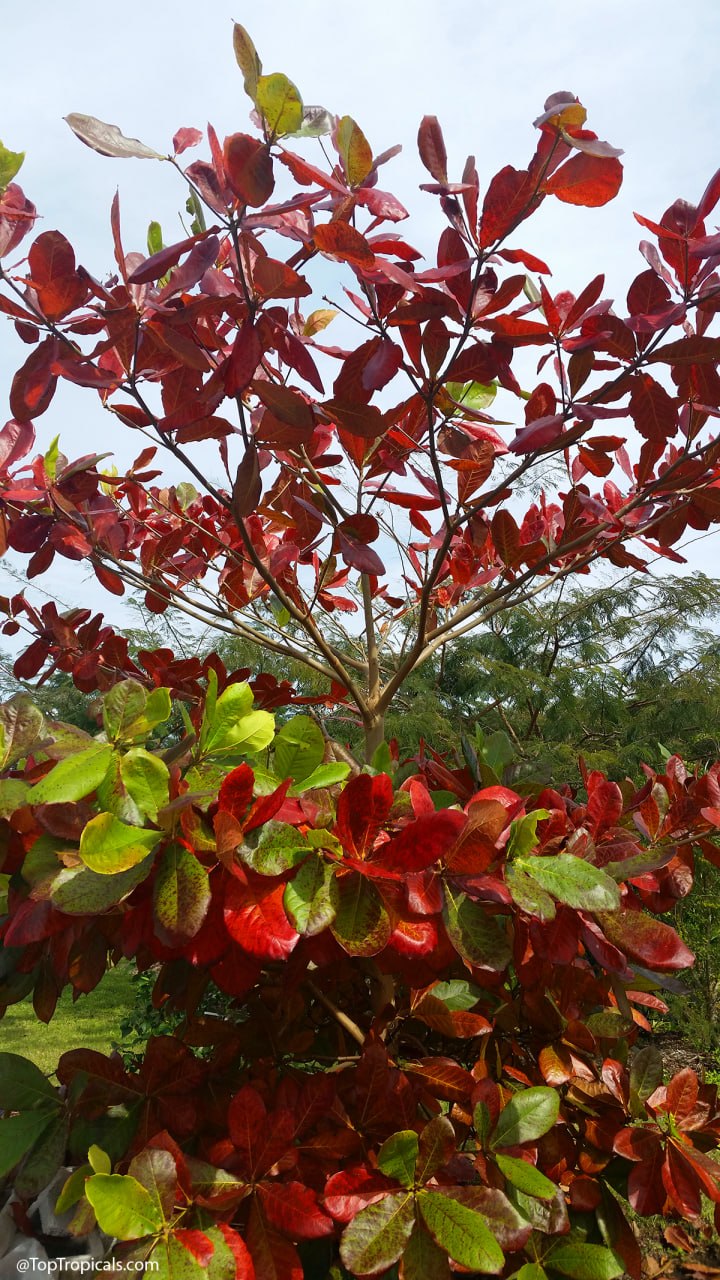
☀️ 9. Tropical Almond - Terminalia catappa 📸 A classic coastal shade tree that thrives in heat, wind, and dry sandy soil once established. Its broad, layered canopy provides excellent shade, and the large leaves turn striking shades of red and orange before dropping - a rare bonus color show for hot-climate landscapes. Plus almond nuts as extra bonus!
Tropical Almond Plant Facts
Terminalia catappa Tropical Almond, Badamier, Java Almond, Indian Almond, Malabar Almond, Singapore Almond, Ketapang, Huu Kwang, Pacific Almond
7 best exotic dwarf trees for maximum impact in small tropical landscapes 🏡
For a yard that feels like a tropical escape but doesn't have the space for a massive jungle, these seven selections from TopTropicals are game-changers, chosen for their compact size, high "curb appeal," and unique tropical flair.
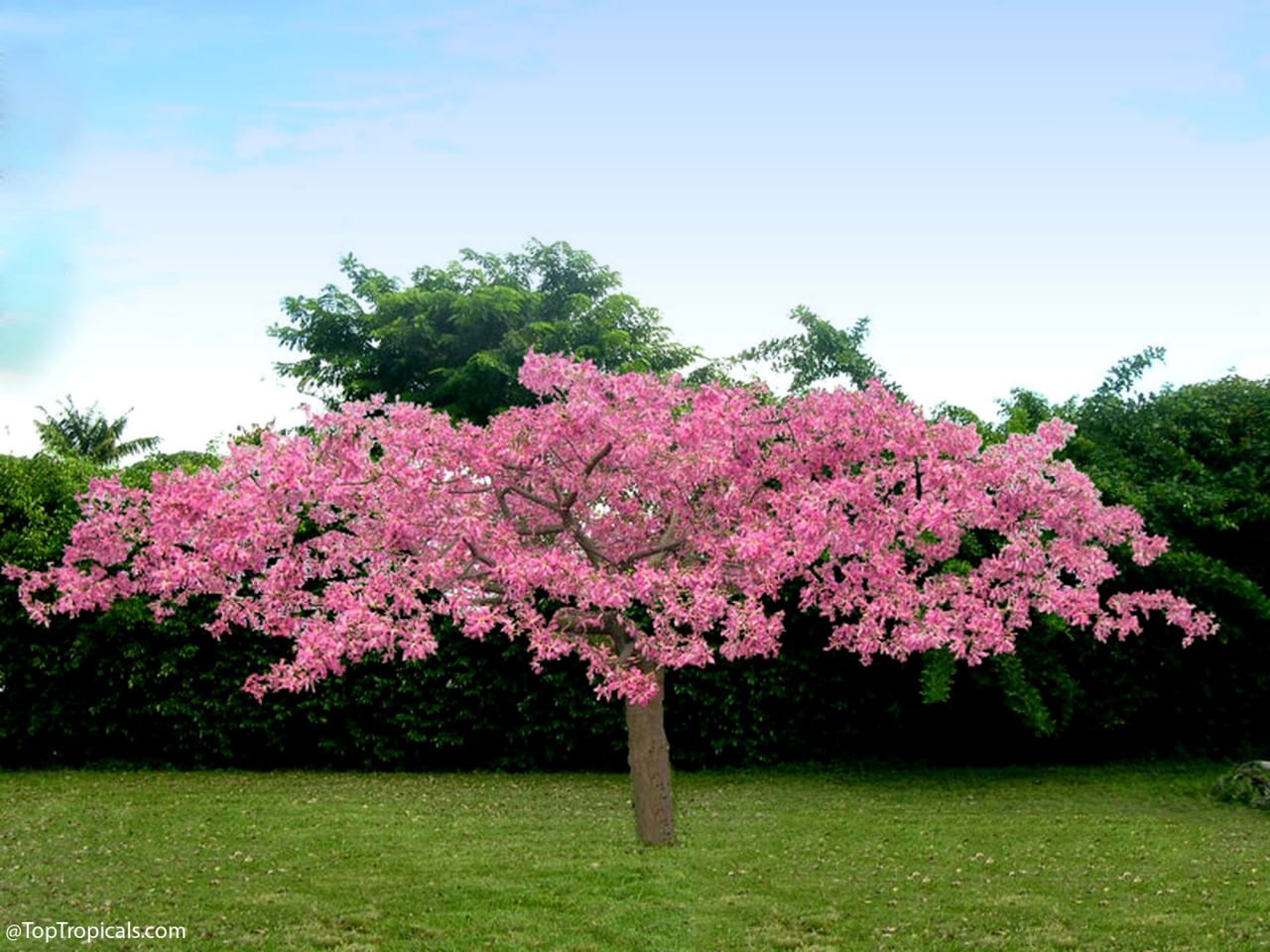
1. Dwarf Pink Princess Silk Floss Tree (Ceiba hybrid)
🌳 A spectacular grafted hybrid of the famous Silk Floss tree, but in a much smaller package: a unique, often "fat" or bottle-shaped trunk and large, showy pink flowers with white centers.
🏡 Unlike the standard Ceiba which can become a giant, the 'Pink Princess' is grafted to stay compact (usually under 10 - 12 feet), allowing you to enjoy those exotic, orchid-like blooms even in a tiny garden.
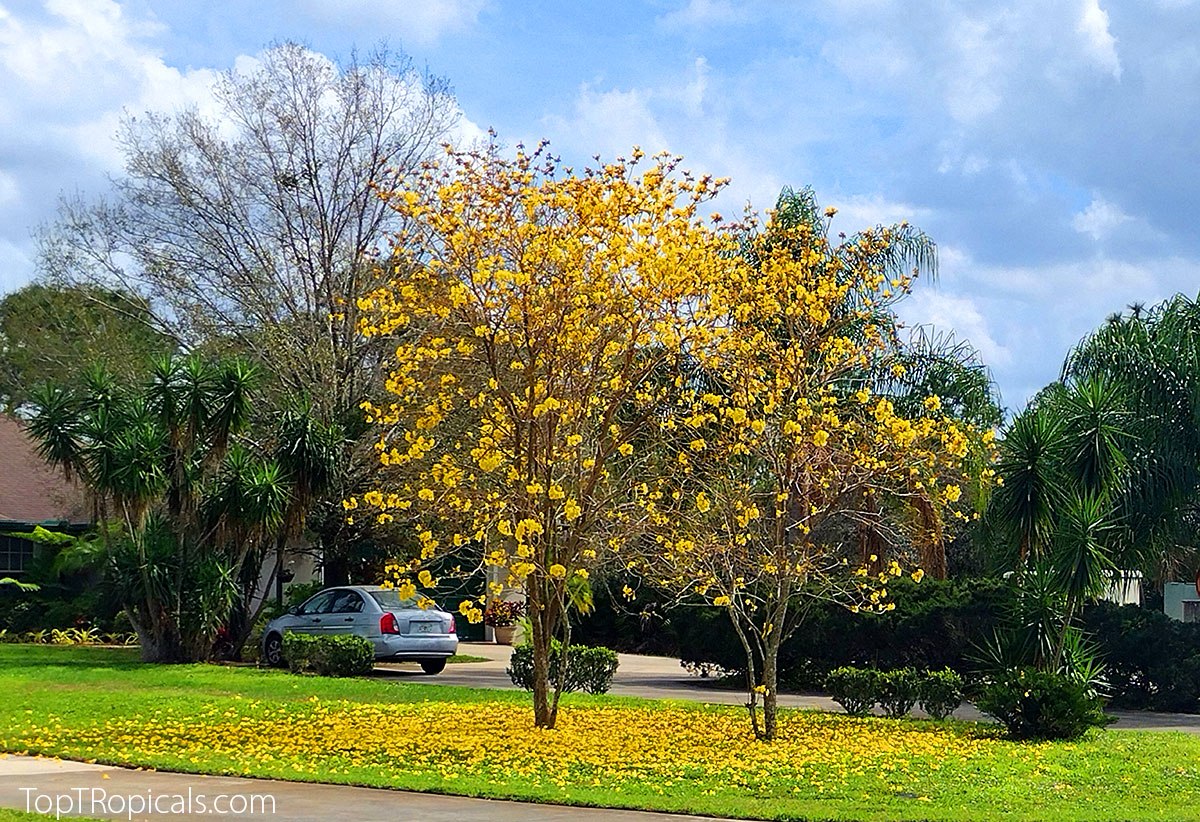
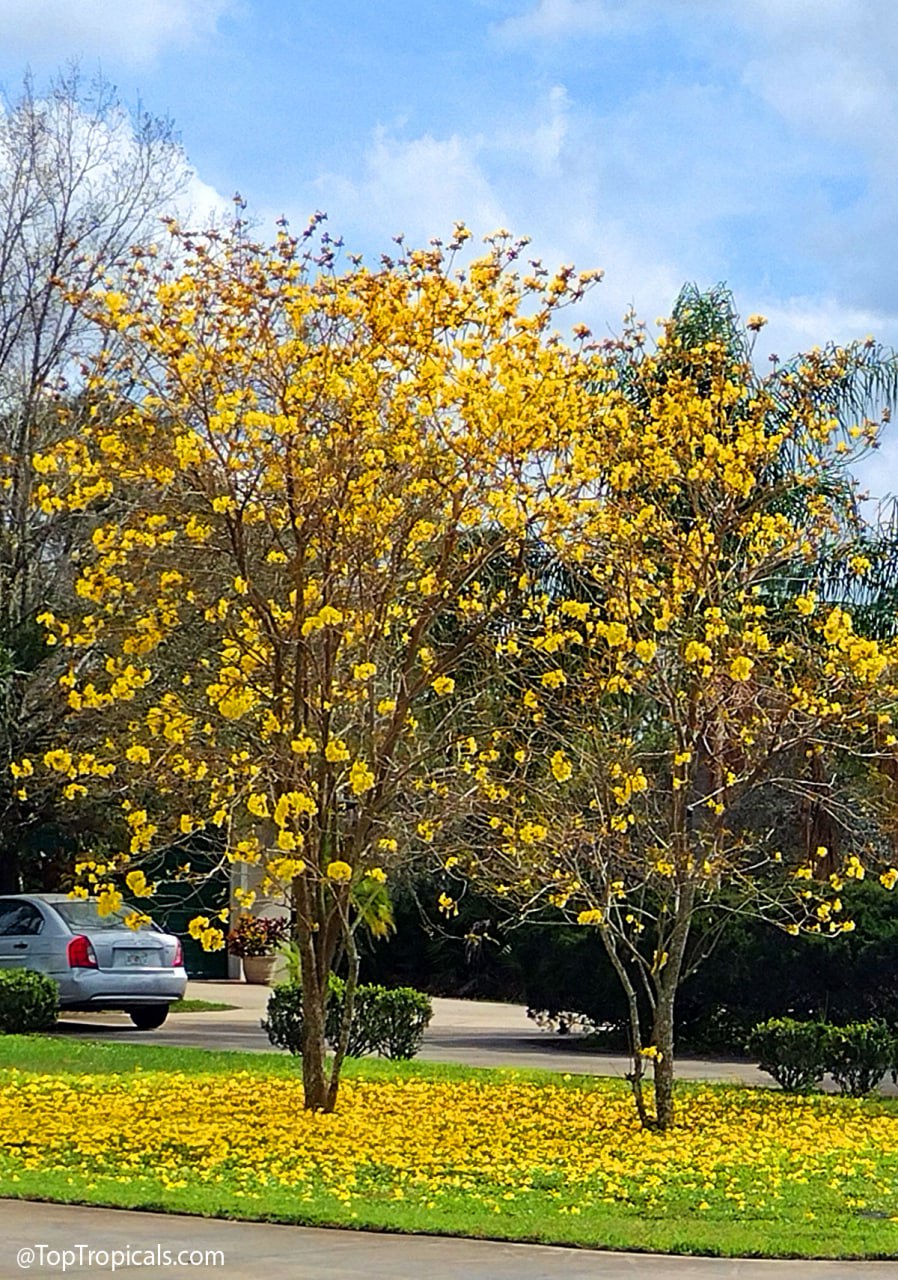
🌳 Known as the "Golden Trumpet Tree," this dwarf selection puts on one of the most brilliant displays in the plant kingdom. Before the leaves emerge in spring, the entire tree is covered in bright, trumpet-shaped yellow flowers.
🏡 This specific dwarf form stays much smaller and more manageable than the standard Tabebuias seen on city streets. Its silver-green foliage and rounded canopy make it an ideal "specimen" tree that acts as a focal point for your front yard.
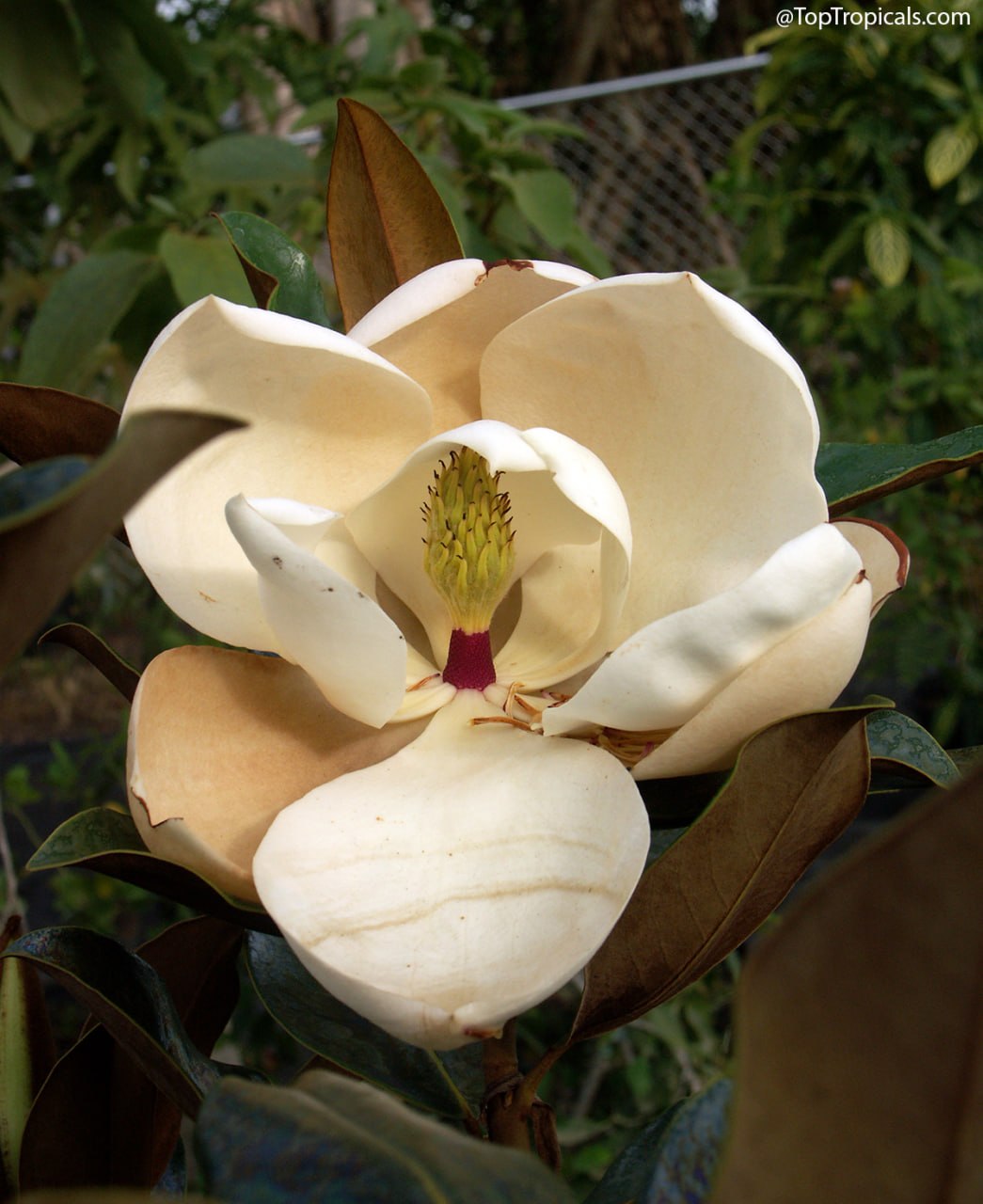
3. Little Gem Southern Magnolia (Magnolia grandiflora)
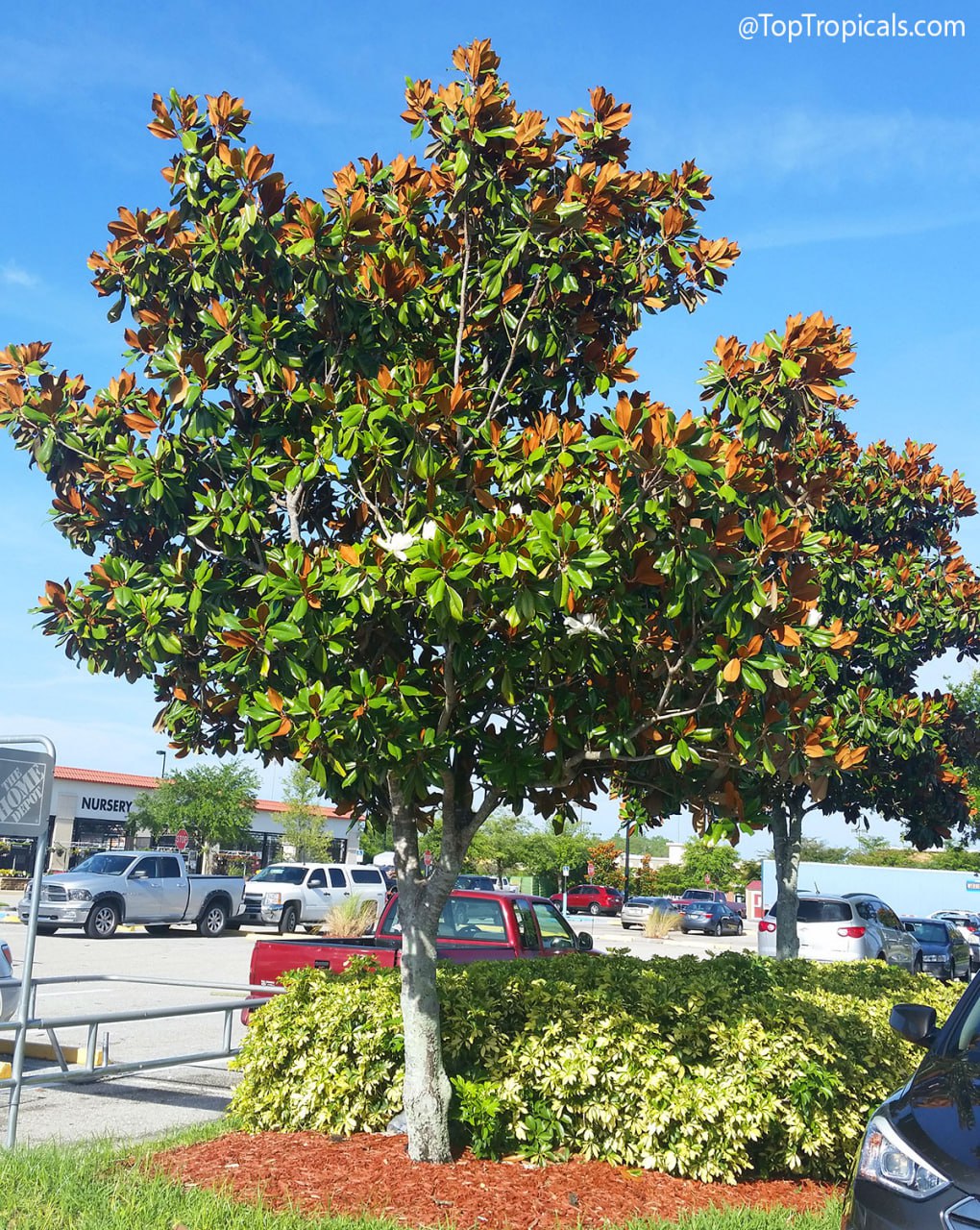
🌳 All the elegance of a classic Southern Magnolia but in a miniaturized version. It has the iconic waxy white, lemon-scented flowers and glossy leaves with fuzzy bronze undersides.
🏡 'Little Gem' is narrow and columnar, typically reaching only 15-20 feet (half the size of the standard species). It starts blooming at a very young age, so you don't have to wait years for those famous fragrant flowers.
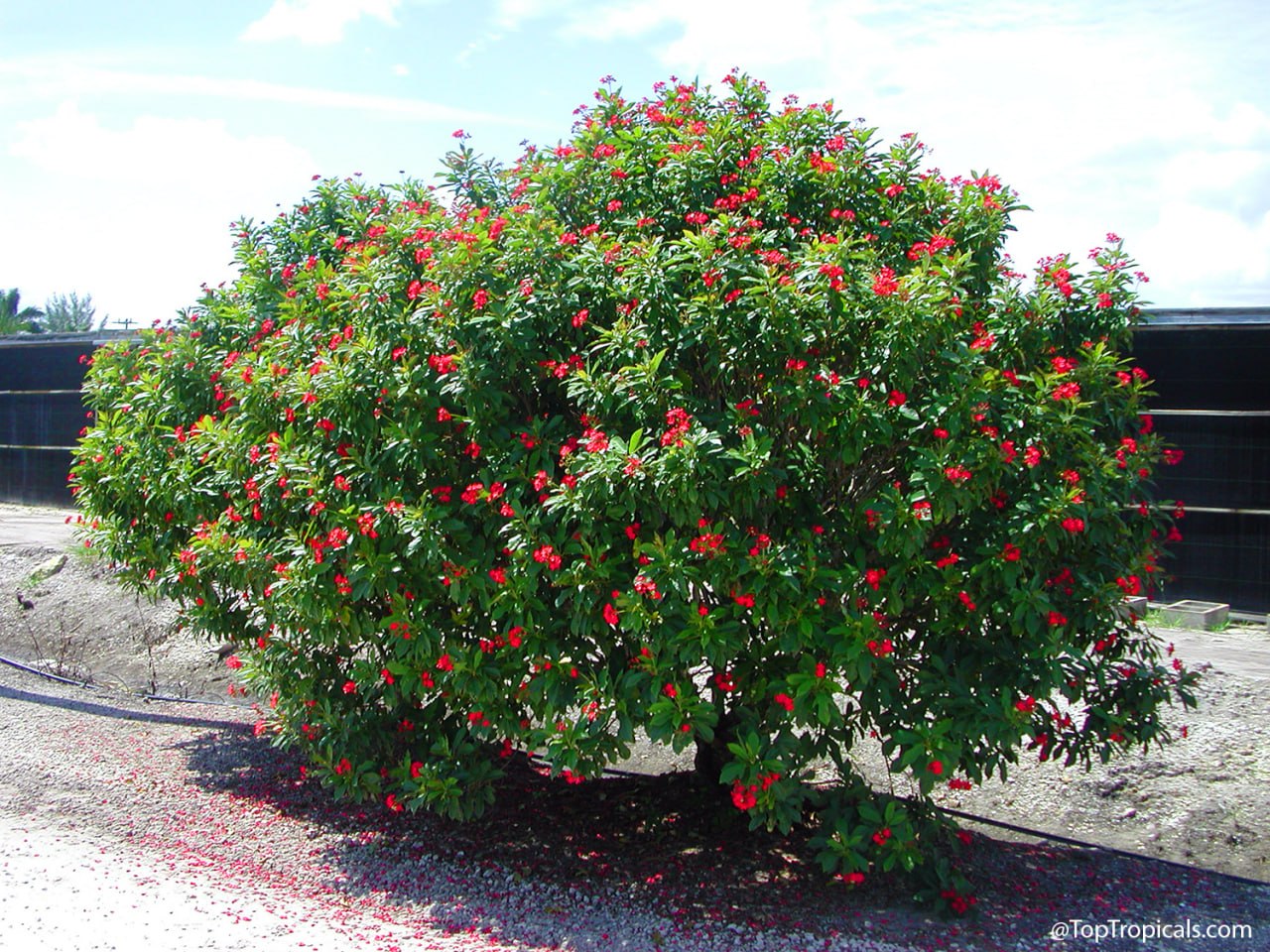
🌳 This "ever-blooming" small tree is a butterfly magnet. It features clusters of bright, cherry-red star flowers against glossy, fiddle-shaped leaves.
🏡 The Compacta variety is specifically bred to stay bushy and small. It blooms almost 365 days a year in warm climates, providing a constant splash of red that draws in hummingbirds and pollinators.
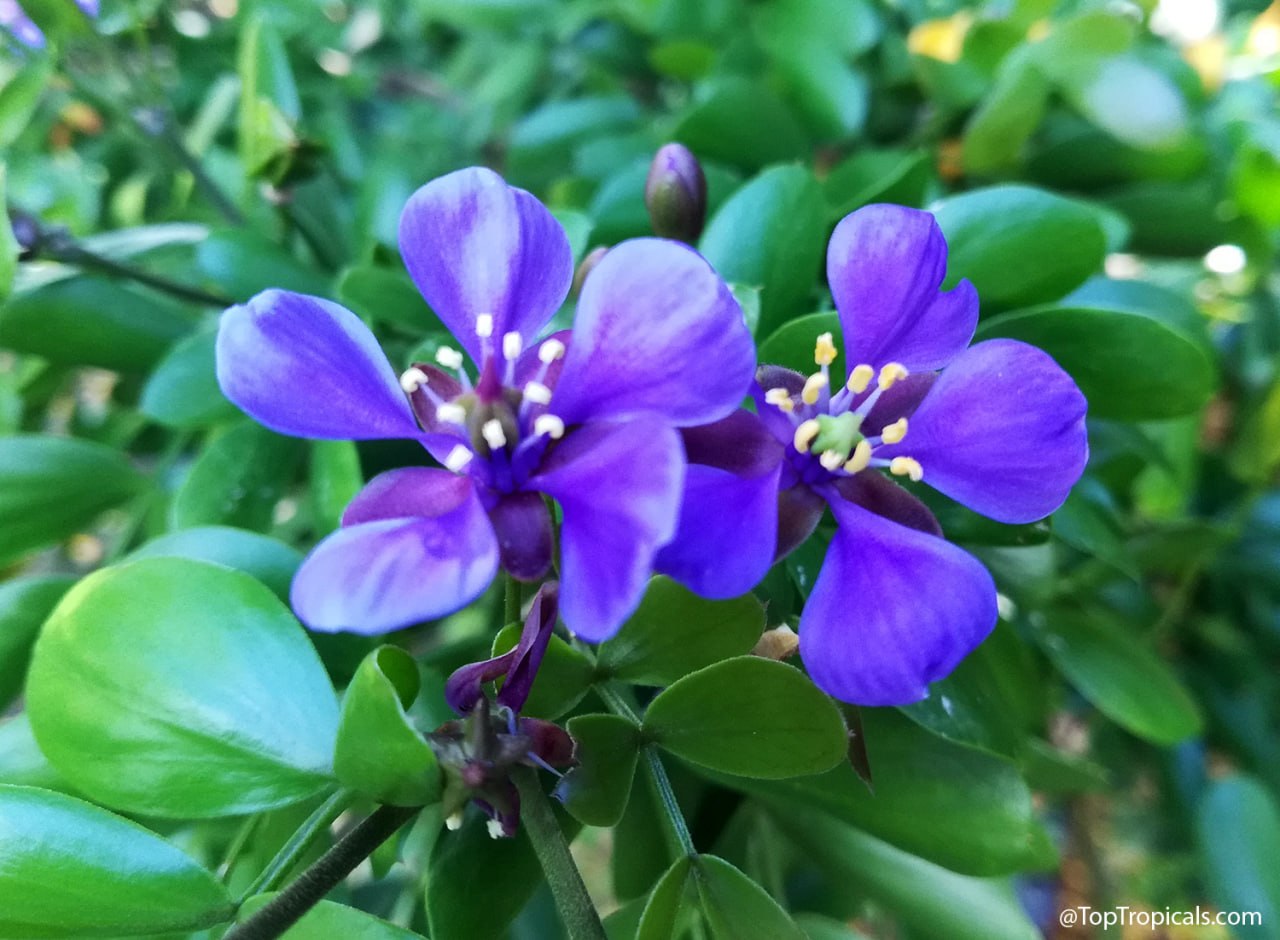
🌳 Known as the "Wood of Life," this is one of the slowest-growing trees in the world. It has fine-textured, dark green foliage and produce stunning, small blue flowers that fade to white, followed by bright orange seed pods.
🏡 Because it grows so slowly, it will never outgrow its space. It is extremely hardy, salt-tolerant, and hurricane-resistant, making it a "plant it and forget it" heirloom tree for coastal or small urban lots.
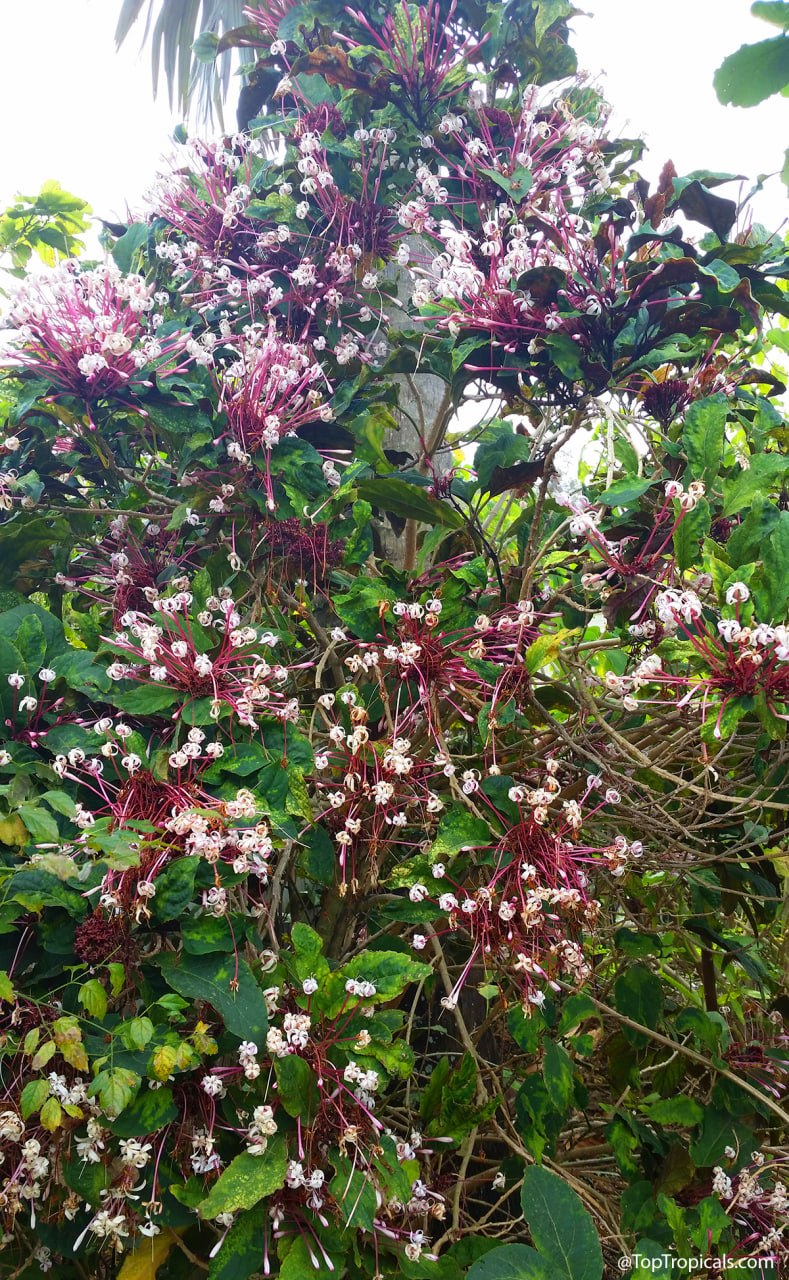
🌳 A visual firework display. The leaves are deep green on top and rich purple underneath. In late winter, it produces massive, 8-inch wide clusters of tubular pink-and-white flowers that look like an exploding star.
🏡 It is easily pruned to a single-trunk tree form. The purple foliage provides "curb appeal" year-round, while the winter blooms provide a much-needed pop of color when other plants are dormant.
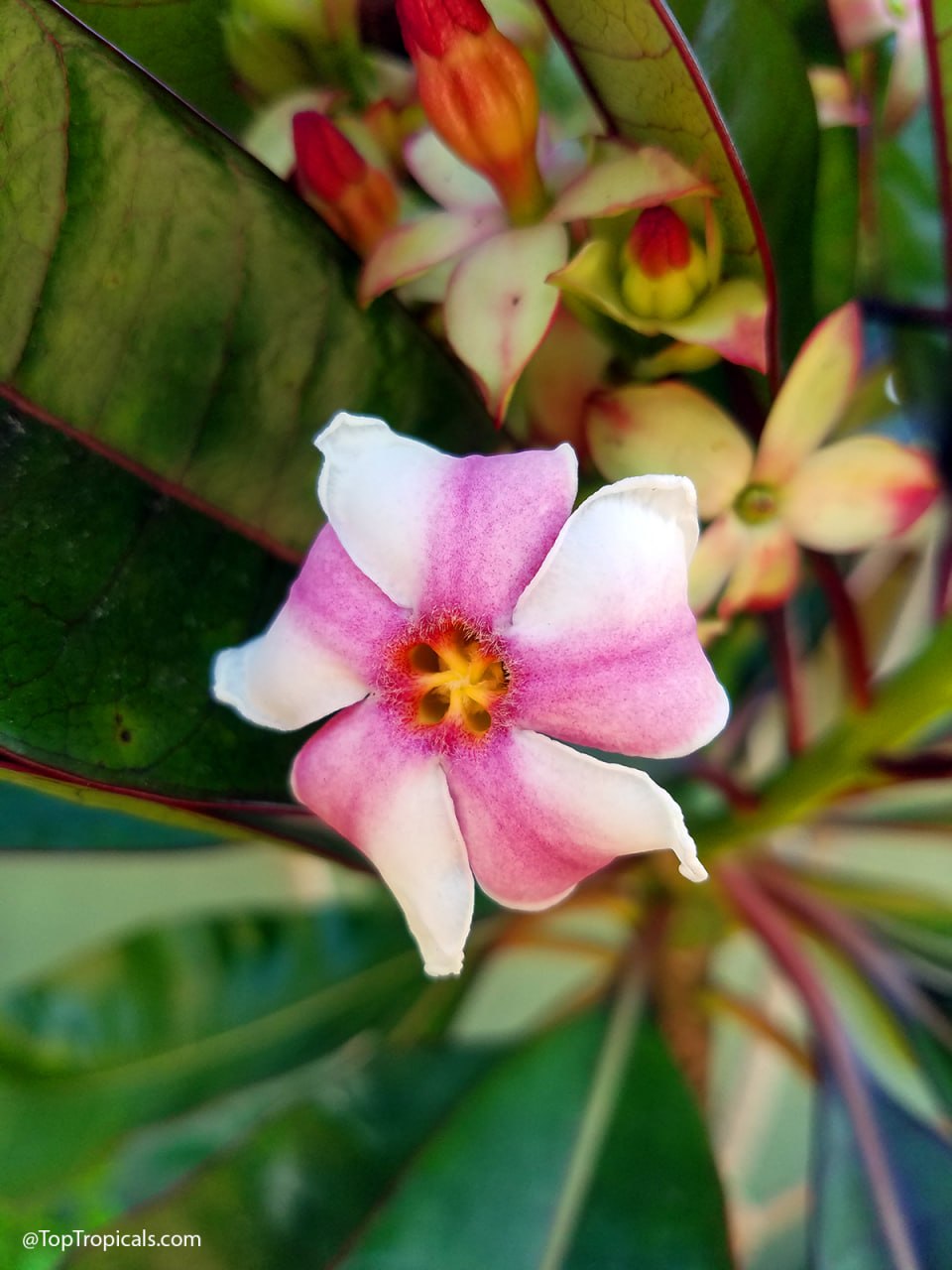
🌳 This is a rare, small evergreen tree with glossy, dark green leaves and clusters of highly fragrant, star-shaped white flowers with a red "eye." 🏡 It has an naturally architectural, upright habit. The fragrance is incredible - sweet and heavy - making it a perfect "sensory" tree to plant near a patio where you can enjoy the scent on summer evenings.
A Miracle in the Garden: Watching a Tiger Swallowtail Rebuild Itself on a Magnolia Champaka - Joy Perfume Tree
Tiger Swallowtail Butterfly
A Miracle in the Garden: Watching a Tiger Swallowtail Rebuild Itself on a Magnolia Champaka - Joy Perfume Tree 🐯
Tiger Swallowtail Metamorphosis: From Cocoon to Joy
🏼 Nature’s most mind-blowing magic trick happened right here on a branch of our Magnolia champaka - the Joy Perfume Tree. Did you know that when a caterpillar enters its chrysalis (cocoon), it literally dissolves its body and rebuilds it from scratch?
🏼 This Tiger Swallowtail chose the legendary Joy Perfume Tree as its nursery. It’s a match made in heaven—the "flying tiger" of North America born on a tree famous for the world’s most expensive perfume scent. While most people know the Champaka for its intensely fragrant flowers, few realize that even the leaves release a soft, sweet aroma when brushed against.
🏼 In this video, you’ll see the rare moment of eclosion - where the butterfly emerges with soft, wrinkled wings and begins the slow process of pumping life into them before its first flight.
🏼 It is a real gem in your garden - not just for fragrance lovers, but for wildlife that clearly loves it too.
Watch this Tiger Swallowtail butterfly being born on a Champaka - Joy Perfume tree!
The most asked-about tree in the Sunshine State: Bauhinia
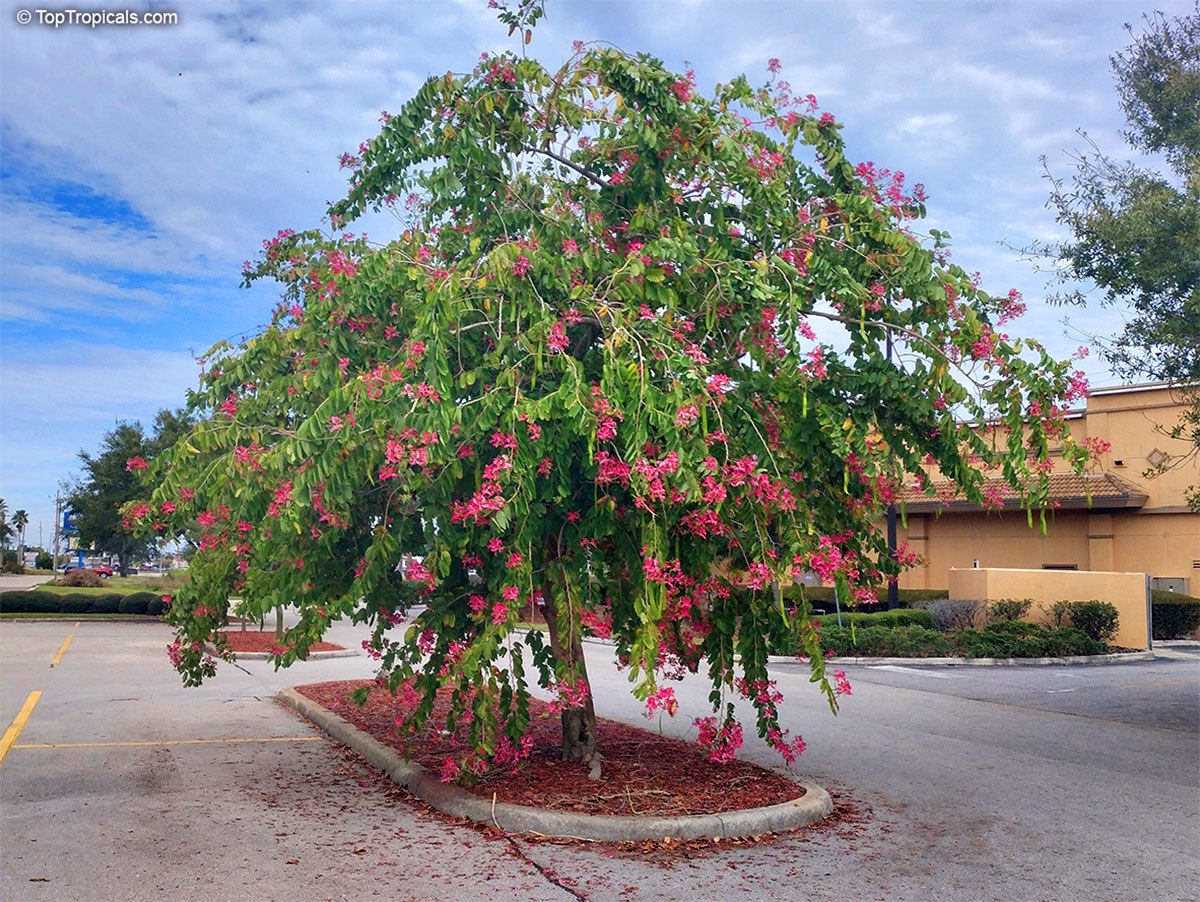
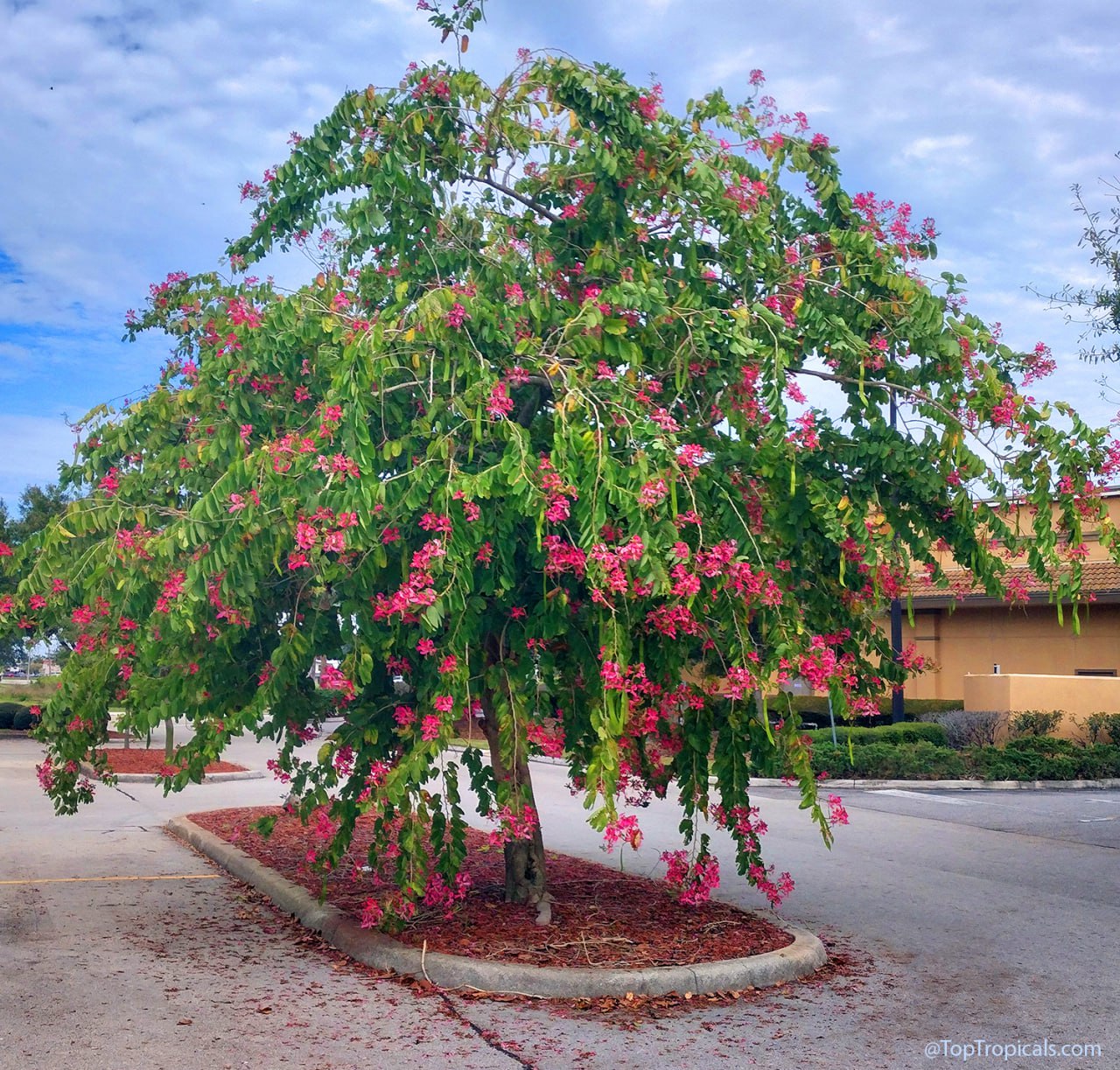
Purple Orchid tree - Bauhinia purpurea
🌸 The most asked-about tree in the Sunshine State: Bauhinia
🌸 If you visit Florida in winter, chances are you will notice a tree covered in orchid-like flowers and wonder what it is. That tree is often an orchid tree, most commonly Bauhinia purpurea. It is fast growing, wide spreading, and blooms from late winter through spring, sometimes with a second round in summer. The flowers range from magenta to lavender, are lightly fragrant, and stand out even from a distance. The leaves are just as distinctive - split into two halves like butterfly wings, which is why these trees are also called butterfly trees.
🌸 Orchid trees are easygoing and practical. They thrive in full sun, tolerate many soil types as long as drainage is good, and need little water once established. Growth is quick, often 2–3 feet per year, making them excellent shade trees for hot climates. The flowers attract bees, butterflies, and hummingbirds, and in some cultures the buds and blossoms are used in cooking, while the bark has a long history in folk remedies. Beautiful, useful, and low maintenance, orchid trees are a perfect fit for Southern landscapes.
Moringa leaves made simple - daily benefits and 6 easy recipes
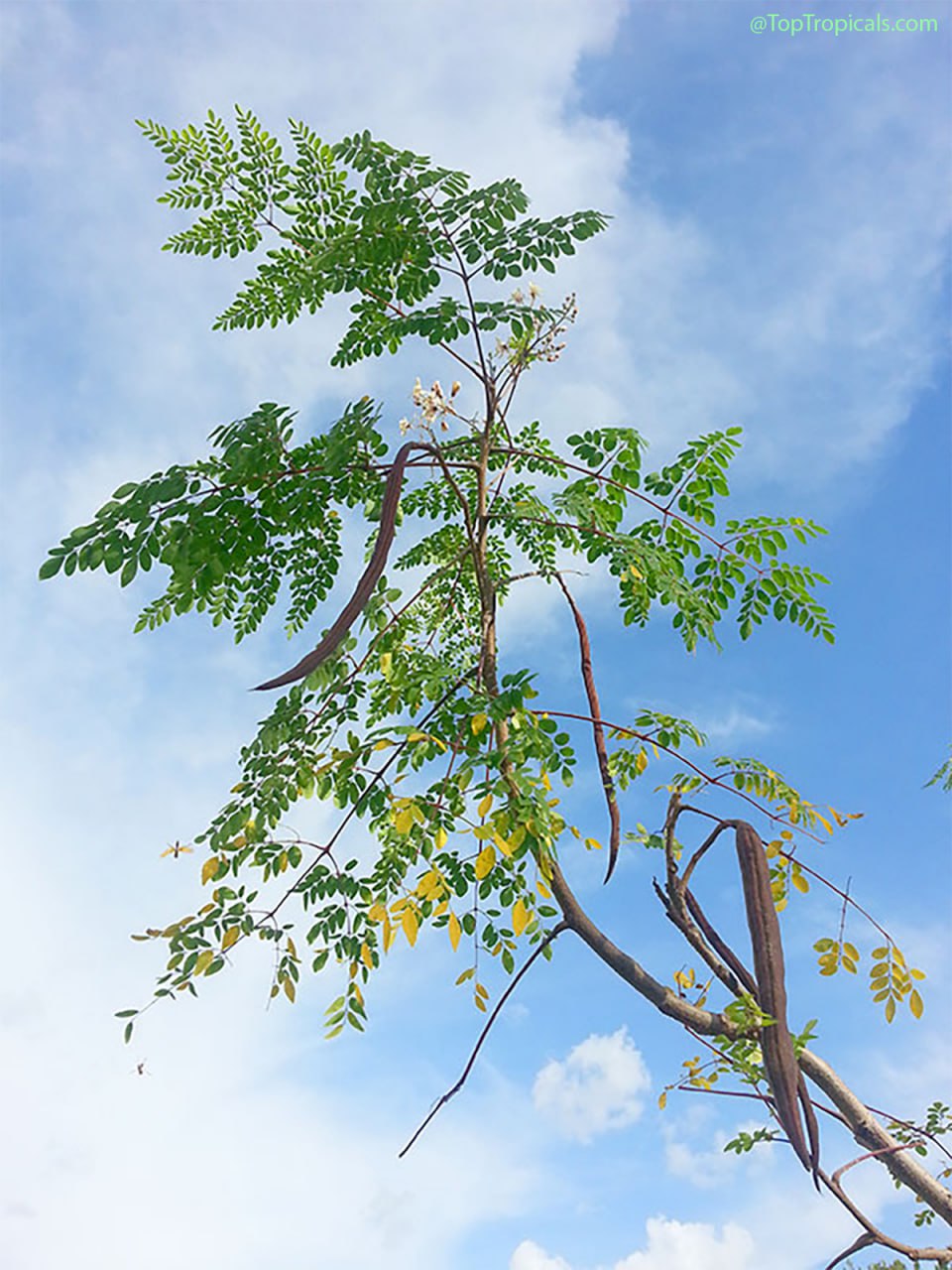
Moringa oleifera leaves and flowers
Moringa oleifera leaves on a branch
🌳 Moringa leaves made simple - daily benefits and 6 easy recipes
Moringa tree is called the Tree of Life for a reason. Moringa leaves, often called miracle greens, are packed with vitamins A, C, and E, calcium, iron, potassium, and plant protein. Regular use supports immunity, digestion, skin health, energy levels, and overall vitality. Traditionally, moringa has also been used to support blood sugar balance, heart health, and inflammation control thanks to its rich supply of antioxidants and bioactive compounds like flavonoids and polyphenols.
❤️ Key benefits of eating moringa leaves daily:
🌿 Supports blood sugar balance
Moringa may improve insulin sensitivity and help stabilize blood sugar, reducing sudden energy crashes. Regular intake has been linked to better glycemic control and reduced inflammation.
🌿 Improves digestion
High fiber supports gut health, while natural detoxifying compounds help liver function. Moringa may also promote healthy gut bacteria and improve digestion regularity.
🌿 Fights inflammation
Moringa leaves contain compounds that help reduce inflammatory markers in the body, supporting joint, heart, and overall cellular health.
6 easy moringa recipes to try
🌿 Moringa laddoo
Roast whole wheat flour in ghee, add fresh moringa leaves, jaggery, nuts, sesame seeds, and cardamom. Shape into laddoos and store airtight.
🌿 Moringa smoothie
Blend fresh moringa leaves, banana, curd, honey, and water. Top with soaked chia seeds and drink fresh.
🌿 Moringa dal
Cook toor dal with turmeric. Saute moringa leaves, onion, tomato, garlic, and chilies in ghee, mix into dal, and finish with cumin and asafoetida tempering.
🌿 Moringa paratha
Knead wheat flour with moringa leaves, onion, spices, and salt. Roll and cook on a hot tawa with oil or ghee.
🌿 Moringa chutney
Grind moringa leaves with coconut, green chilies, ginger, lemon juice, and salt. Serve fresh.
🌿 Moringa tea
Simmer fresh or dried moringa leaves in water for a few minutes, strain, and enjoy warm with honey or lemon if desired.
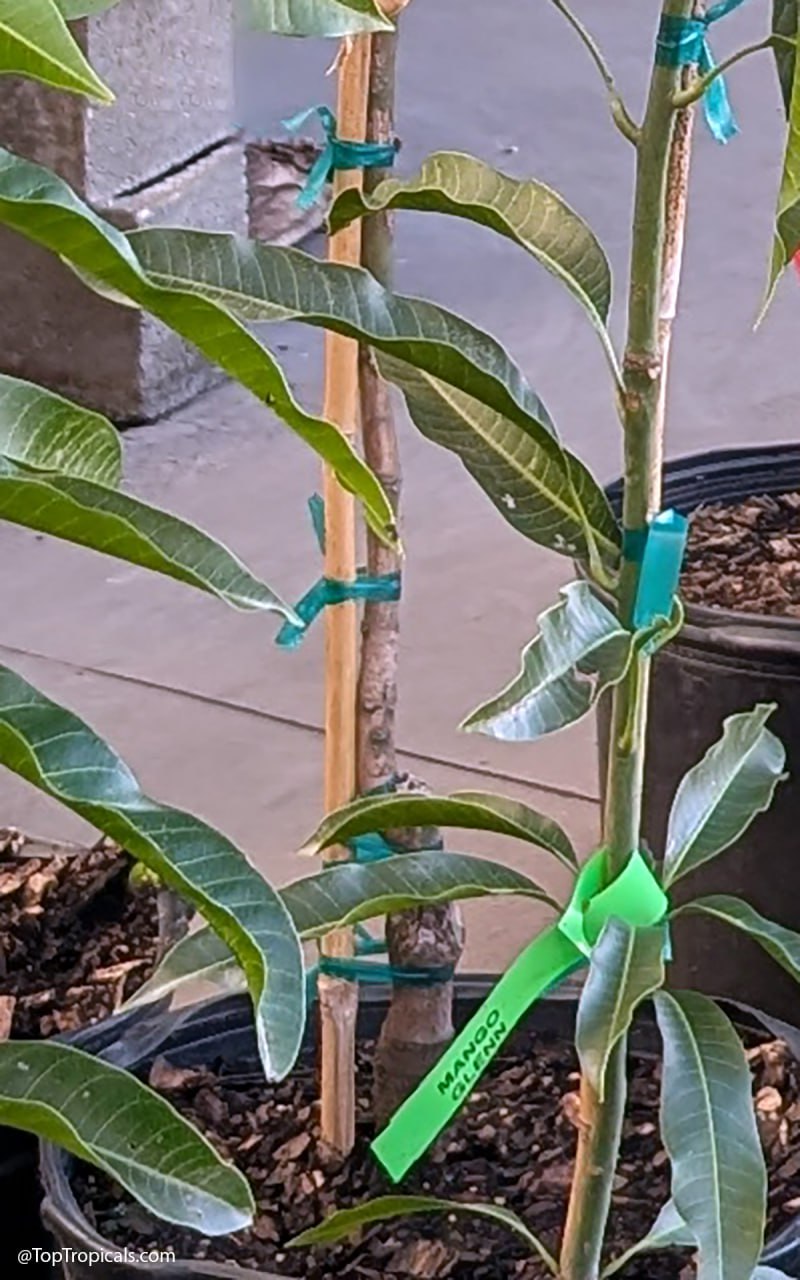
Staking a young tree is simple but important. The goal is to attach a bamboo stake to support the trunk, encourage straight growth, and-most importantly-prevent the stem from wiggling.
Young trees grow fast and vigorously, but their trunks are often much taller and heavier than their root systems can support. At the same time, those trunks are still thin and flexible. Even light wind can cause the tree to rock back and forth. This movement disturbs developing roots and slows establishment.
❗️ Without proper support:
🔹 The trunk can break in strong wind.
🔹 Roots loosen instead of anchoring.
🔹 The trunk may grow crooked.
🔹 The tree becomes uneven and less stable long-term.
🌳 How to stake correctly
🌳 Small trees
🔹 Create an A-frame with one bamboo stake.
🔹 Attach near the top, forming a triangle.
🔹 Do not push the stake right next to the trunk. It may look neat, but it can damage roots and will not provide proper stability.
🌳 Medium trees
🔹 Use 2-3 tie points along the trunk.
🔹 Use soft green garden tape, 1/2"wide.
🔹 Secure firmly but allow slight movement.
🌳 Tall or heavy trees
🔹 Use a strong support such as a metal pipe. We use 1" aluminum electrical conduit.
🔹 Attach with wider green tape, about 1"to protect the bark.
🔹 Build tripods around larger trees.
❗️ Important maintenance tips:
🔸 Check ties and tape often-every few weeks to once a month.
🔸 As the tree grows, re-adjust the tape so it does not cut into the trunk as it thickens and doesn't cause any rot.
🔸 Re-position bamboo stakes as needed, and be ready to replace them with a larger, stronger stake as the tree grows.
These rules apply to both potted trees and trees planted in the ground. Proper staking early on helps your tree establish faster, grow straighter, and develop a strong, stable root system for the future.
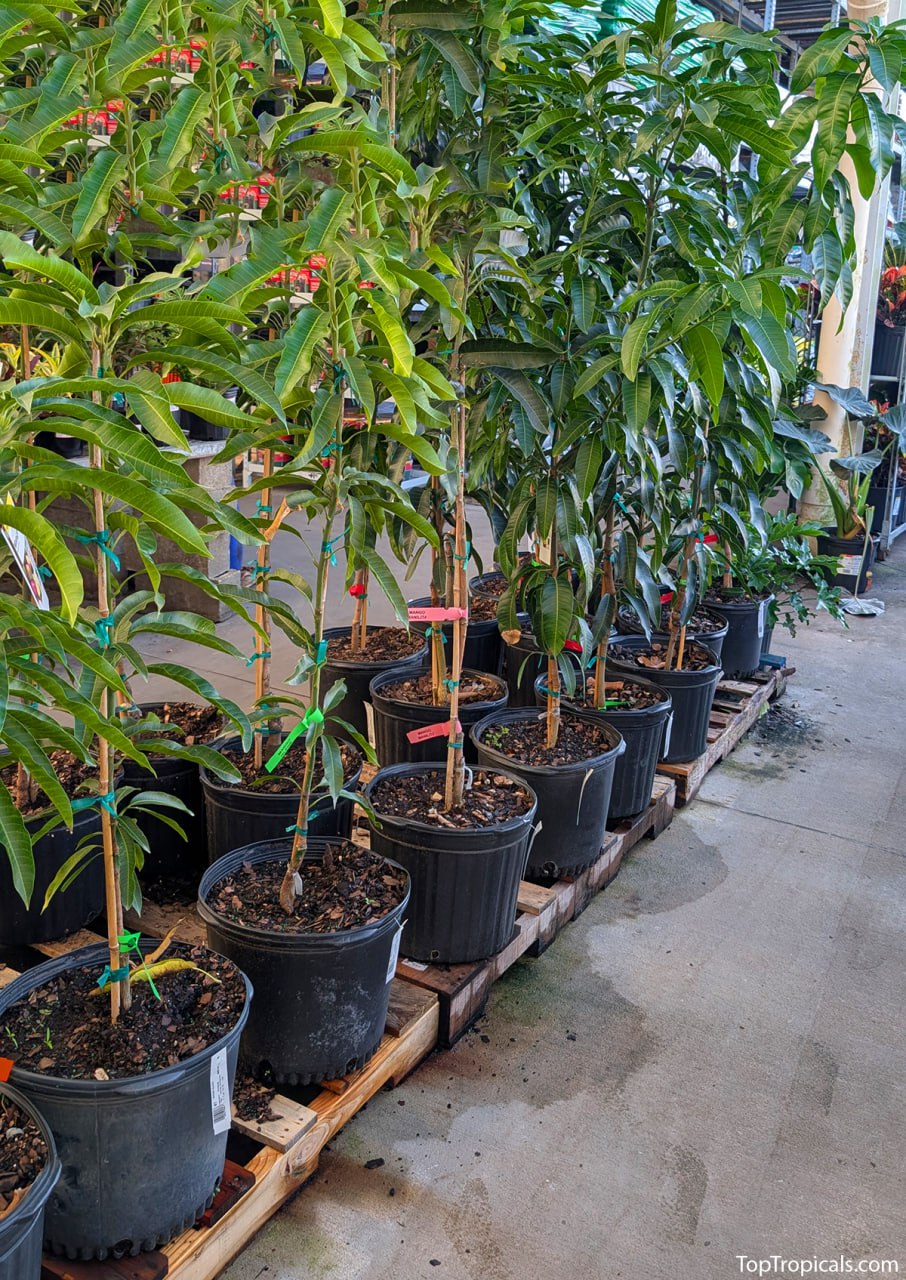
📸 Mango trees in 7 gal pots with"nursery-style"bamboo stakes that create a neat"standard". When stepping up or planting in the ground, attach a new stake and keep it away from the trunk.
Center of the world tree that stops traffic in Florida - now fits in a pot
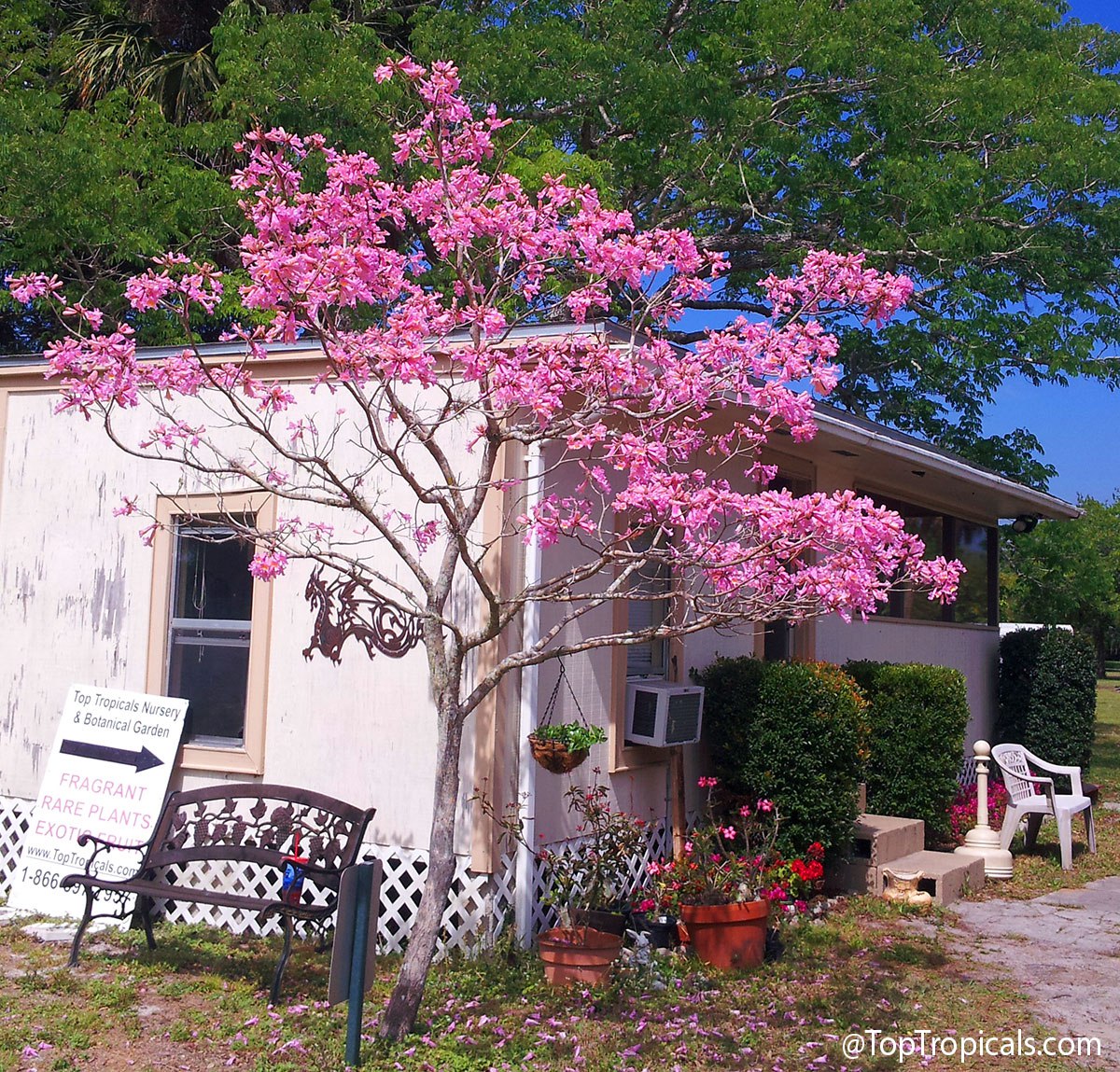
Ceiba Dwarf Pink Princess
🗿 Center of the world tree that stops traffic in Florida - now fits in a pot
🎥 Ceiba Dwarf Pink Princess
🌸 If you’ve ever visited Florida in winter, you’ve probably seen those unbelievable pink trees in full bloom - that’s a Ceiba (Chorisia) speciosa, also known as the Kapok or Pink Silk Floss tree, famous for its hibiscus-like flowers and fluffy silk pods.
🌸 The problem? The classic Ceiba can grow 40 feet tall.
This one doesn’t! Ceiba hybrid Dwarf Pink Princess stays compact - about 8-12 feet in the ground and even smaller in a pot.
And unlike seed-grown trees, this one blooms right away because it’s grafted! No long wait.
🌸 In winter, it drops most of its leaves and explodes into thousands of soft pink flowers. Same wow factor. Just a fraction of the size.
Perfect for small yards, patios, balconies, or anyone who wants a show-stopping winter tree without committing to a giant.
🌸 #Fun_facts: the ancient Maya believed the Ceiba was the sacred tree at the center of the world, connecting earth to the sky.
🌸 So yes… You can officially say you’re growing the center of the world in your backyard.