Garden Blog - Top Tropicals

Date: 30 Mar 2026

How big does the Condo Mango grow?
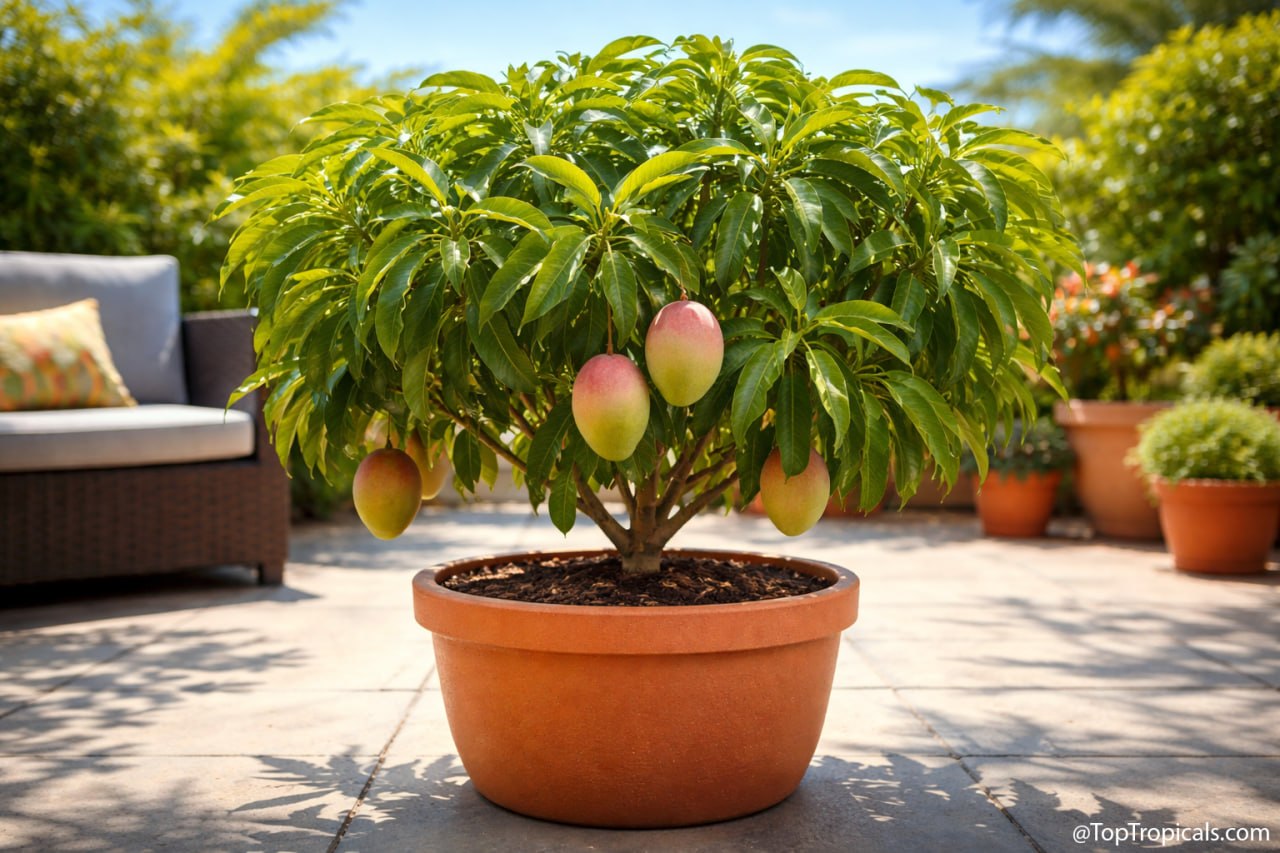
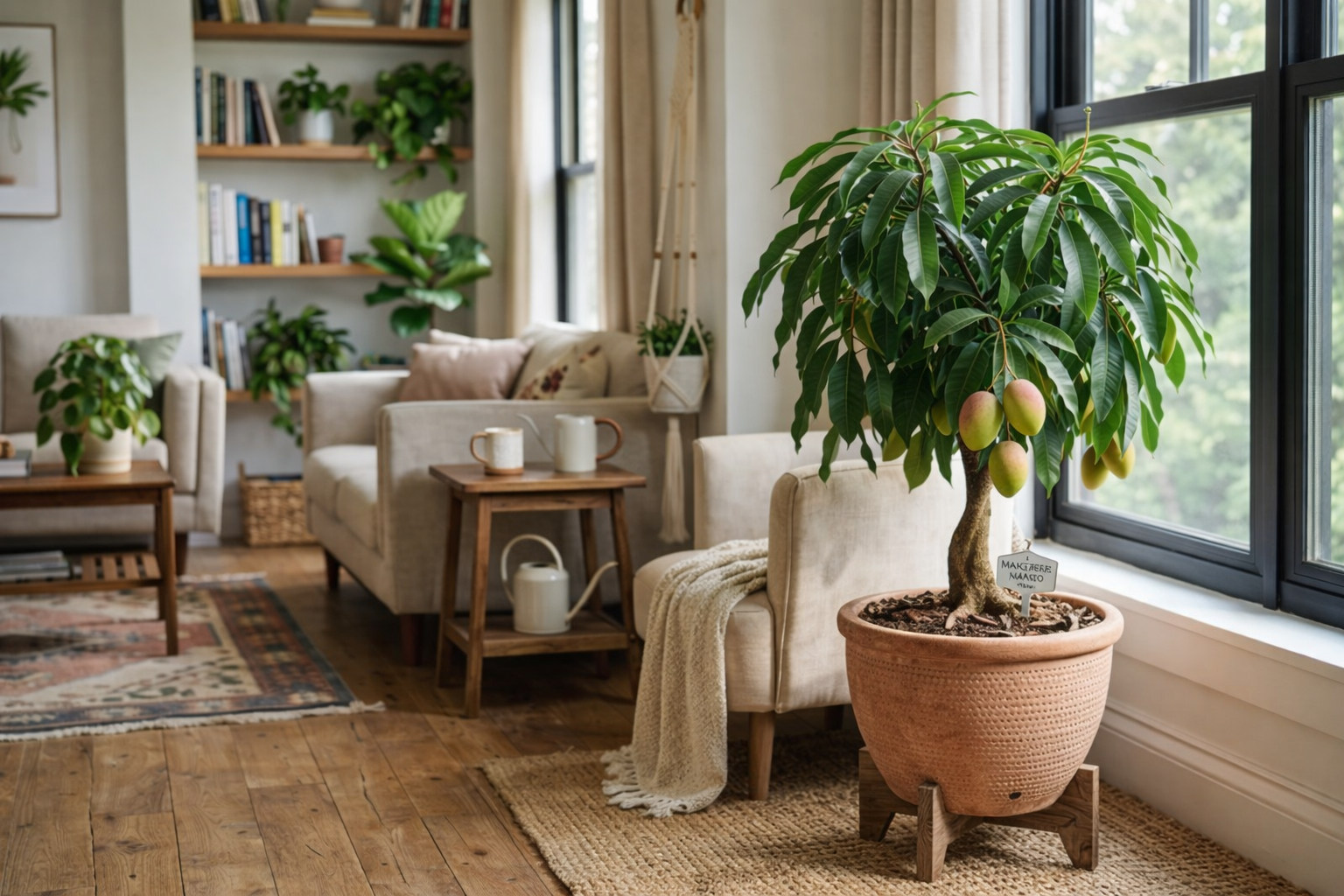
Mango tree fruiting in container

Mango tree fruiting in container

How big does the Condo Mango grow? 🥭

All mango trees are naturally vigorous and, if planted in the ground, they all can grow into full-size trees reaching 15-20 ft or more. The term "Condo Mango" refers to varieties with a more compact growth habit that can be kept small in containers with light pruning. In a pot, their size is controlled by root space and regular trimming, allowing them to stay manageable and productive for many years. Here is how:
  • 🥭 Condo mango = mango trees that stay compact in containers with light pruning.

  • ✔️ In ground: 15–20+ ft
  • ✔️ In pots: keep them 6–8 ft


🥭 Best pot sizes

  • · 3-7 gal - starter (3–6 months)
  • · 7-5 gal - young tree (1–2 years)
  • · 15-25 gal - ideal long-term
  • · 25-40 gal - faster growth, more pruning

  • 👉 Smaller pot = easier care
  • 👉 Bigger pot = more growth + more work


🥭 Best mango types for containers


True dwarf (easiest)
Minimal pruning, perfect patio trees

Baptiste
Carrie
Cogshall
Diamond
Ice Cream
Julie
Little Gem
Mallika
Manilita
Nam Doc Mai
Pickering
Rapoza (Dwarf Hawaiian)

Semi-dwarf (manageable)
More growth, bigger harvest, need more pruning

Cushman
Fairchild
Florigon
Fralan
Glenn
Graham
Irwin
Ivory
Keitt
Lancetilla
Lemon Meringue
Maha Chinook
Mun Kun Si
Neelum
Okrung
Philippine (Manila)
Val Carrie
Van Dyke
Venus

✂️ Simple rules that matter

  • · Keep tree 6–8 ft with pruning
  • · Use fast-draining soil (critical)
  • · Full sun = fruit
  • · Feed regularly - Green Magic + Mango Tango
  • · Repot or root-prune every few years


🛒 Select from Condo Mango varieties

📚 Learn more:
#Food_Forest #How_to #Discover #Mango

Plant Facts

Mangifera indica
Mango
USDA Zone: 9-11
Large tree taller than 20 ftSmall tree 10-20 ftFull sunModerate waterYellow, orange flowersPink flowersEdible plantSeaside, salt tolerant plant
🟢 Join 👉 TopTropicals

Date: 29 Mar 2026

We picked 6 adeniums - youll probably want all 6: Adenium rainbow

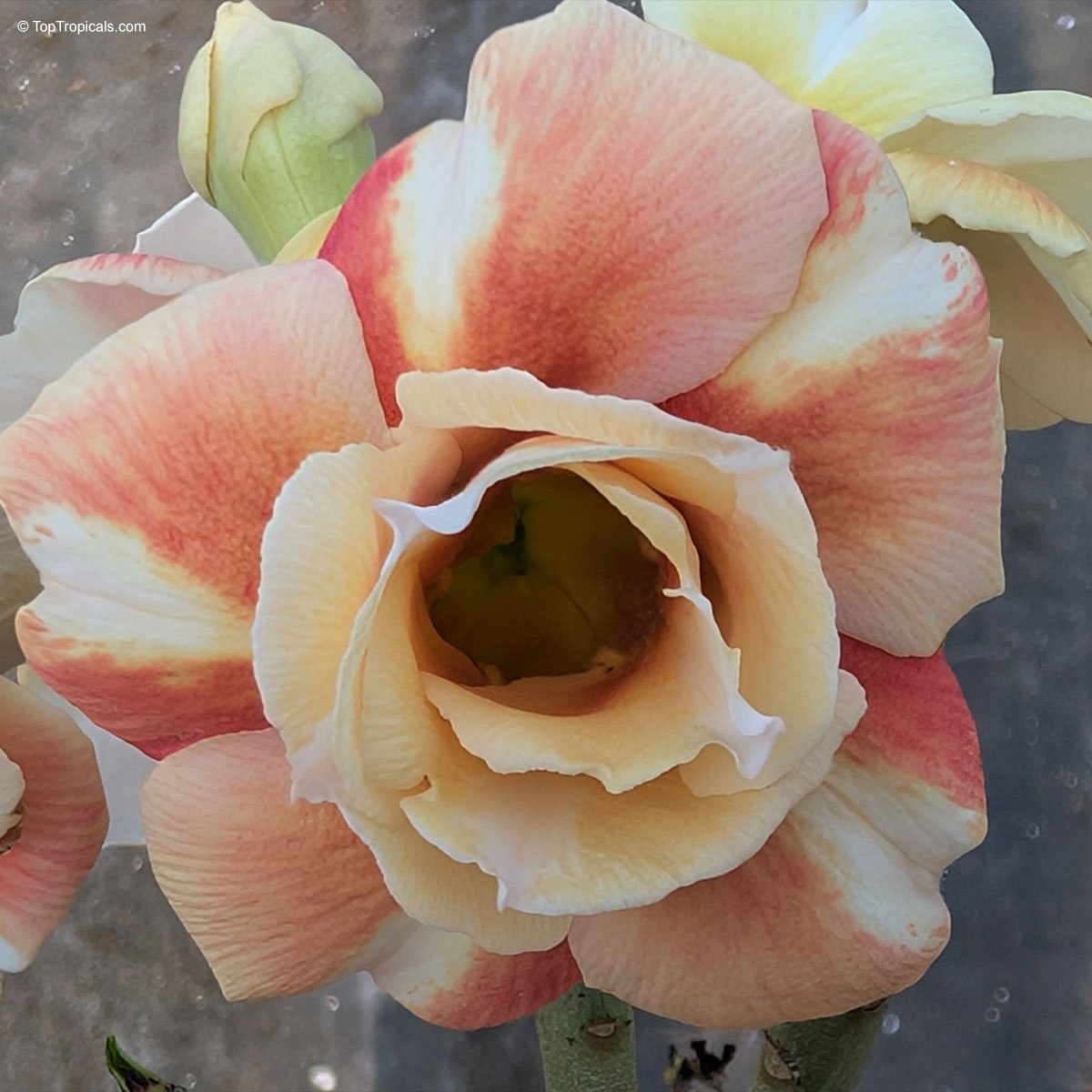
Adenium Caramel

Adenium Caramel

Adenium Bumblebee

Adenium Bumblebee

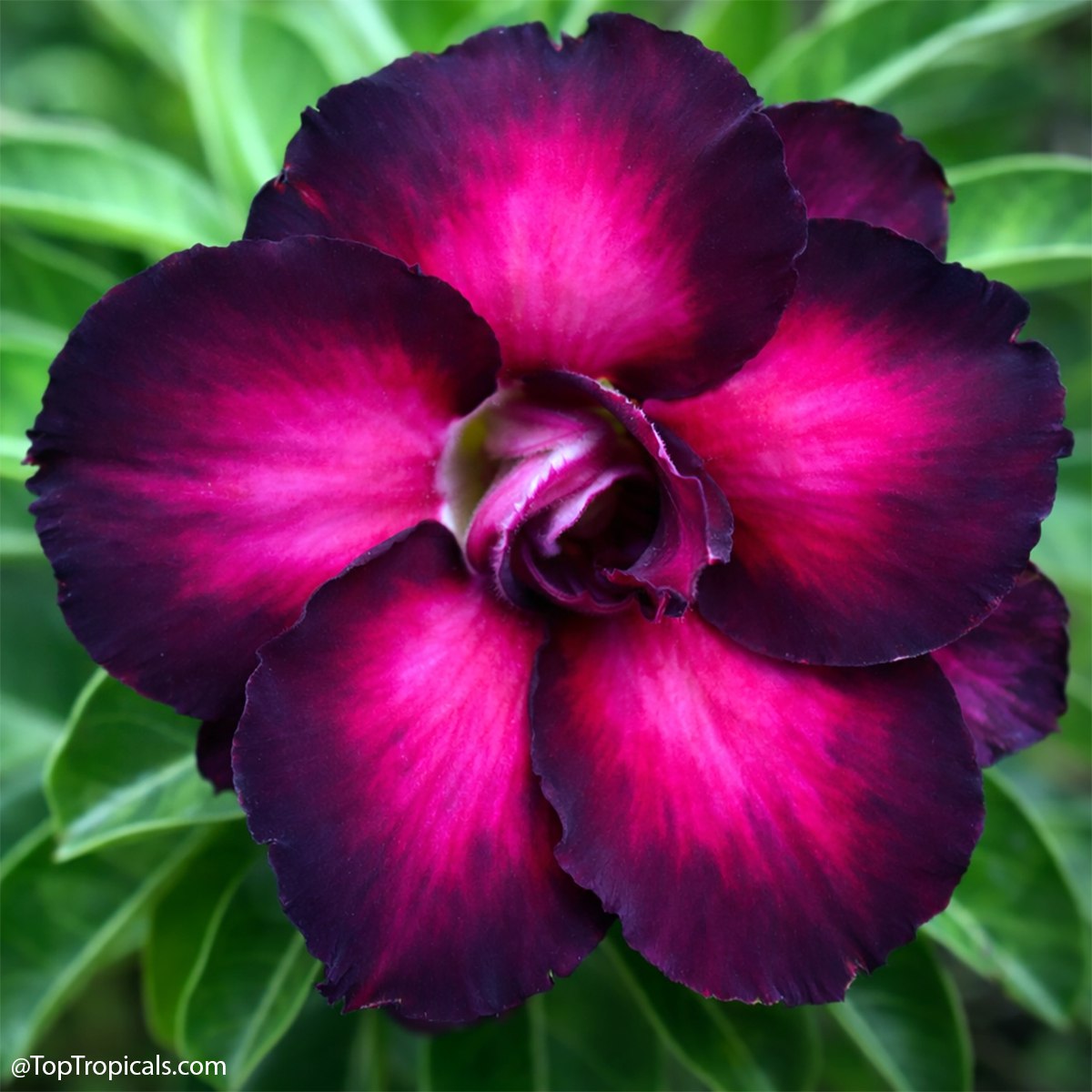
Adenium Purple Plum

Adenium Purple Plum

Adenium Pineapple

Adenium Pineapple

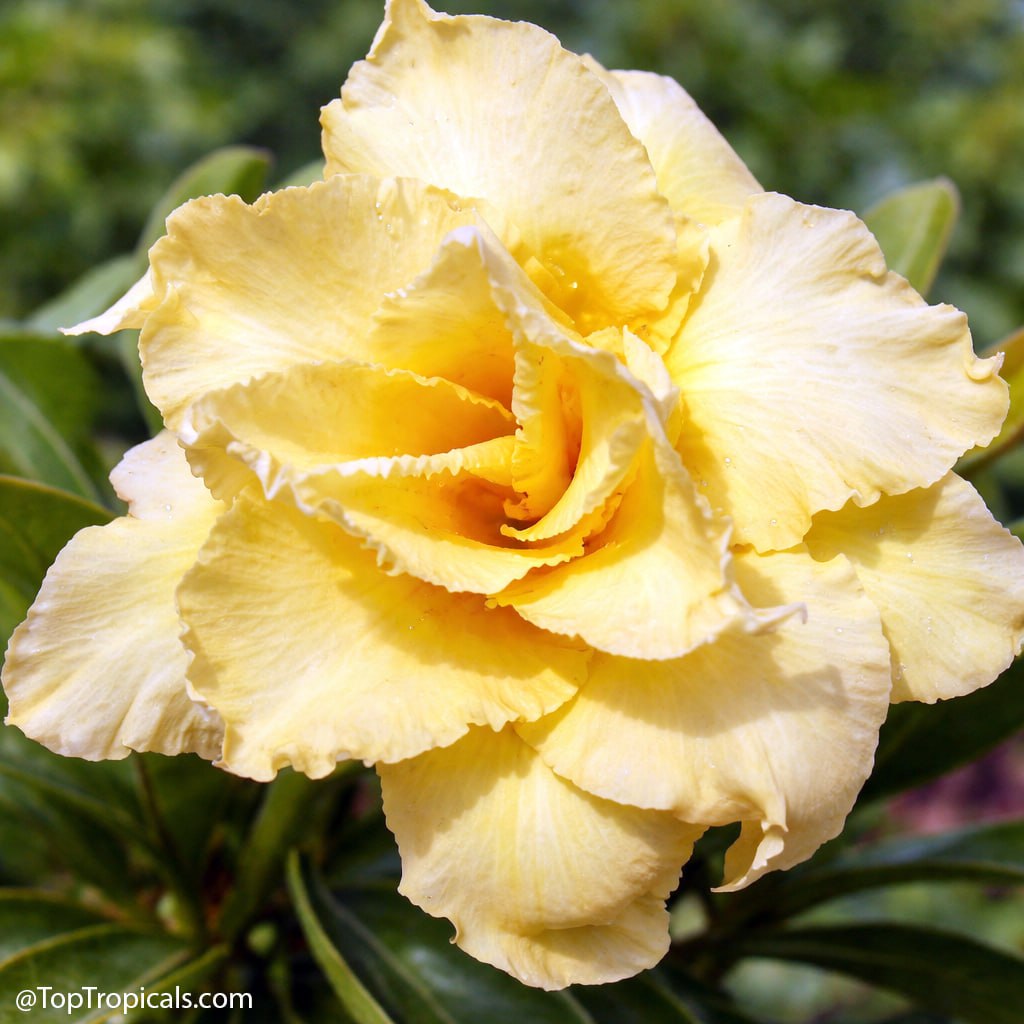
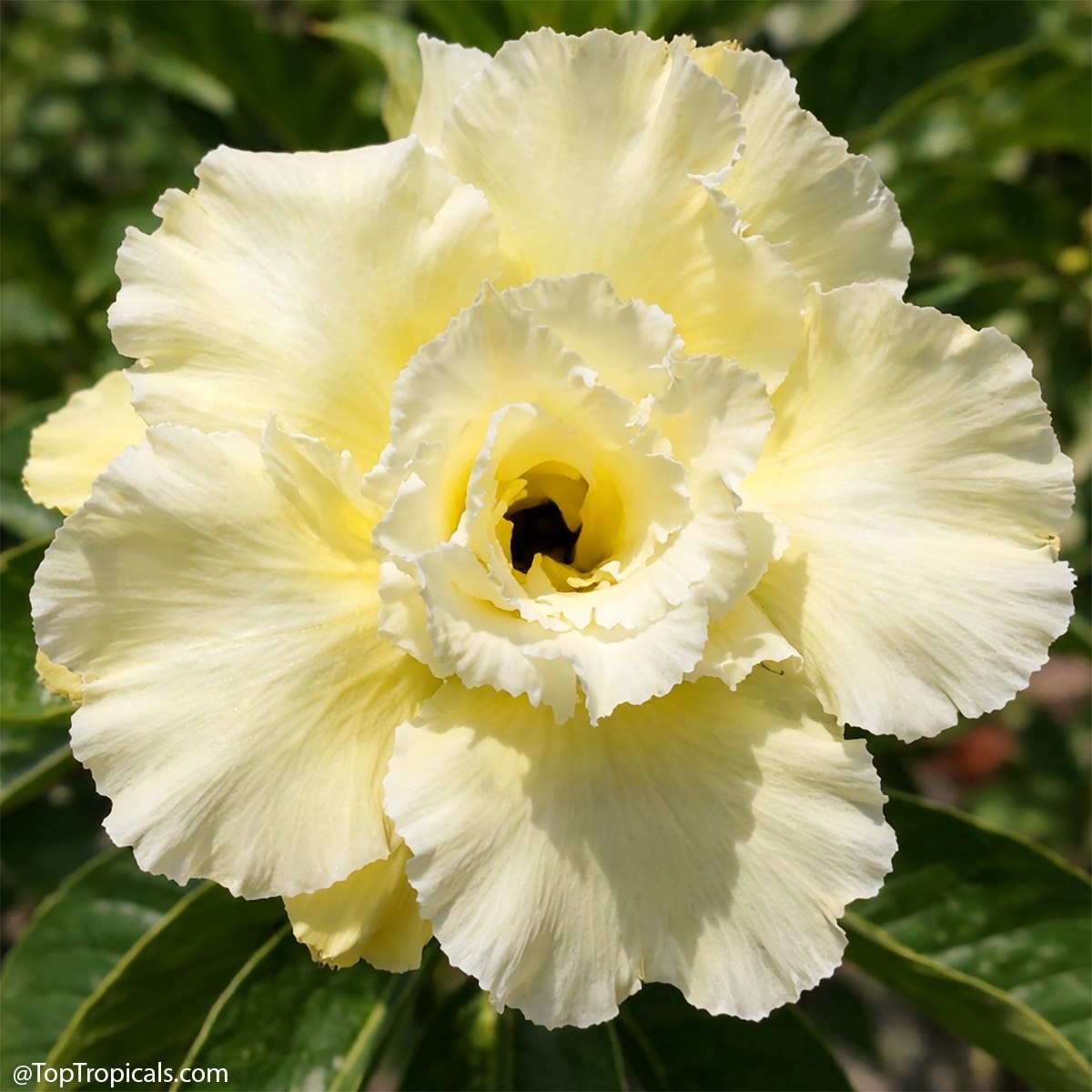
Adenium Vanilla Gold

Adenium Vanilla Gold

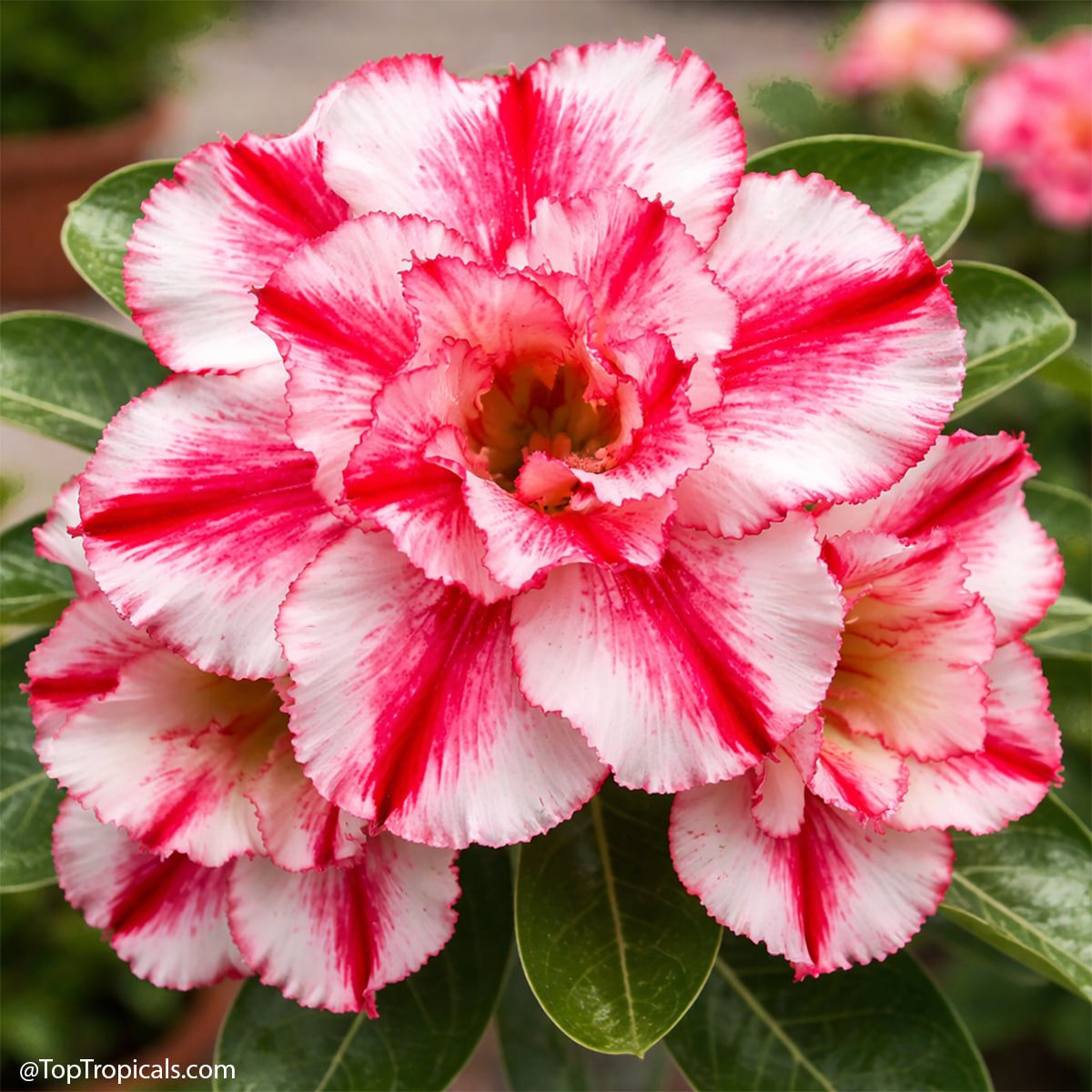
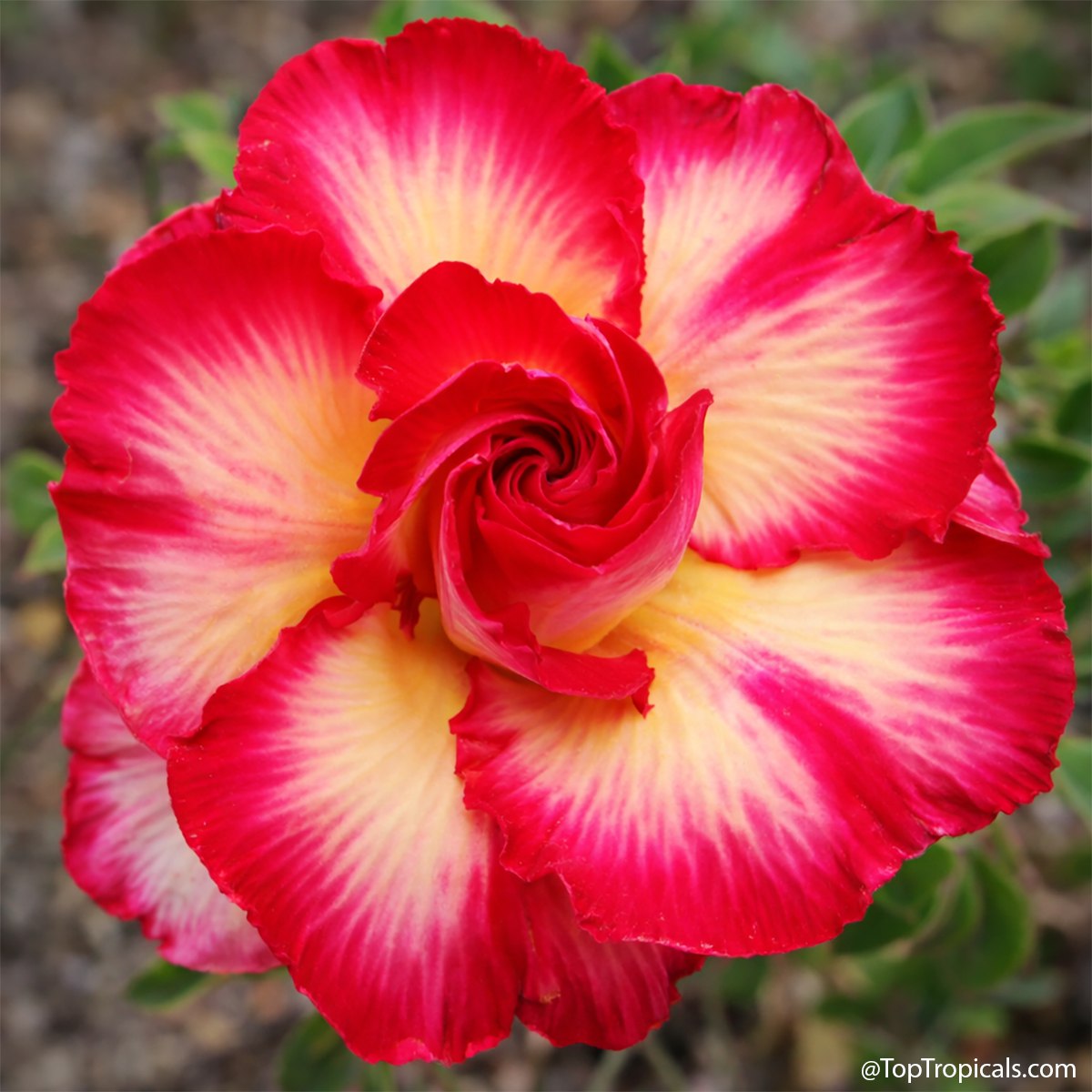
Adenium Multi Berry

Adenium Multi Berry

We picked 6 adeniums - you’ll probably want all 6: Adenium rainbow 🌈

Some adeniums go bright. Some go deep.
And some land right in that rich, warm middle.
This set leans into those “dessert” colors - creamy, golden, purple, and everything in between.
And yes, some varieties even come with fruity or “tasty” names
!

💡 Soil and watering tip


Adeniums are succulents, so they need excellent drainage and prefer to stay on the dry side.
Water deeply, then let the soil dry out before watering again.
No constant moisture.
The potting mix is just as important. It should be very рыхлый and fast-draining, with plenty of conditioners like perlite, bark, or vermiculite.
We recommend using a Adenium Soilless Mix for best results.

🌸 Today's featured adeniums

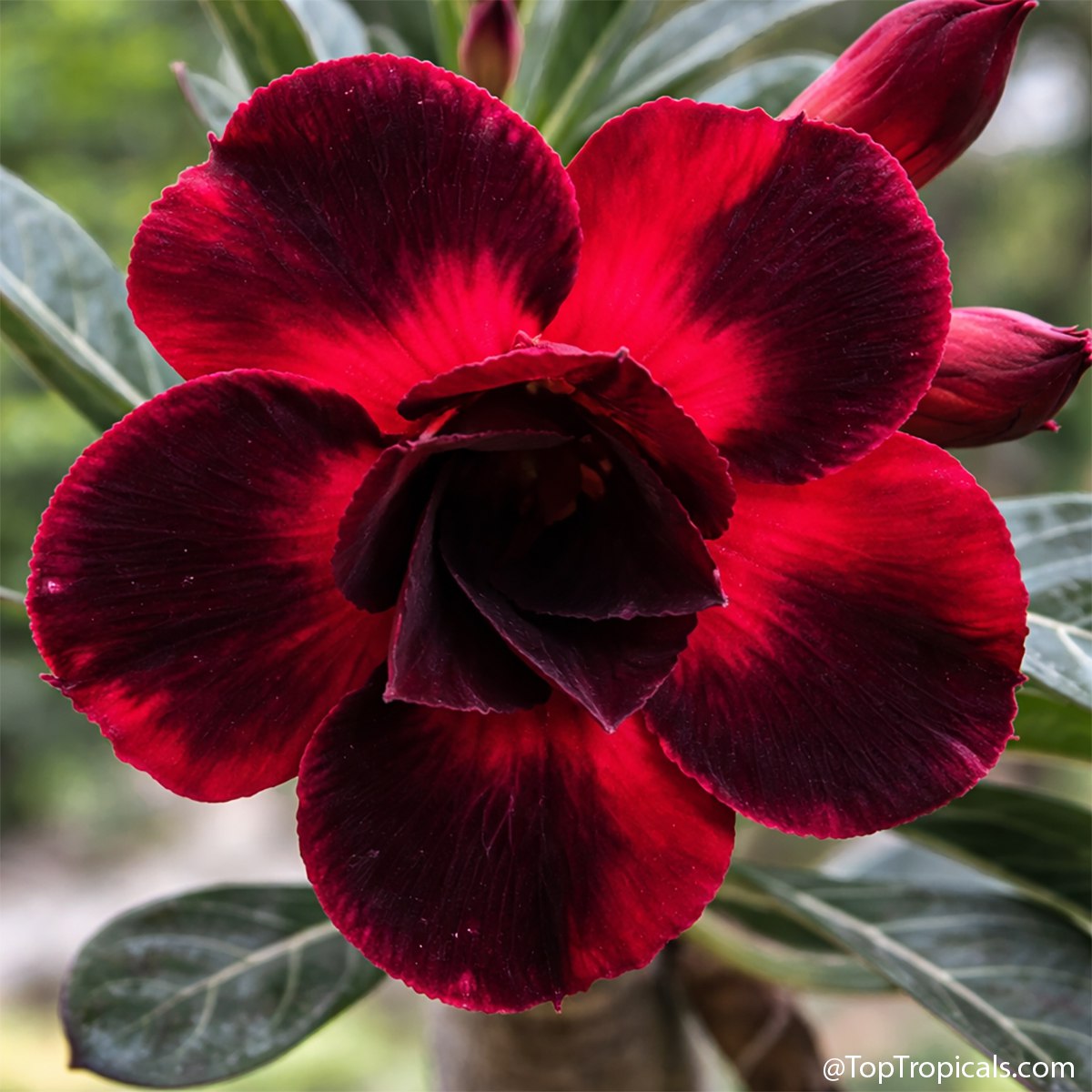
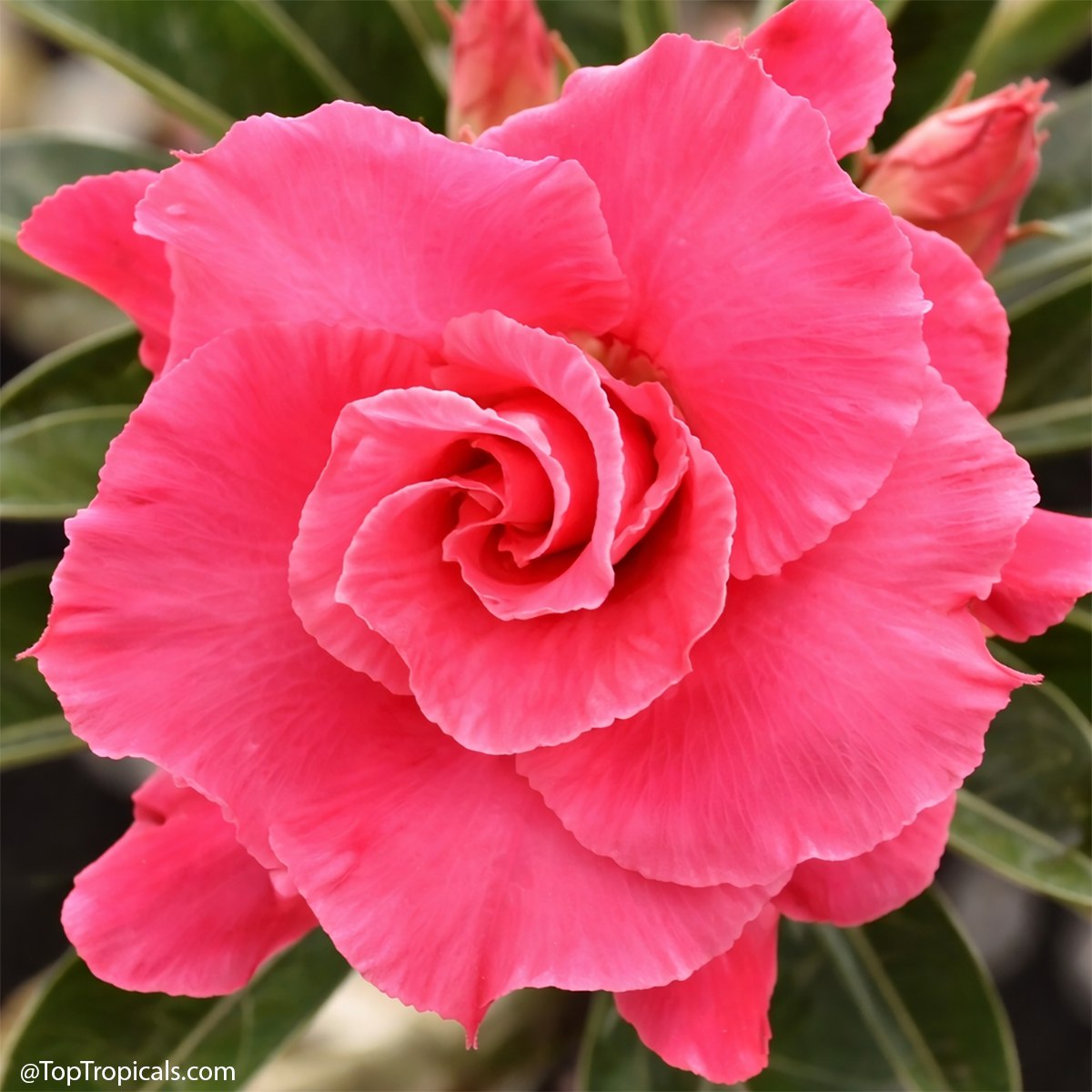
  •  ✦ Caramel: Warm, rich tones with a smooth, creamy look.
  •  ✦ Bumblebee: Bold contrast with bright yellow and dark patterning - very eye-catching.
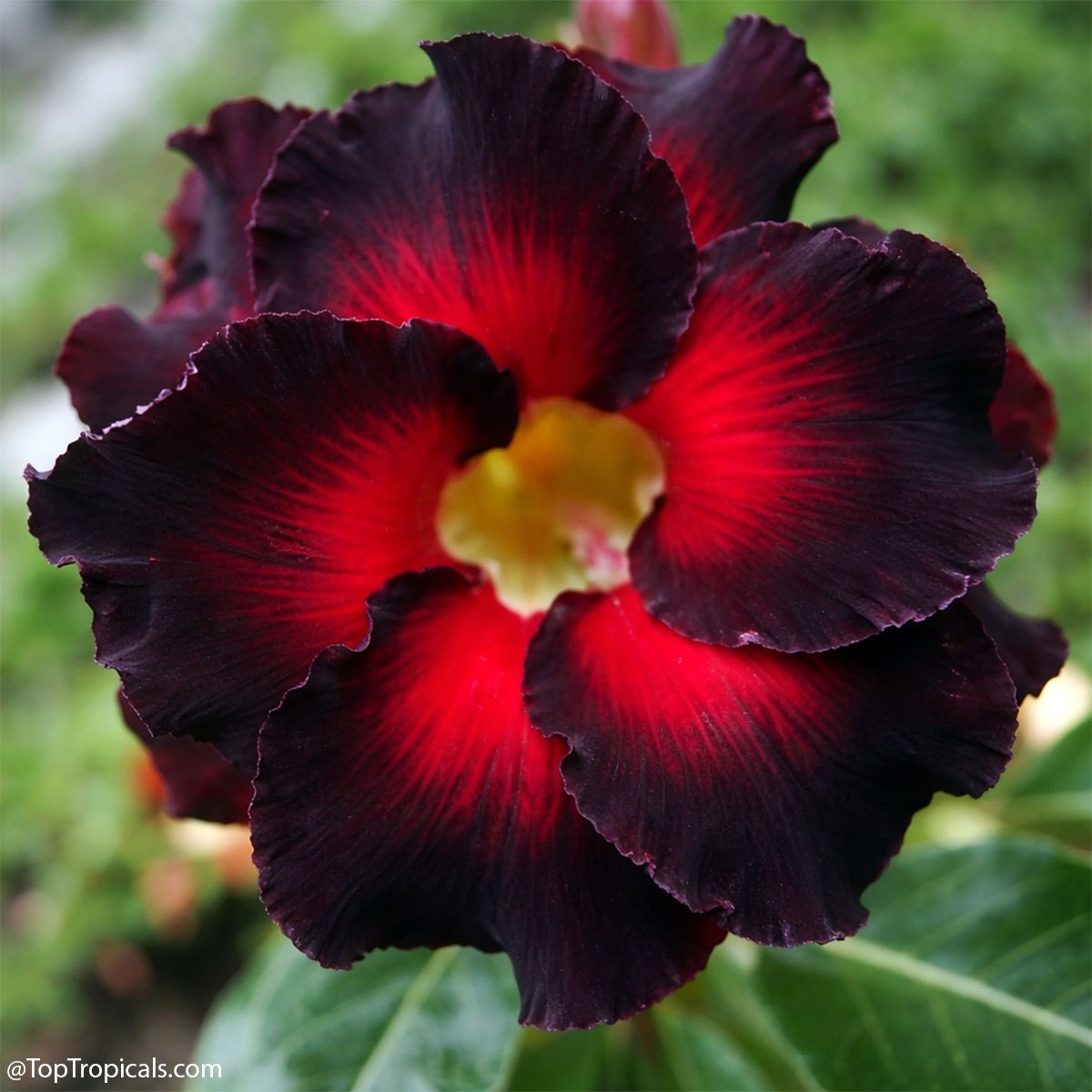
  •  ✦ Purple Plum: Deep purple shades with a deep, velvety feel.
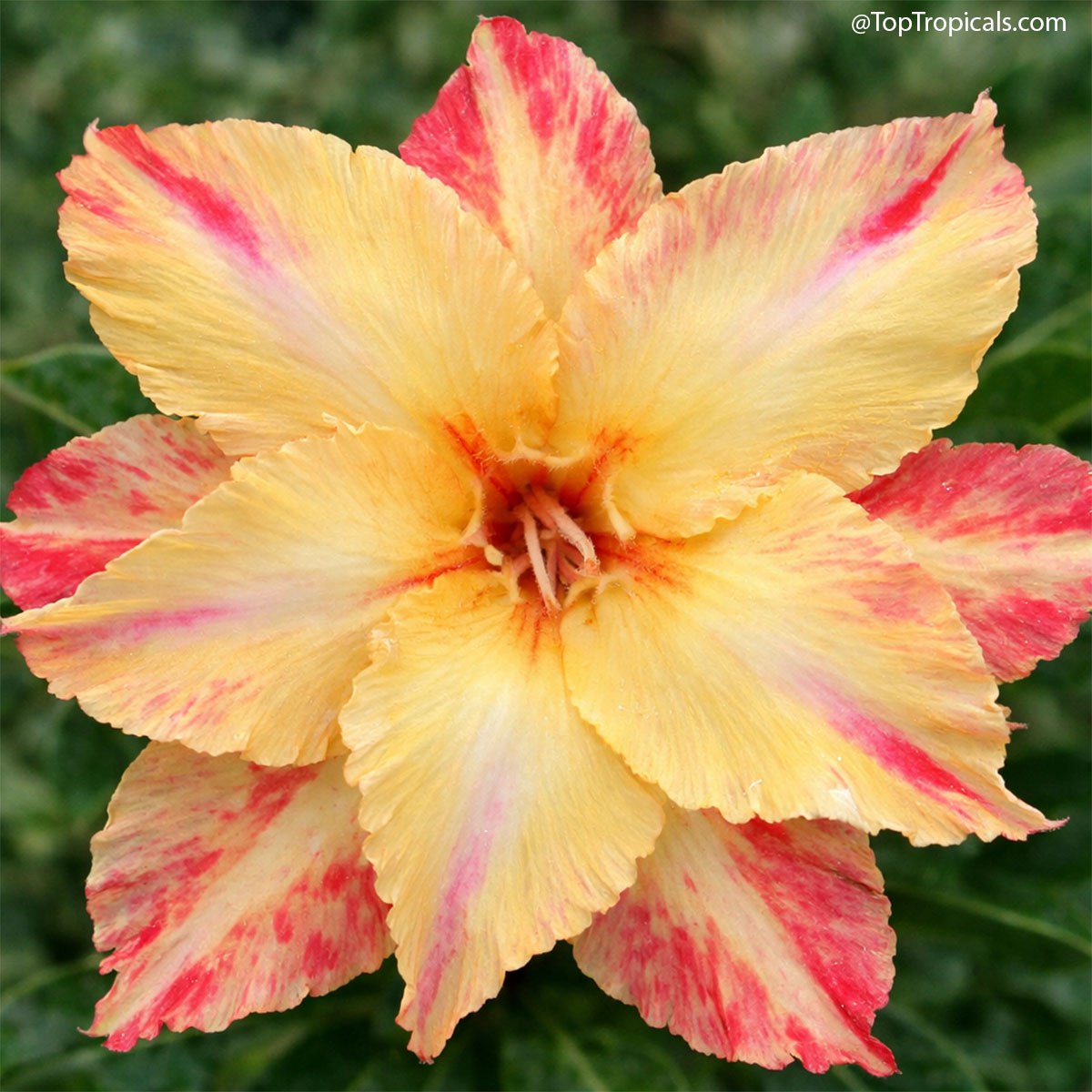
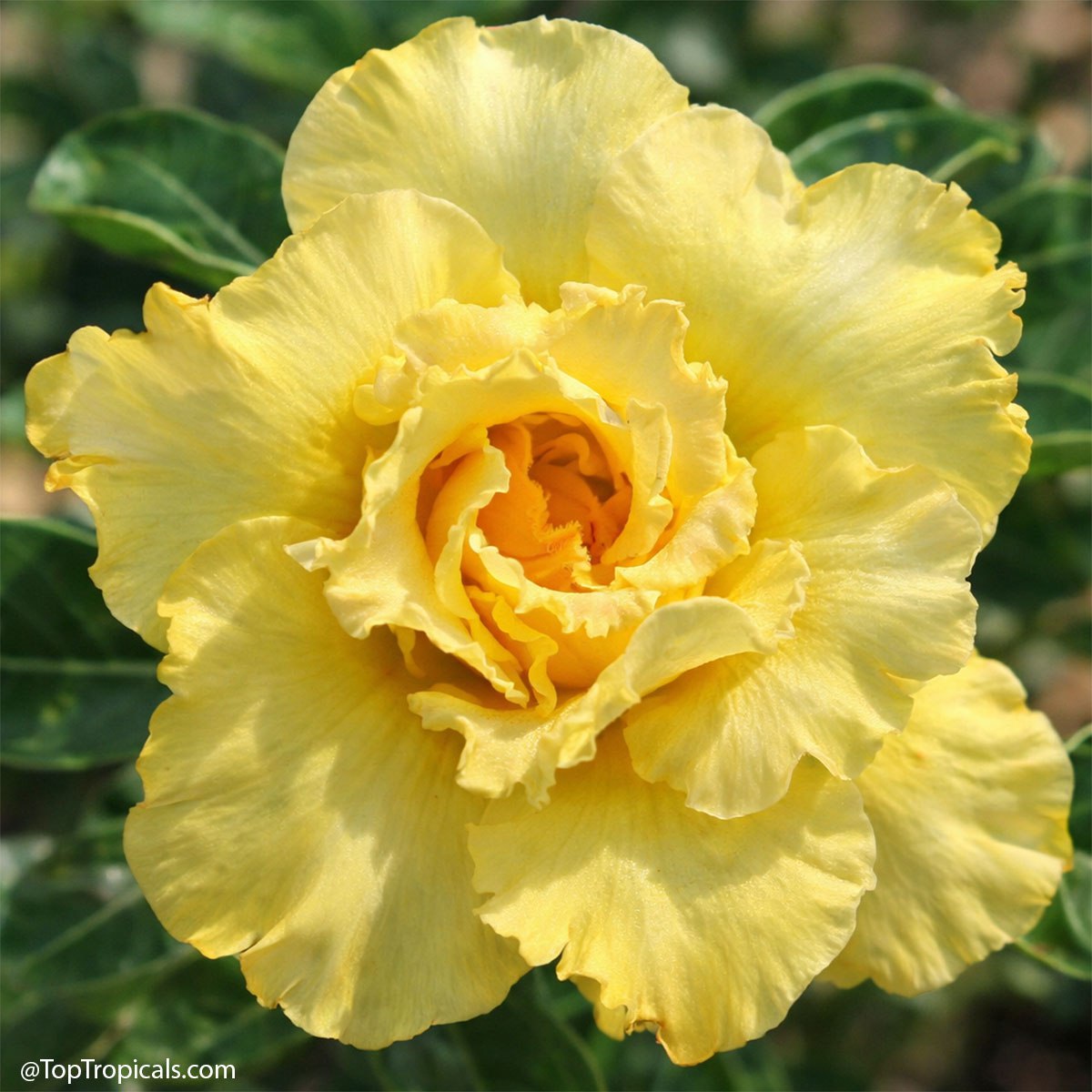
  •  ✦ Pineapple: Fresh yellow tones that feel light and tropical.
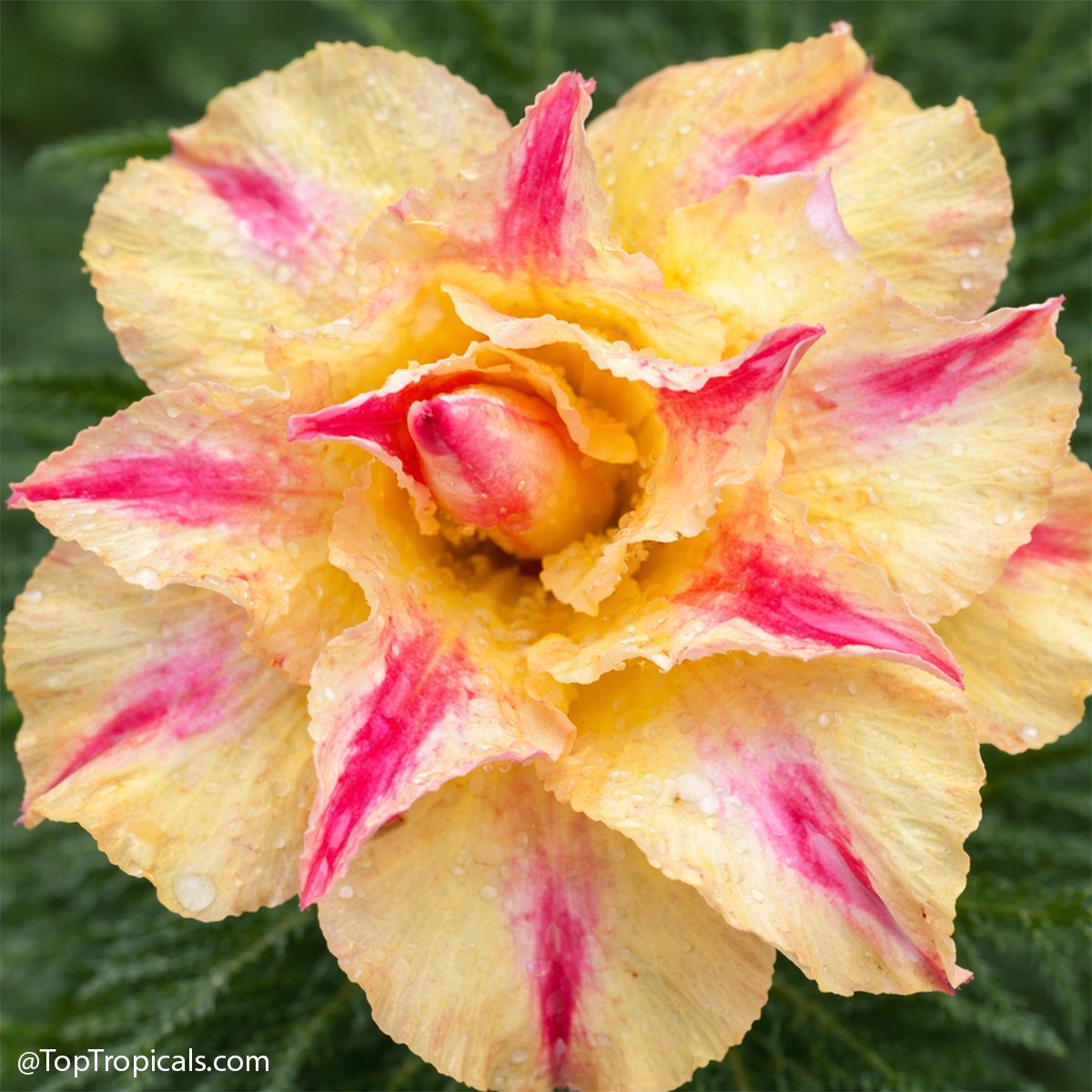
  •  ✦ Vanilla Gold: Soft golden color with a clean, balanced form.
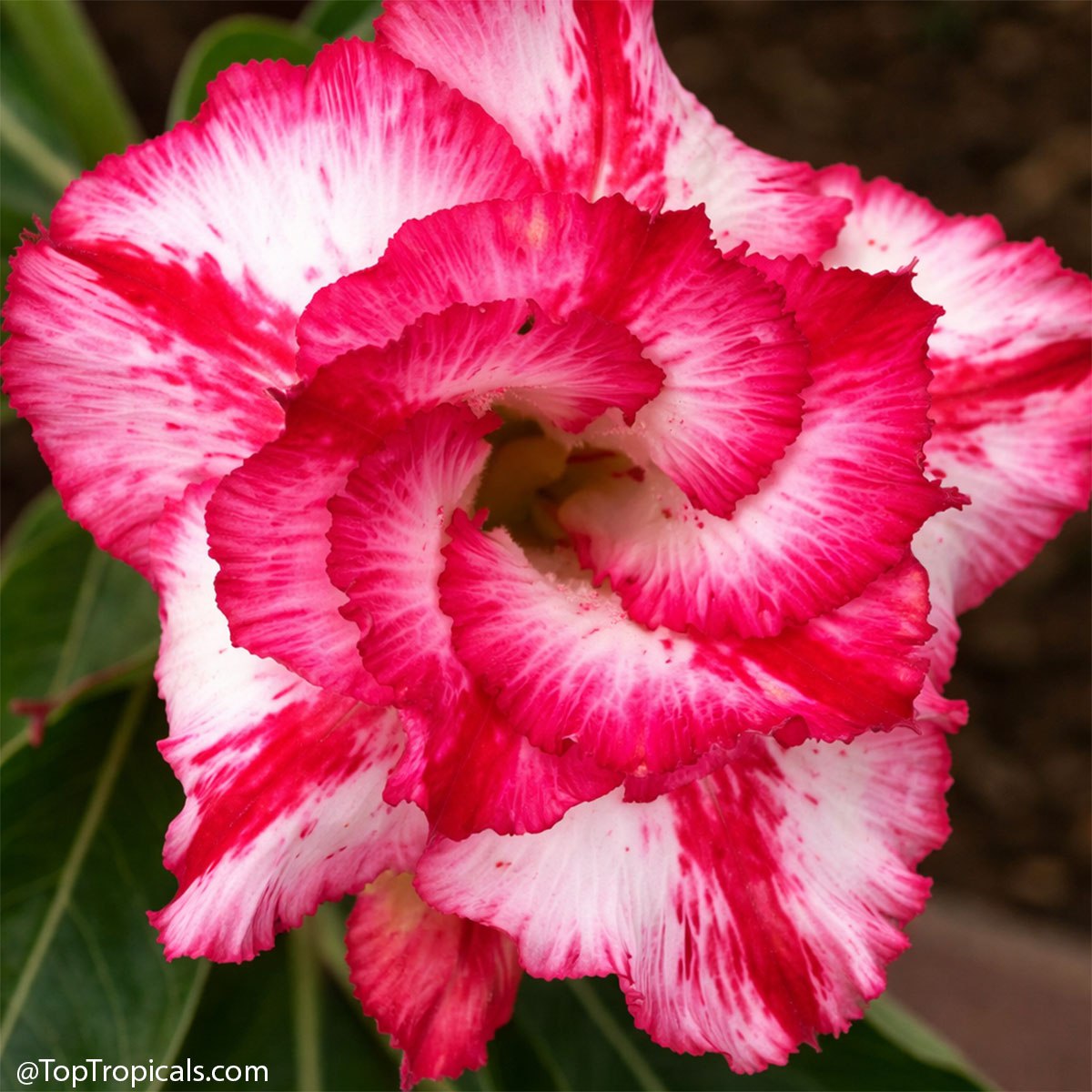
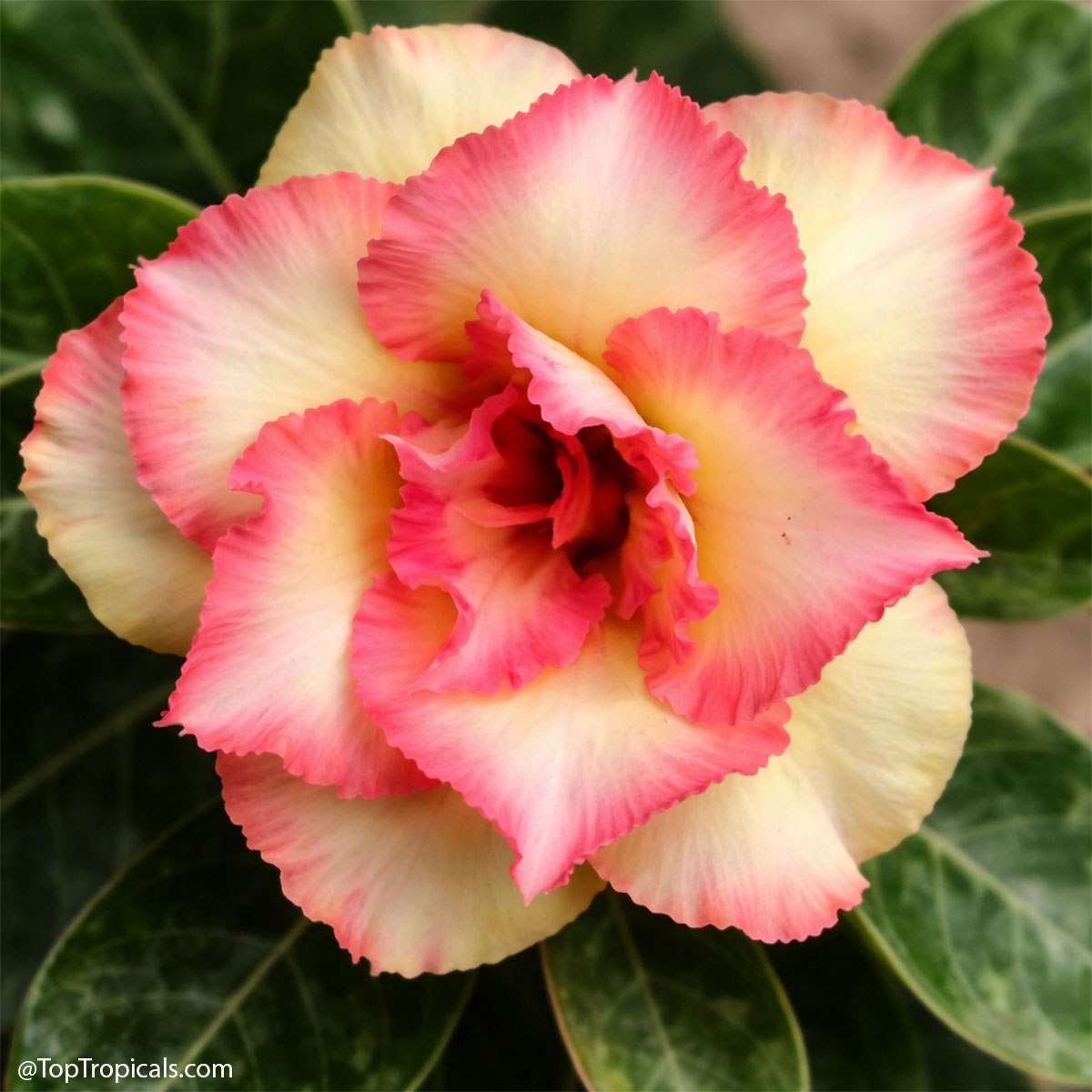
  •  ✦ Multi Berry: Blend of pinks and reds that gives it a layered, mixed-fruit look.

This kind of mix makes a collection feel warm and inviting - not just colorful, but full of depth.
And once you dial in soil and watering - everything else gets a lot easier.

🛒 Explore Exotic Thai Adeniums

📚 Learn more:

Plant Facts

Adenium sp.
Adenium, Desert Rose, Impala Lily
USDA Zone: 9-11
Plant with caudexLarge shrub 5-10 ft tallSmall tree 10-20 ftFull sunDry conditionsModerate waterYellow, orange flowersRed, crimson, vinous flowersUnusual colorBlue, lavender, purple flowersWhite, off-white flowersPink flowersToxic or Poisonous

#Container_Garden #Adeniums #How_to #Discover

🟢 Join 👉 TopTropicals

Date: 27 Mar 2026

A few adeniums you dont want to miss: Adenium rainbow

Adenium Beauty

Adenium Beauty

Adenium Chok Sedthee

Adenium Chok Sedthee

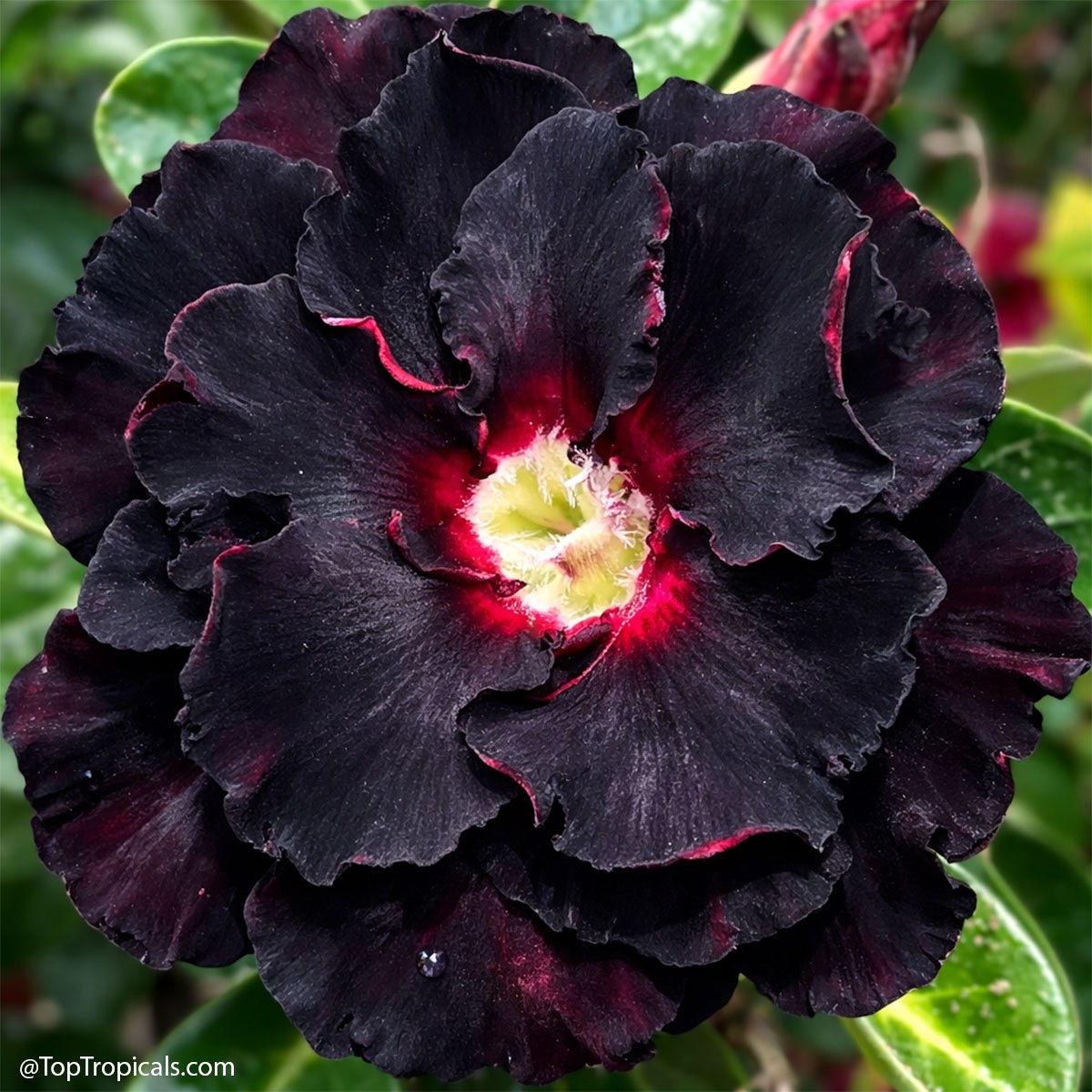
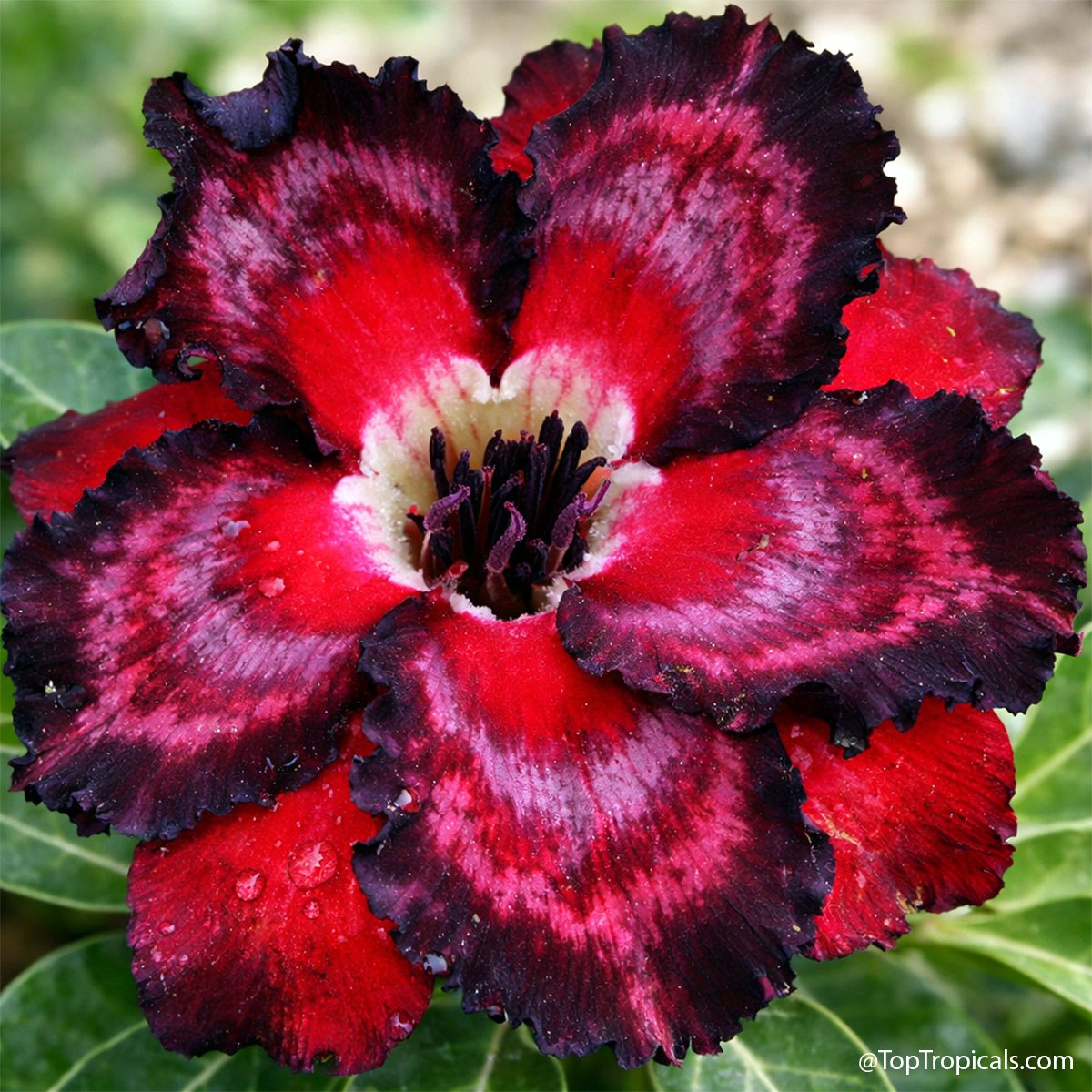
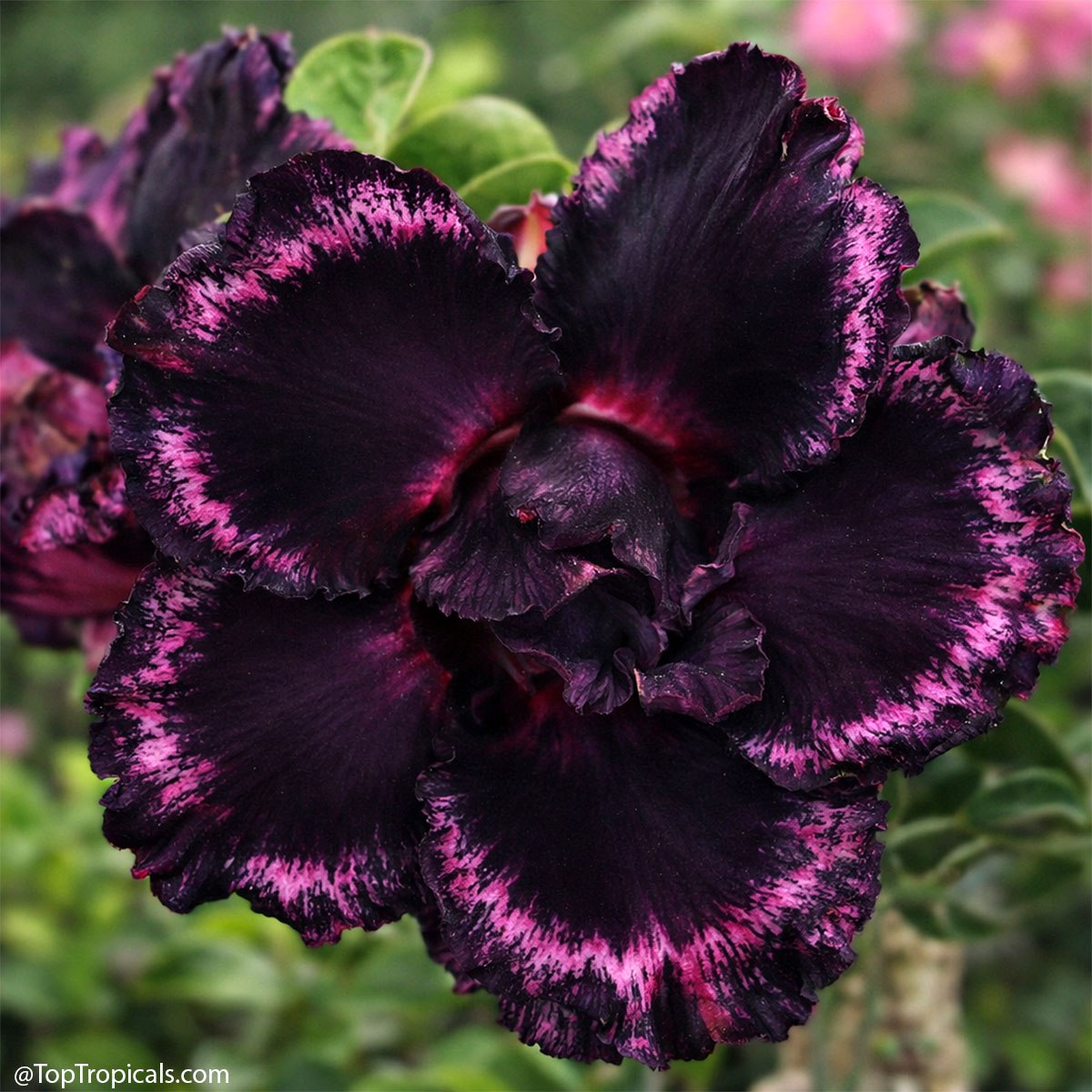
Adenium Black Dragon

Adenium Black Dragon

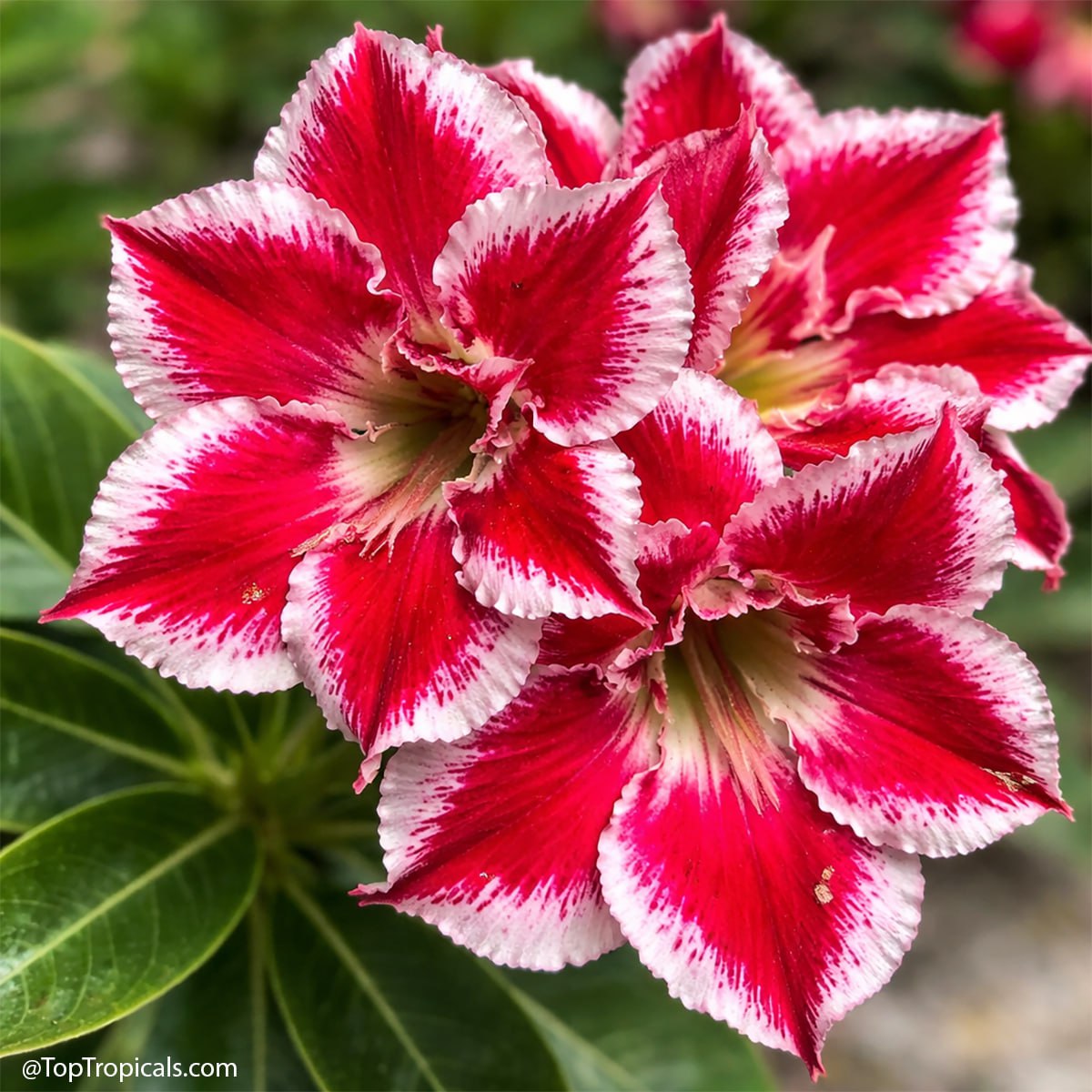
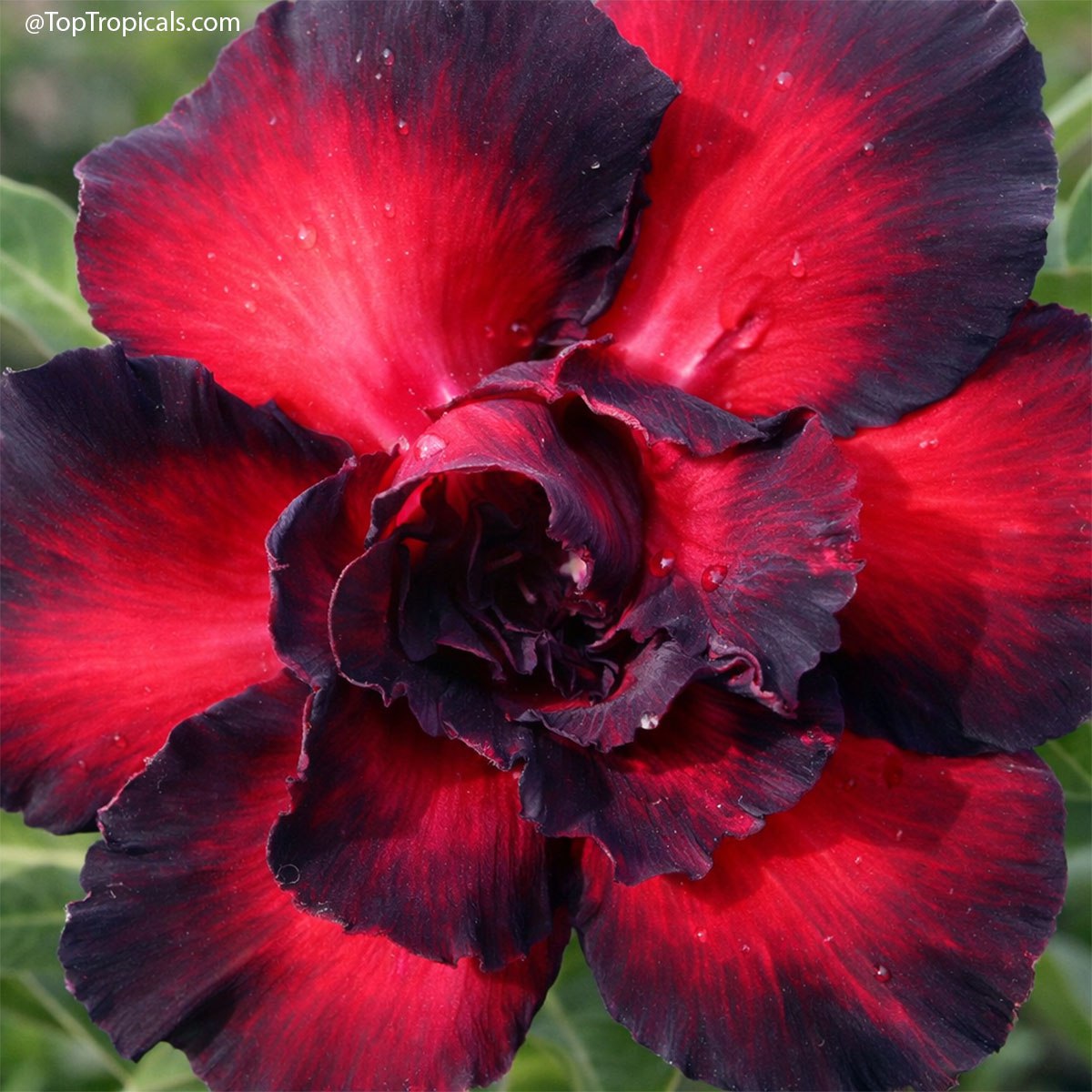
Adenium Red Dragon

Adenium Red Dragon

Adenium Jasmine

Adenium Jasmine

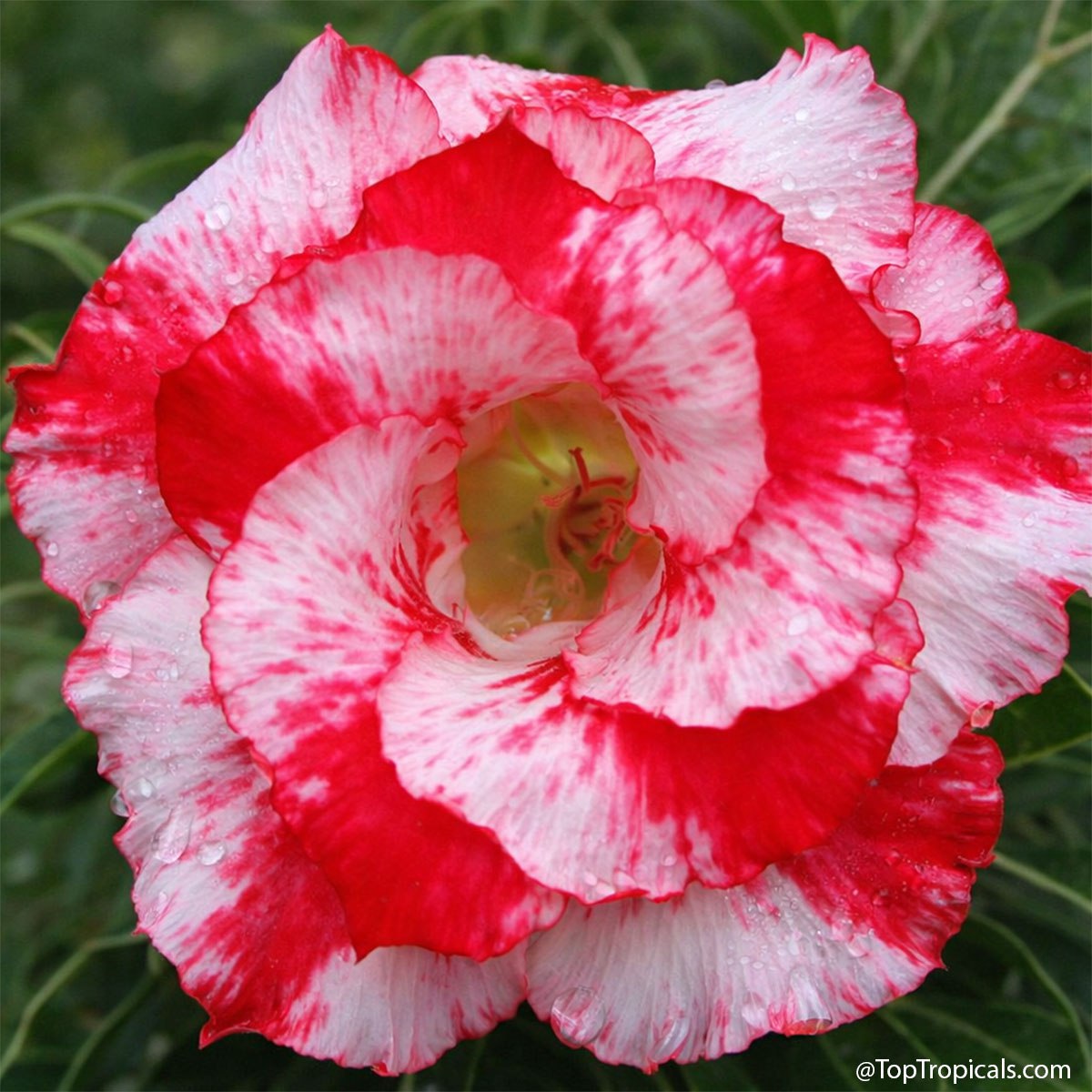
Adenium Marygold

Adenium Marygold

A few adeniums you don’t want to miss: Adenium rainbow 🌈

Some adeniums bring color.
Some bring character.
And some… bring both.
This mix has a bit of everything - strong reds, deep tones, and soft floral shapes that balance it all out.


💡 Trimming tip


It’s always hard to cut back a branch… especially when it’s blooming.
But with adeniums, trimming is key.
After flowering, cut back leggy growth. This encourages branching, and more branches mean more flower buds.
It may feel like you’re losing blooms now - but you’re setting up a much bigger show next.
Trim, let it branch, and you’ll be rewarded with multiple blooms instead of just one.

🌸 Today's featured adeniums

  •  ✦ Beauty: Soft, balanced bloom with a clean look - simple and pleasing.
  •  ✦ Chok Sedthee: Name tied to wealth and success - a strong grower with presence.
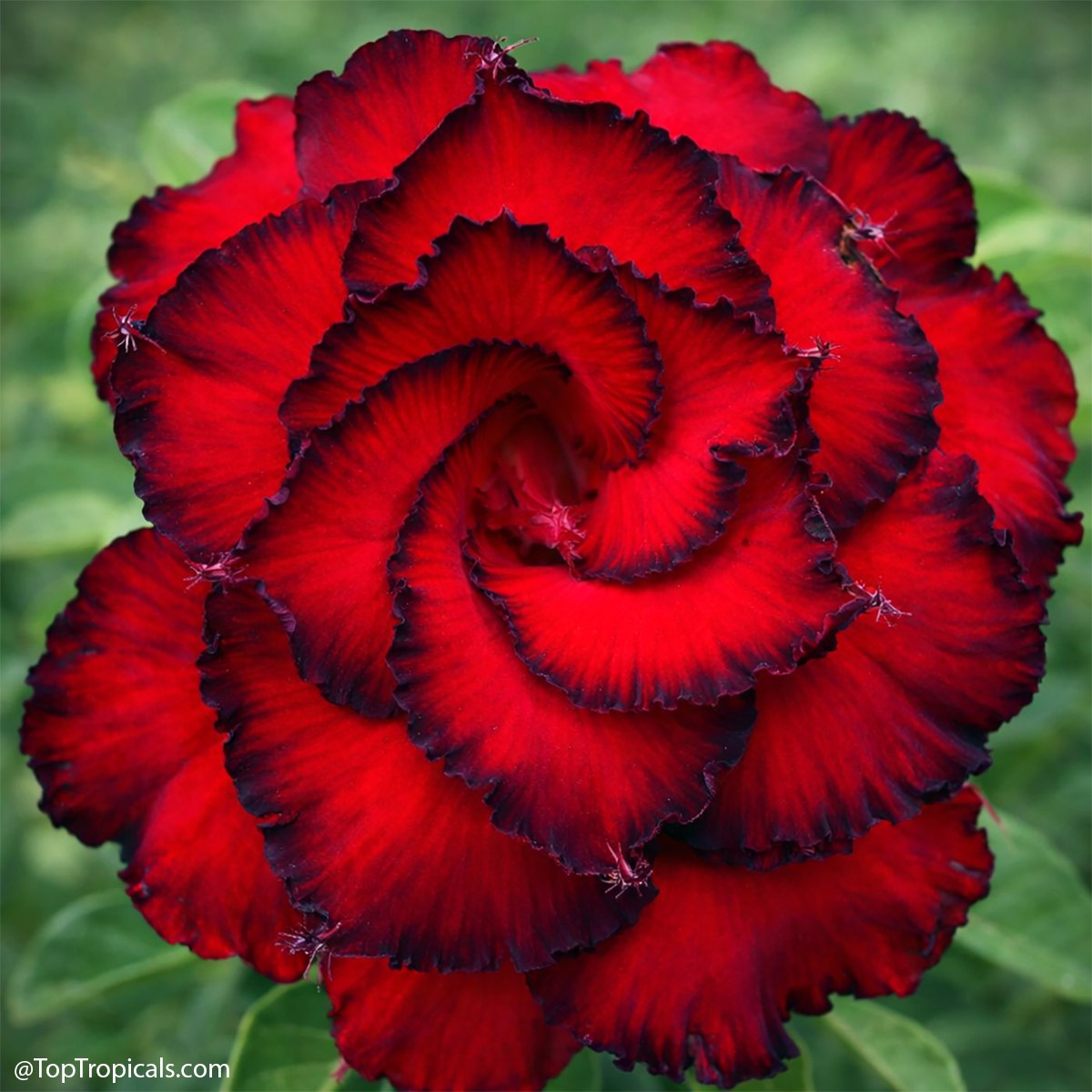
  •  ✦ Black Dragon: Deep, intense tones with a bold, powerful look.
  •  ✦ Red Dragon: Bright red blooms with strong energy - hard to miss.
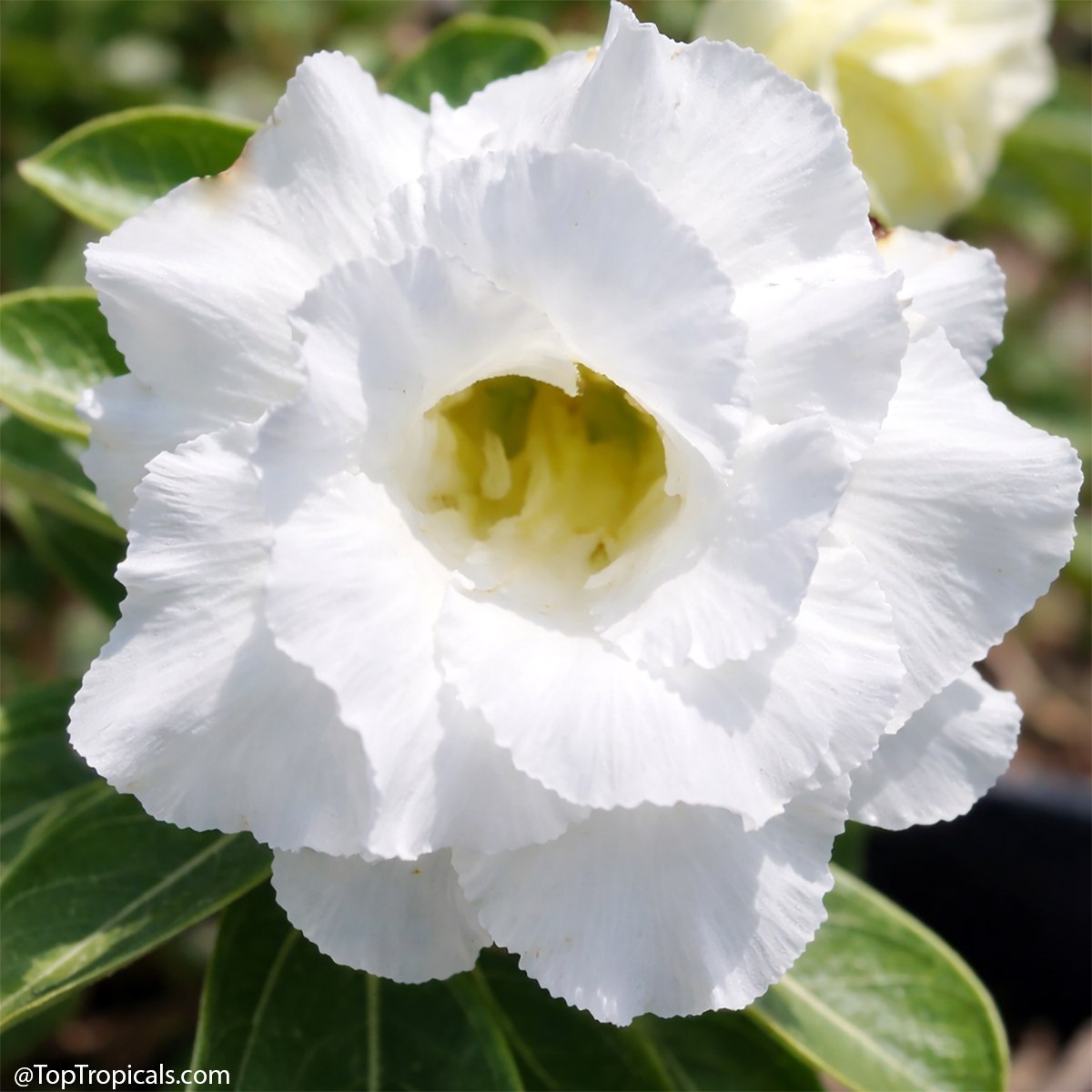
  •  ✦ Jasmine: Light, delicate feel with a more refined floral look.
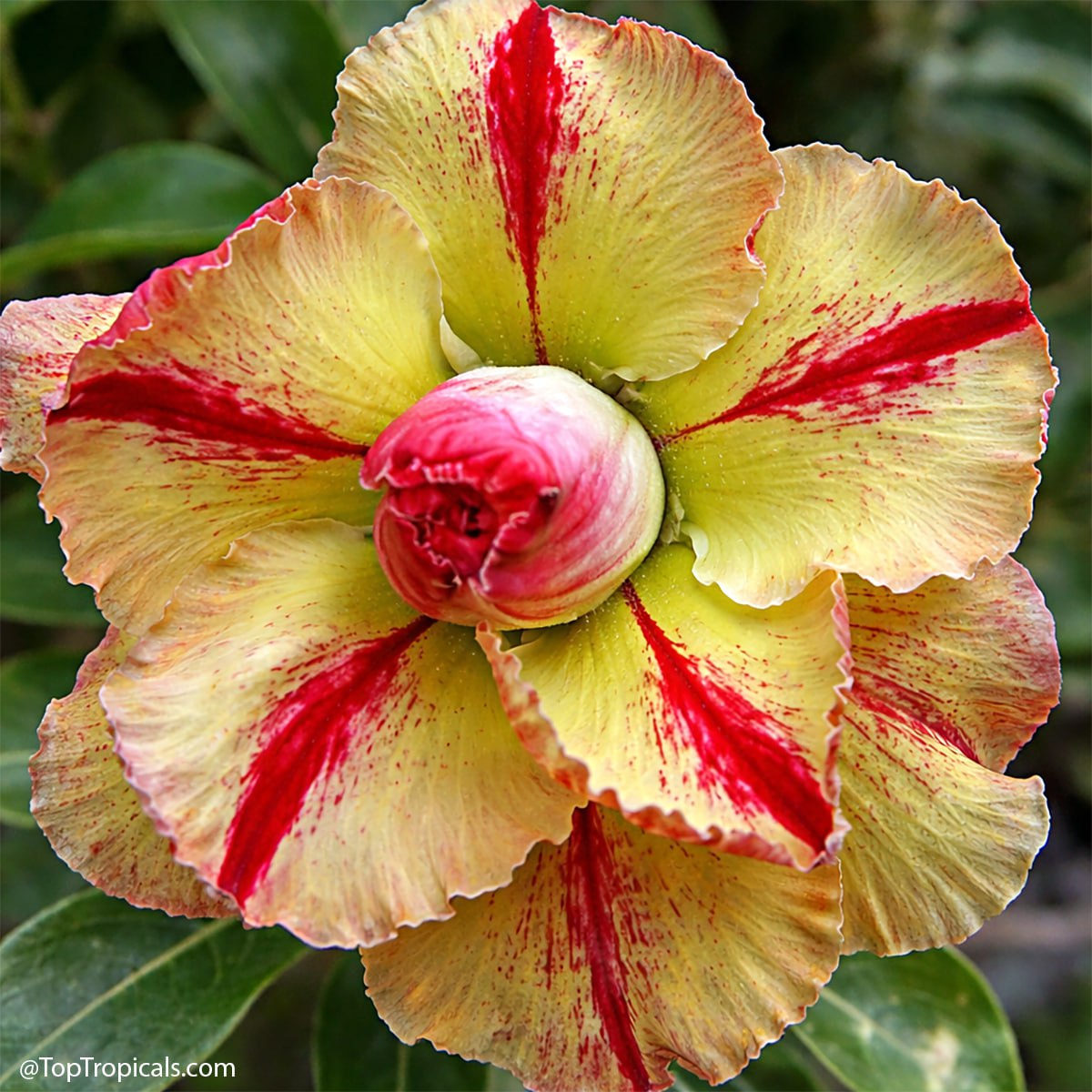
  •  ✦ Marygold: Warm golden tones that bring brightness into any mix.

A mix like this gives you contrast right away - dark next to gold, simple next to unusual.
That’s what makes a collection interesting: not just how many you have, but how different they feel side by side.

🛒 Explore Exotic Thai Adeniums

📚 Learn more:

Plant Facts

Adenium sp.
Adenium, Desert Rose, Impala Lily
USDA Zone: 9-11
Plant with caudexLarge shrub 5-10 ft tallSmall tree 10-20 ftFull sunDry conditionsModerate waterYellow, orange flowersRed, crimson, vinous flowersUnusual colorBlue, lavender, purple flowersWhite, off-white flowersPink flowersToxic or Poisonous

#Container_Garden #Adeniums #How_to #Discover

🟢 Join 👉 TopTropicals

Date: 25 Mar 2026

Forget the Tropics: These 5 Condo Mango Varieties Thrive in Your Living Room

Mngo tree in a pot

Mngo tree in a pot

Forget the Tropics: These 5 "Condo Mango" Varieties Thrive in Your Living Room 🥭

A tropical orchard in your living room? It’s more possible than you think. While wild mango trees can tower at 60 feet, "condo mango" varieties allow you to harvest juicy, sun-ripened fruit right next to your sofa.
If you have a sunny window and a bit of patience, here is exactly how to grow a potted mango tree indoors.
  • 🌳 Why "Condo Mangoes" are the Secret to Success


    Most people fail because they plant a seed from a grocery store mango. Don't do that. Seeds take up to a decade to fruit and grow far too large.

    Instead, look for grafted, dwarf varieties. These are bred to:

•  Stay compact (6–10 feet).
  • •  Fruit within 1–3 years.
  • •  Thrive in the limited root space of a container.


🌳 The 5 Best Mango Varieties for Indoor Pots


Choosing the right cultivar is 90% of the battle. These five are the gold standard for indoor growers:
  • •  Pickering: The #1 choice for pots; naturally tiny. Rich, fiberless, and coconut-heavy.
  • •  Cogshall: Slow-growing and easy to prune. Classic, ultra-sweet tropical taste.
  • •  Ice Cream: Extremely compact; thrives in small spaces. Creamy texture, like mango sorbet.
  • •  Carrie: High disease resistance; very productive. intense, spicy-sweet aroma.
  • •  Mallika: A semi-dwarf Indian favorite. Exceptional, honey-like sweetness.


🌳 4 Essentials for Indoor Mango Care


1. Light: The "Make or Break" Factor

Mangoes are sun-worshippers. They need at least 8 hours of direct light daily.

The Pro Move: Place your tree in a south-facing window. If you live in a cloudy climate, a high-quality LED grow light isn't optional - it’s a necessity to prevent leaf drop and encourage flowering.

2. Strategic Watering

Mango trees hate "wet feet." Use a fast-draining potting mix and a pot with large drainage holes.

The Rule: Let the top 2 inches of soil dry completely before watering deeply.

3. Temperature & Humidity


Keep your room between 65F and 90F. If you are comfortable, the tree is likely comfortable. Avoid placing it near drafty AC vents or heaters that sap humidity.

4. The "Bee" Factor (Pollination)

Indoors, you lack wind and insects. When your tree flowers, gently shake the branches or use a small paintbrush to move pollen between blooms to ensure fruit sets.
  • 👉 Quick Tips for a Better Harvest


  • •  Pot Size: Start with a 15-inch wide container and "up-pot" every two years.
  • •  Pruning: Don't be afraid to snip! Pruning the tips encourages branching, and more branches mean more fruit.
  • •  Fertilizer: Use a balanced organic fertilizer with micronutrients (like magnesium and iron). We recommend Sunshine Mango Tango specifically formulated for mango trees, and a micro element supplement - Sunshine Superfood - these are safe to use with every watering.


🛒 Dicover Condo Mango

📚 Learn more:
#Food_Forest #How_to #Discover #Mango

Plant Facts

Mangifera indica
Mango

USDA Zone: 9-11
Large tree taller than 20 ftSmall tree 10-20 ftFull sunModerate waterYellow, orange flowersPink flowersEdible plantSeaside, salt tolerant plant
🟢 Join 👉 TopTropicals

Date: 25 Mar 2026

The adenium colors everyone is talking about right now: Adenium rainbow

Adenium Black Rahu

Adenium Black Rahu

Adenium Black Swan

Adenium Black Swan

Adenium Carnation

Adenium Carnation

Adenium Camellia

Adenium Camellia

Adenium Golden Millionaire

Adenium Golden Millionaire

Adenium Golden Star

Adenium Golden Star

The adenium colors everyone is talking about right now: Adenium rainbow 🌈

Some adeniums pull you in with color. Others with shape.
And a few… just look different from anything else on the bench.
This set leans into contrast - deep tones, bright golds, and a few forms that don’t quite follow the rules.


💡 Light tip for hot climates


In places like Florida, South California, or Texas, full sun can actually be too intense for adeniums.
They grow just fine in bright, filtered light - even indoors - which makes them surprisingly good houseplants.

In extreme heat:
  • 🔸 Keep them in filtered light to protect leaves and extend bloom life. Flowers last longer and won’t burn.
  • 🔸 Bright light is important, but avoid harsh midday sun.
  • 🔸 Deep shade is too much and will reduce flowering.
  • 🔸 Dry air is not a problem - adeniums actually prefer it.


🌸 Today's featured adeniums

  •  ✦ Black Rahu: Dark, intense tones with a bold presence - one of the more striking “black” types.
  •  ✦ Black Swan: Elegant shape with deep coloring - feels refined and a bit dramatic without trying.
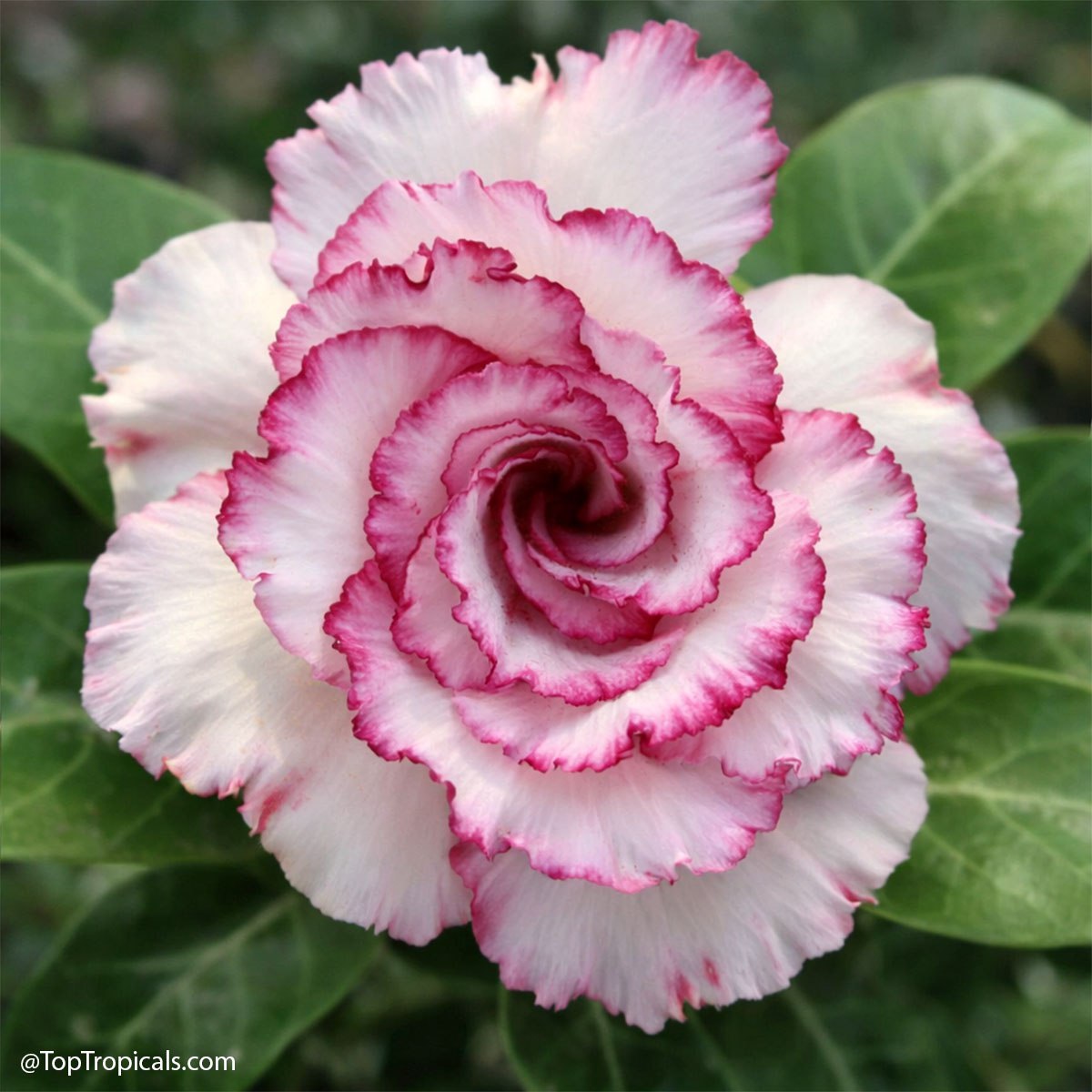
  •  ✦ Carnation: Layered, ruffled petals that give it a fuller, almost classic flower look.
  •  ✦ Camellia: Full, layered petals in a soft rosette form - looks more like a classic garden flower than a typical adenium.
  •  ✦ Golden Millionaire: Rich golden tones with a strong, bright look - warm and eye-catching.
  •  ✦ Golden Star: Clean yellow blooms with a crisp form - simple, bright, and very balanced.

A mix like this gives you contrast right away - dark next to gold, simple next to unusual.
That’s what makes a collection interesting: not just how many you have, but how different they feel side by side.

🛒 Explore Exotic Thai Adeniums

📚 Learn more:

Plant Facts

Adenium sp.
Adenium, Desert Rose, Impala Lily
USDA Zone: 9-11
Plant with caudexLarge shrub 5-10 ft tallSmall tree 10-20 ftFull sunDry conditionsModerate waterYellow, orange flowersRed, crimson, vinous flowersUnusual colorBlue, lavender, purple flowersWhite, off-white flowersPink flowersToxic or Poisonous

#Container_Garden #Adeniums #How_to #Discover

🟢 Join 👉 TopTropicals

Date: 23 Mar 2026

Adenium rainbow: these 6 will pull you in

Adenium Big Harry

Adenium Big Harry

Adenium Black Border

Adenium Black Border

Adenium Cheese

Adenium Cheese

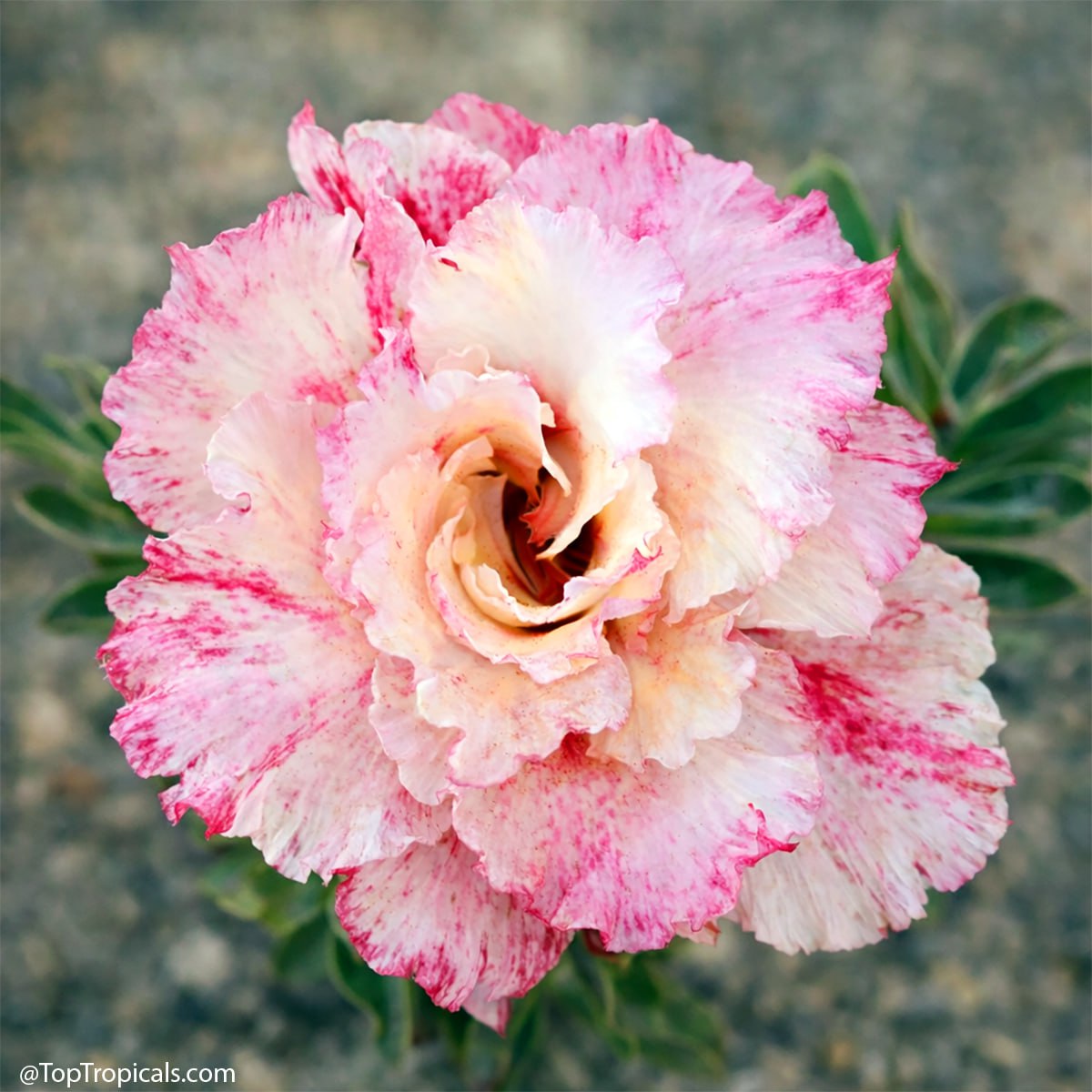
Adenium Cotton Candy

Adenium Cotton Candy

Adenium Chok Am Nuay

Adenium Chok Am Nuay

Adenium Immortality-2

Adenium Immortality-2

Adenium rainbow: these 6 will pull you in 🌈

Some adeniums are nice, and some - make you stop and stare.
This batch leans bold, unusual, and a little addictive. If you’re building a collection, this is the kind of mix that makes it feel alive.


💡 Adenium fertilizing tip


Adeniums respond really well to liquid feeding - especially during active growth.

Bloom booster. Use a fertilizer with a higher middle number (phosphorus). It supports both flowering and caudex development. We use professional Sunshine Megaflor Bloom Booser.

How to apply
Water into the soil
Light foliar spray on leaves
Avoid spraying directly on the caudex

Add Sunshine Superfood:
Iron - for rich, healthy leaves
Molybdenum & Boron - support longer-lasting blooms

🌸 Today's featured adeniums

  •  ✦ Big Harry: Large, bold presence - one of those varieties that doesn’t go unnoticed.
  •  ✦ Black Border: Deep, rich petals with a dramatic dark edge that makes the color pop.
  •  ✦ Cheese: Soft yellow shades, warm and creamy - unusual and easy to like.

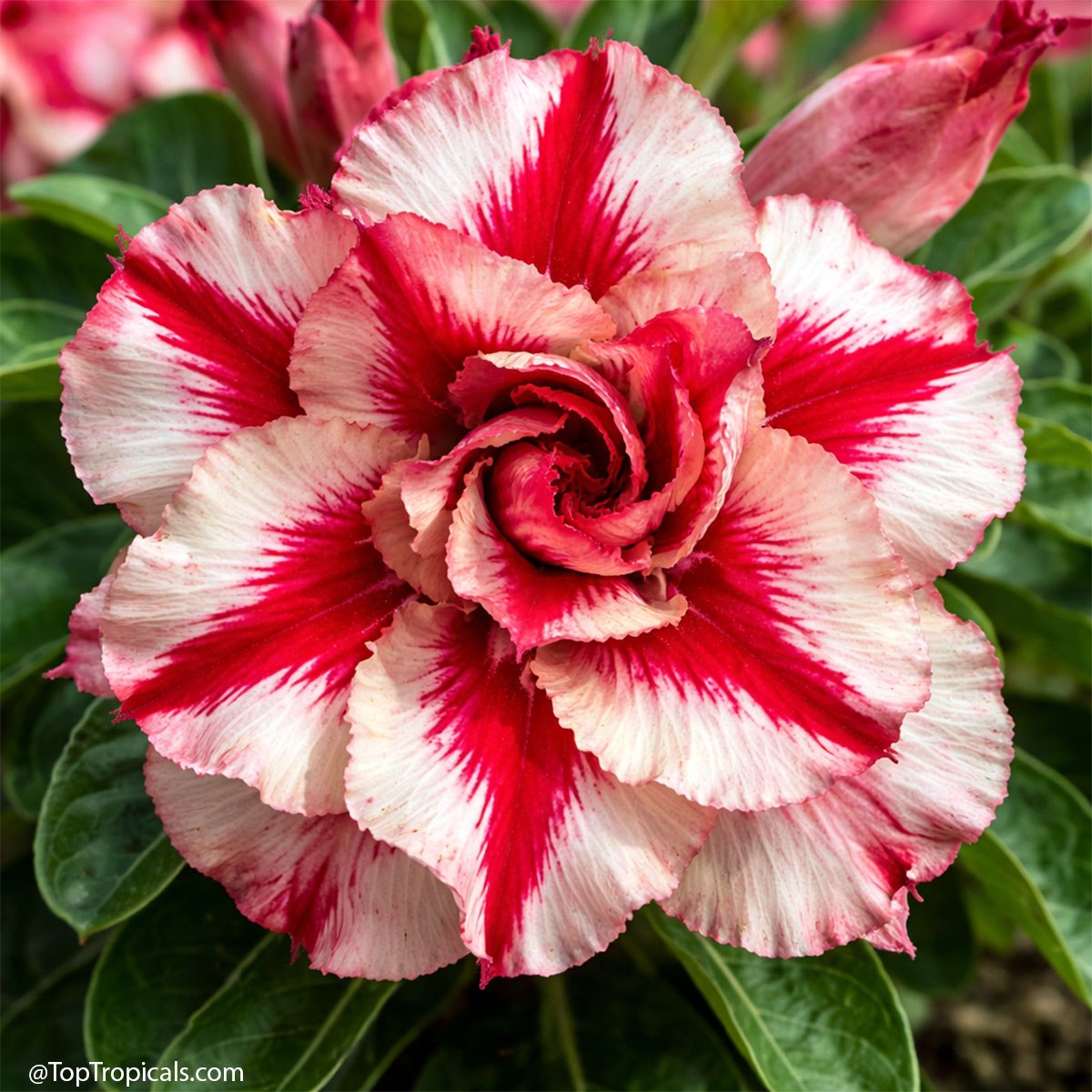
Cotton Candy: Fluffy pink shades that look almost unreal, like spun sugar.
  •  ✦ Chok Am Nuay: A Thai classic tied to luck and prosperity - strong grower with character.
  •  ✦ Immortality-2: Layered petals with a refined look - feels a bit more rare and collected.

Pick a mix like this - light, dark, bold, soft - and your collection instantly feels more complete.
And yes… this is how it starts again.

🛒 Explore Exotic Thai Adeniums

📚 Learn more:

Plant Facts

Adenium sp.
Adenium, Desert Rose, Impala Lily
USDA Zone: 9-11
Plant with caudexLarge shrub 5-10 ft tallSmall tree 10-20 ftFull sunDry conditionsModerate waterYellow, orange flowersRed, crimson, vinous flowersUnusual colorBlue, lavender, purple flowersWhite, off-white flowersPink flowersToxic or Poisonous

#Container_Garden #Adeniums #How_to #Discover

🟢 Join 👉 TopTropicals

Date: 22 Mar 2026

Do Fruit Trees Increase Property Value? Tropical Plants That Pay Off

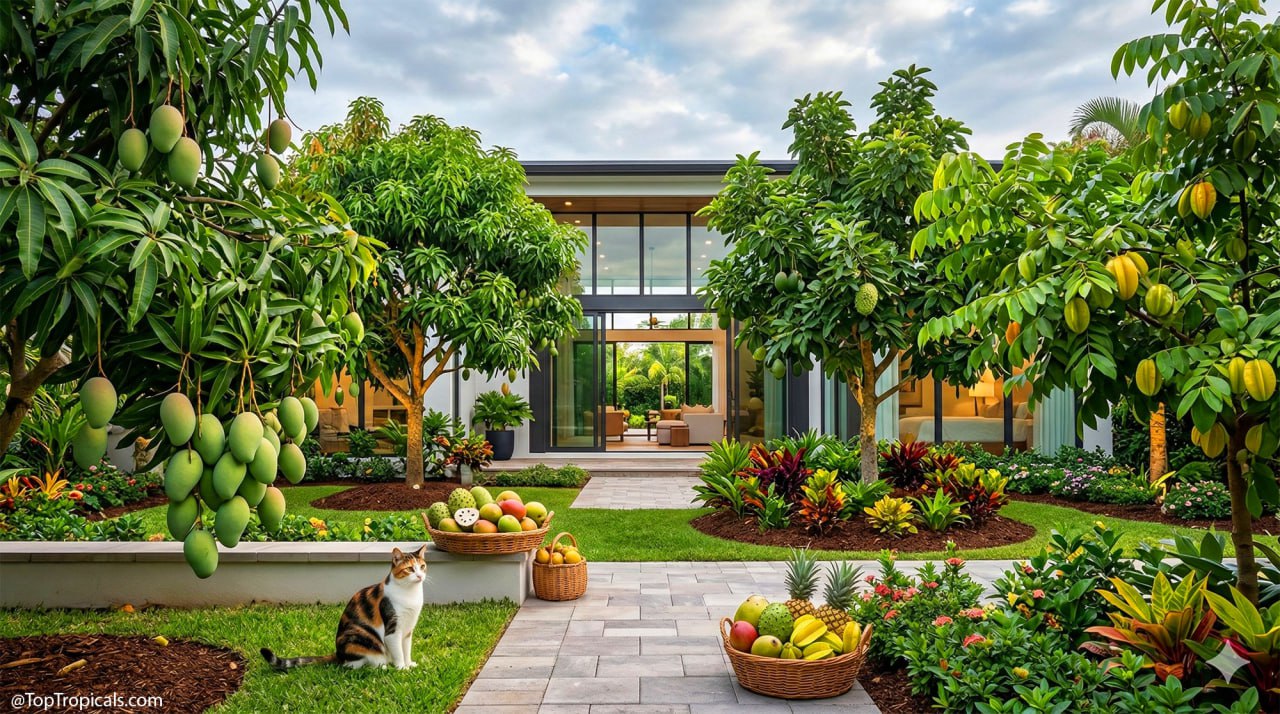
Yard with fruiting tropical trees

Yard with fruiting tropical trees

Landscaped yard in Florida

Landscaped yard in Florida

Mango tree fruiting in the garden
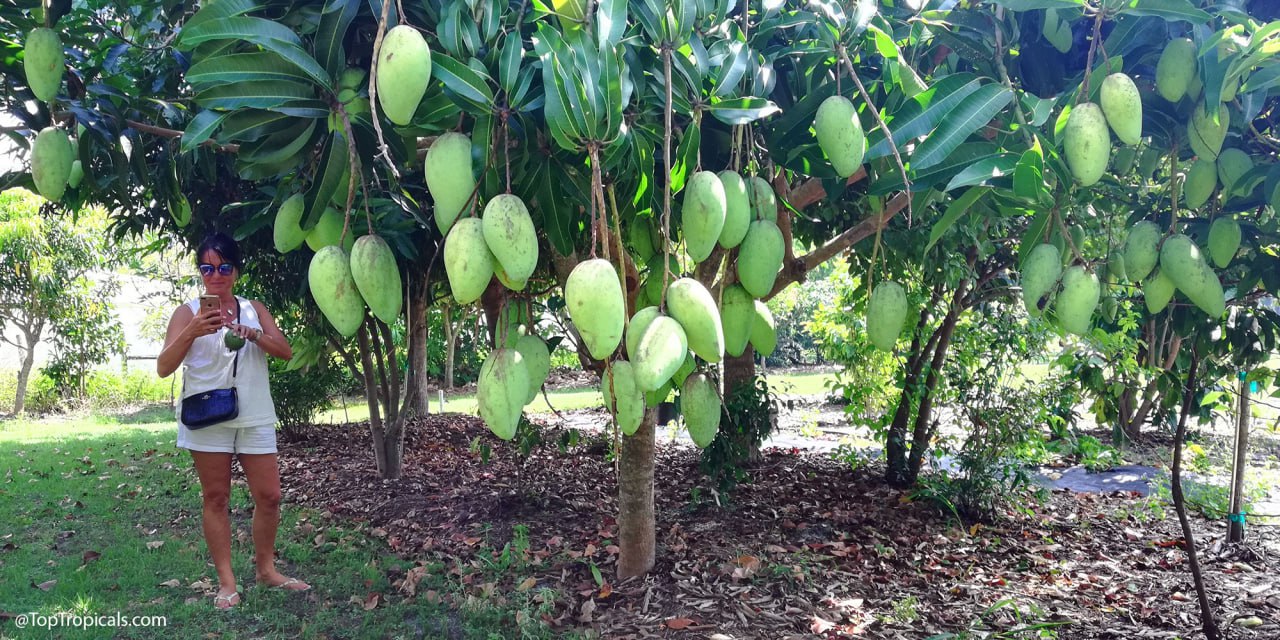
Mango tree fruiting in the garden
Do Fruit Trees Increase Property Value? Tropical Plants That Pay Off 🏡

Can your backyard pay for itself? Learn which 12 tropical fruit trees real estate experts say are the smartest investment for your landscape. Discover how tropical fruit trees like mango and avocado add "edible equity" and curb appeal to your property, making it more desirable to future buyers. Turn your yard into a private paradise that lowers grocery bills and boosts home value.
In warm climates like Florida, a mango tree isn't just landscaping - it’s a food-producing asset. Mature tropical fruit trees offer "edible equity," saving homeowners hundreds in grocery bills while creating a unique, memorable aesthetic for buyers.
  • 🥭 1. Focus on "Instant Recognition" Favorites


    Trees buyers already know and love provide the strongest ROI. They signal that the yard is already productive - something new builds can’t offer.

  • •  Top Picks: Mango, Avocado, Papaya, Banana, Guava, and Loquat.
  • •  The Value: A single mature avocado or mango tree can yield hundreds of pounds of fruit annually.


🥭 2. Create a "Memorable Discovery" with Exotic Varieties


Unusual fruits turn a standard yard into a tropical orchard, acting as a conversation piece during home tours.
  • •  The Exotic List: Jackfruit, Sugar Apple, Soursop, Sapodilla, Ice Cream Bean, and Star Fruit.


🥭 3. Strategic Placement for Energy Savings


Large-canopy trees like jackfruit or mango do more than provide food; they act as natural insulation.
  • •  Natural Cooling: Strategic planting reduces afternoon sun exposure and lowers AC costs.
  • •  Indoor/Outdoor Flow: Use trees to frame window views, block neighbors, and create private "outdoor rooms."


🥭 4. The Power of the "Mini Orchard"


A collection of 3–5 trees creates a stronger emotional pull than a lone plant. Buyers begin to visualize a lifestyle of smoothies and harvests.
  • •  Winning Combos: Mango + Avocado + Papaya or Guava + Star Fruit + Banana.


🥭 5. Maintenance: Health Equals Value


Fruit trees only add value if they look manageable. A neglected tree suggests a neglected home.
  • •  Pre-Sale Prep: Prune for tidiness, mulch the base, and clear fallen fruit.
  • •  Spacing Matters: Avoid overcrowding; ensure buyers can walk comfortably through the yard without feeling "closed in."


🥭 The Long-Term Play


Unlike decorative plants that may need frequent replacement, fruit trees appreciate over time. Because a mango tree takes years to reach peak production, the best time to plant for future resale value is now. By the time you list, your yard will offer shade, privacy, and a harvest that buyers find hard to resist.

🛒 Start Growing Your Edible Equity - Find the Perfect Fruit Tree for Your Yard

📚 Learn more:

Plant Facts

Mangifera indica
Mango
USDA Zone: 9-11
Large tree taller than 20 ftSmall tree 10-20 ftFull sunModerate waterYellow, orange flowersPink flowersEdible plantSeaside, salt tolerant plant

Mango trees in Plant Encyclopedia

#Food_forest #How_to #Discover

🟢 Join 👉 TopTropicals

Date: 21 Mar 2026

How to start your dream collection: Adenium rainbow

Adenium Amaryllis

Adenium Amaryllis

Adenium Win

Adenium Win

Adenium Butterfly Yellow

Adenium Butterfly Yellow

Adenium Black Butterfly

Adenium Black Butterfly

Adenium Good Morning

Adenium Good Morning

Adenium Good Night

Adenium Good Night

How to start your dream collection: Adenium rainbow 🌈
  • 👉 Thinking about adeniums? Read this before you buy one!
How to start an adenium collection without wasting money

If you’ve ever seen a tray of different blooming adeniums, you probably had the same thought: "I want them all." And honestly - we get it.

But with hundreds of varieties out there (and only so much space on your patio), the real trick isn’t collecting everything… it’s choosing the right ones and growing them well so they actually bloom like the photos.

Let’s make it simple.

💡 Before you start your adenium collection


A few basics that make all the difference:
  • 🔸 Light. Bright light is key. The more light, the better the blooms.
  • 🔸 Water. Water deeply, then let soil dry out. Adeniums hate sitting wet.
  • 🔸 Fertilizer. Adeniums prefer liquid food. Light, regular feeding with Sunshine Megaflor Bloom Booster during active growth = stronger growth, bigger caudex, and better flowering.
  • 🔸 Trimming. Prune after flowering to shape and encourage branching. More branches = more flowers.
  • 🔸 Soil. Fast-draining mix is a must. No heavy, soggy soil. Use Adenium Soilless Mix.

👉 How to grow a happy Adenium

🌸 Today's featured adeniums


A few standout varieties to start (or expand) your collection:
  •  ✦ Amaryllis: Large, bold blooms with a classic floral shape - one of those that always catches attention.
  •  ✦ Win: Clean, bright blooms with a balanced form - simple and very satisfying.
  •  ✦ Butterfly Yellow: Soft yellow tones with a delicate, airy look - light and cheerful.
  •  ✦ Black Butterfly: Dark, velvety tones with a winged pattern feel - rich and dramatic.
  •  ✦ Good Morning: Bright, fresh tones that feel clean and uplifting - a nice contrast in any group.
  •  ✦ Good Night: Dark, moody tones - a completely different vibe from typical bright adeniums.

If you’re just starting, pick a few different styles - light, dark, bold, soft. That contrast is what makes a collection feel alive.

And fair warning… It rarely stops at six! 😀

🛒 Explore Exotic Thai Adeniums

📚 Learn more:

Plant Facts

Adenium sp.
Adenium, Desert Rose, Impala Lily
USDA Zone: 9-11
Plant with caudexLarge shrub 5-10 ft tallSmall tree 10-20 ftFull sunDry conditionsModerate waterYellow, orange flowersRed, crimson, vinous flowersUnusual colorBlue, lavender, purple flowersWhite, off-white flowersPink flowersToxic or Poisonous
#Container_Garden #Adeniums #How_to #Discover

🟢 Join 👉 TopTropicals

Date: 18 Mar 2026

The Alien Lily: why this rare Peruvian bulb is taking over garden feeds

Eucrosia bicolor - Peruvian lily

The Alien Lily: why this rare Peruvian bulb is taking over garden feeds 🔥

Most bulbs are predictable, but Eucrosia bicolor is a total showstopper. Discover why this rare Peruvian lily looks like a firework and how to grow it.
  • 💥 I planted a simple, nondescript bulb and honestly? I wasn’t prepared for what came out of the soil. This one feels like it belongs in a museum, or on a tiny stage with spotlights!
  • 💥 Eucrosia bicolor is not your typical garden plant - it’s a rare bulb from the dry regions of Peru, and when it blooms, it puts on a theatrical performance. It’s rare, it’s a bit dramatic, and it looks like something designed for a sci-fi movie set.
Picture this: you’ve got a simple tulip-like bulb sitting quietly for months. Then suddenly, a flower stalk shoots up, and out comes this wild bloom - bright red base with long, thin golden “whiskers” sticking out like fireworks frozen mid-burst. It doesn’t even look real at first glance.
  • 💥 Move over, Orchids: why Peruvian Lily is the ultimate conversation starter


    The Eucrosia bicolor is a rare bulb from the dry forests of Peru. For months, it sits quietly in its pot, looking like a plain onion. But then, the magic happens:

  • · The "Fireworks" Bloom: A tall stalk shoots up, topped with bright red flowers and impossibly long, golden-tipped "whiskers.
  • · The"Museum"Look: The stamens are so long and delicate they look like frozen explosions or a tiny botanical chandelier.
  • · Lush Foliage: Even when it isn't blooming, its broad, soft leaves offer a"Lily of the Valley"elegance that keeps your shelf looking green.


💥 The"introverted"bulb: why you should stop watering this plant to make it bloom


Being part of the Amaryllis family, Peruvian Lily has a unique quirk: it craves a"disappearing act."
It requires a dry dormancy period where it completely dies back.
It’s essentially a"don't call me, I'll call you"plant.
But when it decides it's time? It comes back stronger every year.

💥 Quick Care Guide for Collectors


How to Master the"Peruvian Performance"? Caring for this rarity is actually quite simple once you understand its rhythm.
  • · Light. Yes, it blooms in shade! To get those museum-quality blooms, you’ll want to place it in a spot with warmth and bright, indirect sunlight - a sunny windowsill is usually its happy place.
  • · Water. During its active growing season, keep the soil moist, but here is the"secret sauce": once the leaves begin to yellow, stop watering entirely. This mimics the dry season in Peru and allows the bulb to rest.
  • · Placement. Because of this specific"on/off"cycle, it’s best kept in a container where you can easily control its environment and move it to a place of honor the moment those firework-like stalks appear.
  • · The Verdict: It’s not a constant bloomer, and that’s exactly why it's special. When that stalk finally appears, it feels like an event. It’s the kind of plant that makes you run to the living room every morning just to see if"today is the day."


🛒 Find the Peruvian Lily here

🎥 Close-up of Eucrosia bicolor flower with long golden stamens
📚 Eucrosia bicolor in Plant Encyclopedia

#Container_Garden #How_to #Discover

Plant Facts

Eucrosia bicolor
Peruvian Lily
USDA Zone: 9-11
Groundcover and low-growing 2ft plantSmall plant 2-5 ftSemi-shadeFull sunModerate waterRed, crimson, vinous flowersSubtropical plant. Mature plant cold hardy at least to 30s F for a short time
🟢 Join 👉 TopTropicals

Date: 16 Mar 2026

🌱 💪 Green Magic + SUNSHINE Boosters: A Complete System for Strong Plant Growth

By Tatiana Anderson, Horticulture Expert at Top Tropicals with Smokey & Sunshine help

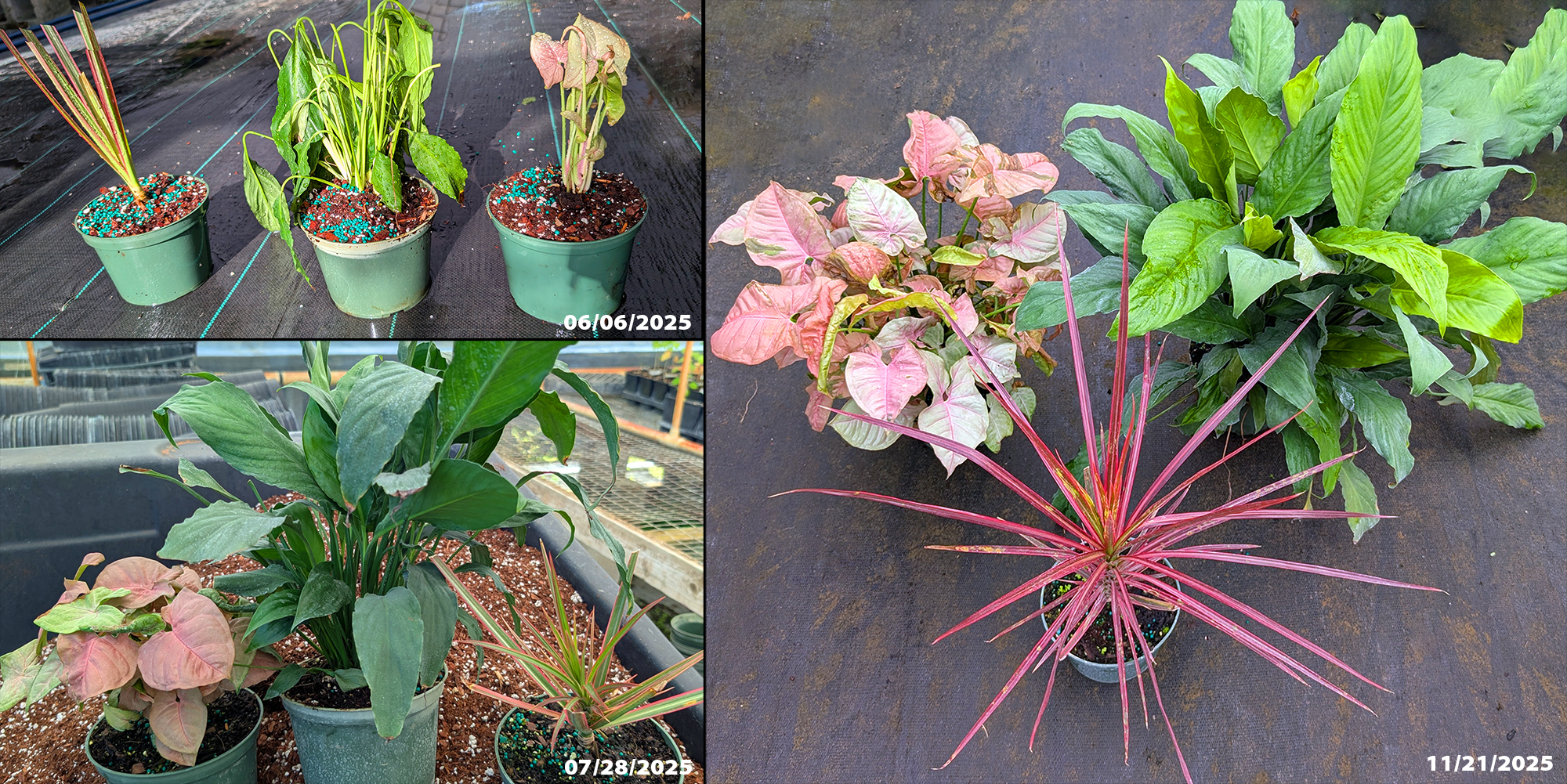
Nearly  dead  houseplants  (Dracaena,  Syngonium,  and  Spathiphyllum) 
 recovering  and  growing  vigorously  after  treatment  with  Green  Magic 
 fertilizer  and  Sunshine  Robusta  plant 
 booster.

Green Magic recovery test with SUNSHINE Robusta support: Dracaena, Syngonium, and Spathiphyllum revived from severe stress and growing vigorously.

☀️🌱 Sunshine Boosters: Complete Plant Nutrition

Sunshine Boosters provide complete plant nutrition, including Calcium and micronutrients that plants need for strong growth. Because nutrients are delivered in liquid form, plants can absorb them quickly and respond almost immediately.

The Practical Problem

Liquid feeding works well, but it requires frequent application. In real gardens, many growers simply do not have time to add liquid fertilizer with every watering.

Green Magic: The Foundation

Green Magic solves this problem by providing steady background nutrition through controlled-release fertilizer. It feeds plants gradually, so they continue receiving nutrients even between liquid feedings.

Why This Combination Works

Together, this system provides both complete nutrition and steady feeding. Sunshine Boosters supply fast nutrients and Calcium, while Green Magic maintains a stable nutrient supply between feedings.

✍️ How to Feed Your Plants

📅 Step 1 – Start of the Growing Season

  • Apply Green Magic around the root zone every 6 months.

    In ground:
    • Small Shrubs (1–3 feet): Use approximately 1/4 to 1/2 cup per plant
    • Established Trees: Use 1/2 lb to 1 lb of product per 1 inch of trunk diameter.
    • Small In-Ground Ornamentals: A common "spoon" rate is roughly 1 teaspoon per gallon of estimated root volume (or per sq. ft. of surface area).
    • Spread evenly around the dripline. Avoid piling the granules against the base or trunk of the plant. For best results, lightly rake the granules into the top 1–2 inches of soil.
    Container plants:
    • Apply 1 tea spoon per 1 gal of soil (mix in with soil) every 6 months during active growth period, or with every re-potting.
  • Water normally after application.
  • Adjustment for Temperature. Because Green Magic is temperature-controlled, adjust your rate if your local climate is extreme:
    • Cooler Climates (<60°F average): Increase the rate by 20% to ensure enough nutrients are released.
    • Hot Climates (> 80°F average): Decrease the rate by 20% to prevent over-releasing as the heat speeds up the process.

☀️🌿 Step 2 – Active Growing Season

  • Apply Sunshine Boosters during the growing season.
  • Regular feeding (maintenance): Mix with tap water according to the ratio on the label. For SUNSHINE Robusta use 25 ml (5 tsp)per gallon of water and spray leaves every 5-7 days during active growth.
  • Correction feeding ("medicine" dose): if plants show visible nutrient deficiencies, combine SUNSHINE Robusta with SUNSHINE Superfood and spray every 5–7 days until new growth appears healthy. All SUNSHINE Boosters products are compatible and can be mixed with water in the same sprayer.
  • Best time to spray: early morning or evening when temperatures are cooler and leaves can absorb nutrients efficiently.
  • Important: spray both the top and underside of leaves for maximum absorption.

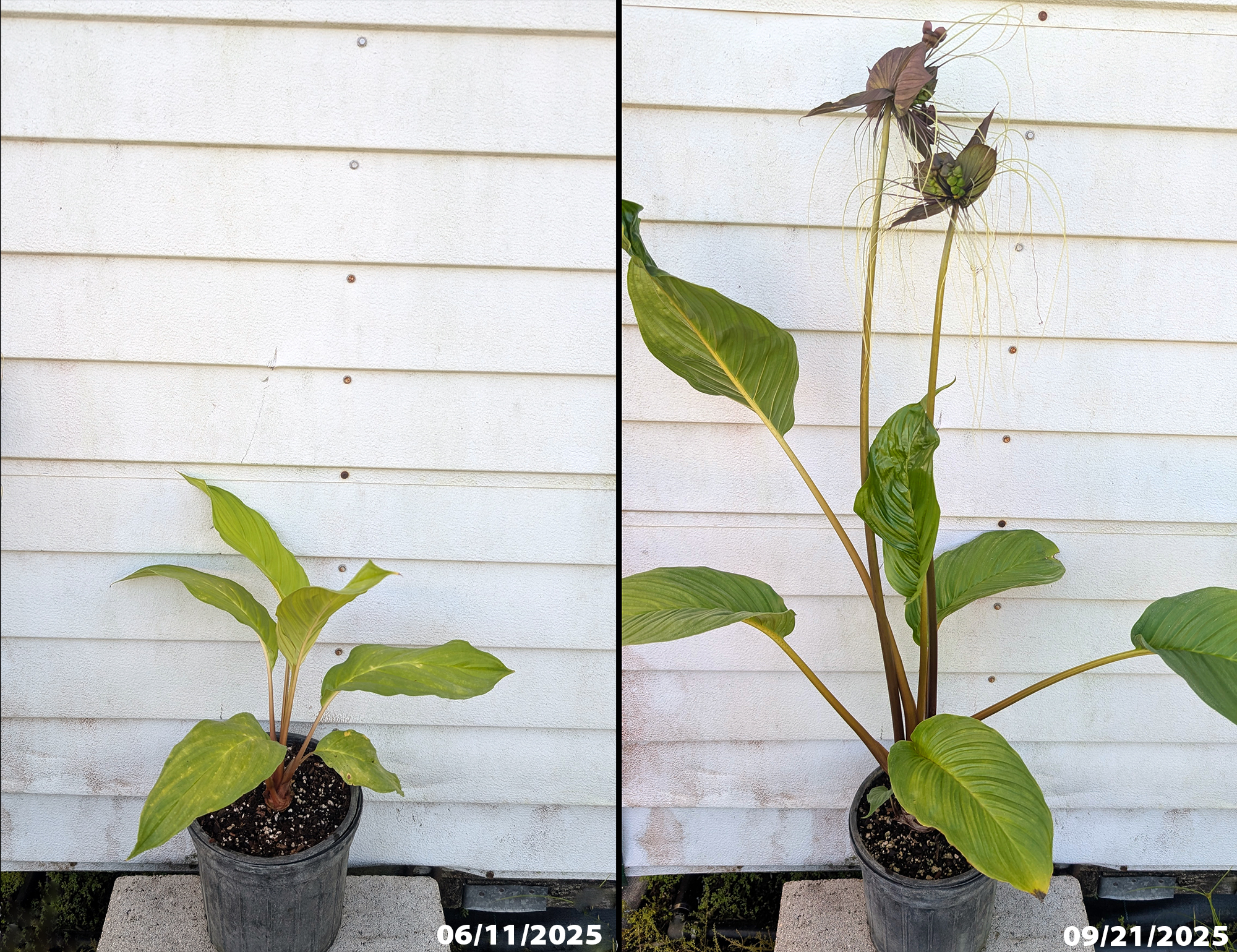
Tacca  plant  (bat  flower)  showing  strong  vegetative  growth  and  flower 
 bud  development  in  the  same  season  after  feeding  with  Green  Magic 
 fertilizer.

Tacca (bat flower) showing vigorous growth and producing flower buds in the same season after feeding with Green Magic.
Swipe left/right to see all data ↔️

📊 Seasonal feeding schedule with Green Magic and Sunshine Boosters.

Season Product Method Goal
Spring (March) Green Magic Soil Surface 6-month steady nutrient base.
Growing Season Sunshine Boosters Foliar (Every 5-7 days) Calcium & Bio-available growth power.
Late Summer Green Magic Soil Surface Replenish foundation for Fall.
Winter Sunshine Epi Foliar/Drench Cold tolerance and shipping recovery.

Quick Dose Reference

  • Green Magic: 1 teaspoon per 1 gallon of soil volume.
  • Sunshine Boosters: 25 ml (5 tsp) per 1 gallon of water.
  • Pro Tip: Always spray in the early morning or late evening to prevent leaf scorch and ensure maximum absorption through the stomata.

❓Frequently Asked Questions: Plant Nutrition & Fertilizer

General Fertilizer Concepts

Why is the "Spring Fertilizer Rush" a problem?
Most gardeners apply a large amount of traditional fertilizer once in March. This creates a "roller coaster" effect where plants get a sudden spike of nutrients followed by weeks of starvation. This leads to inconsistent growth and potential "fertilizer burn."

What is "fertilizer burn"?
Traditional fertilizers are made of soluble salts. When too many salts accumulate around the roots, they actually pull water out of the plant tissues (osmosis), dehydrating the plant and damaging sensitive root tips and leaf edges.

Is there a difference between "Slow-Release" and "Controlled-Release"?
Yes.

  • Slow-Release: Relies on natural factors like moisture and soil microbes to break down. It is often unpredictable.
  • Controlled-Release: Uses engineered polymer membranes (like Polyon) to release nutrients at a specific, predictable rate based primarily on temperature.

Green Magic & Temperature

How does temperature affect my fertilizer?
Most fertilizers are lab-tested at 75°F. In hot climates (90°F+), the nutrients release much faster. A "6-month" fertilizer might only last 3 months in the summer heat.

How should I adjust Green Magic for my local weather?

  • Cooler Climates (<60°F): Increase the application rate by 20%.
  • Hot Climates (> 80°F): Decrease the application rate by 20% to prevent over-releasing.

The Calcium Gap

Why doesn't Green Magic contain Calcium?
Calcium salts are highly soluble and can destabilize the polymer coating used in controlled-release granules. Therefore, most high-quality granules leave Calcium out. You can provide Calcium by using SUNSHINE Boosters

Why is Calcium so important for new growth?
Calcium is the "bone" of the plant, building strong cell walls. Unlike other nutrients, it is immobile—the plant cannot move it from old leaves to new ones. If you don't provide a constant supply, new leaves and fruit will emerge distorted or weak.

Advanced Science & Troubleshooting

What makes Sunshine Boosters "Bioavailable"?
Unlike most liquid fertilizers that use EDTA chelators, Sunshine Boosters are amino-acid based. They use organic acids and glycine to escort minerals into the plant, allowing it to incorporate nutrients into its proteins almost immediately.

Will these fertilizers affect the taste of my fruit?
No. Sunshine Boosters are made from pharmaceutical-grade components and contain no urea or harmful salts, ensuring your harvest (like Mangoes or Avocados) has a pure, natural flavor without a chemical aftertaste.

✨ Green Magic - 15% Off This Week

Give Your Plants a Strong Start This Spring
Green Magic - 15% OFF.

Build the foundation for the entire growing season with a steady, long-lasting nutrient base.

No coupon needed. The discount is automatically applied at checkout.
Offer valid through 03/21/2026. Discount applies to Green Magic products only. Not valid on previous purchases and cannot be combined with other promotions or discounts. Offer subject to change without notice.
Sunshine: So Green Magic feeds the plant for months. Does that mean I can forget about Sunshine Boosters?

Smokey: Not quite. Green Magic is the steady base diet. Sunshine Boosters are the weekly power drink during active growth.

Sunshine: Ah. Like my regular meals and donuts on top.

Smokey: Exactly. Plants eat slowly from Green Magic, and once a week they get a fresh boost.

Sunshine: Sprinkle once, then boosters every week. The plant grows, I drink coffee, and nobody forgets anything important.

Smokey: Except where you left the donuts.

Sunshine: Smokey... nobody forgets donuts. Ever

🛒 Feed your plants

✍️ Learn more about fertilizers